


How Is THCA Kief Made? From Flower to Trichome Powder
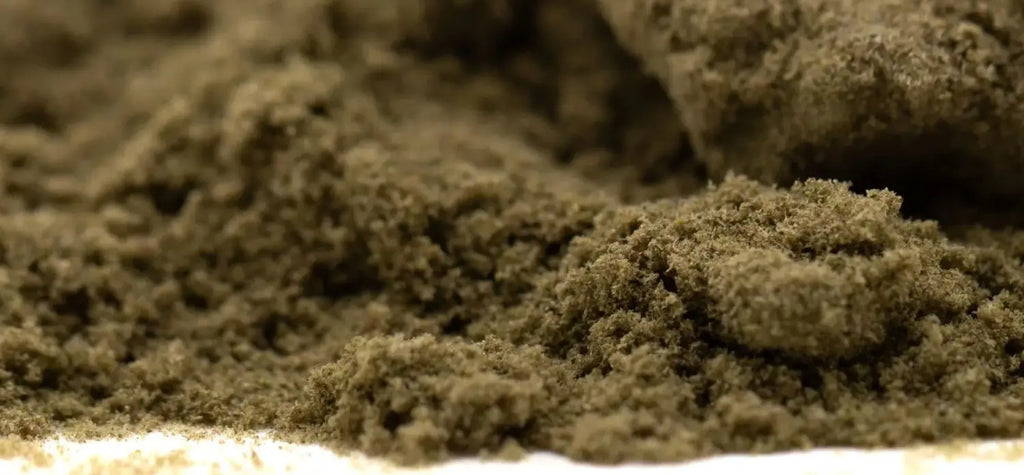
If you've ever scraped the bottom of a grinder and found a fine, sandy, golden powder, you've already met kief in its rawest form. But that dusty layer at the bottom of your grinder is a far cry from the clean, potent, trichome-rich product sold commercially. Understanding how is THCA kief made on a commercial scale reveals a process that's part science, part craft, and entirely dependent on the quality of the starting flower.
At its core, the kief production process is about separation, not extraction in the chemical sense. No solvents, no heat, no pressure — just mechanical agitation and precision screens doing the work of isolating trichome heads from plant material. This is why kief is often considered the most "natural" concentrate in the hemp world: it's still 100% flower, just refined down to its most potent component.
In this guide, we'll walk through the entire dry sift kief process from raw hemp flower to finished trichome powder, covering thca kief manufacturing at both the small-batch and commercial level, the screens and micron grades that determine quality, and why some kief ends up gold and glassy while other batches look dull and green.
The Dry-Sift Process Step by Step
Learning how to make kief starts with understanding what you're actually trying to isolate. Trichomes are the tiny, mushroom-shaped resin glands that coat hemp flower, and they're where the vast majority of cannabinoids and terpenes are stored. Kief is simply a concentrated collection of these detached trichome heads. The kief extraction method used to get there — dry sifting — relies entirely on temperature control, agitation, and screen filtration.
Step 1: Flower Selection and Preparation
Every batch starts with the right raw material. Producers select dense, resin-heavy hemp flower — often trim, smalls, or lower-grade buds that aren't destined for retail flower sales but still carry a heavy trichome coat. The flower needs to be fully dry and cured before sifting begins. Moisture is the enemy of clean kief production; damp flower causes trichomes to stick to plant matter instead of separating cleanly, and it can clog screens with plant fiber and chlorophyll.
Step 2: Cold Preparation
Before sifting, many producers chill the flower. Cold temperatures make trichome stalks brittle, so they snap off the plant surface more easily during agitation instead of bending or tearing along with leaf material. This step is a key part of any thca kief process explained correctly — skipping it typically results in lower yields and more plant contamination in the final product.
Step 3: Agitation Over Screens
This is the heart of the process. The chilled, dried flower is placed on a fine mesh screen — sometimes a single screen, sometimes a stacked series of screens with progressively smaller openings. Producers then agitate the material, either by hand-shaking, tumbling, or using vibration tables. The agitation knocks loose trichome heads off the plant surface, and gravity pulls them down through the mesh while larger plant particles, stems, and leaf fragments stay on top.
Step 4: Screen Sizing and Multiple Passes
A single pass rarely produces the cleanest kief. Most commercial operations use several screens in sequence, starting coarse and ending fine, so that only the smallest, purest trichome heads make it through the final layer. Coarser first passes remove big plant debris, while the final micron screen isolates just the resin glands themselves. Multiple passes are one of the biggest differentiators between low-grade and premium kief.
Step 5: Collection
Understanding how kief is collected at the final stage matters just as much as the sifting itself. As trichomes pass through the mesh, they collect on a collection surface, tray, or drawer beneath the screen setup. This powder is gathered carefully — often with soft tools like brushes or cards to avoid excess friction, which can prematurely rupture trichome heads and cause potency loss through oxidation.
Step 6: Grading and Quality Sorting
Not all kief coming off the screens is equal. Producers typically separate the sift into grades based on color, texture, and purity. The earliest, finest passes tend to be the lightest in color and highest in trichome purity, while later passes may contain more plant fragments and appear darker or greener. This grading step is fundamental to the kief making steps used by any producer serious about consistency.
Step 7: Optional Pressing or Further Refinement
Some kief is sold loose as a fine powder, ready to sprinkle on flower or pack into a bowl. Other batches are pressed under low heat and pressure into hash — a denser, more stable form of the same trichome material. Whether kief stays loose or gets pressed depends entirely on the intended product line and how the brand wants to package the final result.
Screen Sizes and Micron Grades Explained
Micron measurements are the backbone of quality control in thca trichome separation. A micron is a unit of measurement equal to one-millionth of a meter, and mesh screens are rated by how many microns their openings measure. The smaller the micron rating, the finer the mesh, and the more selective the screen is about what passes through.
Common Micron Ranges in Kief Production
- 150-190 micron screens: These are considered the coarsest working screens in most dry-sift setups. They allow larger trichome clusters and some plant material through, producing a lower-purity, often darker kief.
- 120-150 micron screens: A middle-ground range that starts to filter out more plant fragments while still capturing a solid volume of trichome heads. This range is common in mid-tier commercial kief.
- 90-120 micron screens: Widely regarded as an efficient range for capturing whole trichome heads with minimal plant contamination. Many producers consider this the workhorse range for a balance of yield and purity.
- 70-90 micron screens: This finer range typically isolates the cleanest, most potent trichome heads while excluding almost all plant material, resulting in a lighter, more golden final product.
- Below 70 microns: At this level, screens are so fine that only the smallest, most refined trichome fragments pass through. Yield drops significantly at this stage, but purity climbs, which is why the finest passes are often reserved for premium or specialty product lines.
Why Micron Grades Matter for Buyers
For wholesale buyers and retail consumers alike, micron grade is a shorthand for quality. A thca kief production guide built for serious buyers should always emphasize that lower micron numbers generally correlate with lighter color, smoother texture, and higher trichome-to-plant-matter ratios. This is also why premium kief tends to be priced higher — the finer the screen, the smaller the yield relative to the starting flower, and the more time and material it takes to produce a usable batch.
Micron grading isn't just a production detail — it's a language that buyers can use to compare products across brands. When a producer discloses screen size or micron grade, it gives a much clearer picture of expected quality than vague marketing terms like "premium" or "top-shelf" alone.
Manual vs. Machine Sifting Methods
Not every operation approaches the dry sift hemp process the same way. Scale, budget, and desired consistency all influence whether a producer sifts by hand or relies on mechanized equipment.
Manual Sifting
Manual methods are the oldest and most hands-on approach to kief production. Producers place dried flower directly onto a screen and agitate it by hand — shaking, tapping, or gently rubbing the material across the mesh. This method offers a high degree of control; an experienced processor can adjust pressure and timing in real time based on how the flower is responding.
The tradeoff is scale. Manual sifting is labor-intensive and slow, which makes it impractical for large commercial volumes. It's most common in small-batch, artisanal, or boutique kief production where quality control per batch matters more than total output.
Machine and Tumbling Methods
For commercial-scale operations, the kief tumbling process is the standard. Tumbling machines rotate drums lined with screens, using consistent mechanical agitation to knock trichomes loose in a repeatable, controlled way. Some setups use vibration tables instead of rotating drums, applying steady oscillation to move material across stacked screens.
Machine sifting offers several advantages for producers scaling up:
- Consistency: Machines apply uniform agitation every cycle, which reduces batch-to-batch variation.
- Efficiency: Large volumes of flower can be processed in a fraction of the time manual sifting would require.
- Temperature control: Many tumbling setups are housed in climate-controlled environments, keeping flower at optimal cold temperatures throughout the cycle for better trichome separation.
- Reduced waste: Automated timing reduces the risk of over-agitating material, which can degrade trichomes and lower final yield quality.
Which Method Produces Better Kief?
Neither method is inherently superior — the real differentiator is control and attention to detail. A well-run manual operation can produce exceptional small-batch kief, while a poorly calibrated machine can produce inconsistent, low-grade results. Conversely, a well-calibrated tumbling operation paired with proper cold storage and multiple screen passes can produce commercial-scale kief that rivals hand-sifted quality. For most buyers, the practical takeaway is that production method matters less than the transparency and consistency of the producer behind it.
Why Sift Quality Affects Purity and Color
Color is one of the fastest visual indicators of kief quality, and it's directly tied to how carefully the screen sifting kief process was executed.
What Causes Color Variation
- Light gold or pale yellow kief typically indicates a high concentration of pure trichome heads with minimal plant contamination. This is usually the result of fine micron screens, multiple sifting passes, and careful, low-friction collection.
- Darker green or brown kief usually signals more plant fragment contamination — bits of leaf, stem, or trichome stalks that made it through a coarser screen along with the resin heads. This doesn't necessarily mean the kief is unsafe or unusable, but it does typically indicate lower purity and, often, a milder flavor and effect profile diluted by plant material.
- Overly dark or brittle kief can also result from excessive friction or heat exposure during sifting or collection, which oxidizes trichome heads and degrades both potency and aroma over time.
The Purity-to-Yield Tradeoff
There's an inherent tradeoff in the hemp flower to kief process: the purer the final product, the smaller the yield. Fine micron screens and multiple passes remove more plant material, but they also let less total material through. This is why the lightest, most golden kief is typically sold at a premium — it represents a smaller percentage of the original flower's mass, concentrated down to its most potent, cleanest form.
How to Evaluate Kief Quality Visually
Buyers and quality control teams often use a simple visual and tactile checklist:
- Color: Lighter gold tones generally indicate higher purity.
- Texture: A fine, powdery, consistent texture suggests careful screening; clumpy or fibrous texture suggests plant contamination or moisture issues.
- Melt: High-quality kief should melt cleanly when heat is applied, leaving minimal residue — a classic indicator of trichome purity versus plant matter content.
Sift quality isn't just an aesthetic detail — it's a direct reflection of the care, equipment, and expertise that went into production, which is exactly why sourcing from a producer with a transparent, well-documented process matters so much for both retail consumers and wholesale buyers.
Frequently Asked Questions
Is THCA kief the same as regular kief?
The production process is identical — both are collected through dry sifting or screen filtration of trichomes from hemp or cannabis flower. The difference lies in the cannabinoid profile of the starting flower, with THCA kief coming from hemp flower high in THCA content.
Do you need special equipment to make kief at home?
No special equipment is strictly required. A simple three-chamber grinder with a built-in screen can collect small amounts of kief over time, though dedicated sifting screens or silkscreen mesh will produce more usable quantities faster.
How much kief can you get from a batch of flower?
Yield varies significantly based on the trichome density of the starting flower, screen micron size, and number of passes. Finer, purer kief yields a smaller percentage of the original flower's weight compared to coarser, lower-grade sift.
Does kief need to be stored differently than flower?
Kief has a much higher surface-area-to-volume ratio than flower, which makes it more prone to oxidation and moisture absorption. Airtight, opaque containers stored in a cool, dark place help preserve color, aroma, and potency longer.
Can kief be pressed into hash?
Yes. Applying gentle heat and pressure to collected kief compacts it into a denser form commonly known as hash, which is more shelf-stable and easier to handle than loose powder.
Why does some kief look darker than others?
Darker kief typically contains more plant fragment contamination from coarser screens, or it may have experienced oxidation from heat or excessive handling during collection.


