


What Is a THCA Blunt? Everything Beginners Need to Know
Search interest in THCA blunts has climbed steadily over the past two years, and so has the confusion around them. Scroll through any hemp shop or smoke shop forum and you'll see the same questions: Is it weed? Is it legal? Is it the same as a CBD blunt? Will it actually do anything?
If you've landed here asking what is a THCA blunt, you're in good company. The product sits at the intersection of hemp law, cannabis chemistry, and smoking culture, and each of those three worlds uses its own vocabulary. That makes a simple product sound much more complicated than it is.
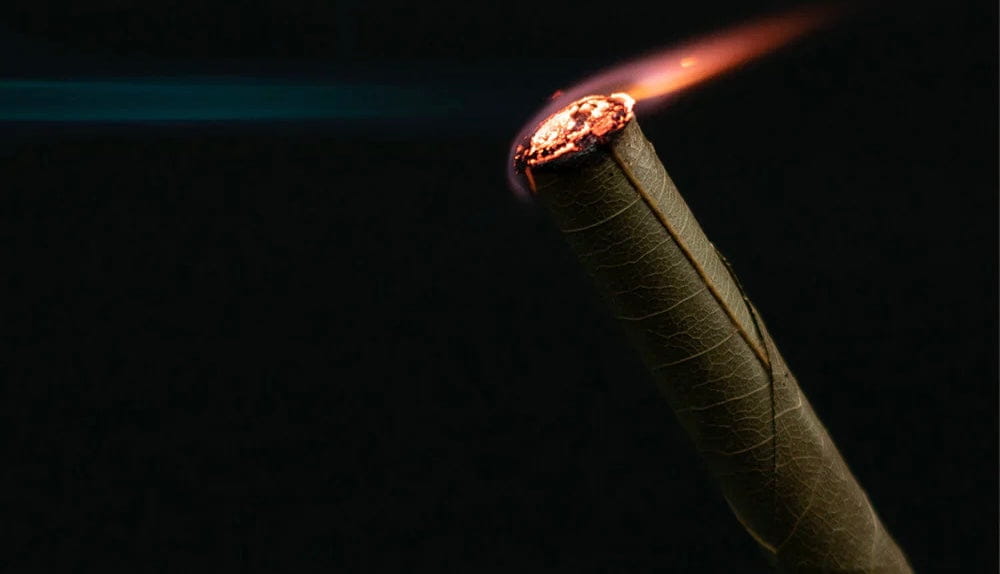
Here's the short version: a THCA blunt is hemp-derived THCA flower rolled in a thick wrap, usually made from hemp, tobacco leaf, or palm leaf. When you light it, the THCA converts into THC, which is why the experience resembles smoking a traditional cannabis blunt.
That's the headline. The rest of this guide explains why, in plain English, without the jargon. In about five minutes you'll know:
- What THCA actually is and why heat matters
- What separates a blunt from a joint or pre-roll
- How a THCA blunt compares to a regular cannabis blunt
- What a THCA blunt feels like and how strong it is
- How to pick a good one if you're a first-timer
Let's start with the compound that makes the whole thing work.
What Is THCA?
THCA stands for tetrahydrocannabinolic acid. It's the most abundant cannabinoid in most raw, living cannabis plants, and it's the natural precursor to delta-9 THC, the compound most people associate with a cannabis high.
The key word is precursor. In its raw form, THCA is not intoxicating. You could eat a handful of fresh, uncured cannabis flower straight off the plant and you wouldn't feel the classic effects. That's because the THCA molecule has an extra carboxyl group attached to it (the "A" in THCA stands for "acid"). That extra group changes the molecule's shape, and the altered shape doesn't bind well to the CB1 receptors in your brain that produce THC's psychoactive effects.
How THCA Decarboxylation Works
So how does a non-intoxicating compound become an intoxicating one? Heat.
THCA decarboxylation is the chemical reaction that happens when THCA is heated. The heat knocks off that extra carboxyl group, releasing carbon dioxide and leaving behind delta-9 THC. "De-carboxyl-ation" literally means removing the carboxyl group.
Decarboxylation happens at different speeds depending on temperature:
- Slow and low: Over time, even at room temperature, a small amount of THCA converts to THC. Light and heat speed this up, which is one reason storage matters.
- Baking: When people make edibles, they "decarb" flower in an oven, usually somewhere around 220–250°F for 30–60 minutes, to convert THCA before infusing it.
- Combustion: When you light flower on fire, the temperature at the burning tip is far higher than any oven. Conversion happens almost instantly as you inhale.
That last point is why smoking THCA flower produces effects. The flame does the chemistry for you in real time. By the time the smoke reaches your lungs, much of the THCA has already become THC.
Why THCA Percentage Matters
When you look at a THCA product label or lab report, you'll usually see two numbers: THCA percentage and delta-9 THC percentage. You'll also often see "Total THC," which estimates how much THC the flower could produce once fully decarboxylated.
The formula labs use is:
Total THC = (THCA × 0.877) + Delta-9 THC
The 0.877 multiplier accounts for the weight lost when the carboxyl group leaves as CO2. So flower testing at 25% THCA and 0.2% delta-9 THC has a potential total THC of roughly 22%.
For a beginner, the takeaway is simple: higher THCA percentage generally means a stronger smoke. A blunt rolled with 28% THCA flower will hit harder than one rolled with 16% THCA flower, all else being equal.
Why THCA Became Its Own Product Category
The 2018 Farm Bill legalized hemp at the federal level, defining it as cannabis containing no more than 0.3% delta-9 THC on a dry-weight basis. That definition focused on delta-9 THC specifically and didn't count THCA toward the limit in many testing interpretations. Growers realized they could cultivate high-THCA plants that tested under 0.3% delta-9 THC at harvest.
That created a market for THCA flower, and eventually for THCA blunts, pre-rolls, concentrates, and more. It's worth knowing that this regulatory picture is shifting, which we cover in the safety and legal section below.
What Makes It a Blunt?
Now for the second half of the name. What turns rolled flower into a "blunt" instead of a joint?
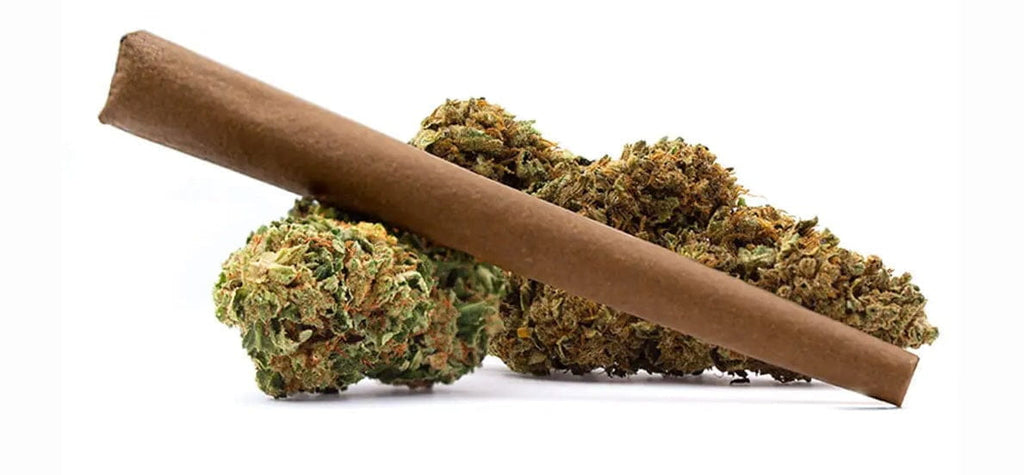
The answer comes down to the wrap. A joint is flower rolled in thin, lightweight rolling paper, typically made from rice, hemp, or wood pulp. A blunt is flower rolled in a thicker, heavier wrap that's closer to a cigar leaf.
The name comes from Phillies Blunt, a brand of inexpensive cigars. People would split the cigar, dump out the tobacco, and refill the leaf wrap with cannabis. The name stuck, and "blunt" became the term for any cannabis rolled in a cigar-style wrap.
The Three Main Wrap Types
Modern THCA flower blunt products usually use one of three wrap materials:
1. Hemp wraps
Made from pressed hemp fiber, hemp wraps are the most popular choice for people who want the blunt experience without tobacco or nicotine. They're often flavored, burn fairly evenly, and pair naturally with hemp-derived flower. Many hemp blunts on the market use this style of wrap.
2. Tobacco leaf wraps
This is the traditional blunt. Tobacco leaf wraps (including cigarillo shells and whole-leaf wraps) give a rich, earthy, slightly sweet flavor and a noticeable "buzz" from the nicotine. That buzz is part of the appeal for some smokers, but it also means you're consuming nicotine, which is addictive. If you don't use tobacco, skip these.
3. Palm leaf wraps
Palm leaf wraps are usually pre-formed cones made from natural palm leaves (often the Cordia leaf). They're tobacco-free, sturdy, slow-burning, and often come with a built-in wooden or corn-husk tip. Palm leaf wraps have become popular in pre-rolled blunt products because they hold their shape well and deliver a clean, mild flavor.
Size, Burn Time, and Social Smoking
Blunts are bigger than joints. A standard joint holds around half a gram to one gram of flower. A blunt commonly holds 1 to 2 grams, and some hold more.
The thicker wrap also burns slower than thin paper. Combine more flower with a slower burn and you get a longer session. That's why blunts have a reputation as social smokes: one blunt can easily be passed around a small group, while a single joint might only last a few rotations.
How Is a THCA Blunt Made?
If you're wondering how is a THCA blunt made, the process is straightforward whether it's done by hand at home or in a production facility:
- Source compliant flower. It starts with THCA hemp flower that has been lab-tested for cannabinoid content and, ideally, for contaminants.
- Grind the flower. The buds are broken down to a consistent texture. Too fine and the blunt burns hot and tight; too coarse and it canoes (burns unevenly down one side).
- Prepare the wrap. Hemp and tobacco wraps are unrolled or split; palm cones come pre-shaped. Some wraps are lightly moistened to make them pliable.
- Fill and pack. The ground flower is loaded evenly along the wrap or packed into the cone. Even packing is the difference between a smooth, steady burn and a frustrating one.
- Roll and seal. Flat wraps are rolled tightly and sealed, often with a touch of moisture. Cones are twisted or capped at the end.
- Cure or dry. Some rollers briefly dry the finished blunt, sometimes by passing a lighter flame near (not on) the wrap to set the seal.
A THCA pre roll blunt skips all of that for you. It arrives already rolled, packed, and sealed, usually in a tube to protect freshness. For beginners, pre-rolled is the easiest entry point because rolling a blunt well takes practice.
THCA Blunt vs. Regular Cannabis Blunt
This is where most of the confusion lives. If a THCA blunt turns into THC when you light it, how is it different from a blunt you'd buy at a licensed marijuana dispensary?
Chemically, They're Very Similar Once Lit
Cannabis and hemp are the same plant species: Cannabis sativa L. The difference between "hemp" and "marijuana" is a legal line, not a botanical one. High-THCA hemp flower and high-THC dispensary flower can come from similar genetics and have similar cannabinoid and terpene profiles.
Remember, most of the "THC" in dispensary flower is actually stored as THCA before it's heated too. Dispensary labels often report the same Total THC calculation described above. So once you light either one, the flame drives decarboxylation and you inhale THC along with the plant's terpenes and minor cannabinoids.
In practical terms, a well-grown 25% THCA hemp flower blunt and a 25% total THC dispensary blunt should produce broadly comparable experiences, with differences coming down to strain, terpene profile, freshness, and how much you smoke.
The Real Differences: Legal Classification and Sourcing
Where THCA blunts and regular cannabis blunts diverge is on paper and in the supply chain:
Legal classification: THCA flower has been sold as hemp under federal law because it tests at or below 0.3% delta-9 THC on a dry-weight basis. Dispensary cannabis exceeds that threshold and is regulated as marijuana under state programs. That's why THCA products have been sold online and shipped in many states where dispensaries don't exist. (See the legal note below, because this is changing.)
Sourcing: THCA hemp is grown by licensed hemp cultivators under USDA or state hemp programs. Dispensary cannabis is grown by state-licensed marijuana cultivators and stays within that state's regulated market.
Testing: Reputable hemp brands test for delta-9 compliance and publish a Certificate of Analysis (COA). The best ones go further and test for pesticides, heavy metals, residual solvents, mold, and microbials. Dispensary products are tested under state-specific rules, which vary widely. On the hemp side, testing standards depend heavily on the brand, which is why checking the COA matters so much (more on that below).
What About CBD Blunts?
It's also worth separating THCA blunts from CBD blunts. Both fall under the hemp umbrella, and both might be sold as hemp blunts. But CBD flower is bred to be high in CBD and low in THCA, so it won't produce a noticeable high. THCA flower is bred for the opposite. Always read the label and the COA to know which one you're buying.
What to Expect
So what's it actually like? This section covers the two questions beginners ask most: what does a THCA blunt feel like, and are THCA blunts strong?
A Slower, Fuller Smoke
The first thing you'll notice is the burn. A blunt's thick wrap burns slower than paper, so each draw is typically denser and smokier. The wrap also adds its own flavor:
- Hemp wraps tend to be light and slightly earthy, sometimes flavored (grape, honey, vanilla, and so on).
- Tobacco wraps add a rich, sweet, cigar-like note plus a nicotine buzz.
- Palm wraps are the most neutral, letting the flower's terpenes come through.
Combined with a larger amount of flower, that makes for a longer session. A single blunt might last 20 to 45 minutes depending on size, how tightly it's packed, and how many people are sharing.
What Does a THCA Blunt Feel Like?
Because THCA converts to THC when lit, the effects feel like smoking cannabis. People commonly describe:
- A relatively quick onset, often within a few minutes of the first puffs
- Mood changes like relaxation, euphoria, or giggliness
- Altered perception of time, sound, or taste
- Increased appetite
- Body sensations such as heaviness or tingling, depending on the strain
The specific character of the high depends heavily on strain and terpene profile. Indica-leaning strains are often described as heavier and more body-focused. Sativa-leaning strains are often described as more cerebral and energetic. Hybrids fall somewhere between. These labels are imperfect, but they're a useful starting shorthand.
Effects from smoking typically peak within about 30 minutes and taper off over the next 1 to 3 hours. Everyone's different, though, and body weight, tolerance, what you've eaten, and your mood all play a role.
Some people also experience less pleasant effects, especially if they overdo it: dry mouth, red eyes, a racing heart, dizziness, or anxiety and paranoia. These usually pass as the THC wears off, but they're the main reason to pace yourself.
Are THCA Blunts Strong?
Short answer: yes, they can be.
There are two reasons a THCA blunt can hit harder than people expect:
- Potency. Quality THCA flower often tests between 20% and 30% THCA. That's comparable to strong dispensary flower.
- Quantity. A blunt holds a lot of flower, often 1 to 2 grams. That's a lot of THC in one sitting, more than one person needs, especially a new smoker.
So strength isn't just about the flower. It's about how much of the blunt you smoke. A few puffs of a THCA blunt may be plenty. Smoking an entire 2-gram blunt solo is a very different experience.
A THCA Blunt for Beginners: Pacing Tips
If you're approaching a THCA blunt for beginners perspective, here's how to keep your first experience comfortable:
- Start with two or three puffs. Then put it down.
- Wait 10 to 15 minutes. Smoking effects come on faster than edibles, but they still build. Give yourself time to feel where you are before taking more.
- Don't inhale too deeply. Blunt smoke is dense. Shallow, gentle draws are easier on your throat and give you better control over dose.
- Share it. Blunts are made for groups. Passing it around naturally slows your pace.
- Pick a smaller size or lower THCA percentage for your first time if possible.
- Choose a tobacco-free wrap if you don't use nicotine. Mixing a nicotine buzz with a THC high can feel overwhelming for newcomers.
- Have water and a snack nearby. Dry mouth is common, and hunger often shows up.
- Be somewhere comfortable with people you trust, and don't plan to drive or do anything that requires focus.
If you end up feeling too high, it passes. Find a quiet spot, drink water, eat something, and remind yourself that the feeling is temporary. Some people find that slow breathing or a short nap helps.
You can always relight a blunt later. Many hemp and palm wraps can be put out and saved for another session, which makes it easy to go slow.
How to Choose One
Not all THCA blunts are created equal. Quality varies a lot between brands, and a little homework before you buy makes a big difference. Here's what to check.
1. Check the COA (Certificate of Analysis)
This is the single most important step. A COA is a lab report from a third-party testing lab that shows what's in the product. A trustworthy brand will make COAs easy to find, often by QR code on the packaging or a link on the product page.
When you read a COA, look for:
- Lab name and accreditation. The lab should be independent and ideally ISO 17025 accredited.
- Batch or lot number that matches the product you're buying.
- Test date. Recent is better.
- Cannabinoid results, including THCA %, delta-9 THC %, and Total THC.
- Delta-9 compliance, meaning delta-9 THC at or under 0.3% on a dry-weight basis.
- Contaminant testing for pesticides, heavy metals, mold, and microbials, if available. Brands that publish full-panel testing are showing you more confidence in their product.
If a brand doesn't publish a COA, or the COA doesn't match the product, walk away.
2. Look at the THCA Percentage
As covered earlier, THCA percentage is your best quick indicator of potency. A rough guide:
- Under 18% THCA: Milder. A reasonable place for beginners to start.
- 18–25% THCA: Moderate to strong. Where most quality flower lands.
- 25%+ THCA: Strong. Better suited for experienced smokers.
Higher isn't automatically better. Terpene content, freshness, and cure quality all shape the experience, and a well-grown 20% flower can be more enjoyable than a harsh, over-dried 28% flower.
3. Pick the Right Wrap Type
Match the wrap to your preferences:
- Want tobacco-free and flavorful? Go with hemp wraps.
- Want tobacco-free and neutral, with a slow burn? Go with palm leaf.
- Already use tobacco and want the classic blunt experience? Tobacco leaf is an option, but know you're getting nicotine.
For most beginners, a hemp or palm wrap is the simpler choice.
4. Consider the Strain Type
Think about when and why you'll be smoking:
- Indica-leaning: Often chosen for evenings, relaxation, and winding down.
- Sativa-leaning: Often chosen for daytime, creativity, and social settings.
- Hybrid: A balance of both, and a good default if you're unsure.
Terpenes offer a more specific clue than the indica/sativa label. Myrcene is commonly associated with earthy, relaxing profiles; limonene with bright, citrusy, uplifting ones; pinene with piney, alert-feeling profiles; and caryophyllene with peppery, spicy notes. If the COA includes a terpene profile, it's worth a look.
5. Check Size and Freshness
- Size: If you're new or smoking alone, a smaller THCA pre roll blunt (around 1 gram) is plenty. Bigger blunts shine in group settings.
- Freshness: Look for sealed packaging, like a tube or airtight pouch. Stale flower burns harsh and loses terpenes. If there's a packaging date, fresher is better.
- Storage: Once you have it, keep it in a cool, dark place away from heat and sunlight to preserve potency and flavor.
6. Buy From a Transparent Brand
Finally, look at the seller. Good signs include clear COAs for every product, detailed product descriptions (THCA %, wrap type, strain, weight), responsive customer service, age verification at checkout, and honest information about legality and shipping restrictions.
Safety and Legal Notes
A few important points before your first blunt:
- Drug tests: Because THCA converts to THC when smoked, using THCA blunts will very likely cause a positive result on standard drug tests. If you're tested for work or any other reason, don't use THCA products.
- Don't drive: The impairment is real. Treat it exactly like cannabis and never drive or operate machinery after smoking.
- Adults only: THCA products are intended for adults 21 and over.
- Smoking risks: Any smoke, from any plant, affects your lungs. Tobacco wraps add nicotine and tobacco-related risks on top of that.
- Medications and health conditions: If you're pregnant, nursing, take prescription medications, or have a heart condition, talk to a healthcare provider first.
- The law is changing: In November 2025, Congress passed legislation that redefines hemp to count total THC, including THCA, rather than only delta-9 THC. That change is scheduled to take effect in November 2026 and would affect how THCA flower is classified federally. State laws also vary and change often. Check the current rules in your state before buying, and rely on up-to-date sources rather than older articles.
Frequently Asked Questions About THCA Blunts
What is a THCA blunt in simple terms?
What is a THCA blunt? It's hemp-derived THCA flower rolled in a thick wrap made from hemp, tobacco leaf, or palm leaf. When lit, the THCA converts into THC, producing effects similar to a traditional cannabis blunt.
Will a THCA blunt get me high?
Yes. Raw THCA isn't intoxicating, but the heat from burning a blunt triggers THCA decarboxylation, converting it to delta-9 THC. That's what produces the high.
Are THCA blunts strong?
They can be. Quality THCA flower often tests at 20–30% THCA, and blunts hold 1–2 grams of flower. Start with a few puffs, wait 10–15 minutes, and go from there.
What does a THCA blunt feel like?
Most people describe relaxation, euphoria, altered perception, and increased appetite, with the exact feel depending on the strain. Effects from smoking typically start within minutes, peak around 30 minutes, and fade over 1 to 3 hours.
How is a THCA blunt made?
Lab-tested THCA flower is ground, packed evenly into a hemp, tobacco, or palm leaf wrap, then rolled and sealed. A pre-rolled blunt arrives ready to smoke, which is the easiest option for beginners.
What's the difference between a THCA blunt and a THCA pre-roll?
"Pre-roll" usually refers to a joint rolled in thin paper, while a blunt uses a thicker wrap. A THCA pre roll blunt combines both ideas: it's a blunt that comes already rolled. Blunts generally hold more flower and burn slower.
Do THCA blunts contain tobacco?
Only if they use a tobacco leaf wrap. Hemp wraps and palm leaf wraps are tobacco-free and nicotine-free. Check the product description to be sure.
Will a THCA blunt show up on a drug test?
Very likely, yes. Smoking converts THCA to THC, and your body processes it the same way, producing the THC metabolites standard tests look for.
Is a THCA blunt good for beginners?
It can be, with the right approach. A smaller blunt, moderate THCA percentage, tobacco-free wrap, and slow pacing make a THCA blunt for beginners much more manageable. Sharing it with friends helps too.
The Bottom Line
So, what is a THCA blunt? It's THCA hemp flower rolled in a thick hemp, tobacco, or palm leaf wrap. Raw THCA isn't intoxicating, but lighting it triggers decarboxylation, turning it into THC. The result is a slow-burning, flavorful smoke that feels much like a traditional cannabis blunt. The main differences are legal classification, sourcing, and testing.
If you're new, keep it simple. Choose a brand with clear COAs, pick a moderate THCA percentage, go with a tobacco-free wrap, and take just a few puffs before deciding if you want more. Check your state's current laws too, since the federal rules are shifting in 2026.
Ready to try one? Shop THCA blunts and browse lab-tested, pre-rolled options in a range of strains, wraps, and potencies, so you can find the right fit for your first session.


