


CBD Moon Rocks for Pain Relief: What the Research Says
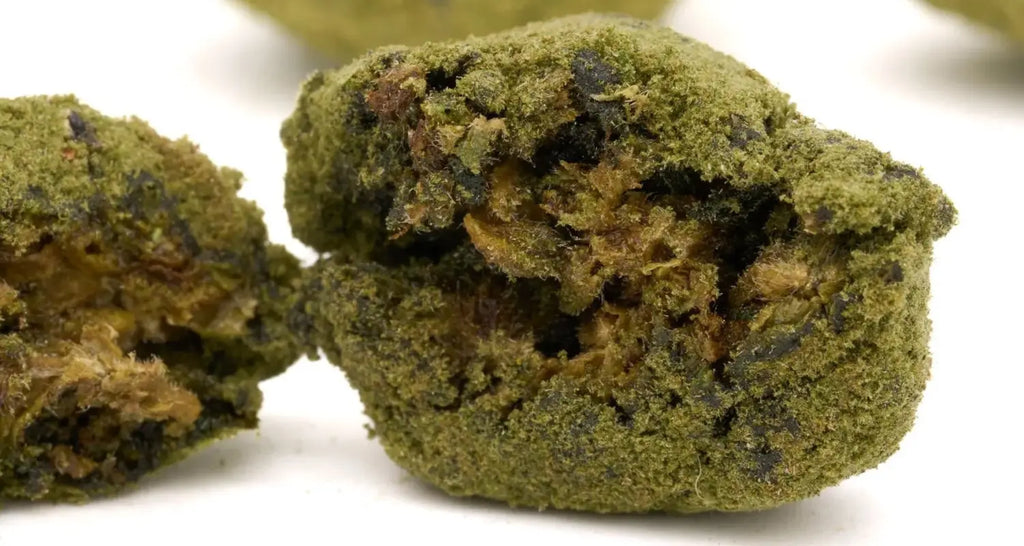
If you've spent any time browsing hemp flower products, you've probably come across CBD moon rocks — hemp flower buds dipped in CBD concentrate and rolled in kief until they're coated in a thick, frosty layer of cannabinoids. They're visually striking, potent, and increasingly popular among people exploring CBD moon rocks for pain management as part of a broader wellness routine.
But do they actually work? And what does the research say about does CBD help with pain, specifically?
This post takes an evidence-informed look at what's currently known about CBD and pain-related discomfort, how smokable formats like moon rocks compare to tinctures and topicals, and why some customers gravitate toward moon rocks when they want fast, on-demand relief. We'll also cover what moon rocks are, how they're made, dosing considerations, and answer some of the most common questions people ask before trying them.
A quick note up front: this article is for educational purposes only and is not medical advice. CBD affects everyone differently, and anyone managing a health condition should talk to a doctor before adding a new product to their routine.
You can browse the full lineup here: CBD Moon Rocks Collection.
What Are CBD Moon Rocks?
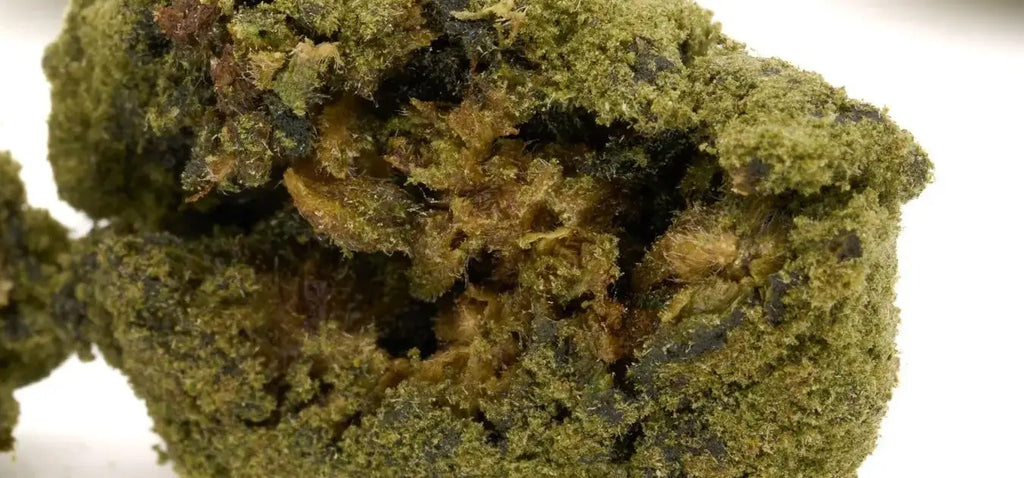
CBD moon rocks are made by taking a hemp flower bud, dipping or spraying it with CBD concentrate (often CBD oil or distillate), and then rolling the sticky bud in a generous coating of CBD kief. The result is a dense, trichome-covered nugget that's significantly more concentrated than standard hemp flower.
Because of this layering process, moon rocks typically contain a much higher cannabinoid percentage than flower alone — which is part of why they've become popular with people looking for a more potent option within the CBD flower pain relief category. The name itself comes from the product's rough, cratered, otherworldly appearance once it's fully coated.
Moon rocks are generally broken apart with scissors or a grinder (rather than a traditional grinder alone, since the kief coating can gum up the blades) and are usually smoked or vaporized in small pieces mixed with regular flower to make them easier to burn evenly.
Compared to standard hemp pre-rolls or loose flower, moon rocks offer:
- A higher concentration of cannabinoids per gram
- A slower, more textured burn
- A more intense aroma and flavor profile from the concentrated resin
- A product that's often reserved for more experienced hemp consumers, given the potency
For anyone new to concentrated hemp products, starting with a small piece and going slowly is generally the recommended approach — more on dosing later in this post.
Explore current batches in the CBD Moon Rocks Collection.
Does CBD Help With Pain? A Look at the Research
The question does CBD help with pain is one of the most searched topics in the wellness space, and it's a fair one — the interest in CBD has outpaced the depth of large-scale human research in many areas, including pain.
Here's a high-level, non-medical summary of where the research currently stands:
The endocannabinoid system and inflammation. The human body has an endocannabinoid system (ECS) that plays a role in regulating processes like mood, sleep, and inflammatory response. CBD is thought to interact with this system indirectly, rather than binding tightly to cannabinoid receptors the way THC does. Some preclinical (animal and lab-based) studies have looked at CBD's potential anti-inflammatory properties, and this line of research is part of why terms like moon rocks for inflammation show up so often in wellness content.
Human clinical research is still developing. While there's a growing body of preliminary and small-scale human studies exploring CBD's relationship to chronic discomfort, arthritis-related symptoms, and general inflammatory markers, researchers generally agree that more large-scale, well-controlled human trials are needed before firm conclusions can be drawn. Much of the enthusiasm around CBD and pain comes from anecdotal reports and smaller studies rather than definitive, broad-based clinical consensus.
Individual variability matters a lot. How someone responds to CBD can depend on factors like body chemistry, the nature of their discomfort, dosage, product type, and consistency of use. This is one reason wellness-focused brands are careful not to make specific medical claims — what works well for one person's routine may not translate the same way for someone else.
Format may influence perceived effects. Some anecdotal reports suggest that inhaled CBD (via flower or moon rocks) tends to produce a faster onset of effects compared to ingestible formats like tinctures or edibles, though the duration tends to be shorter. This lines up with general pharmacokinetic principles around inhalation versus oral absorption, which we'll unpack more in the next section.
Bottom line: Current research suggests CBD is an active area of interest for discomfort and inflammation-related applications, and many people report positive experiences as part of their wellness routines. However, it is not a proven treatment for any medical condition, and nothing in this article should be interpreted as a guarantee of therapeutic effect. If you're dealing with chronic or serious pain, a conversation with a healthcare provider is the right first step — CBD may be worth discussing as a complementary option, not a replacement for medical care.
For those exploring flower-based options as part of that conversation, the CBD Moon Rocks Collection offers a concentrated entry point worth asking your provider about.
CBD Moon Rocks for Pain — Why Format Matters
When people search for CBD moon rocks pain relief, they're often comparing formats — flower versus tincture versus topical versus edible — trying to figure out which fits their lifestyle and goals best.
Inhalation: fast onset, shorter duration. Smoking or vaporizing CBD moon rocks introduces cannabinoids to the bloodstream through the lungs, which is generally understood to be one of the fastest delivery methods available. Many hemp consumers report feeling effects within minutes. The tradeoff is that inhaled effects also tend to taper off more quickly than other formats — often within a couple of hours — because the cannabinoids are metabolized and cleared from the body relatively fast when absorbed this way.
Tinctures and edibles: slower onset, longer duration. Sublingual tinctures (held under the tongue) and edibles are absorbed differently. Tinctures typically take somewhat longer to feel than smoking, but often faster than edibles, since some absorption happens through the mucous membranes. Edibles pass through the digestive system, which delays onset — sometimes 30–90 minutes or more — but many people find the effects last considerably longer as a result.
Topicals: localized and non-systemic. CBD topicals (balms, creams, and salves) are applied directly to the skin and are generally used for localized comfort in a specific area, rather than a full-body effect. They don't typically enter the bloodstream the way inhaled or ingested products do, which makes them a popular complementary option for people focusing on a specific joint or muscle group.
Why some customers reach for moon rocks specifically. Given this landscape, it makes sense why moon rocks have carved out their own niche. Customers exploring CBD moon rocks for pain often describe wanting an on-demand option — something they can use as needed, in the moment, without waiting for onset the way they might with a tincture or edible. The potency of moon rocks (thanks to the concentrate and kief layers) also means a small amount can go a long way, which some people find gives them more control over how much they use in a single session.
That said, on-demand doesn't mean "better" across the board — it simply reflects a different use case. Many hemp consumers actually build a small toolkit: moon rocks or CBD flower pain relief products for fast, situational needs, paired with tinctures or topicals for more sustained, background support throughout the day. We'll come back to this idea in the FAQ and closing sections.
Browse potency options in the CBD Moon Rocks Collection.
Moon Rocks and Inflammation — What Customers Are Curious About
The phrase moon rocks for inflammation comes up frequently in customer questions, and it's worth addressing directly and carefully.
Inflammation is a broad biological process, and the research connecting CBD to inflammatory pathways is still in relatively early stages when it comes to human clinical evidence. Preclinical research (cell studies and animal models) has explored how cannabinoids interact with inflammatory signaling, and this has fueled a lot of consumer interest — but it's important to be clear that this research doesn't yet translate into confirmed, doctor-recommended treatment protocols for inflammatory conditions in humans.
With that context in mind, here's what's reasonable to say:
- Some people incorporate CBD moon rocks into a broader wellness routine that also includes things like stretching, physical therapy, anti-inflammatory nutrition, and rest.
- The concentrated nature of moon rocks means users are getting a more potent dose of cannabinoids per session compared to standard flower, which some people find useful when they want a stronger effect for occasional flare-ups.
- Because moon rocks are smoked or vaporized, effects are systemic (affecting the whole body) rather than localized — which is different from how a topical would be used for a specific sore joint or muscle.
What we won't do here is claim that moon rocks cure, treat, or prevent any inflammatory condition. If you're managing a diagnosed condition involving chronic inflammation — arthritis, autoimmune issues, or otherwise — the right move is to loop in your doctor before adjusting your routine, and to view CBD as a potential complement to (not a replacement for) whatever care plan you're already following.
How to Choose and Use CBD Moon Rocks Responsibly
If you've decided to try moon rocks as part of your wellness exploration, a few practical tips can help:
Start low and go slow. Because moon rocks are more concentrated than regular flower, a small piece — often broken off with scissors — is plenty for a first session. You can always use more next time; you can't undo using too much.
Mix with flower for an even burn. Many users crumble a small piece of moon rock into a bowl or pre-roll along with regular hemp flower, which helps it burn more evenly and makes the effects easier to gauge.
Check the lab results. Reputable moon rock products should come with a Certificate of Analysis (COA) showing cannabinoid content and confirming the product is free of unwanted contaminants. This matters even more with moon rocks given how concentrated they are.
Time your sessions around your day. Since inhaled effects tend to be shorter-lived, some people prefer using moon rocks in the evening or during a specific window when they want fast, situational relief, rather than as an all-day solution.
Consider pairing formats. As mentioned earlier, moon rocks pair well with slower-acting, longer-lasting products. A tincture in the morning for sustained background support, paired with a topical applied directly to a problem area, and a moon rock session reserved for more acute moments, is a common approach among experienced hemp consumers who want both immediate and sustained options in their routine.
Know your state's regulations. Hemp-derived CBD products are federally legal under certain conditions, but state laws vary. It's worth double-checking your local regulations before ordering.
If you want to explore current options, the CBD Moon Rocks Collection is a good starting point — and pairing a moon rock purchase with a complementary tincture or topical is worth considering if you're building out a more well-rounded routine.
FAQ: Common Questions About CBD Moon Rocks and Pain
Do CBD moon rocks for pain actually help?
Some people report that CBD moon rocks help them manage occasional discomfort as part of a broader wellness routine, and there is a growing body of preliminary research exploring CBD's relationship to pain and inflammation. However, CBD is not FDA-approved to treat pain, and results vary significantly from person to person. Anyone dealing with chronic or severe pain should speak with a doctor.
How are CBD moon rocks different from regular CBD flower?
Regular CBD flower is just the hemp bud itself. Moon rocks take that bud and add a layer of CBD concentrate, then roll it in kief, resulting in a much higher overall cannabinoid content per gram. This makes moon rocks more potent and generally recommended for more experienced users seeking stronger CBD flower pain relief.
How long does it take to feel effects from CBD moon rocks?
Because they're smoked or vaporized, effects are typically felt within minutes — much faster than tinctures or edibles. However, those effects also tend to fade more quickly, often within one to two hours, compared to other formats.
Are CBD moon rocks better than tinctures for pain relief?
"Better" depends on the use case. CBD moon rocks pain relief tends to be fast and on-demand but shorter-lived, while tinctures generally take longer to kick in but may last longer once they do. Many people use both: a tincture for steady, background support and moon rocks for situational, fast-acting needs.
Can CBD moon rocks help with inflammation?
Preclinical research has explored CBD's interaction with inflammatory pathways, and consumer interest in moon rocks for inflammation has grown alongside that research. That said, human clinical evidence is still developing, and no smokable hemp product should be considered a treatment for a diagnosed inflammatory condition without medical guidance.
Will CBD moon rocks get me high?
CBD moon rocks made from federally compliant hemp contain no more than 0.3% THC by dry weight, which is not enough to produce an intoxicating effect for most people. That said, because moon rocks are so concentrated, it's worth checking the COA for exact cannabinoid percentages before use.
How much CBD is in a moon rock?
This varies by brand and batch, since it depends on the potency of the flower, the concentrate, and the kief used. Checking the lab results (COA) for each specific product is the most reliable way to know what you're getting.
Is smoking CBD moon rocks safe for pain management long-term?
Inhalation — whether smoking or vaping — introduces combustion or heating byproducts into the lungs, which is a consideration for anyone using flower-based products regularly. People concerned about long-term inhalation may want to explore tinctures or topicals as complementary or alternative options, especially for daily, ongoing use.
What's the best way to use moon rocks for fast relief?
Breaking off a small piece, mixing it with regular flower for an even burn, and starting with a light session is the most common approach. From there, you can adjust the amount based on how you respond.
Where can I buy high-quality CBD moon rocks?
You can browse lab-tested options in the CBD Moon Rocks Collection, which includes potency details and product information to help you choose the right fit for your routine.
Conclusion & Disclaimer
CBD moon rocks have become a go-to option for hemp consumers who want a potent, fast-acting product to reach for during moments of discomfort. The research around does CBD help with pain is still developing — there's meaningful early-stage science pointing to CBD's interaction with inflammatory and pain-related pathways, but it hasn't yet reached the level of definitive, large-scale clinical consensus. That means moon rocks (and CBD products generally) are best approached as part of a broader wellness routine, not as a guaranteed or medically proven treatment.
For people who value on-demand relief, CBD moon rocks for pain offer a fast-onset option that fits naturally into that kind of use case. For more sustained, background support throughout the day, tinctures and topicals remain popular complementary choices — many hemp consumers use a combination of formats depending on what a given day calls for.
Disclaimer: This article is for informational and educational purposes only and does not constitute medical advice. CBD products have not been evaluated by the FDA to diagnose, treat, cure, or prevent any disease. Always consult a licensed healthcare provider before starting any new supplement or wellness product, especially if you are pregnant, nursing, taking medication, or managing a health condition.
Ready to explore your options? Check out the full CBD Moon Rocks Collection — and consider pairing your order with a tincture or topical for a more well-rounded wellness routine.


