


How THCA Blunts Are Made: From Flower to Finished Product
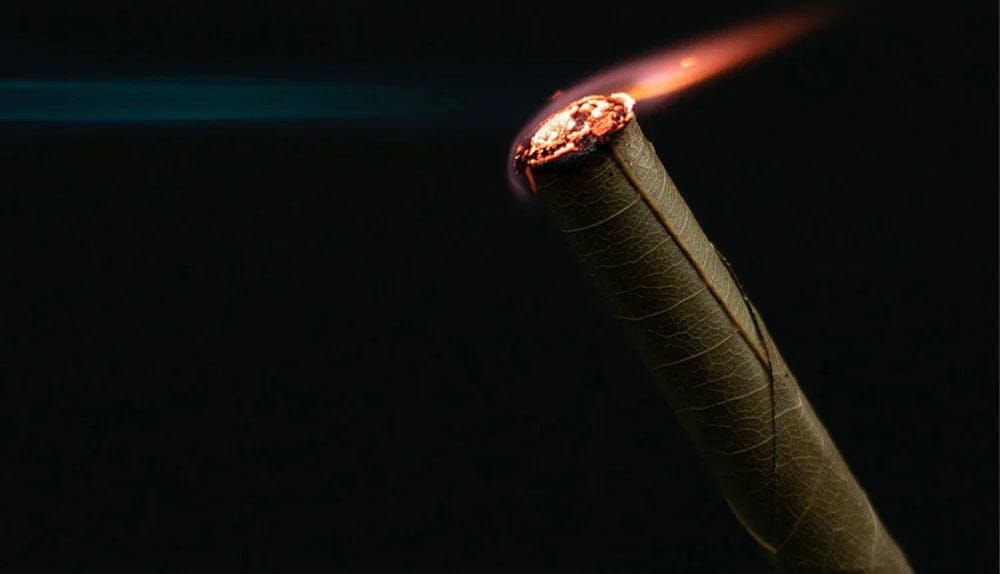
Anyone who's picked up a pre-rolled blunt and wondered what actually goes into it isn't alone — it's one of the most common questions we get from both retail customers and wholesale buyers. Understanding how THCA blunts are made helps you evaluate quality, spot shortcuts, and know what you're actually paying for. This guide walks through the entire thca blunt production process, from the moment a seed goes into the ground to the moment a sealed, lab-tested THCA blunt lands on a shelf.
Whether you're a curious consumer or a retailer trying to understand how thca blunts manufactured products differ from the low-effort options flooding the market, this breakdown covers every stage in detail — including how THCA flower quality upstream shapes the finished THCA pre-roll you eventually smoke.
Step 1 — Cultivation and Harvest
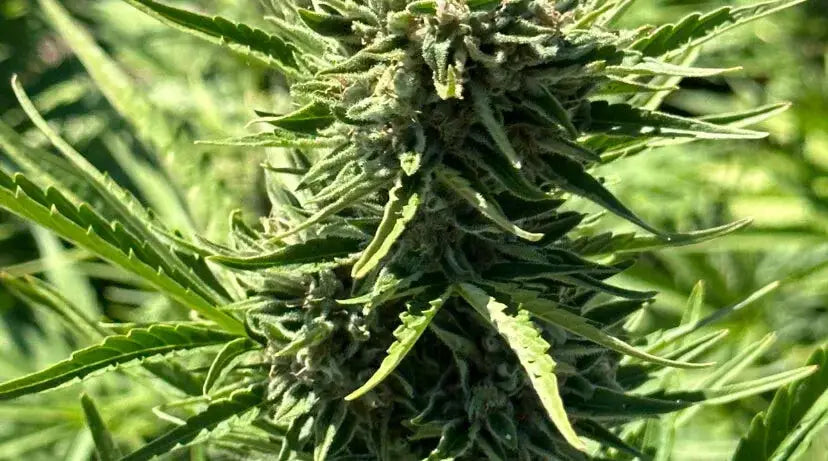
Everything about a finished THCA blunt traces back to the plant it started as. Quality production begins long before rolling — it begins with genetics and growing conditions.
Choosing High-THCA Cultivars
Not every hemp strain is suited for blunt production. Growers select cultivars specifically bred to express high concentrations of THCA (tetrahydrocannabinolic acid), the non-intoxicating precursor that converts to THC when heated. These high-THCA cultivars are chosen for:
- Dense, resinous bud structure
- Strong terpene expression (which affects aroma, flavor, and the entourage effect)
- Consistent cannabinoid ratios that stay within federal hemp compliance (under 0.3% Delta-9 THC on a dry-weight basis) before decarboxylation
- Resistance to mold and pests, which matters enormously for a product that will be smoked
Popular cultivar families used in THCA blunt production include indica-leaning, sativa-leaning, and hybrid varieties, each contributing different smoke characteristics — smoothness, density, and burn rate all vary by genetics.
Growing Conditions Matter
Whether grown indoors, in a greenhouse, or outdoors, the growing environment directly affects cannabinoid and terpene content. Indoor and greenhouse cultivation allow growers to control humidity, light cycles, and temperature — variables that influence trichome development (the resin glands where cannabinoids and terpenes are produced).
Timing the Harvest
Harvest timing is one of the most critical — and most underrated — steps in the entire production process. Growers monitor trichome color under magnification, watching for the shift from clear to milky white, with a percentage of amber trichomes indicating peak cannabinoid maturity. Harvesting too early results in underdeveloped potency; harvesting too late can shift the cannabinoid and terpene profile in ways that dull the smoking experience.
Peak-maturity harvesting is what separates flower destined for premium THCA blunts from flower that ends up in lower-shelf products. This is also where the difference between mass-market and boutique operations becomes obvious — rushed harvests to meet demand almost always produce inferior smoke.
Manual vs. Mechanical Harvesting
Smaller-batch, premium-focused operations often hand-harvest, cutting plants individually and hang-drying whole branches to protect trichomes from physical damage. Larger commercial operations may use mechanical trimming and harvesting equipment, which is faster but can knock off more trichomes, resulting in slightly lower potency and a rougher smoke.
Step 2 — Curing and Drying
Harvesting the plant is only half the battle. What happens in the days and weeks immediately after harvest determines whether all that cultivation work pays off.
Why Drying Comes First
Freshly harvested hemp is roughly 70-80% water by weight. Before curing can even begin, the plant material needs to be dried slowly and evenly. Rapid drying (using heat or forced air) may seem efficient, but it locks in chlorophyll and harsh plant compounds, degrading flavor and creating a harsh, "hay-like" smoke.
Proper drying typically takes 7-14 days in a controlled environment with:
- Temperatures between 60-70°F
- Relative humidity around 45-55%
- Good airflow without direct exposure to light
- Hanging branches or racked flower to allow even moisture loss
The Curing Process
Once flower reaches the appropriate moisture content (typically 10-15%), it moves into curing — a slower, more deliberate process that can last anywhere from two to eight weeks depending on the desired quality tier.
During curing, flower is stored in airtight containers (traditionally glass jars or curing totes) and "burped" — opened periodically to release excess moisture and allow fresh air exchange. This process:
- Breaks down residual chlorophyll, improving flavor and smoothness
- Allows terpenes to stabilize and mature, deepening aroma complexity
- Helps preserve cannabinoid content by protecting trichomes from degradation
- Reduces harshness and the risk of mold during storage
Why This Step Directly Affects Blunt Quality
A THCA blunt is only as good as the flower packed inside it. Under-cured flower burns harsh, tastes grassy, and can even carry a higher risk of mold — a serious concern in a product that's combusted and inhaled. Over-cured or poorly stored flower loses terpene potency, resulting in a flat, less flavorful smoke.
Manufacturers producing quality THCA blunts test moisture content at multiple checkpoints, often using calibrated hygrometers, to ensure flower entering the trimming stage is in the optimal 10-13% moisture range — dry enough to burn cleanly, moist enough to grind and roll without excessive shatter of resin heads.
Step 3 — Trimming and Grinding
Once flower is properly cured, it needs to be prepared for consistent, even packing into a blunt wrap. This stage is where raw cured flower becomes a uniform, blunt-ready THCA flower product.
Trimming: Removing Excess Plant Material
Trimming removes fan leaves and excess sugar leaf material that doesn't contribute meaningfully to potency or flavor but does contribute to harsh smoke. There are two primary approaches:
Hand trimming — labor-intensive but preserves trichome integrity, commonly used for premium and top-shelf product lines. Hand trimmers work bud-by-bud with precision, preserving the resinous outer layer that holds the bulk of cannabinoid and terpene content.
Machine trimming — faster and more cost-effective for high-volume production, but can be more aggressive on delicate trichomes, sometimes reducing potency slightly and altering visual appeal.
Grinding for Consistency
After trimming, flower destined for THCA blunts is ground to a consistent, medium-coarse texture — not so fine that it burns too quickly or falls out of the wrap, and not so coarse that it packs unevenly and burns with air pockets. Consistency here directly affects burn quality: an evenly ground fill burns at a predictable rate, without the canoeing or uneven burning that ruins the smoking experience.
Commercial-scale production often uses calibrated grinding equipment that maintains uniform particle size across large batches, which matters enormously for consistency across product runs — something wholesale buyers specifically look for when evaluating a supplier's thca blunt production process.
Quality Control at This Stage
Reputable producers screen ground flower for stems, seeds, and foreign material before it moves to the rolling stage. This visual and sometimes mechanical screening step is a basic but essential quality checkpoint — stems and seeds in a blunt not only affect flavor but can cause uneven, popping burns.
Step 4 — Wrap Selection and Rolling
This is the step most people picture when they think about how THCA blunts are made, but there's considerably more craftsmanship and decision-making involved than simply "rolling it up."
Choosing the Wrap
Blunt wraps vary widely, and the choice significantly affects flavor, burn rate, and overall smoking experience. Common wrap options include:
- Tobacco leaf wraps — traditional, offering a slow burn and characteristic tobacco flavor note
- Hemp wraps — tobacco-free and nicotine-free, increasingly popular among consumers seeking an all-hemp product
- Flavored wraps — infused with natural or botanical flavoring for a specific taste profile
Sourcing matters here too. Quality producers vet wrap suppliers for consistency in leaf thickness, moisture content, and burn characteristics — a wrap that's too dry will crack during rolling; too moist, and it won't burn evenly.
Machine-Rolled vs. Hand-Rolled Production
Machine-rolled blunts are produced using specialized rolling equipment that measures consistent fill weight, applies even pressure, and seals wraps at a much higher volume than manual production allows. Benefits include:
- Consistent fill weight from unit to unit
- Uniform density, which affects burn rate predictability
- Higher production capacity for wholesale and multi-brand distribution
- Reduced risk of loose packing or gaps
Hand-rolled blunts rely on skilled rollers who pack flower by feel, adjusting density and shape by hand. This method is often used for:
- Small-batch or limited releases
- Premium product lines where craftsmanship is part of the value proposition
- Specialty shapes or infused products that require more delicate handling
Both methods have a place in the market — machine rolling for consistency and scale, hand rolling for craft positioning — but either approach needs tight quality control to avoid loose ends, uneven burns, or wraps that split during use. This is a key part of how thca blunts manufactured at scale stay consistent from batch to batch.
Sealing the Blunt
After filling, the wrap is sealed — traditionally with a light moistening of the wrap edge, which is then pressed and dried to hold the seal without any additional adhesives. Twisted or crimped tips finish the product, keeping fill material contained during handling, shipping, and storage.
Step 5 — Optional Infusion
Not every blunt stops at flower and wrap. Infused THCA blunt lines add a concentrated cannabinoid boost, and this step is where standard blunts and infused blunts diverge.
Common Infusion Methods
Kief infusion — Kief, the collected trichome heads sifted from cured flower, is layered into or dusted onto the ground flower before rolling. This adds concentrated cannabinoid and terpene content without introducing significant moisture, making it one of the more straightforward infusion methods.
Diamond infusion — THCA diamonds (crystalline, highly concentrated cannabinoid isolate) are ground and blended into the flower fill, or sometimes added as visible crystalline material along the outer wrap. This method significantly increases total cannabinoid content per unit.
Oil or live resin infusion — A cannabinoid-rich oil or live resin extract is applied to the wrap exterior or mixed into the flower, then rolled in kief for a "moonrock-style" finish. This method boosts both potency and terpene expression but requires careful handling — oil-based infusions affect burn rate and require additional drying time before packaging.
Why Infusion Changes the Production Process
Infused THCA blunts require additional quality control steps compared to standard flower blunts:
- Cannabinoid content must be recalculated and verified post-infusion, since infusion materials shift total potency significantly
- Moisture and tackiness from oil-based infusions need to stabilize before packaging to prevent mold risk or wrap degradation
- Batch consistency becomes harder to control — even distribution of kief or diamonds across a production run requires precise weighing and application methods
Producers offering infused THCA blunt lines within their broader catalog typically run these as a separate production track with its own testing and QC checkpoints, since the added ingredients change how the finished product needs to be evaluated.
Step 6 — Lab Testing and Packaging
The final stage of the how are thca blunts made process is where a finished product becomes a market-ready, compliant THCA blunt.
Third-Party Lab Testing
Before any batch reaches a shelf, it should be sent to an independent, accredited third-party lab for a Certificate of Analysis (COA). A thorough COA covers:
- Cannabinoid potency panel — confirming THCA, total THC, CBD, and other cannabinoid concentrations
- Residual solvent testing — particularly important for infused products using extracts
- Pesticide screening — verifying the cultivation process didn't leave harmful residue
- Heavy metals testing — checking for contamination from soil or growing media
- Microbial testing — screening for mold, yeast, and bacteria, especially critical for a product that's combusted and inhaled
- Moisture content verification — confirming the product is within a safe, stable range
Reputable manufacturers publish COAs for every batch, often via QR code on the packaging, so consumers and retailers can verify what's actually in the THCA blunt they're buying.
Compliant Labeling
Federal and state hemp regulations require specific labeling elements, which typically include:
- Total cannabinoid content and per-unit potency
- Batch or lot number for traceability
- QR code or link to the COA
- Net weight
- Manufacturer information
- Required compliance statements and warnings
Labeling requirements have grown more complex following recent regulatory shifts in the hemp industry, and manufacturers who stay current with compliance standards are generally the safer bet for both retail and wholesale buyers sourcing THCA blunts.
Child-Resistant, Sealed Packaging
Final packaging typically includes:
- Child-resistant closures or seals, increasingly required by state-level regulations
- Moisture-resistant or humidity-controlled packaging to preserve freshness after leaving the production facility
- Tamper-evident seals
- UV-protective materials to prevent cannabinoid degradation from light exposure
This final packaging step protects everything accomplished in the previous five stages — proper drying, curing, trimming, and rolling can all be undone by packaging that lets a product dry out, absorb moisture, or degrade under light exposure during shelf life.
Why the Full Process Matters
Understanding thca blunt production process steps from start to finish makes it easier to spot the difference between a well-made THCA blunt and a rushed one. Shortcuts at any stage — early harvest, insufficient curing, inconsistent grinding, sloppy rolling, or skipped lab testing — show up in the final smoking experience, whether that's harsh smoke, uneven burn, inconsistent potency, or in worst cases, contamination risk.
Buyers who understand how thca blunts manufactured products reach the shelf are better equipped to ask the right questions of suppliers: Is flower hand-trimmed or machine-trimmed? What's the cure time? Are COAs available per batch? Is packaging child-resistant and moisture-controlled? These aren't just technical details — they're the difference between a THCA blunt you can trust and one you can't.
Frequently Asked Questions
How are THCA blunts made from start to finish?
THCA blunts go through six core stages: cultivating and harvesting high-THCA hemp cultivars at peak maturity, drying and curing the flower to preserve terpenes and reduce harshness, trimming and grinding to a consistent texture, selecting a wrap and rolling (by machine or by hand), optional infusion with kief, diamonds, or oil for boosted potency, and finally third-party lab testing and compliant, sealed packaging.
What's the difference between machine-rolled and hand-rolled THCA blunts?
Machine-rolled THCA blunts are produced with equipment that ensures consistent fill weight and density at higher volume, making them well suited for wholesale and multi-brand distribution. Hand-rolled blunts are packed manually, often used for small-batch or premium lines where craftsmanship is part of the appeal. Both can be high quality, but consistency is generally easier to control at scale with machine rolling.
Are infused THCA blunts stronger than regular flower blunts?
Generally yes. Infusion with kief, THCA diamonds, or concentrated oil adds cannabinoid content beyond what the flower alone provides, resulting in a higher total potency per unit compared to a standard flower-only blunt.
How can I tell if a THCA blunt was made with quality control in mind?
Look for a few key signals: a published Certificate of Analysis (COA) from an accredited third-party lab, clear batch or lot numbers, child-resistant and moisture-sealed packaging, and transparency about sourcing (hand-trimmed vs. machine-trimmed, cure time, wrap material). Manufacturers who make this information easy to find for their THCA blunts are generally more trustworthy.
Why does curing time matter for THCA blunt quality?
Proper curing (typically two to eight weeks) breaks down chlorophyll, stabilizes terpenes, and reduces harshness in the smoke. Under-cured flower tends to burn hot and taste grassy, while well-cured THCA flower delivers smoother smoke and more developed flavor.
Do THCA blunts contain nicotine or tobacco?
It depends on the wrap. Blunts rolled in traditional tobacco leaf wraps will contain trace nicotine from the wrap itself. Hemp wrap THCA blunts are tobacco-free and nicotine-free, which is why many consumers specifically seek out hemp-wrapped options.
What lab tests should a THCA blunt pass before hitting the shelf?
A thorough COA should include cannabinoid potency, residual solvent screening (especially for infused products), pesticide screening, heavy metals testing, microbial testing, and moisture content verification. All of these matter for a product that's combusted and inhaled.


