


Greenhouse Grown: Zushi vs Bolor Tartz THCa Flower Quality & Appearance
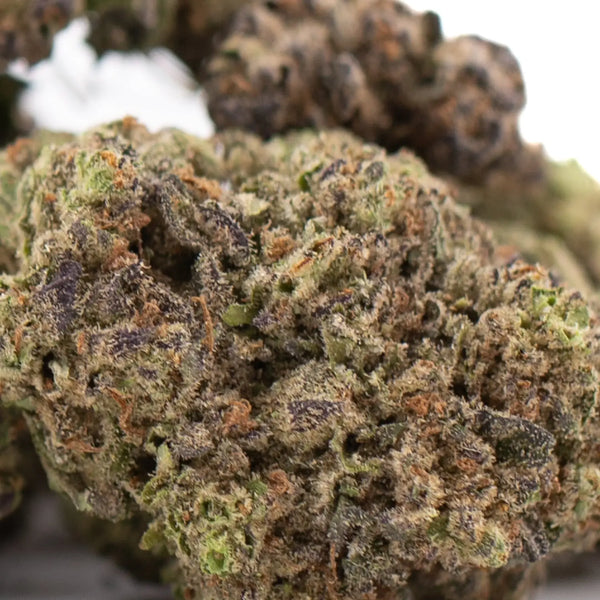
When selecting premium THCa flower, visual quality serves as the first indicator of what you're about to experience. Before you can appreciate the aroma, effects, or flavor profile, your eyes deliver the initial assessment that often determines whether a particular strain meets your standards. This visual evaluation becomes even more critical in the THCa flower market, where consumers increasingly demand transparency and quality that matches or exceeds traditional cannabis standards.
Greenhouse THCa flower quality has emerged as a sweet spot in the cultivation world, combining the natural benefits of sunlight with the precision control of indoor growing. This hybrid approach produces flowers that capture the best of both worlds—robust cannabinoid development from full-spectrum sunlight alongside the consistency and protection that controlled environments provide.
Today, we're conducting a detailed visual quality comparison between two exceptional greenhouse grown cannabis strains: Zushi THCa Hemp Flower and Bolor Tartz THCa Hemp Flower. Both represent the pinnacle of what greenhouse cultivation advantages can achieve, yet each brings distinct visual characteristics that appeal to different preferences.
High quality THCa flower distinguishes itself through several observable markers: dense cannabis trichome coverage that gives buds their frosty appearance, proper THCa flower structure that indicates optimal growing conditions, vibrant yet natural coloration, careful THCa flower curing that preserves appearance and potency, and meticulous trimming that showcases the flower without excessive leaf material. Understanding these quality indicators in THCa flower helps consumers make informed decisions and appreciate the craftsmanship behind premium greenhouse flower production.
Greenhouse Growing Quality Factors
The advantages of greenhouse growing benefits directly translate to the visual quality you observe in the final product. Unlike outdoor growing, which exposes plants to unpredictable weather patterns, or indoor cultivation that relies entirely on artificial lighting, greenhouses offer a controlled environment that harnesses natural sunlight while protecting plants from environmental stressors.
Controlled environment benefits manifest in every aspect of THCa flower appearance. Greenhouse structures shield plants from wind damage that can break trichome heads, excessive rainfall that dilutes resin production, and temperature extremes that stress plants and affect their development. This protection ensures that flowers develop their full potential without the blemishes or irregularities common in purely outdoor cultivation.
Light management in greenhouses represents perhaps the most significant advantage for quality production. While indoor growers must invest heavily in artificial lighting that mimics the sun's spectrum, greenhouse cannabis quality operations capture the full spectrum of natural sunlight—the same light that cannabis evolved to thrive under for millions of years. Supplemental lighting can be added during shorter winter days, but the foundation remains that incomparable natural light that produces robust cannabinoid and terpene development. This superior light quality translates directly to the crystalline THCa flower trichomes you see on premium greenhouse flower.
Temperature and humidity control within greenhouse environments prevents the stress responses that compromise flower quality. Extreme heat can cause plants to focus energy on survival rather than resin production, while excessive humidity invites mold and mildew that destroy entire crops. Greenhouse systems maintain optimal ranges, producing flowers with consistent appearance and quality markers. The result is buds that display uniform development without the discoloration or irregular growth patterns that stress produces.
Pest management advantages in greenhouse vs indoor THCa growing protect the visual appeal of finished flowers. While outdoor crops battle everything from spider mites to grasshoppers, greenhouse barriers prevent most pest invasions before they start. When pest pressure does occur, the controlled environment allows for targeted responses that don't compromise flower quality. This protection means you won't see the leaf damage, webbing, or defensive plant responses that mar the appearance of flowers grown in less protected environments.
Natural sunlight benefits extend beyond simple light intensity. The sun's movement across the sky ensures even light distribution that artificial fixtures struggle to replicate. Plants receive light from multiple angles throughout the day, promoting balanced development and preventing the shadowing issues that can occur with stationary indoor lights. This even development produces flowers with consistent trichome coverage across all exposed surfaces, rather than the uneven crystallization sometimes seen in indoor grows.
Year-round consistency defines greenhouse excellence. While outdoor cultivators get one or two harvests per year depending on climate, greenhouse operations maintain optimal growing conditions continuously. This consistency means every batch receives the same careful attention and ideal environmental conditions, producing flowers with reliable quality characteristics season after season. For consumers, this translates to knowing exactly what to expect when you select premium greenhouse grown strains.
Sustainability of greenhouse growing also deserves mention, as environmental consciousness increasingly influences consumer choices. Greenhouses require significantly less energy than indoor operations while producing comparable or superior quality. Natural sunlight provides the majority of lighting needs, reducing the massive electrical consumption associated with indoor grow lights. This efficiency allows cultivators to invest more resources in quality control, selective breeding, and careful curing—all factors that enhance final cannabis flower density and appearance.
Quality Assessment Criteria
Understanding how to judge THCa flower quality requires a systematic approach to visual quality assessment that reveals what cultivation conditions and post-harvest handling the flower received. Every aspect of a flower's appearance tells part of its story, from the growing environment to the curing process to the care taken during trimming and packaging.
Visual quality indicators start with overall bud structure. Well-grown cannabis flowers display a natural Christmas tree or spear-like shape with a defined central cola tapering toward the stem. Proper structure indicates that plants received adequate light and nutrients throughout flowering without the stress that produces airy, loose buds or unnaturally dense, compressed flowers.
Structure and density reveal much about growing conditions and genetics. High quality THCa flower should feel substantial when held—neither so light and fluffy that it indicates poor growing conditions, nor so rock-hard that it suggests unnatural compression. Greenhouse grown cannabis typically achieves an ideal middle ground, with buds that have natural density from optimal light exposure while maintaining the organic structure that careful growing produces.
Trichome coverage importance cannot be overstated when assessing Zushi quality assessment. Trichomes—the tiny, crystal-like structures that coat quality flower—contain the cannabinoids and terpenes that make cannabis valuable. High-quality flowers appear frosted or sugar-coated, with THCa flower trichomes covering not just the surface but extending into the crevices between calyxes. The density and integrity of trichome coverage directly correlates with potential potency and indicates that plants were grown in optimal conditions and harvested at peak maturity.
Color as quality marker provides immediate visual feedback about THCa flower freshness and cultivation quality. While color preferences vary by strain genetics, all quality flower shares certain characteristics: vibrant pistils (the small hair-like structures) that haven't faded to dull brown, green calyxes that haven't yellowed or bronzed from oxidation, and overall THCa flower colors that appear rich and vital rather than faded or discolored. Some strains naturally develop purple, pink, or blue hues—these should appear vivid and intentional rather than muddy or uneven.
Cure quality signs become apparent through careful visual inspection. Properly cured THCa flower maintains its structure without crumbling to dust, displays trichomes that remain intact rather than degraded, and shows no signs of excess moisture that could lead to mold. The surface should appear slightly dry but not desiccated, with trichomes that catch light like tiny prisms rather than appearing flat or degraded.
Moisture content assessment involves both visual and tactile evaluation. Optimally dried and cured flower springs back slightly when gently squeezed but doesn't feel soggy or stick to fingers. Visually, proper moisture content allows buds to maintain their structure without appearing shriveled or becoming so dry that trichomes fall off at the slightest touch.
Stem and seed absence marks professional-grade flower. While small stems that connect calyxes are natural, large stems add weight without value. Seeds indicate hermaphroditic plants or pollination from male plants—either scenario represents cultivation failure that reduces cannabinoid production. Quality flower shows careful manicuring that removes unnecessary stem material while preserving the crystalline flower surfaces with excellent THCa flower trim quality.
Zushi Visual Analysis
The Zushi THCa Hemp Flower immediately commands attention with its extraordinary visual presentation. This strain represents the upper echelon of what greenhouse THCa flower quality can achieve, combining genetic excellence with optimal growing conditions to produce flowers that satisfy even the most discerning visual standards.
Overall appearance description reveals Zushi's quality assessment sophistication. The buds present a tight, compact structure that speaks to both genetics and cultivation excellence. Rather than the loose, airy appearance of poorly grown flower, Zushi maintains natural density without the artificial compression sometimes seen in commercial operations. Each bud displays the classic cannabis form—a central cola surrounded by smaller secondary formations, all coated in an impressive layer of crystalline cannabis trichome coverage.
Bud structure and density exemplify greenhouse growing benefits at its finest. Zushi flowers achieve the ideal cannabis flower density balance where buds feel substantial and well-developed without becoming unnaturally hard. When held, the structure provides satisfying weight and resistance that indicates proper growing conditions and careful handling. The density remains consistent throughout individual buds and across different flowers in the batch, demonstrating the greenhouse environment's ability to produce uniform quality.
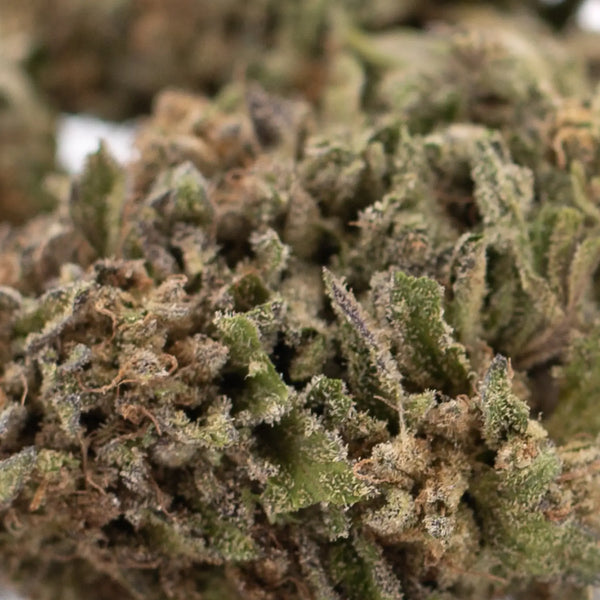
Trichome coverage percentage on Zushi approaches what many would consider near-perfect for premium THCa flower. Estimated at 75-85% coverage on exposed surfaces, the THCa flower trichomes blanket not just the outer calyxes but extend into the spaces between floral clusters. Under magnification or even close visual inspection, the trichome heads appear intact and well-formed, displaying the mushroom-cap structure that indicates optimal harvest timing and gentle handling. This heavy trichome presence creates the frosty, sugar-dusted appearance that enthusiasts specifically seek in best looking greenhouse THCa flower.
Crystal clarity and quality sets Zushi apart in comparative evaluations. The trichome heads catch and refract light, creating the sparkling effect that photographers love and consumers associate with top-tier quality. Rather than cloudy or amber-colored degradation, Zushi's trichomes maintain clarity that suggests fresh harvest, careful curing, and proper storage. This crystalline quality indicates preserved cannabinoid and terpene content that hasn't oxidized or degraded.
Color spectrum analysis reveals Zushi's complex visual profile. The base coloration presents in deep forest greens with subtle olive undertones, occasionally punctuated by hints of purple in the calyxes—a common characteristic of Zkittlez lineage. These green tones provide the perfect backdrop for the brilliant orange pistils that thread through each bud. The pistils maintain their vibrant copper and rust tones rather than fading to dull brown, indicating THCa flower freshness and proper curing that preserves color vibrancy.
Pistil appearance and color deserves special attention in Zushi quality assessment. The pistils emerge in bold orange and copper shades, creating striking contrast against the green calyxes and white trichomes. Rather than laying flat against the bud surface, Zushi's pistils maintain some dimensionality and curl naturally, signs that they weren't compressed during packaging. The color saturation remains vivid without appearing artificial, suggesting flowers that were harvested at peak maturity and handled with care throughout processing.
Sugar leaf presence on Zushi demonstrates professional THCa flower trim quality standards. While some cultivators leave excessive leaf material to add weight, Zushi flowers show careful hand-trimming that removes fan leaves while preserving the trichome-rich sugar leaves closest to the calyxes. These small, frosted leaves contribute to overall appearance and cannabinoid content while maintaining clean presentation. The trim job finds that ideal balance—clean enough for retail presentation but not so aggressive that it damages trichomes or removes desirable plant material.
Bag appeal rating would place Zushi in the top 10% of commercially available high quality THCa flower. The combination of structure, color, trichome coverage, and professional finish creates immediate positive impression with exceptional cannabis bag appeal. Whether displayed in retail settings, photographed for marketing, or simply examined in person, Zushi delivers the visual impact that drives consumer interest and justifies premium positioning.
Professional photography description reveals why Zushi excels in marketing applications. The heavy trichome coverage provides countless light-catching crystals that create depth and sparkle in images. The color contrast between green calyxes, orange pistils, and white trichomes photographs exceptionally well across different lighting conditions. The bud structure provides interesting angles and shadows that add dimensionality to photographs, while the consistent quality across flowers means any bud selected for photography will represent the batch accurately.
Zushi Quality Indicators
Beyond surface appearance, deeper quality assessment reveals Zushi's excellence in execution. These quality indicators in THCa flower tell the story of careful cultivation, proper harvest timing, and professional post-harvest handling.
Cure quality assessment shows exceptional attention to THCa flower curing detail. The flowers maintain their structure without crumbling excessively, indicating moisture content within the optimal 10-12% range. Trichome heads remain intact rather than falling off at gentle touch, suggesting the curing process proceeded slowly enough to preserve delicate structures while removing excess moisture. The lack of hay-like or grassy smell indicates proper chlorophyll breakdown during curing—a quality marker that visual inspection alone can't fully capture but that careful observers can infer from color retention and structural integrity.
Moisture level evaluation reveals professional standards in premium greenhouse flower production. Zushi buds provide slight give when gently squeezed but spring back rather than remaining compressed. This resilience indicates moisture content that prevents brittleness while avoiding the excess that invites mold. Visual inspection shows no signs of over-drying that would cause color fading or excessive brittleness, nor any indicators of too much moisture like softness or poor structural definition.
Freshness indicators throughout Zushi flowers suggest recent harvest and proper storage. The vibrant pistil colors haven't faded to the dull browns that develop as flowers age. Trichomes maintain their crystalline clarity rather than the amber cloudiness that oxidation produces. Overall color vibrancy remains high, with greens that appear vital rather than yellowed or bronzed. These THCa flower freshness markers indicate flowers that traveled the supply chain efficiently and were stored in conditions that preserved their peak quality.
Consistency across buds demonstrates greenhouse cultivation advantages over less controlled environments. Examining multiple flowers from the same batch reveals remarkable uniformity in size distribution, trichome coverage, color presentation, and structural characteristics. This batch-to-batch consistency allows wholesale buyers to confidently predict quality and helps retail consumers know exactly what to expect when reordering. The uniformity results from controlled greenhouse conditions that ensure every plant receives optimal treatment.
Size distribution in Zushi batches shows professional grading of premium THCa flower. Rather than mixing small popcorn buds with large colas, quality batches present flowers within a reasonable size range. This careful grading indicates attention to presentation and willingness to separate premium flowers from secondary material. For visual display purposes, having buds of similar size creates more impressive presentation than mixed-size batches.
Trim job quality reflects skilled hand-manicuring that enhances THCa flower trim quality. Zushi flowers show careful removal of fan leaves while preserving the trichome-covered sugar leaves that contribute to both appearance and value. The trim lines follow natural bud contours rather than aggressive cutting that damages trichomes or removes too much material. Small connecting stems remain intact where they naturally occur, maintaining structural integrity without adding unnecessary weight. This professional finishing work represents the final quality control step that separates premium flower from merely adequate product.
Overall craftsmanship evident in Zushi flowers speaks to cultivation expertise and attention to detail throughout the production cycle. From strain selection and propagation through growing conditions, harvest timing, curing protocols, and final manicuring, every step received careful attention. This comprehensive quality control produces flowers that excel in every assessment category and justify premium market positioning as best looking greenhouse THCa flower.
Bolor Tartz Visual Assessment
Bolor Tartz THCa Hemp Flower presents a distinctly different visual profile that showcases greenhouse THCa flower quality versatility. While equally impressive in quality, Bolor Tartz appearance brings unique characteristics that appeal to consumers seeking something visually distinctive from standard green flowers.
Appearance overview immediately reveals Bolor Tartz's striking color palette. Where many strains present primarily green with orange accents, Bolor Tartz introduces purple and violet tones that create dramatic visual impact with exceptional THCa flower colors. The flowers maintain excellent THCa flower structure while delivering color intensity that makes them instantly recognizable. This visual distinctiveness serves both aesthetic and marketing purposes, creating memorable impressions that drive consumer interest.
Structural characteristics demonstrate proper greenhouse cannabis quality cultivation. Bolor Tartz buds achieve good cannabis flower density with the natural give that indicates optimal growing conditions rather than artificial compression. The flower architecture shows well-defined central colas with smaller supporting buds, all maintaining the compact formation that quality genetics and proper environmental control produce. Size consistency across individual buds suggests uniform growing conditions that allowed each flower to develop fully.
Trichome density analysis reveals impressive coverage that rivals any premium THCa flower. Estimated at 70-80% coverage on exposed surfaces, Bolor Tartz appearance displays the crystalline coating that indicates high cannabinoid production. The cannabis trichome coverage appears evenly distributed across calyxes and sugar leaves, creating the frosted appearance that consumers associate with potency and quality. Close inspection reveals intact trichome heads that haven't been damaged during handling or processing.
Crystallization quality on Bolor Tartz maintains excellent standards for high quality THCa flower. The trichome heads catch light effectively, creating sparkle and dimension that enhances visual appeal. Rather than cloudy degradation, the crystals maintain clarity that suggests proper handling and storage throughout the supply chain. This preserved trichome quality indicates flowers that received careful attention at every stage from harvest through packaging.
Color variations make Bolor Tartz appearance particularly noteworthy in visual comparisons. The purple and violet hues result from anthocyanin production—the same compounds that color blueberries and red cabbage. These THCa flower colors emerge naturally under specific temperature conditions during flowering and represent authentic genetic expression rather than artificial treatment. The purple tones create contrast against the white trichomes and copper pistils, producing complex color interplay that photographs exceptionally well and creates strong visual memorability.
Pistil presentation adds another color dimension to Bolor Tartz's visual profile. The pistils emerge in bright orange and copper tones that contrast beautifully against both the green base color and purple accents. Rather than laying completely flat, the pistils maintain some structure and curl, creating texture and depth. The vivid pistil coloration indicates proper harvest timing and curing that preserved these delicate structures.
Leaf coverage demonstrates professional THCa flower trim quality standards comparable to Zushi. Bolor Tartz flowers show careful removal of large fan leaves while preserving frosted sugar leaves that contribute to overall THCa flower appearance and cannabinoid content. The trim work follows natural bud contours, maintaining clean presentation without excessive removal that would damage trichomes or diminish visual impact. This balanced approach to trimming showcases the flowers effectively while preserving their full value.
Visual appeal score would place Bolor Tartz firmly in premium territory with exceptional cannabis bag appeal. The distinctive coloration combined with heavy trichome coverage and professional finish creates immediate positive impression. The unique color profile differentiates Bolor Tartz in retail displays and makes it particularly memorable for consumers comparing multiple options. This distinctiveness combined with quality execution creates strong bag appeal that justifies premium pricing as best looking greenhouse THCa flower.
Bolor Tartz Quality Evaluation
Examining Bolor Tartz quality indicators reveals the same attention to detail evident in Zushi's production. These flowers demonstrate that striking appearance can coexist with the technical quality indicators in THCa flower that experienced consumers seek.
Cure quality markers show professional handling throughout the THCa flower curing post-harvest process. The flowers maintain structural integrity without becoming brittle or degraded. Trichomes remain attached rather than falling off with light handling, indicating a slow, controlled cure that preserved delicate structures. The absence of excess moisture or over-drying suggests careful monitoring throughout the curing period, with adjustments made to maintain optimal conditions as the flowers stabilized.
Moisture content analysis reveals proper final moisture levels in this premium greenhouse flower. Bolor Tartz buds provide slight resistance when gently compressed but return to shape rather than staying compressed or crumbling. This optimal moisture range prevents mold development while maintaining enough flexibility to preserve trichomes during handling. Visual inspection shows no signs of the color fading that excessive dryness produces or the structural degradation that excess moisture causes.
Freshness assessment indicates recent harvest and proper storage conditions that preserve THCa flower freshness. The purple coloration maintains its vibrant intensity rather than fading to brown tones that develop as flowers age. Pistils retain bright orange and copper colors instead of dulling to brown. Trichomes maintain crystalline clarity rather than developing the amber cloudiness that oxidation produces. These combined freshness indicators suggest flowers that moved efficiently through the supply chain and were stored in conditions that preserved peak quality.
Batch consistency demonstrates greenhouse growing benefits and reproducibility advantages. Examining multiple Bolor Tartz flowers reveals similar size distributions, trichome coverage, color intensity, and structural characteristics. This consistency results from controlled greenhouse environments that ensure every plant receives optimal conditions regardless of outdoor weather variations. For consumers, this consistency means reliable quality across purchases and confidence when reordering.
Bud size range in quality Bolor Tartz batches shows appropriate grading of premium THCa flower. Rather than mixing small popcorn buds with premium colas, professional batches present flowers within a consistent size range. This attention to grading creates better visual presentation and ensures customers receive premium product rather than a mix of qualities. The consistent sizing also facilitates easier packaging and display.
Trimming precision reflects skilled hand-manicuring similar to Zushi's preparation, enhancing THCa flower trim quality. Bolor Tartz flowers show careful fan leaf removal while preserving trichome-rich sugar leaves. The trim lines follow natural contours rather than aggressive cutting that would compromise THCa flower appearance or remove valuable material. This careful finishing work represents the final quality control step that elevates good flower to premium status.
Production quality evident throughout Bolor Tartz flowers indicates comprehensive attention to detail from cultivation through final preparation. The combination of proper growing conditions, optimal harvest timing, careful curing, and professional trimming produces flowers that excel across all quality assessment criteria. This complete quality control justifies premium market positioning and builds consumer confidence in greenhouse cannabis quality.
Side-by-Side Visual Comparison
Examining Zushi vs Bolor Tartz visual quality reveals how two exceptional greenhouse grown cannabis strains can excel while expressing distinctly different visual characteristics. This THCa strain comparison helps consumers understand their preferences and appreciate the diversity that quality cultivation can produce.
Structure comparison shows remarkable similarity despite different genetics in THCa flower structure presentation. Both strains achieve the ideal cannabis flower density that greenhouse cultivation produces—substantial and well-formed without artificial compression. Zushi tends toward slightly tighter, more compact buds while Bolor Tartz occasionally shows slightly more openness in structure, but both fall within premium quality standards. The similar structural excellence reflects shared cultivation conditions and professional growing practices demonstrating greenhouse cultivation advantages.
Trichome density face-off presents nearly equal competitors in cannabis trichome coverage. Zushi's 75-85% coverage provides slightly denser crystallization on exposed surfaces, while Bolor Tartz's 70-80% coverage remains firmly in premium territory. The difference becomes apparent only under close inspection or magnification. Both strains display the heavy frosting that indicates optimal growing conditions and proper harvest timing. For practical purposes, both offer the generous THCa flower trichomes coverage that enthusiasts seek in high quality THCa flower.
Color contrast analysis represents the most dramatic difference between these strains in THCa flower colors presentation. Zushi presents classic cannabis coloration—deep greens with orange pistils and white trichomes creating traditional yet striking appearance. Bolor Tartz introduces purple and violet tones that create more complex color interplay and distinctive visual identity. Neither color scheme indicates superior quality; the difference reflects genetic variation and personal aesthetic preference. Some consumers prefer Zushi's classic presentation while others appreciate Bolor Tartz's unique color profile.
Overall appearance winner depends entirely on individual preferences rather than objective quality differences in this Zushi vs Bolor Tartz visual quality comparison. Consumers seeking traditional cannabis appearance with exceptional execution will favor Zushi quality assessment results. Those wanting distinctive coloration combined with quality will prefer Bolor Tartz appearance. Both represent the best looking greenhouse THCa flower in their respective visual categories. The real winner is having access to both exceptional options.
Bag appeal comparison must account for different market segments in cannabis bag appeal evaluation. Zushi's traditional yet premium appearance appeals broadly to consumers familiar with classic cannabis aesthetics. The flower looks exactly like what many imagine when thinking of top-shelf cannabis. Bolor Tartz's distinctive purple coloration creates memorable visual impact that attracts attention in retail displays and generates social media interest. Both create strong bag appeal through different visual strategies showcasing premium THCa flower excellence.
First impression impact varies by individual background when comparing greenhouse THCa flower quality. Experienced cannabis consumers might initially favor Zushi's traditional excellence, recognizing immediately that it represents premium quality. Newer consumers or those seeking novelty might find Bolor Tartz's purple coloration more exciting and memorable. Both create positive first impressions that encourage closer examination and appreciation of quality details in visual quality assessment.
Photogenic quality benefits both strains for different reasons in THCa flower appearance. Zushi's heavy trichome coverage and color contrast photograph beautifully under various lighting conditions, creating images that clearly communicate quality. Bolor Tartz's unique coloration provides visual interest that stands out in photo galleries and social media feeds. Marketing teams would celebrate having either strain available for photography, though they might use them in different contexts based on visual character.
Display quality for wholesale makes both strains attractive to retailers seeking premium greenhouse flower. Zushi appeals to stores emphasizing traditional excellence and proven quality markers. Bolor Tartz attracts retailers seeking distinctive offerings that create conversation and differentiate their selection. Both hold up well under retail display lighting and maintain visual appeal throughout the day as customers examine them. The choice between them depends more on retail strategy than objective quality differences.
Comparison photography analysis reveals complementary strengths in this THCa strain comparison. Side-by-side images of Zushi and Bolor Tartz create visual interest through contrast—traditional versus distinctive, classic green versus purple innovation. Both strains photograph well individually and together, providing marketing versatility. The comparison itself becomes engaging content that showcases cultivation expertise capable of producing multiple premium expressions demonstrating greenhouse vs indoor THCa excellence.
Microscopic Quality
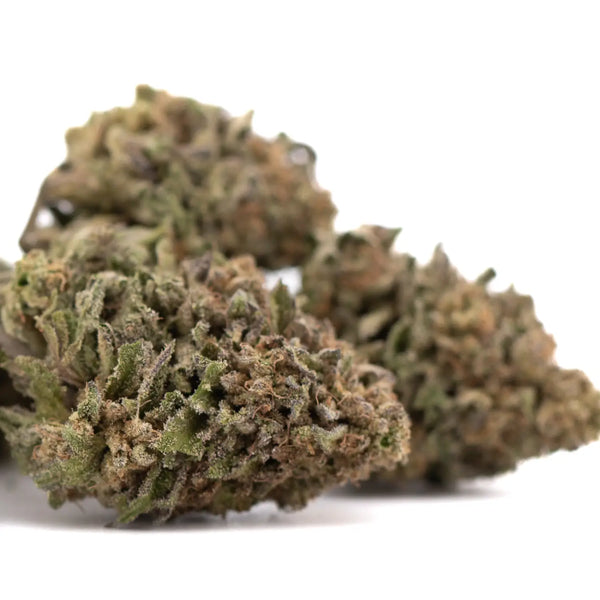
Close examination reveals quality indicators in THCa flower that casual observation might miss. Microscopic analysis of Zushi and Bolor Tartz demonstrates their premium status at the cellular level with exceptional THCa flower trichomes.
Close-up trichome analysis shows both strains maintaining excellent trichome integrity in cannabis trichome coverage. Under magnification, the mushroom-shaped capitate-stalked trichomes—the type that contains highest cannabinoid concentrations—appear abundant and well-formed on both strains. The trichome heads remain attached to their stalks rather than broken off from rough handling. This structural integrity indicates careful treatment throughout growing, harvesting, curing, and packaging of high quality THCa flower.
Trichome head integrity provides critical quality information about premium THCa flower. Both Zushi and Bolor Tartz display intact trichome heads rather than the broken or missing heads that result from excessive handling or aggressive trimming. The heads maintain their spherical shape rather than appearing flattened or degraded. This preservation suggests optimal harvest timing when trichomes reached peak development, followed by gentle handling that protected these delicate structures.
Stalk clarity and development indicates healthy trichome formation in greenhouse cannabis quality. Under magnification, both strains show well-developed stalks supporting the resin-filled heads. The stalks appear clear rather than clouded or degraded, suggesting proper plant nutrition during flowering and careful curing that preserved cellular structures. This clarity indicates flowers that received optimal treatment from cultivation through final preparation.
Contamination absence marks professional-grade production in greenhouse grown cannabis. Microscopic examination of both strains reveals no foreign material, mold spores, insect parts, or other contamination. The greenhouse cultivation advantages pest prevention and climate control systems clearly succeeded in producing clean flowers. This purity represents the quality control that separates premium operations from careless producers.
Purity indicators extend beyond contamination absence to include proper flushing before harvest in premium greenhouse flower. Both strains show no signs of nutrient residue buildup in trichomes or plant tissue. The clean appearance suggests plants received proper water-only flushing period before harvest, allowing them to metabolize stored nutrients rather than passing mineral residues into the final product. This purity contributes to both visual quality and consumer experience.
Professional grade assessment based on microscopic examination confirms both strains as best looking greenhouse THCa flower premium product. The combination of abundant intact trichomes, absence of contamination, proper development, and careful handling throughout production marks these as flowers worthy of premium pricing and positioning. Microscopic quality matches the positive impressions created by casual visual quality assessment.
Handling and Storage Quality
How flower maintains quality through distribution provides important information about structure and stability. Both Zushi and Bolor Tartz demonstrate resilience that benefits wholesale buyers and consumers seeking premium THCa flower.
How each strain holds up to normal handling reflects proper moisture content and structural integrity in THCa flower structure. Both strains maintain bud structure during examination without excessive crumbling or shedding of trichomes. This durability allows retailers to display samples, photographers to handle flowers for images, and consumers to examine purchases without significant quality degradation. The resilience results from optimal THCa flower curing that balances preservation with accessibility.
Transportation durability matters for products traveling distribution channels with greenhouse THCa flower quality. Both Zushi and Bolor Tartz show appropriate resistance to compression during shipping when properly packaged. The buds maintain their structure rather than becoming flattened or degraded from transportation. This durability reduces loss from shipping damage and ensures products arrive in condition matching their marketed appearance.
Storage stability indicates how well flowers preserve quality over time under proper storage conditions for premium greenhouse flower. Both strains demonstrate good storage characteristics when kept in sealed containers away from light and heat. The trichomes remain attached rather than falling off as flowers age. Colors fade more slowly than poorly cured flower, and structural integrity persists through reasonable storage periods. This stability extends shelf life for retailers and gives consumers confidence in THCa flower freshness.
Long-term appearance retention separates well-cured flower from rushed production in high quality THCa flower. Both strains maintain visual appeal through weeks of proper storage rather than degrading rapidly. The color vibrancy, trichome coverage, and structural definition that create initial positive impressions persist rather than deteriorating quickly. This longevity results from proper THCa flower curing that stabilizes cellular structures and moisture content.
Degradation resistance under less-than-ideal conditions demonstrates flower quality for greenhouse cannabis quality. While all cannabis benefits from optimal storage, quality flower tolerates minor storage imperfections better than inferior product. Both Zushi and Bolor Tartz show appropriate resilience to brief exposure to less ideal conditions, though proper storage remains important for maintaining peak THCa flower appearance.
Packaging protection needs for these premium flowers require appropriate moisture barrier and crush resistance to preserve cannabis bag appeal. Both strains benefit from sealed containers that prevent moisture exchange with ambient air and physical protection that prevents compression. Glass jars provide ideal display and protection, while sealed bags work effectively for larger quantities. The premium quality justifies appropriate packaging investment to maintain best looking greenhouse THCa flower standards.
Quality for Different Purposes
Understanding how appearance quality serves different use cases helps consumers and buyers make appropriate selections for premium THCa flower applications.
Retail display quality makes both strains excellent choices for in-store presentation of greenhouse grown cannabis. Zushi's quality assessment traditional excellence communicates quality immediately to experienced consumers. Bolor Tartz appearance distinctive coloration attracts attention and invites questions. Both maintain visual appeal under retail lighting throughout the day. Display samples hold up to repeated customer examination without significant quality loss. Either strain effectively anchors premium display cases with exceptional cannabis bag appeal.
Wholesale presentation benefits from both options serving different buyer needs in greenhouse THCa flower quality markets. Zushi appeals to wholesale buyers seeking reliable quality that matches consumer expectations for premium flower. Bolor Tartz attracts buyers wanting distinctive offerings that differentiate their inventory. Both demonstrate the consistency that wholesale buyers require, with batch-to-batch quality that allows confident ordering. The visual quality of both strains photographs well for wholesale marketing materials showcasing best looking greenhouse THCa flower.
Personal use considerations might favor different strains based on individual priorities when selecting high quality THCa flower. Consumers valuing traditional excellence and proven quality indicators in THCa flower prefer Zushi. Those seeking novelty and distinctive THCa flower appearance favor Bolor Tartz. Both deliver the visual quality that makes personal collections satisfying to examine and share. Neither choice represents compromise—both simply express different aesthetic preferences in premium greenhouse flower.
Gift-giving quality makes both strains appropriate for special occasions with premium THCa flower. Zushi communicates sophisticated appreciation for traditional cannabis excellence and proven greenhouse growing benefits. Bolor Tartz creates memorable impression through distinctive appearance that recipients notice and remember. Both arrive with visual impact that honors the recipient and demonstrates the giver's attention to quality selection.
Photography for marketing finds both strains valuable for different applications in THCa strain comparison content. Zushi creates images that clearly communicate premium quality to experienced consumers through exceptional cannabis trichome coverage. The heavy trichome coverage and classic appearance establish credibility. Bolor Tartz generates images that stand out in crowded social media feeds with distinctive THCa flower colors and create conversation. Marketing teams might feature Zushi for establishing authority and Bolor Tartz for generating engagement with best looking greenhouse THCa flower.
Social sharing appeal varies by platform and audience for greenhouse cannabis quality. Instagram posts featuring Bolor Tartz's purple coloration might generate more initial engagement from visual impact. Zushi appeals to cannabis enthusiast communities valuing traditional quality markers and Zushi quality assessment criteria. Both create shareable content that reflects positively on those sharing. The choice depends more on audience and platform than objective quality differences in Zushi vs Bolor Tartz visual quality.
Price-to-Quality Ratio
Evaluating greenhouse THCa flower quality against pricing helps consumers make informed purchasing decisions aligned with their priorities and budgets for premium THCa flower.
Value for visual quality with both strains justifies premium pricing through observable excellence in visual quality assessment. The heavy cannabis trichome coverage, professional finish, and appealing presentation cost money to produce through careful cultivation, optimal harvest timing, and professional THCa flower trim quality. Consumers paying premium prices receive flowers that deliver the visual quality those prices suggest. Neither strain represents overpricing relative to quality delivered.
Premium appearance justification connects directly to production costs in greenhouse growing benefits. Creating flowers with 75-85% trichome coverage requires optimal growing conditions, genetic excellence, and careful timing throughout the cultivation cycle. Professional trimming adds labor costs but creates the clean presentation that justifies premium pricing with exceptional cannabis bag appeal. The greenhouse cultivation advantages themselves represent investment in infrastructure and expertise. Premium appearance directly reflects these real production costs.
Quality consistency for price represents perhaps the strongest value argument for high quality THCa flower. Premium pricing becomes justified when quality remains consistent across batches and purchases. Both Zushi and Bolor Tartz demonstrate the batch-to-batch consistency that controlled greenhouse cultivation produces. Consumers paying premium prices receive confidence that reorders will match initial purchases, making the price premium worthwhile for those valuing reliability in greenhouse cannabis quality.
Market comparison reveals both strains competing effectively in premium segments for best looking greenhouse THCa flower. Compared to similarly priced THCa flower from other sources, both Zushi quality assessment and Bolor Tartz appearance deliver competitive or superior visual quality. The combination of trichome coverage, professional finish, and cultivation excellence matches or exceeds what comparable pricing delivers elsewhere. Consumers shopping premium segments find these strains appropriately positioned for their quality levels.
Investment in quality represents the fundamental value proposition for premium greenhouse flower. Consumers choosing premium flower invest in observable quality, consistency, and cultivation excellence rather than simply buying cannabinoids. Both strains deliver returns on that investment through visual satisfaction, reliable quality, and the confidence that comes from selecting products that meet high standards. The premium pricing reflects genuine quality differences rather than marketing inflation in greenhouse grown cannabis markets.
Conclusion
Both Zushi THCa Hemp Flower and Bolor Tartz THCa Hemp Flower represent top-tier greenhouse THCa flower quality that demonstrates greenhouse growing benefits translated into exceptional finished product. These strains prove that greenhouse grown cannabis produces flowers competing directly with the finest indoor-grown cannabis while offering sustainability advantages and cost efficiencies.
The greenhouse cultivation advantages demonstrated by both strains manifest in every quality indicators in THCa flower examined: generous cannabis trichome coverage approaching or exceeding 75%, professional THCa flower trim quality that showcases flowers without waste, proper THCa flower curing that preserves structure and cannabinoid content, consistent batch quality, and careful handling throughout production. These shared characteristics reflect cultivation expertise and attention to detail rather than lucky accidents.
Visual preference between Zushi vs Bolor Tartz visual quality remains genuinely personal rather than objective. Zushi quality assessment delivers traditional cannabis excellence with the heavy frosting, proper THCa flower structure, and classic appearance that experienced consumers recognize as premium THCa flower quality. Bolor Tartz appearance offers distinctive purple coloration combined with equivalent quality indicators, creating memorable visual impact with unique THCa flower colors that differentiate it in competitive markets. Neither choice represents compromise—both simply express different aesthetic approaches to premium quality as best looking greenhouse THCa flower.
The THCa strain comparison itself illustrates the sophistication possible within greenhouse cultivation. The ability to produce multiple premium expressions with distinct characteristics while maintaining consistent high quality THCa flower standards demonstrates mastery of environmental control, genetic selection, and post-harvest processing. Consumers benefit from this expertise through access to diverse options unified by excellence in greenhouse cannabis quality and exceptional cannabis bag appeal.
Whether you prefer Zushi's traditional presentation or Bolor Tartz's distinctive coloration, both strains deliver the visual quality assessment standards that justify premium pricing and generate satisfaction. Visit the product pages to see detailed photography and make your personal quality assessment about how to judge THCa flower quality. For those who appreciate both expressions of excellence, alternating between these strains provides variety without quality compromise in premium greenhouse flower selection.
The best way to appreciate the exceptional quality described throughout this analysis is experiencing it firsthand. Examine the detailed product photography, read additional reviews, and consider ordering samples of both premium THCa flower strains to conduct your own Zushi vs Bolor Tartz visual quality comparison. Premium greenhouse THCa flower quality represents the current evolution of cannabis cultivation—these two strains exemplify that excellence with superior THCa flower freshness and THCa flower appearance.
FAQ Section
Which strain looks better?
Neither Zushi nor Bolor Tartz can be objectively declared superior in appearance, as both represent premium THCa flower expressing different aesthetic preferences. Zushi delivers traditional cannabis excellence with classic green coloration and exceptional cannabis trichome coverage approaching 85%. Bolor Tartz offers distinctive THCa flower colors with purple hues combined with 70-80% trichome coverage. The "better" choice depends entirely on whether you prefer traditional cannabis appearance or distinctive coloration in best looking greenhouse THCa flower. Both demonstrate the same cultivation excellence and professional finishing that defines premium greenhouse flower.
How can I tell if THCa flower is high quality?
High quality THCa flower displays several observable markers in how to judge THCa flower quality: generous THCa flower trichomes coverage creating a frosted appearance, intact trichome heads rather than broken crystals, proper THCa flower structure with natural cannabis flower density, vibrant coloration without fading or discoloration, minimal stem and seed presence, professional THCa flower trim quality that removes fan leaves while preserving sugar leaves, and springy texture indicating proper moisture content. Flowers should feel substantial without being rock-hard, maintain their structure without crumbling excessively, and show consistent quality indicators in THCa flower across multiple buds. The absence of mold, contamination, or degradation represents baseline greenhouse cannabis quality requirements.
Does appearance affect potency?
Appearance correlates with potency but doesn't determine it definitively in visual quality assessment. Heavy cannabis trichome coverage generally indicates high cannabinoid production since trichomes contain the active compounds. However, the most crystalline flower isn't automatically the most potent—lab testing provides definitive potency information. Visual quality does indicate cultivation expertise, optimal harvest timing, and proper handling, all factors that support high potency in premium THCa flower. Think of appearance as a strong indicator that usually correlates with potency rather than a guarantee. Flowers with minimal trichome coverage rarely test high for cannabinoids, while heavily frosted high quality THCa flower frequently does.
Are these strains frosty?
Yes, both Zushi and Bolor Tartz display exceptional THCa flower trichomes coverage that creates the frosty appearance enthusiasts seek. Zushi achieves 75-85% trichome coverage on exposed surfaces, while Bolor Tartz shows 70-80% coverage. Both percentages fall firmly in premium THCa flower territory, creating the sugar-coated THCa flower appearance associated with high-quality cannabis. The trichomes appear intact and well-developed, catching light effectively to create the crystalline sparkle that "frosty" describes. Under close examination or magnification, both strains reveal abundant capitate-stalked trichomes—the type containing highest cannabinoid concentrations in best looking greenhouse THCa flower.
Which has better bag appeal?
Both strains offer excellent cannabis bag appeal through different visual strategies. Zushi quality assessment creates immediate positive impression through traditional cannabis excellence—the heavy cannabis trichome coverage, vibrant orange pistils, and classic green coloration instantly communicate high quality THCa flower to experienced consumers. Bolor Tartz appearance generates strong bag appeal through distinctive purple coloration that stands out in retail displays and creates memorable impression. For traditional markets, Zushi might have slight edge in bag appeal. For consumers seeking novelty or distinctive offerings, Bolor Tartz creates stronger impact. Both justify premium pricing through visual quality assessment excellence.
Do greenhouse strains look as good as indoor?
Premium greenhouse grown cannabis strains like Zushi and Bolor Tartz demonstrate that greenhouse THCa flower quality produces visual quality matching or exceeding indoor-grown flower. The combination of natural full-spectrum sunlight with controlled environment protection creates ideal growing conditions showcasing greenhouse growing benefits. Greenhouse flowers often display more vibrant THCa flower colors from natural light while achieving the trichome coverage and structural excellence associated with indoor cultivation. The key factor isn't growing method but cultivation expertise and attention to detail. Well-grown premium greenhouse flower competes directly with premium indoor product while offering sustainability and cost advantages through greenhouse cultivation advantages.
How important is visual quality?
Visual quality serves multiple important functions though it shouldn't be the sole selection criterion in how to judge THCa flower quality. THCa flower appearance provides immediate assessment of cultivation quality, harvest timing, THCa flower curing expertise, and handling care—factors that correlate with overall product quality. Heavy cannabis trichome coverage generally indicates good cannabinoid production. Proper THCa flower structure and cure quality suggest flowers that will deliver satisfying experience. However, appearance alone doesn't tell the complete story about quality indicators in THCa flower. Lab testing provides definitive potency and safety information, while aroma and effects reveal qualities that visual quality assessment can't capture. Use appearance as an important quality indicator alongside other assessment methods for greenhouse cannabis quality.
Which strain photographs better?
Both strains excel in photography for different reasons in THCa strain comparison. Zushi's heavy THCa flower trichomes coverage creates exceptional sparkle and depth in images, with the crystalline structures catching light beautifully. The color contrast between green calyxes, orange pistils, and white trichomes photographs clearly across various lighting conditions demonstrating best looking greenhouse THCa flower. Bolor Tartz's purple coloration creates striking visual impact that stands out in photo galleries and social media feeds. The unique THCa flower colors profile generates more initial engagement in crowded visual spaces. Zushi might photograph better for establishing quality credibility, while Bolor Tartz creates more memorable visual impact. Marketing teams would value having both premium THCa flower strains available for different photographic applications showcasing Zushi vs Bolor Tartz visual quality.


