


How to Grow THCA Hemp Flower: Complete Cultivation Guide for Beginners
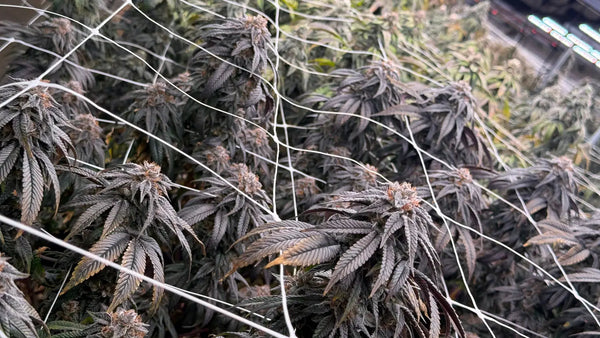
The THCA hemp market has exploded over the past few years, with demand for quality THCA flower reaching unprecedented levels. As consumers discover the unique benefits and legal advantages of THCA-rich hemp, more growers are entering the market to meet this surging demand. Whether you're an experienced cannabis cultivator or someone exploring beginner THCA growing, understanding the nuances of THCA cultivation is essential for producing premium-quality flower that meets market standards and compliance requirements.
THCA (tetrahydrocannabinolic acid) represents a game-changing opportunity in the cannabis industry. Unlike traditional THC-rich marijuana, THCA hemp remains federally legal under the 2018 Farm Bill, provided it contains less than 0.3% Delta 9 THC. This legal distinction has opened doors for cultivators across the United States to grow potent, cannabinoid-rich hemp without the regulatory hurdles associated with marijuana cultivation. The key lies in understanding how to maximize THCA production while keeping Delta 9 THC levels within legal limits.
In this comprehensive THCA cultivation guide, you'll learn everything necessary to successfully grow THCA hemp from seed to harvest. We'll cover legal requirements, environmental setup, nutrient management, pest control, and harvest timing. By the end of this guide, you'll have the knowledge needed to produce high-quality THCA hemp plants that rival the best flower available on the market. Whether you're planning indoor THCA growing or outdoor THCA cultivation, this guide will provide the foundational knowledge to ensure your success.
Understanding THCA Hemp Basics
Before diving into THCA hemp growing tips, it's crucial to understand what makes THCA unique. THCA is the acidic precursor to Delta 9 THC, the primary psychoactive compound in cannabis. In its raw, unheated form, THCA is non-intoxicating and doesn't produce the "high" associated with THC. However, when THCA is heated through smoking, vaping, or cooking (a process called decarboxylation), it converts into Delta 9 THC.
This chemical distinction is what keeps legal hemp growing possible under federal law. The 2018 Farm Bill defined legal hemp as cannabis containing 0.3% or less Delta 9 THC on a dry weight basis. THCA is not included in this calculation, meaning hemp plants can contain high levels of THCA while remaining legally compliant. This technicality has created a thriving market for THCA flower production that delivers potent effects when consumed while maintaining legal status in its raw form.
Understanding the decarboxylation process is essential for THCA plant care. To preserve THCA content, you must avoid heat exposure during cultivation, harvest, and storage. Excessive temperatures can cause premature decarboxylation, converting THCA to THC and potentially pushing your crop over the legal limit. This is why temperature control throughout the growing process is one of the most critical aspects of growing THCA flower.
When planning your cultivation approach, you'll need to choose between photoperiod and autoflowering varieties. Photoperiod strains require specific light cycles to trigger flowering (typically 12 hours of light and 12 hours of darkness), while autoflowering strains flower automatically based on age, regardless of light cycle. For beginner THCA growing, photoperiod strains are generally recommended because they offer more control over plant size and flowering timing, crucial factors for maximizing THCA production.
High THCA strains also develop complex terpene profiles that contribute to the overall experience and therapeutic benefits. Terpenes like myrcene, limonene, caryophyllene, and pinene work synergistically with THCA through the "entourage effect." Understanding how growing conditions affect both cannabinoid and terpene development will help you produce superior flower that stands out in the competitive hemp market.
Legal Requirements and Compliance
Legal compliance is the foundation of any successful legal hemp growing operation. Before planting your first seed, you must understand and comply with both federal and state regulations. While THCA hemp is legal under federal law, individual states may have additional requirements, restrictions, or outright bans on hemp cultivation.
Most states require hemp growers to obtain a license or permit before cultivation begins. The application process typically involves background checks, property inspection, and detailed cultivation plans. Some states require minimal documentation, while others have extensive requirements including GPS coordinates of growing areas, security plans, and waste disposal protocols. Research your state's specific requirements through your state's department of agriculture or hemp program administrator.
THC testing requirements represent the most critical compliance element in THCA flower production. Federal law requires that hemp plants contain no more than 0.3% Delta 9 THC on a dry weight basis. Most state programs require testing within a specific window before harvest (typically 15-30 days) to ensure compliance. This testing measures only Delta 9 THC, not THCA, which is why growing THCA flower remains viable.
Documentation and record-keeping are essential for hemp cultivation basics. Maintain detailed records of seed sources, planting dates, growing locations, testing results, and harvest data. Many states require these records to be available for inspection by state agriculture departments or law enforcement. Proper documentation protects you legally and helps track which growing techniques produce the best results for future cultivation cycles.
Working with licensed, accredited testing laboratories ensures your compliance testing is legally valid. Labs must be registered with the DEA and certified to perform cannabis testing. They'll provide Certificates of Analysis (COAs) showing Delta 9 THC levels, THCA levels, and often full cannabinoid and terpene profiles. Establishing relationships with reliable testing labs before you need them streamlines the compliance process.
Understanding pre-harvest versus post-harvest testing protocols is crucial for THCA growing requirements. Most states require pre-harvest testing, where samples are collected while plants are still living. This is critical because some THCA converts to Delta 9 THC during the drying process. If you wait until after harvest to test, you may find your flower tests "hot" (over 0.3% THC) even though it was compliant while growing. Plan your harvest timing around testing requirements to ensure compliance.
Selecting Your THCA Hemp Seeds or Clones
Sourcing quality genetics is the first and most important decision in how to grow THCA hemp successfully. Your genetic choices determine maximum THCA potential, growth characteristics, pest resistance, and final flower quality. Poor genetics cannot be overcome with excellent growing techniques, making this investment critical.
When sourcing genetics, prioritize reputable seed banks and nurseries with proven high THCA strains. Look for breeders who provide third-party lab testing showing THCA percentages from previous harvests. Legitimate suppliers will have COAs demonstrating their seeds produce compliant hemp (under 0.3% Delta 9 THC) while achieving high THCA levels. Oregon Hemp Flower offers verified THCA flower varieties that showcase the potential of properly cultivated genetics.
Feminized seeds offer significant advantages for beginner THCA growing. These seeds produce exclusively female plants, which are the ones that develop cannabinoid-rich flowers. Regular seeds produce approximately 50% male and 50% female plants, requiring you to identify and remove males before they pollinate females (which would result in seedy, lower-quality flower). While feminized seeds cost more initially, they eliminate wasted time and resources on male plants.
Clones (cuttings taken from mother plants) provide genetic consistency and allow you to skip the germination and seedling stages. However, clones require careful handling and come with risks. Always inspect clones thoroughly for pests and diseases before introducing them to your growing space. Quarantine new clones for at least two weeks in a separate area, monitoring them daily for signs of spider mites, aphids, powdery mildew, or other problems that could devastate your entire crop.
Top strains for beginner THCA growing include varieties known for hardiness, pest resistance, and consistent THCA production. Look for strains that have been specifically bred for hemp compliance rather than high-THC marijuana genetics. Some popular options include Wedding Cake, Sour Space Candy, Bubba Kush, and Cereal Milk phenotypes selected for THCA production. Compare your homegrown results with premium genetics like those available in Oregon Hemp Flower's THCA flower collection to assess your cultivation success.
Germination techniques significantly impact success rates in THCA cultivation. The paper towel method works well for beginners: place seeds between damp paper towels in a dark, warm location (70-80°F) until taproots emerge (typically 24-72 hours). Alternatively, plant seeds directly in starter plugs or small containers with light, well-draining soil. Keep the growing medium consistently moist but not waterlogged. Once seedlings emerge, provide gentle light (fluorescent or LED at lower intensity) to prevent stretching.
Growing Environment Setup
Your growing environment fundamentally determines the success of indoor THCA growing or outdoor THCA cultivation. Each approach has distinct advantages and challenges that affect THCA plant care and final flower quality.
Indoor cultivation offers complete environmental control, year-round growing, enhanced security, and protection from adverse weather and pests. However, it requires significant initial investment in equipment and ongoing electricity costs. For growing THCA flower indoors, you'll need grow lights, ventilation systems, climate control, and more space than you might initially expect. A typical 4x4 foot grow tent can accommodate 4-9 plants depending on training methods and final plant size.
Outdoor cultivation minimizes equipment costs and electricity expenses while allowing plants to reach larger sizes with potentially higher yields. Natural sunlight provides a full spectrum that's difficult to replicate indoors. However, outdoor growing exposes THCA hemp plants to weather fluctuations, pests, and security concerns. You're also limited to one or two growing seasons annually depending on your climate. Outdoor cultivation works best in regions with long, warm growing seasons and low humidity during flowering.
Greenhouse cultivation combines advantages of both approaches, offering protection from elements while utilizing natural sunlight. Greenhouses allow season extension, pest exclusion, and some climate control at lower costs than fully indoor operations. For THCA growing requirements, greenhouses represent an excellent middle ground for growers wanting to scale production without massive electrical demands.
Temperature control is critical for THCA hemp growing tips. During vegetative growth, maintain temperatures between 68-77°F for optimal growth rates. During flowering, slightly wider ranges work well (65-80°F), though maintaining temperatures toward the lower end of this range during the final weeks helps preserve terpenes and prevent excessive THCA degradation. Nighttime temperatures should drop 5-10°F below daytime temperatures to simulate natural conditions and promote robust growth.
Humidity management varies by growth stage in how to grow THCA hemp. Seedlings and young vegetative plants thrive in 60-70% relative humidity. As plants mature and enter flowering, gradually reduce humidity to 40-50% to prevent mold and mildew. During the final two weeks of flowering, some growers reduce humidity even further (35-45%) to promote resin production and minimize bud rot risk. Use dehumidifiers, humidifiers, and proper ventilation to maintain target ranges.
Light requirements differ dramatically between growth stages for THCA cultivation guide. During vegetative growth, provide 18 hours of light and 6 hours of darkness daily (18/6 schedule). Some growers use 24/0 (continuous light) or 20/4 schedules, but 18/6 generally produces healthier plants with better root development. To trigger flowering in photoperiod strains, switch to 12 hours of light and 12 hours of darkness (12/12 schedule). Maintain this schedule consistently throughout flowering, as light leaks during dark periods can stress plants and cause hermaphroditism.
Ventilation and air circulation prevent mold, strengthen stems, and regulate temperature and humidity for THCA flower production. Install exhaust fans to remove hot, humid air and intake fans to bring in fresh air. Oscillating fans create gentle air movement around plants, preventing stagnant air pockets where mold thrives. Aim for complete air exchange every 1-3 minutes in your growing space.
Carbon filtration becomes essential during flowering when growing THCA flower, as plants develop strong odors. Carbon filters attached to exhaust fans scrub air before it exits your growing space, eliminating the distinctive cannabis smell that might alert neighbors or authorities. While THCA hemp is legal, odor control maintains privacy and good relations with neighbors.
Growing Medium and Container Selection
Choosing the right growing medium significantly impacts THCA plant care and final harvest quality. The three primary options—soil, coco coir, and hydroponics—each offer distinct advantages for growing THCA hemp.
Soil provides the most forgiving medium for beginner THCA growing. Quality soil contains beneficial microorganisms, provides natural buffering against pH and nutrient fluctuations, and requires less frequent feeding than soilless media. Use organic potting soil specifically formulated for cannabis or hemp, or create your own super soil mix with compost, peat moss, perlite, worm castings, and organic amendments like bat guano and kelp meal. Avoid soil with extended-release fertilizers, which can burn cannabis roots and disrupt feeding schedules.
Coco coir offers faster growth rates than soil while remaining relatively forgiving. This coconut husk fiber provides excellent drainage and aeration, promoting rapid root development crucial for high THCA strains. Coco requires more frequent watering and feeding than soil since it contains no nutrients, but it's more difficult to overwater and less prone to root rot. Many professional growers prefer coco coir for THCA flower production due to its consistent performance and faster growth.
Hydroponic systems deliver nutrients directly to roots through water, eliminating growing medium entirely or using inert media like clay pebbles or rockwool. Hydroponics offers the fastest growth rates and highest yields but demands precise monitoring and adjustment of pH, nutrient concentration, and water temperature. For beginner THCA growing, hydroponics may be overwhelming. However, experienced growers achieve exceptional results with deep water culture (DWC), ebb and flow, or nutrient film technique (NFT) systems.
Container size should increase as plants mature through THCA cultivation. Start seedlings in small containers (0.5-1 gallon) to prevent overwatering and root problems. Transplant to 3-5 gallon containers for vegetative growth, then move to final containers (5-20 gallons) before or shortly after flowering begins. Larger containers allow bigger root systems and plants but require more growing medium and water. For indoor THCA growing, 5-7 gallon containers typically work well.
Drainage is essential for THCA hemp plants. Containers must have drainage holes to prevent water from pooling at the bottom, which causes root rot and oxygen deprivation. Elevate containers on risers or use fabric grow bags that promote air pruning of roots and prevent root circling. Fabric bags also improve drainage and allow roots to "breathe," producing healthier root systems than plastic containers.
pH management varies by growing medium in how to grow THCA hemp. Soil-grown plants require pH between 6.0-7.0, with 6.5 being ideal. Hydroponic and coco coir systems need lower pH (5.5-6.5) with 5.8-6.0 being optimal. Incorrect pH locks out nutrients even when they're present in the growing medium, causing deficiency symptoms. Invest in a quality pH meter and calibration solution, testing and adjusting water pH before feeding or watering.
Nutrient Requirements Throughout Growth Stages
Proper nutrition is fundamental to THCA growing requirements and developing potent, resinous flowers. Cannabis plants require three primary macronutrients—nitrogen (N), phosphorus (P), and potassium (K)—plus essential secondary nutrients and micronutrients throughout their lifecycle.
During vegetative growth in THCA cultivation guide, plants need higher nitrogen for leaf and stem development. Look for NPK ratios around 3-1-2 or similar nitrogen-heavy formulations. Feed vegetative plants every 1-3 waterings depending on growing medium, plant size, and nutrient strength. Soil growers can feed less frequently than coco or hydro growers. Start with quarter-strength nutrients and gradually increase to manufacturer recommendations while monitoring plant response.
As plants transition to flowering while growing THCA flower, reduce nitrogen and increase phosphorus and potassium. Flowering nutrients typically have NPK ratios around 1-3-2 or 0-3-3. Phosphorus supports flower development and resin production, while potassium aids in terpene synthesis and overall plant health. Begin transitioning to flowering nutrients when you switch light schedules (for photoperiod strains) or when pre-flowers appear (for autoflowers).
Secondary nutrients—calcium, magnesium, and sulfur—play crucial roles in THCA plant care. Calcium strengthens cell walls and prevents nutrient uptake issues. Magnesium is essential for chlorophyll production and photosynthesis. Sulfur aids in terpene development and contributes to the characteristic aroma of high THCA strains. Most complete nutrient lines include these elements, but coco coir growers often need additional calcium-magnesium supplements.
Micronutrients—iron, manganese, boron, zinc, copper, and molybdenum—are needed in tiny amounts but cause visible deficiencies when lacking. Quality nutrient lines include micronutrients in appropriate ratios. Avoid over-supplementing micronutrients, as excess can cause toxicity symptoms. For legal hemp growing, balanced nutrition prevents stress that might cause hermaphroditism or unexpected THC increases.
Organic versus synthetic nutrients represent a philosophical choice in THCA flower production. Organic nutrients (compost teas, fish emulsion, bone meal, kelp) work with soil biology to feed plants gradually and naturally. They're more forgiving but slower-acting and harder to correct deficiencies quickly. Synthetic nutrients (salt-based mineral formulations) deliver nutrients directly in plant-available forms, allowing faster growth and easier correction of problems but requiring more precise management.
Recognizing nutrient deficiencies early allows quick correction before problems impact THCA hemp growing tips. Nitrogen deficiency causes lower leaves to yellow and drop. Phosphorus deficiency shows as dark green or purple leaves with slow growth. Potassium deficiency creates brown leaf edges. Calcium deficiency affects new growth with twisted or curled leaves. Magnesium deficiency causes yellowing between leaf veins on lower leaves. Consult nutrient deficiency charts to diagnose and correct issues promptly.
Flushing before harvest involves watering plants with pH-adjusted water only (no nutrients) for the final 1-2 weeks when growing THCA hemp. This practice removes excess nutrients from growing medium and plant tissues, potentially improving flavor and smoothness. While some growers consider flushing essential, others maintain feeding until harvest. Experiment to determine what works best for your THCA cultivation approach.
Watering Best Practices
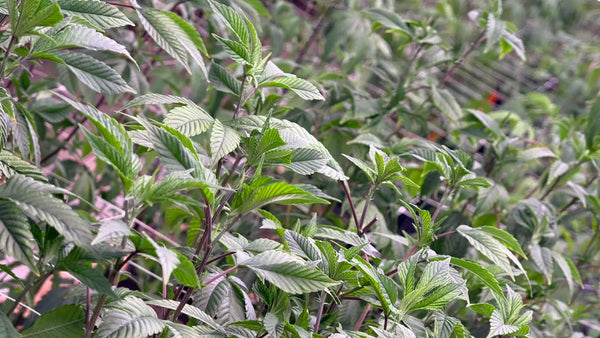
Proper watering technique is crucial for beginner THCA growing success, as more plants die from watering mistakes than any other factor. Both overwatering and underwatering cause serious problems, but overwatering is more common and potentially more damaging.
Determining watering frequency for THCA hemp plants depends on multiple factors: growing medium, container size, plant size, temperature, humidity, and growth stage. Rather than following a rigid schedule, water when the top inch of growing medium feels dry. For containers with drainage, you can also lift them to gauge weight—plants need water when containers feel light. Seedlings may need water every 2-3 days, while large plants in small containers might need daily watering during flowering.
Checking soil moisture levels involves inserting a finger 1-2 inches into growing medium away from the stem. If it feels dry, water thoroughly until runoff drains from the bottom. This ensures complete saturation and prevents dry pockets in the growing medium. For indoor THCA growing, moisture meters provide objective readings of moisture levels at different depths, helpful for beginners learning to gauge watering needs.
Overwatering symptoms include drooping leaves, slow growth, yellowing lower leaves, and eventual root rot in how to grow THCA hemp. Overwatered plants struggle because saturated growing medium lacks oxygen, suffocating roots. The solution is allowing the medium to dry more between waterings. Improve drainage by adding perlite to soil or ensuring containers have adequate drainage holes. Consider transplanting to fabric pots that promote better aeration.
Underwatering creates droopy, wilted plants with dry, crispy leaves when growing THCA flower. Chronically underwatered plants grow slowly and never reach their potential. The solution is simple: water more frequently. However, severe underwatering can create hydrophobic soil that repels water. In these cases, water slowly and repeatedly, or bottom-water by placing containers in trays of water until medium absorbs moisture from below.
Water quality significantly impacts THCA flower production. Tap water often contains chlorine, chloramine, heavy metals, or high mineral content that affects pH and nutrient availability. Test your water source to determine pH, PPM (parts per million of dissolved solids), and presence of chlorine. Municipal water with chlorine can be left out overnight to allow chlorine to evaporate. For chloramine, which doesn't evaporate, use vitamin C (ascorbic acid) tablets or a carbon filter to neutralize it.
Ideal water pH depends on growing medium as discussed earlier: 6.0-7.0 for soil, 5.5-6.5 for hydro and coco. Always pH-adjust water after adding nutrients, as nutrients affect pH. For THCA growing requirements, maintaining proper pH ensures maximum nutrient availability. PPM indicates dissolved solid concentration; aim for 50-200 PPM from source water. Higher PPM can cause nutrient lockout and requires reverse osmosis (RO) filtration to reduce.
Watering techniques affect root health in THCA plant care. Water slowly and evenly around the entire root zone, not just near the stem. This encourages roots to spread throughout the container rather than staying balled up near the center. Water until 10-20% runoff drains from the bottom, ensuring complete saturation and flushing accumulated salts. Remove runoff water from trays to prevent roots from sitting in standing water, which causes root rot.
Training and Pruning Techniques
Training and pruning techniques maximize yields and light penetration for high THCA strains, creating bushier plants with more flowering sites. These techniques also improve air circulation, reducing mold and pest risks.
Low-stress training (LST) gently bends and secures branches to create a more horizontal canopy when growing THCA hemp. Begin LST during early vegetative growth when stems are flexible. Use soft ties or plant wire to gradually bend the main stem and branches, securing them to container edges or stakes. This increases light exposure to lower branches, which develop into additional flowering sites. LST is ideal for beginner THCA growing because it carries minimal risk of stunting plants.
Topping involves cutting off the growing tip of the main stem, forcing the plant to develop two main colas instead of one when growing THCA flower. Top plants after they develop 4-6 nodes (sets of leaves) by cutting just above the desired node. Plants typically pause growth for a few days after topping, then resume with two main branches. You can top multiple times to create more main colas, though each topping extends vegetative time. Top at least 2-3 weeks before inducing flowering to allow recovery.
FIMing (Fuck I Missed) is similar to topping but involves pinching off approximately 75% of the newest growth tip rather than making a clean cut. This technique often produces four main colas instead of two and causes less growth slowdown than topping. FIMing works well for THCA cultivation when you want bushier plants without significant vegetative time extension.
Lollipopping removes lower branches and foliage that receive minimal light, redirecting energy to upper flowering sites in THCA flower production. Perform lollipopping during early flowering (first 1-2 weeks after switching to 12/12 light schedule). Remove any growth in the lower third of the plant that won't receive adequate light for substantial bud development. This improves air circulation, prevents popcorn buds (small, underdeveloped flowers), and focuses plant energy on developing top colas.
Screen of Green (SCROG) involves installing a horizontal screen or net above plants and weaving branches through openings as they grow when how to grow THCA hemp. SCROG creates an even canopy where all flowering sites receive equal light, maximizing yields in indoor THCA growing. Install the screen 8-12 inches above the growing medium during mid-vegetative growth. Gently tuck branches under the screen as they grow, spreading them evenly across screen openings. Switch to flowering when the screen is 70-80% full.
Defoliation involves selectively removing fan leaves to improve light penetration and air circulation around THCA hemp plants. Defoliate conservatively, removing only leaves blocking bud sites or creating dense, airless pockets. Perform major defoliation during the transition to flowering and again around week 3 of flowering. Avoid heavy defoliation after mid-flowering, as it stresses plants during critical bud development. Some growers prefer minimal defoliation, relying on training techniques alone for legal hemp growing.
Vegetative Stage Management
The vegetative stage establishes the foundation for THCA growing requirements, determining final plant size and overall health. This crucial phase typically lasts 4-8 weeks depending on desired plant size and growing method.
During vegetative growth when growing THCA flower, plants focus entirely on developing roots, stems, and foliage. Robust vegetative growth translates directly to flowering potential and THCA production. Maintain 18/6 light schedules for photoperiod plants, providing strong light intensity (30-50 watts per square foot for LED grow lights). Keep temperatures in the 70-75°F range with 60-70% humidity for optimal growth rates.
Monitoring plant health involves daily inspection of leaves, stems, and new growth when how to grow THCA hemp. Healthy vegetative plants show vigorous upward growth with deep green leaves and white, fibrous root development. Growth rates should be noticeable—plants can grow 1-2 inches daily under optimal conditions. Document growth with photos to track progress and identify problems early. Compare your vegetative growth to mature THCA flower examples to gauge your cultivation success trajectory.
Preventing stretching (excessive stem length with minimal foliage) requires proper light distance in THCA plant care. Position LED grow lights 18-24 inches from canopy tops, adjusting daily as plants grow. If plants stretch with long internodal spacing (distance between leaf sets), lower lights or increase intensity. Stretched plants produce lower yields because energy goes into stem development rather than foliage and flowers. Blue-spectrum light (vegetative-specific bulbs) helps prevent stretching compared to red-spectrum light.
Early pest detection prevents infestations from overwhelming your THCA cultivation. Inspect the undersides of leaves, stems, and new growth daily. Look for tiny moving spots (spider mites), white cottony masses (mealybugs), sticky residue (aphids), or actual insects. Use a jeweler's loupe (30x magnification) to spot pests before visible damage occurs. Implement preventive spraying with neem oil or insecticidal soap weekly during vegetative growth to suppress pest populations before they explode.
Transplanting timing affects root development when growing THCA hemp. Transplant when roots begin circling container bottoms or poking through drainage holes, typically every 2-4 weeks during vegetative growth. Water plants thoroughly 24 hours before transplanting. Remove plants gently from old containers, minimizing root disturbance. Place in new containers with growing medium, filling around root balls. Water immediately after transplanting. Plants may show slight drooping for 1-2 days before recovering and resuming growth in beginner THCA growing.
Flowering Stage and Bud Development
The flowering stage is when THCA flower production truly begins, as plants shift from vegetative growth to reproductive mode. This critical phase typically lasts 8-12 weeks depending on strain genetics and growing conditions.
Identifying pre-flowers and sex determination occurs during the transition period in high THCA strains. Pre-flowers appear at node junctions (where branches meet the main stem) 3-6 weeks into vegetative growth. Female plants show white pistils (hair-like structures) emerging from teardrop-shaped calyxes. Male plants develop small, round pollen sacs resembling clusters of grapes. Remove males immediately unless breeding, as they pollinate females and create seedy flower with reduced THCA content and potency.
Triggering flowering in photoperiod plants requires switching to 12/12 light cycles when how to grow THCA hemp. Make this transition only when plants reach desired size, considering they'll stretch 50-200% during the first 3-4 weeks of flowering. Maintain absolute darkness during dark periods—even small light leaks can prevent flowering or cause hermaphroditism. Autoflowering strains begin flowering automatically after 3-5 weeks regardless of light schedule.
Week-by-week flowering progression follows predictable patterns in THCA cultivation guide. Weeks 1-3: Stretch phase with rapid vertical growth and early pistil development. Weeks 4-6: Bud formation accelerates with flowers fattening and trichome production beginning. Weeks 7-9: Peak resin production with trichomes becoming cloudy and buds swelling. Weeks 10+: Final ripening as pistils darken and trichomes turn amber. Monitor trichomes closely during final weeks to time harvest perfectly for maximum THCA content.
Trichome development directly corresponds to growing THCA flower potency. These mushroom-shaped glands contain THCA and terpenes. Early trichomes appear clear, then turn cloudy white as THCA concentrations peak, finally turning amber as THCA degrades. For maximum THCA preservation, harvest when 70-90% of trichomes are cloudy with minimal amber. Waiting too long causes THCA degradation, while harvesting too early results in lower overall cannabinoid content. Use a jeweler's loupe (30x minimum) or digital microscope to inspect trichomes on buds, not sugar leaves.
Preventing hermaphroditism (plants developing both male and female flowers) is essential for legal hemp growing. Hermaphrodites self-pollinate and create seedy flower. Stress causes hermaphroditism: light leaks during dark periods, nutrient problems, extreme temperatures, physical damage, or genetics. Inspect plants daily during flowering for small, banana-shaped pollen sacs (nanners) growing from buds. Remove hermaphrodites immediately. Maintaining stable growing conditions minimizes hermaphrodite risk.
Late-stage flower nutrition requires reducing nitrogen while maintaining phosphorus and potassium for THCA hemp plants. Some growers introduce bloom boosters or supplements designed to maximize resin production during weeks 6-8. Begin flushing (water only, no nutrients) during the final 1-2 weeks before harvest. This removes excess nutrients from tissues, potentially improving the final flavor and smoothness of THCA flower.
Pest and Disease Management
Effective pest and disease prevention protects your THCA cultivation investment throughout the growing cycle. Prevention is far easier than treating established infestations.
Common hemp pests threaten growing THCA hemp operations. Spider mites appear as tiny moving dots on leaf undersides, creating fine webbing and stippling damage. Aphids cluster on new growth and stems, secreting sticky honeydew and causing leaf curling. Thrips create silvery streaking on leaves and flowers. Fungus gnats indicate overwatering and lay eggs in growing medium, with larvae feeding on roots. White flies fly up in clouds when plants are disturbed and damage leaves through sap feeding.
Organic pest control methods work well during vegetative growth for THCA plant care. Neem oil (cold-pressed) disrupts insect life cycles and acts as a repellent. Apply weekly as a preventive spray during vegetative growth, but discontinue during flowering as it affects flavor. Insecticidal soap kills soft-bodied insects on contact. Diatomaceous earth sprinkled on growing medium kills crawling insects. PyGanic (pyrethrin-based spray) provides quick knockdown of many pest species.
Beneficial insects provide biological control for beginner THCA growing. Ladybugs consume aphids and spider mites. Predatory mites (Phytoseiulus persimilis) specifically target spider mites. Parasitic wasps attack aphids and whiteflies. Green lacewings eat various soft-bodied pests. Release beneficial insects early in infestations before pest populations explode. Avoid spraying any pesticides when using beneficial insects.
Powdery mildew appears as white, powdery spots on leaves and stems in THCA flower production. This fungal disease thrives in high humidity with poor air circulation. Prevention includes maintaining humidity below 50% during flowering, ensuring adequate ventilation, and avoiding leaf wetness. Treatment involves removing affected leaves and spraying with potassium bicarbonate solutions or sulfur-based fungicides. Severe infections may require removing entire plants to prevent spread.
Bud rot (botrytis) is the most devastating disease when growing THCA flower, destroying entire harvests in days. This gray mold typically starts inside dense buds where humidity is highest. Prevention requires maintaining low humidity (40-50%) during flowering, ensuring excellent air circulation, and avoiding large temperature swings. If bud rot appears, immediately remove affected buds and surrounding material, cutting well into healthy tissue. Increase air circulation and reduce humidity. Inspect remaining buds daily.
Root diseases cause wilting, yellowing, and slow growth in THCA hemp plants. Pythium and fusarium are common root pathogens thriving in overwatered, poorly-drained growing medium. Prevention involves proper watering practices, ensuring good drainage, and using beneficial microorganisms like mycorrhizae. Treatment requires removing affected plants, improving drainage, and potentially sterilizing growing areas. Beneficial bacteria products (Bacillus subtilis) can suppress root diseases.
Quarantine procedures prevent introducing pests to your how to grow THCA hemp operation. Isolate new clones or plants in a separate area for 2-3 weeks, inspecting daily for pest signs. Spray preventively with neem oil or insecticidal soap. Only introduce to main growing area after confirming pest-free status. This practice prevents single infected clones from devastating entire crops.
Harvest Timing for Maximum THCA
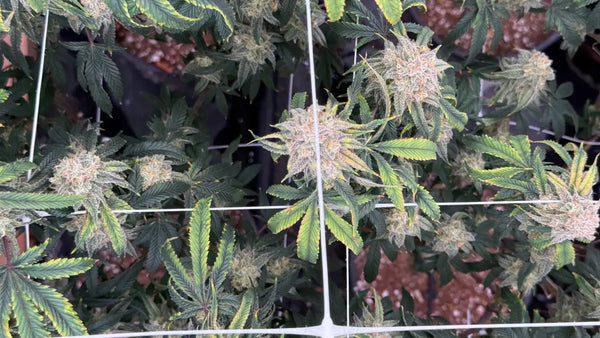
Proper harvest timing maximizes THCA growing requirements and ensures optimal potency. Harvesting too early results in lower THCA levels and underdeveloped terpenes. Harvesting too late causes THCA degradation and potentially pushes Delta 9 THC above legal limits.
Using a jeweler's loupe or digital microscope to inspect trichomes is the most reliable harvest timing method for growing THCA hemp. Focus on trichomes on buds themselves, not sugar leaves, which mature faster. Clear trichomes indicate immaturity. Cloudy white trichomes signal peak THCA levels. Amber trichomes indicate THCA degradation into CBN (cannabinol), a sedating cannabinoid. For maximum THCA preservation, harvest when 70-90% of trichomes are cloudy with 10-30% remaining clear and minimal amber development.
Pistil color changes provide secondary harvest indicators in THCA cultivation. Early flowering shows white pistils standing straight out. As flowering progresses, pistils darken to orange, red, or brown and curl into buds. General guidelines suggest harvesting when 70-90% of pistils have darkened and curled. However, pistil color alone isn't reliable because environmental factors affect color. Always confirm readiness with trichome inspection.
The 48-hour darkness technique involves placing plants in complete darkness for two days before harvest when how to grow THCA hemp. This practice supposedly stresses plants into a final burst of resin production. Scientific evidence is limited, but many growers report increased trichome density and terpene preservation. If using this technique, ensure absolute darkness and maintain proper temperature and humidity to prevent mold.
Avoiding early harvest prevents cannabinoid loss in THCA flower production. Premature harvests reduce overall THCA content because plants haven't completed cannabinoid synthesis. Terpene profiles remain underdeveloped, resulting in less flavorful flower. Beginners often harvest early due to impatience or misreading harvest signs. Compare your trichomes to mature samples from verified high THCA strains to confirm readiness.
Planning harvest for compliance testing requires coordination when growing THCA flower. Most states require pre-harvest testing within specific windows (typically 15-30 days before harvest). Schedule testing when plants are approaching maturity but before peak THCA development. This provides cushion against THC increases during final ripening. If tests come back at or near 0.3% Delta 9 THC, harvest immediately rather than waiting for perfect trichome development to avoid failing compliance.
Harvesting and Post-Harvest Processing
Proper harvesting and post-harvest handling preserve THCA content and terpenes in THCA plant care, directly affecting final quality. Poor post-harvest processing ruins months of careful cultivation.
Cutting and hanging techniques minimize THCA degradation when growing THCA hemp. Use clean, sharp scissors or pruning shears. Some growers cut the entire plant at the base, while others harvest branches individually for easier handling. Remove large fan leaves but leave sugar leaves (small, trichome-covered leaves near buds) for protection during drying. Hang branches upside down on lines or racks in the drying area, ensuring adequate spacing between branches for air circulation.
Wet trimming versus dry trimming represents a significant processing decision in beginner THCA growing. Wet trimming involves removing sugar leaves immediately after harvest while plants are fresh. This method is faster and easier but results in faster drying that may compromise terpene preservation. Dry trimming means trimming after drying is complete. This slower, more difficult process better preserves terpenes and produces smoother smoke but requires more space and time. Many commercial growers wet trim for efficiency, while quality-focused cultivators prefer dry trimming.
Drying room conditions critically affect THCA cultivation guide success. Maintain 60°F temperature and 60% relative humidity (the "60/60 rule") for optimal drying. Use fans for air circulation, but avoid pointing them directly at hanging plants, which causes uneven drying. Complete darkness preserves cannabinoids and terpenes. Monitor drying progress daily by bending stems—properly dried stems snap rather than bending when how to grow THCA hemp.
Drying duration typically ranges 7-14 days depending on bud density, humidity, and environmental conditions when growing THCA flower. Dense, large buds take longer than airy, small buds. Rushing the drying process by increasing temperature or decreasing humidity degrades terpenes and creates harsh smoke. Conversely, drying too slowly invites mold problems. Ideal drying achieves moisture levels of approximately 10-12% in final flower.
The curing process transforms good flower into exceptional THCA flower. After drying, place buds in glass jars filled approximately 75% full. Include 62% humidity packs (like Boveda or Integra Boost) to regulate moisture. Store jars in cool, dark locations. Open jars daily for the first week (burping) to release accumulated moisture and gases. Continue burping every few days for 2-4 weeks minimum. Well-cured flower develops enhanced aroma, smoother smoke, and refined effects. Cure improves quality for months with proper storage.
Long-term storage preserves THCA by preventing degradation from light, heat, air, and moisture in THCA flower production. Store cured flower in airtight containers (glass jars preferred) with humidity packs. Keep containers in cool (60-70°F), dark locations. Avoid freezing, which can degrade trichomes. Properly stored flower maintains quality for 6-12 months or longer. Compare your homegrown results to professionally produced examples like Oregon Hemp Flower's THCA flower collection to assess your post-harvest technique effectiveness.
Testing and Compliance
Laboratory testing and compliance verification are essential final steps in legal hemp growing, ensuring your harvest meets regulatory requirements and market standards.
Timing sample submission requires planning around state regulations when how to grow THCA hemp. Most states mandate pre-harvest testing within specific windows (15-30 days before harvest). Contact your testing lab early to understand their scheduling, sample requirements, and turnaround times. Some states require sampling by certified agents, while others allow self-sampling. Coordinate testing timing with harvest readiness to avoid situations where testing delays force harvesting immature flower or waiting risks compliance failures.
Understanding Certificates of Analysis (COAs) allows proper interpretation of testing results for THCA cultivation. COAs report cannabinoid percentages including THCA, Delta 9 THC, CBD, CBG, and others. They typically show total THC (Delta 9 THC + THCA × 0.877), which accounts for potential THCA to THC conversion. However, federal hemp legality depends solely on Delta 9 THC levels, not total THC. Look for third-party lab testing with ISO accreditation. Reputable labs include full cannabinoid and terpene profiles, moisture content, and safety tests for pesticides, heavy metals, and microbials.
THCA versus Delta 9 THC measurements determine compliance in growing THCA flower. THCA percentages can reach 20-30% in high THCA strains while Delta 9 THC remains under 0.3%. When THCA converts to THC through heat (decarboxylation), it loses a carboxyl group, meaning 1 gram of THCA converts to approximately 0.877 grams of THC. This is why "total THC" calculations exist. However, for legal hemp classification, only Delta 9 THC levels matter under federal law, though some states impose additional restrictions.
Managing "hot" hemp (testing above 0.3% Delta 9 THC) presents serious challenges in THCA hemp growing tips. Options include immediate harvest if close to compliance, destroying the crop according to state protocols, or reprocessing into compliant products (where allowed). Some states allow remediation through extended drying and retesting, as Delta 9 THC naturally degrades over time. Prevention is crucial: choose genetics with proven compliance history, harvest timing that allows compliance buffer, and maintain optimal growing conditions that minimize stress-induced THC increases.
Terpene profiling adds valuable information beyond basic cannabinoid testing for THCA flower production. Terpenes contribute to aroma, flavor, and effects. Common hemp terpenes include myrcene (earthy, musky), limonene (citrus), caryophyllene (peppery, spicy), pinene (pine), and linalool (floral, lavender). Terpene profiles differentiate THCA hemp plants and help identify specific strains. Compare your terpene results to premium examples to assess cultivation success in preserving these volatile compounds.
Choosing accredited testing laboratories ensures reliable, legally defensible results in beginner THCA growing. Labs must be DEA-registered and certified for cannabis testing. Look for ISO/IEC 17025 accreditation, which demonstrates technical competence and reliable results. Established labs publish their accreditation certificates and use validated testing methods. Building relationships with multiple labs provides backup options during busy harvest seasons when turnaround times extend.
Troubleshooting Common Issues
Even experienced growers encounter problems when growing THCA hemp. Recognizing and addressing issues quickly minimizes crop damage.
Yellow leaves indicate several possible problems in THCA plant care. Lower leaf yellowing typically signals nitrogen deficiency, especially during vegetative growth. Increase nitrogen-rich nutrients. Yellowing between leaf veins suggests magnesium deficiency; add calcium-magnesium supplements. Overall yellowing may indicate pH problems causing nutrient lockout. Test and adjust pH to proper ranges (6.0-7.0 soil, 5.5-6.5 hydro). Flush growing medium with pH-balanced water, then resume feeding at reduced strength.
Stunted growth and root problems often stem from overwatering, poor drainage, or root diseases when how to grow THCA hemp. Brown, slimy roots indicate root rot. Healthy roots appear white and fibrous. Treatment requires removing affected roots, improving drainage, reducing watering frequency, and possibly transplanting to fresh growing medium. Beneficial microorganisms (mycorrhizae, trichoderma) help prevent root disease. Ensure containers have adequate drainage holes and growing medium includes perlite or similar amendments for aeration.
Light burn and heat stress create crispy, bleached leaves, particularly on growth closest to lights in indoor THCA growing. Raise lights or reduce intensity. Maintain proper distance between lights and canopy (18-24 inches for most LEDs). Heat stress from excessive temperatures causes leaves to taco upward or downward. Improve ventilation, reduce light intensity, or add air conditioning. Maintain temperatures below 85°F during vegetative growth and below 80°F during flowering to prevent stress-induced problems.
Hermaphrodite plants developing both male and female flowers threaten entire crops in THCA cultivation. Hermaphroditism results from genetics or stress (light leaks, nutrient problems, physical damage). Inspect plants daily during flowering for male pollen sacs growing from female flowers. Remove hermaphrodites immediately to prevent pollination and seedy flower. Address stress causes: ensure complete darkness during dark periods, maintain stable environment, and avoid damaging plants.
Low THCA content results from inadequate light, poor genetics, early harvest, or environmental stress when growing THCA flower. Ensure plants receive adequate light intensity and duration throughout flowering. Source genetics from reputable breeders with proven high THCA production. Harvest at proper maturity when trichomes are predominantly cloudy. Minimize stress through proper nutrient management, environmental control, and pest prevention. Compare results to established high THCA strains to evaluate genetic potential.
Mold and pathogen infections destroy crops rapidly in THCA flower production. Powdery mildew appears as white powder on leaves. Bud rot manifests as gray mold inside dense flowers. Prevention includes maintaining low humidity (40-50%) during flowering, ensuring excellent air circulation, and avoiding leaf wetness. If infections occur, remove affected material immediately, improve environmental conditions, and consider preventive fungicide applications during vegetative growth only. Severe infections may require crop destruction to prevent spread.
Yield Expectations and Optimization
Setting realistic yield expectations helps evaluate THCA growing requirements success and identify improvement opportunities.
Average yields vary dramatically by growing method when how to grow THCA hemp. Indoor grows typically produce 0.5-1 gram per watt of light (e.g., a 600-watt light yields 300-600 grams or 10-21 ounces). Per-plant yields average 1-4 ounces indoors depending on container size, vegetative time, and growing technique. Outdoor plants can produce significantly more—1-4 pounds per plant—due to unlimited root space and natural sunlight. However, outdoor yields depend heavily on climate, growing season length, and genetics. Greenhouse cultivation falls between these ranges, offering enhanced yields compared to indoor with lower costs.
Factors affecting final harvest weight include genetics, light intensity and coverage, growing medium quality, nutrient management, training techniques, vegetative time, and environmental control in THCA cultivation guide. No single factor determines yield; optimization requires addressing all elements. High THCA strains with proven production records provide the genetic foundation. Adequate light intensity (30-50+ watts per square foot of quality LED) drives photosynthesis and bud development. Well-developed root systems in quality growing medium support larger plants. Proper nutrients throughout growth stages maximize potential. Training techniques like SCROG, LST, and topping create multiple flowering sites.
Grams per watt calculations help evaluate indoor THCA growing efficiency. Divide total dry harvest weight in grams by total watts used. Achieving 0.5 grams per watt is acceptable for beginners, while 1+ grams per watt indicates advanced growing skills. This metric accounts for electricity costs and helps optimize lighting setup. Modern LED technology makes higher efficiency possible compared to older HPS (high-pressure sodium) lighting. Calculate this metric for each grow cycle to track improvement.
Improving yields through genetics and technique requires systematic refinement when growing THCA hemp. Document each grow cycle: genetics used, environmental parameters, feeding schedules, training techniques, problems encountered, and final yields. Compare results across grows to identify successful practices and areas needing improvement. Experiment with one variable at a time to isolate effects. Invest in proven genetics after initial experience with beginner-friendly strains. Master one growing method before switching approaches.
Setting realistic expectations for first-time growers prevents discouragement in beginner THCA growing. First grows rarely achieve optimal yields due to learning curves with watering, nutrients, environmental control, and harvest timing. Expect first-grow yields of 1-2 ounces per plant indoors or reduced outdoor performance. Each subsequent grow improves results as you refine techniques and learn your growing environment. Focus first grows on learning fundamentals and keeping plants alive rather than maximizing yields. Success comes with experience.
Conclusion
Learning how to grow THCA hemp successfully requires dedication, patience, and willingness to learn from experience. This comprehensive THCA cultivation guide has covered essential principles: understanding THCA chemistry and legal status, sourcing quality genetics, creating optimal growing environments, managing nutrients and water, training plants for maximum yields, preventing pests and diseases, timing harvest for peak potency, and properly processing finished flower.
The most important takeaway for beginner THCA growing is patience. Plants cannot be rushed, and attempting shortcuts usually causes more problems than it solves. Each grow cycle teaches valuable lessons that improve subsequent harvests. Don't be discouraged by first-grow challenges—even experienced cultivators encounter problems. Focus on mastering hemp cultivation basics before attempting advanced techniques.
Legal compliance remains an ongoing priority throughout legal hemp growing. Stay informed about changing regulations at federal and state levels. Maintain proper documentation, work with accredited testing laboratories, and harvest at appropriate times to ensure compliance. The legal advantages of THCA hemp depend on staying within Delta 9 THC limits.
Compare your homegrown results with professionally cultivated flower from Oregon Hemp Flower's THCA flower collection to evaluate your progress. Professional examples set benchmarks for trichome development, terpene profiles, and overall quality. This comparison identifies areas for improvement in your cultivation practices.
Start small and scale gradually as you gain experience with THCA hemp growing tips. Begin with 2-4 plants rather than filling an entire grow room. This allows focused attention on plant health and reduces losses from beginner mistakes. As confidence and skills grow, expand operations based on proven success. Many commercial cultivators began with small personal grows before scaling to licensed operations.
Whether pursuing indoor THCA growing or outdoor THCA cultivation, success comes from understanding plant needs and responding appropriately. Pay attention to what your THCA hemp plants communicate through leaf color, growth rates, and overall health. Adjust your approach based on plant response rather than rigid schedules or formulas.
The THCA hemp market offers tremendous opportunities for dedicated growers willing to produce quality flower. Consumer demand continues growing as awareness spreads about THCA's unique legal status and potent effects. By following principles outlined in this THCA cultivation guide, you can produce high THCA strains that meet market standards and provide satisfying results.
Start your THCA growing journey today by sourcing quality genetics, setting up your growing environment, and committing to the learning process. Every expert cultivator started as a beginner, learning through experience and gradual improvement. With dedication and attention to detail, you'll soon harvest potent, aromatic THCA flower that rewards your cultivation efforts.
Frequently Asked Questions
Is it legal to grow THCA hemp at home?
Legal status for growing THCA hemp at home varies by state. While THCA hemp is federally legal under the 2018 Farm Bill (provided it contains less than 0.3% Delta 9 THC), individual states regulate cultivation differently. Some states allow personal hemp cultivation without licenses, others require permits even for small grows, and some prohibit hemp cultivation entirely. Research your state's specific laws through the state department of agriculture. Most states that permit home cultivation limit plant counts and require staying under THC limits. Consult with legal experts familiar with hemp law in your jurisdiction before starting.
How long does it take to grow THCA hemp from seed to harvest?
Growing THCA hemp plants from seed to harvest typically takes 3-6 months depending on genetics and growing method. Germination requires 3-7 days. Seedling stage lasts 2-3 weeks. Vegetative growth continues for 4-8 weeks (adjustable based on desired plant size). Flowering takes 8-12 weeks depending on strain genetics. Add 2-4 weeks for drying and curing. Fast-growing autoflower strains complete their lifecycle in 2-3 months from seed. Photoperiod strains allow flexible vegetative timing, enabling larger plants and higher yields but extending total time. Outdoor growers work with natural seasons, typically planting in spring and harvesting in fall.
What's the difference between growing THCA hemp and marijuana?
THCA vs THC growing involves similar cultivation techniques but different legal contexts and harvest timing. Cultivation methods—lighting, nutrients, training, pest management—are identical. The key difference lies in legal status and THC content. Hemp must contain less than 0.3% Delta 9 THC on a dry weight basis, while marijuana contains higher THC levels. THCA hemp maximizes THCA content while keeping Delta 9 THC below legal limits. This requires careful genetics selection, optimal harvest timing, and compliance testing. Marijuana cultivation focuses purely on maximizing total THC (Delta 9 + THCA), with no legal restrictions on content in states where it's legal. Hemp growers must navigate federal Farm Bill compliance, while marijuana growers work within state-specific programs.
How much does it cost to start growing THCA hemp?
Initial costs for how to grow THCA hemp vary dramatically by scale and approach. Small indoor setup costs: $500-2,000 including grow tent ($100-300), LED grow light ($200-600), ventilation ($150-300), containers and growing medium ($50-100), nutrients ($50-150), pH and moisture meters ($30-80), and seeds or clones ($50-200). Outdoor growing reduces costs significantly: $200-500 including seeds/clones, containers or garden space, nutrients, and basic equipment. Scaling to larger operations increases costs proportionally. Ongoing expenses include electricity (largest recurring cost for indoor), nutrients, testing fees ($50-150 per test), and replacement supplies. Budget additional funds for unexpected issues like pest control or equipment replacement. Starting small minimizes initial investment while learning.
Can I grow THCA hemp outdoors in my climate?
Outdoor THCA cultivation succeeds in regions with warm, long growing seasons and low humidity. Ideal climates provide 5-6 months of frost-free growing season (typically April/May through October), daytime temperatures of 70-85°F, nighttime temperatures above 50°F, and humidity below 50% during flowering months. Mediterranean, southern, and temperate regions work well. Northern climates with short seasons can grow fast-flowering or autoflowering varieties but may sacrifice yields and potency. High-humidity regions (above 60% during flowering) risk mold and bud rot unless growing under cover. Assess your local climate: growing season length, temperature ranges, humidity levels, and rainfall patterns. If conditions aren't ideal, consider greenhouse growing as a middle ground between outdoor and full indoor cultivation.
What's the average yield per plant?
Average yield per THCA hemp plant depends on growing method, genetics, and experience level. Indoor plants typically yield 1-4 ounces (28-112 grams) in containers ranging from 3-7 gallons. Experienced growers using training techniques and optimal conditions can achieve 4-8+ ounces per plant. Outdoor plants produce significantly more—1-4 pounds (450-1800 grams) per plant—when planted directly in ground or very large containers. First-time growers should expect lower yields (1-2 ounces indoor, 4-12 ounces outdoor) while learning techniques. Autoflowering strains generally yield less than photoperiod varieties. Yield increases with experience as growers optimize techniques, environmental control, and plant health. Focus on plant quality and learning fundamentals rather than maximizing yields during initial grows.
Do I need special equipment to grow THCA hemp?
THCA growing requirements don't require specialized equipment beyond general cannabis cultivation tools. Essential indoor equipment: grow light (LED recommended for efficiency), grow tent or dedicated space, ventilation fans, containers, growing medium, nutrients, pH meter, and basic tools. Outdoor growing requires minimal equipment: containers or garden space, quality soil, nutrients, and water source. Optional but beneficial equipment: dehumidifier/humidifier for climate control, carbon filter for odor control, oscillating fans for air circulation, jeweler's loupe for trichome inspection, moisture meter for watering, and TDS meter for nutrient management. Most equipment applies to any indoor gardening and doesn't specifically target cannabis/hemp. Start with basics and add equipment as experience grows and specific needs emerge.
How do I prevent my hemp from testing over 0.3% THC?
Preventing legal hemp growing from testing "hot" requires strategic planning and monitoring. Choose genetics with proven compliance history from reputable breeders who provide COAs showing Delta 9 THC levels. Avoid high-THC marijuana genetics. Time harvest strategically—test early enough to allow adjustment if results approach limits. Most states require testing 15-30 days pre-harvest; schedule testing when plants approach but haven't reached peak maturity. Harvest immediately if tests show Delta 9 THC at or approaching 0.3%. Minimize plant stress throughout cultivation, as stress can increase THC production. Maintain optimal growing conditions, avoid nutrient problems, prevent pest damage, and ensure proper environmental control. Consider harvesting slightly early if compliance concerns exist, sacrificing minor THCA potential for legal safety. Document all cultivation practices and testing results for compliance purposes.
What are the best THCA strains for beginners?
Best high THCA strains for beginner THCA growing combine hardiness, pest resistance, predictable growth patterns, and proven THCA production while maintaining Delta 9 THC compliance. Look for strains specifically bred for hemp cultivation rather than marijuana genetics. Popular beginner-friendly options include Bubba Kush phenotypes (indica-dominant, compact growth, resistant to problems), Sour Space Candy (balanced effects, moderate difficulty), Cherry varieties (fruity terpenes, consistent performance), and Wedding Cake hemp phenotypes (high THCA potential, manageable growth). Avoid exotic or finicky strains until gaining experience. Prioritize feminized seeds from reputable sources with verified compliance testing. Research strain reviews from hemp growers rather than marijuana cultivators, as growing priorities differ. Compare your results with professionally grown examples like those in Oregon Hemp Flower's THCA flower collection to assess cultivation success.
Can I use regular cannabis nutrients for THCA hemp?
Yes, THCA hemp plants use the same nutrients as cannabis since hemp IS cannabis botanically. Any quality cannabis nutrient line works for hemp cultivation basics. Choose between organic options (compost teas, fish emulsion, bat guano) or synthetic nutrients (salt-based mineral formulations). Cannabis-specific nutrients are formulated for plant needs throughout growth stages but aren't mandatory. General hydroponic nutrients work well with proper NPK ratio adjustments by growth stage. Follow manufacturer guidelines for dosing, typically starting at quarter-strength and increasing based on plant response. The key difference isn't nutrients themselves but harvest timing—hemp cultivation focuses on maximizing THCA while maintaining Delta 9 THC compliance, while marijuana growing maximizes total THC without legal restrictions. This affects when you harvest, not what nutrients you use. Monitor plants for deficiency or toxicity symptoms and adjust accordingly regardless of nutrient brand.


