


How to Grow High-THCA Flower in 2026: A Complete Beginner's Guide
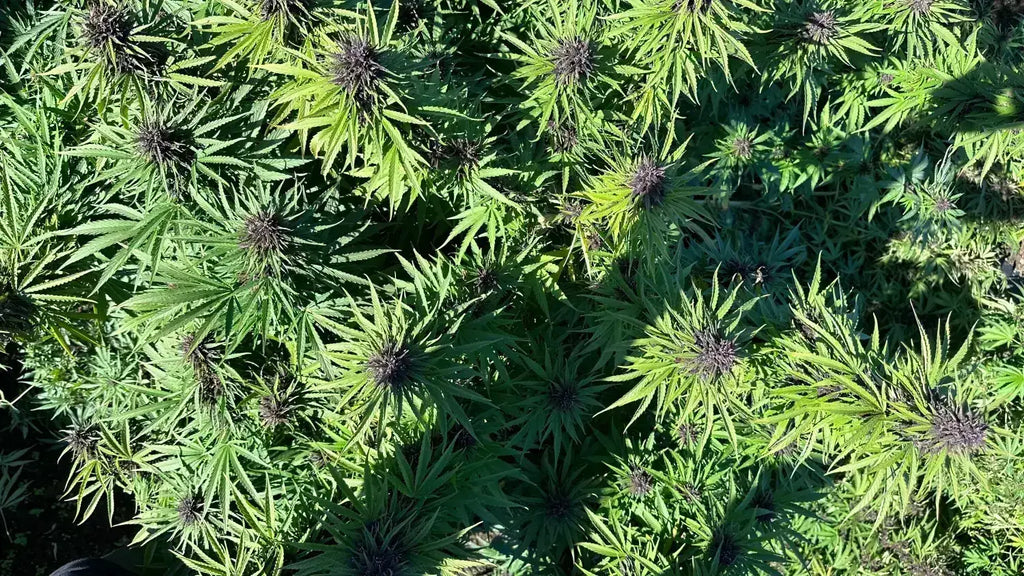
If you've searched "how to grow THCA flower" more than once this year, you're not alone. THCA flower demand has exploded heading into 2026, driven by consumers who want the full flower experience — the aroma, the ritual, the potency — without stepping outside the hemp-legal framework. But as demand rises, so does scrutiny. State regulators are tightening compliance testing, retailers are getting pickier about lab documentation, and consumers are learning to read a Certificate of Analysis before they buy.
That means the bar for cultivation quality has never been higher. Sloppy grows that "hope" for high THCA percentages and skip mid-cycle testing are getting flagged, recalled, or simply outcompeted by growers who treat THCA cultivation as a science. This THCA flower growing guide walks beginners through the entire grow cycle — from genetics to cure — so you understand not just the steps, but why each one matters for potency and compliance in 2026's tighter market.
Whether you're growing at home, scaling a small commercial operation, or just want to understand what separates shelf-ready THCA flower from a failed batch, this is your starting point.
Why THCA Flower Demand Is Surging in 2026
THCA flower sits in a unique spot in the hemp market. Grown and harvested, it's federally compliant hemp — high in THCA (tetrahydrocannabinolic acid) and low in Delta-9 THC. But when it's heated (smoked, vaped, or decarboxylated), THCA converts to THC, delivering an experience much closer to traditional cannabis flower than most CBD products.
That combination — legal hemp status plus a familiar, potent smoking experience — is exactly why interest in THCA cultivation 2026 has climbed. Consumers who want flower, not just tinctures or gummies, have made THCA the fastest-growing category in the hemp space. Retailers are expanding shelf space for it. Wholesale buyers are demanding higher-quality genetics. And with that growth has come regulatory attention: more states are requiring in-process testing, tighter Delta-9 thresholds, and documentation that follows the flower from clone to shelf.
For growers, that means cultivation quality isn't optional anymore — it's the difference between a compliant, sellable crop and a batch that gets rejected at the lab.
Step 1: Genetics Selection — The Foundation of High THCA Percentages
Every grower asking how to grow THCA flower successfully starts in the same place: genetics. You cannot cultivate your way to a high THCA percentage on weak genetics — the ceiling is set before the seed or clone ever touches soil.
When selecting genetics for a high-THCA hemp grow, look for:
- Verified cultivars with a documented THCA ceiling. Reputable breeders publish lab-tested potency ranges for their strains. Look for genetics with a track record of 20%+ THCA under proper conditions.
- Stable, feminized seed stock or verified clones. Male plants pollinate your crop and tank potency across the board. Feminized seeds or clones from a known mother plant remove that risk.
- Compliance-bred lines. Some genetics are specifically bred to stay under the 0.3% Delta-9 THC threshold even as THCA climbs — these are increasingly important as testing tightens in 2026.
- Terpene profile alongside cannabinoid content. THCA percentage matters, but aroma and terpene expression drive repeat sales just as much for finished flower.
This is the step most beginners rush, and it's the one experienced growers spend the most time on. If you want a shortcut to understanding what mature, tested genetics look like, browse grow high THCA hemp genetics and finished flower side by side to calibrate your expectations before you plant.
Step 2: Germination — Starting Your THCA Crop Right
Once you've selected genetics, germination is where consistency starts. For beginners following a THCA flower for beginners approach, the paper towel method or direct-to-medium method both work — what matters more is controlling the environment:
- Temperature: Keep germination trays or medium between 70–85°F. Cooler temps slow or stall germination.
- Humidity: 70%+ relative humidity during the first 24–72 hours helps the taproot emerge cleanly.
- Darkness, then light: Seeds germinate in darkness but need light within 24 hours of the taproot breaking the seed casing, or you'll get leggy, weak seedlings.
- Sterile medium: Damping-off disease kills more seedlings than almost anything else. Use sterile starter cubes or lightly moistened seedling mix, not garden soil straight from the bag.
Most viable seeds will crack within 24–72 hours. If you're working from clones instead, the equivalent stage is rooting — typically 7–14 days under a humidity dome before transplant.
Step 3: Vegetative Phase — Building the Plant's Structure
The vegetative stage is where the plant builds the root mass, stem structure, and canopy that will eventually support flower production. This phase typically runs 3–6 weeks for photoperiod plants, and it's foundational to any serious hemp flower cultivation guide.
Key priorities during veg:
- Light schedule: 18/6 or 20/4 (light/dark) is standard for keeping plants in vegetative growth.
- Nutrient ratios: Nitrogen-forward feeding supports leaf and stem development. A typical N-P-K ratio during veg leans higher in nitrogen relative to phosphorus and potassium.
- Training: Techniques like topping, LST (low-stress training), or a ScrOG (screen of green) setup during veg directly influence how much bud site your plant develops — more even canopy means more uniform THCA expression across the plant, not just at the top cola.
- Root health: This is the phase to correct any nutrient lockout, pH drift, or pest pressure. Problems that start in veg compound in flower.
Growers often underestimate how much veg-phase decisions affect final potency. A plant with a well-trained, even canopy produces more uniform bud density and cannabinoid distribution than one left to grow a single dominant cola.
Step 4: Flowering Phase — Where THCA Actually Develops
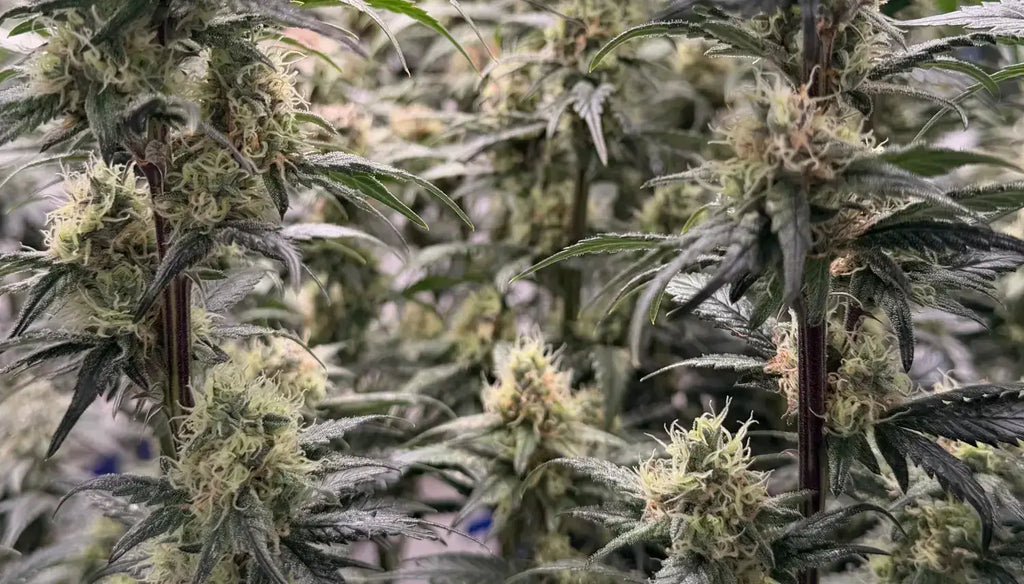
Flowering is the stage most beginners fixate on, and for good reason — this is where THCA production actually happens. Switching a photoperiod plant to a 12/12 light schedule triggers flowering, which typically lasts 8–11 weeks depending on genetics.
A few of the most important THCA growing tips for this phase:
Light spectrum matters more than intensity alone. THCA production responds to light spectrum, not just total light output. Many commercial growers shift toward red-heavy spectrums during flowering, since red light in the 620–660nm range is closely tied to flowering response and resin production. UV-A and UV-B supplementation in the final weeks has also been shown in multiple studies to increase trichome density and cannabinoid concentration, as plants produce more resin as a natural UV defense mechanism.
Nutrient timing shifts. Nitrogen needs drop while phosphorus and potassium needs rise to support bud development. Overfeeding nitrogen late into flower is one of the most common beginner mistakes — it delays ripening and can reduce final potency.
Stress management is a real lever, not an accident. Controlled environmental stressors — brief temperature drops in the final 1–2 weeks, mild drought stress, or reduced humidity — can trigger increased resin production as a plant defense response. This is different from uncontrolled stress (pest pressure, disease, nutrient burn), which reduces both yield and potency. The distinction between intentional, controlled stress and damaging stress is one of the clearest markers separating experienced growers from beginners.
Airflow and humidity control. Flowering humidity should generally sit in the 40–50% range to prevent bud rot (botrytis), which can destroy a crop in days during late flower when dense colas trap moisture.
The takeaway for anyone serious about THCA cultivation 2026: potency isn't luck. It's the compound result of genetics, spectrum, nutrient timing, and deliberate stress management working together — and it's measurable throughout the process, not just guessed at harvest.
Step 5: Legal Thresholds — Why You Must Test Throughout Flowering, Not Just at Harvest
This is the section beginners most often skip, and it's the one that can shut down an entire crop.
Under federal law, hemp must test at or below 0.3% Delta-9 THC on a dry weight basis to remain legally classified as hemp rather than marijuana. THCA itself isn't the regulated compound — Delta-9 THC is — but here's the catch that trips up new growers: as THCA rises during flowering, so does the plant's potential Delta-9 THC content, because THCA naturally, slowly converts toward Delta-9 THC as the plant matures (and more so when heat is applied).
That means a plant that tests compliant at week 6 of flower can test non-compliant by week 9 if left too long. This is why legal THCA hemp farming in 2026 requires ongoing testing, not a single harvest-day check:
- Test at multiple points during late flower, typically starting around week 6–7 and continuing every 5–7 days as harvest approaches.
- Track "total THC" calculations, not just Delta-9 THC alone. Many state testing protocols calculate total potential THC using the formula: Delta-9 THC + (THCA × 0.877), since that 0.877 factor accounts for the weight lost when THCA converts to THC. A plant can be compliant on raw Delta-9 THC alone but fail this total THC calculation.
- Know your state's specific rules. While 0.3% Delta-9 THC dry weight is the federal baseline, individual states have layered on additional testing requirements, total THC caps, and in some cases, pre-harvest inspection requirements.
- Document everything. Lab results, batch numbers, and harvest dates should be tracked together — this documentation is what compliant retailers and wholesale buyers will ask for before they'll list your flower.
Growers who treat compliance testing as an ongoing checkpoint — not a last-minute scramble — are the ones consistently producing sellable, high-THCA flower in 2026's tighter regulatory environment.
Step 6: Harvest Timing — Reading Trichomes, Not the Calendar
Harvest timing directly affects both potency and compliance. Most growers use a jeweler's loupe or digital microscope to check trichome color rather than relying on a fixed day count:
- Clear trichomes: Not yet mature — THCA production is still climbing.
- Milky/cloudy trichomes: Peak THCA window for most cultivars — this is when the majority of commercial harvests happen.
- Amber trichomes: THCA is beginning to degrade; waiting too long can reduce potency and push total THC levels in the wrong direction for compliance.
Most growers aim to harvest when trichomes are 70–90% milky with a small percentage turning amber, balancing peak potency against the compliance risk of over-ripening. Combine trichome inspection with your late-flower lab results — trichome color tells you about ripeness, but only the lab test confirms compliance.
Harvest technique itself matters too: cut in the morning after lights-off (or at natural dawn) when terpene levels are highest, and handle buds gently to avoid knocking off trichomes, which is where the vast majority of cannabinoids and terpenes are concentrated.
Step 7: Curing — Locking In Potency and Quality
A great grow can still be ruined by a rushed cure. Proper curing is what separates harsh, grassy-tasting flower from a smooth, shelf-ready product — and it also matters for accurate final potency.
- Dry first, slowly. Hang or rack-dry trimmed flower in 60–70°F temps and 45–55% humidity for 7–14 days, until stems snap rather than bend.
- Cure in airtight containers. Glass jars (or larger totes for commercial batches) filled about 70% full, opened ("burped") several times daily for the first week to release moisture and ammonia-like off-gassing.
- Monitor humidity with a hygrometer. Target 58–62% relative humidity inside the cure using two-way humidity packs — too dry degrades terpenes and cannabinoids, too wet risks mold.
- Cure for a minimum of 2–4 weeks, with many commercial growers curing 4–8 weeks for premium flower, as flavor and smoothness continue improving well past the minimum.
This stage is also when you'll pull your final compliance sample for the Certificate of Analysis that will accompany the batch to retail or wholesale buyers.
What Actually Drives High THCA Percentages (Recap)
If there's one thing to take away from this THCA flower growing guide, it's that potency is engineered, not accidental. The growers consistently hitting 20%+ THCA in 2026 are controlling the same four variables:
- Genetics — you cannot exceed your genetic ceiling, no matter how good your grow technique is.
- Light spectrum — red and UV supplementation during flowering directly influences resin and cannabinoid production.
- Nutrient timing — matching N-P-K ratios to growth stage, and easing off nitrogen as flowering progresses.
- Stress management — using controlled, deliberate stress (not damaging stress) to trigger increased resin production in late flower.
Growers who treat these as an integrated system — not isolated tricks — are the ones producing consistent, compliant, high-THCA flower batch after batch.
Frequently Asked Questions
How long does it take to grow THCA flower from seed to harvest?
Most photoperiod THCA cultivars take 12–16 weeks total: roughly 1 week germination, 3–6 weeks vegetative growth, and 8–11 weeks flowering, followed by 1–2 weeks drying and 2–8 weeks curing before the flower is sale-ready.
What is considered a good THCA percentage?
Mid-range THCA flower typically tests 15–20%, while premium, well-cultivated flower often exceeds 25–30%. Percentage alone shouldn't be the only quality marker — terpene content and overall trichome density matter for the finished experience too.
Is growing THCA flower legal?
Growing hemp cultivars — including those bred for high THCA — is federally legal under the 2018 Farm Bill framework as long as the plant tests at or below 0.3% Delta-9 THC on a dry weight basis at harvest. However, state laws vary significantly, and some states restrict or heavily regulate THCA flower cultivation and sale specifically. Always confirm current state-level rules before planting.
What's the difference between THCA and Delta-9 THC?
THCA (tetrahydrocannabinolic acid) is the raw, non-intoxicating acidic form of THC found in the growing and harvested plant. It converts to Delta-9 THC (the intoxicating compound) through decarboxylation — the application of heat, such as smoking or vaping. This is why hemp with high THCA but low Delta-9 THC can be federally compliant while raw, but produces a THC-like effect when consumed by heat.
How do I test THCA levels during flowering, not just at harvest?
Send flower samples to a licensed, ISO-accredited hemp testing lab starting around week 6–7 of flower, then retest every 5–7 days as you approach your expected harvest window. This lets you track both rising THCA and the total THC calculation, so you can time harvest before the plant risks exceeding the 0.3% Delta-9 THC threshold.
What nutrients are best for maximizing THCA in flower?
During flowering, shift toward bloom-formulated nutrients higher in phosphorus and potassium relative to nitrogen. Many growers also supplement with silica for stronger stem and trichome structure, and some add specific bloom boosters in the final 2–3 weeks — though genetics and light remain bigger potency drivers than any single nutrient product.
Can beginners really grow high-THCA flower successfully?
Yes, with realistic expectations. Beginners who start with proven, lab-tested genetics, maintain consistent environmental control (light, temperature, humidity), and commit to testing throughout late flower can produce compliant, respectable-potency THCA flower on a first grow. The biggest beginner failure points are skipping mid-flower compliance testing and rushing the cure.


