


Best Uses for THCA Trim in 2026: From Extraction and Edibles to Pre-rolls
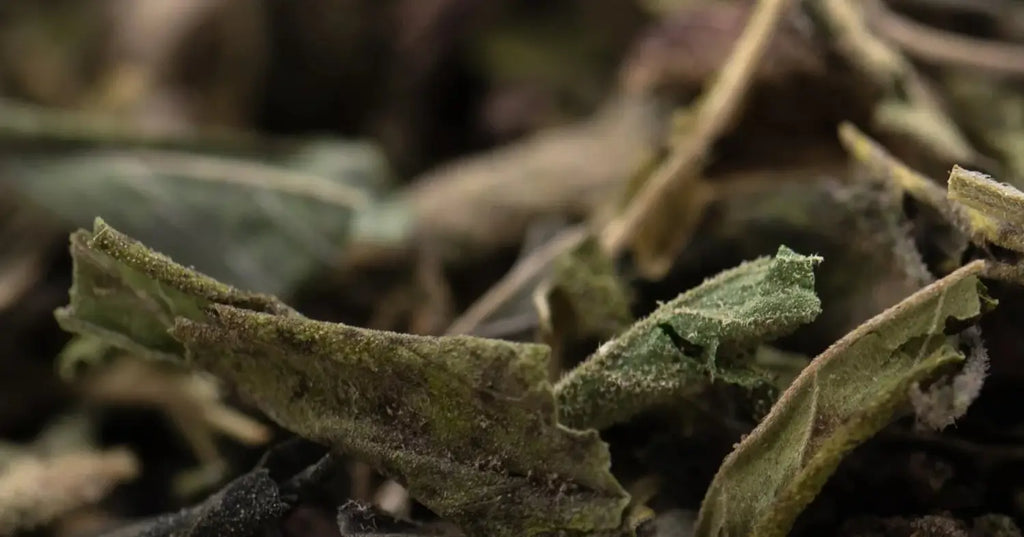
THCA trim — the small leaves, sugar leaves, and shake left over after flower is manicured — used to be treated as a byproduct. Not anymore. As 2026's hemp market matures and margins tighten across every product category, trim has become one of the most cost-effective raw materials a brand or budtender can work with. It carries real cannabinoid and terpene content, it's available in bulk, and it opens the door to nearly every downstream product category: concentrates, edibles, pre-rolls, and kief.
Understanding the best uses for THCA trim matters whether you're a home processor stretching your flower budget, a small-batch edibles maker, or a wholesale buyer sourcing feedstock for a production line. Trim isn't a downgrade from flower — it's a different tool for a different job, and in 2026 more consumers and processors are asking what to do with THCA trim than ever before.
This guide breaks down the four biggest THCA trim ideas worth knowing this year — extraction and concentrates, edibles and infusions, pre-roll filler, and kief/dry sift production — along with the practical steps, equipment, and expectations for each. Whether you're searching for THCA trim recipes or researching THCA trim extraction methods for a commercial operation, you'll find a clear starting point below.
Extraction & Concentrates: Rosin, Live Resin, and Distillate Feedstock
Extraction is where trim earns its reputation as a workhorse material. Because trim still carries a meaningful concentration of trichomes — even after the bulk of the flower has been harvested for bud — it's a legitimate feedstock for several concentrate categories, provided quality and freezing/curing conditions are accounted for.
Solventless Rosin
Rosin production is arguably the most accessible form of THCA trim extraction for small processors, since it requires no solvents — just heat and pressure. Fresh-frozen trim (trim frozen shortly after harvest to preserve terpenes) is packed into rosin bags and pressed using a heat press or hydraulic press. The result is a solventless concentrate that retains much of the plant's original terpene profile, assuming the trim wasn't allowed to degrade before freezing.
Trim-based rosin typically yields less than flower-based rosin — often in the 8–15% range compared to 15–25% for premium flower — but the cost basis is dramatically lower, which is why trim rosin has become a staple for value-tier concentrate lines in 2026.
Key considerations for rosin from trim:
- Freshness matters more than with flower; degraded trim produces harsh, low-terpene rosin
- A pre-press mesh screen improves yield and reduces plant material contamination
- Lower temperature presses (180–200°F) preserve terpenes better, at the cost of slightly lower yield
Live Resin and Live Rosin
For processors chasing a more premium end product, fresh-frozen trim can also feed live resin (solvent-based) and live rosin (solventless) production. The "live" designation depends entirely on freezing the material immediately after harvest — trim that has already been dried and cured won't qualify, and won't produce the bright, terpene-forward profile live extracts are known for.
Live resin production typically uses hydrocarbon solvents (butane or propane) in a closed-loop system, followed by purging to remove residual solvent. This is squarely a commercial-scale process requiring licensed equipment and lab testing — not a home DIY project — but for wholesale buyers sourcing bulk fresh-frozen trim, it represents one of the higher-margin uses for THCA trim available.
Distillate Feedstock
At the other end of the spectrum, trim (fresh or cured) is a common feedstock for THCA distillate and later THC distillate production via decarboxylation and further refinement. Distillate manufacturing doesn't rely on preserving terpene profile the way rosin or live resin does — the extraction process strips terpenes out entirely, with flavor added back later — which makes trim (even lower-grade or slightly degraded material) perfectly suitable input.
This is one of the reasons trim pricing remains attractive for large-scale processors: distillate producers care primarily about total cannabinoid content per pound, not visual bud structure or trichome density, so trim competes directly with small buds and popcorn nugs as feedstock.
Typical Cannabinoid Yields from Trim
While yields vary significantly by cultivar, harvest practices, and how the trim was handled post-harvest, well-preserved trim commonly tests between 8–18% total cannabinoids, compared to 18–30%+ for premium flower. That gap is exactly why trim pricing sits so far below flower pricing per pound, and why extraction — rather than direct smoking — is where trim delivers the best return.
Equipment Snapshot
| Method | Equipment Needed | Scale |
|---|---|---|
| Solventless rosin | Rosin press, filter bags | Small to mid |
| Live rosin | Ice water extraction + press | Small to mid |
| Live resin | Closed-loop hydrocarbon system | Commercial only |
| Distillate | Short-path distillation, decarb oven | Commercial only |
For buyers evaluating THCA trim extraction at any scale, sourcing consistent, well-handled trim is the single biggest variable in output quality — which is why wholesale buyers increasingly ask suppliers directly about freeze timing and storage conditions before purchasing.
Edibles & Infusions: Butter, Oil, and Tinctures from Decarbed Trim
For home users and small-batch edibles makers, trim is often the entry point into infusion — and for good reason. Since THCA converts to THC through decarboxylation (heat exposure) regardless of whether it comes from bud or trim, and since infusions blend cannabinoid content into a fat or alcohol base rather than showcasing bud structure or appearance, trim performs the same functional role as flower at a fraction of the cost.
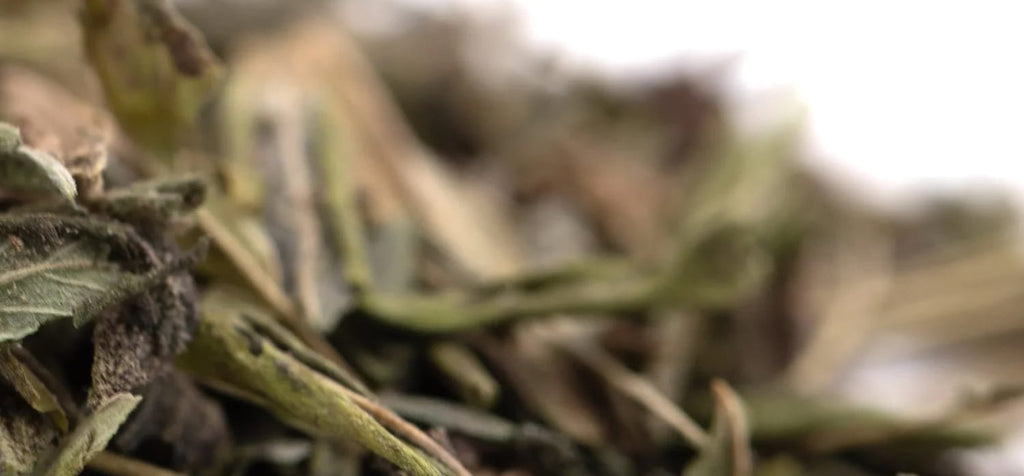
Step One: Decarboxylation
Raw THCA is non-intoxicating until it's converted to THC through heat. For trim-based edibles, this means an oven decarb step before infusion:
- Spread trim in a single layer on a parchment-lined baking sheet
- Bake at approximately 240°F (115°C) for 40–50 minutes, stirring occasionally
- Trim should turn light-to-medium brown and smell strongly aromatic when finished
Decarbing trim specifically (rather than flower) sometimes requires slightly longer bake times since trim can have a higher moisture content — checking texture (dry and crumbly) is a more reliable indicator than the clock alone.
Cannabis Butter and Oil
Once decarbed, trim can be simmered into butter or oil using a basic double-boiler or slow-cooker method:
- Combine decarbed trim with butter or a neutral oil (coconut oil is popular for its fat content) in a roughly 1:1 ratio by weight, adjusted for desired potency
- Simmer on low heat (below 200°F) for 2–4 hours, stirring occasionally to prevent scorching
- Strain through cheesecloth to remove plant material
- Refrigerate to solidify (for butter) or store in a sealed container (for oil)
This infused fat becomes the base for a huge range of THCA trim recipes — baked goods, sauces, spreads, and pan-fried dishes. Because trim's cannabinoid concentration is lower than flower's, recipes using trim typically call for a larger volume of raw material to hit the same target dose, which is precisely why trim's lower price point matters so much here.
Tinctures
Alcohol-based tinctures are another popular use for decarbed trim, particularly for users who want a more precise, measurable dose than baked edibles typically allow:
- Decarb trim as above
- Submerge in high-proof food-grade alcohol
- Store in a cool, dark place for 3–4 weeks, shaking periodically (or use a quick-extraction method with gentle heat for faster results)
- Strain and bottle in dropper bottles
Tinctures made from trim carry the same sublingual or ingestible versatility as flower-based tinctures, and dosing consistency is arguably easier to control since the alcohol extraction process is more uniform than baking.
Dosing Considerations
Because trim's cannabinoid density is lower and more variable than flower, home processors should always test a small batch before scaling up a recipe:
- Calculate total estimated cannabinoid content of the trim used (based on lab test results if available)
- Divide by the number of servings planned
- Start with a conservative single serving and adjust future batches based on effect
For consumers researching what to do with THCA trim for personal edibles use, the combination of low cost and full functional equivalence to flower (once decarbed) makes trim one of the most practical entry points into DIY infusion.
Pre-Roll Filler: Blended with Shake for Budget Pre-Rolls
One of the fastest-growing commercial uses for THCA trim in 2026 is as a blending component in budget and value-tier pre-rolls. As pre-roll competition intensifies and price-conscious consumers look for lower-cost options that still deliver a satisfying smoke, trim-and-shake blends have become a standard formula for economy product lines.
Why Trim Works for Pre-Rolls
Pre-rolls don't require the visual bud structure that flower jars do — once ground and rolled, the finished product looks identical whether it started as dense colas or leafy trim. This makes trim (and shake, its finer, more broken-down cousin) functionally interchangeable with flower for this specific product format, provided cannabinoid content is verified through lab testing.
Blended correctly, trim-based pre-rolls deliver:
- A comparable smoking experience to flower pre-rolls at a lower price point
- Faster, more even burn (trim's finer texture packs more consistently than whole bud)
- A meaningfully lower cost of goods, supporting healthier margins on value SKUs
Common Blend Ratios
- Trim-heavy blend (70/30 trim-to-shake): Lowest cost, best for deep-discount SKUs
- Balanced blend (50/50 trim-to-flower or shake): Mid-tier value pre-rolls with a fuller flavor profile
- Trim-as-filler (20–30% trim mixed into flower-based blend): Premium brands stretching flower inventory without sacrificing perceived quality
Grinding consistency matters significantly here — trim ground too coarsely can create uneven burn and airflow issues in the finished pre-roll, while over-grinding into powder can clog rolling machines and burn too hot.
Quality Control for Trim-Based Pre-Rolls
- Screen out stems and larger plant matter before grinding
- Test cannabinoid content of each trim batch, since potency can vary more than with single-strain flower
- Monitor moisture content closely — trim that's too dry burns harshest, while trim that's too moist won't pack or burn evenly
Market Positioning
For wholesale buyers and dispensary operators, trim-based pre-rolls fill a specific market need: budget-conscious consumers who want a reliable, familiar smoking format without paying flower-tier prices. This is one of the reasons THCA trim ideas around pre-roll blending have expanded so quickly — it's a straightforward way to convert a lower-value input into a sellable, branded finished product with a clear value proposition.
Kief & Dry Sift Production: Sifting Trim for Kief Collection
The fourth major use case for trim is dry sift and kief production — a solventless method that isolates the resin glands (trichomes) from the surrounding plant material through mechanical agitation and screening.
How Dry Sifting Works
- Freeze-dried or well-dried trim is placed on a screen (commonly 90–160 micron mesh for kief-stage sifting)
- Gentle agitation — shaking, rubbing with a soft tool, or vibration — knocks trichome heads loose
- Trichomes fall through the screen and are collected as kief
- Multiple screening passes with progressively finer mesh can further purify the collected material
Because trim already contains a meaningful concentration of trichomes on its sugar leaves, it's a natural, cost-effective input for this process — arguably a better use of trim than direct smoking, since it concentrates cannabinoid content rather than diluting it across leafy material.
Multi-Chamber Sifting Boxes
- Coarse screens (higher micron count): Catch larger plant fragments, lower-purity kief
- Mid-range screens: Standard kief for topping flower or pressing into hash
- Fine screens (lower micron count): Highest-purity kief, closest to pure trichome heads, ideal for pressing into hash rosin
From Kief to Pressed Hash
Collected kief can be used as-is (commonly sprinkled on top of ground flower or into pre-rolls for a potency boost) or further processed into pressed hash using low, sustained heat and pressure — a natural extension of the rosin pressing process discussed earlier in this guide.
Yield Expectations
Kief yield from trim varies substantially based on trichome density, dryness, and sifting technique, but as a general benchmark, expect meaningfully lower yield percentages than sifting from dense, trichome-rich flower — though the economics still favor trim, since the input cost is so much lower per pound.
Why This Matters for 2026 Buyers
As dry sift and solventless hash products continue gaining market share in the broader hemp and cannabis space, trim's role as an accessible, affordable input for kief production has become increasingly important — both for home enthusiasts building their own hash collection and for wholesale operations scaling up solventless product lines.
Frequently Asked Questions
Is THCA trim as potent as THCA flower?
No — trim generally tests lower in total cannabinoid content than flower, since it comes from the smaller leaves and sugar leaves rather than the dense, trichome-rich buds. However, trim still contains real, usable cannabinoid content, which is exactly why it works well for extraction, infusion, and blending applications where raw bud appearance isn't the priority.
What's the difference between trim and shake?
Trim refers to the leaves trimmed away during the manicuring process, while shake is the finer, more broken-down material — often a mix of small trim pieces, loose kief, and bud fragments — that collects at the bottom of storage containers or during handling. Both are common inputs for pre-roll blending and extraction, though shake tends to have slightly higher potency due to the loose kief mixed in.
Can you smoke THCA trim directly?
Yes, trim can be smoked directly, though it tends to burn harsher and less evenly than flower due to its leafier texture and lower trichome density. Most consumers get better value from processing trim into a concentrate, infusion, or pre-roll blend rather than smoking it on its own.
Do I need to decarb trim before making edibles?
Yes — like flower, raw trim contains THCA rather than THC, and needs to be heated (decarboxylated) before it will produce intoxicating effects in an edible. The oven decarb process described above works the same way for trim as it does for flower.
Is trim-based rosin lower quality than flower-based rosin?
Not necessarily lower quality, but typically lower yield. Trim-based rosin can still capture excellent terpene profiles if the trim was fresh-frozen promptly after harvest, though yield percentages generally run below what the same pressing process would produce from dense flower.
How should THCA trim be stored to preserve quality?
Trim should be stored the same way flower is — in an airtight container, away from light and heat, with humidity controlled to prevent mold growth. For extraction purposes specifically, freezing trim shortly after harvest ("fresh-frozen") preserves the most terpene content for live resin or live rosin production.
Where can I buy wholesale THCA trim?
Wholesale buyers sourcing trim for extraction, infusion, pre-roll production, or kief sifting can find bulk options through dedicated trim suppliers who track freeze timing, strain source, and lab testing — all of which directly affect downstream product quality.
Final Thoughts
Trim has earned its place as a legitimate, versatile raw material rather than a leftover byproduct. Whether you're pressing rosin, infusing butter, blending pre-rolls, or sifting kief, the best uses for THCA trim in 2026 all share one thing in common: they turn a lower-cost input into a finished product that competes directly with flower-based alternatives on quality, while dramatically improving margins or reducing out-of-pocket cost.
If you're ready to source trim for extraction, edibles, pre-roll blending, or dry sift production, browse our current wholesale trim inventory and pricing here: Shop Wholesale THCA Trim.
Looking to go deeper on any single process? Check out our related guides on kief production and THCA concentrate extraction for step-by-step breakdowns of each method covered above.


