


Hybrid THCA Strains Explained: Indica-Dominant vs Sativa-Dominant
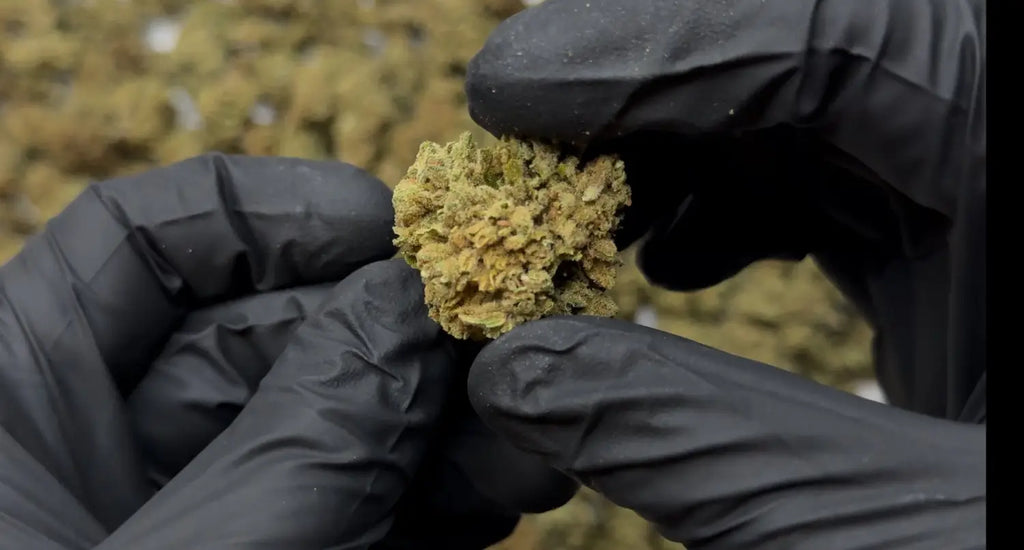
The cannabis landscape has evolved dramatically over the past decade, and nowhere is this more evident than in the explosion of hybrid THCA strains available to consumers today. While traditional indica and sativa varieties still have their devoted followers, hybrid strains have emerged as the most popular choice for modern cannabis consumers—and for good reason.
What are hybrid THCA strains, and why have they become the gold standard in premium hemp flower? Unlike pure indica or sativa varieties, hybrids represent the best of both worlds, combining the relaxing properties of indica genetics with the uplifting qualities of sativa lineage. This careful genetic blending creates flowers that offer nuanced, balanced effects tailored to specific needs and preferences.
The popularity of THCA hybrid strains stems from their remarkable versatility. Whether you're seeking something energizing for daytime productivity, relaxing for evening unwinding, or perfectly balanced for all-day use, there's a hybrid ratio designed for your specific requirements. Today's cultivators have mastered the art of genetic manipulation, creating stable, predictable varieties that deliver consistent experiences across multiple harvests.
In this comprehensive guide, we'll explore everything you need to know about hybrid THCA flower, from understanding genetic ratios to choosing the perfect strain for your lifestyle. We'll demystify terms like indica dominant THCA and sativa dominant THCA, explain what makes balanced hybrid THCA varieties special, and help you navigate the exciting world of modern cannabis genetics.
What Are Hybrid THCA Strains?
Defining Hybrid Cannabis
At its core, a hybrid THCA strain is any cannabis variety bred by crossing indica and sativa genetics. Unlike landrace strains that developed naturally in specific geographic regions over thousands of years, hybrids are intentionally created by skilled breeders who select parent plants with desirable characteristics and cross-pollinate them to produce offspring with specific traits.
THCA strain genetics in hybrids follow predictable inheritance patterns, though the process is more art than pure science. When breeders create hybrids, they're not just mixing indica and sativa randomly—they're carefully selecting parent plants based on cannabinoid profiles, terpene content, growth characteristics, yield potential, and effect profiles.
The Breeding Process
How are hybrid THCA strains made? The process begins with selecting two parent plants—typically one indica and one sativa, though breeders may also cross existing hybrids to create more complex genetic profiles. The male plant's pollen fertilizes the female plant's flowers, producing seeds that carry genetic material from both parents.
These first-generation offspring (called F1 hybrids) exhibit hybrid vigor, often growing stronger and more resilient than either parent. However, F1 genetics can be unstable, with different plants from the same seed batch showing varying characteristics. Professional breeders spend years stabilizing genetics through successive generations of selective breeding, eventually creating stable varieties where nearly all plants display consistent traits.
Understanding Genetic Ratios
The ratio you see in strain descriptions—like 70/30 or 80/20—refers to the approximate percentage of indica versus sativa genetics. An indica dominant hybrid THCA strain labeled 70/30 contains roughly 70% indica genetics and 30% sativa genetics. These ratios guide expectations about effects, though they're approximations rather than precise measurements.
What is a 70/30 hybrid THCA strain in practical terms? This ratio suggests a plant that leans heavily toward indica characteristics—compact growth, broader leaves, relaxing effects—while retaining some sativa influence in the form of mental clarity or subtle energy. The specific ratio allows cultivators and consumers to fine-tune their experience within the broad hybrid category.
Indica-Dominant Hybrids: Relaxation Meets Functionality
Typical Genetic Ratios
Indica dominant THCA strains typically range from 60/40 to 90/10 indica-to-sativa ratios, with the most common being 70/30 and 80/20. These varieties inherit the physical structure and effect profile primarily from their indica parentage while incorporating just enough sativa genetics to prevent heavy sedation and maintain mental clarity.
The difference between indica dominant and sativa dominant THCA becomes immediately apparent in both plant structure and user experience. Indica-dominant plants grow shorter and bushier, with broader, darker leaves. They typically flower faster than their sativa-dominant counterparts, making them favorites among cultivators working with limited vertical space or shorter growing seasons.
Expected Effects and Characteristics
Indica dominant vs sativa dominant THCA effects differ significantly in both onset and duration. Indica-dominant hybrids typically produce effects that begin with gentle cerebral uplift—a gift from their sativa genetics—before settling into deep physical relaxation. Unlike pure indica strains that can leave users feeling couch-locked or sedated, indica-dominant hybrids maintain enough mental clarity for functionality.
Users describe these strains as "relaxing but not sedating," making them perfect for evening use when you want to unwind without completely checking out. The body feels loose and tension-free, while the mind remains engaged enough for conversation, creative activities, or entertainment. This balance makes indica dominant hybrid THCA varieties exceptionally popular among those managing stress, minor discomfort, or restlessness.
The sativa genetics in these hybrids serve an important purpose: preventing the mental fog and heavy sedation sometimes associated with pure indica varieties. You get the physical relaxation you're seeking without the overwhelming drowsiness that might interfere with evening activities or social gatherings.
Popular Indica-Dominant Strains
Some of the most celebrated strains in modern cannabis fall into the indica-dominant category. Girl Scout Cookies (60/40 indica-dominant) combines euphoric mental effects with full-body relaxation, creating an experience that's simultaneously uplifting and calming. Wedding Cake, another 60/40 variety, delivers similar balanced effects with a sweeter, more dessert-like terpene profile.
For those seeking stronger indica influence, strains like Northern Lights hybrids (typically 80/20) or Granddaddy Purple crosses provide deep relaxation while maintaining just enough sativa spark to prevent complete sedation. These heavier ratios work beautifully for end-of-day use when you're winding down for the evening.
Best Uses for Indica-Dominant Hybrids
Indica sativa hybrid THCA varieties with indica dominance excel in several specific scenarios:
Evening Relaxation: After a demanding day, indica-dominant hybrids help transition from active mode to rest mode without knocking you out completely. You can still enjoy dinner, conversation, or entertainment while feeling pleasantly relaxed.
Stress Management: The combination of mental uplift and physical relaxation makes these strains excellent for unwinding when stress has created both mental and physical tension.
Social Settings: Unlike heavy indica strains that might make you antisocial, indica-dominant hybrids keep you present and engaged while removing social anxiety and physical tension.
Creative Evening Activities: Many users report that moderate indica-dominant ratios (60/40 or 70/30) enhance appreciation for music, art, and creative pursuits without causing mental fog.
Sleep Preparation: While not as immediately sedating as pure indicas, indica-dominant hybrids consumed 1-2 hours before bed can help establish a relaxing pre-sleep routine.
Sativa-Dominant Hybrids: Energy Meets Balance
Common Genetic Ratios
On the opposite end of the spectrum, sativa dominant THCA strains typically feature ratios ranging from 60/40 to 90/10 sativa-to-indica. Popular ratios include 70/30 and 80/20 sativa-dominant, where the majority genetics come from sativa landrace ancestors while incorporating enough indica influence to moderate intensity and provide grounding.
The indica component in sativa-dominant hybrids serves as a crucial balancing agent. Pure sativa strains, while energizing and mentally stimulating, can sometimes feel too intense, potentially causing racing thoughts or physical restlessness in sensitive users. The introduction of indica genetics creates a more rounded, manageable experience.
Effects Profile and Characteristics
Sativa dominant THCA effects typically begin in the head, creating mental clarity, enhanced focus, and uplifted mood. Users report feeling energized and motivated, with creativity and productivity flowing more naturally. The experience feels cerebral and stimulating, perfect for daytime activities that require mental engagement.
However, unlike pure sativa varieties, sativa-dominant hybrids incorporate physical relaxation from their indica genetics. This prevents the jittery, overstimulated feeling that can occur with highly sativa-dominant strains. You get energy and mental clarity without physical tension or anxiety—a combination many consumers find ideal for productive daytime use.
The indica dominant vs sativa dominant THCA effects contrast becomes most apparent during active hours. While indica-dominant varieties promote relaxation and winding down, sativa-dominant hybrids support focus, creativity, and engagement with the world around you.
Famous Sativa-Dominant Examples
Several iconic strains exemplify the sativa-dominant category. Sour Diesel (typically 70/30 sativa-dominant) delivers energizing, uplifting effects with a distinctive fuel-like aroma profile. The strain has become legendary for daytime use, providing mental clarity and physical energy without anxiety.
Jack Herer, another celebrated 70/30 sativa-dominant strain, combines cerebral stimulation with mild body relaxation, creating what many consider the perfect creative and social strain. Green Crack (65/35 sativa-dominant) offers intense mental energy tempered by subtle physical relaxation, making it popular among those seeking maximum productivity.
Durban Poison crosses and Trainwreck hybrids also fall into this category, each bringing unique terpene profiles while maintaining the energizing-yet-balanced effect signature of sativa-dominant genetics.
Ideal Scenarios for Sativa-Dominant Varieties
Should I buy hybrid THCA flower with sativa-dominant genetics? Consider these ideal use cases:
Daytime Productivity: When you need mental clarity and energy for work, study, or creative projects, sativa-dominant hybrids provide stimulation without overwhelming intensity.
Social Activities: These strains enhance conversation, laughter, and social connection, making them perfect for gatherings, events, or quality time with friends.
Creative Pursuits: Artists, musicians, and writers often prefer sativa-dominant hybrids for their ability to enhance creativity and reduce creative blocks without causing mental fog.
Physical Activities: The combination of mental energy and reduced physical tension makes sativa-dominant varieties excellent for yoga, hiking, or other active pursuits.
Mood Enhancement: When you need an emotional lift without sedation, sativa-dominant genetics provide uplifting effects that combat low mood while maintaining functionality.
Focus and Concentration: The right sativa-dominant hybrid can enhance focus for tasks requiring sustained attention, though individual response varies.
Balanced Hybrids (50/50): The Sweet Spot
Understanding True Balance
Balanced hybrid THCA strains, often labeled as 50/50 hybrid THCA varieties, represent the pinnacle of genetic equilibrium. These rare and highly sought-after strains incorporate equal parts indica and sativa genetics, creating an experience that draws from both lineages without favoring either direction.
Creating truly balanced hybrids requires exceptional breeding skill. While many strains claim 50/50 genetics, achieving genuine balance in effects requires more than simply crossing an indica with a sativa. Breeders must carefully select parent plants whose characteristics complement rather than compete with each other, creating offspring that express both lineages harmoniously.
The Importance of Terpenes in Balanced Varieties
With balanced THCA strains, terpene profiles become especially important in determining final effects. Since the indica and sativa genetics exist in equilibrium, the aromatic compounds that give each strain its unique scent and flavor play a more pronounced role in shaping the user experience.
Myrcene-dominant balanced hybrids may lean slightly toward relaxation despite equal genetic ratios, while limonene-heavy varieties might feel more uplifting. Pinene can enhance focus and alertness, while linalool promotes calming effects. Understanding terpene content helps predict how a specific 50/50 hybrid will feel, even when genetic ratios suggest perfect balance.
Best Balanced Hybrid Strains
What are the best balanced hybrid THCA strains? Several stand out for their exceptional equilibrium and consistent effects:
Blue Dream (50/50 or 60/40 depending on phenotype) has achieved legendary status for its perfect balance of cerebral stimulation and physical relaxation. Users report feeling both mentally engaged and physically comfortable, making it arguably the most popular hybrid ever created.
Gelato strains typically express near-perfect 50/50 genetics, combining euphoric mental effects with soothing physical relaxation. The dessert-like terpene profile adds to the appeal, creating an experience that's as pleasant in flavor as it is in effect.
Pineapple Express, despite its Hollywood fame, genuinely delivers balanced hybrid effects, energizing the mind while relaxing the body. The tropical terpene profile enhances the uplifting mental experience.
All-Day Versatility
Hybrid THCA strains for all day use often come from the balanced category. These varieties don't push users too far in either direction—they won't sedate you during productive hours, nor will they create restless energy during evening relaxation.
This versatility makes balanced hybrids ideal for consumers who don't want to maintain separate day and night strains. You can use the same flower in the morning for gentle motivation, during afternoon for sustained focus, and in the evening for relaxation without feeling overstimulated or sedated.
The best versatile THCA strains provide consistent, predictable effects regardless of time of day or activity, making them excellent choices for newcomers still discovering their preferences or experienced users who value flexibility.

How Hybrid THCA Strains Are Created
Cannabis Breeding Basics
Understanding how hybrid THCA strains are made requires basic knowledge of cannabis reproduction and genetics. Cannabis plants are dioecious, meaning they produce separate male and female plants. Female plants produce the resinous flowers consumers seek, while male plants produce pollen.
When a male plant's pollen reaches a female plant's pistils (the hair-like structures emerging from flower calyxes), fertilization occurs. The female plant then produces seeds containing genetic material from both parents. Each seed carries a unique combination of parent genetics, similar to how human siblings from the same parents can look and act differently.
Stabilizing Genetics Through Selective Breeding
Creating a stable hybrid THCA strain that consistently produces plants with desired characteristics requires years of careful work. Breeders grow out hundreds or thousands of seeds from initial crosses, selecting only plants that display target traits for further breeding.
This process continues through multiple generations (F2, F3, F4, and beyond), with breeders eliminating undesirable phenotypes and crossing only the best examples. Eventually, the genetics stabilize, meaning most seeds produce plants with predictable, consistent characteristics.
Professional breeders track flowering time, yield, potency, terpene profiles, disease resistance, and dozens of other traits throughout this process. The most successful strains undergo extensive testing and refinement before reaching commercial markets.
Phenotype Selection and Hunting
Even within stabilized THCA hybrid strains, individual plants (phenotypes) can express genetics differently. A single strain might produce multiple phenotypes, each emphasizing different aspects of the parent genetics.
Cultivators engage in "pheno hunting," growing multiple seeds from the same strain to identify exceptional individual plants. These special phenotypes might display superior terpene production, higher potency, better yields, or more desirable growth characteristics.
When cultivators find an exceptional phenotype, they preserve it through cloning, creating genetically identical copies that maintain the special characteristics. This is why you might see strain names followed by specific phenotype numbers or names—they're identifying particular expressions within a broader genetic line.
Reading and Understanding Strain Genetics
Decoding Strain Names
THCA strain genetics are often encoded in strain names themselves. Many hybrid names reference their parent strains, giving you clues about expected characteristics.
For example, "Purple Punch" tells you this strain likely descends from Granddaddy Purple and another variety (in this case, Larry OG), suggesting you can expect some purple coloration, fruity terpenes, and indica-leaning effects from the GDP parentage.
Wedding Cake's name might not reveal its genetics (Cherry Pie x Girl Scout Cookies), but knowing the parents helps predict effects. Both parents are indica-dominant hybrids, so Wedding Cake naturally expresses similar characteristics.
Understanding Parent Lineage
Hybrid THCA strains list often includes detailed lineage information. When evaluating a new strain, researching its parents helps predict potential effects and characteristics.
If both parents are indica-dominant, the offspring will almost certainly lean indica-dominant. If a breeder crosses a heavy indica with a potent sativa, the result typically falls somewhere in the middle, though specific ratios depend on which parent contributes more dominant genes.
Complex hybrids might have four or more strains in their immediate ancestry. These polyhybrid varieties can express incredibly diverse characteristics, sometimes creating entirely new effect profiles unlike either parent.
Predicting Effects from Genetics
While genetics don't tell the complete story—growing conditions, harvest timing, and curing methods all influence final effects—understanding lineage helps set expectations.
THCA hybrid vs indica vs sativa comparisons become easier when you can trace genetic heritage. A strain with predominantly indica ancestors will likely express indica-leaning effects, even if it's technically classified as a balanced hybrid.
Look for patterns in ancestry: strains descended from Haze varieties tend toward cerebral, energizing effects, while Kush genetics typically indicate relaxing, body-focused experiences. OG genetics often combine both, creating the balanced hybrid effects many consumers seek.
Choosing the Right Hybrid for Your Needs
Matching Hybrid Type to Desired Effects
Should I buy hybrid THCA flower, and if so, which type? The answer depends entirely on your specific needs and preferences.
For morning and daytime use, sativa dominant THCA varieties typically work best, providing energy and mental clarity without sedation. If you need something for evening relaxation that won't completely knock you out, indica dominant THCA hybrids offer the sweet spot between relaxation and functionality.
For maximum versatility, balanced hybrid THCA strains provide middle-ground effects suitable for various times and activities. These work especially well if you're still discovering your preferences or want a single strain that adapts to different situations.
Time of Day Considerations
The best hybrid THCA flower for you changes based on when you plan to consume:
Morning (6 AM - 12 PM): Sativa-dominant hybrids (70/30 to 90/10) provide gentle energy and mental clarity perfect for starting your day. Avoid heavy indica ratios that might interfere with morning productivity.
Afternoon (12 PM - 6 PM): Balanced hybrids (50/50) or lighter sativa-dominant varieties (60/40) maintain focus and energy while introducing subtle relaxation as the day progresses.
Evening (6 PM - 10 PM): Indica-dominant hybrids (60/40 to 70/30) help transition from work mode to relaxation mode while keeping you functional for evening activities.
Night (10 PM - 12 AM): Heavier indica-dominant ratios (80/20 to 90/10) promote deep relaxation and prepare your body and mind for restful sleep.
Tolerance and Sensitivity Considerations
Individual tolerance and sensitivity dramatically affect which hybrid THCA effects work best for you. Those new to THCA flower or with lower tolerance should start with balanced or slightly indica-dominant hybrids, which tend to produce gentler, more manageable effects.
Sensitive individuals might find heavy sativa-dominant ratios (80/20 or higher) too stimulating, potentially causing restlessness or racing thoughts. Conversely, heavy indica-dominant varieties might feel too sedating. Staying in the 60/40 to 70/30 range in either direction provides pronounced effects while maintaining balance.
Experienced consumers with higher tolerance might seek more extreme ratios (80/20 or 90/10) for pronounced effects in their preferred direction. However, even veteran users often find that moderate hybrid ratios deliver the most functional, enjoyable experiences.
Quality, Testing, and What to Look For
The Critical Importance of COAs
What does indica dominant hybrid THCA mean in terms of quality assurance? Regardless of genetic ratio, all premium THCA flower should come with comprehensive Certificates of Analysis (COAs) from accredited third-party laboratories.
COAs verify several critical factors:
Cannabinoid Content: Confirms THCA percentage and verifies the flower contains less than 0.3% Delta-9 THC (keeping it federally legal as hemp). COAs also reveal other cannabinoids present, including CBD, CBG, and CBC.
Terpene Profiles: Detailed COAs list individual terpene percentages, helping you understand the aromatic compounds that contribute to effects and flavors.
Contaminant Testing: Reputable laboratories test for pesticides, heavy metals, residual solvents, and microbial contaminants, ensuring your flower is safe for consumption.
Potency Verification: COA results confirm whether the strain lives up to its advertised potency claims, protecting consumers from misleading marketing.
Visual Quality Indicators
Beyond laboratory testing, visual inspection reveals quality in hybrid THCA strains:
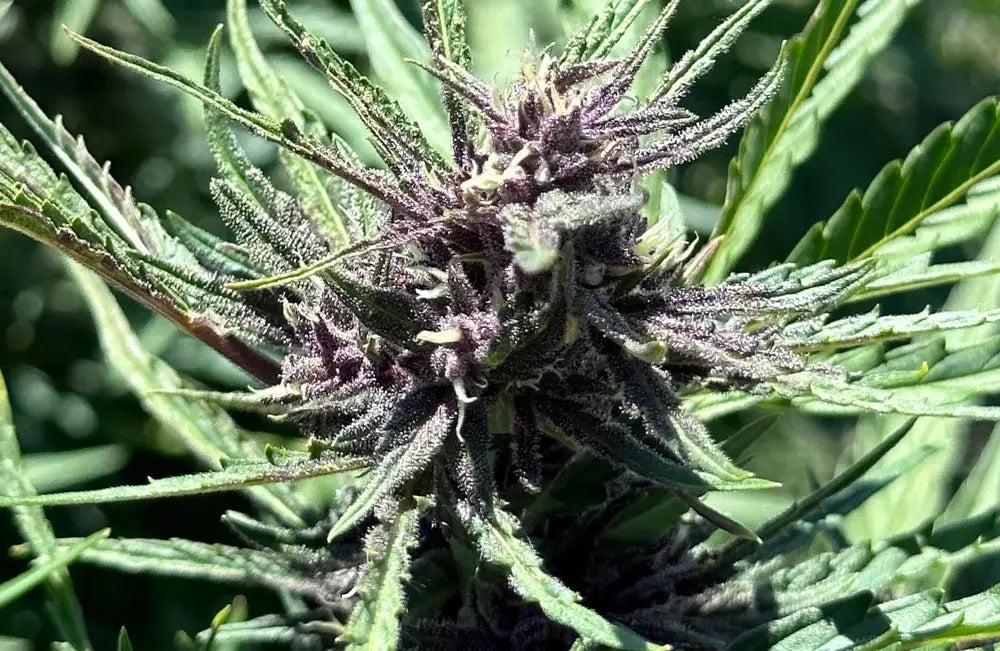
Trichome Coverage: Premium flower displays heavy trichome coverage, appearing frosty or crystalline under light. These resin glands contain the cannabinoids and terpenes you're seeking.
Color and Appearance: Healthy flower shows vibrant colors—deep greens, purples, or oranges depending on genetics—without brown discoloration or signs of mold.
Trim Quality: Well-manicured buds with minimal stem and leaf material indicate careful post-harvest handling and attention to detail.
Bud Structure: While structure varies by genetics (indica-dominant buds typically appear denser than sativa-dominant), all quality flower should feel substantial and properly cured, neither too dry nor overly moist.
Aroma and Freshness
Fresh, properly stored hybrid THCA flower expresses strong, pleasant aromas. Terpene preservation indicates proper curing and storage. Weak or hay-like smells suggest degraded terpenes, while musty odors might indicate mold or moisture problems.
Different hybrid genetics produce distinct terpene profiles:
- Indica-dominant varieties often smell earthy, sweet, or kushy
- Sativa-dominant strains typically express citrus, pine, or fuel-like aromas
- Balanced hybrids might combine characteristics from both lineages
Frequently Asked Questions
What are hybrid THCA strains?
Hybrid THCA strains are cannabis varieties created by breeding indica and sativa genetics together. These hybrid thca strains combine characteristics from both parent lineages, offering effects that blend the relaxing properties of indica with the energizing qualities of sativa. Breeders create hybrids to achieve specific effect profiles, growth characteristics, and therapeutic properties not found in pure indica or sativa varieties.
What does indica dominant hybrid THCA mean?
An indica dominant hybrid THCA strain contains a higher percentage of indica genetics than sativa genetics, typically ranging from 60/40 to 90/10 indica-to-sativa ratios. These indica dominant THCA varieties emphasize relaxation and physical comfort while incorporating enough sativa genetics to prevent heavy sedation and maintain mental clarity. They're perfect for evening use when you want to unwind without completely losing functionality.
What is the difference between indica dominant and sativa dominant THCA?
The difference between indica dominant and sativa dominant THCA strains lies primarily in their effects and physical characteristics. Indica-dominant hybrids promote physical relaxation, stress relief, and calming effects, making them ideal for evening use. Sativa-dominant hybrids provide mental energy, enhanced focus, and uplifting effects, perfect for daytime activities. Physically, indica-dominant plants grow shorter and bushier, while sativa-dominant varieties tend toward taller, more stretched structures.
What are the best balanced hybrid THCA strains?
The best balanced hybrid THCA strains include Blue Dream, Gelato, Wedding Cake, and Pineapple Express. These 50/50 or near-balanced varieties offer equal parts mental stimulation and physical relaxation, making them versatile for any time of day. Balanced hybrids work excellently for consumers who want one strain that adapts to multiple situations, from daytime productivity to evening relaxation.
Should I buy hybrid THCA flower or stick with indica or sativa?
Whether you should buy hybrid THCA flower depends on your specific needs and preferences. Hybrids offer more nuanced, balanced effects than pure indica or sativa varieties, making them ideal for most users. If you want daytime energy without jitters, choose sativa-dominant hybrids. For evening relaxation without heavy sedation, select indica-dominant varieties. For maximum versatility, balanced hybrids provide middle-ground effects suitable for various activities and times of day.
What is a 70/30 hybrid THCA strain?
A 70/30 hybrid THCA strain contains approximately 70% of one lineage (either indica or sativa) and 30% of the other. If it's 70% indica and 30% sativa, expect primarily relaxing effects with subtle mental clarity from the sativa genetics. If it's 70% sativa and 30% indica, anticipate energizing cerebral effects balanced by mild physical relaxation from the indica component. This ratio provides pronounced effects in one direction while maintaining balance from the minority genetics.
How are hybrid THCA strains made?
Hybrid THCA strains are created through controlled breeding programs where cultivators cross-pollinate selected male and female cannabis plants with desired characteristics. Pollen from the male plant fertilizes the female plant's flowers, producing seeds containing genetic material from both parents. Breeders then grow out multiple generations, selecting only plants with target traits for further breeding. This process continues until genetics stabilize, producing consistent, predictable offspring.
What are hybrid THCA strains for all day use?
Hybrid THCA strains for all day use typically fall into the balanced or slightly indica-dominant category (50/50 to 60/40). These varieties provide gentle effects that won't interfere with daytime productivity or evening relaxation. Blue Dream, Gelato, and Wedding Cake all work well throughout the day, offering subtle energy when needed and comfortable relaxation without sedation. The key is choosing hybrids with moderate effects rather than extreme ratios in either direction.
What are the best versatile THCA strains?
The best versatile THCA strains are balanced hybrids that adapt to different times, activities, and needs. Blue Dream tops this list for its perfect equilibrium of mental clarity and physical relaxation. Gelato, Wedding Cake, and Pineapple Express also provide exceptional versatility. These strains work equally well for morning motivation, afternoon focus, or evening unwinding, making them ideal for consumers who prefer maintaining a single strain rather than rotating varieties based on time of day.
How do I know which hybrid ratio is right for me?
Choosing the right hybrid ratio depends on your tolerance, sensitivity, desired effects, and timing. Beginners should start with balanced hybrids (50/50) or moderate ratios (60/40 either direction) for gentle, manageable effects. For daytime use, lean toward sativa-dominant ratios (60/40 to 70/30 sativa). For evening relaxation, choose indica-dominant varieties (60/40 to 70/30 indica). Experienced users might prefer more extreme ratios (80/20 or 90/10) for pronounced effects in their preferred direction.
Are hybrid strains more potent than pure indica or sativa?
Hybrid potency has nothing to do with genetic ratios and everything to do with cannabinoid content. Hybrid THCA strains can range from moderate to extremely high potency depending on breeding and cultivation practices. Some hybrids express higher THCA percentages than pure indica or sativa varieties, while others test lower. Always check third-party COAs for actual cannabinoid content rather than assuming hybrids are inherently more or less potent than other varieties.
Can I mix different hybrid strains together?
Yes, many consumers enjoy blending different hybrid THCA strains to create custom effect profiles. For example, mixing a sativa-dominant hybrid with an indica-dominant variety in equal parts creates a more balanced experience. However, beginners should experience individual strains separately before blending to understand how each affects them personally. Advanced consumers use blending to fine-tune effects, creating perfect ratios for specific activities or times of day.
Do indica-dominant hybrids make you sleepy?
Indica-dominant hybrids promote relaxation and can support sleep preparation, but they're typically less sedating than pure indica strains. The sativa genetics in indica dominant hybrid THCA varieties prevent the heavy, couch-lock sensation while still providing significant physical relaxation. Moderate ratios (60/40 to 70/30) keep you functional and comfortable, while heavier ratios (80/20 to 90/10) produce more pronounced sedative effects appropriate for bedtime.
Will sativa-dominant hybrids make me anxious?
Properly balanced sativa dominant THCA hybrids shouldn't cause anxiety for most users. The indica genetics in these varieties provide grounding and reduce the potential for racing thoughts or restlessness sometimes associated with pure sativa strains. However, individual sensitivity varies—those prone to anxiety might prefer balanced hybrids or lighter sativa-dominant ratios (60/40) over extreme ratios (90/10). Starting with lower doses helps determine personal tolerance.
How long do hybrid THCA effects last?
Effect duration varies based on consumption method, dosage, individual metabolism, and specific strain characteristics. Generally, hybrid THCA effects from smoking or vaping peak within 15-30 minutes and last 2-4 hours. Edibles or tinctures take longer to onset (30-90 minutes) but provide effects lasting 4-8 hours. Balanced hybrids typically produce moderate-duration effects, while heavier indica-dominant varieties might feel longer-lasting due to pronounced physical relaxation.
Conclusion: Finding Your Perfect Hybrid Match
The world of hybrid THCA strains explained reveals a sophisticated landscape where breeders have mastered the art of genetic manipulation to create varieties perfectly suited to modern consumers' diverse needs. Whether you're seeking the gentle relaxation of indica-dominant genetics, the uplifting energy of sativa-dominant varieties, or the perfect equilibrium of balanced hybrids, today's market offers exceptional options.
Understanding the indica dominant vs sativa dominant THCA distinction empowers you to make informed purchasing decisions based on your specific requirements. Morning productivity demands different characteristics than evening relaxation, and hybrids provide the nuanced effects needed for every scenario throughout your day.
The beauty of hybrid THCA strains lies in their versatility and predictability. Unlike the unpredictable nature of pure landrace genetics, modern hybrids deliver consistent experiences backed by generations of careful breeding and refinement. When you find a hybrid that perfectly matches your needs, you've discovered more than just a strain—you've found a reliable companion for whatever life brings.
As you explore the diverse world of THCA hybrid strains, remember that individual experience varies. What works beautifully for one person might feel different for another. Start conservatively, especially when trying new ratios or unfamiliar genetics. Pay attention to how different hybrids make you feel, noting which ratios and terpene profiles work best for specific activities and times of day.
Quality matters immensely in the hybrid flower market. Seek out reputable vendors who provide comprehensive third-party COAs, detailed strain information, and transparent growing practices. Premium hybrid THCA flower properly grown, cured, and stored delivers the exceptional experiences that make these varieties so popular.
Whether you're drawn to the creative energy of sativa-dominant varieties, the comfortable relaxation of indica-dominant strains, or the adaptable balance of 50/50 genetics, there's never been a better time to explore hybrid THCA flower. With countless exceptional strains available and more being developed constantly, your perfect hybrid match awaits discovery.
The journey through hybrid thca strains is ultimately personal and exploratory. Armed with knowledge about genetic ratios, breeding processes, and effect profiles, you're prepared to navigate this exciting landscape with confidence. Your perfect hybrid—whether energizing, relaxing, or perfectly balanced—is out there waiting to enhance your daily experiences.


