


Best THCA Flower: Indoor vs Outdoor Growth Methods Explained

The quality of THCA flower depends significantly on how it's cultivated. Whether you're searching for the best THCA flower for personal use or evaluating suppliers for wholesale purposes, understanding THCA growing methods provides crucial insight into product quality, potency, and consistency. The cultivation environment—indoor versus outdoor—fundamentally shapes cannabinoid development, terpene profiles, appearance, and overall effects.
How THCA is grown isn't simply about putting seeds in soil and waiting for harvest. Modern THCA cultivation explained reveals a sophisticated science involving environmental controls, nutrient management, genetic selection, and precise harvest timing. Both indoor THCA cultivation and outdoor THCA cultivation offer distinct advantages and challenges that directly impact the final product's characteristics.
This comprehensive guide examines both growing THCA flower methodologies in depth, exploring how THCA flower production differs between controlled indoor environments and natural outdoor settings. We'll investigate THCA farming methods, analyze how cultivation choices affect cannabinoid biosynthesis, compare the pros and cons of each approach, and identify top-performing strains for both environments. Whether you're a consumer seeking knowledge about what you're purchasing or a cultivator weighing your options for THCA hemp cultivation, this article provides the detailed information you need to understand how premium THCA growing translates into superior flower quality.
Indoor Growing Method Explained: Controlled Environment Cannabis Cultivation
Indoor THCA cultivation represents the pinnacle of environmental control in cannabis production. By growing within enclosed structures, cultivators can manipulate every variable affecting plant development, from light intensity and spectrum to temperature fluctuations and humidity levels. This section explores how indoor THCA is grown and why many consider it the gold standard for producing consistent, high-potency flower.
Indoor Cultivation Setup and Infrastructure
Indoor THCA cultivation techniques begin with the physical growing space. Cultivators utilize dedicated rooms, greenhouses with supplemental lighting, or purpose-built warehouses converted into grow facilities. The infrastructure typically includes:
- Sealed grow rooms with reflective walls to maximize light distribution
- HVAC systems providing precise temperature and humidity control
- Carbon filtration for odor management and air circulation
- Irrigation systems delivering nutrients on programmable schedules
- Security and monitoring equipment tracking environmental parameters
The initial investment for indoor THCA cultivation substantially exceeds outdoor setups, but this expense purchases unparalleled control over the growing environment. Cultivators can maintain ideal conditions year-round regardless of external weather, enabling multiple harvest cycles annually.
Lighting Technologies for Indoor THCA Production
Lighting represents the most critical component of THCA flower production indoors. Without natural sunlight, cultivators must provide artificial light sources that drive photosynthesis and cannabinoid development. Three primary technologies dominate indoor THCA cultivation:
High-Pressure Sodium (HPS) Lighting: Traditional HPS systems have powered indoor cannabis cultivation for decades. These lights emit intense orange-red spectrum light ideal for flowering stages. HPS fixtures deliver exceptional penetration through dense canopies and produce substantial yields. However, they generate significant heat requiring robust cooling systems and consume considerable electricity. Many large-scale operations still rely on HPS despite newer technologies because of proven reliability and lower initial costs.
Light-Emitting Diode (LED) Technology: Modern LED grow lights have revolutionized how indoor THCA is grown. Full-spectrum LED panels can be tuned to specific wavelengths optimizing photosynthesis and cannabinoid production. LEDs operate cooler than HPS, reducing HVAC demands and energy costs. They deliver precise light spectrums that can enhance terpene development and THCA concentrations. While LED fixtures cost more upfront, their longevity and efficiency provide long-term savings. Many craft THCA cultivation operations prefer LEDs for their ability to dial in specific light recipes optimizing quality over sheer yield.
Ceramic Metal Halide (CMH/LEC): Ceramic metal halide lighting bridges HPS and LED technologies. CMH lights produce a broad spectrum closer to natural sunlight than HPS while running cooler and more efficiently. They excel during vegetative growth phases and produce excellent trichome development. Some cultivators combine CMH and HPS for different growth stages, while others use CMH exclusively for premium THCA growing focused on quality.
Climate Control: Temperature and Humidity Management
Precise climate control distinguishes professional indoor THCA cultivation from amateur growing. Cannabis plants thrive within specific temperature and humidity ranges that vary across growth stages:
Vegetative Stage: Temperatures between 70-85°F (21-29°C) with relative humidity around 60-70% support vigorous growth. Higher humidity helps young plants develop robust root systems and foliage.
Flowering Stage: As plants transition to flower production, optimal temperatures drop slightly to 68-79°F (20-26°C), while humidity decreases to 40-50%. Lower humidity during flowering prevents mold and mildew while encouraging resin production. As harvest approaches, some cultivators further reduce humidity to 30-40% to maximize trichome density.
Late Flowering/Ripening: The final 2-3 weeks before harvest, many THCA farming methods involve dropping nighttime temperatures to 60-65°F (15-18°C). This temperature stress can enhance anthocyanin production (creating purple hues) and boost terpene preservation.
Advanced HVAC systems maintain these parameters automatically, with sensors continuously monitoring conditions. Dehumidifiers, humidifiers, air conditioners, and heaters work in concert to maintain ideal ranges despite the heat generated by lighting and plant transpiration.
Nutrient Management and Feeding Schedules
Growing THCA flower indoors typically involves hydroponic or soilless growing media, allowing precise nutrient delivery. Indoor cultivators use carefully formulated feeding schedules that provide:
Macronutrients: Nitrogen (N), phosphorus (P), and potassium (K) in ratios adjusted throughout the growth cycle. Vegetative growth requires higher nitrogen, while flowering demands increased phosphorus and potassium.
Secondary Nutrients: Calcium, magnesium, and sulfur support various metabolic processes and structural development.
Micronutrients: Iron, manganese, zinc, copper, boron, and molybdenum in trace amounts enable enzyme functions and cannabinoid biosynthesis.
Professional indoor THCA cultivation operations monitor pH (typically 5.8-6.2 for hydroponic systems) and electrical conductivity (EC) to ensure optimal nutrient uptake. They adjust formulations based on plant observations and tissue testing. The best way to grow THCA indoors often involves slightly stressing plants during late flowering by reducing nitrogen, which many cultivators believe enhances cannabinoid production.
Indoor Grow Cycles and Harvest Frequency
One significant advantage of indoor THCA cultivation involves year-round production. Unlike outdoor growing limited to natural seasonal cycles, indoor facilities can initiate new grows whenever space becomes available. Most operations run:
- Vegetative Period: 3-8 weeks under 18-24 hours of daily light
- Flowering Period: 8-12 weeks under 12 hours of light and 12 hours of darkness daily
- Total Cycle: 11-20 weeks from seed or clone to harvest
Large-scale THCA flower farms often maintain perpetual harvest systems with multiple rooms in different growth stages, ensuring continuous production. This consistency makes indoor THCA cultivation ideal for maintaining steady inventory and reliable product quality.
Outdoor Growing Method Explained: Sun-Grown Cannabis at Scale
Outdoor THCA cultivation leverages natural sunlight, seasonal cycles, and soil ecosystems to produce cannabis flowers. While outdoor growing surrenders the precise control of indoor environments, it offers sustainability, scalability, and unique characteristics that many consumers prefer. Understanding the outdoor THCA growing process reveals why sun-grown flower maintains devoted followings despite the rise of indoor cultivation.
Site Selection for Outdoor THCA Farms
Location determines success in outdoor THCA cultivation. THCA flower farms evaluate numerous factors when selecting cultivation sites:
Climate and Growing Season: Cannabis requires warm temperatures and long growing seasons. Regions with 150+ frost-free days, moderate humidity, and ample sunshine produce the best results. Mediterranean climates like California's Emerald Triangle or Southern Oregon offer ideal conditions. Cultivators also consider annual rainfall patterns and typical weather during fall harvest season.
Sun Exposure: Full sun exposure (8+ hours daily) throughout the growing season maximizes photosynthesis and yield. Sites should avoid shade from trees, buildings, or terrain features. South-facing slopes in the northern hemisphere receive optimal sunlight angles.
Soil Quality: While cultivators can amend soil, starting with quality native soil reduces inputs. Well-draining loamy soils with good organic matter content support robust root development. Soil testing reveals pH and nutrient levels, guiding amendment strategies.
Water Access: Reliable water sources prove essential, especially during dry summers. Many THCA hemp cultivation operations install irrigation systems supplied by wells, municipal water, or surface water rights from streams and rivers.
Security and Compliance: Outdoor grows require adequate security fencing and compliance with local regulations regarding setbacks from property lines, roads, and residences.
Soil Preparation and Amendment Strategies
Outdoor THCA cultivation success starts with soil preparation months before planting. Professional THCA farming methods involve:
Soil Testing: Laboratory analysis reveals pH, nutrient levels, organic matter content, and potential contamination. Results guide amendment applications.
pH Adjustment: Cannabis prefers slightly acidic soil (6.0-7.0 pH). Lime raises pH in acidic soils, while sulfur lowers pH in alkaline conditions.
Organic Matter Incorporation: Compost, aged manure, and cover crop residues improve soil structure, water retention, and microbial activity. Many cultivators apply 2-4 inches of compost worked into the top 12 inches of soil.
Mineral Amendments: Based on soil tests, cultivators add rock phosphate, greensand, kelp meal, bone meal, and other natural minerals providing slow-release nutrients throughout the season.
Beneficial Microbes: Mycorrhizal fungi and beneficial bacteria inoculations enhance nutrient uptake and disease resistance. These living soil amendments create symbiotic relationships with cannabis roots.
Raised Beds or Mounds: Some operations build raised beds or mounds with heavily amended soil, providing ideal growing conditions even when native soil quality is poor.
Natural Growth Cycles and Photoperiod Triggers
Unlike indoor growing where cultivators control light schedules, outdoor THCA growing process follows natural photoperiods. Cannabis is photoperiod-sensitive, meaning flowering initiation depends on day length:
Vegetative Growth (Spring/Early Summer): Long days (14+ hours of sunlight) trigger vegetative growth. Plants focus energy on developing foliage, branches, and root systems. In the northern hemisphere, cultivators typically transplant seedlings or clones outdoors in May-June after the last frost.
Flowering Initiation (Late Summer): As days shorten below approximately 14 hours of light in July-August, plants begin transitioning to flowering. This natural trigger synchronizes reproductive cycles with seasonal patterns.
Flowering Development (Fall): Through September and October, flowers develop and mature. Cannabinoid and terpene production accelerates as plants approach harvest readiness.
Harvest (Late Fall): Most outdoor THCA cultivation harvests occur in October-November, depending on latitude, genetics, and desired maturity. Cultivators monitor trichomes and weather forecasts to time harvest perfectly.
This single annual cycle contrasts sharply with indoor THCA cultivation's multiple harvests. However, natural seasonal changes often produce unique terpene profiles and effects that indoor growing struggles to replicate.
Weather Challenges and Environmental Stressors
The outdoor THCA growing process involves navigating unpredictable weather conditions:
Heat Stress: Temperatures exceeding 95°F can slow growth and damage plants. Shade cloth or strategic planting near trees can provide afternoon relief during extreme heat.
Cold Damage: Unexpected early frosts can devastate crops near harvest. Weather monitoring and row covers help protect plants during cold snaps.
Heavy Rain: Excessive moisture, especially during flowering, increases mold and bud rot risks. Proper spacing, pruning for airflow, and selecting resistant genetics mitigates these risks.
Wind: Strong winds can break branches and stress plants. Windbreaks, strategic site selection, and staking protect crops.
Pests and Diseases: Outdoor environments expose plants to more pest pressure than indoor facilities. Integrated pest management combining beneficial insects, organic sprays, and cultural practices manages issues without compromising product quality.
These challenges require attentive management, but many argue that mild environmental stressors enhance terpene development and create more robust plants producing premium THCA growing profiles.
Harvest Timing for Outdoor THCA Flower
Harvest timing critically impacts THCA flower production quality. Outdoor cultivators monitor several indicators:
Trichome Development: Microscopic examination reveals trichome maturity. Clear trichomes indicate immaturity, cloudy trichomes signal peak THCA content, and amber trichomes suggest degradation into CBN.
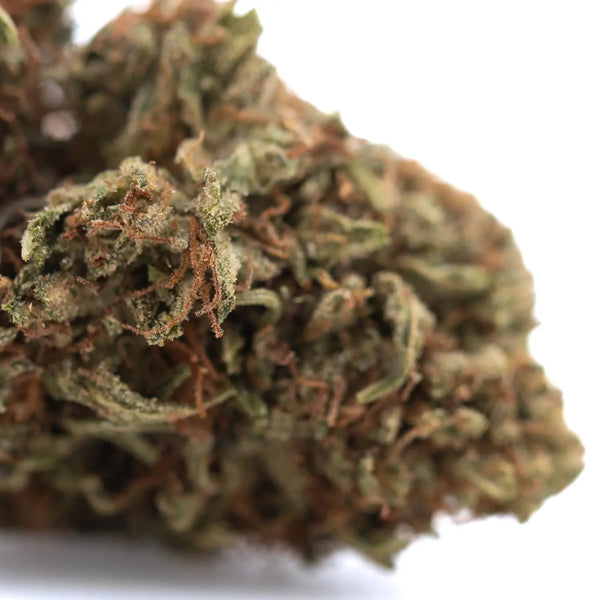
Pistil Maturity: As flowers mature, white pistils darken to orange or brown. When 70-90% of pistils have changed color, harvest windows approach.
Weather Forecasts: Rain forecasts often force early harvests to prevent mold, even if plants haven't reached peak maturity. Risk management requires balancing optimal timing against weather threats.
Strain-Specific Timelines: Indica-dominant varieties typically finish earlier (8-9 weeks of flowering) than sativa-dominant genetics (10-14 weeks).
How Each Method Affects THCA Development
Understanding how THCA growing methods influence cannabinoid biosynthesis reveals why best THCA flower quality varies between indoor and outdoor cultivation. The cultivation environment directly impacts THCA production through several mechanisms.
Cannabinoid Biosynthesis Pathways
THCA synthesis occurs in trichomes through enzymatic pathways converting precursor compounds into cannabinoids. How THCA is grown affects this process through:
Light Intensity: Both indoor and outdoor growing can achieve high light levels, but they deliver them differently. Indoor LED and HPS systems provide consistent intensity throughout the canopy with strategic positioning, while natural sunlight offers broader spectrum but variable intensity depending on weather and time of day. Research suggests that sustained high-intensity light exposure maximizes THCA production by driving photosynthesis and providing energy for cannabinoid synthesis.
UV Exposure: Natural sunlight contains UV-A and UV-B radiation that indoor lights typically lack or provide in lower intensities. UV radiation may stress plants, triggering enhanced trichome and cannabinoid production as a protective response. Some THCA cultivation techniques specifically incorporate UV supplementation to boost potency. This may explain why outdoor flower sometimes achieves higher cannabinoid diversity even when total THCA percentages match indoor production.
Temperature Fluctuations: Outdoor THCA cultivation experiences natural day/night temperature swings, while indoor grows maintain more stable conditions. Moderate temperature stress (cooler nights, warm days) can enhance terpene preservation and potentially boost cannabinoid production through stress response mechanisms. However, extreme temperature fluctuations reduce overall cannabinoid synthesis efficiency.
Environmental Stress Responses and Secondary Metabolites
Plants produce cannabinoids and terpenes partially as stress responses. Different growing environments create different stress profiles:
Indoor Controlled Stress: Indoor THCA cultivation allows deliberate stress application—reducing nitrogen late in flower, lowering humidity, decreasing temperatures slightly, or manipulating light intensity. These controlled stressors optimize cannabinoid production without risking plant health.
Outdoor Natural Stress: Wind, temperature fluctuations, UV radiation, and mild drought create natural stressors. While outdoor cultivators have less control, these varied stresses may produce more diverse terpene profiles and cannabinoid ratios. Many consumers report outdoor flower offers more complex effects, possibly due to minor cannabinoid and terpene variations arising from environmental diversity.
Light Spectrum Impact on Cannabinoid Profiles
The best way to grow THCA considers light spectrum's impact on cannabinoid development:
Full Spectrum Natural Light: Sunlight provides complete spectrum exposure from UV through infrared. This broad spectrum activates various photoreceptors and may drive diverse cannabinoid and terpene synthesis.
Targeted Indoor Spectrums: LED technology enables spectrum customization. Blue light (400-500nm) drives vegetative growth, red light (600-700nm) promotes flowering and cannabinoid production, and far-red light (700-750nm) influences plant morphology. Some cultivators use UV supplementation during late flowering to boost THCA production through stress responses.
Consistency vs. Diversity: Indoor lighting maintains consistent spectrum and intensity, producing highly uniform cannabinoid profiles. Outdoor light varies with weather, seasons, and daily sun angles, potentially creating more diverse cannabinoid and terpene expressions batch-to-batch.
Pros and Cons of Each Method: Comprehensive Comparison
Evaluating THCA growing methods requires understanding how THCA cultivation explained principles translate into practical advantages and limitations. Both indoor THCA cultivation and outdoor THCA cultivation offer distinct benefits alongside inherent challenges.
Indoor Growing Advantages and Disadvantages
Advantages:
- Year-Round Production: Multiple harvests annually regardless of climate
- Environmental Control: Precise management of temperature, humidity, light, and CO2
- Consistency: Highly uniform product quality batch after batch
- Pest Management: Sealed environments reduce pest pressure significantly
- Privacy and Security: Easier to secure and maintain discrete operations
- Quality Focus: Ability to optimize conditions specifically for cannabinoid and terpene production
Disadvantages:
- High Initial Investment: Facility construction, lighting, HVAC, and infrastructure costs substantial capital
- Energy Consumption: Electricity costs for lighting, climate control, and ventilation run high
- Limited Scalability: Expanding requires significant additional infrastructure investment
- Equipment Maintenance: Complex systems require ongoing maintenance and eventual replacement
- Environmental Impact: Higher carbon footprint from energy use
- Learning Curve: Requires technical knowledge to operate sophisticated systems
Outdoor Growing Advantages and Disadvantages
Advantages:
- Sustainability: Leverages natural sunlight reducing energy consumption dramatically
- Scalability: Can expand cultivation relatively easily with available land
- Lower Operating Costs: Minimal electricity and infrastructure expenses after initial setup
- Natural Terroir: Sun and soil create unique regional characteristics
- Lower Barrier to Entry: Smaller initial investment required to start cultivation
- Environmentally Conscious: Lower carbon footprint appeals to eco-conscious consumers
Disadvantages:
- Weather Dependence: Subject to uncontrollable weather impacts
- Single Annual Harvest: Limited to one crop per year in most climates
- Pest Pressure: Outdoor environments expose crops to more pests and diseases
- Quality Variation: Inconsistent weather creates batch-to-batch variation
- Regulatory Visibility: Outdoor farms more visible to neighbors and authorities
- Harvest Timing Challenges: Racing against fall weather and early frosts
Comparison Table: Indoor vs Outdoor THCA Cultivation
| Factor | Indoor THCA Cultivation | Outdoor THCA Cultivation |
|---|---|---|
| Yield per Plant | Moderate (controlled environment limits size) | High (plants can grow very large) |
| Cannabinoid Consistency | Excellent | Good to Variable |
| Terpene Diversity | Good (controlled conditions) | Excellent (environmental variation) |
| Annual Harvests | 3-5+ cycles possible | 1 cycle per year |
| Initial Investment | $50,000-$500,000+ | $5,000-$50,000+ |
| Operating Costs | High (electricity, climate control) | Low (minimal energy input) |
| Environmental Impact | Higher carbon footprint | Lower carbon footprint |
| Product Consistency | Excellent batch-to-batch | Variable based on weather |
| Pest Management | Easier (controlled environment) | Challenging (open environment) |
| Scalability | Limited by infrastructure | Easier with available land |
| Product Price Point | Higher (reflects costs) | Lower (efficiency advantages) |
This comparison reveals that neither method universally produces the best THCA flower. Instead, each approach excels in different contexts serving different market needs and consumer preferences.
Top Indoor THCA Strains: Genetics Optimized for Controlled Environments
Certain cannabis genetics perform exceptionally well under indoor THCA cultivation conditions. These strains were often bred specifically for indoor growing, featuring characteristics like controlled height, dense flower structure, and rapid flowering times. When selecting genetics for how indoor THCA is grown operations, cultivators consider these proven indoor performers:
OG Kush: This legendary genetics produces dense, resinous flowers under indoor lights. OG Kush thrives with controlled feeding schedules and responds excellently to training techniques like SCROG (Screen of Green). Indoor cultivation brings out its complex terpene profile combining earth, pine, and fuel notes while maximizing THCA concentrations typically ranging 20-25%.
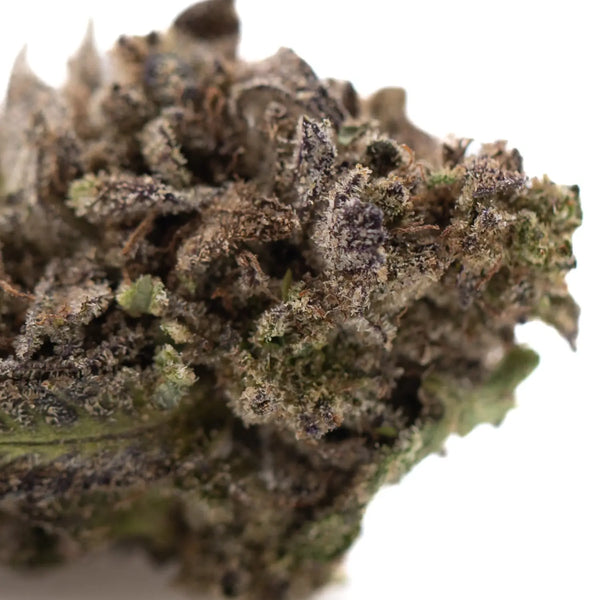
Gelato: This dessert strain performs beautifully indoors, developing tight, colorful flowers with exceptional bag appeal. Gelato responds well to controlled temperature drops during late flowering, enhancing purple coloration. Its sweet, creamy terpene profile develops fully under precise indoor conditions, while THCA levels reach impressive heights.
Wedding Cake: Bred from Cherry Pie and Girl Scout Cookies genetics, Wedding Cake excels indoors with moderate height and exceptional resin production. Indoor environmental control maximizes its vanilla and pepper terpene profile while producing THCA concentrations that satisfy even demanding consumers.
Gorilla Glue #4 (GG4): This high-resin producer earned its name from the sticky trichomes coating every surface. Indoor growing allows precise management of GG4's nutrition demands, producing flowers with astronomical THCA levels often exceeding 25% alongside complex diesel and chocolate terpenes.
Blue Dream: A hybrid favorite, Blue Dream adapts well to various indoor systems. Its balanced sativa-indica genetics produce substantial yields under controlled conditions while maintaining high THCA content and its signature berry terpene profile.
These strains represent craft THCA cultivation favorites that consistently produce premium indoor flower when grown with attention to detail and proper environmental management.
Top Outdoor THCA Strains: Sun-Loving Genetics Built for Resilience
Outdoor THCA cultivation succeeds with genetics selected for environmental resilience, mold resistance, and ability to finish before fall weather deteriorates. These strains thrive under natural sunlight and seasonal conditions, making them ideal for the outdoor THCA growing process:
Durban Poison: This pure African sativa evolved under intense sunlight and variable conditions. Durban Poison thrives outdoors with natural photoperiods, producing massive yields of uplifting, high-THCA flowers with distinctive licorice and pine terpenes. Its mold resistance and vigorous growth make it an outdoor favorite.
Purple Kush: This Afghani indica landrace descends from genetics adapted to harsh mountain environments. Purple Kush handles temperature fluctuations excellently and finishes flowering relatively early (mid-October), avoiding late-season frost risks. Natural outdoor growing enhances its purple coloration and earthy grape terpenes.
Sour Diesel: This energizing sativa-dominant hybrid was originally bred as outdoor genetics. Sour Diesel develops its most complex fuel and citrus terpene profile under natural sunlight, producing substantial yields of high-THCA flower that epitomizes outdoor craft cultivation.
Jack Herer: Named after the cannabis activist, this sativa-hybrid thrives outdoors with full sun exposure. Jack Herer's resilient genetics handle pest pressure and weather variations while producing spicy, piney flowers with exceptional THCA levels and uplifting effects.
Northern Lights: One of the most famous cannabis genetics, Northern Lights adapted to short growing seasons makes it ideal for outdoor cultivation in northern climates. This robust indica finishes flowering early, resists mold, and produces heavy yields of sedating, high-THCA flowers.
These outdoor champions demonstrate that THCA flower farms can produce exceptional quality by selecting appropriate genetics and working with natural growing cycles rather than fighting against them.
Frequently Asked Questions About THCA Growing Methods
Q: Which growing method produces higher THCA percentages?
A: Both indoor THCA cultivation and outdoor THCA cultivation can produce flower exceeding 25% THCA. The growing method matters less than genetics, harvest timing, and cultivation expertise. Indoor growing offers more control for optimizing cannabinoid production, but exceptional outdoor cultivators achieve comparable THCA levels. Testing individual batches provides more accurate potency information than making assumptions based solely on growing method.
Q: Does indoor or outdoor THCA flower taste better?
A: Terpene preferences vary among consumers. Indoor THCA cultivation typically produces more consistent terpene profiles with pronounced single-note expressions. Outdoor THCA cultivation often creates more complex, diverse terpene blends due to environmental variation and natural sunlight. Neither objectively tastes "better"—it depends on whether you prefer consistency and precision or complexity and terroir-driven character.
Q: Is outdoor THCA flower less potent than indoor?
A: No. While some assume indoor THCA cultivation produces more potent flower, properly grown outdoor THCA flower regularly tests at equal or higher cannabinoid levels. Natural sunlight intensity and UV exposure may even enhance certain aspects of cannabinoid production. Potency depends more on genetics, cultivation skill, and harvest timing than simply growing location.
Q: Why does outdoor THCA flower cost less?
A: Outdoor THCA growing process involves lower operating costs since natural sunlight eliminates expensive lighting and reduces climate control expenses. These savings allow outdoor cultivators to offer competitive pricing while maintaining profitability. Lower prices don't indicate inferior quality—they reflect production efficiency rather than product value.
Q: Can you tell indoor from outdoor THCA flower by appearance?
A: Experienced consumers sometimes distinguish growing methods by appearance. Indoor flower often displays tighter bud structure, more uniform coloration, and pristine appearance due to controlled conditions. Outdoor flower may show slightly looser structure, more color variation, and occasional minor cosmetic imperfections from environmental exposure. However, exceptional outdoor cultivation produces visually stunning flower rivaling premium indoor products.
Q: Which method is more environmentally sustainable?
A: Outdoor THCA cultivation demonstrates superior environmental sustainability by leveraging natural sunlight instead of electricity-intensive artificial lighting. Outdoor farms have substantially lower carbon footprints and energy consumption. However, indoor facilities using renewable energy and efficient LED technology can reduce environmental impact significantly. For eco-conscious consumers, seeking outdoor or renewable-energy-powered indoor THCA hemp cultivation aligns purchases with sustainability values.
Q: Does the growing method affect THCA flower effects?
A: The cultivation environment influences terpene and minor cannabinoid profiles, potentially creating subtle effects differences. Some consumers report outdoor flower provides more balanced, full-spectrum effects due to diverse cannabinoid ratios, while others prefer the consistent, predicable effects of indoor flower. These differences remain subtle—genetics and overall quality matter more than growing location for most users.
Conclusion: Context Determines the Best THCA Growing Method
The search for the best THCA flower reveals that no universal "best" cultivation method exists. Instead, THCA growing methods serve different purposes, markets, and values. Indoor THCA cultivation excels when consistency, year-round production, and precise quality control matter most. Outdoor THCA cultivation shines for sustainability, scalability, and creating unique terroir-driven products.
Understanding how THCA is grown empowers consumers to make informed purchases aligned with their priorities. Value consistency and want year-round availability? Indoor flower delivers. Prefer supporting sustainable agriculture and enjoy seasonal harvest character? Outdoor cultivation provides that experience. Care about affordability while maintaining quality? Outdoor flower's efficiency offers excellent value.
Both growing THCA flower methodologies produce exceptional products when executed with expertise and attention to detail. Rather than dismissing one approach, appreciating how THCA cultivation explained through these different lenses reveals the diversity within high-quality hemp flower offerings. Explore both premium THCA growing styles, evaluate products based on testing and genetics, and discover which cultivation approach best satisfies your individual preferences and values.


