


Purple Daiquiri or Cola THCA Flower: Which Strain is Right for You?

Choosing the right THCA flower strain requires understanding more than just brand names and marketing claims. The chemistry behind cannabis—specifically THCA potency and terpene profiles—fundamentally determines your experience. Whether you're comparing Cola THCA flower or Purple Daiquiri THCA, the cannabinoid content and terpene composition create distinctly different effects, flavors, and therapeutic benefits.
This comprehensive guide examines the scientific differences between these two premium strains, focusing on THCA flower effects, cannabinoid profiles, and how terpene chemistry influences your experience. For informed consumers and industry professionals seeking quality hemp flower, understanding these distinctions enables confident purchasing decisions based on desired outcomes rather than guesswork.
The cannabis entourage effect—where cannabinoids and terpenes work synergistically—explains why two strains with similar THCA percentage levels can produce completely different experiences. By examining lab results, terpene compositions, and real-world effects, you'll discover which strain aligns with your specific needs and preferences.
Understanding THCA Potency
THCA percentage explained: Tetrahydrocannabinolic acid (THCA) represents the raw, non-intoxicating precursor to THC found in fresh cannabis and hemp flowers. Unlike Delta-9 THC, THCA doesn't produce psychoactive effects in its natural state. However, when exposed to heat through smoking, vaping, or cooking—a process called decarboxylation—THCA converts to THC, delivering the effects cannabis is known for.
Quality high potency THCA flower typically contains between 15-30% THCA by dry weight, with premium indoor-grown strains occasionally reaching higher concentrations. This total cannabinoid content measurement appears on lab reports as "Total THCA" or "THCA percentage," indicating the maximum potential THC available after decarboxylation.
Several factors affect potency measurements in THCA lab testing:
Genetics: Some strains naturally produce higher THCA concentrations due to selective breeding and genetic lineage. Both Cola and Purple Daiquiri have been cultivated specifically for elevated THCA levels.
Growing Conditions: Light intensity, nutrient regimens, temperature control, and cultivation methods (indoor vs. greenhouse) significantly impact final cannabinoid production. Indoor-grown flowers often achieve higher potency through precise environmental control.
Harvest Timing: Trichome maturity at harvest determines peak THCA content. Harvesting too early yields lower potency, while waiting too long can result in THCA degradation into other cannabinoids.
Storage and Handling: Improper storage, light exposure, and heat can degrade THCA over time, reducing potency. Fresh, properly cured flower maintains maximum cannabinoid integrity.
Lab Testing Accuracy: Reputable third-party laboratories use standardized testing protocols to ensure accurate cannabinoid quantification. Always verify lab results from certified facilities to confirm THCA lab results authenticity.
Understanding these fundamentals helps you interpret Cola THCA potency and Purple Daiquiri potency figures accurately, setting realistic expectations for your chosen strain.
Cola THCA Cannabinoid Profile
Cola THCA flower represents a carefully cultivated strain known for consistent potency and balanced cannabinoid expression. Typical lab results show Cola THCA cannabinoid profile characteristics that appeal to experienced consumers seeking reliable effects.
THCA Concentration: Premium Cola batches typically test between 22-28% THCA, placing this strain firmly in the high-potency category. This concentration ensures robust effects when decarboxylated, making Cola suitable for consumers with established tolerance or those seeking stronger experiences.
Delta-9 THC Compliance: Federal hemp regulations require finished products contain less than 0.3% Delta-9 THC by dry weight. Cola consistently meets this compliance standard, with Delta-9 levels typically ranging from 0.15-0.29%, ensuring legal distribution while maximizing THCA content.
Total Cannabinoid Content: Beyond THCA, Cola contains a supporting cast of minor cannabinoids that contribute to the overall experience:
- CBG (Cannabigerol): 0.5-1.2% - Often called the "stem cell" cannabinoid, CBG may support focus and mental clarity while offering potential anti-inflammatory properties.
- CBC (Cannabichromene): 0.2-0.6% - This non-intoxicating cannabinoid works synergistically with other compounds, potentially enhancing mood and supporting the entourage effect.
- CBN (Cannabinol): 0.1-0.4% - Typically present in small amounts, CBN forms as THCA degrades and may contribute mild sedative qualities.
- CBD (Cannabidiol): <0.5% - While not dominant in Cola, trace CBD amounts may offer subtle balancing effects.
The complete cannabinoid spectrum in Cola creates what researchers call the entourage effect THCA—a phenomenon where multiple cannabinoids work together to produce effects greater than any single compound alone.
How Cola's Profile Affects Experience: The high THCA concentration combined with moderate CBG levels tends to produce balanced effects that lean toward relaxation without overwhelming sedation. The minimal CBD content allows THCA's effects to shine through clearly, while minor cannabinoids add nuance and depth to the experience.
Lab reports for quality THCA flower should include full cannabinoid panels, terpene analysis, and safety testing for pesticides, heavy metals, and microbials. These comprehensive results ensure you're getting clean, potent full spectrum THCA products.
Purple Daiquiri THCA Cannabinoid Profile
Purple Daiquiri indoor THCA flower showcases a distinct cannabinoid expression that sets it apart from other premium strains. Indoor cultivation provides the environmental precision necessary to maximize both potency and cannabinoid diversity.
THCA Concentration Analysis: Purple Daiquiri typically tests between 24-30% THCA, positioning this strain among the strongest THCA strains available in the legal hemp market. This elevated potency range appeals to experienced consumers and those seeking maximum therapeutic potential from their hemp flower.
Complete Cannabinoid Spectrum: Purple Daiquiri's indoor growing environment produces a robust supporting cannabinoid profile:
- CBG (Cannabigerol): 0.8-1.5% - Higher CBG levels than many competitors may contribute to Purple Daiquiri's reported uplifting mental clarity alongside physical relaxation.
- CBC (Cannabichromene): 0.3-0.8% - Slightly elevated CBC content works synergistically with THCA, potentially enhancing mood-elevating properties.
- CBDV (Cannabidivarin): 0.1-0.3% - This rare cannabinoid appears in trace amounts, adding complexity to the overall cannabinoid blend.
- CBN (Cannabinol): 0.2-0.5% - Moderate CBN presence may contribute to the strain's relaxing qualities without excessive sedation.
Federal Compliance: Despite high THCA levels, Purple Daiquiri maintains Delta-9 THC concentrations well within federal hemp guidelines (0.2-0.28%), ensuring legal status while delivering premium potency.
Unique Cannabinoid Characteristics: Indoor cultivation allows for precise nutrient management and environmental control, resulting in more consistent cannabinoid ratios between batches. This reliability means consumers can expect similar Purple Daiquiri THCA effects across different harvests—a significant advantage for those who find their ideal strain.
How Purple Daiquiri's Profile Creates Effects: The combination of elevated THCA with supporting cannabinoids creates a well-rounded experience that many users describe as balanced yet potent. The higher CBG content compared to Cola may explain reports of enhanced mental effects alongside physical relaxation, while the diverse cannabinoid spectrum delivers the cannabis entourage effect in full expression.
Reading Lab Reports: When evaluating Purple Daiquiri lab results, look for total cannabinoid percentages exceeding 25% (sum of all cannabinoids), terpene content above 1.5%, and clean safety screening results. These markers indicate premium-quality flower worthy of the strain's reputation.
Potency Comparison & Analysis
Comparing Cola vs Purple Daiquiri potency reveals nuanced differences that extend beyond simple THCA percentages. While both strains deliver high potency THCA flower experiences, their cannabinoid profiles and consistency patterns differ in meaningful ways.
Side-by-Side Potency Metrics:
| Cannabinoid | Cola THCA | Purple Daiquiri THCA |
|---|---|---|
| THCA | 22-28% | 24-30% |
| Total Cannabinoids | 24-30% | 26-32% |
| CBG | 0.5-1.2% | 0.8-1.5% |
| Delta-9 THC | 0.15-0.29% | 0.2-0.28% |
Which Strain Tests Higher: Purple Daiquiri edges ahead in average THCA concentration, with typical batches testing 1-3% higher than Cola. This difference, while measurable, may not translate to dramatically different effects for most users. The complete cannabinoid content analysis matters more than single compound percentages.
Batch Consistency: Indoor-grown Purple Daiquiri generally shows tighter cannabinoid ranges between harvests due to controlled environmental conditions. Cola, often cultivated in greenhouse settings, may display slightly more variation between batches—though quality producers maintain consistent results through careful cultivation practices.
Growing Method Impact on Potency: Indoor cultivation (Purple Daiquiri) typically produces 2-5% higher THCA concentrations compared to greenhouse or light-dep methods (often used for Cola). However, greenhouse cultivation can produce exceptional terpene preservation and more natural cannabinoid ratios that some consumers prefer for the enhanced entourage effect THCA.
Price-to-Potency Value: While Purple Daiquiri offers higher average potency, Cola frequently presents better value for consumers prioritizing cost-effectiveness. When comparing per-gram prices against THCA percentages, Cola often delivers comparable experiences at 10-20% lower cost, making it attractive for regular consumers.
Both Cola THCA and Purple Daiquiri represent premium options within their respective cultivation categories, with potency differences less significant than terpene profile variations in determining overall experience.
Introduction to Cannabis Terpenes
Beyond cannabinoid potency, terpene comparison THCA strains reveals why chemically similar flowers produce distinctly different effects, flavors, and aromas. Terpenes—aromatic compounds found throughout nature—serve as cannabis's essential oils, creating the plant's characteristic scents while significantly influencing how cannabinoids interact with your body.
What Terpenes Are and Why They Matter: These organic hydrocarbons develop in the same glandular trichomes that produce cannabinoids. While cannabis contains over 200 identified terpenes, most strains feature 5-10 dominant compounds that define their unique character. Terpene rich hemp flower typically contains 1-3% total terpenes by dry weight, with exceptional batches reaching 3-4%.
The Entourage Effect Explained: Research suggests terpenes don't just contribute aroma—they fundamentally modify how cannabinoids affect your endocannabinoid system. This phenomenon, called the cannabis entourage effect, explains why 25% THCA flower rich in myrcene produces different effects than 25% THCA flower dominated by limonene.
Terpenes influence:
- Absorption rates: Some terpenes help cannabinoids cross the blood-brain barrier more efficiently
- Receptor binding: Terpenes may affect how cannabinoids interact with CB1 and CB2 receptors
- Neurotransmitter activity: Certain terpenes influence serotonin, dopamine, and GABA systems independently
- Overall experience duration: Terpene profiles can extend or shorten effect timelines
How Terpenes Influence Effects Beyond Cannabinoids: While THCA provides the foundation for cannabis effects, terpenes act as directors, steering the experience toward relaxation, energy, focus, or creativity. This explains the difference between Cola THCA effects and Purple Daiquiri THCA effects despite similar cannabinoid content.
Major Terpene Families in Cannabis:
Myrcene: The most common cannabis terpene, known for earthy, musky aromas with potential sedative and muscle-relaxing properties. Strains with >0.5% myrcene typically produce more physically relaxing effects.
Limonene: Citrus-scented terpene associated with mood elevation, stress relief, and mental clarity. Higher limonene content correlates with more uplifting, energizing experiences.
Caryophyllene: Spicy, peppery terpene unique for binding to CB2 receptors like a cannabinoid. Offers potential anti-inflammatory and pain-relieving properties without psychoactive effects.
Pinene: Pine-scented compound linked to alertness, memory retention, and respiratory benefits. May counteract some memory impairment associated with THC.
Linalool: Floral, lavender-like terpene with calming, anti-anxiety properties. Common in relaxation-focused strains.
Understanding THCA terpene profile variations between strains transforms purchasing from guesswork into informed decision-making based on desired outcomes.
Cola THCA Terpene Profile
The THCA terpene profile of Cola flower creates its signature earthy-sweet aroma while fundamentally shaping the strain's effects. Lab analysis reveals a terpene composition designed for balanced relaxation with mental clarity.
Dominant Terpenes in Cola:
Myrcene in THCA flower (0.6-1.2%): As Cola's primary terpene, myrcene contributes the strain's earthy, musky base notes while promoting physical relaxation and muscle tension relief. Research suggests myrcene may enhance cannabinoid absorption, potentially intensifying THCA's effects. This terpene's sedative qualities explain why many consumers report deep body relaxation with Cola, making it suitable for evening use or post-workout recovery.
Limonene effects cannabis (0.3-0.7%): Secondary limonene presence adds bright citrus notes to Cola's aroma while tempering myrcene's sedative tendencies. This uplifting terpene contributes mood elevation and stress relief, creating balance between physical relaxation and mental engagement. The limonene effects prevent Cola from becoming overwhelmingly sedative despite high myrcene content.
Caryophyllene benefits (0.4-0.8%): This spicy, peppery terpene provides Cola's subtle kick while offering potential anti-inflammatory and pain-relieving properties. Caryophyllene's unique ability to bind CB2 receptors may contribute therapeutic benefits independent of THCA's effects. Users seeking natural discomfort management often appreciate caryophyllene-rich strains like Cola.
Minor Terpenes Contributing to Complexity:
- Humulene (0.1-0.3%): Adds earthy, woody notes while potentially suppressing appetite and offering anti-inflammatory properties
- Pinene (0.1-0.2%): Contributes subtle pine freshness and mental alertness, preventing excessive drowsiness
- Linalool (0.05-0.15%): Traces of this floral terpene add calming nuances
Total Terpene Content: Premium Cola batches contain 1.8-2.5% total terpenes, placing this strain in the "terpene-rich" category that maximizes entourage effect potential.
How Cola's Terpene Blend Creates Unique Effects: The myrcene-dominant profile with substantial limonene and caryophyllene support creates what users describe as "grounded euphoria"—deep physical relaxation without mental fog. This terpene combination makes Cola versatile for various situations: unwinding after work, managing physical discomfort, or evening social activities where you want relaxation without sedation.
Aroma Characteristics from Terpenes: Expect earthy, sweet notes with citrus undertones and subtle spice on the finish. When properly cured, Cola's terpene preservation delivers complex aroma layers that translate to smooth, flavorful smoke or vapor.
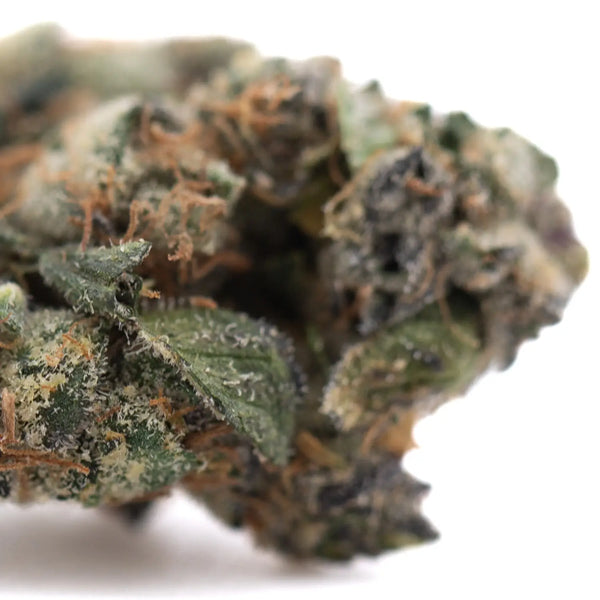
Purple Daiquiri THCA Terpene Profile
Purple Daiquiri's Purple Daiquiri terpenes create a dramatically different aromatic and experiential profile compared to Cola, showcasing how indoor cultivation can maximize terpene diversity and concentration.
Primary Terpene Composition:
Limonene (0.8-1.4%): Unlike Cola's myrcene dominance, Purple Daiquiri features limonene as its primary terpene, explaining the strain's bright, fruity aroma and uplifting effects. This citrus-forward profile contributes mood elevation, stress reduction, and mental clarity—effects many users prefer for daytime or social consumption. The elevated limonene content positions Purple Daiquiri as more energizing compared to Cola's relaxing character.
Caryophyllene (0.5-1.0%): Robust caryophyllene presence adds depth and spice to Purple Daiquiri's aroma while delivering potential anti-inflammatory and pain-management benefits. The higher caryophyllene levels compared to Cola may explain user reports of effective physical relief without excessive sedation.
Myrcene (0.4-0.8%): Present in moderate amounts, myrcene rounds out Purple Daiquiri's effects with gentle physical relaxation that complements rather than dominates the experience. This balanced myrcene content prevents overwhelming sedation while maintaining therapeutic body effects.
Unique Terpene Combinations:
- Linalool (0.2-0.5%): Significantly higher linalool content than Cola adds floral, slightly sweet notes while contributing calming properties that balance limonene's energizing effects
- Pinene (0.2-0.4%): Elevated pinene enhances mental alertness and focus, synergizing with limonene for cognitive clarity
- Ocimene (0.1-0.3%): This fruity, herbal terpene contributes to Purple Daiquiri's complex tropical aroma profile
Total Terpene Content: Indoor cultivation allows Purple Daiquiri to achieve 2.2-3.2% total terpenes—notably higher than most greenhouse-grown strains. This terpene rich hemp flower status maximizes the cannabis entourage effect, where diverse terpenes create effects greater than their individual contributions.
How Terpenes Create Signature Aroma: Purple Daiquiri's name reflects its aromatic profile—expect bright tropical fruit notes with berry undertones, floral complexity, and subtle earthiness. The high limonene and linalool content creates an almost sweet, dessert-like quality that many consumers find exceptionally pleasant.
Effects Attributed to Specific Terpenes: The limonene-forward profile with substantial linalool creates what users describe as "relaxed energy"—mental clarity and mood elevation paired with physical ease. This combination makes Purple Daiquiri versatile for creative work, social activities, or managing stress without drowsiness.
Terpene Preservation During Cultivation: Indoor growing environments allow precise humidity and temperature control during cultivation and curing, crucial for terpene preservation. Purple Daiquiri's cultivation methods protect volatile terpenes that might degrade in less controlled conditions, resulting in more aromatic, flavorful, and therapeutically diverse flower.
Terpene Comparison Chart
Visual Terpene Profile Comparison:
| Terpene | Cola THCA | Purple Daiquiri | Primary Effects |
|---|---|---|---|
| Myrcene | 0.6-1.2% (Dominant) | 0.4-0.8% (Moderate) | Relaxation, sedation |
| Limonene | 0.3-0.7% (Secondary) | 0.8-1.4% (Dominant) | Mood elevation, stress relief |
| Caryophyllene | 0.4-0.8% | 0.5-1.0% | Anti-inflammatory, pain relief |
| Linalool | 0.05-0.15% | 0.2-0.5% | Calming, anti-anxiety |
| Pinene | 0.1-0.2% | 0.2-0.4% | Alertness, memory |
| Total Terpenes | 1.8-2.5% | 2.2-3.2% | Enhanced entourage effect |
Similarities and Differences: Both strains share caryophyllene as a significant component, explaining some overlap in potential pain-relieving properties. However, their dominant terpenes diverge dramatically—Cola's myrcene-forward profile versus Purple Daiquiri's limonene dominance creates fundamentally different experiential directions.
Which Strain Is More Terpene-Rich: Purple Daiquiri's indoor cultivation produces 0.4-0.7% higher total terpene content on average, offering more pronounced aromatic intensity and potentially stronger cannabis terpene effects. This terpene richness translates to more complex flavor profiles and robust entourage effects.
Terpene Diversity Analysis: Purple Daiquiri demonstrates greater terpene diversity with five major compounds at significant concentrations, while Cola focuses on three primary terpenes with minor supporting players. This diversity in Purple Daiquiri may explain user reports of more nuanced, layered effects compared to Cola's more straightforward relaxation profile.
Understanding these THCA terpene profile differences empowers you to predict which strain aligns with your desired experience—whether you prioritize physical relaxation (Cola) or balanced mental-physical effects (Purple Daiquiri).
Effects Breakdown - Cola THCA
Onset Time and Duration: When smoked or vaped, Cola THCA flower effects typically manifest within 2-5 minutes as THCA converts to THC through heat. Users report a gradual onset that builds over 10-15 minutes before reaching peak intensity. Total duration ranges from 2-4 hours depending on consumption method, amount, and individual metabolism, with effects tapering gently rather than dropping sharply.
Physical Effects: Cola's myrcene-dominant THCA terpene profile produces pronounced physical sensations:
- Deep Muscle Relaxation: Users consistently report tension melting from shoulders, neck, and back—benefits likely stemming from myrcene's muscle-relaxant properties combined with THCA's effects
- Body-Centered Sensation: Many describe a pleasant "body high" with warmth spreading through limbs and torso
- Physical Comfort: The caryophyllene content may contribute to general physical ease, making Cola popular among those managing exercise recovery or daily physical demands
- Gentle Sedation: While not overwhelming, Cola's effects lean toward relaxation rather than stimulation, with mild drowsiness emerging 2-3 hours into the experience
Mental Effects: Despite physical-leaning effects, Cola maintains mental functionality:
- Mood Elevation: Limonene's presence contributes noticeable mood brightening without euphoric overwhelm
- Stress Reduction: Users report decreased mental tension and worry, creating space for relaxation or light creative activities
- Maintained Clarity: While relaxed, most users retain clear thinking and communication abilities—the pinene content may prevent excessive mental cloudiness
- Enhanced Present-Moment Awareness: Many describe heightened sensory appreciation and engagement with immediate surroundings
Reported Therapeutic Benefits: Cola's effects profile makes it suitable for:
- Managing physical discomfort after exercise or long workdays
- Reducing stress and mental tension during evening hours
- Supporting healthy sleep patterns when consumed 1-2 hours before bed
- Creating comfortable social experiences without excessive sedation
- Enhancing relaxation during meditation or gentle yoga practices
Best Use Cases Based on Effects: The Cola THCA effects profile suits:
- Evening Unwinding: Perfect for transitioning from work mode to relaxation after dinner
- Weekend Afternoons: Suitable for laid-back social gatherings or solo relaxation
- Recovery Days: Ideal for rest days when managing exercise-related muscle tension
- Creative Projects: The relaxed-yet-functional headspace supports artistic endeavors without deadline pressure
User Experience Patterns: Common experiences include initial gentle mood lift, gradual physical relaxation deepening over 30-45 minutes, peak comfort and ease lasting 1-2 hours, then gentle return to baseline without harsh comedown. Most users can function socially and handle light tasks during Cola's effects, though complex work or driving aren't recommended.
Effects Breakdown - Purple Daiquiri THCA
How Effects Manifest: Purple Daiquiri THCA demonstrates a notably different effects trajectory than Cola, reflecting its limonene-forward terpene profile. Initial effects appear within 3-7 minutes of inhalation, with a slightly faster onset than Cola. The experience builds quickly, reaching peak effects within 15-20 minutes.
Physical Sensations and Benefits: Purple Daiquiri delivers physical effects that users describe as lighter and more energizing than Cola:
- Gentle Body Ease: Rather than deep muscle relaxation, users report comfortable physical lightness without heaviness or sedation
- Reduced Physical Tension: The caryophyllene content provides tension relief focused on shoulders and jaw without full-body sedation
- Maintained Physical Energy: Unlike myrcene-heavy strains, Purple Daiquiri allows normal activity levels—many users report it doesn't interfere with light exercise, walks, or active pursuits
- Enhanced Physical Awareness: Some users note improved body-mind connection, useful for yoga, stretching, or mindful movement
Cognitive and Emotional Effects: Purple Daiquiri's Purple Daiquiri THCA effects shine in mental and emotional domains:
- Mood Elevation: The high limonene content produces noticeable uplift in mood and outlook—users frequently mention increased optimism and positive emotional tone
- Mental Clarity: Unlike sedating strains, Purple Daiquiri maintains cognitive function, with many reporting enhanced focus on engaging tasks
- Stress Relief: Anxiety and worry diminish without drowsiness, creating relaxed mental space for creativity or conversation
- Social Enhancement: The balanced, uplifting profile makes Purple Daiquiri popular for social situations, enhancing conversation and connection
- Creative Stimulation: Many users report enhanced creative thinking and novel perspective-taking
Medical/Therapeutic Applications: The effects profile suggests potential support for:
- Managing daytime stress without impacting productivity
- Supporting mood during challenging periods
- Creating comfortable social experiences for those with social anxiety
- Enhancing creative work or problem-solving tasks
- Maintaining function while managing mild physical discomfort
Ideal Consumption Scenarios: Purple Daiquiri works well for:
- Daytime Use: The balanced, non-sedating profile suits afternoon consumption
- Social Gatherings: Enhances conversation and connection without mental fog
- Creative Work: Supports artistic projects, writing, or brainstorming sessions
- Active Relaxation: Suitable for hikes, museum visits, or engaging activities
- Stress Management: Provides relief without interfering with responsibilities
Consumer Feedback on Effects: User testimonials consistently highlight Purple Daiquiri's versatility—functioning as both a mood enhancer and mild relaxant without strong directional pull. Many appreciate the strain's ability to reduce stress while maintaining mental sharpness, describing it as "functional relaxation" suitable for situations where Cola's sedative qualities would be excessive.
The THCA flower effects duration mirrors Cola at 2-4 hours, though users report more even energy levels throughout rather than gradual deepening sedation.
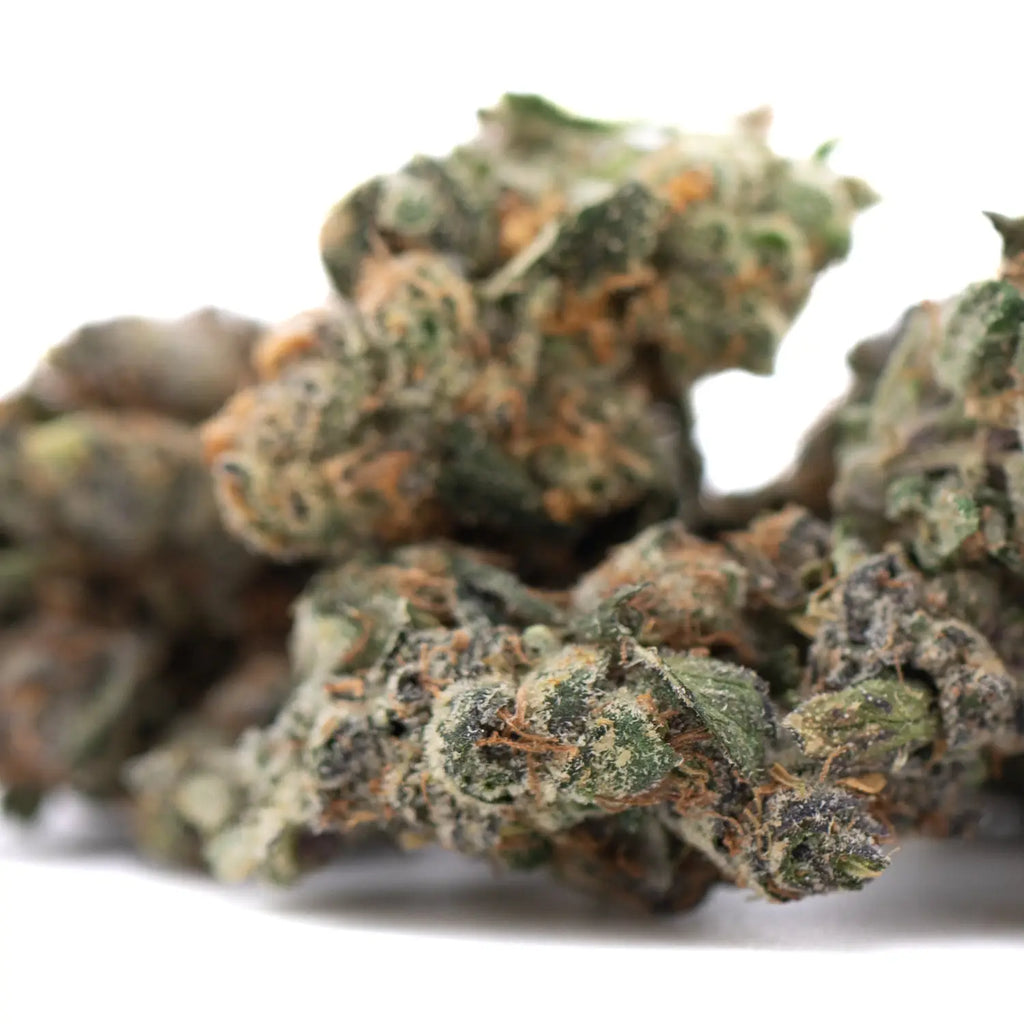
Effects Comparison & The Entourage Effect
How Cannabinoids and Terpenes Work Together: The fundamental principle of entourage effect THCA explains why Cola and Purple Daiquiri produce distinctly different experiences despite similar THCA percentage explained figures. When you consume cannabis, THCA converts to THC, but your experience isn't determined by THC alone—terpenes fundamentally modify how cannabinoids interact with your endocannabinoid system.
Research suggests terpenes influence cannabinoid effects through multiple mechanisms:
- Modifying absorption rates across the blood-brain barrier
- Altering receptor binding at CB1 and CB2 sites
- Influencing neurotransmitter release (serotonin, dopamine, GABA)
- Providing independent therapeutic effects that combine with cannabinoid activity
Why Cola and Purple Daiquiri Feel Different Despite Similar THCA: Both strains deliver 22-30% THCA flower potency comparison figures, yet user experiences diverge significantly:
Cola's Myrcene Dominance (0.6-1.2%) steers THCA's effects toward physical relaxation and sedation. Myrcene appears to enhance THC's ability to cross the blood-brain barrier while independently activating sedative pathways. Combined with moderate caryophyllene for physical comfort, Cola creates what users describe as "couch-lock lite"—deeply relaxing without overwhelming sedation.
Purple Daiquiri's Limonene Leadership (0.8-1.4%) redirects similar THCA content toward mental elevation and maintained energy. Limonene interacts with serotonin receptors, potentially explaining mood-lifting effects, while higher pinene content supports alertness. The result feels fundamentally different despite comparable cannabinoid potency—"relaxed clarity" versus Cola's "grounded relaxation."
The Role of Terpenes in Modulating Effects: Think of THCA as providing intensity and power, while terpenes act as steering mechanisms:
- Myrcene turns the wheel toward rest and physical ease
- Limonene steers toward mental elevation and social engagement
- Caryophyllene adds therapeutic depth through anti-inflammatory action
- Linalool softens edges with calming, anxiety-reducing properties
- Pinene maintains alertness and memory function
When combining Cola's effects with its myrcene-caryophyllene-limonene blend, you get relaxation with mood lift. Purple Daiquiri's limonene-linalool-caryophyllene combination produces uplift with physical ease. Same cannabinoid foundation, dramatically different directional influence.
Individual Variation in Response: The cannabis entourage effect manifests differently for each person based on:
- Endocannabinoid System Differences: Genetic variations in CB1 and CB2 receptor density affect how you process cannabinoids
- Terpene Sensitivity: Some individuals respond strongly to specific terpenes while barely noticing others
- Tolerance Levels: Regular consumers may need higher THCA content to achieve desired effects
- Set and Setting: Your mental state, environment, and expectations influence experience quality
- Metabolism Variations: How quickly your body processes cannabinoids affects duration and intensity
Predicting Effects Based on Chemistry: While individual responses vary, hemp flower chemistry provides reliable guidance:
Choose Cola if you prioritize: Physical relaxation, stress relief, evening use, sleep support, managing muscle tension, unwinding without complete sedation
Choose Purple Daiquiri if you want: Mood elevation, maintained energy, daytime use, social situations, creative work, balanced mental-physical effects
Understanding the full spectrum THCA experience—where multiple compounds work synergistically—transforms strain selection from marketing-driven to science-informed. Both strains offer premium THCA flower options, with chemistry clearly indicating which suits your specific needs.
FAQ Section
Which strain is more potent?
Purple Daiquiri typically tests 1-3% higher in THCA content (24-30% vs. Cola's 22-28%), making it technically more potent. However, perceived potency depends on more than cannabinoid percentages—terpene profiles significantly influence experience intensity. Purple Daiquiri's higher total terpene content (2.2-3.2% vs. Cola's 1.8-2.5%) may enhance effects through the entourage effect, though Cola's myrcene dominance creates more pronounced physical sensations that some users perceive as "stronger." For maximum cannabinoid potency, Purple Daiquiri edges ahead; for physical intensity, many prefer Cola's effects profile.
Do terpenes really make a difference?
Absolutely. Terpenes fundamentally shape your cannabis experience beyond what cannabinoids alone provide. The difference between Cola and Purple Daiquiri demonstrates this clearly—despite similar THCA levels, Cola's myrcene dominance produces relaxing, sedative effects while Purple Daiquiri's limonene-forward profile creates uplifting, energizing experiences. Research confirms terpenes affect neurotransmitter activity, cannabinoid absorption rates, and receptor binding. The cannabis terpene effects aren't subtle—they determine whether a strain relaxes or energizes you, enhances mood or promotes sleep, maintains mental clarity or creates sedation. Always consider terpene profiles alongside cannabinoid content when selecting strains.
How do I read a THCA lab report?
Start with the cannabinoid content analysis section showing THCA percentage—quality flower tests above 20%, with premium strains reaching 25-30%. Verify Delta-9 THC remains below 0.3% for legal compliance. Check the terpene section for total terpene content (1.5%+ indicates quality) and dominant terpenes, which predict effects. Review safety testing for pesticides, heavy metals, and microbials—all should show "ND" (not detected) or below action limits. Note the testing date (fresher is better) and ensure results come from certified third-party laboratories. Calculate total cannabinoids by adding THCA, CBG, CBC, and other compounds—premium flower exceeds 25% total cannabinoids.
Can high THCA content be too strong?
For individuals new to cannabis or with low tolerance, flowers exceeding 25% THCA can produce overwhelming effects if consumed in typical quantities. Start with smaller amounts—one or two small inhalations—and wait 15-20 minutes to assess effects before consuming more. Strongest THCA strains like Purple Daiquiri (24-30%) require respect, particularly for inexperienced users. However, tolerance develops with regular use, and experienced consumers often seek high-potency options. If you find high THCA overwhelming, consider blending with lower-potency hemp flower or CBD-rich strains to moderate effects while maintaining terpene benefits.
Which strain has more terpenes?
Purple Daiquiri contains higher total terpene content at 2.2-3.2% compared to Cola's 1.8-2.5%. This difference stems from indoor cultivation methods that allow precise environmental control for terpene preservation. Higher terpene content typically correlates with more pronounced aroma, complex flavor, and enhanced entourage effects. Purple Daiquiri's terpene richness makes it appealing to consumers prioritizing flavor and nuanced effects. However, Cola's terpene profile, while slightly less concentrated, delivers a focused, effective blend that many users prefer for its straightforward relaxation benefits.
Do effects vary between batches?
Yes, natural variation occurs even within the same strain. Growing conditions, harvest timing, curing processes, and storage all influence final cannabinoid and terpene levels. Quality producers minimize variation through controlled cultivation and standardized practices, but expect 2-5% variation in THCA content between batches. Terpene profiles can vary more significantly—myrcene might range from 0.6-1.2% across different Cola harvests. Always check current batch lab results when possible. Indoor-grown strains like Purple Daiquiri typically show tighter consistency than greenhouse-grown varieties. Despite variations, well-cultivated strains maintain characteristic profiles that deliver recognizable effects across batches.
Conclusion
Understanding hemp flower chemistry—specifically THCA potency and THCA terpene profiles—transforms strain selection from guesswork into informed decision-making. While lab results provide valuable guidance, remember that cannabis experiences remain deeply personal, influenced by individual biology, tolerance, expectations, and environment.
Cola THCA flower offers myrcene-dominant relaxation with balanced mood elevation—ideal for evening unwinding, stress management, and physical comfort. Its greenhouse cultivation produces consistent quality at competitive prices, making it accessible for regular consumers seeking reliable effects.
Purple Daiquiri THCA delivers limonene-forward uplift with maintained clarity—perfect for daytime use, social situations, and creative pursuits. Indoor cultivation maximizes both potency and terpene content, creating complex, nuanced experiences for consumers who appreciate premium quality.
Both strains represent excellent expressions of high potency THCA flower with distinct chemical profiles that predictably influence experiences. The entourage effect THCA ensures these differences matter significantly despite similar cannabinoid percentages.
Lab testing remains essential for verifying quality, potency, and safety. Always purchase from vendors providing current third-party lab results showing cannabinoid profiles, terpene analysis, and safety screening. This transparency ensures you receive clean, potent products that deliver expected effects.
Your ideal strain depends on desired outcomes:
- Physical relaxation without sedation → Cola
- Mood elevation with mental clarity → Purple Daiquiri
- Evening stress relief → Cola
- Daytime functional relaxation → Purple Daiquiri
- Budget-conscious quality → Cola
- Maximum terpene richness → Purple Daiquiri
We encourage exploration based on your specific needs and preferences. Consider trying both strains to experience how terpene variations influence effects despite similar THCA content. Many consumers maintain both in their rotation, selecting based on time of day, planned activities, or desired experiences.
Explore our complete selection of premium THCA flower strains, all backed by comprehensive lab testing and quality guarantees. Whether you choose Cola's grounded relaxation or Purple Daiquiri's uplifting balance, you're selecting from the finest expressions of legal full spectrum THCA flower available in today's market.
Understanding the science behind your choices empowers better experiences and ensures you get exactly what you're seeking from premium hemp flower.


