


What is the Molecular Structure of THCA? A Complete Guide
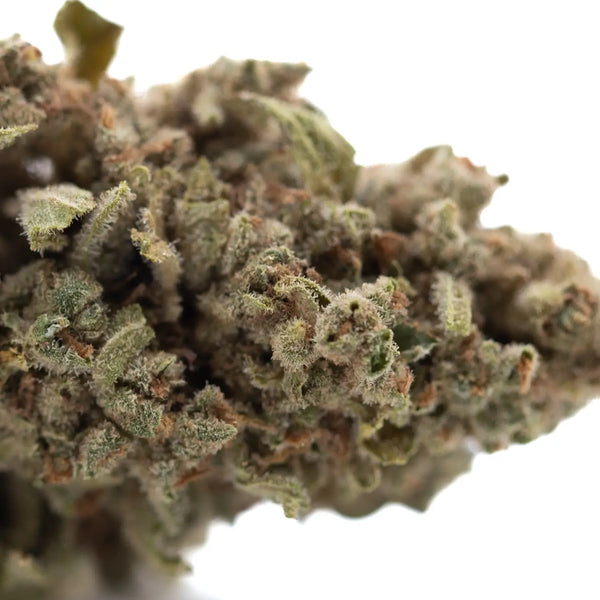
THCA is taking the hemp world by storm, but what exactly makes this cannabinoid tick at a molecular level? While most cannabis consumers focus on effects and potency, understanding the fundamental chemistry behind THCA molecular structure reveals why this compound behaves so differently from its famous cousin, THC. At the heart of THCA's unique properties lies a fascinating molecular architecture that determines everything from its legal status to its therapeutic potential.
In raw, freshly harvested cannabis plants, tetrahydrocannabinolic acid structure dominates the cannabinoid profile, often comprising up to 90% of the total THC content before any heating or processing occurs. This raw form of cannabis has been consumed for centuries in various cultures, yet only recently have scientists begun unraveling the precise molecular mechanisms that make THCA distinct from decarboxylated THC.
Understanding cannabinoid molecular structure isn't just academic curiosity—it has real-world implications for consumers, cultivators, and the legal hemp industry. The molecular differences between THCA and THC explain why raw cannabis won't produce intoxicating effects, why certain storage methods preserve potency better than others, and how federal law currently treats THCA products differently from traditional marijuana.
In this comprehensive guide, you'll discover the complete molecular architecture of THCA, from its exact chemical formula to the three-dimensional arrangement of atoms that gives this cannabinoid its unique properties. We'll break down complex chemistry into accessible concepts, explore how THCA chemical structure influences its behavior in the human body, and examine why this particular molecular arrangement has made THCA one of the most exciting developments in the legal hemp market.
THCA Basics: The Foundation of Cannabis Chemistry
Before diving into molecular details, it's essential to understand what THCA represents in the broader cannabis landscape. THCA stands for tetrahydrocannabinolic acid, a naturally occurring compound biosynthesized in the trichomes of cannabis plants. Unlike THC (delta-9-tetrahydrocannabinol), which has achieved cultural notoriety for its psychoactive effects, THCA exists as the non-intoxicating precursor found abundantly in living, raw cannabis.
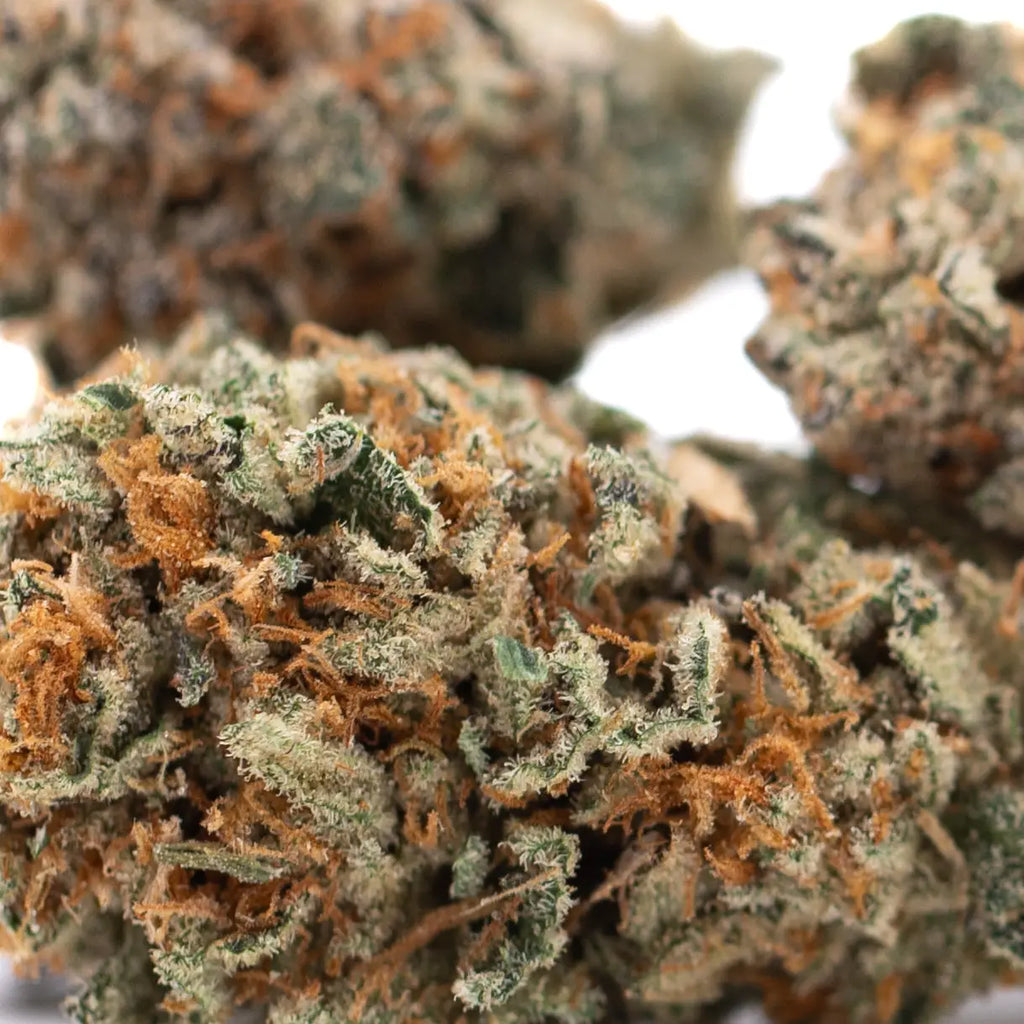
When you examine fresh cannabis flower under magnification, those crystalline trichomes coating the plant surface are factories producing raw THCA structure in abundance. This biosynthesis occurs through a complex enzymatic process where THCA synthase converts cannabigerolic acid (CBGA)—often called the "mother cannabinoid"—into THCA. The resulting compound remains stable in the plant until exposed to heat, light, or extended aging.
The relationship between THCA and THC represents one of nature's most interesting molecular transformations. THCA vs THC structure differs by a single functional group, yet this small molecular variation creates dramatically different effects. THCA cannot bind effectively to CB1 receptors in the brain due to its molecular size and configuration, which prevents the psychoactive effects associated with THC. Only when heat removes a specific molecular component through decarboxylation does THCA transform into the THC molecule capable of producing intoxication.
This precursor relationship explains why raw cannabis consumption—through juicing fresh leaves or consuming unheated flower—produces no high despite potentially containing hundreds of milligrams of total THCA. The what is THCA molecule question fundamentally comes down to understanding it as THC's non-psychoactive parent compound, present in virtually all cannabis varieties before any heating occurs.
The Chemical Formula Breakdown: C22H30O4
The foundation of understanding THCA molecular composition begins with its precise chemical formula: C22H30O4. This notation tells us exactly how many atoms of each element combine to create a single THCA molecule, providing a molecular fingerprint that distinguishes this cannabinoid from all others.
Breaking down THCA chemical formula C22H30O4 reveals the molecular building blocks:
22 Carbon Atoms: Carbon forms the structural backbone of THCA, creating the ring systems and chains that give the molecule its overall shape. These carbon atoms arrange themselves into specific configurations including a phenolic ring system and an alkyl side chain, with several carbons participating in double bonds that contribute to the molecule's stability and chemical behavior.
30 Hydrogen Atoms: Hydrogen atoms attach to the carbon framework, filling available bonding sites and influencing the molecule's three-dimensional shape. The distribution of these hydrogen atoms affects how THCA interacts with other molecules and biological systems. Some hydrogen atoms participate in potential hydrogen bonding, particularly those attached to oxygen atoms in functional groups.
4 Oxygen Atoms: The four oxygen atoms in THCA formula play crucial roles in defining the molecule's chemical properties. These oxygens exist in two distinct functional groups: a carboxylic acid group (-COOH) containing two oxygen atoms, and two additional oxygen atoms integrated into the phenolic ring structure. The carboxylic acid group represents the most significant structural difference between THCA and THC.
The molecular weight of THCA calculates to exactly 358.47 grams per mole (g/mol). This measurement indicates how much one mole (approximately 6.02 × 10²³ molecules) of THCA would weigh, providing a standardized way to quantify the substance in laboratory settings. The THCA molecular weight becomes particularly relevant when analyzing cannabis products, as testing laboratories use this value to convert between different measurement units and calculate potency percentages.
Comparing THCA chemical structure to THC (C21H30O2) illuminates the molecular transformation that occurs during decarboxylation. THC contains one fewer carbon atom, the same number of hydrogen atoms, and two fewer oxygen atoms than THCA. This difference represents the loss of a CO2 molecule (one carbon, two oxygen atoms) when THCA undergoes decarboxylation. The molecular weight drops from 358.47 g/mol to 314.46 g/mol—a loss of 44.01 g/mol, which exactly matches the molecular weight of carbon dioxide.
This formula-level comparison reveals why laboratory testing distinguishes between "total THC" and "THC." Total THC calculations apply a conversion factor (typically 0.877) to THCA content to estimate how much THC would result from complete decarboxylation, accounting for the molecular weight difference between the two cannabinoids.
Key Structural Components: The Molecular Architecture
Understanding cannabinoid molecular structure requires examining the specific functional groups and molecular features that define THCA's architecture. Like all cannabinoids, THCA builds from several key structural components that work together to create its unique properties.
The Carboxylic Acid Group (-COOH): The most distinctive feature of THCA carboxylic acid group sits at position 2 on the molecule's numbering system. This functional group consists of a carbon atom double-bonded to one oxygen atom and single-bonded to a hydroxyl group (-OH). The carboxylic acid represents the defining difference between THCA and THC, adding approximately 44 atomic mass units to the overall molecular weight while dramatically altering the molecule's properties.
This acidic functional group makes THCA a weak acid with a pKa around 4.5, meaning it can donate a proton (H+) under certain pH conditions. The presence of this group affects THCA's solubility properties, making it more soluble in alkaline solutions than in neutral or acidic conditions. More importantly, the carboxylic acid group increases the molecule's overall size and polarity, which prevents THCA from easily crossing the blood-brain barrier and binding to CB1 receptors—the primary mechanism behind THC's psychoactive effects.
The Phenolic Ring System: THCA molecular structure includes a tricyclic core consisting of three connected ring structures. The primary phenolic ring contains a hydroxyl group (-OH) attached directly to the aromatic carbon ring, creating what chemists call a phenol. This phenolic hydroxyl can participate in hydrogen bonding and contributes to THCA's antioxidant properties.
The ring system includes both aromatic and non-aromatic components. The main benzene ring exhibits aromatic stability with delocalized electrons, while the cyclohexene ring contains a double bond that can participate in various chemical reactions. The third ring, a tetrahydropyran structure, incorporates one of the oxygen atoms into its six-membered ring.
The Alkyl Side Chain: Extending from the phenolic ring, THCA contains a five-carbon alkyl side chain (pentyl chain) that significantly influences the molecule's biological activity. Research has shown that cannabinoids with this particular side chain length demonstrate optimal binding to cannabinoid receptors compared to shorter or longer chains. This structural feature is consistent across most major cannabinoids, including CBD, CBG, and their acidic precursors.
Three-Dimensional Spatial Arrangement: While chemical formulas and two-dimensional diagrams provide essential information, the true THCA molecule diagram must account for three-dimensional space. THCA exists as a relatively rigid molecule due to its ring structures, but certain components can rotate around single bonds, creating different conformational arrangements.
The carboxylic acid group can rotate to some degree, potentially allowing the molecule to adopt slightly different shapes. These conformational variations may influence how THCA interacts with enzyme binding sites and receptor proteins. The molecule's overall three-dimensional shape resembles a somewhat twisted, elongated structure with the alkyl side chain extending outward from the main ring system and the carboxylic acid group projecting from the opposite side.
Understanding these structural components helps explain why what is THCA molecule differs so dramatically from THC despite their chemical similarity. The addition of just one carboxylic acid group fundamentally changes the molecule's size, polarity, and biological activity.
What Makes THCA Unique: Molecular Distinctions
The uniqueness of THCA chemical properties stems directly from its molecular architecture, particularly features that distinguish it from decarboxylated THC and other cannabinoids.
The Extra Carboxyl Group Explained: The presence of the -COOH group adds approximately 12% more mass to the THCA molecule compared to THC. This seemingly small addition creates profound differences in molecular behavior. The carboxyl group is polar and hydrophilic (water-attracting), contrasting with the largely hydrophobic (water-repelling) nature of the rest of the molecule. This polarity mismatch affects how THCA dissolves in different solvents and how it moves through biological membranes.
The carboxyl group also makes THCA chemically reactive in ways THC is not. It can participate in esterification reactions, forming esters when reacted with alcohols. It can be neutralized by bases to form carboxylate salts, which may have different solubility and stability properties. These chemical characteristics become relevant in extraction, purification, and formulation processes used in the hemp industry.
Why This Prevents Psychoactive Effects: The molecular size increase from the carboxyl group represents only part of the story behind THCA's non-intoxicating nature. The THCA molecular structure creates steric hindrance—the carboxylic acid group physically gets in the way when THCA attempts to bind to CB1 cannabinoid receptors in the brain.
CB1 receptors have a specific binding pocket designed to accommodate molecules of particular sizes and shapes. THC fits this pocket almost perfectly, with its molecular dimensions and spatial arrangement optimized for receptor activation. THCA, being approximately 44 atomic mass units larger and having a bulky, polar carboxyl group, cannot fit into this binding pocket effectively. The receptor simply cannot accommodate the extra molecular bulk, preventing THCA from triggering the signaling cascade that produces psychoactive effects.
Research using molecular modeling and binding studies has confirmed that THCA has extremely low affinity for CB1 receptors—often more than 100-fold lower than THC. This explains why consuming raw cannabis containing thousands of milligrams of THCA produces no intoxication whatsoever.
Molecular Size and Receptor Binding: Beyond CB1 receptors, tetrahydrocannabinolic acid structure may interact with other biological targets differently than THC. Some research suggests THCA can interact with TRPM8 ion channels and may have effects on PPAR-gamma receptors. The molecule's larger size and different polarity profile create a distinct pharmacological fingerprint, potentially explaining emerging research into THCA's unique properties independent of THC.
Stability in Raw Form: The raw THCA structure demonstrates remarkable stability under appropriate storage conditions. In the absence of heat, light, and oxygen, THCA can remain intact for extended periods. The carboxylic acid group, while making the molecule more reactive in some contexts, actually contributes to stability in the plant matrix.
However, THCA slowly converts to THC over time through a process called decarboxylation, even at room temperature. This conversion accelerates with heat, light exposure, and oxidative conditions. Cannabis stored for months or years will show increasing THC content and decreasing THCA content as this slow conversion occurs naturally.
Chemical Properties: The THCA chemical structure gives it specific chemical properties worth noting:
- Acidity: With a pKa around 4.5, THCA acts as a weak acid, capable of donating a proton in aqueous solutions
- Solubility: THCA shows limited solubility in water but dissolves readily in organic solvents like ethanol, acetone, and various oils. The carboxylic acid group makes it somewhat more water-soluble than THC, particularly in alkaline solutions
- Melting Point: THCA has a melting point around 104-107°C (219-225°F), lower than its decarboxylation temperature
- Optical Activity: THCA is optically active, rotating plane-polarized light due to its chiral centers (carbon atoms bonded to four different groups)
THCA in the Plant: Biosynthesis and Natural Occurrence
Understanding where and how THCA molecular composition originates provides context for its role in cannabis biology and commercial cultivation.
Biosynthesis in Trichomes: Cannabis plants produce THCA in specialized structures called glandular trichomes, which appear as small, mushroom-shaped appendages visible on flower surfaces, leaves, and stems. Within these trichomes, secretory cells contain the enzymatic machinery necessary for cannabinoid production.
The biosynthetic pathway begins with geranyl pyrophosphate and olivetolic acid, which combine to form cannabigerolic acid (CBGA). This "mother cannabinoid" serves as the precursor for all major cannabinoids. Specific enzymes then convert CBGA into different acidic cannabinoids: THCA synthase produces THCA chemical formula C22H30O4, CBDA synthase creates CBDA, and so forth.
THCA Synthase Enzyme Role: The enzyme THCA synthase performs the crucial transformation of CBGA into THCA through an oxidative cyclization reaction. This enzyme exhibits remarkable specificity, reliably producing THCA rather than other possible isomers. The cannabinoid molecular structure results from this precise enzymatic control, which ensures consistent stereochemistry across billions of molecules.
Different cannabis varieties produce varying amounts of THCA synthase, explaining why some strains are "high THC" (actually high THCA) while others produce primarily CBDA or other cannabinoids. Plant genetics determine which cannabinoid synthase enzymes are expressed and in what quantities.
Natural Conversion Factors: While THCA remains stable inside living plant tissue, several environmental factors trigger its conversion to THC:
- UV Light: Sunlight exposure, particularly UV radiation, accelerates decarboxylation
- Heat: Temperatures above 100°C rapidly convert THCA to THC, while even moderate warmth (25-30°C) causes slow conversion over time
- Oxidation: Exposure to oxygen and air promotes gradual decarboxylation
- pH Changes: Extreme pH conditions can destabilize the carboxylic acid group
- Aging: Simply storing cannabis at room temperature causes slow THCA degradation over months
Why Fresh Cannabis is High in THCA: Freshly harvested, properly dried cannabis typically contains 90-95% of its total THC content as THCA molecular structure rather than decarboxylated THC. This acidic form predominates because the living plant maintains optimal conditions for THCA stability, and minimal decarboxylation has occurred.
This biochemical reality underlies the legal hemp industry's embrace of THCA flower products. Federal law defines hemp as cannabis containing less than 0.3% delta-9 THC by dry weight but doesn't explicitly restrict THCA. Products sold as "THCA flower" contain minimal delta-9 THC while offering high THCA content that converts to THC upon heating.
Decarboxylation: The Molecular Transformation
The conversion of THCA vs THC structure represents one of cannabis chemistry's most important transformations, fundamentally altering the molecule's properties and effects.
How Heat Affects Molecular Structure: Decarboxylation—literally "removal of carboxylic acid"—occurs when thermal energy breaks the bond connecting the carboxyl group to the main cannabinoid structure. The THCA chemical structure contains a relatively unstable carbon-carbon bond between the carboxyl carbon and the ring system. When sufficient energy is applied through heating, this bond breaks, releasing a CO2 molecule and leaving behind THC.
The chemical equation for this transformation:
C22H30O4 (THCA) → C21H30O2 (THC) + CO2
The reaction is essentially irreversible under normal conditions—once decarboxylated, THC cannot revert to THCA without laboratory synthesis.
Loss of CO2 Molecule: When the carboxylic acid group detaches, it doesn't simply fall away intact. Instead, the molecule fragments into carbon dioxide (CO2) and a hydrogen atom that bonds with the remaining structure. The THCA carboxylic acid group contains the carbon and two oxygen atoms that form the released CO2, while the hydroxyl hydrogen combines with the carbon atom that previously anchored the carboxyl group.
This molecular rearrangement explains the mathematical relationship between THCA and THC content. Because THCA (molecular weight 358.47) loses 44.01 mass units when converting to THC (molecular weight 314.46), the conversion factor equals 314.46 ÷ 358.47 = 0.877. Laboratory testing uses this factor to calculate "total THC" from measured THCA and THC levels.
Temperature and Time Factors: Decarboxylation kinetics depend heavily on temperature and duration:
- Low Temperature (100-120°C / 212-248°F): Requires 30-60 minutes for substantial conversion; preserves terpenes better but risks incomplete decarboxylation
- Moderate Temperature (120-140°C / 248-284°F): Achieves nearly complete decarboxylation in 20-40 minutes; balances efficiency with terpene preservation
- High Temperature (140-160°C / 284-320°F): Rapid decarboxylation in 10-20 minutes but may degrade THC and terpenes through further thermal breakdown
The optimal decarboxylation temperature depends on intended use. Vaporization typically occurs at 160-220°C, accomplishing decarboxylation and vaporization simultaneously. For edibles and extracts, lower temperatures with longer exposure times often produce better results by preserving desirable compounds while ensuring complete conversion.
Understanding THCA molecular weight changes during decarboxylation helps explain why commercial extraction processes carefully control heating parameters to maximize THC yield while minimizing degradation.
Practical Implications: Why Molecular Structure Matters
The what is THCA molecule question extends beyond academic interest into real-world applications affecting consumers, businesses, and legal frameworks.
Why Molecular Structure Matters for Storage: Understanding THCA's molecular vulnerabilities informs proper cannabis storage practices. The raw THCA structure degrades when exposed to conditions that promote decarboxylation:
- Temperature Control: Store below 21°C (70°F) to minimize spontaneous decarboxylation; freezing preserves THCA indefinitely but requires airtight containers to prevent moisture damage
- Light Protection: Opaque containers prevent UV-induced degradation; clear glass allows light penetration that accelerates THCA conversion
- Oxygen Exclusion: Vacuum sealing or nitrogen flushing removes oxygen that promotes oxidation and decarboxylation
- Humidity Management: 58-62% relative humidity preserves flower quality without promoting mold while maintaining THCA stability
Properly stored THCA flower can maintain 90%+ of its original potency for 6-12 months, while poorly stored product may lose 30-50% potency in the same timeframe.
Impact on Product Testing: Laboratory analysis must account for THCA chemical formula C22H30O4 differences from THC. Testing methods typically measure:
- THCA Content: Quantifies the unconverted acidic cannabinoid
- Delta-9 THC Content: Measures decarboxylated THC already present
- Total THC: Calculates combined potential THC using the formula: (THCA × 0.877) + THC
This total THC calculation matters for legal compliance, as some regulations reference "total THC" while others specifically reference "delta-9 THC." The molecular distinction between THCA and THC creates a technical loophole in current federal hemp regulations, enabling legal sales of high-THCA flower products.
Legal Considerations Based on Structure: The tetrahydrocannabinolic acid structure has created interesting legal dynamics. The 2018 Farm Bill legalized hemp defined as cannabis containing "not more than 0.3 percent delta-9 THC on a dry weight basis." This definition references delta-9 THC specifically, not THCA or total THC.
Consequently, cannabis flower containing 15-20% THCA but less than 0.3% delta-9 THC technically qualifies as legal hemp under federal law, despite converting to high-THC cannabis when heated. This molecular technicality has enabled a thriving legal THCA flower market, though state laws vary widely in how they address this distinction.
Consumer Applications: Understanding molecular structure helps consumers make informed decisions:
- Raw Consumption: Knowing that THCA molecular structure prevents intoxication allows confident use of raw cannabis in juices, smoothies, or salads for those seeking cannabinoid benefits without psychoactive effects
- Heating Methods: Understanding decarboxylation helps optimize consumption methods—vaporization, smoking, or cooking—to achieve desired conversion levels
- Product Selection: Recognizing that "THCA flower" differs from traditional "marijuana" only in its state of decarboxylation helps consumers navigate the legal hemp market
- Dosage Calculations: Applying the 0.877 conversion factor helps estimate THC intake from THCA products
The molecular chemistry underlying cannabinoid molecular structure empowers educated consumption and appreciation of this remarkable plant compound.
FAQ Section: Your THCA Molecular Questions Answered
What is the exact molecular formula of THCA?
The exact THCA chemical formula C22H30O4 indicates each molecule contains precisely 22 carbon atoms, 30 hydrogen atoms, and 4 oxygen atoms. This formula distinguishes THCA from THC (C21H30O2), with the difference representing the carboxylic acid group (-COOH) that defines THCA's acidic nature. Laboratory analysis uses this formula to identify and quantify THCA in cannabis samples through mass spectrometry and chromatography techniques.
How many atoms are in a THCA molecule?
A single THCA molecule diagram contains exactly 56 atoms total: 22 carbon, 30 hydrogen, and 4 oxygen atoms. These atoms arrange themselves in a specific three-dimensional configuration that determines THCA's physical, chemical, and biological properties. To put this in perspective, one gram of pure THCA contains approximately 1.68 × 10^21 molecules, each composed of these 56 precisely arranged atoms.
Is THCA larger than THC molecularly?
Yes, THCA molecular weight measures 358.47 g/mol compared to THC's 314.46 g/mol, making THCA approximately 14% heavier. This size difference results from the additional carboxylic acid group (-COOH) attached to THCA. When THCA decarboxylates into THC, it loses exactly one CO2 molecule (44.01 g/mol), accounting for the mass reduction. This molecular size difference prevents THCA from fitting into CB1 receptor binding sites that THC occupies easily, explaining why THCA doesn't produce psychoactive effects.
What makes THCA acidic?
The THCA carboxylic acid group (-COOH) gives this cannabinoid its acidic properties. This functional group can donate a proton (H+) in aqueous solutions, behaving as a weak acid with a pKa around 4.5. The term "tetrahydrocannabinolic acid" directly references this acidic character. When THCA loses its carboxylic acid group through decarboxylation, the resulting THC is no longer acidic, demonstrating how a single functional group fundamentally changes molecular behavior. This acidity affects THCA's solubility, stability, and interactions with other compounds.
Can you see THCA molecular structure?
While individual THCA molecular structure cannot be seen with conventional microscopes—molecules being far smaller than the wavelength of visible light—scientists can visualize molecular structure through several advanced techniques. X-ray crystallography reveals three-dimensional atomic arrangements by diffracting X-rays through crystallized THCA samples. Computer modeling generates detailed molecular diagrams showing bond angles, lengths, and spatial arrangements. Mass spectrometry and NMR spectroscopy provide data that confirms molecular structure, though these techniques measure properties rather than producing literal images. Chemists represent what is THCA molecule through standardized diagrams showing bonds between atoms, helping visualize structure even though the actual molecules remain invisibly small.
How stable is THCA molecular structure in different conditions?
The raw THCA structure shows excellent stability when protected from heat, light, and oxygen but degrades predictably under adverse conditions. At room temperature in darkness, THCA may lose 2-4% potency per month through slow decarboxylation. At 30°C, this degradation accelerates to 5-8% monthly. Light exposure doubles or triples degradation rates, while temperatures above 100°C cause rapid conversion. Properly stored THCA flower maintains 90%+ potency for 6-12 months, demonstrating the molecule's reasonable stability under appropriate conditions. Understanding these molecular vulnerabilities helps consumers preserve tetrahydrocannabinolic acid structure integrity in stored products.
Does THCA molecular structure affect its bioavailability?
Yes, THCA chemical structure significantly impacts bioavailability. The molecule's larger size, increased polarity from the carboxylic acid group, and hydrophilic character reduce absorption through lipid membranes compared to THC. THCA shows limited oral bioavailability (estimated 6-20%) because the carboxyl group hinders passive diffusion across intestinal barriers. However, raw cannabis consumption still delivers THCA to the bloodstream, albeit less efficiently than THC crosses similar barriers. The molecular structure also affects distribution throughout the body, with THCA showing different tissue accumulation patterns than decarboxylated THC due to differences in lipophilicity and molecular size.
Conclusion: The Molecular Foundation of THCA's Unique Properties
Understanding THCA molecular structure reveals why this cannabinoid has captured such attention in the evolving hemp industry. The precise arrangement of 22 carbon, 30 hydrogen, and 4 oxygen atoms creates a molecule that balances remarkable chemical stability with fascinating transformational potential. That single carboxylic acid group—just three atoms in a molecule of 56—makes all the difference between a non-intoxicating compound legal under federal hemp regulations and THC, the controlled substance that has defined cannabis prohibition for decades.
The THCA chemical formula C22H30O4 represents more than abstract chemistry; it encodes real-world properties affecting everything from legal status to storage requirements to consumption methods. The molecular weight of 358.47 g/mol explains conversion calculations used by testing labs. The three-dimensional spatial arrangement determines biological activity. The THCA carboxylic acid group creates the acidity, polarity, and size characteristics that prevent psychoactive effects while potentially offering unique benefits distinct from THC.
For consumers navigating the expanding world of hemp-derived cannabinoids, molecular knowledge empowers informed decisions. Understanding why raw THCA structure remains non-intoxicating while transforming to psychoactive THC upon heating demystifies THCA flower products. Recognizing how storage conditions affect molecular stability helps preserve product quality. Appreciating the chemical basis for current legal distinctions between THCA and THC provides context for this unique market opportunity.
The story of tetrahydrocannabinolic acid structure continues to unfold as researchers investigate this cannabinoid's full potential. While much remains to be discovered about THCA's biological interactions and therapeutic applications, the molecular foundation remains constant: C22H30O4, a precise arrangement of atoms that makes THCA one of the most intriguing compounds in cannabis chemistry.


