


What is CBD Hemp Flower? Your Complete Guide to CBD Buds
If you've been exploring natural wellness alternatives, you've likely encountered the term "cbd hemp flower" and wondered exactly what it means. As interest in cannabinoid-based wellness continues to grow, more people are asking "what is cbd hemp flower" and whether it might be right for their needs.
CBD hemp flower refers to the smokable buds harvested from cannabis plants that have been specifically cultivated to contain high levels of cannabidiol (CBD) while maintaining minimal tetrahydrocannabinol (THC) content. Unlike marijuana, which can contain significant THC levels that produce psychoactive effects, CBD hemp flower is deliberately bred to stay below the federal legal threshold of 0.3% THC, making it non-intoxicating while still delivering the potential wellness benefits associated with CBD.
The popularity of smoking cbd flower has surged in recent years as consumers seek fast-acting, natural alternatives to traditional CBD products like oils and edibles. Many users appreciate that hemp flower offers the complete plant profile—including cannabinoids, terpenes, and other beneficial compounds—in its most natural form.
In this comprehensive guide, you'll learn everything you need to know about CBD hemp flower, including its legal status across the United States, what effects you can expect, how to identify quality products, the various cbd flower strains available, and where to buy cbd flower from reputable sources. Whether you're completely new to CBD or looking to deepen your understanding, this article will provide the knowledge you need to make informed decisions.
What is CBD Hemp Flower? Understanding the Basics
The Fundamentals of CBD Buds
CBD flower, also commonly referred to as CBD buds, comes from hemp plants rather than marijuana plants. While both hemp and marijuana belong to the Cannabis sativa species, they're legally and chemically distinct categories defined by their THC content. Hemp is classified as cannabis containing 0.3% THC or less on a dry weight basis, while marijuana contains higher THC levels.
The cbd buds you can purchase are harvested from female hemp plants that have been meticulously bred over generations to maximize CBD content while keeping THC levels well below the federal legal limit. These breeding programs have resulted in strains that can contain 10-25% CBD or even higher, representing a remarkable achievement in cannabis cultivation.
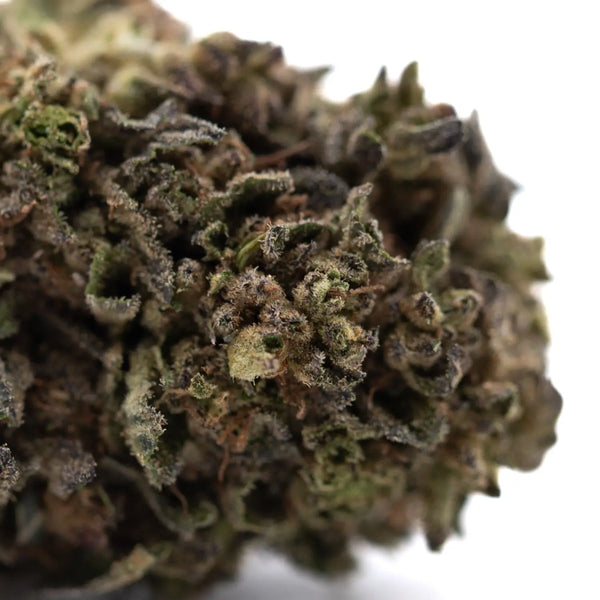
What's fascinating about CBD hemp flower is that it looks, smells, and even tastes virtually identical to traditional cannabis flower. The dense, resinous buds are covered in trichomes—the tiny crystalline structures that house cannabinoids and terpenes. The aromatic terpene profiles can range from citrusy and fruity to earthy and pine-like, depending on the specific strain. However, despite this similarity in appearance and aroma, the effects are distinctly different due to the contrasting cannabinoid ratios.
The Relationship Between Hemp and Cannabis
Understanding the botanical relationship between hemp plants and traditional cannabis helps clarify what makes high cbd hemp unique. Both are varieties of Cannabis sativa, but centuries of selective breeding have created two divergent genetic lines. Hemp has been cultivated for thousands of years for fiber, seeds, and oil production, with growers traditionally selecting plants that grew tall, produced minimal resin, and had low THC content.
Modern high cbd hemp cultivation represents a newer development. Breeders have taken traditional hemp genetics and crossed them with high-resin cannabis varieties, selecting offspring that maintain legal THC levels while dramatically increasing CBD and terpene production. The result is flower that provides the aromatic complexity and dense, resinous structure consumers expect from premium cannabis, but with an entirely different cannabinoid profile.
CBD Content vs THC: Understanding Potency and Effects
CBD Flower Potency Explained
When evaluating cbd flower potency, you'll typically see CBD percentages ranging from 10% to 25%, with some exceptional strains reaching even higher levels. This percentage indicates how much of the dried flower's weight consists of CBD. For example, a strain testing at 20% CBD contains 200 milligrams of CBD per gram of flower.
The THC content in legal hemp flower must remain below 0.3% by dry weight to comply with federal law. This might seem like an arbitrary number, but it's carefully chosen—it's low enough to prevent psychoactive effects while allowing the plant to produce the robust cannabinoid and terpene profiles that contribute to the entourage effect.
This specific ratio of high CBD to minimal THC is what delivers therapeutic potential without intoxication. The CBD content is sufficient to interact with your endocannabinoid system and provide wellness benefits, while the trace THC levels are far too low to produce the euphoric "high" associated with marijuana use.
CBD Flower vs THCA: Key Differences
A common question involves the distinction between cbd flower vs thca. Understanding this difference is crucial for making informed purchasing decisions that align with your needs and legal comfort level.
CBD (cannabidiol) is a non-psychoactive cannabinoid that remains stable when heated. Whether you smoke, vape, or heat CBD flower for any reason, it retains its non-intoxicating properties. THCA (tetrahydrocannabinolic acid), on the other hand, is the acidic precursor to THC. In its raw form, THCA is non-psychoactive, but when exposed to heat through smoking, vaping, or cooking (a process called decarboxylation), it converts to THC, which produces psychoactive effects.
While both CBD flower and THCA flower can be legally sold as hemp products under certain interpretations of federal law (since raw THCA technically isn't THC), they serve very different purposes. If you're seeking wellness benefits without any risk of intoxication—perhaps due to drug testing concerns, personal preference, or sensitivity to THC—CBD flower is the clear choice. The cbd flower vs thca decision ultimately comes down to whether you want psychoactive effects or prefer to avoid them entirely.
The Legal Status of CBD Flower
Federal Legality Under the 2018 Farm Bill
The landscape for legal cbd flower changed dramatically with the passage of the 2018 Farm Bill (Agricultural Improvement Act of 2018). This federal legislation removed hemp from the Controlled Substances Act and established a clear legal framework for hemp cultivation, processing, and sale throughout the United States.
Under this law, hemp is defined as Cannabis sativa L. containing no more than 0.3% THC on a dry weight basis. Any cannabis meeting this definition—including legal cbd flower—is legally distinguished from marijuana and can be grown, processed, transported, and sold across state lines, provided growers and sellers comply with relevant regulations.
This federal legalization represented a monumental shift in cannabis policy and opened the door for the current CBD hemp flower market. Farmers can now obtain licenses to grow hemp, processors can extract CBD and manufacture products, and retailers can sell these products to consumers without running afoul of federal law.
State-Level Variations and Considerations
While CBD hemp flower is federally legal, it's essential to understand that state laws vary, and some states have enacted additional restrictions or requirements. A handful of states have maintained stricter policies around smokable cbd, even though it meets federal hemp standards.
Some states have no additional restrictions beyond federal law, making the purchase and possession of CBD flower straightforward. Others require specific labeling, testing standards, or licensing for retailers. A few states have attempted to ban smokable hemp products specifically, citing concerns about law enforcement's ability to distinguish hemp from marijuana by sight or smell alone.
Before you buy cbd flower, it's wise to verify your state's current stance on smokable hemp products. Regulations can change, and what's permissible today might face new restrictions tomorrow. Reputable online retailers typically provide clear information about shipping restrictions and state-specific regulations to help customers make informed decisions.
The Importance of Compliant Sourcing
The legal protection afforded to CBD hemp flower only applies when products are derived from legally grown hemp and contain compliant THC levels. This is why purchasing from reputable sources that can provide Certificates of Analysis (COAs) from independent laboratories is crucial.
Compliant legal cbd flower must come from licensed hemp cultivators operating under state or tribal hemp programs approved by the USDA. These growers must follow specific cultivation practices, testing protocols, and record-keeping requirements. The flower must be tested for THC content, and batches exceeding 0.3% THC must be destroyed according to regulatory guidelines.
When you purchase from established vendors who prioritize compliance, you're not only protecting yourself legally but also supporting the legitimate hemp industry that operates within regulatory frameworks designed to ensure product safety and consistency.
CBD Hemp Benefits and What to Expect
Potential Wellness Applications
The growing interest in cbd hemp benefits stems from both anecdotal reports and emerging scientific research on CBD's interaction with the human endocannabinoid system. While it's important to note that CBD products are not FDA-approved for treating, curing, or preventing diseases, many users report finding value in CBD flower for various wellness applications.
Stress and Anxiety Relief: Perhaps the most commonly cited reason people turn to cbd hemp flower is for managing everyday stress and promoting a sense of calm. CBD's interaction with serotonin receptors and the endocannabinoid system may contribute to these reported effects, though individual experiences vary.
Sleep Support: Many users incorporate CBD flower into their evening routine, reporting that it helps them unwind and supports healthy sleep patterns. The combination of CBD and sedating terpenes like myrcene in certain strains may contribute to these relaxing effects.
Discomfort Management: CBD has been studied for its potential anti-inflammatory properties, and many people use CBD flower as part of their wellness routine for managing everyday discomfort from physical activity, minor aches, or tension.
General Wellness and Relaxation: Beyond targeting specific concerns, many people simply enjoy cbd hemp flower for general wellness, finding it helps them feel more balanced, centered, and present without any impairment or intoxication.
The Entourage Effect Advantage
One significant advantage of consuming whole cbd flower rather than CBD isolates or even broad-spectrum extracts is the entourage effect. This theory suggests that cannabis compounds work synergistically, with cannabinoids, terpenes, flavonoids, and other phytochemicals enhancing each other's effects when consumed together.
Hemp flower contains dozens of cannabinoids beyond just CBD—including CBG, CBC, CBN, and trace amounts of THC—along with aromatic terpenes like myrcene, limonene, pinene, and caryophyllene. Each of these compounds has unique properties, and their combined presence in whole flower may produce effects that exceed the sum of their individual contributions.
This is why many experienced CBD users prefer flower over isolated CBD products. The full-spectrum nature of flower provides a more complete cannabis experience, potentially offering enhanced benefits while maintaining the non-intoxicating profile that makes CBD appealing.
Understanding CBD Flower Effects
What to Expect When Using CBD Flower
The cbd flower effects you experience will differ significantly from marijuana consumption. Because CBD is non-psychoactive and legal hemp contains minimal THC, you won't experience the euphoric "high," altered perception, or impairment associated with marijuana use.
Instead, most users report cbd flower effects that include:
- A gentle sense of calm and relaxation without sedation or grogginess
- Reduced physical tension in muscles
- A quieter, less anxious mental state
- Improved ability to focus on tasks at hand
- Physical comfort and ease
- General sense of well-being
It's worth emphasizing what CBD flower does NOT typically produce: intoxication, impaired judgment, altered time perception, increased appetite ("munchies"), red eyes, or the paranoia some people experience with THC-rich cannabis.
Onset Time and Duration
One of the advantages of smoking cbd flower compared to edibles or oils is the rapid onset of effects. When inhaled, CBD enters your bloodstream through the lungs almost immediately, with most users reporting they begin noticing effects within 3-5 minutes.
This fast-acting nature makes smoked or vaped CBD flower ideal for addressing acute situations—when you're feeling particularly stressed, experiencing discomfort, or needing to unwind quickly. In contrast, oral CBD products like edibles or capsules must pass through your digestive system and can take 30-90 minutes to take effect.
The effects of smoking cbd flower typically last 2-4 hours, though this varies based on several factors including the strain's potency, how much you consume, your individual body chemistry and metabolism, and your tolerance level if you're a regular user.
Individual Variation and Finding Your Dose
It's important to understand that cbd flower effects can vary significantly between individuals. Factors influencing your experience include your body weight and composition, your endocannabinoid system's unique characteristics, whether you've eaten recently, your stress levels and general health, and whether you regularly use CBD or other cannabinoids.
For newcomers, starting with a small amount—perhaps just a few puffs—and waiting 15-20 minutes to assess effects is the safest approach. You can always consume more if desired, but you can't undo overconsumption. While "too much" CBD flower won't produce dangerous effects or a problematic high, taking more than your body needs simply wastes product without providing additional benefits.
Consumption Methods for CBD Hemp Flower
Smoking: The Traditional Approach
Smoking cbd flower remains the most popular consumption method, offering immediate effects and allowing precise dose control. Common smoking methods include:
Joints: Rolling cbd flower in papers provides a portable, convenient option. Many users appreciate the ritual aspect of rolling and the ability to share with friends. Hemp rolling papers are available in various sizes and can be purchased unflavored or with natural flavorings.
Pipes: Glass, wood, or metal pipes offer a quick, efficient way to smoke CBD flower without the need for rolling papers. Pipes are reusable, easy to clean, and come in designs ranging from simple one-hitters to elaborate artistic pieces.
Bongs: Water pipes cool and filter smoke, potentially making inhalation smoother and more comfortable. Bongs range from small, portable designs to large, complex pieces with multiple percolators and chambers.
Vaporizing for Temperature Control
Vaporizing smokable cbd has gained popularity among health-conscious consumers. Vaporizers heat flower to temperatures that release cannabinoids and terpenes as vapor without combustion, potentially reducing exposure to harmful byproducts created when plant material burns.
Dry herb vaporizers offer precise temperature control, allowing users to target specific cannabinoids and terpenes that vaporize at different temperatures. Lower temperatures (around 315-350°F) tend to provide more alert, clear-headed effects and preserve delicate terpenes, while higher temperatures (375-430°F) extract more cannabinoids and produce fuller effects.
Alternative Consumption Methods
While smoking and vaping are most common, cbd flower is versatile and can be used in other ways:
Making Edibles: CBD flower can be decarboxylated (heated to activate cannabinoids) and infused into butter, oil, or other cooking fats to create homemade CBD edibles. This process requires careful temperature control but allows precise dosing and avoids inhalation altogether.
Creating Tinctures: Whole flower can be used to make alcohol-based or glycerin-based tinctures for sublingual (under-tongue) administration, offering convenience and discretion.
Topical Applications: While less common, some people infuse CBD flower into carrier oils or balms for topical application, though this method doesn't provide systemic effects.
Bioavailability Considerations
The method you choose significantly impacts bioavailability—the percentage of CBD that actually enters your bloodstream. Smoking and vaping cbd flower offer the highest bioavailability (estimated 25-40%), meaning more of the CBD you consume actually reaches your system compared to oral methods (estimated 6-15% bioavailability).
This is why smoking or vaping requires less flower to achieve desired effects compared to making edibles. The trade-off is duration—inhaled CBD acts faster but wears off more quickly than orally consumed CBD, which takes longer to kick in but may provide extended effects.
Exploring CBD Flower Strains and Varieties
Understanding Strain Types
The diversity of cbd flower strains available today mirrors the variety found in traditional cannabis cultivation. Hemp breeders have created numerous strains, each with unique cannabinoid profiles, terpene compositions, and reported effects.
Sativa-Dominant Strains: These varieties tend to produce more alert, energetic effects and are often preferred for daytime use. Popular sativa-dominant CBD strains include Lifter, Elektra, Hawaiian Haze, and Sour Space Candy. Users often report feeling uplifted, focused, and motivated without sedation.
Indica-Dominant Strains: Indica-dominant cbd flower strains typically provide more relaxing, calming effects and are commonly chosen for evening use or when deep relaxation is desired. Examples include Bubba Kush CBD, Special Sauce, Cherry Wine, and Remedy. These strains may help with unwinding after stressful days and supporting sleep.
Hybrid Strains: Hybrids combine genetics from both sativa and indica varieties, offering balanced effects that don't lean heavily toward either stimulation or sedation. Strains like Suver Haze, Abacus, and Berry Blossom fall into this category, providing versatility for use any time of day.
Popular Strains for Different Needs
For Daytime Energy and Focus: Lifter and Elektra are favorites among those seeking CBD's benefits while maintaining productivity. These strains feature bright, citrusy terpene profiles dominated by limonene and pinene, which may support alertness and mental clarity.
For Evening Relaxation: Bubba Kush CBD and Special Sauce excel at promoting relaxation without heavy sedation. Rich in myrcene and caryophyllene, these strains help ease physical tension and quiet racing thoughts.
For Balanced, All-Day Use: Sour Space Candy and Suver Haze offer middle-ground effects suitable for any time. Their balanced terpene profiles provide gentle relaxation combined with mental clarity.
The Role of Terpenes in Strain Effects
While CBD percentage is important, the terpene profile significantly influences each strain's unique character and effects. Terpenes are aromatic compounds that give cannabis its distinctive scents and flavors while also contributing therapeutic properties.
Myrcene: Found in high concentrations in many indica-dominant strains, myrcene has an earthy, musky aroma and may promote relaxation and physical comfort.
Limonene: This citrus-scented terpene is abundant in sativa-dominant varieties and may support elevated mood and stress relief while maintaining mental clarity.
Pinene: As its name suggests, pinene smells like pine trees and may help with alertness and focus while potentially supporting respiratory function.
Caryophyllene: With a peppery, spicy aroma, caryophyllene is unique among terpenes for its ability to interact with cannabinoid receptors and may offer anti-inflammatory benefits.
Understanding these terpenes helps you select cbd flower strains aligned with your goals and preferences.
Identifying the Best CBD Flower: Quality Indicators
Indoor vs Outdoor Cultivation
One factor that significantly impacts quality is cultivation method. Indoor cbd flower is grown in controlled environments where cultivators can precisely manage temperature, humidity, light cycles, and nutrient delivery. This control typically results in:
- Denser, more resinous buds
- Higher cannabinoid and terpene concentrations
- More consistent quality batch-to-batch
- Cleaner appearance free from environmental debris
- Superior trichome development
Outdoor-grown flower can still be high quality but faces environmental variables like weather fluctuations, pests, and contamination risks. However, outdoor cultivation is more sustainable, cost-effective, and some argue produces more complex terpene profiles due to natural sunlight exposure.
Greenhouse cultivation offers a middle ground, combining natural sunlight with some environmental control. When evaluating best cbd flower, consider your priorities regarding quality, price, and environmental impact.
Organic Cultivation Practices
Organic cbd flower is grown without synthetic pesticides, herbicides, or chemical fertilizers. While USDA Organic certification for hemp is still developing, many cultivators follow organic principles and third-party certification programs.
Choosing organic cbd flower matters because:
- Cannabis plants are bioaccumulators, meaning they absorb substances from soil and water—including contaminants
- Pesticides and heavy metals can concentrate in trichomes where cannabinoids are stored
- Organic practices support environmental sustainability and soil health
- Many users report cleaner taste and smoother smoke from organically grown flower
When seeking best cbd flower, prioritize vendors who provide transparency about cultivation practices and can verify claims through laboratory testing.
Visual Quality Indicators
You can assess cbd flower quality through careful visual inspection:
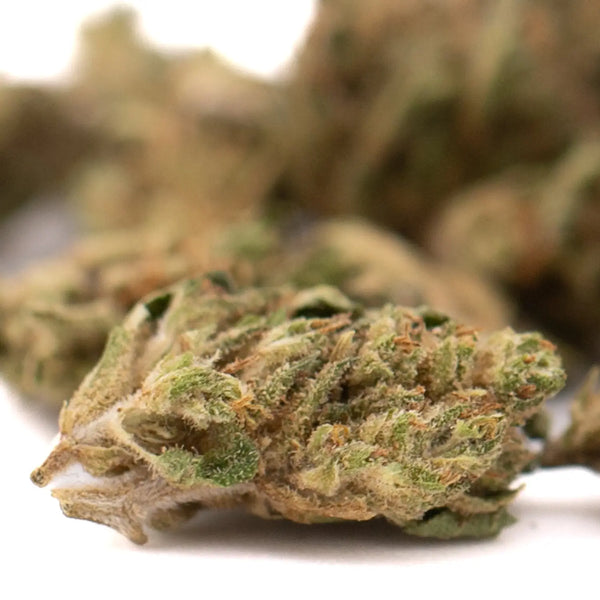
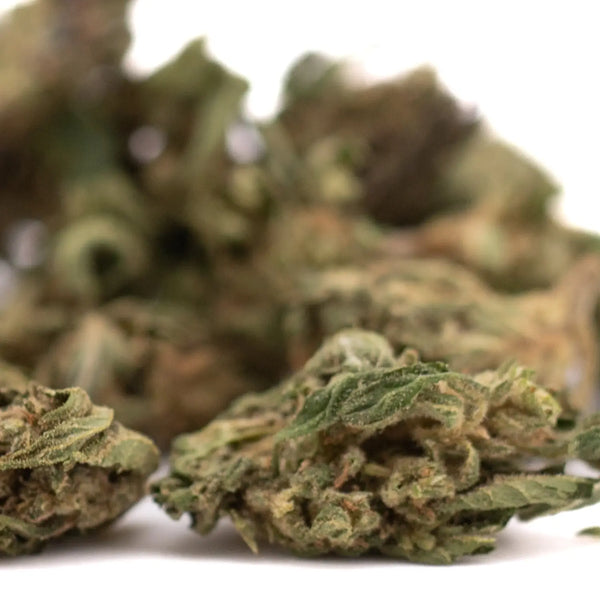
Trichome Coverage: High-quality flower should be frosty with visible trichomes, the tiny crystalline structures containing cannabinoids. Dense trichome coverage indicates proper cultivation and curing.
Color and Appearance: Look for vibrant greens, purples, or other natural colors with bright orange or red pistils (the hair-like structures). Avoid brown, yellowed, or dull-looking buds, which suggest age, improper storage, or poor cultivation.
Bud Structure: Quality buds should be appropriately dense—not so airy that they feel hollow, but not so compressed that they seem artificially compacted. Proper density indicates good genetics and cultivation practices.
Trimming: Well-manicured flower with excess leaf material removed looks more appealing and smokes more smoothly. Hand-trimmed buds generally maintain better trichome integrity than machine-trimmed alternatives.
Aroma and Terpene Profile
Fresh, high-quality cbd hemp flower should have a robust, pleasant aroma. The specific scent varies by strain, but it should be noticeably fragrant—whether citrus, pine, earthy, fruity, or floral.
Weak or absent aroma suggests:
- Old flower where terpenes have degraded
- Improper curing that didn't develop terpene profiles
- Poor genetics or cultivation practices
Conversely, strong unpleasant odors like hay, grass, or mustiness indicate:
- Improper drying or curing
- Moisture issues potentially leading to mold
- Storage in non-ideal conditions
Laboratory Testing and Transparency
Perhaps the most objective quality indicator is comprehensive laboratory testing. The best cbd flower comes with easily accessible Certificates of Analysis (COAs) from ISO-accredited third-party laboratories showing:
Cannabinoid Profile: Exact CBD percentage, THC levels (confirming legal compliance), and other cannabinoids present.
Terpene Analysis: Identification and quantification of terpenes, helping you understand the strain's aromatic profile and potential effects.
Pesticide Screening: Verification that flower is free from harmful pesticides, fungicides, and herbicides.
Heavy Metals Testing: Confirmation that flower doesn't contain dangerous levels of heavy metals like lead, mercury, or arsenic.
Microbial Testing: Screening for mold, mildew, bacteria, and other biological contaminants.
Reputable vendors make these test results readily available on their websites, often with QR codes or batch numbers allowing you to verify specific flower lots.
Where to Buy CBD Flower: Shopping Guide
Online vs In-Store Purchasing
The decision to buy cbd flower online versus in-store depends on your priorities and local options.
Benefits of Buying CBD Hemp Flower Online:
When you buy cbd flower from established online retailers, you typically enjoy:
- Wider Selection: Online stores aren't limited by physical shelf space and can offer dozens of strains, whereas local shops may stock only a handful of options.
- Competitive Pricing: Online vendors often have lower overhead costs than brick-and-mortar stores and can pass savings to customers. Additionally, cbd flower wholesale pricing for bulk purchases is more commonly available online.
- Convenience: Shopping cbd hemp flower online allows you to browse options, read detailed descriptions, review lab results, and check cbd flower review ratings from other customers—all from home.
- Detailed Information: Online retailers typically provide comprehensive product descriptions, growing information, terpene profiles, and cannabinoid percentages that help you make informed decisions.
- Customer Reviews: Reading authentic cbd flower review feedback from other users provides insights you won't get from product descriptions alone.
In-Store Shopping Advantages:
Physical retailers offer:
- Immediate Availability: Walk in, purchase, and use the same day without waiting for shipping.
- Sensory Evaluation: You can visually inspect flower, assess trichome coverage and bud structure, and in some cases smell products before purchasing.
- Personal Service: Knowledgeable staff can answer questions and make recommendations based on your specific needs.
- No Shipping Concerns: Avoid potential shipping issues or delivery delays.
Choosing Reputable Vendors
Whether shopping online or locally, selecting trustworthy vendors ensures product quality, legal compliance, and customer satisfaction. Look for retailers who:
Provide Third-Party Lab Testing: Every product should have an associated Certificate of Analysis from an independent laboratory. COAs should be current (tested within the past year for flower) and easily accessible.
Offer Transparent Sourcing Information: Reputable vendors clearly explain where their hemp is grown, often highlighting domestic cultivation and partnerships with licensed farmers.
Display Clear THC/CBD Percentages: Product pages should prominently show cannabinoid percentages, helping you select appropriate cbd flower potency for your needs.
Maintain Positive Review Ratings: Check independent cbd flower review platforms and the vendor's own reviews. Look for consistent positive feedback about product quality, shipping speed, and customer service.
Demonstrate Industry Knowledge: Quality vendors employ knowledgeable staff or provide detailed educational content, showing their commitment to helping customers make informed decisions rather than simply pushing sales.
Have Reasonable Return Policies: While consumable products can't always be returned once opened, good vendors stand behind their products and will address quality issues appropriately.
Bulk Purchasing and Wholesale Options
For regular users or those looking to reduce per-gram costs, cbd flower wholesale options provide significant savings. Many online retailers offer:
- Bulk Pricing Tiers: Discounts for purchasing larger quantities (ounces, quarter-pounds, pounds)
- Wholesale Programs: Special pricing for retailers, practitioners, or high-volume consumers
- Sampler Packages: Smaller quantities of multiple strains, allowing you to explore variety without committing to large amounts of each
When considering cbd flower wholesale purchases, ensure you have proper storage containers and conditions (cool, dark, dry) to maintain freshness over time.
Checking Shipping Restrictions
Before you buy cbd flower online, verify that the vendor ships to your state. While hemp is federally legal, a few states maintain restrictions on smokable hemp products or require special licensing for retailers.
Reputable online retailers clearly indicate which states they can ship to and often provide explanations for any restrictions. If you're in a state with unclear regulations, contacting the vendor's customer service before ordering can prevent complications.
CBD Flower Potency and Laboratory Testing Deep Dive
Understanding Potency Labels
CBD flower potency information appears on product labels and COAs as percentage measurements. Here's how to interpret these numbers:
Total CBD Percentage: This is the most important number for most consumers. It represents the combined CBD and CBDA (the acidic precursor to CBD) content, calculated to show how much CBD you'll receive after decarboxylation (heating during smoking/vaping). A flower labeled "18% Total CBD" contains 180mg of CBD per gram.
CBD vs CBDA: Raw flower contains mostly CBDA, which converts to CBD when heated. Some COAs show these separately; others only display total CBD. For smoking/vaping purposes, total CBD is the relevant figure.
THC Compliance: Look for "Total THC" or "Delta-9 THC" measurements. Legal hemp must contain less than 0.3% total THC. Most compliant cbd hemp flower tests between 0.05-0.3%, providing enough to contribute to the entourage effect without approaching psychoactive levels.
Other Cannabinoids: Quality COAs also list minor cannabinoids like CBG (cannabigerol), CBC (cannabichromene), and CBN (cannabinol). While present in smaller amounts, these contribute to overall effects.
What Comprehensive COAs Should Include
Complete Certificates of Analysis for best cbd flower include multiple testing panels:
Cannabinoid Panel: Full cannabinoid profile showing all detectable cannabinoids with exact percentages. This panel confirms legal THC compliance and provides the cannabinoid information you need to select appropriate products.
Terpene Panel: Analysis identifying and quantifying terpenes present in the flower. This information helps predict aroma, flavor, and potential effects beyond just CBD content.
Pesticide Screening: Tests for common pesticides, fungicides, and herbicides used in cannabis cultivation. Quality organic cbd flower should show "ND" (none detected) or levels well below action limits for all substances tested.
Heavy Metals Analysis: Screens for arsenic, cadmium, lead, and mercury. Since cannabis bioaccumulates these metals from soil and water, this testing is crucial for consumer safety.
Microbial/Biological Contaminants: Tests for mold, mildew, yeast, and bacteria like E. coli and Salmonella. This panel is especially important for immunocompromised individuals.
Residual Solvents (if applicable): Some processing methods use solvents that must be tested for. This is more relevant for extracts but can apply to flower that's been processed or treated.
How to Verify COA Authenticity
Unfortunately, fraudulent or altered COAs exist in the hemp industry. Protect yourself by:
- Checking for Laboratory Information: Legitimate COAs prominently display the testing lab's name, address, and contact information. You can call the lab to verify results if needed.
- Looking for ISO Accreditation: Reputable labs maintain ISO 17025 accreditation, indicating they meet international standards for testing competence.
- Verifying Batch Numbers: The COA should reference a specific batch or lot number that matches the product you received. Generic or undated COAs are red flags.
- Examining Test Dates: Testing should be relatively recent. For flower, COAs older than 12 months may not accurately represent current product, as cannabinoid and terpene profiles can change during storage.
- Watching for QR Codes: Many vendors include QR codes on packaging that link directly to the specific COA for that batch, making verification easy.
Comprehensive FAQ About CBD Hemp Flower
Q: Is CBD hemp flower legal in all 50 states?
A: CBD hemp flower is federally legal under the 2018 Farm Bill as long as it contains less than 0.3% THC. However, some states have enacted additional restrictions on smokable hemp products despite federal legalization. Most states permit CBD flower without additional restrictions, but a few maintain prohibitions or require special licensing for sales. Always check your specific state's current regulations, as laws continue to evolve.
Q: Will smoking CBD flower make me fail a drug test?
A: Standard drug tests screen for THC, not CBD. High-quality legal cbd flower contains minimal THC (less than 0.3%), which is generally too low to trigger positive results on drug tests. However, regular heavy consumption of hemp flower could theoretically lead to THC metabolite accumulation detectable on sensitive tests. If you face drug testing for employment or other purposes, consider this risk and potentially choose CBD isolate products instead, which contain zero THC.
Q: How is CBD flower different from marijuana?
A: While both come from Cannabis sativa plants, cbd hemp flower is specifically bred to contain high CBD (10-25%) and minimal THC (less than 0.3%), making it non-intoxicating and federally legal. Marijuana contains higher THC levels (often 15-30%) that produce psychoactive effects and remains federally illegal and illegal in many states. They look and smell similar but produce distinctly different effects due to their cannabinoid ratios.
Q: What's the best way to store CBD flower to maintain freshness?
A: Store cbd flower in airtight containers (glass jars with tight seals work excellently) kept in cool, dark, dry locations. Avoid heat, light, and moisture, which degrade cannabinoids and terpenes. Properly stored flower can maintain quality for 6-12 months. Some users add humidity control packets (like Boveda packs) to maintain optimal moisture levels and prevent buds from becoming too dry or developing mold.
Q: Can I travel with CBD hemp flower?
A: Traveling with cbd hemp flower is complicated. Within states where it's legal, transportation is generally permissible. However, TSA agents may not distinguish hemp from marijuana by appearance, potentially leading to complications even with legal products. Domestic flights technically allow legal hemp products, but enforcement varies. International travel with CBD flower is strongly discouraged, as many countries maintain strict cannabis prohibitions regardless of THC content. If traveling, carry COAs proving legal compliance and consider leaving flower at home to avoid hassles.
Q: How much CBD flower should I use?
A: Dosing is highly individual and depends on your body weight, metabolism, tolerance, and desired effects. Beginners should start with just a few inhalations and wait 15-20 minutes to assess effects before consuming more. Many users find that 0.1-0.5 grams (one or two medium-sized hits from a pipe or a few puffs from a joint) provides noticeable effects. Regular users might consume 0.5-2 grams per session. The advantage of smoking cbd flower is that effects appear quickly, allowing you to easily find your optimal dose.
Q: Does CBD flower smell like marijuana when smoked?
A: Yes, cbd hemp flower smells very similar to marijuana both before and during consumption because they share similar terpene profiles. This can create social or legal complications despite CBD flower being legal. If discretion is important, consider vaporizing at lower temperatures (which produces less odor) or using CBD products in other formats that don't involve inhalation.
Q: Can I cook with CBD hemp flower?
A: Absolutely. CBD flower can be decarboxylated (heated to activate cannabinoids) and infused into butter, oils, or other fats for cooking. Decarboxylation typically involves heating ground flower at 220-250°F for 30-45 minutes. The activated flower can then be steeped in fats or alcohol to extract cannabinoids for use in edibles, tinctures, or topicals. This method lets you create custom CBD products while utilizing the full-spectrum benefits of whole flower.
Q: Is CBD flower safe for everyone?
A: While CBD is generally well-tolerated, it's not appropriate for everyone. Pregnant or nursing women should avoid CBD products due to insufficient safety research. People taking medications should consult healthcare providers, as CBD can interact with certain drugs. Individuals with lung or respiratory conditions should avoid smoking and consider alternative consumption methods. Those with severe mental health conditions should discuss CBD use with their healthcare team. As with any wellness product, start with small amounts and monitor your response.
Q: What's the difference between hemp flower and CBD isolate products?
A: CBD hemp flower is the whole, natural bud containing full-spectrum cannabinoids, terpenes, flavonoids, and other plant compounds. CBD isolate products contain pure CBD with all other compounds removed. Flower provides the entourage effect where compounds work synergistically, potentially offering enhanced benefits. Isolate provides precisely measured CBD without THC (important for those avoiding all THC due to drug testing) but lacks the additional compounds found in whole flower.
Q: How can I tell if CBD flower is high quality?
A: High-quality best cbd flower exhibits several characteristics: dense trichome coverage creating a frosty appearance; vibrant colors with minimal brown or yellow; strong, pleasant aroma; proper bud density (not too airy or too compacted); hand-trimmed or carefully manicured appearance; comprehensive third-party lab testing with current COAs; cultivation information from reputable, licensed growers; and positive customer reviews. Price often reflects quality—extremely cheap flower may cut corners in cultivation, curing, or testing.
Q: Can I mix CBD flower with other herbs?
A: Many users blend cbd flower with complementary herbs like mullein, lavender, chamomile, damiana, or mint. This can stretch your supply, modify flavor profiles, or add additional herbal benefits. Ensure any herbs you mix are safe for inhalation and sourced from reputable suppliers. Some users mix CBD flower with high-THC cannabis to moderate psychoactive effects and create custom cannabinoid ratios—though this should only be done where marijuana is legal and you're comfortable with THC consumption.
Conclusion: Making Informed Decisions About CBD Hemp Flower
CBD hemp flower represents a remarkable intersection of traditional cannabis cultivation and modern hemp legislation. For those seeking the potential wellness benefits of cannabis without intoxication, CBD flower offers an appealing option that's both federally legal and widely accessible.
Throughout this guide, we've covered the fundamental aspects of what is cbd hemp flower—from its botanical origins and legal status to consumption methods, effects, and quality indicators. Understanding these elements empowers you to make informed decisions aligned with your wellness goals and personal preferences.
The diversity of cbd flower strains available today ensures there's likely an option suited to your specific needs, whether you're seeking daytime focus, evening relaxation, or balanced effects throughout the day. The key is taking time to explore different strains, start with small amounts to assess your individual response, and pay attention to how various cannabinoid and terpene profiles affect you personally.
When it comes time to buy cbd flower, prioritize vendors who demonstrate commitment to quality through comprehensive third-party testing, transparent sourcing information, and positive customer feedback. Whether shopping for cbd hemp flower online or at local retailers, never compromise on laboratory verification and legal compliance. The extra time invested in researching products and vendors protects both your health and legal standing.
Remember that cbd hemp benefits can vary significantly between individuals. What works excellently for one person might not be ideal for another, and that's perfectly normal. Give yourself permission to experiment with different strains, consumption methods, and dosing approaches to discover what serves you best.
As you explore the world of CBD flower, approach it with curiosity and patience. Start with smaller quantities until you identify strains and vendors you trust. Pay attention to how your body responds to different strains and consumption methods. Keep notes if helpful, tracking which strains provide the effects you're seeking.
Most importantly, view CBD hemp flower as one potential tool in your overall wellness approach—not a cure-all or replacement for professional medical care when needed, but a natural option that many find valuable for managing everyday stress, supporting relaxation, and promoting general well-being.
The CBD hemp flower market continues evolving rapidly, with new strains, improved cultivation techniques, and enhanced product transparency emerging regularly. By educating yourself about what makes high cbd hemp effective and how to identify quality products, you're well-positioned to navigate this dynamic market successfully.
Whether you're just beginning your CBD journey or looking to deepen your understanding, the most important step is the one you take toward finding what works for your unique needs. Explore different cbd flower strains, learn from your experiences, and don't hesitate to adjust your approach as you discover more about how CBD flower fits into your lifestyle.


