


What You Should Know About Purchasing THCA Flowers
The cannabis industry has witnessed an explosion of interest in THCA flower over the past few years, and for good reason. This federally legal hemp product offers a unique experience that bridges the gap between traditional CBD flower and cannabis from dispensaries. However, buying THCA flowers requires significantly more knowledge than picking up standard hemp products. The market has become flooded with vendors of varying quality, and without the right information, consumers can easily waste money on subpar products—or worse, end up with something that fails to meet safety standards.
Many first-time buyers make costly mistakes when purchasing THCA flower because they don't understand what separates premium products from inferior ones. They might be swayed by flashy marketing, rock-bottom prices, or impressive-sounding THCA percentages without knowing how to verify these claims. Some purchase from vendors who can't provide proper lab documentation, while others overlook critical quality indicators that experienced consumers check automatically. These mistakes can result in disappointing experiences, wasted money, and even potential legal complications if state laws aren't properly understood.
This comprehensive THCA flower guide will walk you through everything you need to know to make a safe THCA purchase and secure premium quality products. Whether you're a complete beginner or someone looking to refine your purchasing approach, you'll learn the essential criteria for evaluating vendors, understanding lab results, identifying quality indicators, and navigating the legal landscape. By the end of this guide, you'll have the confidence to make informed decisions and avoid the common pitfalls that trap uninformed buyers.
Understanding THCA Flower Basics
Before diving into how to buy THCA, it's essential to understand what makes this product unique. THCA (tetrahydrocannabinolic acid) is the precursor to Delta-9 THC, the primary psychoactive compound in cannabis. In its raw form, THCA is non-intoxicating, which is why THCA-rich hemp flower can be sold legally under federal law. However, when THCA is exposed to heat through smoking, vaping, or cooking (a process called decarboxylation), it converts to THC and produces effects similar to traditional cannabis.
This conversion process is what makes THCA flower fundamentally different from CBD hemp. While CBD flower contains minimal THC and won't produce intoxicating effects regardless of consumption method, THCA flower transforms when heated. The legal distinction comes down to testing: under the 2018 Farm Bill, hemp must contain less than 0.3% Delta-9 THC by dry weight. THCA flower typically tests well under this threshold in its raw form, even though it may contain 20% or more THCA that will convert to THC when consumed.
This legal gray area makes choosing THCA flower more complex than selecting other hemp products. The product exists in a unique regulatory space—federally legal but subject to varying state interpretations. Some states have explicitly banned THCA flower or created additional restrictions, while others treat it like any other hemp product. This complexity means buyers need to be more diligent about both product quality and legal compliance.
When buying THCA flowers, you're essentially purchasing a product that looks, smells, and functions like traditional cannabis but operates under hemp regulations. This requires understanding not just the product itself, but the testing standards, vendor practices, and state-specific rules that govern the market. It's this unique position that makes THCA purchase advice so critical for anyone entering this market.
Lab Testing - Your Most Important Tool
If there's one non-negotiable rule when purchasing THCA flower, it's this: never buy from a vendor who doesn't provide third-party lab results. THCA flower lab tests serve as your primary protection against contaminated, mislabeled, or illegal products. These Certificate of Analysis (COA) documents tell you everything from cannabinoid content to the presence of harmful contaminants.
A comprehensive COA should include several key components. First, the cannabinoid profile shows the exact percentages of THCA, Delta-9 THC, CBD, CBG, and other cannabinoids present in the flower. This is crucial because the total THC calculation—which adds the potential THC from THCA conversion (THCA × 0.877) to the existing Delta-9 THC—determines federal legal compliance. Second, quality labs test for terpene profiles, which affect both aroma and effects. Third, and perhaps most importantly, safety panels screen for heavy metals, pesticides, residual solvents, mycotoxins, and microbial contaminants like E. coli and salmonella.
Learning to read a COA properly is an essential skill for THCA flower shopping. The document should clearly identify the lab conducting the test, the batch or lot number linking it to your specific purchase, the test date (ideally within six months), and pass/fail results for all safety parameters. Be wary of any vendor who provides lab results that are difficult to access, outdated, or seem to apply to different products than what you're purchasing.
One of the biggest THCA flower red flags is a vendor who can't or won't provide easily accessible lab results. Reputable THCA flower vendors make current COAs readily available on product pages, often with QR codes for instant verification. Some even provide batch-specific results so you can see the exact test results for the flower you're receiving. If a vendor becomes defensive when asked about testing, claims their flower "doesn't need testing," or provides only partial results, these are massive red flags indicating you should shop elsewhere.
To verify lab authenticity, look for accredited third-party laboratories that specialize in cannabis testing. The COA should include the lab's contact information and license numbers. Many labs allow you to verify results directly through their website using batch numbers or QR codes. This verification step is crucial for ensuring a safe THCA purchase, as unscrupulous vendors have been known to alter or fabricate test results.
Visual and Physical Quality Indicators
While lab testing provides scientific verification, your own senses offer immediate quality assessment when buying THCA flowers. Knowing what to look for THCA flower visually can help you identify premium products and avoid disappointing purchases before you even open the package.
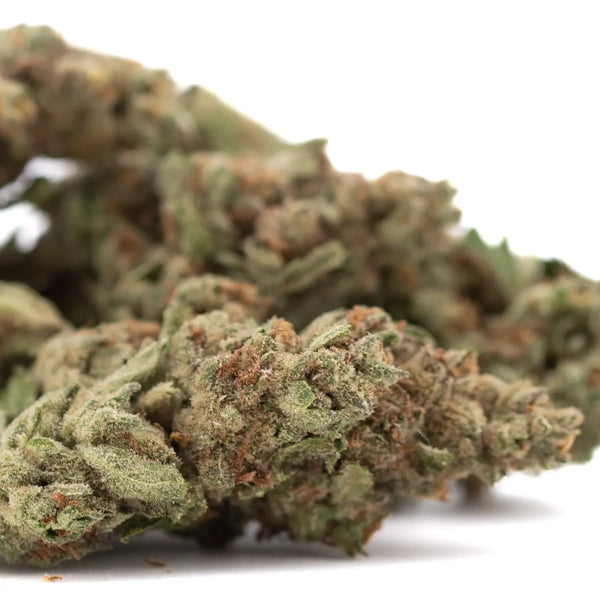
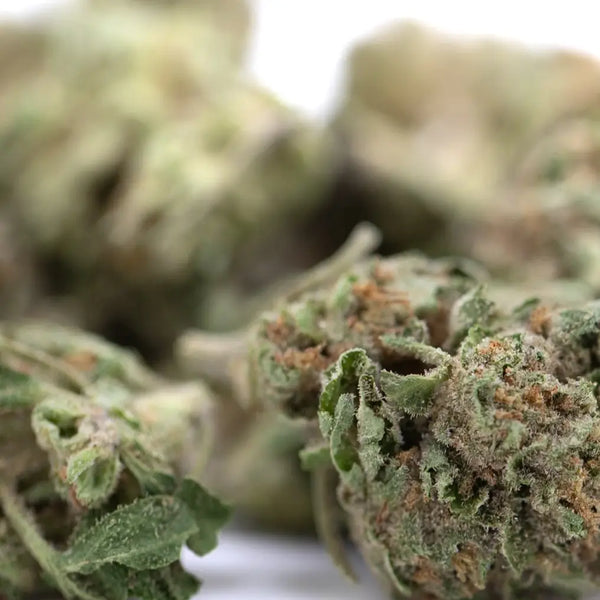
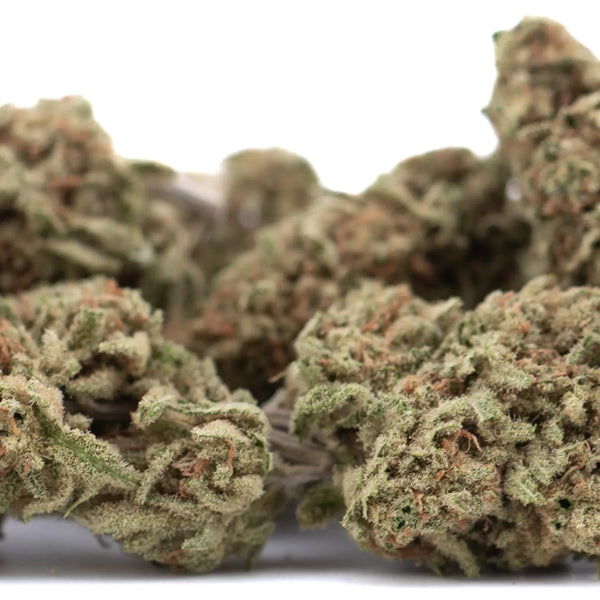
Premium THCA flower should display dense trichome coverage—these tiny, crystal-like structures contain the cannabinoids and terpenes that make the flower valuable. Under good lighting or magnification, you should see a frosty, sparkly appearance coating the buds. Color is another important indicator of THCA flower quality. While strain-specific variations exist, you generally want to see vibrant greens, deep purples, or rich oranges from the pistils. Brown or yellow hues typically indicate age, improper curing, or degraded cannabinoids.
Bud structure tells you about growing conditions and handling. Quality flower should feel dense but springy—not rock-hard (which can indicate artificial compression) or fluffy and airy (which may signal outdoor growing or poor genetics). The trim quality matters too; premium flower has minimal sugar leaves, stems, or seeds. Excessive stems add weight without value, while seeds indicate the plant was stressed or pollinated, which typically reduces cannabinoid production.
Aroma provides crucial information about THCA flower freshness and terpene content. Fresh, properly cured THCA flower should have a strong, complex smell reflecting its terpene profile—whether that's citrusy, piney, earthy, fruity, or skunky. The scent should be pronounced and pleasant. A weak smell suggests age or improper storage, while harsh chemical odors might indicate pesticide contamination or poor flushing before harvest.
Creating a mental THCA flower checklist for visual inspection helps ensure consistency. Before purchasing, examine or request photos showing: trichome density and sparkle, vibrant and appropriate coloring, well-formed bud structure without excessive compression, minimal stems and proper trimming, and visible resin glands. Upon receiving your order, check for the same qualities along with proper moisture content—the flower should feel slightly sticky and break apart with some resistance, not crumble into dust.
The red flags to watch for during THCA flower selection include brittle, crumbly texture indicating the flower is overly dry and has lost potency; musty, hay-like, or absent smell suggesting improper curing or excessive age; visible mold, which appears as white fuzzy patches or dark spots; seeds, which reduce overall quality and potency; and excessive stems or shake, which indicates poor quality control. Any of these issues should prompt you to either request a replacement or choose a different vendor.
Storage and Freshness Considerations
THCA flower freshness dramatically affects both potency and experience. Unlike shelf-stable products, hemp flower is an agricultural product that degrades over time, especially when improperly stored. Understanding storage principles helps you maintain THCA flower quality and informs your purchasing decisions.
THCA and terpenes degrade when exposed to light, heat, oxygen, and humidity extremes. Proper storage requires airtight containers kept in cool, dark places with controlled humidity around 55-62%. Many premium vendors include humidity control packs (like Boveda or Integra Boost) in their packaging to maintain optimal moisture levels. These small packets regulate humidity bidirectionally, releasing or absorbing moisture to keep flower in the ideal range.
When evaluating vendors, ask about harvest dates and storage practices. Reputable THCA flower vendors can tell you when their flower was harvested and how it's been stored. Flower older than six months begins losing potency and aroma, though properly stored flower can remain viable for up to a year. Be skeptical of vendors who can't or won't provide harvest information—this often indicates old stock or poor inventory management.
Packaging quality serves as another THCA flower consideration when selecting vendors. Premium flower should arrive in smell-proof, resealable containers or bags that protect from light and air exposure. Mylar bags with zipper seals, glass jars with airtight lids, or professional cannabis-style containers all indicate a vendor who understands proper storage. Conversely, flower arriving in cheap plastic bags, exposed to light, or without humidity control suggests a vendor cutting corners.
The quantity you purchase affects freshness management too. While bulk purchases often provide better value, buying more than you'll consume in a month or two increases the risk of degradation. Unless you have proper storage containers and humidity control systems, smaller, more frequent purchases from reputable THCA vendors typically ensure you're always enjoying fresh flower at peak potency.
Choosing Reputable Vendors
Vendor selection might be the single most important factor in ensuring a positive experience when buying THCA flowers. The vendor serves as your filter for quality, safety, and legal compliance. A reputable vendor does the hard work of sourcing quality flower, ensuring proper testing, and standing behind their products.
Several key criteria help identify trustworthy THCA flower vendors. Years in business and customer reviews provide social proof—established vendors with hundreds or thousands of reviews have a track record to maintain. Look for detailed reviews mentioning specific strains, effects, shipping speed, and customer service experiences. Be wary of vendors with only five-star reviews or suspiciously similar review language, which often indicates fake testimonials.
Transparent sourcing information distinguishes serious vendors from dropshippers or middlemen. The best vendors can tell you where their flower was grown, which farm produced it, whether it was grown indoors or in greenhouses, and what cultivation practices were used. They're proud of their sourcing relationships and happy to share this information. Vendors who provide vague answers or dodge sourcing questions may be buying from unknown sources or reselling inferior products.
Customer service responsiveness indicates how a vendor will handle issues. Before making a large purchase, test their customer service with questions about products, shipping, or returns. Quality vendors respond promptly with helpful, detailed answers. Slow responses, vague information, or defensive attitudes when asked basic questions are THCA flower red flags suggesting poor customer support when you need it most.
Clear return and refund policies protect buyers from receiving unsatisfactory products. Reputable vendors stand behind their flower with guarantees or return windows, understanding that even with photos and descriptions, hemp flower quality can sometimes disappoint. Policies might include satisfaction guarantees, replacement options for defective products, or partial refunds for quality issues. Vendors who refuse returns under any circumstances or make the return process extremely difficult often know their products don't meet quality standards.
Educational content and expertise separate knowledgeable vendors from simple retailers. The best THCA flower vendors provide strain information, consumption guides, storage tips, and industry education. Their staff can answer questions about terpenes, effects, and optimal uses. This expertise ensures you're buying from people who understand the products they sell rather than commodity brokers moving inventory.
Professional websites with secure checkout might seem basic, but they indicate a vendor's seriousness and financial stability. Look for SSL certificates (the padlock icon in your browser), professional product photography, detailed descriptions, and secure payment processing. Amateur websites with poor design, broken links, or sketchy payment methods suggest operations that might disappear after taking your money.
Where you buy matters for THCA flower shopping. Direct purchases from licensed hemp farms offer maximum transparency and often better prices since you're eliminating middlemen. Established online retailers specializing in THCA and premium hemp products provide curated selections and quality guarantees. In states where it's legal, licensed dispensaries offer in-person inspection and immediate possession, though prices may be higher due to regulatory overhead.
The major THCA flower red flags for vendors include no verifiable contact information or physical address; pressure tactics, artificial scarcity, or "limited time" marketing scams; unrealistic or impossible claims like "500% THCA" or "pharmaceutical grade"; no return policy or impossibly restrictive policies; poor, suspiciously similar, or obviously fake reviews; and prices that are dramatically lower than market rates without explanation.
Price Comparison and Value
Understanding pricing helps you identify the best THCA flower buy and avoid both overpriced products and suspiciously cheap flower that likely cuts quality corners. Like most markets, THCA flower pricing generally reflects quality, though markups for branding or marketing can inflate costs beyond actual value.
Average price ranges for quality THCA flower typically fall between $30-50 per eighth (3.5 grams) for standard offerings, $50-80 per eighth for premium strains or exceptional quality, and $25-40 per eighth when buying larger quantities (ounces or more). Prices below $20 per eighth should raise questions about quality, age, or testing standards, while prices above $80 per eighth need to justify the premium through exceptional quality, rare genetics, or superior growing methods.
Several factors affect pricing in THCA flower shopping. Indoor-grown flower typically costs more than greenhouse or outdoor due to higher production costs, but also usually offers superior appearance, potency, and terpene preservation. Strain rarity influences pricing—common strains like Sour Space Candy or Bubba Kush cost less than rare or newly developed cultivars. THCA percentage correlates with price; flower testing above 25% THCA generally commands premium pricing. Brand reputation and marketing also affect costs, with well-known brands charging more than direct farm sales.
Extremely cheap products serve as major THCA flower red flags. While everyone loves a deal, THCA flower below market rates often indicates old stock, failed testing batches being liquidated, outdoor/greenhouse flower being marketed as indoor, untested or improperly tested flower, or even hemp CBD flower fraudulently labeled as THCA-rich. Quality cultivation, proper testing, and professional operations have real costs—vendors selling significantly below market rates are cutting corners somewhere.
Getting the best THCA flower buy requires strategic shopping. Buying larger quantities almost always reduces per-gram pricing, with ounces or more offering substantial savings over eighths. However, only purchase quantities you'll consume within reasonable timeframes to avoid freshness issues. Compare THCA percentages and total cannabinoid profiles across similar price points—a 23% THCA flower at $45 per eighth may offer better value than a 19% THCA flower at the same price. Don't ignore terpene profiles; sometimes a slightly lower THCA percentage with exceptional terpenes provides a better experience than higher THCA with minimal terpenes.
Watch for sales and promotions from reputable THCA vendors, particularly around holidays or when new harvest batches arrive. Legitimate sales on quality flower can provide excellent value, though be cautious of perpetual "sales" that never end—these often reflect inflated regular pricing. First-time customer discounts, bulk purchase deals, and loyalty programs from established vendors offer legitimate value without sacrificing quality.
A simple THCA purchase advice pricing guide:
- Budget Range ($25-35/eighth): Expect greenhouse or light-dep outdoor flower, lower terpene profiles, THCA 15-20%, basic packaging
- Mid-Range ($40-55/eighth): Quality greenhouse or entry-level indoor, THCA 18-25%, good terpenes, professional packaging, reliable testing
- Premium Range ($60-80+/eighth): Top-tier indoor, THCA 23-30%, exceptional terpenes, rare strains, premium packaging and presentation
The Complete THCA Flower Buying Checklist
Having a systematic THCA flower checklist ensures you don't overlook critical factors when making purchasing decisions. Use this comprehensive guide for THCA flower selection to evaluate both vendors and products.
Before You Buy:
✓ Verify third-party lab results are current (within 6 months) and comprehensive, including cannabinoid profiles, safety screenings for pesticides, heavy metals, and microbials, and accessible through QR codes or batch-specific URLs
✓ Check THCA percentage and total cannabinoid profile to ensure the flower meets your potency expectations, verify legal compliance (total THC under 0.3% in raw form), and compare value across different products and vendors
✓ Review vendor reputation and customer feedback by reading recent reviews (within the last 3-6 months), checking multiple review sources including Reddit, Trustpilot, and Google, looking for detailed reviews mentioning specific strains and experiences, and verifying the vendor has substantial history in the industry
✓ Confirm legal compliance in your state because federal legality doesn't guarantee state legality, some states have banned THCA flower specifically, and age restrictions (typically 21+) apply in most jurisdictions
✓ Compare prices across multiple vendors for similar quality and THCA percentages, considering bulk pricing if you're a regular consumer, and watching for red flags in pricing (too cheap often means quality issues)
✓ Read product descriptions for strain information, including growing method (indoor, greenhouse, outdoor), harvest date or batch information, expected effects and terpene profiles, and origin/farm information
✓ Check shipping policies and packaging methods to ensure discreet shipping if that's important, proper packaging to maintain freshness, reasonable shipping timeframes, and shipping restrictions to your location
Upon Receipt:
✓ Inspect for freshness and quality indicators, checking that trichomes are intact and visible, color is vibrant and appropriate, texture is properly moist (not dry or overly wet), aroma is strong and pleasant, and packaging includes humidity control if promised
✓ Verify product matches lab results by comparing the batch number on packaging to COA, confirming strain name matches what you ordered, and checking that appearance aligns with expected quality
✓ Check packaging integrity to ensure seals are unbroken, no tampering is evident, product hasn't been exposed to light or heat during shipping, and packaging is smell-proof and professional
✓ Smell and visual inspection for red flags, watching for any musty, moldy, or off odors, signs of mold or mildew, seeds or hermaphroditic characteristics, excessive stems or poor trimming, and brittle, dusty texture indicating age
This THCA flower guide checklist should become second nature with experience, but having it available for reference—especially when trying new vendors or strains—helps ensure consistency in choosing THCA flower that meets your standards.
Legal Considerations and State-Specific Issues
One of the most critical aspects of how to buy THCA safely involves understanding the legal landscape. While THCA flower enjoys federal legality under the 2018 Farm Bill, state laws create a patchwork of restrictions and prohibitions that buyers must navigate carefully.
The federal legal framework is straightforward: hemp is defined as cannabis containing less than 0.3% Delta-9 THC by dry weight. THCA doesn't count toward this limit in its acidic form, meaning flower with 25% THCA and 0.2% Delta-9 THC is federally legal hemp. This legal interpretation has opened the market for THCA flower, allowing it to be sold across state lines and through mainstream channels.
However, state-by-state variations create complexity. Some states explicitly ban THCA or high-THCA hemp flower through specific legislation. Others maintain intoxicating hemp bans that could encompass THCA flower despite its non-intoxicating raw form. Still others treat THCA flower like any other hemp product with no additional restrictions. States that have created explicit restrictions or bans on THCA flower include Idaho, Minnesota, Oregon, and others—though this landscape changes frequently as new legislation passes.
Before purchasing THCA flower, research your specific state's current laws. Many vendors maintain updated guides to state-specific hemp laws, but the ultimate legal responsibility rests with you as the buyer. Some vendors won't ship to states with unclear or restrictive laws, protecting both themselves and customers from potential legal issues.
Age restrictions apply universally when buying THCA flowers. Most vendors require customers to be 21 or older, matching the recreational cannabis age limit. Some states with lower hemp age limits still see vendors enforcing 21+ policies as a protective measure. Always be prepared to verify your age during purchase.
Traveling with THCA flower creates additional THCA flower considerations. While TSA focuses on security threats rather than cannabis enforcement, flying with THCA flower remains legally gray. Some travelers report no issues, while others have had product confiscated or faced questions. Driving across state lines with THCA flower means the legality can change from one state to the next, potentially exposing you to possession charges in states where THCA is prohibited.
Understanding the difference between "federally legal" and "available in your state" is crucial for a safe THCA purchase. Federal legality means the product doesn't violate federal controlled substance laws, but states retain the right to create their own restrictions on hemp products. A product can be federally legal but explicitly banned in your state. Always check current state laws before ordering, and when in doubt, consult with a local attorney familiar with hemp legislation.
Strain Selection for Your Needs
Choosing THCA flower extends beyond quality and legal considerations to finding strains that match your preferences and needs. Understanding strain classifications, terpene profiles, and potency considerations helps ensure you select flower that delivers your desired experience.
The traditional indica, sativa, and hybrid classifications provide a starting framework, though modern cannabis science recognizes these categories as simplified. Generally, indica-dominant strains are associated with relaxing, sedating effects and are often preferred for evening use. Sativa-dominant varieties typically offer more energizing, uplifting experiences suitable for daytime consumption. Hybrids blend characteristics of both, offering balanced effects. However, individual brain chemistry and terpene profiles often matter more than these broad categories.
Terpene profiles significantly influence effects and should factor heavily into THCA flower selection. Myrcene, the most common cannabis terpene, promotes relaxation and sedation. Limonene offers mood elevation and stress relief with citrus aromatics. Pinene can enhance focus and alertness while countering some THC-induced memory effects. Caryophyllene provides anti-inflammatory effects and spicy aromas. Quality vendors provide terpene test results alongside cannabinoid profiles, allowing you to select based on the complete chemical composition.
THCA percentage considerations represent another important aspect of THCA flower tips. While higher percentages mean more potential THC after decarboxylation, they don't necessarily guarantee better experiences. Flower with 20% THCA and rich terpenes often provides more satisfying effects than 30% THCA with minimal terpenes—a phenomenon known as the entourage effect. For new users, starting with moderate THCA percentages (15-20%) allows you to gauge tolerance before moving to higher potencies.
Starting with popular, well-reviewed strains reduces the learning curve when you're new to THCA flower shopping. Established cultivars like Sour Diesel, OG Kush, Gelato, Wedding Cake, and Granddaddy Purple have proven genetics and predictable effects. Reading strain-specific reviews helps set expectations and identifies which strains consistently deliver quality across multiple vendors.
Experimenting to find your preferences takes time and patience. Keep notes on strains you try, recording THCA percentage, dominant terpenes, effects experienced, time of day consumed, and overall satisfaction rating. This personal database helps you identify patterns in what works for your individual biochemistry, making future THCA flower selection more targeted and successful.
Conclusion
Purchasing THCA flower successfully requires knowledge, attention to detail, and a commitment to quality over convenience or price alone. The main principles covered in this THCA flower buying guide provide the foundation for making informed decisions that protect both your investment and your wellbeing.
Lab testing remains the non-negotiable cornerstone of safe THCA purchase practices. Never compromise on this requirement, regardless of how attractive a deal might seem. Third-party testing protects you from contaminated products, verifies legal compliance, and confirms you're receiving the potency you're paying for. Any vendor unwilling or unable to provide current, comprehensive lab results should be immediately disqualified from consideration.
Visual and physical quality indicators serve as your immediate assessment tools, allowing you to verify that products meet professional standards. Trichome density, proper color, appealing aroma, appropriate moisture content, and careful trimming all signal flower that's been cultivated, cured, and handled with care. Combined with understanding proper storage and freshness requirements, these quality checks ensure you're consuming flower at its peak potential.
Vendor reputation provides the framework that supports everything else. Choosing reputable THCA vendors with established track records, transparent practices, and genuine customer service creates a foundation of trust. These vendors have everything to lose by cutting corners, making them reliable partners in your THCA flower journey.
Price reflects quality in most cases, though not always perfectly. Understanding market rates helps you identify legitimate value versus false economy. Remember that high-quality cultivation, proper testing, professional packaging, and reliable customer service all have real costs. Vendors offering significantly below-market pricing are almost certainly compromising somewhere—on quality, testing, freshness, or customer protection.
Legal compliance ultimately rests on your shoulders as the buyer. While vendors should refuse to ship to prohibited states, you must verify that THCA flower is legal in your jurisdiction before ordering. Stay current with changing state laws, understand the distinction between federal legality and state permission, and err on the side of caution when legality is unclear.
Purchasing THCA flower doesn't have to be overwhelming when you know what to look for and which questions to ask. Use this THCA flower guide as your reference point for every purchase. Don't rush decisions based on limited-time offers or marketing pressure. Take the time to research vendors, review lab results, compare options, and make informed choices that align with your needs and values.
The THCA flower market continues evolving rapidly, with new vendors, strains, and products entering regularly. Staying informed through industry news, customer reviews, and educational resources helps you adapt to this changing landscape while maintaining high standards. Connect with communities of fellow consumers, share experiences, and learn from others' successes and mistakes.
Bookmark this THCA flower buying guide for reference before your next purchase. When you're ready to explore premium, lab-tested THCA flower from a trusted source, visit our curated THCA flower collection where every product meets the quality standards outlined in this guide. Subscribe to our newsletter for strain reviews, buying tips, industry updates, and exclusive offers on the highest-quality THCA flower available.
Making informed purchasing decisions protects you from the common pitfalls that plague this market: substandard flower, unscrupulous vendors, legal complications, and disappointing experiences. Armed with the THCA purchase advice and comprehensive THCA flower tips provided here, you can navigate the THCA flower market with confidence, securing premium products that deliver the quality, safety, and experiences you deserve.
Frequently Asked Questions About Purchasing THCA Flower
Q: How do I verify that THCA flower lab results are legitimate? A: Check that COAs come from accredited third-party labs, verify batch numbers match your product packaging, use QR codes to access results directly from lab websites, and confirm test dates are recent (within 6 months). Contact the testing lab directly if you have concerns about authenticity.
Q: Is THCA flower legal in all 50 states? A: No. While federally legal under the 2018 Farm Bill, several states have banned or restricted THCA flower. Always check your specific state's current hemp laws before ordering.
Q: What's more important: high THCA percentage or rich terpene profile? A: Both matter, but terpenes often contribute more to the overall experience through the entourage effect. Moderate THCA with excellent terpenes typically provides better results than high THCA with minimal terpenes.
Q: How long does THCA flower stay fresh? A: Properly stored in airtight containers with humidity control at 55-62% relative humidity, THCA flower maintains quality for 6-12 months. Without proper storage, degradation begins within weeks.
Q: Should I buy THCA flower in bulk to save money? A: Only if you'll consume it within reasonable timeframes and have proper storage. Buying a year's supply saves money but risks degradation unless you maintain optimal storage conditions.
Q: What should I do if THCA flower arrives dry or with quality issues? A: Contact the vendor immediately with photos documenting the issues. Reputable vendors offer replacements or refunds for legitimate quality complaints. This is why choosing vendors with good return policies matters.
Q: Can I travel on airplanes with THCA flower? A: Legally gray area. While federally legal, TSA and local law enforcement may not distinguish between THCA flower and cannabis. Many travelers report no issues, but risk remains, especially when flying to/through states where THCA is restricted.
Q: How do indoor, greenhouse, and outdoor THCA flower differ? A: Indoor typically offers superior appearance, trichome density, and terpene preservation but costs more. Greenhouse provides middle ground with better quality than outdoor at moderate prices. Outdoor costs least but often has lower terpene content and less visual appeal.how to buy thca


