


What is Exotic THCA Flower? Understanding Premium Cannabis Genetics
In the rapidly evolving world of legal hemp, few terms capture the imagination of cannabis connoisseurs quite like "exotic THCA flower." These aren't your everyday hemp buds found at every dispensary or online shop—they represent the pinnacle of cannabis cultivation, breeding artistry, and genetic preservation. But what exactly transforms ordinary hemp flower into something deserving of the "exotic" designation? The answer lies in a fascinating combination of rare genetics, exceptional cultivation practices, and characteristics so distinctive they create experiences you won't find anywhere else.
Understanding what is exotic THCA requires looking beyond marketing buzzwords to examine the genuine qualities that set these flowers apart. From limited-release genetics that took breeders years to perfect, to terpene profiles so unique they can't be replicated, exotic hemp flower represents the convergence of botanical artistry and chemical complexity. This comprehensive guide explores the genetics behind premium exotic THCA, how to identify authentic quality, the most sought-after strains, and what you need to know before investing in these premium products.
What Makes THCA Flower "Exotic"?
The term "exotic" gets thrown around liberally in cannabis marketing, but genuine exotic cannabis THCA meets specific criteria that justify both the designation and the premium pricing. Understanding these distinctions helps consumers navigate an increasingly crowded marketplace where authentic rarity competes with clever branding.
At its core, exotic status stems from genuine scarcity combined with exceptional quality. Exotic THCA buds typically feature genetics that aren't widely available—perhaps a limited phenotype from a renowned breeder, a carefully preserved landrace expression, or a competition-winning cut that only a handful of cultivators possess. This rarity isn't artificially manufactured through marketing; it's inherent to the genetics themselves and the limited number of growers who have access to these cultivated treasures.
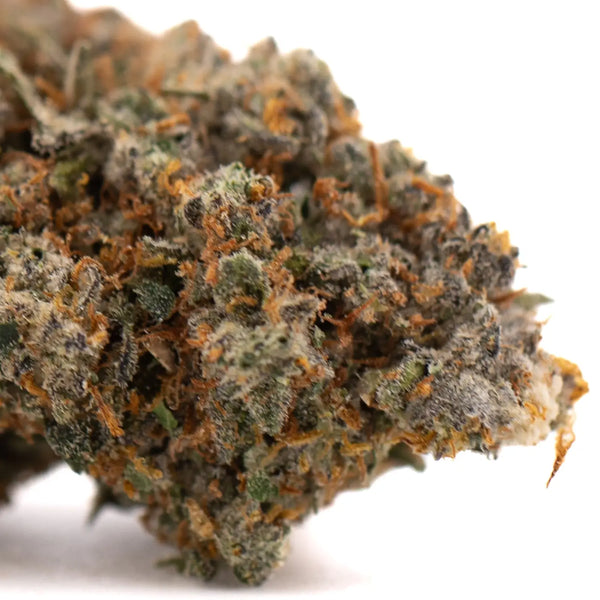
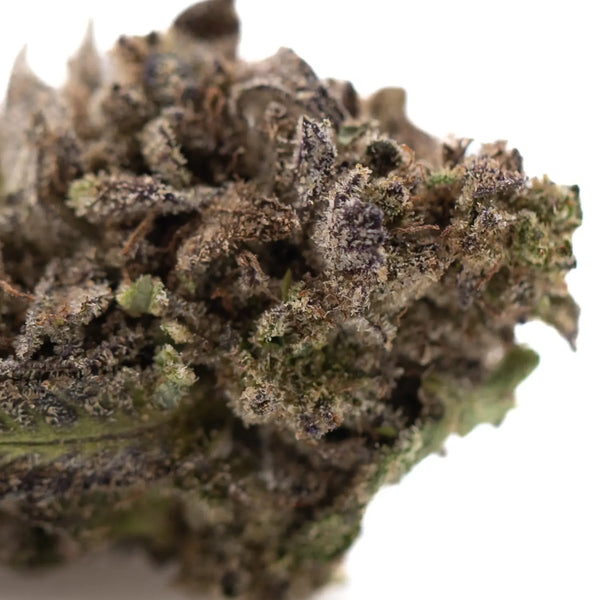
Visual distinction serves as the first indicator of exotic quality. These flowers command attention with characteristics that separate them from commercial hemp: unusual color expressions ranging from deep purples and vibrant pinks to nearly black hues, bud structures that deviate from standard formations, and trichome coverage so dense it creates a frosted appearance that practically glows under proper lighting. The rare THCA strains achieving exotic status often display these visual markers so prominently that even untrained eyes can appreciate their exceptional nature.
Terpene profiles represent another defining characteristic of exotic THCA genetics. While commercial strains might feature familiar scent profiles—pine, citrus, or earthy notes—exotic varieties present complex aromatic experiences that challenge description. You might encounter unusual combinations like tropical fruit mixed with fuel, floral notes with creamy undertones, or spicy profiles with unexpected sweetness. These distinctive terpene expressions result from rare genetic combinations and meticulous cultivation practices that preserve and enhance these aromatic compounds.
The cultivation approach for exotic varieties differs fundamentally from commercial hemp production. Top shelf exotic THCA comes from small-batch cultivation where growers can dedicate individual attention to each plant, adjusting nutrients, light exposure, and environmental conditions to coax out the most exceptional expression of the genetics. This artisanal approach stands in stark contrast to large-scale commercial operations where efficiency and consistency take precedence over maximizing each plant's unique potential.
Effects and experience separate exotic flowers from premium and standard grades as well. The combination of unique cannabinoid ratios and rare terpene profiles creates effect experiences that enthusiasts describe as memorable and distinct. Some exotic flower THCA varieties deliver cerebral clarity paired with physical relaxation in ways that feel qualitatively different from more common strains, while others provide energy and focus with none of the anxiety that sometimes accompanies high-potency products.
It's crucial to distinguish between genuine exotic designation and marketing language. True exotic status requires verifiable rarity—limited genetic availability, exceptional phenotype expression, or documented breeding lineage. A strain isn't exotic simply because a vendor labels it as such or charges premium prices. Authentic exotic THCA quality comes with provenance: information about genetic origins, breeder details, and characteristics that explain why this particular flower deserves special recognition.
The price premium associated with exotic varieties reflects genuine market dynamics rather than arbitrary markup. When a cultivator can only produce limited quantities of a particular genetic expression, when the cultivation requires exceptional skill and resources, and when consumer demand significantly exceeds supply, higher pricing becomes inevitable. However, this premium should correlate with tangible quality differences—not just clever branding and attractive packaging.
The Genetics Behind Exotic Strains
The story of exotic THCA strains begins with genetics, the foundational code that determines a plant's potential for creating something truly special. Understanding the genetic origins of exotic varieties reveals why certain flowers command such attention and respect from cannabis connoisseurs.
Landrace genetics form one pathway to exotic status. These are pure, geographically isolated cannabis varieties that developed over centuries in specific regions—Thai sativas from Southeast Asia, Afghan indicas from the Hindu Kush mountains, Colombian varieties from South American highlands. While pure landrace expressions in compliant THCA hemp remain relatively rare, their genetic influence appears in many modern exotic varieties. Breeders incorporate these foundational genetics to introduce unique terpene profiles, unusual growth characteristics, and effects that recall cannabis's diverse geographical heritage. The rarity and historical significance of landrace genetics contribute significantly to exotic designation when these lineages appear in contemporary hemp varieties.
Limited breeder releases represent another source of rare exotic THCA. Renowned breeding collectives like Cookies Fam, Jungle Boys, Compound Genetics, and others occasionally release genetics to a select group of cultivators. These limited drops might represent years of selective breeding work, phenotype hunting through hundreds or thousands of plants, and stabilization efforts to ensure consistent quality. When a cultivator gains access to these exclusive genetics and successfully expresses them in compliant THCA hemp, the resulting flowers carry inherent exotic status based on their pedigree and limited availability.
Competition-winning phenotypes offer yet another path to exotic recognition. Cannabis competitions identify exceptional examples of particular strains—individual plants that express genetics in ways that set them apart even from other examples of the same variety. When cultivators preserve these winning phenotypes through cloning and incorporate them into their THCA hemp production, they're maintaining genetic expressions that judges recognized as extraordinary. These competition cuts often display characteristics that made them stand out: exceptional terpene production, unique visual appeal, or perfectly balanced effects that showcase the strain's best qualities.
The phenotype hunting process itself deserves understanding when exploring exotic THCA varieties. Even with stable genetics, individual plants within a crop express traits differently—a phenomenon known as phenotypic variation. Professional breeders germinate dozens or hundreds of seeds from the same genetic cross, carefully evaluate each plant through the full growth cycle, and identify the exceptional individuals that warrant preservation. This labor-intensive process might yield only one or two keeper phenotypes from hundreds of candidates, and these rare expressions become the basis for exotic cultivation programs.
Consider the genetic journey of strains like Zkittlez, which combines Grape Ape and Grapefruit genetics to create a terpene profile dominated by sweet, fruity notes that deviate dramatically from typical cannabis aromas. Or Jealousy, a cross of Gelato 41 and Sherbert Bx1 that produces striking purple coloration and a complex flavor profile mixing cream, fruit, and slight funk. Permanent Marker, combining Biscotti with Jealousy and Sherb Bx, delivers such intense terpene production that its aroma fills rooms. Wedding Cake, bred from Triangle Kush and Animal Mints, creates a vanilla-frosting sweetness layered over earthy kush undertones. Each of these represents careful breeding work that produced something genuinely distinctive.
Small-batch genetic preservation plays a crucial role in maintaining exotic status. Unlike commercial strains propagated widely across the industry, truly exotic genetics often remain in the hands of a limited number of cultivators who preserve them through selective cloning. This intentional scarcity maintains both genetic integrity and exotic designation. When a cultivator shares these genetics, they typically do so selectively, ensuring the recipient understands the value and responsibility of maintaining the line's quality and limited distribution.
The relationship between genetics and terroir also influences exotic expression. The same genetic cut grown in different environments can produce noticeably different results. Exotic cultivators understand that maximizing a strain's potential requires matching cultivation conditions to genetic preferences—some genetics thrive with specific nutrient ratios, others demand particular light spectrums or temperature ranges. This specialized knowledge and willingness to optimize conditions for each genetic variety, rather than forcing all strains through identical cultivation protocols, enables the exceptional expression that defines exotic THCA genetics.
Identifying Exotic Quality
Distinguishing authentic exotic THCA buds from marketing hype requires developing an eye for quality markers that indicate genuine rarity and exceptional cultivation. While laboratory testing provides objective data, visual, aromatic, and structural characteristics offer immediate insights into a flower's exotic credentials.
Visual assessment begins with bud structure and coloration. Exotic varieties often display structures that deviate from the standard dense nugget form—some feature elongated, spear-shaped colas with foxtailing calyxes, others present as tightly stacked, golf-ball-dense nugs with unusual symmetry. Color expressions range far beyond standard green: deep purples that appear almost black, bright pinks and reds, orange hues that seem to glow, or even albino expressions with cream and white tones. These dramatic color variations result from specific genetic expressions enhanced through cultivation techniques like temperature manipulation during flowering, but the genetic potential must exist first.
Trichome coverage and quality serve as perhaps the most reliable visual indicator of exotic status. Top shelf exotic THCA displays trichome density that creates a frosty, crystalline appearance across all flower surfaces—not just the outer calyxes, but deep into the structure where smaller leaves emerge. Under magnification, these trichomes should appear milky white or slightly amber, standing tall on intact stalks rather than collapsed or damaged. The trichome heads should be bulbous and full, indicating proper harvest timing and careful handling. Extensive trichome coverage reflects both genetic potential and cultivation expertise, as maximizing these resin-producing structures requires optimized environmental conditions and proper nutrition throughout flowering.
Cure quality profoundly impacts the exotic designation. Properly cured exotic flower THCA maintains structural integrity—the buds should be neither too dry nor too moist, offering slight resistance when squeezed but springing back rather than crumbling or staying compressed. The exterior should show minimal degradation; excessive dryness, brittle textures, or a "hay" smell indicate cure problems that diminish exotic status regardless of genetic quality. Color should remain vibrant rather than faded brown, another indicator of proper curing, storage, and handling from harvest through packaging.
Aromatic evaluation provides crucial information about exotic THCA terpenes. Before opening the container, assess the seal—proper packaging preserves volatile terpene compounds that provide aroma. Upon opening, the initial burst of scent should be pronounced and complex, not faint or one-dimensional. Exotic varieties present layered aromatic experiences: an initial impression followed by secondary notes as the bouquet develops, often with surprising elements that keep the nose engaged. Common descriptors for exotic terpene profiles include combinations like tropical fruit with diesel fuel, creamy vanilla with sharp citrus, or floral notes mixed with spicy pepper and earth. The intensity matters as much as the complexity—exotic flowers should command attention with their aroma even before consumption.
Breaking apart the flower reveals additional quality markers. The interior structure should mirror external trichome coverage—no dry, trichome-less centers that indicate immature development or poor genetics. The stems should snap cleanly rather than bending, indicating proper moisture content. Fresh, vibrant coloration throughout the bud structure confirms quality preservation from harvest through packaging. Dense packing without excessive compression suggests careful handling and proper curing techniques.
Red flags that contradict exotic claims include generic or inconsistent labeling without specific strain information, poor packaging that allows light exposure and air infiltration, visible mold or degradation, excessive dryness indicating old stock or improper storage, and any musty or off-putting odors that suggest contamination. Additionally, if vendor descriptions emphasize exotic status without providing details about genetics, breeder information, or cultivation methods, skepticism is warranted—genuine exotic THCA quality comes with provenance and transparency.
Effects & Potency
A common misconception about exotic THCA flower equates exotic status with maximum THC percentages, but experienced consumers understand that exotic THCA potency encompasses far more than simple cannabinoid concentration. The exotic designation reflects qualitative experiences that come from the sophisticated interplay between cannabinoids, terpenes, and other compounds working in concert through the entourage effect.
While many exotic varieties do feature impressive THCA percentages—often ranging from 20% to 30% or higher—potency alone doesn't create exotic status. A commercially grown strain might test at 28% THCA yet deliver effects that feel generic or one-dimensional. Conversely, an exotic variety testing at 22% THCA but featuring a rich terpene profile with unusual combinations might create a more memorable, nuanced experience. This distinction highlights why connoisseurs seek rare exotic THCA rather than simply chasing the highest test numbers.
The unique effect profiles of exotic genetics stem from their rare terpene combinations and ratios. Terpenes like myrcene, limonene, caryophyllene, linalool, and dozens of others contribute distinct characteristics that shape how cannabinoids affect the body and mind. Exotic strains often feature unusual terpene dominance or combinations rarely found in commercial varieties. For example, a strain might combine high limonene content (typically associated with uplifting, energetic effects) with significant amounts of linalool (known for calming, sedative qualities), creating a balanced experience that provides mental clarity without anxiety or physical relaxation without sedation.
The exotic THCA effects that enthusiasts seek often include subtlety and sophistication. Rather than overwhelming psychoactivity, many exotic varieties provide nuanced experiences: enhanced sensory perception without distortion, creative mental states that remain functional, or profound relaxation that doesn't impair awareness. These refined effects result from the complex chemical profiles that genetic rarity and expert cultivation make possible.
Quality over quantity represents a guiding principle for exotic flower consumption. Because these varieties offer such distinctive and potent experiences, consumers often find they need less product to achieve desired effects compared to commercial alternatives. This efficiency, combined with the memorable nature of the experience, helps justify the premium investment in luxury exotic THCA. A smaller amount of truly exceptional flower providing superior results represents better value than larger quantities of mediocre product requiring higher consumption for comparable effects.
The entourage effect takes center stage with exotic genetics. This phenomenon, where cannabinoids and terpenes work synergistically to create effects greater than the sum of individual compounds, reaches its fullest expression in chemically complex varieties. The rare terpene profiles in exotic strains modulate THCA's effects in ways that standard terpene combinations don't replicate. This explains why two strains with identical THCA percentages can create distinctly different experiences—the supporting cast of terpenes, flavonoids, and minor cannabinoids shapes how the primary cannabinoid expresses its potential.
Understanding individual tolerance and preference remains crucial when exploring exotic varieties. What one person finds transcendent, another might find merely pleasant. The sophisticated effects that characterize exotic cannabis appeal most to experienced consumers who can appreciate nuance and subtlety. New consumers might find excellent value in premium but less exotic options while developing their palate and understanding of how different chemical profiles affect their particular physiology.
Popular Exotic THCA Strains
The landscape of exotic THCA strains encompasses both classic genetics that have maintained exotic status for years and modern crosses that represent the cutting edge of cannabis breeding. Understanding popular varieties provides context for exploring the broader world of rare THCA strains.
Wedding Cake remains an enduring classic in the exotic category, combining Triangle Kush and Animal Mints genetics to create a profile that lives up to its name. The terpene combination produces genuine vanilla frosting sweetness layered over earthy, slightly peppery kush notes. Dense, frosty buds with occasional purple hues characterize quality phenotypes, while effects tend toward relaxing euphoria that appeals across experience levels.
Gelato variations, particularly the famous cuts numbered 33 and 41, revolutionized expectations for terpene complexity when they first appeared. These Cookies Fam genetics blend Sunset Sherbet and Thin Mint Girl Scout Cookies to create dessert-like profiles with cream, citrus, and berry notes. Gelato 41, also known as Bacio Gelato, displays particularly striking purple and orange coloration with exceptionally dense trichome coverage. Effects deliver balanced hybrid characteristics—mental clarity and creative energy paired with physical relaxation.
Zkittlez earned its exotic status through a terpene profile that authentically recalls the candy namesake. Grape Ape and Grapefruit genetics combine to produce predominantly sweet, fruity aromatics with tropical undertones. Compact, resin-coated buds often show purple tinges, while effects lean toward the indica side—calming, mood-elevating, and physically soothing without heavy sedation.
OG Kush cuts maintain exotic designation through specific phenotypes rather than the genetics broadly. Genuine OG Kush genetics produce distinctive characteristics: dense, compact nugs with visible trichome heads, intense fuel and lemon aromatics with earthy pine undertones, and potent effects that combine cerebral stimulation with strong body relaxation. Rare phenotypes like "Ghost OG" or specific clone-only cuts command premium prices due to their exceptional expression of classic OG characteristics.
Modern exotic varieties push boundaries established by classics. Jealousy, combining Gelato 41 and Sherbert Bx1, creates visual drama with deep purple hues and orange pistils blanketing ultra-frosty calyxes. The terpene profile blends cream, fruit, and slight funk in proportions that create genuine complexity. Effects provide energetic creativity transitioning to calm relaxation—a progression that makes it versatile for different consumption contexts.
Permanent Marker represents contemporary breeding expertise, crossing Biscotti, Jealousy, and Sherb genetics. The name references the strain's intensely pungent aromatic profile—sharp, chemical-forward notes with sweet, floral undertones. This strain produces some of the highest terpene percentages available, creating an experience as much about flavor and aroma as cannabinoid effects. Buds grow dense and frosty with multicolored expressions ranging from green to purple with pink highlights.
Runtz variations took the cannabis world by storm, with phenotypes like White Runtz, Pink Runtz, and others achieving exotic status through widespread acclaim and limited availability. Gelato and Zkittlez genetics combine to create intensely fruity, candy-like aromatics with cream and tropical fruit notes. Colorful expressions with pink, purple, and orange hues complement dense trichome coverage. Effects deliver euphoric, uplifting characteristics that maintain mental clarity—perfect for daytime consumption.
Gush Mints crosses Kush Mints with a Gushers F2 male, producing a complex profile that balances minty, earthy kush notes with sweet, fruity candy undertones. Bag appeal ranks exceptionally high with vivid green buds absolutely coated in trichomes, occasional purple flecks, and bright orange pistils. Effects lean slightly indica-dominant, providing relaxed euphoria and stress relief without overwhelming sedation.
Grape Gasoline exemplifies modern exotic breeding, combining grape-forward genetics with fuel-dominant varieties. The resulting profile delivers exactly what the name promises—sweet grape notes with sharp gasoline bite and earthy undertones. Dark purple coloration with forest green highlights creates visual appeal that matches the distinctive aromatics. Effects provide cerebral stimulation paired with physical relaxation, making it suitable for evening use without immediate sedation.
Rare landrace-influenced varieties remain exotic through their connection to cannabis heritage. Thai and Durban genetics occasionally appear in compliant THCA hemp, bringing elongated bud structures, spicy, peppery terpene profiles, and energetic, cerebral effects that contrast sharply with indica-dominant modern hybrids. Afghan-influenced indicas offer the opposite experience—extremely dense buds, earthy, hashy aromatics, and profoundly relaxing effects that showcase cannabis's geographical diversity.
Each of these exotic THCA varieties offers distinct characteristics that justify exploration for consumers seeking experiences beyond standard commercial offerings. The key to enjoyment lies in matching strain profiles to individual preferences and consumption contexts.
Buying Authentic Exotic THCA
Navigating the marketplace to buy exotic THCA flower requires knowledge and due diligence. As demand for premium hemp products grows, so does the prevalence of misrepresented or overpriced offerings. Authentic exotic THCA online purchases depend on verification, research, and understanding what separates reputable sources from opportunistic vendors.
Laboratory testing provides the foundation for verification. Legitimate exotic vendors provide comprehensive certificates of analysis (COAs) for all products, detailing cannabinoid profiles including THCA, delta-9 THC, CBD, and minor cannabinoids like CBG and CBN. Equally important, quality testing reveals terpene profiles that confirm claimed exotic characteristics. A flower claiming Wedding Cake genetics should show terpene dominance matching that strain's known profile. Testing should also screen for contaminants—pesticides, heavy metals, microbials, and residual solvents—ensuring the product meets safety standards. Third-party testing from reputable laboratories carries more weight than in-house testing, as independent verification eliminates potential conflicts of interest.
Breeder verification adds another layer of authentication. Reputable cultivators provide information about genetic sources: which breeders developed the genetics, how they acquired them, and any relevant breeding history that establishes provenance. This transparency separates authentic exotic offerings from generic flower rebranded with popular strain names. When vendors can't or won't provide genetic provenance, skepticism becomes appropriate.
Customer reviews offer real-world validation beyond testing data and vendor claims. Look for detailed reviews that describe appearance, aroma, effects, and overall quality rather than generic praise. Consistent positive feedback across multiple reviews suggests genuine quality, while polarized opinions might indicate batch inconsistency or misrepresentation. Reviews mentioning specific characteristics that align with strain descriptions provide confidence that products match their exotic designations.
Visual inspection guidelines help evaluate exotic hemp flower upon receipt. Quality vendors provide clear, unstaged product photography showing actual flower rather than stock images. When your purchase arrives, compare it against these reference images and the exotic quality markers discussed earlier. Exceptional trichome coverage, vibrant coloration, intact structure, and pronounced aromatics should match vendor descriptions and photography.
Sourcing directly from cultivators or authorized distributors offers advantages over purchasing through multiple intermediaries. Direct relationships typically ensure fresher product, better pricing, more transparent information, and higher likelihood of authentic genetics. Many premium cultivators now offer direct-to-consumer sales through websites like hemp-flower.com, eliminating middlemen and providing customers access to the freshest possible product with complete genetic transparency.
Wholesale exotic THCA options appeal to consumers who use significant quantities or retailers seeking premium inventory. Reputable cultivators offer wholesale programs with quantity discounts while maintaining the same quality standards as retail products. Wholesale buyers should still demand lab testing, genetic verification, and sampling opportunities before committing to large purchases. The wholesale relationship often includes additional benefits like direct communication with cultivation teams, advance notice of new genetics, and customization options for packaging or testing.
Questions to ask potential vendors before purchasing reveal their legitimacy and expertise. Inquire about genetic origin—who bred the strain, how they acquired it, and any verification they can provide. Ask about cultivation methods—indoor, outdoor, greenhouse, organic practices, nutrient programs, and harvest procedures. Request information about lab testing—which laboratory performs testing, how frequently they test, and whether full panels including terpenes are standard. Inquire about harvest dates to assess freshness, as even exceptional flower degrades over time without proper storage. Legitimate vendors welcome these questions and provide detailed, confident answers.
Red flags that should trigger caution include vendors who can't provide strain specifics beyond generic names, make unrealistic claims about effects or potency, refuse to supply lab testing or provide suspicious documentation, use only stock photography rather than actual product images, offer prices dramatically below market rates (suggesting low quality or misrepresentation), or demonstrate poor communication and unprofessional business practices. Trust your instincts—if something feels off about a vendor or offering, alternative sources certainly exist.
The exotic THCA online marketplace continues evolving, but these verification principles remain constant. Informed consumers who demand transparency, quality evidence, and honest representation protect themselves from disappointment while supporting the reputable vendors who invest in producing genuinely exceptional products.
Pricing & Storage
Understanding why luxury exotic THCA commands premium pricing helps consumers evaluate whether the investment aligns with their priorities and budget. Simultaneously, proper storage practices ensure these premium purchases maintain their exceptional qualities throughout the consumption period.
Limited production scale fundamentally drives exotic pricing. Small-batch cultivation requires more labor, attention, and expertise per plant compared to commercial-scale operations. Growers must monitor individual plants, adjust conditions for specific genetic requirements, and hand-trim flowers to preserve trichome integrity. This artisanal approach prevents the economies of scale that make commercial hemp affordable but also enables the exceptional expression that defines exotic status. When a cultivator produces hundreds of pounds annually rather than thousands, per-unit costs naturally increase.
Cultivation costs compound for exotic genetics. Many rare varieties display lower yields than commercial strains—they might grow slower, produce smaller colas, or require longer flowering periods. Some exotic genetics demand specific nutrient ratios, particular light spectrums, or precise environmental conditions that add complexity and expense to cultivation. Genetics themselves carry costs when cultivators purchase rare clones or seeds from renowned breeders. These inputs justify higher retail pricing when they result in genuinely superior products.
Supply and demand economics influence exotic market pricing. When consumer demand for particular genetics significantly exceeds limited supply, prices rise accordingly. However, this market dynamic should reflect genuine scarcity rather than artificial limitation. Fair pricing for premium exotic THCA typically ranges from 50% to 200% above standard premium flower, depending on rarity, reputation, and quality markers. Prices exceeding this range warrant scrutiny—either the product offers truly exceptional qualities that justify extreme premiums, or vendors are exploiting hype without delivering commensurate value.
Hype versus value requires honest assessment. Some exotic designations reflect genuine rarity and quality, while others capitalize on trending genetics without delivering authentic exotic experiences. Consumers should evaluate whether a strain's characteristics justify its premium. Does it offer unique terpene profiles, exceptional potency, memorable effects, or visual appeal that clearly surpasses standard options? Does the experience warrant the additional investment? Honest answers to these questions guide purchasing decisions and prevent overpaying for marketing rather than quality.
Preserving exotic quality through proper storage protects your investment and maintains the characteristics that justified the purchase. Exotic THCA buds are particularly susceptible to degradation because their exceptional terpene profiles and cannabinoid potency make them vulnerable to environmental damage.
Temperature and humidity control form the foundation of proper storage. Ideal conditions maintain relative humidity between 55-62%, preventing the excessive dryness that degrades terpenes and the excess moisture that encourages mold. Temperature should remain cool and stable—around 60-70°F—avoiding heat that accelerates cannabinoid degradation and extreme cold that can damage trichomes. Boveda or Integra humidity control packets help maintain optimal moisture levels in storage containers, though they shouldn't contact flower directly.
Container selection significantly impacts preservation quality. Glass jars with airtight seals provide excellent protection against air exposure while remaining non-reactive with plant compounds. Opaque or amber glass prevents light degradation, as UV exposure breaks down cannabinoids and terpenes rapidly. Containers should appropriately size the quantity stored—excessive air space in partially filled large containers allows more oxidation than properly sized containers with minimal airspace. Vacuum-sealed bags offer another option for longer-term storage, removing oxygen that drives degradation, though they require careful handling to avoid crushing delicate flowers.
Light and air exposure represent the primary enemies of exotic THCA quality during storage. Store containers in dark locations—closets, drawers, or opaque bags—eliminating light exposure entirely. Minimize the frequency and duration of container opening, as each exposure introduces fresh oxygen and allows terpene volatilization. When accessing stored flower, work quickly and efficiently, removing what you need and resealing promptly.
Consumption timelines affect storage strategies. Flower intended for use within 2-3 months maintains exceptional quality with basic proper storage—cool, dark, sealed containers with humidity control. Extended storage beyond this timeframe benefits from additional measures like vacuum sealing, refrigeration in sealed containers (allowing products to reach room temperature before opening to prevent condensation), or freezing for genuinely long-term preservation, though freezing can damage trichome structures if not handled carefully.
Regular inspection of stored flower helps identify degradation early. Monitor for changes in aroma intensity or character, excessive dryness or moisture, color fading, or any signs of mold or contamination. Address storage issues promptly to prevent further quality loss.
The investment in premium exotic THCA deserves protection through conscientious storage practices. Proper preservation maintains the characteristics that made the product worth purchasing, ensuring exceptional experiences throughout the consumption period.
Conclusion
Exotic THCA flower represents the intersection of rare genetics, masterful cultivation, and the pursuit of cannabis experiences that transcend ordinary expectations. Understanding what truly makes flower exotic—genuine genetic rarity, exceptional quality markers, unique chemical profiles, and memorable effects—empowers consumers to navigate the premium hemp marketplace with confidence and discernment.
For connoisseurs and collectors, rare exotic THCA offers value beyond simple consumption. These products represent botanical artistry, genetic preservation, and the opportunity to experience expressions of cannabis that few others have access to. The distinctive terpene profiles, visual appeal, and nuanced effects create moments of genuine appreciation for the plant's remarkable diversity.
Verification remains paramount when seeking authentic exotic offerings. Laboratory testing, genetic provenance, visual inspection, and vendor transparency separate legitimate exotic products from marketing hype. The questions you ask, the research you conduct, and the standards you maintain protect both your investment and your experience.
The exotic hemp landscape continues evolving as talented breeders develop new genetics and skilled cultivators refine their techniques. Staying informed about emerging varieties, maintaining relationships with reputable sources, and continuing to develop your understanding of quality markers ensures access to the most exceptional products available.
We invite you to explore our carefully curated collection of exotic THCA flower, featuring verified genetics, comprehensive lab testing, and transparent information about every product. For wholesale inquiries, questions about specific strains, or guidance in selecting varieties that match your preferences, our knowledgeable team stands ready to assist. Join our email list to receive updates about new exotic releases, cultivation insights, and exclusive offers for our most dedicated customers.
Frequently Asked Questions
What makes THCA flower "exotic"?
Exotic THCA flower is defined by rare genetics that aren't widely available, exceptional visual and aromatic characteristics, and unique chemical profiles that create distinctive effects. True exotic status requires verifiable scarcity—limited phenotypes from renowned breeders, small-batch cultivation allowing individual plant attention, and characteristics that clearly separate these flowers from commercial offerings. It's not just marketing language; authentic exotic THCA flower displays tangible qualities including unusual coloration, exceptional trichome density, complex terpene combinations rarely found in standard strains, and cultivation provenance documenting genetic origin and growing methods.
Are exotic THCA strains more potent?
Not necessarily in terms of raw THCA percentage. While many exotic THCA strains do feature high cannabinoid content, exotic status reflects the overall experience rather than just potency numbers. A strain testing at 23% THCA with rare terpene combinations might deliver more memorable, nuanced effects than a 29% THCA commercial variety with standard terpene profiles. The "potency" of exotic strains encompasses the entourage effect—how cannabinoids and terpenes work together to create distinctive experiences. Many connoisseurs find exotic varieties more satisfying despite moderate THCA percentages because the chemical complexity produces effects that feel more sophisticated and complete.
How much does exotic THCA flower cost?
Premium exotic THCA typically costs 50-200% more than standard premium flower, with pricing varying based on genetic rarity, cultivation quality, and market demand. Expect to pay $150-$400+ per ounce for authentic exotic varieties from reputable sources, though pricing fluctuates with availability and specific genetics. Extremely rare or trending strains might command higher premiums, while established exotic classics often price more moderately. This investment reflects genuine production costs—small-batch cultivation, specialized care, and limited availability—rather than arbitrary markup. When pricing seems excessive relative to visible quality markers and vendor reputation, skepticism is warranted.
Where can I buy authentic exotic THCA flower?
Purchase exotic THCA flower from reputable cultivators and authorized distributors who provide comprehensive lab testing, genetic verification, and transparent information about cultivation practices. Direct-to-consumer sales from established hemp farms ensure product freshness and authenticity while eliminating middleman markup. Look for vendors offering detailed strain descriptions including breeder information, comprehensive COAs showing cannabinoid and terpene profiles, customer reviews describing specific quality characteristics, and responsive customer service answering questions about genetics and cultivation. Avoid sources using only stock photography, making unrealistic claims, lacking lab testing, or displaying other red flags suggesting misrepresentation.
What are popular exotic THCA strains?
Popular exotic THCA strains include classic genetics like Wedding Cake, Gelato 33 and 41, Zkittlez, and specific OG Kush phenotypes, alongside modern varieties such as Jealousy, Permanent Marker, Runtz variations (White Runtz, Pink Runtz), Gush Mints, and Grape Gasoline. Each offers distinctive characteristics: Wedding Cake delivers vanilla sweetness over kush earthiness; Gelato varieties provide dessert-like cream and berry notes; Permanent Marker creates intensely pungent, chemical-forward aromatics; Runtz phenotypes offer fruity, candy-like profiles with vibrant coloration. Rare landrace-influenced strains featuring Thai, Durban, or Afghan genetics maintain exotic status through their connection to cannabis heritage and unique effect profiles that contrast modern hybrids.
How can I tell if THCA flower is really exotic?
Verify exotic THCA quality through multiple indicators: exceptional trichome coverage creating frosted appearance across all flower surfaces; unique coloration beyond standard green (purples, pinks, oranges); distinctive, complex aromatic profiles with unusual terpene combinations; dense, properly cured structure with vibrant color throughout; comprehensive lab testing showing terpene profiles matching claimed genetics; genetic provenance from vendor including breeder information and cultivation details; customer reviews consistently describing specific quality characteristics. Red flags suggesting misrepresentation include generic strain names without specifics, missing or suspicious lab testing, poor visual quality despite exotic claims, weak or generic aromatics, and vendors unwilling to provide detailed information about genetics and cultivation.
Is exotic hemp flower legal?
Yes, exotic hemp flower remains legal under the 2018 Farm Bill when it contains less than 0.3% delta-9 THC by dry weight, regardless of THCA content. THCA is the non-intoxicating acidic precursor to THC, naturally present in raw cannabis and hemp plants. However, legal status can vary by state, as some jurisdictions have enacted restrictions on THCA products despite federal hemp legality. Always verify your local and state regulations before purchasing. Reputable vendors ensure products meet federal compliance standards through third-party testing and won't ship to states with specific THCA restrictions. The exotic designation refers to quality and rarity, not legal status—all compliant hemp flower shares the same legal foundation regardless of exotic characteristics.
Can I buy exotic THCA flower wholesale?
Yes, many cultivators offer wholesale programs for exotic THCA flower, providing quantity discounts to retailers, brands, and consumers purchasing larger amounts. Wholesale buyers should demand the same verification as retail customers: comprehensive lab testing, genetic provenance, and quality samples before committing to large orders. Benefits of wholesale relationships include better pricing, direct communication with cultivation teams, advance notice of new genetic releases, and potential customization options for packaging or testing panels. Reputable wholesale programs maintain quality standards across all volumes rather than reserving best material for retail while selling lesser quality wholesale. Contact vendors directly to inquire about wholesale pricing, minimum orders, and available exotic genetics.


