


What Is THCA Kief? A Complete Guide to High-Potency Hemp Concentrate
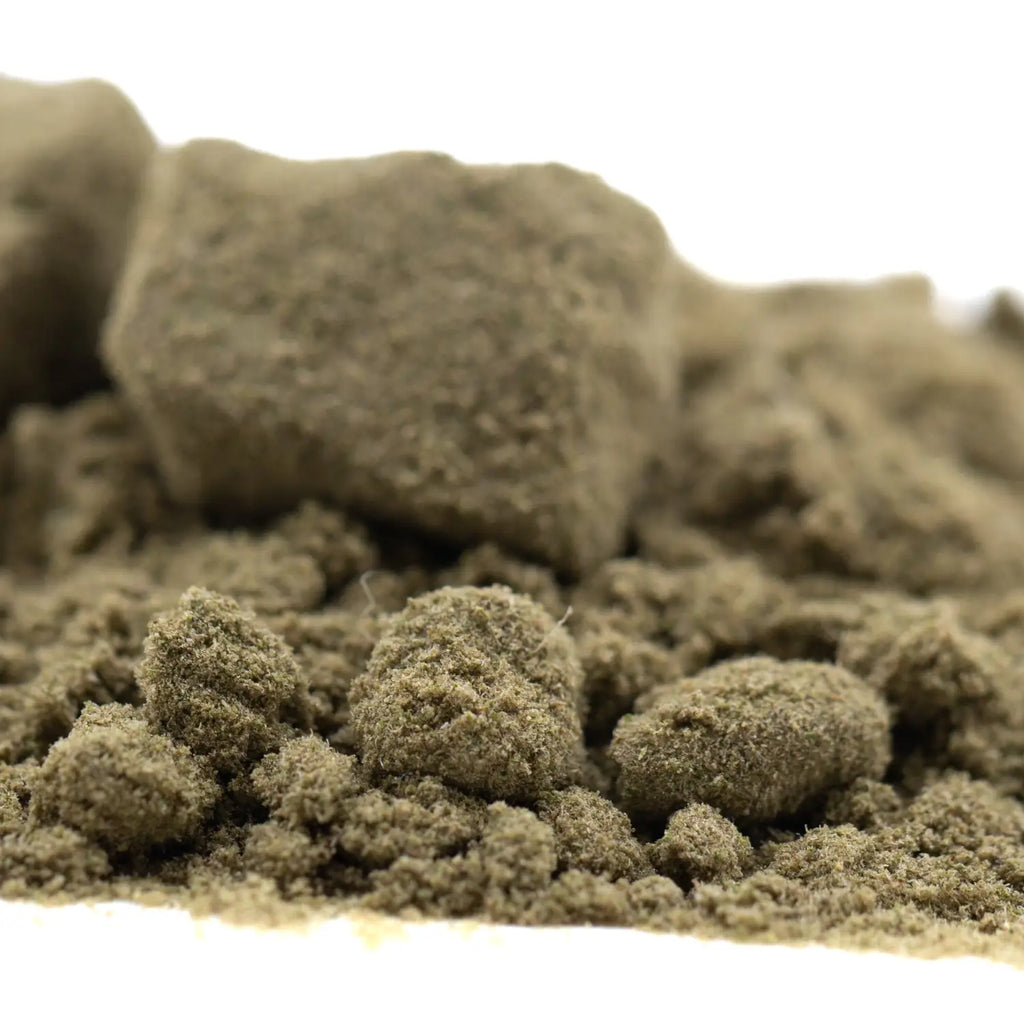
When exploring the world of hemp concentrates, one product stands out for its potency, versatility, and rich cannabinoid profile: THCA kief. This golden-hued concentrate represents the pinnacle of what nature produces on cannabis plants—pure, concentrated trichomes packed with cannabinoids and terpenes. Whether you're new to hemp products or a seasoned enthusiast looking to understand this powerful concentrate, this comprehensive guide will answer the essential question: what is THCA kief?
Hemp kief is essentially a collection of the resinous trichomes that fall off hemp flower during handling and processing. These microscopic, mushroom-shaped glands contain the highest concentration of cannabinoids found anywhere on the plant, making THCA kief concentrate one of the most potent hemp products available today. Unlike traditional flower, which typically contains 15-25% THCA, high THCA kief can reach concentrations of 50-80% or higher, offering users a powerful and efficient way to experience hemp's therapeutic and recreational benefits.
Understanding the THCA kief definition requires knowledge of plant biology, extraction methods, and the unique properties that make this concentrate distinct from other hemp products. In this guide, we'll explore everything from molecular structures to collection techniques, legal considerations to quality indicators, giving you the complete picture of this remarkable hemp-derived kief.
Understanding THCA vs THC – The Molecular Foundation
This section should cover the molecular differences between THCA and THC, explaining why THCA kief is legal and how decarboxylation works. I need to integrate relevant keywords naturally.
To truly understand cannabis kief THCA, we must first grasp the fundamental difference between THCA (tetrahydrocannabinolic acid) and THC (tetrahydrocannabinol). These two cannabinoids are intimately related yet distinctly different, and that difference is crucial for both legal and experiential purposes.
The Molecular Structure
THCA is the acidic precursor to THC. In its natural state, cannabis and hemp plants produce THCA, not THC. The molecular difference is a single carboxyl group (COOH) attached to the THCA molecule. This seemingly small addition fundamentally changes how the compound interacts with human physiology. THCA is a larger molecule than THC, which prevents it from effectively binding to CB1 receptors in the brain—the receptors responsible for the psychoactive effects associated with cannabis.
When THCA trichomes are exposed to heat through smoking, vaping, or cooking (a process called decarboxylation), the carboxyl group is removed, converting THCA into THC. This transformation is why raw hemp kief won't produce psychoactive effects if consumed without heating, but will when smoked or vaporized.
The Decarboxylation Process
Decarboxylation occurs at temperatures above 220°F (104°C), though the rate varies based on time and temperature. When you light high THCA kief in a pipe or vaporize it, you're instantly triggering this conversion. The heat causes a chemical reaction that removes the carboxyl group as carbon dioxide (CO2), leaving behind activated THC.
This conversion process is essential to understanding both the potency and legality of THCA kief concentrate. In its raw form, THCA is non-intoxicating and federally legal under the 2018 Farm Bill (which we'll explore in detail later). However, the potential for conversion into THC is what gives hemp concentrate kief its valued properties.
Potency Implications
The high concentration of THCA in kief means that when decarboxylated, users experience significantly stronger effects compared to standard flower. If a sample of THCA kief contains 60% THCA, and you apply heat, you're essentially consuming product with approximately 52.8% THC after accounting for the molecular weight loss during conversion (THCA converts at roughly 87.7% efficiency to THC).
This potency makes hemp-derived kief an efficient option for users seeking stronger effects without consuming large quantities of material. Understanding this molecular relationship is fundamental to appreciating why cannabis kief THCA has become such a sought-after product in the legal hemp market.
Collection Methods – From Plant to Powder
The journey from hemp flower to THCA kief involves careful trichome extraction using various techniques, each producing different grades and qualities of concentrate. Understanding these collection methods helps consumers appreciate the craftsmanship behind premium hemp kief and recognize quality when they see it.
Grinder Collection
The most common introduction to what is THCA kief for many users comes through herb grinders with kief catchers. These three or four-piece grinders feature a fine mesh screen (typically 75-125 microns) in the bottom chamber. As you grind hemp flower, the agitation causes trichome heads to break off and fall through the screen, gradually accumulating as a fine powder.
Micron screening in grinders is relatively coarse compared to professional extraction methods, which means grinder-collected kief often contains more plant material alongside the trichomes. The quality depends on several factors: the coarseness of the screen, how dry the flower is, and how vigorously you grind. While convenient, this method produces THCA kief concentrate of variable purity, typically in the 40-50% THCA range.
Dry Sifting Technique
Dry sift THCA production represents a significant step up in quality and purity. This method involves gently rubbing or shaking dried hemp flower over fine mesh screens, typically using multiple screens of decreasing micron sizes stacked on top of each other. The process, often called sift kief extraction, allows for separation of different trichome sizes and qualities.
Professional dry sifting typically uses screens ranging from 150 microns down to 45 microns or less. The largest particles (plant material) stay on top, medium-sized trichome heads pass through to middle screens, and the finest, most pure trichome heads fall through to the bottom. This micron screening process creates different grades of high THCA kief, with the finest particles producing the highest purity concentrates—often reaching 70-80% THCA or higher.
The key to quality dry sifting is gentle handling. Excessive force or over-processing breaks apart plant material and contaminates the kief. Temperature also matters; many extractors freeze their material and perform sifting in cold environments, as cold makes trichomes brittle and easier to separate while keeping plant material intact.
Tumbling and Mechanical Extraction
Industrial-scale production of hemp concentrate kief often employs rotary tumblers or specialized machines that mechanically agitate hemp flower over screens. These devices can process large quantities efficiently while maintaining quality control. The flower is placed in a rotating drum lined with mesh screens, and gentle tumbling causes trichomes to separate and fall through.
Advanced systems use variable-speed controls and cold temperatures to optimize extraction. Some commercial producers use dry ice during tumbling, which makes trichomes extremely brittle and increases yield while maintaining purity. The result is consistent, high-quality THCA kief that meets commercial standards for potency and cleanliness.
Static Separation
An lesser-known but highly effective method involves using static electricity to attract trichome heads away from plant material. This technique, while less common, can produce exceptionally pure cannabis kief THCA with minimal contamination. The method takes advantage of the different electrical properties of trichomes versus plant fibers.
Quality Factors in Collection
Regardless of method, several factors influence the quality of hemp-derived kief:
- Starting material freshness: Properly cured hemp flower with intact trichomes produces superior kief
- Moisture content: Material that's too dry shatters trichomes; too moist and they stick together
- Handling gentleness: Aggressive processing introduces more plant contamination
- Screen quality: Precision-manufactured screens with consistent micron ratings ensure uniform particle size
- Temperature control: Cold temperatures preserve terpenes and facilitate cleaner separation
Understanding these trichome extraction methods helps consumers appreciate why premium THCA kief concentrate commands higher prices and delivers superior experiences compared to lower-grade alternatives.
Potency Levels – Understanding Cannabinoid Concentration
One of the most compelling aspects of high THCA kief is its remarkable potency compared to traditional hemp flower. Understanding cannabinoid concentration levels helps consumers make informed decisions and use products safely and effectively.
Typical THCA Percentages
Premium THCA kief typically contains between 50-80% THCA by weight, though the exact percentage varies based on the starting material quality and extraction efficiency. To put this in perspective:
- Standard hemp flower: 15-25% THCA
- Premium flower: 25-35% THCA
- Low-grade kief: 40-50% THCA
- Mid-grade kief: 50-65% THCA
- Premium kief: 65-80% THCA
- Ultra-refined kief: 80%+ THCA
This means that hemp concentrate kief is roughly 3-5 times more potent than the flower it came from. When considering that THCA converts to THC upon heating, you're dealing with an exceptionally concentrated product that requires different dosing approaches than traditional flower.
Factors Affecting Potency
Several variables influence the final potency of THCA kief concentrate:
Strain genetics play the primary role. Some hemp cultivars naturally produce more resinous trichomes with higher cannabinoid density. Strains bred specifically for concentrate production may yield kief with potencies approaching 80%, while general-purpose strains might produce kief in the 50-60% range.
Growing conditions significantly impact trichome production. Plants stressed by ideal amounts of environmental factors (controlled stress techniques), grown in optimal nutrient conditions, and harvested at peak trichome maturity produce more potent starting material, which translates to higher-potency hemp kief.
Extraction method purity determines how much plant material contaminates the final product. More plant contamination means lower cannabinoid percentages. Premium dry sift THCA using multiple micron screens removes more impurities, concentrating cannabinoids further.
Post-extraction handling affects potency as well. Exposure to light, heat, and oxygen degrades THCA over time. Properly stored cannabis kief THCA in airtight, light-proof containers maintains potency longer than improperly stored product.
Beyond THCA: Minor Cannabinoids
Quality THCA kief isn't just about THCA percentage. THCA trichomes also contain valuable minor cannabinoids that contribute to the overall experience through the entourage effect:
- CBGA (cannabigerolic acid): The precursor to other cannabinoids, often present in small amounts
- CBDA (cannabidiolic acid): Provides complementary effects to THCA
- CBCA (cannabichromenic acid): Contributes to overall cannabinoid profile
- THCVA (tetrahydrocannabivarin acid): Present in some cultivars, offering unique properties
Premium hemp-derived kief often tests between 55-75% total cannabinoids, with THCA making up the majority but these supporting compounds adding depth to the profile.
Terpene Preservation
While cannabinoid potency gets most attention, terpene content is equally important for flavor, aroma, and effects. Quality THCA kief concentrate retains substantial terpene levels—typically 2-6%—which may seem small but represents highly concentrated aromatic compounds.
Common terpenes found in high THCA kief include:
- Myrcene: Earthy, musky aroma
- Limonene: Citrus notes
- Caryophyllene: Spicy, peppery character
- Pinene: Pine-like freshness
- Linalool: Floral, lavender essence
These terpenes don't just contribute to sensory experience—they interact synergistically with cannabinoids to modulate effects, a phenomenon known as the entourage effect.
Practical Potency Considerations
The high potency of hemp concentrate kief requires adjusted consumption approaches. A typical flower user might consume 0.25-0.5 grams per session, but with kief, even 0.05-0.1 grams can produce substantial effects due to the 3-5x concentration factor. New users should start with minimal amounts and gradually increase as they gauge their response.
Understanding these potency levels helps consumers appreciate why what is THCA kief commands premium pricing and why careful, measured use is essential for an optimal experience.
Visual Quality Indicators – Appearance, Texture, and Color
Assessing THCA kief quality begins with visual inspection. Experienced consumers can determine much about purity, potency, and freshness simply by examining color, texture, and physical characteristics. Learning to identify these quality markers helps ensure you're getting premium hemp kief.
Color Spectrum and Purity
The color of high THCA kief provides immediate insight into its quality and purity:
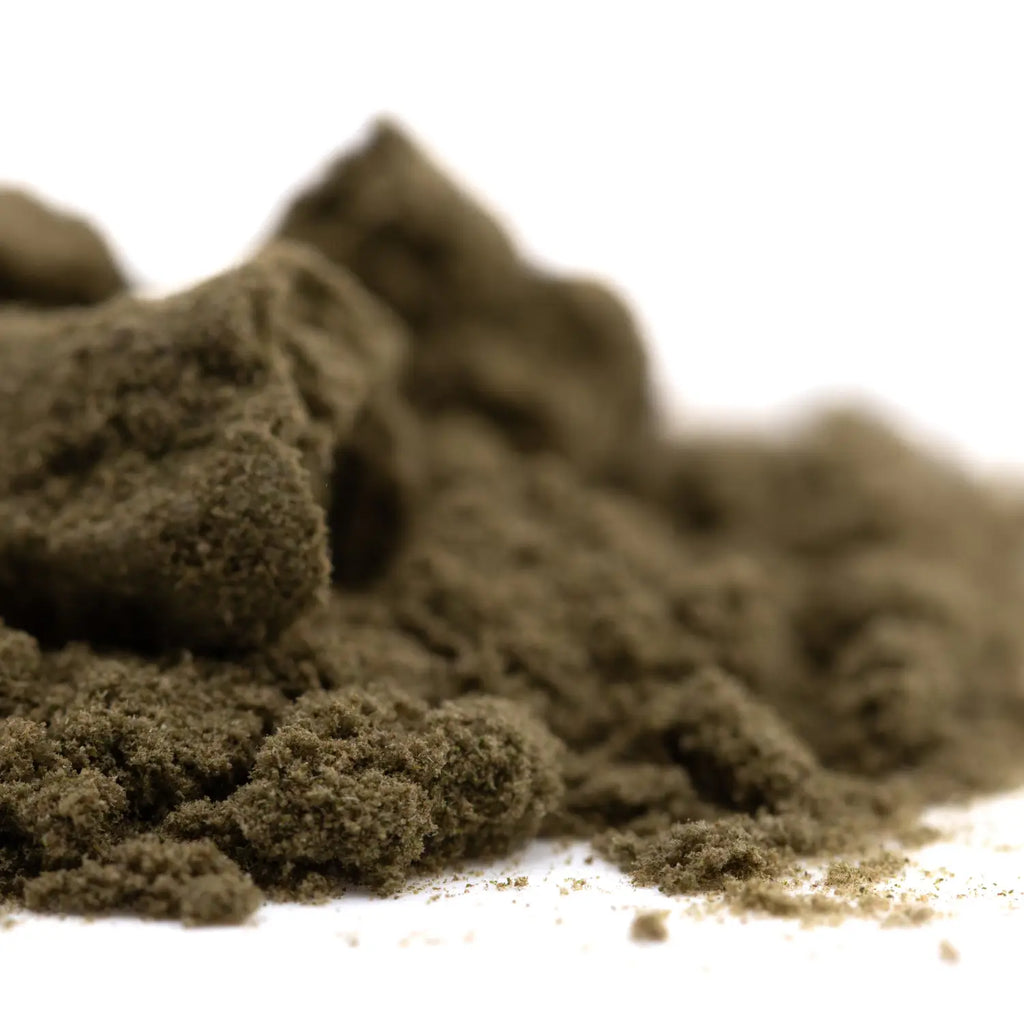
Pale blonde to light gold (highest quality): This coloration indicates minimal plant contamination and high trichome concentration. Premium sift kief that's been carefully extracted through fine micron screens displays this pale appearance. The lighter color suggests mostly isolated trichome heads with minimal plant material, stalks, or debris. This grade typically tests highest for THCA content (70-80%+).
Bright to medium gold (high quality): This remains excellent quality THCA kief concentrate, containing primarily trichomes with minor plant material inclusion. This color range represents the most common grade of premium kief, offering strong potency (60-75% THCA) with good terpene preservation.
Darker gold to light brown (medium quality): As color deepens, it indicates increasing plant material content. While still effective, this grade of cannabis kief THCA contains more contamination and typically tests in the 50-60% THCA range. It may include more trichome stalks, leaf particles, and other plant components.
Brown to greenish (lower quality): Significant green tones signal substantial plant matter contamination. This occurs from using too-coarse screens, over-processing, or grinding excessively dried material that shatters into the collection. While still usable, this grade represents lower purity (40-50% THCA) and harsher consumption experience.
Dark brown or black (aged or degraded): Very dark coloration may indicate oxidation, degradation, or the presence of mold. Fresh, properly stored hemp-derived kief shouldn't appear dark brown or black. This coloration suggests age, improper storage, or starting material issues.
Texture and Consistency
Physical texture reveals much about THCA kief quality and handling:
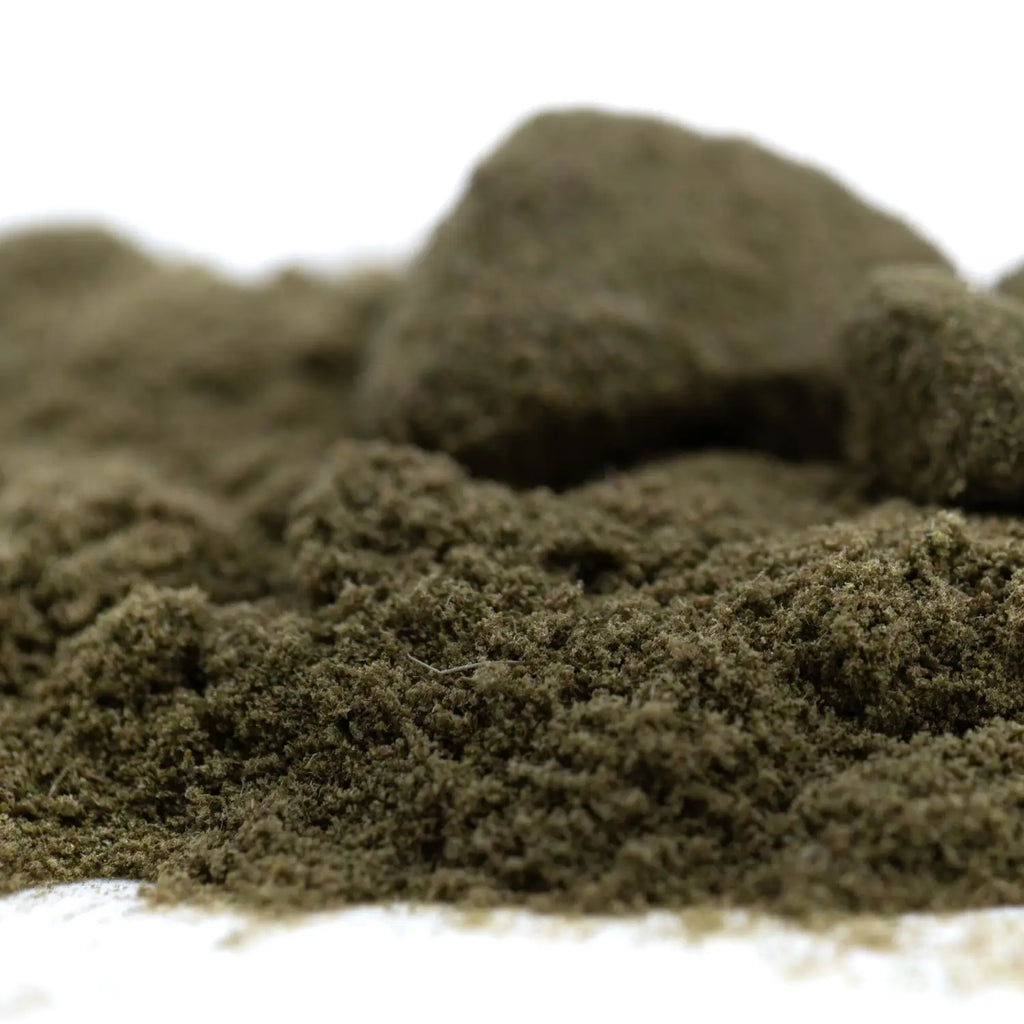
Fine, powdery consistency: Premium kief feels like fine sand or flour, flowing easily and uniformly. Individual particles should be barely visible to the naked eye. This texture indicates proper micron screening and gentle handling that preserved trichome integrity. When pressed between fingers, it should feel slightly sticky from natural resin but not wet or clumpy.
Slightly granular but uniform: Quality hemp concentrate kief may have slight grain to it while remaining consistent throughout. No large chunks, stems, or visible plant material should be present. The granularity comes from intact trichome heads of similar size, indicating effective separation.
Clumpy or compressed: While some clumping occurs naturally with extremely resinous kief, excessive clumping may indicate moisture content issues or poor storage. Fresh THCA kief concentrate should break apart easily. If it's compressed into hard chunks that resist separation, it may have been stored improperly or contain too much moisture.
Varied particle sizes: Inconsistent particle sizes with visible stems, leaves, or other debris indicates poor filtering and low-quality extraction. Premium dry sift THCA shows remarkable uniformity because multiple screens filter out contaminants and size-sort trichomes.
Aroma Profile
Scent assessment provides insights into terpene preservation and product freshness:
Strong, pungent aroma: Fresh high THCA kief releases intense aromas when container is opened. The specific scent profile depends on strain genetics—ranging from diesel, skunky notes to sweet, fruity, or earthy aromas. Intensity indicates high terpene retention.
Mild, pleasant smell: While not as intense as ultra-fresh product, quality hemp kief that's been properly stored should still exhibit noticeable strain-specific aromas. Some terpene loss over time is normal, but the product shouldn't be odorless.
Hay-like or grassy smell: This indicates improperly cured starting material or degraded product. Quality cannabis kief THCA shouldn't smell like hay, grass, or be otherwise off-putting.
No smell: Absence of aroma suggests severe terpene degradation, extremely old product, or starting from poorly grown/cured flower. Terpenes are volatile compounds that diminish over time, especially with improper storage.
Moisture Content Assessment
Proper moisture level is crucial for quality THCA kief:
Ideal moisture: Should feel dry but not desiccated. When pressed, it compresses slightly from natural resin content but doesn't feel damp or wet. It should flow somewhat freely but possess enough natural stickiness to clump slightly when handled.
Too dry: Overly dry kief produces dust clouds when disturbed and lacks the slight tackiness of fresh product. While still effective, excessive dryness indicates potential terpene loss and degraded quality.
Too moist: Wet or damp feeling indicates too-high moisture content, which invites mold growth and degradation. Quality hemp-derived kief should never feel wet or leave moisture on containers or fingers.
Crystal Visibility
Under magnification or bright light, quality indicators become even clearer:
Visible trichome heads: With a simple magnifying glass, you should observe mushroom-shaped trichome heads with intact bulbous tops. These contain the highest cannabinoid concentrations. Premium THCA kief concentrate consists primarily of these heads.
Minimal stalks and debris: Some trichome stalks (the stem portion of the trichome) will always be present, but they should be in the minority. Excessive stalks, plant hairs, and debris indicate lower-grade extraction.
Crystalline appearance: Under magnification, THCA trichomes display a crystalline, frost-like appearance due to high resin content. This sparkle is characteristic of potent, fresh kief.
Understanding these visual, tactile, and aromatic quality indicators empowers consumers to assess what is THCA kief quality before purchase and evaluate whether products meet premium standards.
Legal Status Under the 2018 Farm Bill
The legality of THCA kief exists within a unique and sometimes confusing regulatory framework created by the 2018 Farm Bill. Understanding this legal landscape is essential for both consumers and businesses operating in the hemp market.
The 2018 Farm Bill Foundation
The Agricultural Improvement Act of 2018, commonly known as the Farm Bill, federally legalized hemp and hemp-derived products containing no more than 0.3% delta-9 THC by dry weight. This legislation created the legal framework that allows hemp kief to exist in the legal market despite its high cannabinoid concentration.
The critical distinction lies in the specific language of the law. The Farm Bill regulates delta-9 THC—the activated, psychoactive form of the cannabinoid. It does not explicitly regulate THCA, the acidic precursor found naturally in hemp plants. This means that high THCA kief containing 60%, 70%, or even 80% THCA can be federally legal as long as the delta-9 THC content remains under 0.3%.
Why THCA vs THC Matters Legally
This distinction between THCA and delta-9 THC creates the legal space for THCA kief concentrate to thrive. Raw, unheated cannabis kief THCA naturally contains high THCA levels but minimal delta-9 THC unless it undergoes decarboxylation through heating, aging, or other processes.
Laboratory testing for compliance measures specifically delta-9 THC content, not THCA. Properly harvested and stored hemp concentrate kief will test well below the 0.3% delta-9 THC threshold, making it compliant with federal law despite containing significantly higher total potential THC when THCA conversion is considered.
This creates an interesting legal scenario: the product is federally legal to produce, sell, and possess, yet when consumed (typically by smoking or vaporizing), it converts into compounds that would otherwise be regulated under marijuana laws. The legal framework addresses the product in its sold form, not its potential converted form.
State-Level Variations
While federally legal, hemp-derived kief faces varying state-level regulations. Some states have:
Fully adopted federal hemp standards: These states allow THCA products without additional restrictions beyond federal requirements. Consumers and businesses can legally buy, sell, and possess THCA kief within state borders.
Implemented total THC testing: Several states require testing that includes both THCA and delta-9 THC combined (calculating "total THC"). In these jurisdictions, high-THCA products may not comply with state law even if federally legal. This significantly restricts THCA kief concentrate availability.
Created specific THCA regulations: Some states have passed legislation specifically addressing THCA products, sometimes classifying them alongside marijuana regardless of delta-9 THC content. These states may prohibit or strictly regulate dry sift THCA and similar products.
Banned intoxicating hemp products: A few states have moved to ban hemp products intended for intoxication, which could include high THCA kief despite federal legality. These laws often cite consumer safety or regulatory concerns.
Consumers should research their specific state laws before purchasing or possessing hemp kief, as regulations continue evolving rapidly across different jurisdictions.
Transportation and Interstate Commerce
The 2018 Farm Bill explicitly protects interstate transportation of compliant hemp products. This means THCA kief meeting federal standards can legally be shipped across state lines, even through states where local laws might be more restrictive.
However, practical complications exist. Law enforcement officers may not distinguish between legal hemp kief and illegal marijuana concentrates without laboratory testing. Consumers transporting cannabis kief THCA should:
- Keep products in original packaging with lab results
- Maintain purchase receipts demonstrating legal acquisition
- Be prepared to explain the legal status of THCA products
- Research local laws for areas they're traveling through
Age Restrictions and Sale Requirements
While federal law doesn't specify age requirements for hemp product purchases, most reputable vendors selling THCA kief concentrate impose 21+ age verification. This industry standard provides additional consumer protection and demonstrates responsible business practices.
Many states have implemented their own age requirements for hemp products, typically aligning with tobacco or marijuana laws (21+). Businesses must comply with both federal and state regulations, often adopting the more restrictive standard.
Testing and Compliance Requirements
Legal hemp-derived kief must undergo third-party laboratory testing to verify compliance. These tests measure:
- Delta-9 THC content (must be ≤0.3%)
- Total cannabinoid profile
- Pesticide residues
- Heavy metals
- Microbial contaminants
- Residual solvents (if applicable)
Reputable vendors provide Certificates of Analysis (COAs) from ISO-accredited laboratories, allowing consumers to verify that hemp concentrate kief meets legal standards and quality expectations.
Future Legal Landscape
The regulatory environment for THCA kief remains fluid. Potential developments include:
- DEA rulemaking clarifying THCA status
- State legislative responses to high-THCA products
- Congressional amendments to the Farm Bill
- Court rulings addressing THCA classification
Until regulatory certainty emerges, consumers and businesses operate in a legal gray area that's federally permissive but subject to state-level variation and potential future changes. Staying informed about current regulations in your jurisdiction is essential for legal compliance when working with what is THCA kief products.
Quality Grading Systems – Evaluating Premium vs Standard
Professional grading systems help consumers navigate the THCA kief market by providing standardized quality assessments. Understanding these grading criteria enables informed purchasing decisions and sets realistic expectations for product performance.
Star Rating System
Many producers and retailers use a star rating (typically 3-6 stars) to classify hemp kief quality:
6-Star Grade (Full Melt): Represents the absolute pinnacle of high THCA kief quality. This grade consists almost entirely of intact trichome heads with virtually no contaminant plant material. Under magnification, it appears as a uniform collection of mushroom-shaped glands. Called "full melt" because it liquefies completely when heated, leaving minimal residue. Typically tests 75-85% THCA with robust terpene profiles (4-6%). Pale blonde to light gold in color. Extremely rare and commands premium prices.
5-Star Grade (Near Full Melt): This exceptional quality THCA kief concentrate contains predominantly trichome heads with minimal stalk content. Melts almost completely when heated, leaving only slight residue. Tests typically show 70-78% THCA. Light to medium gold coloration with fine, uniform consistency. Represents top-tier commercial-grade kief widely considered premium quality.
4-Star Grade (High Quality): Contains primarily trichome heads and stalks with minor plant material. This cannabis kief THCA melts substantially but leaves more residue than 5-6 star grades. Tests usually reveal 60-70% THCA. Medium gold color with fine to slightly granular texture. Offers excellent quality for most consumers at more accessible price points.
3-Star Grade (Standard Quality): Features mixed trichome heads, stalks, and noticeable plant contamination. Melts partially but leaves considerable residue. Tests typically show 50-60% THCA. Darker gold to light brown appearance. Represents entry-level hemp concentrate kief suitable for budget-conscious consumers or first-time users.
2-Star and Below: Contains significant plant material contamination. May test 40-50% THCA or lower. Often greenish-brown color with inconsistent texture. Generally not considered premium grade.
Micron-Based Classification
Professional extractors often classify dry sift THCA by the micron screen size used for collection, which directly correlates with particle size and purity:
45-70 micron: Captures the smallest, most pure trichome heads. Produces highest-grade THCA kief with maximum cannabinoid concentration (70-80%+) and minimal contamination. Limited yield but exceptional quality. Pale blonde appearance.
70-90 micron: Ideal balance of quality and yield. This range captures premium trichome heads while maintaining high purity. Most commercial premium hemp-derived kief falls in this category (65-75% THCA). Light to medium gold coloration.
90-120 micron: Captures larger trichome heads plus some stalks. Represents solid mid-grade quality (60-70% THCA). Medium gold appearance with slight granularity. Good quality-to-price ratio.
120-160 micron: Includes significant trichome stalks and small plant particles. Lower-grade hemp kief (50-60% THCA) with darker coloration and more visible contamination.
160+ micron: Largely plant material with scattered trichomes. Not typically sold as premium kief.
Laboratory Testing Parameters
Beyond visual grading, laboratory analysis provides objective quality metrics:
Cannabinoid Potency: Primary quality indicator. Premium THCA kief concentrate tests 65%+ THCA. Mid-grade tests 55-65%. Standard grade tests 45-55%. Total cannabinoid content should be higher than THCA alone due to minor cannabinoids (CBDA, CBGA, etc.).
Terpene Content: Quality products maintain 2-6% terpene content. Higher percentages indicate fresher product with better flavor and potentially enhanced effects through entourage synergy. Individual terpene identification (myrcene, limonene, caryophyllene, etc.) provides strain verification and effect prediction.
Purity Markers: Testing for contaminants establishes safety and quality:
- Pesticides: Should be non-detect or below action levels
- Heavy metals: Must meet safety thresholds for lead, arsenic, mercury, cadmium
- Microbials: Testing for E. coli, Salmonella, total yeast/mold counts
- Mycotoxins: Screening for aflatoxins and ochratoxins
Moisture Content: Ideal range of 5-10%. Too high risks mold; too low sacrifices terpenes and creates harsh consumption experience.
Sensory Evaluation Standards
Professional graders assess high THCA kief using sensory criteria:
Visual Assessment: Color uniformity, particle consistency, crystal visibility, absence of visible contaminants.
Aromatic Profile: Strength of terpene aromatics, strain-specific characteristics, absence of off-odors (hay, mold, chemical smells).
Texture Evaluation: Appropriate moisture, uniform particle size, proper flow characteristics, suitable stickiness without excessive clumping.
Melt Quality: When heated on a nail or in vaporizer, premium product melts completely or near-completely, leaving minimal residue (ash test). Lower grades leave substantial residue from plant contamination.
Price-to-Quality Correlation
Understanding quality grades helps consumers evaluate whether pricing reflects actual quality:
Premium (6-5 star): Cannabis kief THCA in this category justifies 40-60% price premiums over standard grades due to labor-intensive extraction, limited yields, and exceptional purity.
Mid-tier (4 star): Offers best value for most consumers. Provides excellent quality at more accessible prices, typically 20-30% above standard grades.
Standard (3 star): Entry-level pricing. Suitable for budget-conscious consumers or those new to hemp concentrate kief who want to explore concentrates without significant investment.
Strain-Specific Considerations
Quality isn't one-size-fits-all. Different strains produce THCA trichomes with varying characteristics:
Resinous cultivars naturally produce more trichomes with higher cannabinoid density, yielding superior kief even with moderate extraction methods.
Terpene-rich strains may score lower on pure THCA percentage but offer superior sensory experiences and effects due to robust terpene profiles.
Yield vs quality trade-offs: Some strains produce abundant trichomes but with lower individual potency. Others produce fewer trichomes but each is highly concentrated.
Understanding these grading systems empowers consumers to recognize true quality in what is THCA kief and make purchases aligned with their preferences and budget.
Conclusion: When to Choose Kief Over Flower
After exploring the comprehensive landscape of THCA kief—from molecular structures and extraction methods to legal considerations and quality grading—the remaining question becomes: when should consumers choose hemp kief instead of traditional flower?
Potency Efficiency
The most compelling reason to select high THCA kief is its remarkable potency. With cannabinoid concentrations typically 3-5 times higher than flower, users require significantly less material to achieve desired effects. This efficiency matters for:
- Experienced users seeking stronger effects without consuming large quantities
- Medicinal users requiring higher cannabinoid doses for therapeutic applications
- Cost-conscious consumers who find that premium kief's higher upfront cost balances through reduced consumption volume
- Discrete users who appreciate that smaller amounts produce comparable or superior results
Versatility in Consumption
THCA kief concentrate offers remarkable versatility compared to flower alone:
Enhancement addition: Sprinkling kief over flower bowls or inside joints increases potency without additional bulk. This "crowning" technique lets users customize strength while maintaining familiar consumption methods.
Vaporization: Quality cannabis kief THCA vaporizes cleanly at appropriate temperatures, offering concentrated effects with potentially reduced respiratory impact compared to smoking flower.
Pressing for rosin: Heat-pressed kief creates solventless rosin concentrates, appealing to consumers seeking extremely pure products without chemical extraction.
Culinary applications: When properly decarboxylated, kief serves as a potent cooking ingredient, offering precision dosing for edibles at much smaller volumes than flower.
Storage and Longevity Considerations
Properly stored hemp concentrate kief maintains quality longer than whole flower in some ways. The reduced moisture content makes kief less susceptible to mold, though trichome heads remain sensitive to light and oxygen degradation. For consumers who purchase in bulk or prefer long-term storage, kief's stability advantages become relevant.
However, terpenes volatilize more readily from kief's increased surface area compared to intact flower where trichomes remain protected by plant structure. This creates a trade-off: better mold resistance but faster terpene loss without proper storage (airtight, cool, dark conditions).
Situation-Specific Advantages
Choose THCA kief when:
- You're experienced with hemp products and understand your tolerance
- Potency and efficiency matter more than session duration
- You want to customize flower potency through supplementation
- You appreciate concentrated terpene profiles and full-bodied flavors
- Space-efficient storage is important
- You're interested in making your own concentrates (rosin pressing)
- You prefer precise, small-dose applications
Choose flower when:
- You're new to hemp products and want gentler introduction
- You value the full plant experience and smoking ritual
- You prefer longer, social consumption sessions
- Pricing accessibility is primary concern
- You want maximum terpene preservation in protected trichomes
- Rolling papers or blunts are preferred consumption method
The Kief vs THCA Flower Decision Framework
Understanding what is THCA kief versus flower isn't about declaring one superior—it's about matching product characteristics to individual needs. Many consumers find that keeping both on hand offers maximum flexibility: flower for regular use and social sessions, kief for efficiency, potency boosts, or special occasions.
The concentrated nature of hemp-derived kief makes it an advanced product best suited for those who've established their tolerance and consumption preferences through experience with flower. Yet its efficiency and versatility make it increasingly popular among both recreational and medicinal users who've graduated beyond entry-level hemp products.
Final Considerations
As the hemp market matures, THCA kief concentrate represents a sophisticated middle ground between flower and highly processed extracts. It offers substantial potency advantages while maintaining the natural, minimally processed character that many consumers prefer. Quality dry sift THCA contains no solvents, no additives—just concentrated THCA trichomes separated through mechanical means, preserving the plant's natural cannabinoid and terpene profile.
For those wondering what is THCA kief and whether it fits their needs, the answer lies in understanding your consumption goals, experience level, and preferences. This comprehensive guide has provided the knowledge foundation necessary to make informed decisions about incorporating this potent concentrate into your hemp regimen.
Whether you choose high THCA kief for its efficiency, versatility, or concentrated effects, understanding its production, potency, legality, and quality markers ensures you'll select products that meet your standards and expectations in this rapidly evolving market.
Frequently Asked Questions About THCA Kief
What exactly is THCA kief?
THCA kief is a concentrated collection of resinous trichome glands that naturally fall off hemp flower during handling and processing. These microscopic structures contain the highest concentration of THCA (tetrahydrocannabinolic acid) found on the plant, typically 50-80% by weight. The powder-like substance is collected through mechanical separation methods like micron screening, dry sifting, or tumbling, resulting in a potent cannabinoid concentrate free from solvents or chemicals.
How is THCA kief different from regular cannabis kief?
The primary difference between hemp kief and traditional cannabis kief is legal compliance. THCA kief is derived from hemp plants containing less than 0.3% delta-9 THC (the federally regulated compound), making it legal under the 2018 Farm Bill. Cannabis kief comes from marijuana plants exceeding this threshold and remains federally illegal. Both contain concentrated trichomes and high cannabinoid levels, but the source plant determines legal status. In terms of appearance, potency, and effects after decarboxylation, properly produced cannabis kief THCA from hemp is virtually indistinguishable from traditional cannabis kief.
Does THCA kief get you high?
In its raw, unheated form, THCA kief does not produce intoxicating effects because THCA is non-psychoactive. However, when exposed to heat through smoking, vaporizing, or cooking (decarboxylation), THCA converts to THC, which does produce psychoactive effects. This means that while consuming raw hemp concentrate kief won't cause intoxication, smoking or vaping it will, often with considerable potency due to the high cannabinoid concentration (50-80% THCA that converts to approximately 44-70% THC). The potency requires careful dosing, especially for inexperienced users.
Is THCA kief legal to buy and possess?
THCA kief occupies a unique legal position. It's federally legal under the 2018 Farm Bill as long as it contains less than 0.3% delta-9 THC by dry weight—a standard most properly produced hemp kief easily meets. However, state laws vary significantly. Some states fully permit hemp-derived kief, while others have implemented total THC testing (including THCA), banned intoxicating hemp products, or created specific THCA restrictions. Before purchasing or possessing high THCA kief, research your state's current regulations, as the legal landscape continues evolving. Always buy from reputable vendors who provide third-party lab testing confirming compliance.
How do you use THCA kief?
THCA kief concentrate offers versatile consumption options. Most commonly, users sprinkle it over flower in pipes or bongs ("crowning a bowl") or layer it inside joints or blunts to increase potency. It can be vaporized directly using appropriate temperature-controlled devices (350-400°F for optimal trichome vaporization). For edibles, kief must first be decarboxylated in an oven (220-240°F for 30-45 minutes) to convert THCA to THC before incorporating into recipes. Advanced users press it into rosin using heat and pressure for a solventless concentrate. Start with tiny amounts (0.05-0.1g) due to high potency, adjusting as you gauge your response.
How should I store THCA kief to maintain quality?
Proper storage preserves hemp kief potency and terpene profile. Store in airtight, opaque glass containers to minimize oxygen and light exposure—the primary degradation factors for THCA trichomes and volatile terpenes. Keep containers in cool, dark places (60-70°F ideal; refrigeration acceptable but risks condensation issues). Avoid plastic containers long-term as cannabinoid concentrate can degrade certain plastics, and trichomes may stick to plastic surfaces. For long-term storage exceeding several months, vacuum-sealed containers or nitrogen-purged environments prevent oxidation. Properly stored THCA kief maintains quality for 6-12 months, though some terpene loss is inevitable over time.
What makes premium THCA kief different from lower grades?
Premium high THCA kief distinguishes itself through several factors. Color provides immediate insight—pale blonde to light gold indicates maximum purity with minimal plant contamination, while darker colors suggest more debris. Texture should be fine and uniform, not clumpy or filled with visible stems. Lab testing reveals potency differences: premium grades test 70-80%+ THCA versus 50-60% for standard grades. Terpene content matters equally; premium kief retains 4-6% terpenes compared to 1-2% in lower grades. The melt test reveals purity—top-tier dry sift THCA liquefies almost completely when heated (full melt), while lower grades leave substantial residue from plant material. Premium products come from careful trichome extraction using multiple-stage micron screening, quality starting material, and proper handling throughout the process.
Can I make THCA kief at home?
Yes, THCA kief can be made at home through several methods. The simplest uses a multi-chamber grinder with a kief catcher—as you grind hemp flower, trichomes fall through a screen into a collection chamber. While convenient, this method produces moderate purity (40-50% THCA). Better results come from DIY sift kief setups using stackable micron screens (available from extraction supply companies). Place dried hemp flower on the finest screen and gently agitate or shake, allowing trichomes to fall through while plant material stays topside. Cold temperatures (freezer-dried flower, ice packs beneath screens) improve separation. However, commercial hemp concentrate kief typically achieves higher purity through industrial equipment and expertise. Home production works best as a way to collect and utilize trichomes that would otherwise be lost, rather than as primary concentrate production.
How do I know if my THCA kief is high quality?
Quality assessment of THCA kief concentrate involves multiple factors. Visually, look for pale blonde to light gold coloring, fine uniform texture, and absence of visible plant debris or green hues. Smell should be pungent and strain-specific without hay-like or musty off-odors. When touched, quality kief feels slightly sticky from natural resins but not wet or excessively clumpy. Most importantly, request lab testing results (Certificate of Analysis/COA) showing THCA percentage (premium = 70%+), terpene content (2-6% ideal), and passing marks for contaminants (pesticides, heavy metals, microbials). Reputable vendors selling cannabis kief THCA readily provide testing from ISO-accredited laboratories. The melt test offers practical assessment: quality kief vaporizes cleanly with minimal residue, while contaminated product leaves substantial ash and debris.
Why is THCA kief more expensive than flower?
Hemp-derived kief commands premium pricing due to several factors. Yield efficiency is primary—producing one gram of quality kief requires processing multiple ounces of flower, as trichomes constitute only a small percentage of plant weight. Labor-intensive extraction methods, especially multiple-stage micron screening for premium grades, increase production costs. Equipment expenses for commercial dry sift THCA operations are substantial. Testing requirements add costs, with batch testing for potency and contaminants necessary for compliant products. The concentration factor justifies pricing: while high THCA kief costs more per gram than flower, its 3-5x potency means consumers use proportionally less, often equalizing or reducing actual cost per dose. Premium grades (6-5 star) command even higher prices due to exceptional purity achieved through meticulous extraction—but the superior quality, clean vaporization, and enhanced effects satisfy discerning consumers willing to invest in top-tier THCA kief.


