


2026 Hemp Industry Trends: What's New in THCA Flower and Cannabis Products

The hemp industry stands at a transformative crossroads as we enter 2026. What began as a cautious exploration of hemp-derived cannabinoids has evolved into a sophisticated, multi-billion-dollar marketplace driven by innovation, consumer education, and unprecedented product development. At the forefront of this evolution sits THCA flower—a product category that has fundamentally reshaped how consumers, retailers, and wholesalers approach legal cannabis alternatives.
The THCA flower industry has experienced exponential growth over the past two years, transforming from a niche product into a mainstream wellness and recreational option. As we move deeper into 2026, the landscape continues to shift dramatically, influenced by technological advancements in cultivation, changing regulatory frameworks, evolving consumer preferences, and significant market expansion. Understanding these trends isn't just beneficial—it's essential for anyone invested in the hemp space, whether you're a wholesale buyer sourcing bulk THCA flower wholesale inventory, a retailer curating premium selections, or a consumer seeking high-quality products.
This comprehensive analysis explores eight critical trends reshaping the THCA flower market in 2026. From cultivation innovations and exotic strain development to pricing dynamics and regulatory shifts, we'll examine how these trends impact every stakeholder in the supply chain. The insights presented here draw from market data, industry reports, grower innovations, and consumer behavior patterns that are defining this pivotal year for hemp-derived THCA products.
Trend 1: THCA Flower Market Expansion and Consumer Adoption
The THCA market growth trajectory in 2026 has exceeded even the most optimistic industry projections from just 18 months ago. Market analysis indicates that THCA flower sales have increased by approximately 340% since early 2024, with no signs of slowing momentum. This explosive growth stems from multiple convergent factors that have created perfect conditions for widespread adoption.
Consumer awareness represents the primary driver behind this expansion. Educational campaigns by responsible retailers, transparent laboratory testing, and positive user experiences have demystified THCA for mainstream audiences. Many consumers who previously felt excluded from cannabis markets due to legal restrictions or quality concerns have found THCA flower to be an accessible, legal alternative that delivers the experiences they seek. The compound's unique legal status under the 2018 Farm Bill—remaining federally compliant as long as it derives from hemp containing less than 0.3% delta-9 THC by dry weight—has opened doors for consumers in states where traditional cannabis remains prohibited or heavily restricted.
Geographic expansion has been remarkable. Markets that showed minimal THCA interest in 2024 have emerged as significant consumption hubs. Southern and Midwestern states, where cannabis legalization has progressed slowly or stalled entirely, now represent some of the fastest-growing THCA markets. Retailers in these regions report that THCA flower trends 2026 show customers increasingly viewing THCA flower as their primary cannabis product rather than a temporary substitute. This shift in consumer psychology—from "alternative" to "preferred choice"—marks a fundamental change in market dynamics.
Demographic trends reveal surprising adoption patterns. While initial THCA consumers skewed toward younger, cannabis-experienced users aged 21-35, 2026 data shows significant growth among older demographics. Consumers aged 45-65 represent the fastest-growing THCA customer segment, attracted by the legal clarity, quality control standards, and wellness-focused marketing that characterizes the premium THCA flower market. These consumers often prioritize minor cannabinoid profiles, terpene diversity, and organic cultivation practices—factors that premium THCA producers have emphasized in their product development.
The retail landscape has evolved dramatically to accommodate this growth. While online sales continue to dominate, brick-and-mortar hemp shops, CBD stores, and even some conventional smoke shops have expanded their THCA offerings significantly. Many retailers report that THCA flower now comprises 40-60% of their total revenue, up from just 15-25% in early 2024. This shift has prompted substantial inventory investments, improved storage infrastructure, and staff training programs focused on THCA education and customer service.
Trend 2: Exotic and Rare Strain Cultivation Increases
The exotic THCA strains 2026 market has exploded with unprecedented variety and sophistication. Cultivators have moved far beyond the standard "cookies" and "kush" genetics that dominated early THCA offerings, instead embracing rare cultivars, landrace genetics, and proprietary hybrids that showcase the full spectrum of cannabis diversity. This trend reflects both grower ambition and consumer demand for unique experiences that differentiate THCA flower from commodity cannabis products.
Rare genetics from diverse global cannabis traditions have entered mainstream THCA cultivation. Thai, Malawi Gold, Colombian Gold, and other landrace genetics are being carefully bred into stable THCA-compliant phenotypes that preserve their distinctive terpene profiles and effects while maintaining legal cannabinoid ratios. These exotic varieties offer consumers flavor experiences and effects that simply weren't available in the THCA market two years ago. Growers report that limited-release exotic strains often command premium pricing—sometimes 50-80% above standard strain pricing—yet sell out within days of release.
Proprietary breeding programs have accelerated dramatically. Well-capitalized THCA cultivation operations have invested heavily in genetics development, hiring experienced breeders to create signature strains that can't be replicated by competitors. These proprietary cultivars often feature complex terpene profiles exceeding 4-5% total terpenes, unusual cannabinoid ratios including significant amounts of CBDA, CBGA, and THCVA, and visual characteristics that make them instantly recognizable. The intellectual property implications of these breeding programs have become significant, with some cultivators pursuing plant patents and trademark protections for their most successful varieties.
Phenotype hunting has become more sophisticated and systematic. Rather than growing out dozens of seeds hoping for a winner, today's elite THCA cultivators employ tissue culture propagation, genetic testing, and data-driven selection processes to identify superior phenotypes more efficiently. This scientific approach has accelerated the pace of variety development, allowing cultivators to bring new exotic THCA strains to market in months rather than years. Some cutting-edge operations maintain libraries of hundreds of distinct phenotypes, each with documented cannabinoid and terpene profiles, growth characteristics, and market performance data.
Consumer enthusiasm for exotic varieties has created a collector culture within the THCA community. Limited releases of rare strains generate excitement comparable to craft beer or wine releases, with dedicated consumers willing to pay premium prices for first access to new varieties. This collector mentality has proven remarkably sustainable, as growers continuously introduce new genetics rather than saturating the market with unlimited quantities of any single variety. The result is a dynamic, ever-evolving product landscape that maintains consumer interest and supports premium pricing for genuinely distinctive offerings.
Color varieties have gained particular attention in 2026. Purple, pink, and nearly black THCA flowers—achieved through anthocyanin expression triggered by temperature manipulation and genetic predisposition—command significant price premiums and generate social media excitement. While some industry veterans dismiss colorful varieties as primarily aesthetic, laboratory testing frequently shows these cultivars also possess unique terpene profiles and minor cannabinoid ratios that contribute to distinctive effects beyond their visual appeal.
Trend 3: Indoor Growing Technology Improvements for THCA
Indoor THCA cultivation has undergone a technological revolution in 2026, driven by cultivators' relentless pursuit of quality, consistency, and efficiency. The sophisticated growing systems employed by leading THCA producers now rival or exceed those found in state-legal cannabis facilities, resulting in flower quality that often surpasses traditional cannabis market standards.
LED lighting technology has reached new performance levels. The latest generation of horticultural LED fixtures offers full-spectrum output that can be precisely tuned to optimize different growth stages, with some systems automatically adjusting light spectra based on real-time plant feedback from integrated sensors. These advanced systems have dramatically improved energy efficiency—modern LED cultivation uses 40-50% less electricity than equivalent HPS operations while producing superior results. The cost savings have made premium indoor THCA cultivation financially viable at larger scales, enabling more growers to compete in the high-quality market segment.
Climate control systems have become incredibly precise and responsive. Contemporary THCA cultivation facilities employ integrated building management systems that maintain temperature within 1-2 degrees Fahrenheit and humidity within 3-5% of target levels throughout the facility. These systems use AI-driven algorithms that learn from each cultivation cycle, continuously optimizing environmental parameters based on strain-specific needs and growth stage requirements. The result is unprecedented consistency—batch-to-batch variation in cannabinoid and terpene profiles has decreased by 60-70% compared to cultivation systems used just three years ago.
Irrigation and fertigation technology has advanced significantly. Modern THCA operations employ sophisticated drip irrigation systems with real-time EC and pH monitoring, automated nutrient dosing, and waste recovery systems that recycle runoff water after treatment. These systems reduce water usage by 30-40% compared to traditional irrigation while maintaining optimal plant nutrition throughout the growth cycle. Some cutting-edge facilities have implemented hydroponic and aeroponic systems specifically optimized for THCA-compliant genetics, achieving growth rates and cannabinoid production that would have seemed impossible in 2023.
Integrated pest management (IPM) approaches have become more sophisticated and effective. Rather than relying heavily on pesticides—even organic-approved ones—leading THCA cultivators employ comprehensive IPM strategies combining beneficial insects, environmental controls, physical barriers, and targeted interventions only when necessary. This approach produces cleaner flower that consistently passes stringent pesticide testing while reducing input costs and environmental impact. Many premium THCA flower products now prominently advertise "no pesticides detected" testing results, a selling point that resonates strongly with health-conscious consumers.
Data collection and analysis have become central to cultivation excellence. Modern THCA grow operations collect hundreds of data points per day—environmental conditions, plant growth measurements, nutrient uptake rates, pest pressure indicators, and more. This data feeds into increasingly sophisticated analytics platforms that help growers identify correlations between growing conditions and final product quality. The insights generated have accelerated the learning curve for new cultivators while enabling experienced growers to push quality boundaries further. Some operations have begun implementing machine learning systems that can predict harvest timing, estimate yield, and identify potential quality issues days or weeks before they would be apparent to human observers.
Drying and curing technology has also advanced substantially. While many traditional growers still swear by simple hang-drying in climate-controlled rooms, some innovative THCA producers have adopted advanced drying systems that precisely control temperature, humidity, and airflow throughout the drying process. These systems reduce drying time while better preserving terpenes and preventing mold issues. Similarly, curing techniques have become more sophisticated, with some facilities employing controlled-atmosphere storage that maintains specific oxygen, carbon dioxide, and humidity levels to optimize curing outcomes. The result is high-quality THCA flower with exceptional terpene preservation and smooth consumption characteristics.
Trend 4: THCA Concentrate Innovations
While flower remains the dominant product format, THCA concentrate trends in 2026 show explosive innovation and growing market share. THCA concentrates—including diamonds, sauce, live resin, rosin, and various hybrid forms—have evolved from niche products into major revenue drivers for processors and retailers. These products appeal to consumers seeking potency, flavor intensity, and versatility that flower alone cannot provide.
THCA diamonds have achieved new levels of purity and size. Using refined crystallization techniques involving precise temperature control, solvent manipulation, and extended processing times, skilled extractors now regularly produce THCA crystals exceeding 99% purity with individual diamonds reaching several grams in size. These massive, gem-like crystals have become status symbols within the THCA community, commanding premium prices while delivering unparalleled potency. Many producers now offer diamonds paired with high-terpene extract sauce, creating products that combine extreme potency with rich flavor profiles derived from strain-specific terpenes.
Live resin and live rosin have become increasingly sophisticated. These products, made from fresh-frozen plant material rather than dried flower, preserve terpene profiles that closely mirror the living plant's aromatic profile. The "live" designation has become a significant value proposition, with consumers willing to pay 30-50% premiums for products that deliver more authentic strain flavors. Solventless live rosin, produced using only ice water, heat, and pressure, appeals particularly to health-conscious consumers concerned about residual solvents. The solventless segment has grown by over 400% in the past year, reflecting consumer preferences for "clean" processing methods.
Sauce products have diversified substantially. Beyond standard THCA sauce—a terpene-rich extract with small cannabinoid crystals suspended throughout—processors now offer numerous variations including high-terpene extract (HTE), refined sauce with enhanced minor cannabinoids, and strain-specific sauce blends designed to highlight particular terpene ratios. Some innovative processors have developed proprietary sauce formulations that incorporate cannabinoids beyond THCA, creating complex products with synergistic effects that single-cannabinoid concentrates cannot replicate.
Infused products have entered the THCA concentrate market. Forward-thinking processors now offer THCA concentrates infused with additional cannabinoids (CBD, CBG, CBN), terpenes, or even flavonoids extracted from hemp or other botanicals. These enhanced products target specific use cases—sleep support, focus enhancement, anxiety relief—moving beyond the one-size-fits-all approach of standard THCA concentrates. While more expensive than standard offerings, infused THCA concentrates have found enthusiastic consumer acceptance, particularly among wellness-focused users.
Consumption format innovations have expanded the concentrate market. While traditional dab rigs remain popular, 2026 has seen remarkable growth in convenient, user-friendly formats. Pre-filled vape cartridges containing THCA distillate or live resin have gained significant market share, offering portability and discretion that concentrates traditionally lacked. Disposable vape pens with THCA concentrates have become particularly popular with consumers new to concentrates, offering no-commitment trial opportunities at accessible price points. Some innovative brands have introduced THCA concentrate-infused flower products—"caviar" or "moon rocks" style products that combine multiple consumption formats into single premium offerings.
Quality and safety standards for concentrates have tightened considerably. As the market has matured, consumers have become more discriminating, demanding laboratory testing that verifies potency, terpene content, and absence of residual solvents, pesticides, heavy metals, and microbial contamination. Reputable THCA concentrate producers now provide comprehensive certificates of analysis (COAs) with every product, and retailers increasingly refuse to stock concentrates lacking proper testing documentation. This quality emphasis has eliminated many low-quality producers while rewarding processors committed to excellence and transparency.

Trend 5: Regulatory Changes Affecting THCA Products
THCA flower regulations have evolved substantially in 2026, creating both challenges and opportunities for industry participants. The regulatory landscape remains complex, with federal, state, and sometimes local regulations creating a patchwork of rules that businesses must navigate carefully.
Federal oversight has intensified without fundamentally changing THCA's legal status. The DEA, FDA, and USDA have increased scrutiny of hemp-derived products, conducting more frequent audits of hemp cultivators and processors to ensure compliance with the 2018 Farm Bill's delta-9 THC limit. This heightened enforcement has eliminated some bad actors who were marketing products with THC content exceeding legal limits, effectively cleaning up the industry while creating minor compliance headaches for legitimate businesses. Most well-run THCA operations have adapted smoothly, implementing more rigorous testing protocols and documentation systems that satisfy regulatory requirements.
State-level regulations have diverged significantly. Several states have explicitly embraced THCA products, creating clear regulatory frameworks that legitimize the THCA flower industry while establishing consumer protections through testing requirements, labeling standards, and retail licensing. These progressive states have seen robust market development with local cultivation, processing, and retail operations flourishing. Conversely, a handful of states have attempted to restrict or ban THCA products through various legal mechanisms—redefining hemp to exclude intoxicating cannabinoids, expanding controlled substance definitions, or imposing prohibitive regulatory requirements. These restrictive approaches have generally proven difficult to enforce and have sparked legal challenges that are slowly working through court systems.
Age restrictions have become nearly universal. While the 2018 Farm Bill doesn't specify age requirements for hemp products, virtually all THCA retailers and online sellers now require customers to be 21 or older, mirroring age restrictions for alcohol and state-legal cannabis. This self-imposed industry standard has helped counter criticism that hemp-derived THCA products might be accessible to minors, though enforcement mechanisms vary widely between jurisdictions.
Labeling requirements have become more stringent and standardized. Most jurisdictions now require THCA products to display clear cannabinoid content information, batch/lot numbers enabling traceability, statements of compliance with testing requirements, warning labels about intoxicating effects, and increasingly, QR codes or URLs linking to full laboratory testing results. Some states mandate specific warning language, childproof packaging for certain product formats, and disclosures about production methods or ingredient sources. While these requirements increase compliance costs, they've generally been welcomed by responsible industry participants who recognize that clear labeling builds consumer confidence and reduces regulatory risk.
Interstate commerce considerations have become more complex. While the 2018 Farm Bill explicitly legalized interstate transportation of hemp products, practical challenges persist. Shipping carriers have varying policies on hemp-derived products, with some refusing THCA flower shipments despite legal compliance. Banking and payment processing remain challenging, with many financial institutions reluctant to serve THCA businesses despite their legal status. These friction points create competitive advantages for larger, better-capitalized operations that can navigate regulatory complexity while disadvantaging smaller businesses with fewer resources.
Testing requirements have expanded and become more rigorous. Beyond basic cannabinoid potency testing, many jurisdictions now mandate comprehensive safety testing including pesticide screening, heavy metal analysis, microbial contamination testing, and mycotoxin detection. Some states require multiple testing checkpoints—pre-harvest, post-harvest, and post-processing—creating substantial testing costs but significantly improving consumer safety. The wholesale THCA flower market has adapted by building testing costs into pricing structures, with premium products often highlighting their comprehensive testing results as quality differentiators.
Looking forward, regulatory consolidation appears likely. Industry organizations are actively lobbying for federal clarification that would create consistent national standards for hemp-derived cannabinoid products. While comprehensive federal legalization seems unlikely in the immediate future, incremental regulatory improvements that reduce interstate commerce barriers, standardize testing requirements, and clarify enforcement priorities appear achievable within the next 12-18 months.
Trend 6: Wholesale THCA Pricing Trends
THCA flower pricing dynamics in 2026 reflect a maturing market where supply, quality differentiation, and market segmentation have created complex pricing structures that reward excellence while commoditizing standard offerings. Understanding these pricing trends is essential for bulk THCA flower wholesale buyers making inventory decisions and cultivators planning production strategies.
Wholesale pricing has stratified into distinct quality tiers. Commodity-grade THCA flower—typically outdoor or light-deprivation grown product with acceptable but unremarkable cannabinoid and terpene profiles—has seen significant price compression. Wholesale prices for bulk commodity flower have declined from $800-1,200 per pound in early 2024 to $400-700 per pound in 2026. This decline reflects increased supply as more cultivators have entered the market, along with improving agricultural efficiency that has reduced production costs. For retailers focused primarily on price-competitive offerings, this pricing environment has created opportunities to improve margins or pass savings to consumers.
Mid-tier THCA flower—typically indoor-grown product from established genetics with good cannabinoid and terpene profiles—maintains relatively stable pricing in the $1,000-1,800 per pound wholesale range. This segment represents the industry's sweet spot, balancing quality and value in ways that appeal to mainstream consumers. Demand for mid-tier product remains robust, with many retailers finding this quality level satisfies most customer requirements while maintaining healthy margins. Cultivators producing consistent mid-tier product enjoy stable demand and predictable pricing, making this segment attractive for businesses prioritizing reliable operations over market premiums.
Premium and ultra-premium THCA flower has maintained or increased pricing power. Exceptional flower from elite genetics, grown by skilled cultivators using optimized techniques, continues to command $2,000-4,000+ per pound wholesale. These premium products feature extraordinary terpene profiles (3-5%+ total terpenes), striking visual characteristics, potent cannabinoid content (25-35%+ THCA), and comprehensive testing results that verify both potency and purity. Demand for genuine premium THCA flower consistently exceeds supply, as only a small percentage of cultivators can consistently produce this quality level. For retailers serving discerning consumers, premium products generate customer loyalty and support premium retail pricing that justifies wholesale costs.
Small-batch and craft offerings command the market's highest prices. Limited releases from boutique cultivators, rare genetic varieties, and products with exceptional characteristics can reach $5,000-8,000 per pound wholesale, with some truly exceptional small batches exceeding even these figures. These products function almost like collectibles, appealing to enthusiast consumers willing to pay substantial premiums for unique experiences. While volumes are small, the pricing power in this segment remains remarkable, demonstrating that quality differentiation and scarcity can overcome downward pricing pressure affecting commodity products.
Seasonal pricing variations have become more pronounced. Outdoor harvest season (typically October-November) brings supply surges that temporarily depress wholesale pricing, particularly for outdoor and greenhouse product. Savvy wholesale buyers time purchases to take advantage of harvest-season pricing, building inventory for later sale when supply tightens and prices rebound. Conversely, late summer typically sees the year's highest wholesale pricing as previous harvest inventory depletes and the new harvest remains weeks away. Indoor cultivators, with year-round production capabilities, benefit from these seasonal pricing cycles by increasing production during high-price periods.
Payment terms have evolved as the industry has matured. Early-stage THCA wholesaling typically required cash-on-delivery or payment-before-shipment, reflecting the industry's informal nature and participants' concern about payment risk. Established relationships in 2026 increasingly involve net-30 or even net-60 payment terms, allowing retailers to sell product before paying suppliers. These extended terms require more working capital from cultivators but facilitate larger order volumes and strengthen business relationships. Some forward-thinking cultivators offer modest price discounts for early payment, effectively choosing between immediate cash flow and slightly higher revenue.
Volume discounts have become standard practice. While pricing per pound varies with quality, buyers purchasing multiple pounds typically receive 10-20% discounts compared to single-pound pricing, with larger volume purchases (10+ pounds) sometimes commanding 25-35% discounts. These volume incentives help cultivators move product efficiently while enabling retailers to improve margins through bulk purchasing. The availability of bulk THCA flower wholesale options at various volume levels has made the market accessible to businesses of all sizes, from single-store retailers to regional distributors serving dozens of retail locations.
Trend 7: Consumer Education and THCA Awareness
Consumer education has emerged as perhaps the most critical trend shaping the THCA market growth trajectory in 2026. As THCA products have moved from niche offerings into mainstream markets, the sophistication of consumer knowledge has increased dramatically, fundamentally changing how products are marketed, sold, and consumed.
THCA versus THC education represents the foundation of consumer knowledge. In 2024, many consumers confused THCA with Delta-8, Delta-10, or other synthetic cannabinoids, creating hesitation and market resistance. Comprehensive educational campaigns by retailers, brands, and industry organizations have largely resolved this confusion. Most THCA consumers in 2026 understand that THCA is the acidic precursor to delta-9 THC, that it converts to THC when heated (decarboxylation), and that THCA flower provides experiences nearly identical to traditional cannabis flower. This understanding has eliminated the stigma of THCA being a "fake" or "synthetic" alternative, instead positioning it as simply a different legal pathway to the same natural cannabis compounds.
Decarboxylation education has become increasingly detailed. Consumers now understand that different consumption methods result in varying decarboxylation rates and thus different experiences. Smoking and vaporizing cause nearly complete decarboxylation, converting THCA to THC efficiently. Edible preparation requires explicit decarboxylation steps to achieve desired potency. Some innovative consumers experiment with raw THCA consumption, seeking potential therapeutic benefits of unheated THCA without intoxicating effects. This nuanced understanding enables consumers to use THCA flower more effectively and intentionally, improving satisfaction and encouraging repeat purchases.
Terpene education has advanced consumer appreciation for quality differences. While potency (THCA percentage) remains important, educated consumers increasingly evaluate products based on terpene profiles, recognizing that terpenes significantly influence effects, flavors, and overall experience quality. Retailers report that customers now frequently ask about specific terpenes—myrcene for relaxation, limonene for mood elevation, pinene for focus—using this information to select strains matching their desired outcomes. This terpene-focused approach has created market opportunities for products with exceptional terpene profiles, even if cannabinoid potency is moderate, while making pure potency-chasing less dominant in purchase decisions.
Testing and safety knowledge has become more sophisticated. Consumers increasingly demand and understand certificates of analysis (COAs), recognizing their importance for verifying potency and ensuring safety. Many consumers now know to check COAs for pesticide testing, heavy metal analysis, and microbial screening—not just cannabinoid content. This savvy consumer base has effectively created market-driven quality standards, as retailers struggle to sell products lacking comprehensive testing documentation regardless of price advantages. The transparency demanded by educated consumers has raised quality standards across the entire THCA flower industry, benefiting all market participants through improved consumer confidence.
Consumption method education has diversified product usage. While smoking remains the most common consumption method, educated consumers increasingly explore alternatives including dry herb vaporization (which offers better terpene preservation and potentially healthier consumption), edible preparation (requiring decarboxylation education), and concentrate production (making rosin or other extracts at home). This consumption diversity has expanded market opportunities, with retailers offering vaporizers, presses, infusion devices, and other accessories alongside flower products. Manufacturers of consumption devices have recognized THCA flower as a growth market, developing products specifically marketed to THCA consumers.
Dosing guidance has become more available and accurate. Unlike the THC edibles market, where dosing information is typically precise and standardized, THCA flower consumption has traditionally involved more guesswork. Educational resources in 2026 provide better guidance on achieving desired effects through controlled consumption, helping new users avoid overwhelming experiences while enabling experienced users to optimize their usage. This improved dosing information has made THCA flower more accessible to cannabis-curious consumers who might have been intimidated by uncertainty about appropriate consumption amounts.
Strain selection education has helped consumers navigate the expanding product landscape. With hundreds of THCA strains available, choosing appropriate products can overwhelm new consumers. Educational resources now provide frameworks for strain selection based on desired effects (energizing versus relaxing), flavor preferences (fruity, earthy, diesel, etc.), and consumption context (daytime versus evening use). Many retailers have developed strain recommendation systems—sometimes supported by AI-driven tools—that help consumers navigate options efficiently. This guidance reduces decision paralysis and improves purchase satisfaction, encouraging consumers to explore diverse products rather than repeatedly purchasing familiar options.
Trend 8: Quality Testing and Transparency Standards
Quality testing and transparency have evolved from optional differentiators into baseline market requirements in 2026, fundamentally transforming how high-quality THCA flower is produced, marketed, and sold. This shift reflects consumer demand, regulatory pressure, and industry recognition that sustained market growth requires consumer confidence built on verified quality and safety.
Laboratory testing has become comprehensive and rigorous. Leading THCA producers now subject products to extensive testing panels including complete cannabinoid profiles (typically 10+ cannabinoids), comprehensive terpene analysis (identifying and quantifying 30+ terpenes), pesticide screening (testing for 100+ pesticide compounds), heavy metal analysis (lead, cadmium, mercury, arsenic), microbial contamination testing (salmonella, E. coli, total yeast and mold), and mycotoxin detection (aflatoxins, ochratoxins). This comprehensive testing—often costing $300-500 per batch—represents significant investment but provides the verification consumers demand and regulators increasingly require.
Third-party testing has become the industry standard. While some cultivators maintain in-house testing capabilities for process control, consumer-facing COAs now almost exclusively come from independent, accredited laboratories with no financial interest in test outcomes. This third-party verification eliminates conflicts of interest and provides credibility that in-house testing cannot match. Accreditation standards for testing laboratories have also tightened, with ISO 17025 accreditation becoming increasingly expected for laboratories serving the THCA industry. These accreditation requirements ensure testing reliability through standardized methods, proficiency testing, and quality management systems.
COA accessibility has improved dramatically. Most THCA products now feature QR codes or URLs linking directly to batch-specific testing results, enabling consumers to verify product claims instantly. Some innovative brands have implemented blockchain-based verification systems that create immutable testing records, eliminating any possibility of COA manipulation or falsification. Mobile apps that allow consumers to scan products and instantly access testing information have gained adoption, making verification nearly effortless. This radical transparency has raised consumer expectations across the entire hemp industry, with testing transparency becoming a baseline requirement rather than a premium feature.
Batch tracking and traceability have become sophisticated. Modern THCA operations implement seed-to-sale tracking that documents every stage of production—genetics source, cultivation conditions, harvest date, processing steps, testing checkpoints, and distribution chain. This comprehensive traceability enables rapid response to quality issues, facilitates regulatory compliance, and provides consumers with unprecedented insight into product origins and production methods. Some brands leverage traceability for marketing, sharing detailed "product stories" that highlight their cultivation practices, testing protocols, and quality commitments.
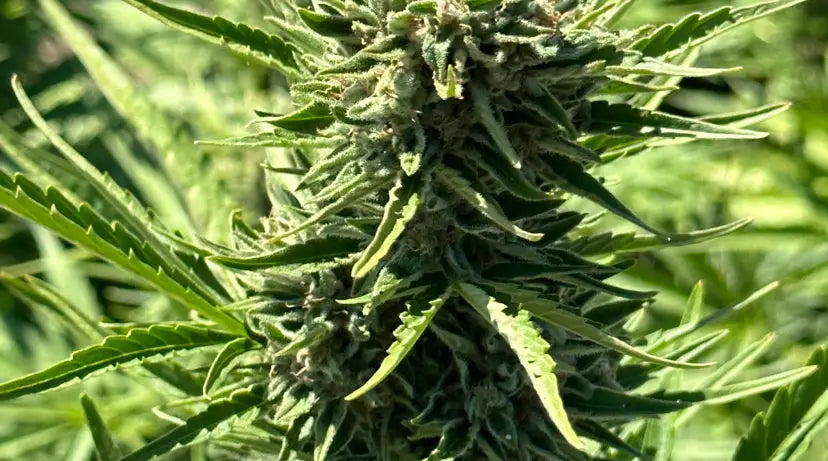
Visual inspection standards have been codified and standardized. While cannabinoid and terpene testing provides chemical verification, visual quality remains important for consumer satisfaction. Industry associations have developed standardized grading systems that evaluate flower based on trichome density, color vibrancy, trim quality, stem content, and visual defects. These grading standards help wholesale buyers evaluate product quality consistently while providing common language for quality discussions throughout the supply chain. Premium THCA flower that scores highly on both laboratory testing and visual inspection commands premium pricing, while product with excellent chemistry but poor appearance or vice versa typically falls into mid-tier pricing.
Moisture content and water activity testing have gained recognition as important quality metrics. Optimal moisture content (typically 8-12%) and water activity (below 0.65 aw) prevent mold growth during storage while maintaining flower quality and preventing excessive dryness that degrades terpenes. Products that meet these parameters demonstrate proper post-harvest handling and appropriate storage conditions, indicators of overall production quality that correlate with superior consumer experiences.
Packaging and storage innovations have supported quality preservation. Nitrogen-flushed packaging, UV-protective containers, humidity-control systems, and temperature-stable materials help maintain product quality from production through consumption. These packaging innovations have extended shelf life significantly, enabling retailers to maintain inventory with confidence that quality will remain consistent throughout the sales period. Some premium brands have adopted pharmaceutical-grade packaging that provides exceptional protection, further differentiating their products in an increasingly competitive marketplace.
Quality consistency has become a critical differentiator. While single batches of exceptional flower generate excitement, brands that consistently deliver high-quality products batch after batch earn consumer loyalty and retail preference. This consistency requires sophisticated cultivation controls, rigorous quality management systems, and comprehensive testing protocols—investments that separate professional operations from amateur producers. Retailers increasingly favor suppliers with demonstrated consistency, even if occasional batches don't reach the absolute quality peaks that less reliable producers might achieve intermittently.
Conclusion: What These Trends Mean for Buyers and Businesses
The premium THCA flower market in 2026 has matured into a sophisticated, dynamic industry that rewards quality, transparency, and professionalism while creating abundant opportunities for well-positioned businesses and informed consumers. The trends explored throughout this analysis reveal an industry moving decisively beyond its pioneering phase into sustained, quality-driven growth that promises continued expansion throughout 2026 and beyond.
For wholesale buyers and retailers, these trends mandate strategic positioning decisions. The bifurcating market—with commodity products facing price pressure while premium offerings maintain pricing power—requires clear decisions about target customer segments and product positioning. Retailers pursuing volume-based strategies must optimize operational efficiency and supply chain relationships to remain profitable at compressed margins. Conversely, retailers targeting quality-conscious consumers must invest in staff education, sophisticated inventory curation, and marketing that communicates quality differentiation effectively. The middle ground is becoming challenging; successful retailers typically commit decisively to either value positioning or premium positioning rather than trying to serve all segments equally.
For cultivators and processors, quality excellence has become non-negotiable for sustained success. The market's increasing sophistication means consumers can identify and reward genuine quality while rejecting mediocre products regardless of pricing. Investment in cultivation technology, genetics development, and comprehensive testing pays immediate dividends through premium pricing and consistent demand. Cultivators who view quality as optional or pursue pure volume strategies without quality discipline face increasingly difficult market conditions as competition intensifies and consumer expectations rise.
For consumers, the trends of 2026 create an unprecedented environment of product quality, selection, and transparency. The diversity of available THCA flower strains, the sophistication of cultivation practices, and the comprehensiveness of testing standards mean consumers today access products that would have seemed impossible just a few years ago. Educated consumers who understand testing results, appreciate quality indicators, and select products intentionally will find remarkable value and satisfaction in the current market. The emphasis on transparency means consumers can make informed decisions with confidence, knowing product claims are verified through independent testing.
Regulatory evolution will continue shaping market dynamics, though the fundamental legal framework established by the 2018 Farm Bill appears stable for the immediate future. Businesses should monitor regulatory developments closely, participate in industry advocacy when possible, and maintain rigorous compliance with current requirements to minimize regulatory risk. The trend toward standardization and clarification ultimately benefits the industry by reducing uncertainty and enabling more efficient operations.
Looking forward, the THCA market appears positioned for continued growth through 2026 and beyond. Consumer adoption is accelerating, product quality continues improving, and market infrastructure is maturing rapidly. New consumption formats, emerging genetics, technological innovations, and expanding consumer demographics ensure the market will remain dynamic and opportunity-rich. Participants who embrace quality excellence, operational transparency, and customer education will thrive, while those pursuing shortcuts or compromising quality will face increasing difficulties as market sophistication advances.
The hemp industry's evolution into 2026 demonstrates that legal cannabis alternatives are not temporary phenomena but sustainable market segments built on genuine consumer demand, quality products, and professional operations. THCA flower has proven its market viability decisively, moving from questionable legality and marginal quality to mainstream acceptance and premium offerings that rival any cannabis products available. The trends shaping 2026 will accelerate this maturation, creating an increasingly robust, sophisticated, and consumer-friendly market that serves diverse needs while maintaining the legal accessibility that distinguishes hemp-derived products from state-legal cannabis alternatives.
Frequently Asked Questions About THCA Flower Trends in 2026
What is driving THCA flower market growth in 2026?
THCA market growth in 2026 is driven by multiple factors: increased consumer education and awareness, geographic expansion into new markets (particularly states without cannabis legalization), improved product quality through cultivation innovations, greater retail availability through both online and brick-and-mortar channels, and enhanced legal clarity as regulatory frameworks mature. The convergence of these factors has created ideal conditions for sustained market expansion, with growth rates significantly exceeding industry projections from just 18 months ago.
How much does wholesale THCA flower cost in 2026?
Wholesale THCA flower pricing in 2026 varies significantly based on quality tier. Commodity-grade outdoor flower typically ranges from $400-700 per pound wholesale. Mid-tier indoor flower from established genetics ranges from $1,000-1,800 per pound. Premium indoor flower with exceptional characteristics commands $2,000-4,000+ per pound, while ultra-premium small-batch offerings can reach $5,000-8,000 per pound or higher. Volume discounts of 10-35% are standard for larger purchases, and seasonal pricing variations create opportunities for strategic buying during harvest season when prices typically dip.
What exotic THCA strains are popular in 2026?
Exotic THCA strains gaining popularity in 2026 include rare landrace genetics (Thai, Malawi Gold, Colombian Gold) bred into stable THCA-compliant phenotypes, proprietary cultivars from boutique breeders with unique terpene profiles exceeding 4-5% total terpenes, and color varieties featuring purple, pink, or nearly black flowers due to anthocyanin expression. Limited-release exotic strains often sell out within days despite premium pricing 50-80% above standard strains, reflecting strong consumer demand for distinctive experiences and collector-culture enthusiasm within the THCA community.
How has indoor THCA cultivation technology improved?
Indoor THCA cultivation has improved through multiple technological advances: next-generation LED lighting systems offering full-spectrum output with automatic spectrum adjustment based on growth stage, AI-driven climate control maintaining temperature within 1-2°F and humidity within 3-5% of targets, sophisticated fertigation systems with real-time monitoring reducing water usage by 30-40%, integrated pest management approaches producing consistently pesticide-free flower, data analytics platforms collecting hundreds of daily measurements to optimize growing conditions, and advanced drying/curing systems that better preserve terpenes while preventing quality issues.
What THCA concentrate trends are emerging in 2026?
THCA concentrate trends in 2026 include ultra-pure diamonds exceeding 99% THCA with individual crystals reaching several grams, sophisticated live resin and solventless live rosin products preserving authentic strain terpene profiles, diversified sauce products with enhanced minor cannabinoids and targeted effect profiles, infused concentrates combining THCA with additional cannabinoids or terpenes for specific use cases, and convenient consumption formats including pre-filled vape cartridges and disposable vape pens. Quality and safety testing standards for concentrates have tightened considerably, with comprehensive COAs becoming baseline market requirements.
What THCA regulations should businesses know about in 2026?
Key THCA regulations in 2026 include continued federal compliance with the 2018 Farm Bill's 0.3% delta-9 THC limit, intensified DEA/FDA/USDA auditing of hemp operations, divergent state-level approaches with some states explicitly embracing THCA while others attempt restrictions, near-universal 21+ age requirements for purchase, stringent labeling requirements including cannabinoid content, testing results, and warning labels, expanded testing mandates covering pesticides, heavy metals, microbials, and mycotoxins, and ongoing interstate commerce challenges despite legal compliance. Industry advocacy continues pushing for federal clarification and standardized national standards.
How can consumers evaluate THCA flower quality?
Consumers can evaluate THCA flower quality through multiple indicators: comprehensive laboratory testing results (COAs) verifying cannabinoid potency, terpene profiles, and absence of contaminants; visual inspection assessing trichome density, color vibrancy, trim quality, and absence of stems/seeds; terpene content, with premium flower typically showing 3-5%+ total terpenes; proper moisture content (8-12%) and water activity (below 0.65 aw) indicating appropriate post-harvest handling; batch-to-batch consistency suggesting professional cultivation operations; and transparent sourcing information including cultivation methods, genetics lineage, and production practices. Third-party testing from accredited laboratories provides the most reliable quality verification.
What's the difference between THCA flower and regular cannabis?
THCA flower and traditional cannabis flower are chemically nearly identical, with the primary difference being legal status rather than effects or composition. THCA is the acidic precursor to delta-9 THC found in all cannabis plants, including hemp. When heated through smoking, vaporizing, or cooking, THCA converts (decarboxylates) into delta-9 THC, providing identical effects to traditional cannabis. The legal distinction is that THCA flower derives from hemp plants containing less than 0.3% delta-9 THC by dry weight (as required by the 2018 Farm Bill), while traditional cannabis exceeds this threshold. Consumer experiences with quality THCA flower are functionally indistinguishable from traditional cannabis experiences.
Why are exotic THCA strains more expensive?
Exotic THCA strains command premium pricing due to several factors: rarity and limited availability from difficult-to-obtain genetics, intensive breeding programs requiring years of development and significant investment, superior characteristics including unique terpene profiles, exceptional potency, and distinctive visual properties, smaller production volumes from boutique cultivators focusing on quality over quantity, collector appeal creating enthusiast demand willing to pay for unique experiences, and higher cultivation costs from specialized growing requirements and lower yields of some exotic varieties. These factors combine to create genuine scarcity of truly exceptional products, sustaining premium pricing in a market segment where demand consistently exceeds supply.
Where can I buy high-quality THCA flower?
High-quality THCA flower is available through specialized online retailers offering curated selections, comprehensive testing documentation, and direct-to-consumer shipping to most states. Premium THCA flower from reputable sources provides third-party laboratory testing, detailed strain information, and customer reviews to guide selection. Brick-and-mortar hemp shops, CBD stores, and specialty smoke shops in many areas also stock quality THCA products, with knowledgeable staff available to assist with strain selection and answer questions. When purchasing, prioritize vendors providing comprehensive COAs from accredited laboratories, transparent sourcing information, and clear cannabinoid/terpene profiles to ensure product quality and safety.


