


Anthocyanins Explained: The Pigment Behind Purple and Blue Buds
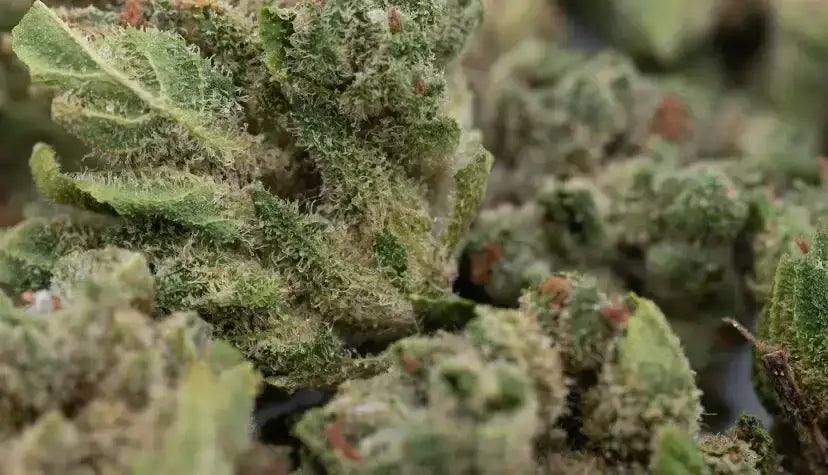
Walk into any dispensary or scroll through a wholesale catalog and you'll notice it immediately: certain flower doesn't just smell different, it looks different. Deep violet colas, blue-tinged sugar leaves, near-black nugs that photograph like something out of a nature documentary. Ask ten growers what causes purple weed and you'll get ten different half-answers — genetics, cold nights, "it's just the strain." The real answer is more interesting, and it's rooted in basic plant chemistry that's been studied for over a century.
The pigments responsible are called anthocyanins, and understanding anthocyanins in cannabis requires stepping outside the cannabis industry entirely — into food science, horticulture, and plant biochemistry, where these compounds have been documented in everything from blueberries to red cabbage to autumn maple leaves. This isn't a cannabis-specific phenomenon dressed up in marketing language. It's the same cannabis pigment science that explains why a Concord grape is purple and why leaves turn red before they fall.
This piece breaks down what anthocyanins actually are, why some cannabis phenotypes express them heavily while others never do, what the antioxidant conversation around flavonoids cannabis color compounds actually supports (and doesn't), and how to think about purple flower as a shopper or wholesale buyer who wants to understand what's driving the price tag, not just the Instagram appeal. If you want to skip straight to shopping strains with documented color genetics after reading the science, the THCA flower collection is where that curation lives.
H2: What Anthocyanins Are
Anthocyanins belong to a broader class of plant compounds called flavonoids, which themselves sit inside an even larger category known as polyphenols. If you've ever wondered why the world of pigmented produce is dominated by reds, purples, and blues, anthocyanins are almost always the reason. They're the compounds behind:
- The deep purple of Concord grapes and the blue of blueberries
- The red of red cabbage (which famously shifts color with pH, more on that below)
- The near-black hue of black rice and black beans
- Autumn foliage that turns red or purple instead of just yellow or brown
Chemically, anthocyanins are water-soluble pigments built on a flavylium cation backbone. That structure is what makes them behave differently from other plant pigments like chlorophyll (green) or carotenoids (orange/yellow, the compounds behind carrots and fall's yellow leaves). Anthocyanins are stored in the cell vacuole — essentially a storage compartment inside plant cells — rather than in the chloroplasts where photosynthesis happens. That distinction matters a lot when we get into how they express visually.
There are hundreds of identified anthocyanin variants across the plant kingdom, differing based on which sugars and acids are attached to the core molecule. In cannabis specifically, researchers have identified several anthocyanin compounds, though the specific profile can vary by cultivar. This is genuinely established, peer-reviewed plant science — anthocyanin biosynthesis pathways have been mapped in detail in model plants, and cannabis behaves consistently with what's known from other flowering plants.
The biological function of anthocyanins in nature isn't cosmetic. In many plants, these pigments serve protective roles — absorbing excess light energy, helping shield tissue from UV exposure, and playing a part in the plant's stress response. Purple coloration showing up under certain environmental conditions isn't a coincidence; it's often a visible signal of a plant reacting to its environment. That's a useful frame for understanding why purple cannabis phenotypes exist at all, and why growers can influence — but not fully manufacture — the effect.
Anyone researching anthocyanins in cannabis specifically should understand this foundation first: the pigment isn't unique to the plant, isn't a cannabis-exclusive marketing invention, and follows the same rules that govern color in blueberries, grapes, and red-leaf lettuce. This is the groundwork of all cannabis pigment science — the chemistry doesn't change just because the plant does.
H2: How They Express in Cannabis — pH, Cold Temperatures, and Chlorophyll Breakdown
This is the section that actually answers what causes purple weed, and the honest answer involves at least three interacting factors: genetics, pH, and temperature.
Genetics set the ceiling
Not every cannabis phenotype has the genetic capacity to produce visible anthocyanins, regardless of how it's grown. Some cultivars carry a strong genetic predisposition toward anthocyanin production in their trichomes, calyxes, and sugar leaves; others simply don't have that pathway switched on in a meaningful way. This is why two plants grown side-by-side under identical conditions can finish completely differently — one turning deep violet, the other staying green straight through harvest. Breeders selecting for color-expressive genetics are essentially selecting for cultivars where the anthocyanin biosynthesis pathway is more actively expressed under the right triggers.
Chlorophyll breakdown unmasks the pigment
Here's the part that trips people up: cannabis plants are producing anthocyanins throughout much of their life cycle in color-expressive phenotypes, but you often can't see it. Chlorophyll — the pigment responsible for the green color in almost all plant life — is produced in much greater volume, and it visually dominates. Green simply overpowers purple at the pixel level.
As harvest approaches, and especially as temperatures drop, chlorophyll production slows and existing chlorophyll begins to break down faster than it's replaced. This is the exact same mechanism responsible for fall foliage change in deciduous trees — the green fades, and the pigments that were there all along (anthocyanins, carotenoids) become visible. In cannabis, once chlorophyll degrades in the later stages of flower, the anthocyanins in cannabis tissue that were already present get to show themselves for the first time.
This is why purple expression is heavily concentrated in the final two to three weeks of flowering, and why growers who want to intensify color will sometimes introduce a cooler nighttime temperature drop during that late-flower window. It's not about "turning on" pigment production out of nothing — it's about accelerating the chlorophyll breakdown that reveals pigment already being synthesized.
pH changes the actual hue
Here's a detail most cannabis content skips entirely, and it's one of the more scientifically interesting parts of the story: anthocyanins are pH-sensitive pigments. Their molecular structure — and therefore the color they display — shifts depending on the acidity or alkalinity of the cellular environment they're sitting in.
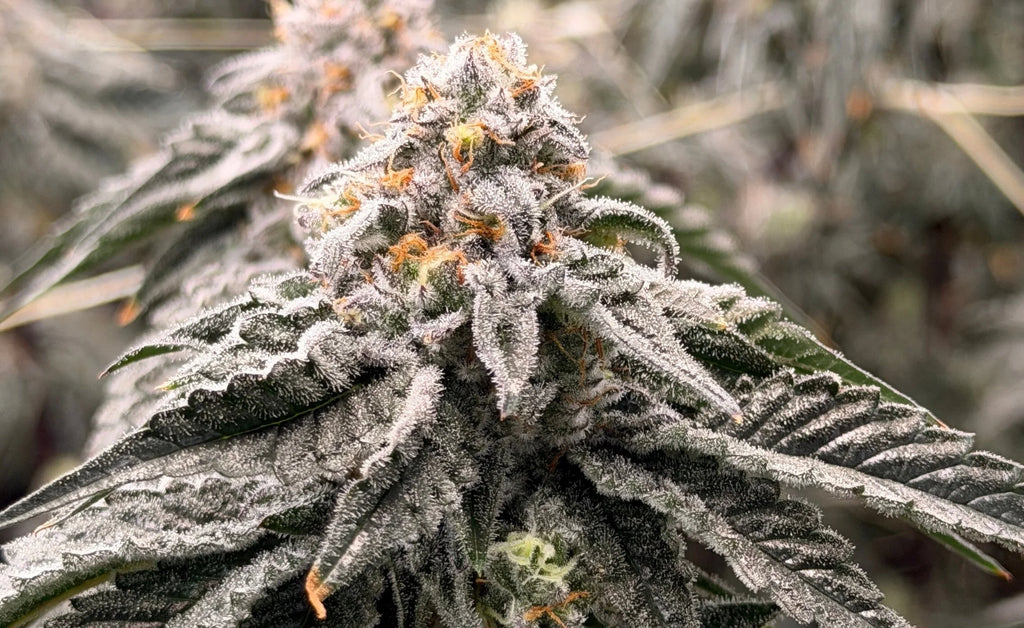
This is the same chemistry demonstrated in basic chemistry classrooms with red cabbage juice, which turns pink in acidic solutions, purple in neutral ones, and blue-green in alkaline ones — all from the exact same anthocyanin-rich extract. In cannabis, subtle variations in cellular pH across different plant tissues (and across different cultivars) contribute to why anthocyanin expression isn't just "purple" as a monolith. It ranges across a spectrum: pink, magenta, violet, indigo, and near-black, depending on the specific anthocyanin compounds present and the pH conditions inside the plant tissue at the time chlorophyll recedes. It's another layer of flavonoids cannabis color chemistry that shoppers rarely get explained clearly.
This pH sensitivity is also part of why blue-toned phenotypes are rarer and more prized than standard purple ones — achieving that end of the spectrum typically requires a more specific combination of pigment compound and cellular pH than the more common violet or magenta range.
Cold isn't the only trigger, but it's the most reliable one
While pH and genetics set the underlying potential, cold nighttime temperatures during late flower are the environmental factor growers have the most practical control over. This is consistent with what's documented across the plant world — cold stress is a well-known trigger for anthocyanin-related color change in numerous plant species, not just cannabis. It's the same reason certain apple varieties develop deeper red skin with cooler autumn nights, and why some lettuce and kale varieties intensify in color heading into fall.
It's worth being precise here for anyone doing genuine cannabis pigment science research: temperature triggers the reveal by accelerating chlorophyll breakdown; it doesn't manufacture anthocyanins that weren't genetically programmed to exist in the first place. A phenotype without color genetics won't turn purple no matter how cold the room gets — which is really the core, honest answer to what causes purple weed in a single sentence: genetics provide the pigment, cold reveals it, pH decides the exact shade.
H2: Anthocyanins and Antioxidant Claims
Any honest discussion of flavonoids cannabis color compounds eventually runs into the antioxidant conversation, and this is a section where precision matters more than enthusiasm.
Anthocyanins, as a class of flavonoid compounds, have been studied broadly in nutrition and food science research for their antioxidant activity — meaning their capacity, in laboratory settings, to neutralize free radicals and reduce oxidative stress at the molecular level. This is well-documented across the anthocyanin-rich foods most people already associate with health benefits: blueberries, blackberries, red grapes, purple sweet potatoes, and black rice all owe part of their "superfood" reputation to their anthocyanin content.
That said, there's an important distinction between "this compound class has documented antioxidant properties in general plant and nutrition research" and "smoking or consuming purple cannabis flower delivers those benefits to you in a meaningful, measurable way." The two are not the same claim, and reputable sources shouldn't conflate them.
A few things worth being clear about:
- General antioxidant research on anthocyanins is real and extensive — it spans decades of food science and nutrition literature, largely centered on dietary consumption of fruits and vegetables.
- Anthocyanin content in anthocyanins in cannabis flower has not been studied with anywhere near the same depth as it has in food crops. The compounds are present, and their identity is scientifically confirmed, but claims about specific health outcomes from consuming purple cannabis specifically are not backed by the same body of research.
- Combustion and processing change the picture. Whatever antioxidant properties a compound displays in raw, dietary form doesn't automatically transfer to a smoked, vaped, or otherwise processed cannabis product. This is a meaningful gap that responsible content should not paper over.
- Color is not a potency or cannabinoid indicator. A purple phenotype isn't inherently higher in THCA, more potent, or more "effective" than a green one. Anthocyanin expression and cannabinoid production are governed by largely separate genetic and biochemical pathways. Purple bud can be excellent flower or mediocre flower — the color tells you about pigment genetics and late-flower conditions, not about the cannabinoid or terpene profile sitting underneath it.
The honest takeaway: anthocyanins are a legitimate, scientifically confirmed compound class with a real and well-established research history in the broader plant and nutrition world. Their presence in cannabis is real chemistry, not a gimmick. But the leap from "this compound class has known properties" to "this specific product delivers those benefits" is exactly the kind of unverified claim this space should avoid making. Appreciate purple flower for what it demonstrably is — a visually striking result of real cannabis pigment science — rather than for health claims the current research doesn't support.
FAQ: What People Actually Search About Purple and Blue Cannabis
What causes purple weed?
Purple coloration in cannabis comes from anthocyanins in cannabis genetics, pigment compounds that are present in color-expressive phenotypes throughout growth but get masked by chlorophyll's dominant green color. As harvest nears and temperatures drop, chlorophyll breaks down faster than it's replenished, revealing the anthocyanins underneath. Genetics determine whether a plant has the capacity to produce these pigments at all; environment (mainly cold nighttime temperatures) determines how visible the effect becomes.
Does purple cannabis get you higher or hit differently?
No. Anthocyanin expression is governed by a separate biochemical pathway from cannabinoid and terpene production. Color is not a reliable indicator of potency, effect profile, or quality. A purple phenotype and a green phenotype of comparable genetics and cultivation quality will have comparable potency potential.
Is purple weed rarer or more valuable?
It can carry a price premium because color-expressive genetics combined with proper late-flower cold-triggering conditions require more precise cultivation control, and consumer demand for visually striking flower is high. But rarity and value here are about genetics and grow conditions, not inherent superiority in effect — a core piece of cannabis pigment science worth remembering before paying a premium.
Can any strain turn purple if you just make it cold enough?
No. Cold temperatures accelerate the process of revealing anthocyanins that a plant is already genetically capable of producing — they don't create pigment capacity from nothing. A phenotype without anthocyanin-expressive genetics will not turn purple regardless of temperature manipulation. This is one of the most misunderstood pieces of what causes purple weed in grower forums.
Are anthocyanins the same compounds found in blueberries and grapes?
Yes, structurally they belong to the same flavonoid pigment class. The specific anthocyanin variants and concentrations differ between plant species, but the underlying chemistry — including pH sensitivity and the flavylium-based molecular structure — is consistent across the plant kingdom, another example of flavonoids cannabis color chemistry mirroring the rest of the plant world.
Do anthocyanins in cannabis have proven health benefits?
Anthocyanins in cannabis as a compound class have documented antioxidant properties in general nutrition and food science research. However, cannabis-specific research on anthocyanin content and any resulting health effects is limited, and processing methods like smoking or vaping change how (or whether) those properties carry through. Treat this as an area of real but still-developing science rather than a confirmed health claim.
Why does purple cannabis sometimes look more blue or pink instead of deep purple?
Because anthocyanins are pH-sensitive pigments — the same chemistry that makes red cabbage juice change color in acidic vs. alkaline solutions. Slight differences in cellular pH across cultivars and plant tissue produce the full range of shades seen in cannabis, from pink and magenta to deep violet, indigo, and near-black.
CTA: Read the Science, Then Shop the Strains
Anthocyanins are real, well-documented plant chemistry — the same cannabis pigment science behind blueberries, red cabbage, and autumn leaves, expressing itself through cold-triggered chlorophyll breakdown and pH-driven color variation in cannabis genetics built to produce it. Now that you know what causes purple weed beneath that violet or indigo bud, you can shop with an informed eye instead of just a striking product photo.
Explore the current lineup of color-expressive genetics in the THCA flower collection — curated anthocyanins in cannabis flower where the pigment story is backed by the cultivar, not just the lighting in a product photo.
SEO & Keyword Strategy
Primary Keywords (all linked to the collection page throughout body copy)
| Keyword | Intent | Placement |
|---|---|---|
| anthocyanins in cannabis | Informational/educational | H1, intro, H2 #1, H2 #2, H2 #3, FAQ (x3), CTA |
| what causes purple weed | Informational, high search volume | H1 variant, intro, H2 #2 (x2), FAQ (x2), CTA |
| cannabis pigment science | Informational/authority | Intro, H2 #1, H2 #2, H2 #3, FAQ, CTA |
| flavonoids cannabis color | Informational | Intro, H2 #2, H2 #3, FAQ |
Secondary Keywords
- purple cannabis genetics
- blue cannabis strains
- THCA flower color
- cold temperature cannabis flowering
- cannabis chlorophyll breakdown
- anthocyanin antioxidants
Long-Tail Opportunities (captured in FAQ + body copy)
- "does purple weed get you higher"
- "is purple cannabis stronger than green"
- "why does cannabis turn purple in cold weather"
- "are anthocyanins in weed the same as in blueberries"
- "purple weed vs green weed potency"
- "what makes cannabis buds blue"


