


THCA Flower Growing Guide 2026: From Seed to Harvest
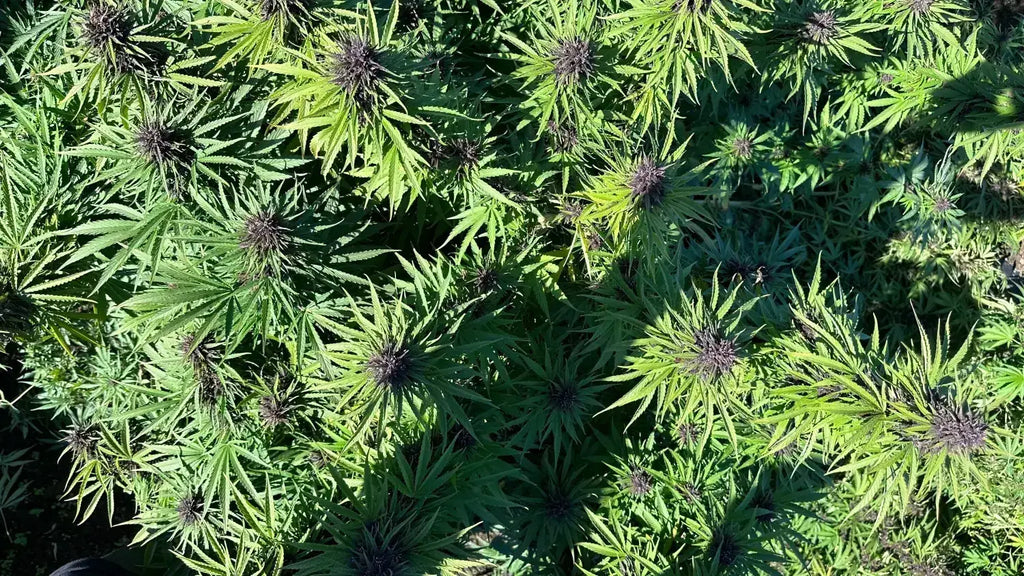
Growing your own THCA flower is one of the most rewarding — and most demanding — projects a hobbyist cultivator can take on. This THCA growing guide 2026 walks through the complete cycle, from cracking seeds to curing jars, so you know exactly what's happening at every stage and why it matters for the final potency of your buds. Whether you're planning your first grow tent or your fifth outdoor season, understanding the timeline below will help you avoid the most common mistakes that cost growers weeks of work and percentage points of THCA.
We'll cover germination, vegetative growth, flowering, trichome development, harvest windows, and curing — with practical benchmarks at every step. And if, after reading, you decide that managing lights, humidity, and nutrient schedules for three months isn't for you, there's no shame in that. Skilled cultivation teams do this at scale so you don't have to.
What Is THCA and Why the Grow Cycle Matters
THCA (tetrahydrocannabinolic acid) is the raw, non-intoxicating cannabinoid that hemp and cannabis plants naturally produce. It only converts to THC when exposed to heat through a process called decarboxylation. Because THCA is the compound that's actually measured on a Certificate of Analysis before any heat is applied, everything that happens during the seed to harvest THCA timeline — light schedule, nutrient balance, humidity, and harvest timing — directly shapes the final lab numbers.
This is different from growing for yield or bag appeal alone. A grower chasing high THCA percentages has to think about the plant's biochemistry at every stage, not just its size. Trichome development, which is where THCA is actually synthesized and stored, doesn't happen on a fixed calendar — it happens in response to light stress, temperature, and the plant's overall health throughout the entire THCA grow cycle. That's why understanding each phase, rather than just watching the calendar, is the difference between a mediocre harvest and a genuinely high-potency one.
THCA Grow Stages Overview
A complete seed to harvest THCA cycle typically runs 10–14 weeks depending on strain genetics and growing environment. Indoor grows under controlled photoperiods tend to run more predictably than outdoor or greenhouse grows, which are subject to seasonal light changes and weather variability.
The five core THCA grow stages are:
- Germination (Days 1–7)
- Vegetative Stage (Weeks 2–5)
- Flowering Stage (Weeks 6–10)
- Late Flower / Ripening (Weeks 9–11)
- Harvest, Dry, and Cure (Weeks 11–14)
Each stage carries its own potency implications, and mistakes made early — like weak genetics or a stressed vegetative period — tend to compound by the time you reach harvest. Let's break down what's actually happening at each phase.
Germination (Days 1–7)
Every strong THCA plant starts with strong genetics. Growers commonly use one of two germination methods: the paper towel method, where seeds are placed between damp paper towels and checked daily for a taproot, or direct-to-soil planting under a humidity dome, which reduces handling and transplant shock.
Regardless of method, temperature control is critical during this first week. Keep ambient and soil temps in the 75–80°F range — cooler temperatures slow germination significantly, while excessive heat can dry out the delicate taproot before it establishes.
This is also the stage where seed sourcing makes the biggest long-term difference. Genetics purchased from reputable breeders with documented THCA percentages give growers a real head start over unverified seed stock, since the plant's genetic ceiling for cannabinoid production is set before it ever sprouts. A seed with a documented 24% THCA lineage will consistently outperform an unverified seed even under identical growing conditions — you cannot grow your way past a plant's genetic limits, only up to them.
By day 5–7, you should see a taproot emerge (paper towel method) or cotyledon leaves breaking soil (direct planting). At that point, the plant transitions into early vegetative growth.
Vegetative Stage (Weeks 2–5)
The vegetative stage is where root structure and branch architecture are built — and while it doesn't directly produce trichomes, it sets the physical framework that determines how much trichome-covered surface area the plant can support later.
During veg, plants are typically kept on an 18/6 light cycle to encourage continuous vertical and lateral growth. Nutrient needs shift toward nitrogen-heavy formulas that support leaf and stem development. This is also the window where root systems establish themselves, so consistent watering (avoiding both drought stress and waterlogging) matters more than it will at any later stage.
THCA-focused growers often top plants once during veg — pinching or cutting the main growth node — to encourage multiple colas instead of a single dominant cola. The logic is straightforward: more bud sites generally means more trichome-covered surface area at harvest, which translates to higher total resin yield across the plant, even if individual bud density stays constant. Low-stress training (gently bending and tying branches instead of cutting them) is a lower-risk alternative that achieves a similar canopy-evening effect without the recovery time that topping requires.
By the end of week 5, most growers are looking for a plant that has filled out laterally, established a strong root base, and shows 4–6 main branch sites ready to become future colas. This is the last stage where vegetative growth, not flower production, is the priority — once you flip the light cycle, the plant's energy shifts almost entirely toward reproduction.
THCA Flowering Stage (Weeks 6–10)
The THCA flowering stage begins when growers switch from an 18/6 to a 12/12 light cycle, signaling to the plant that daylight is shortening and it's time to reproduce. This light change triggers hormonal shifts that redirect the plant's energy from leaf and branch growth toward bud and trichome production.
The first one to two weeks of flower are often called the "stretch" phase, where plants can nearly double in height before growth slows and bud sites begin forming in earnest. Growers need to plan canopy space accordingly — a plant that outgrows its lighting footprint during stretch will produce uneven bud development at the top versus the lower canopy.
THCA production ramps up significantly from weeks 6–8, as the small hair-like trichomes covering the developing buds mature from clear to cloudy in appearance. This is the biochemical engine room of the entire grow: trichomes are the resin glands where cannabinoids and terpenes are actually synthesized, and their development pace directly tracks with the plant's overall THCA accumulation.
Because of this, weeks 6–8 are also the window where nutrient ratios should shift toward phosphorus and potassium-heavy bloom formulas, moving away from the nitrogen-dominant feed used in veg. Phosphorus supports flower and root development, while potassium supports overall plant health and stress resistance during a period of intense biochemical activity. Overfeeding nitrogen this late in the cycle is one of the most common causes of underdeveloped, leafy buds with lower resin coverage.
Environmental control matters just as much as nutrients during this window. Humidity should trend downward as flowering progresses — high humidity during mid-to-late flower significantly increases the risk of bud rot (botrytis), which can destroy weeks of growth in days if left unchecked.
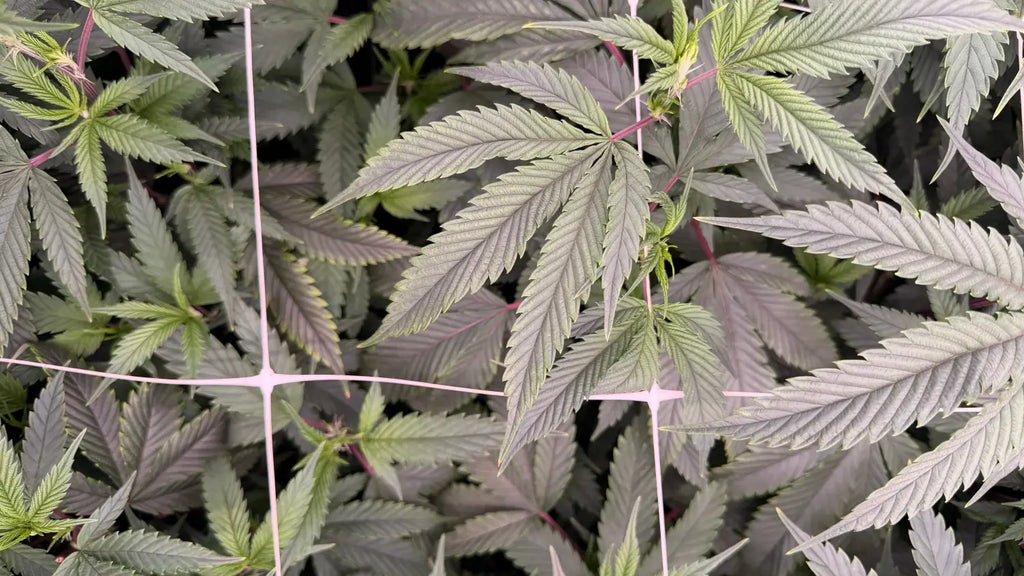
Late Flower / Ripening and THCA Trichome Maturity (Weeks 9–11)
This is arguably the most important window in the entire THCA grow cycle, because it's where growers make the harvest timing decision that determines final potency.
THCA trichome maturity is your best indicator of harvest readiness — far more reliable than counting days or watching pistil color alone. Using a jeweler's loupe (a 30–60x magnification tool) or a digital microscope, growers examine the mushroom-cap-shaped trichomes covering the buds and sugar leaves. These trichomes progress through three visual stages:
- Clear: Trichomes are translucent and glassy. Cannabinoid production is still ramping up; harvesting now results in lower potency and a "green," less developed high or effect profile.
- Milky/Cloudy: Trichomes turn opaque white. THCA levels are at or near their peak, and terpene production is typically highest during this window.
- Amber: Trichomes take on a golden-brown hue as THCA begins slowly degrading into other cannabinoids like CBN. Some amber is desirable for a more relaxing effect profile, but too much signals a missed harvest window.
A mix of milky-white and 10–20% amber trichomes under a jeweler's loupe generally signals peak THCA-to-degradation balance — the sweet spot where cannabinoid content is maximized before natural degradation starts pulling numbers back down. Growers chasing the highest possible lab-tested THCA percentage often harvest on the earlier end of that window, while growers prioritizing a more sedating, full-spectrum effect may let a slightly higher amber percentage develop.
It's worth noting that trichome color can vary across different parts of the plant — colas closer to the light source often mature faster than lower bud sites. Many experienced growers check trichomes on multiple colas, not just the top, before committing to a harvest date.
THCA Harvest Timing (Week 11–12)
Once trichome maturity hits your target window, THCA harvest timing becomes a matter of execution speed and post-harvest handling. Buds are typically cut in the early morning, before lights turn on (or before sunrise, outdoors), when the plant's internal chemistry is at its most stable and terpene levels haven't yet been degraded by heat.
After cutting, whole plants or individual branches are hung upside down to dry. The standard benchmark is to hang-dry in a dark room at 60°F/60% humidity for 7–10 days. This slow, controlled drying pace is intentional: drying too fast (high heat, low humidity, direct light) can lock in a harsh chlorophyll taste and degrade fragile terpenes, while drying too slow in overly humid conditions risks mold growth on dense buds.
Growers know drying is complete when small stems snap rather than bend — a sign that internal moisture has dropped to a safe level for the next stage. At this point, the flower is smokable but not yet at its full potential. That comes from proper curing.
THCA Curing Process (Weeks 12–14)
The THCA curing process is the step most rushed growers skip — and it's also the step that can meaningfully affect final lab-tested THCA numbers, along with smell, flavor, and smoothness.
Curing begins by placing dried buds into airtight glass jars, filled to roughly 75% capacity to leave room for air exchange. For the first week, jars should be "burped" — opened briefly — daily to release built-up moisture and allow fresh air in. This step is critical: trapped humidity at this stage is the single biggest cause of mold in an otherwise successful grow.
After the first week, burping frequency typically drops to every few days for another 2–3 weeks. Throughout this period, residual moisture from inside the flower slowly and evenly redistributes throughout the bud, while chlorophyll continues to break down and terpene profiles develop further complexity. Many experienced growers and testing labs report that properly cured flower shows measurably better cannabinoid retention and more complete terpene expression than flower that's dried and smoked immediately.
A hygrometer (small humidity sensor) placed inside the curing jar is a worthwhile investment — most growers target 58–62% relative humidity inside the jar as the sign of a well-balanced cure. Flower cured for a full 2–3 weeks or longer is generally considered "well-cured" and ready for long-term storage or sale.
Common Mistakes That Hurt THCA Potency
Even experienced growers run into avoidable pitfalls across the THCA hemp timeline. A few of the most common:
- Harvesting too early based on pistil color alone. Pistils (the hair-like strands on buds) darkening is not the same signal as trichome maturity, and relying on pistils alone often results in a premature harvest.
- Overfeeding nitrogen into flower. Carrying a vegetative feeding schedule too far into flowering produces leafy, less resin-dense buds.
- Rushing the dry. Fast-drying buds under heat or direct light locks in harshness and destroys terpenes before curing can even begin.
- Skipping the cure entirely. Smoking flower straight off the dry rack skips the chemical refinement that curing provides, leaving both flavor and potency on the table.
- Poor humidity control during late flower. This is the single most common cause of lost harvests to bud rot in the final weeks before cutting.
Avoiding these five mistakes alone puts most home growers ahead of the curve for their entire THCA growing guide 2026 season.
Frequently Asked Questions
How long does the full THCA grow cycle take from seed to harvest?
Most THCA strains take 10–14 weeks total, broken into roughly 1 week of germination, 4 weeks of vegetative growth, and 5–9 weeks of flowering depending on the strain's specific flowering time and whether it's grown indoors or outdoors.
When to harvest THCA flower for the highest potency?
The most reliable indicator is trichome color under magnification, not the calendar. A mix of mostly milky-white trichomes with roughly 10–20% amber generally represents the peak balance between maximum THCA accumulation and the point degradation begins.
Can I tell harvest readiness just by looking at pistil color?
Not reliably. Pistils darkening and curling is a rough general indicator that flowering is progressing, but trichome color under a loupe or microscope is a far more precise signal of actual cannabinoid maturity.
What temperature and humidity should I dry THCA flower at?
A slow dry at roughly 60°F and 60% relative humidity for 7–10 days is the standard benchmark. This pace protects terpenes and avoids the harsh, chlorophyll-heavy taste that comes from rushing the process.
Does curing actually change the THCA percentage?
Curing allows moisture to redistribute evenly and lets chlorophyll break down further, and growers commonly report that a full cure improves both cannabinoid retention and terpene expression compared to flower smoked immediately after drying, making curing a meaningful step rather than an optional one.
How often should I burp curing jars?
Daily for the first week, then every few days for another 2–3 weeks, adjusting frequency based on how much humidity is released each time you open the jar.
What's the difference between clear, milky, and amber trichomes?
Clear trichomes indicate the plant is still building cannabinoid content. Milky/cloudy trichomes indicate peak THCA and terpene levels. Amber trichomes indicate THCA has begun degrading into other cannabinoids, which shifts the effect profile toward something more sedating.
Is growing THCA flower legal?
Legality depends on your jurisdiction and the specific regulatory framework in place, so growers should confirm current local and federal rules before starting a grow. Regulations around hemp-derived cannabinoids have continued to evolve, so this is worth verifying close to your planting date rather than relying on older information.
What if I don't have the space, time, or environment to run a full grow cycle?
Not every situation supports a full 10–14 week indoor or outdoor setup, and that's a completely reasonable conclusion to land on. Sourcing already-cured, lab-tested THCA flower is a practical alternative that skips the equipment, environmental control, and multi-month time investment.
Conclusion
The path from seed to harvest is a genuine commitment — 10 to 14 weeks of careful light scheduling, nutrient management, trichome monitoring, and patient curing, all in service of maximizing THCA potency and flower quality. Every stage in this THCA growing guide 2026 builds on the last, and small missteps early in the cycle tend to show up as missed potential by harvest day.
If you'd rather source finished, lab-tested flower than manage a full THCA grow cycle yourself, check out our THCA flower collection page for wholesale and retail options — flower that's already been through germination, flowering, trichome monitoring, and a full cure, so all that's left is enjoying it.


