


Maverick CBD vs RNA CBD Hemp Flower: Which Strain Wins for Wholesale Buyers?
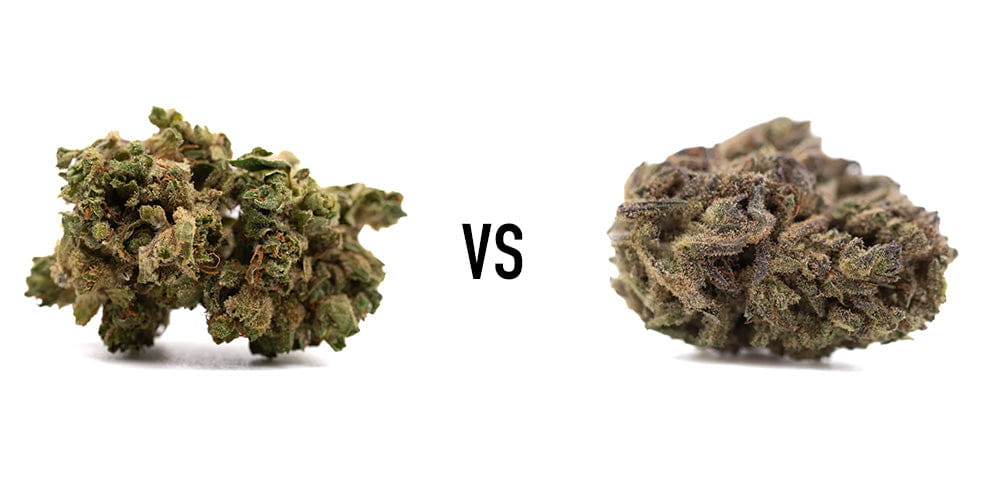
Wholesale buyers stocking wholesale CBD hemp flower this season are weighing two standout options: Maverick CBD and RNA CBD Hemp Flower. Both strains deliver strong bag appeal and competitive cannabinoid percentages, but they differ in cultivation approach, terpene expression, and price-per-pound at scale — and for buyers running tight margins on high-volume orders, those differences matter more than a spec sheet lets on.
If you're comparing Maverick CBD wholesale pricing against RNA CBD hemp flower, this guide breaks down cultivation, terpenes, shelf performance, and margin math so you can place your next order with confidence — not guesswork.
What Makes a Strain "Wholesale-Ready"?
Not every CBD flower that tests well in a lab is built for wholesale. A strain earns wholesale-ready status when it checks four boxes simultaneously: consistent cannabinoid percentages across harvest batches, bud structure that survives transit and repackaging without excessive shake, bag appeal that holds up under dispensary lighting and glass jars, and a price-per-pound that leaves enough margin for retail markup.
This is where a lot of CBD flower comparison content misses the mark — it evaluates strains the way a consumer would, based on smell and effect alone, rather than the way a buyer actually needs to: as a SKU that has to perform on a shelf, ship without degrading, and repeat that performance order after order.
Maverick CBD and RNA CBD Hemp Flower both clear that bar, but they get there through different cultivation philosophies. Understanding those philosophies is the difference between stocking the right strain for your customer base and stocking the wrong one for the sake of a lower per-pound number.
Maverick CBD: Overview & Cultivation Profile
Maverick CBD is built around a traditional harvest cycle. Plants are brought in at a standard maturity window rather than pushed to their outer limits, which gives cultivators tighter control over yield consistency from one grow cycle to the next. The result is a strain that behaves predictably — batch to batch, pound to pound.
Structurally, Maverick tends to produce denser, tighter bud formations. That density matters more than it might seem at first glance. Tighter bud structure means less shake generated during trimming, packaging, and transit, which directly protects your sellable yield per pound. For buyers who've dealt with a shipment that looked great on the invoice but arrived half-broken-down in the bag, this is not a small detail — it's often the deciding factor in a repeat order.
Cannabinoid consistency is another hallmark of the Maverick profile. Because the harvest window is more standardized, CBD percentages tend to land in a predictable, repeatable range across cycles. That predictability is valuable for wholesale buyers who need to promise their own retail customers a consistent product experience — nobody wants to explain to a regular customer why "the same strain" tests differently every time it's restocked.
Maverick's flavor and aroma profile lean toward the classic hemp flower expression: earthy, slightly herbal, with moderate but not overwhelming terpene intensity. It's a flower that reads as familiar to CBD consumers who know what they like and aren't necessarily shopping for a premium, boutique experience — they're shopping for a reliable product at a fair price.
For wholesale purposes, this makes Maverick a strong anchor SKU. It's the strain you can build a consistent restock schedule around, price competitively, and count on to perform the same way in July as it did in January.
RNA CBD Hemp Flower: Overview & Full-Term Cultivation
RNA CBD Hemp Flower takes a different approach from the ground up. Grown full-term, RNA plants are allowed to mature significantly longer on the plant before harvest — a cultivation choice that trades some predictability in timing for a meaningfully different end product.
That extended maturation window is the entire story behind RNA's standout characteristic: trichome development. Trichomes — the resinous structures on the flower's surface where cannabinoids and terpenes are produced and stored — continue developing the longer a plant is allowed to mature. Full-term growing gives RNA more time to build out that trichome layer, which shows up visually as a noticeably frostier, more resin-dense bud when you hold it next to a standard-harvest strain.
This isn't just an aesthetic upgrade, either, though bag appeal absolutely benefits from it. Denser trichome coverage typically correlates with a more pronounced, complex terpene profile, since trichomes are where terpenes are concentrated. That translates directly into a stronger aroma and flavor experience — the kind of sensory profile that premium and connoisseur-focused customers actively seek out and are willing to pay more for.
The tradeoff is on the cultivation side. Full-term growing extends the timeline, which means longer turnaround between harvests and, in most cases, a higher cost of production. That cost tends to be reflected in wholesale pricing — RNA typically commands a higher price-per-pound than a standard-harvest strain like Maverick, which is a calculation buyers need to build into their margin planning up front rather than discover after the fact.
RNA also tends to be a stronger visual and olfactory "wow" product straight out of the bag. For dispensaries that do any part of their business on flower appearance — jars on display, pre-sale photos, in-store sampling — RNA's frost and aroma give staff something tangible to sell on before a customer even asks about lab results.
Maverick vs. RNA: Head-to-Head Comparison
Here's how the two strains stack up across the factors that actually drive wholesale purchasing decisions:
| Factor | Maverick CBD | RNA CBD Hemp Flower |
|---|---|---|
| Harvest cycle | Standard/traditional timing | Full-term (extended maturation) |
| Bud structure | Dense, tight | Dense with heavier trichome coverage |
| Trichome development | Moderate | High |
| Terpene intensity | Moderate, classic hemp profile | Pronounced, complex |
| Cannabinoid consistency | High batch-to-batch predictability | Strong, with some natural variation |
| Shake/breakdown in transit | Low | Low to moderate |
| Price-per-pound | More competitive | Premium pricing |
| Best-fit customer | Value-focused, repeat buyers | Premium-shelf, flavor-focused buyers |
| Restock predictability | High | Moderate (longer grow cycle) |
The pattern that emerges is straightforward: Maverick optimizes for consistency and margin efficiency, while RNA optimizes for sensory quality and premium positioning. Neither strain is objectively "better" — they're built for different points in the wholesale CBD hemp flower market, and the right pick depends entirely on who's walking through your customers' doors.
This is precisely why so many multi-location dispensary groups and larger smoke shop chains choose to carry both rather than picking one. Maverick anchors the value tier and keeps turns predictable; RNA fills the premium shelf and gives staff an upsell story. Buyers running a CBD strain comparison wholesale evaluation for their own shelf mix often land on exactly this two-tier structure.
Terpene Profile & Bag Appeal: Why It Matters at Wholesale Scale
Terpenes don't just determine smell — they're one of the single biggest drivers of repeat purchase behavior in CBD retail. Customers may not always know the technical name for what they're smelling, but they absolutely know when a flower smells "weak" versus "loud," and that perception directly shapes whether they come back for a second bag.
Maverick's terpene profile is moderate and consistent — pleasant, recognizable, and reliable, but not the strain that stops a customer in their tracks from three feet away. That's a feature, not a flaw, for buyers whose customer base wants a dependable everyday flower without sticker shock.
RNA's full-term cultivation pushes terpene expression noticeably further. The extended maturation window that builds up trichome density also concentrates aromatic compounds, giving RNA a more layered, intense scent profile straight out of the bag. For retailers who rely on the "open the jar and let them smell it" sales technique — still one of the most effective conversion tools in physical hemp retail — RNA gives staff more to work with.
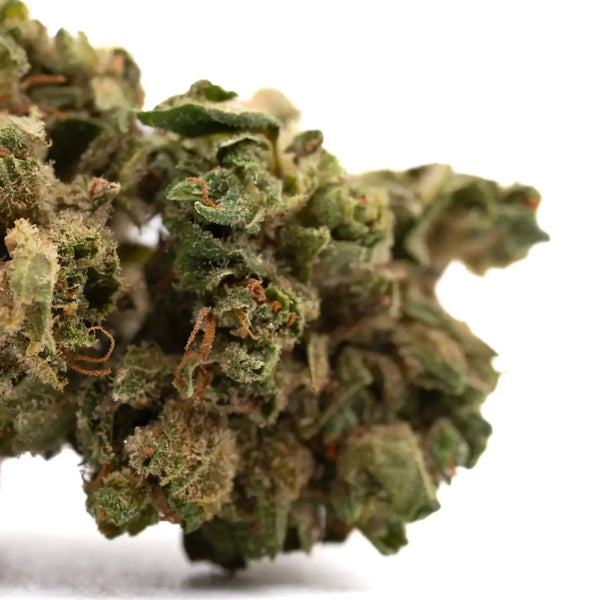
Bag appeal follows the same logic. Under dispensary lighting, RNA's heavier trichome coverage reads as visibly frostier and more resin-rich, which matters enormously for impulse and browsing customers who are making a purchase decision based on what's in the jar in front of them, not a lab report on the wall. Maverick still presents well — dense, clean, well-manicured buds — but it doesn't have the same visual "wow" factor that RNA delivers.
For buyers stocking both, this becomes a merchandising strategy: put RNA front and center in display jars where visual and aromatic impact drive impulse buys, and lean on Maverick for the value-tier shelf and bulk pre-packaged bags where consistency, not spectacle, closes the sale.
Price-Per-Pound & Margin Considerations at Scale
Margin math is where the Maverick-versus-RNA decision gets real for wholesale buyers, because sensory quality only matters if the unit economics work at the volume you're ordering.
Maverick's standard harvest cycle generally supports more competitive per-pound pricing. Because the cultivation timeline is shorter and more predictable, growers can maintain steadier throughput, which tends to keep wholesale costs lower and more stable across the year. For buyers doing high-volume, lower-margin-per-unit business — think bulk pre-rolls, budget flower bags, or value-tier jars — that pricing stability is often more valuable than an upgraded terpene profile.
RNA's full-term growing cycle takes longer and typically costs more to produce, and that cost is reflected in a higher wholesale price-per-pound. The question buyers need to answer isn't "is RNA more expensive" — it obviously is — but whether the premium retail price it commands (and the customer loyalty a standout product can build) outpaces that higher acquisition cost. For dispensaries with an established premium-shelf customer base already accustomed to paying more for a better flower experience, RNA's math tends to work in their favor. For buyers whose customer base is price-sensitive, the margin compression from a higher per-pound cost can be harder to absorb without raising retail prices past what that segment will tolerate.
A useful exercise for bulk CBD flower buying decisions: calculate your target margin at both price points using your actual retail pricing, not the wholesale cost in isolation. A strain that costs more per pound but moves faster off the shelf, generates repeat visits, or supports a higher retail price tag can outperform a cheaper strain that sits longer or gets discounted to move.
Buyers running both SKUs side by side often find the real answer isn't "which strain wins" but "what's the right ratio of each to carry" — a blended order that captures both the value shopper and the premium shopper without over-committing inventory dollars to either segment alone.
Which Strain Fits Which Retail Model?
Choose Maverick CBD if:
- Your customer base is primarily value-conscious and price-sensitive
- You need predictable restock timing and consistent batch-to-batch cannabinoid percentages
- You're stocking bulk pre-rolls, value bags, or high-turnover budget SKUs
- Minimizing shake and breakdown during transit is a priority for your margin
Choose RNA CBD Hemp Flower if:
- You operate a premium-shelf or boutique retail model
- Your customers actively seek out flavor, aroma, and visual bag appeal
- You have display jars or an in-store sampling setup where sensory impact drives conversion
- You can support a higher retail price point without losing that customer segment
Choose both if:
- You serve a mixed customer base across price sensitivity levels
- You want a two-tier shelf strategy: Maverick as the everyday anchor, RNA as the premium upsell
- You're building out a broader wholesale CBD hemp flower program and want strain diversity to reduce reliance on a single SKU
This last option is increasingly common among multi-location operators and buyers building out a serious best wholesale CBD flower 2026 product mix — diversifying across cultivation styles hedges against supply fluctuations in any single strain while giving sales staff more than one story to tell.
Buying in Bulk: What to Ask Your Supplier
Before placing a large order of either strain, wholesale buyers should confirm a few things with their supplier that go beyond the spec sheet:
- Third-party lab testing — Ask for current Certificates of Analysis (COAs) confirming Delta-9 THC compliance under the 0.3% dry-weight threshold, along with full cannabinoid and terpene panels for the specific batch you're purchasing, not a generic strain average.
- Batch consistency history — For a strain like Maverick where consistency is the core selling point, ask how much variation has occurred across recent harvest cycles.
- Harvest and packaging date — Freshness affects both aroma and structural integrity, particularly for a full-term strain like RNA where trichome quality is central to the value proposition.
- Minimum order quantities and price breaks — Confirm where the per-pound price steps down at higher volumes, since the margin case for either strain often only pencils out cleanly at certain order sizes.
- Packaging and shipping method — Ask how flower is packed for transit, since bud structure alone doesn't guarantee it arrives undamaged; proper humidity control and cushioning matter just as much.
Buyers who work through this checklist before ordering tend to avoid the two most common wholesale headaches: inconsistent product on restock, and margin assumptions that don't survive contact with actual freight and packaging costs.
Frequently Asked Questions
What's the main difference between Maverick CBD and RNA CBD Hemp Flower?
Maverick is grown on a standard harvest cycle, producing dense, consistent buds with moderate terpene expression and more predictable batch-to-batch pricing. RNA is grown full-term, allowing extended trichome development that results in a frostier appearance and a more pronounced terpene profile, typically at a higher price-per-pound.
Which strain has a higher CBD percentage?
Both strains are cultivated to deliver competitive cannabinoid percentages, and exact figures vary by batch. Buyers should always request the current COA for the specific lot they're purchasing rather than relying on general strain averages, since cannabinoid content can shift slightly between harvests for any strain.
Is RNA CBD Hemp Flower worth the higher price for wholesale buyers?
It depends on your customer base. For premium-shelf retailers whose customers prioritize aroma, flavor, and bag appeal, RNA's full-term profile often justifies the higher cost through stronger retail pricing and repeat purchases. For value-focused operations, Maverick's lower per-pound cost may deliver better overall margin.
Can I order both strains in the same wholesale purchase?
Yes. Many wholesale buyers carry both Maverick and RNA specifically to serve different segments of their customer base — Maverick as a value-tier anchor and RNA as a premium upsell option.
How should I store bulk CBD flower to protect quality?
Both strains should be stored in a cool, dark, humidity-controlled environment away from direct light and temperature swings. RNA's higher trichome density makes it somewhat more sensitive to handling, since excessive agitation can knock trichomes loose and reduce potency and bag appeal over time.
What's the minimum order for wholesale pricing on these strains?
Minimum order quantities and price-break tiers vary by supplier and current inventory levels. Buyers should confirm current pricing tiers directly before placing a bulk order, as per-pound costs typically decrease at higher volume thresholds.
Are Maverick and RNA legal for wholesale sale?
Both are hemp-derived CBD flower strains cultivated to remain compliant with the 2018 Farm Bill's 0.3% Delta-9 THC dry-weight threshold. Buyers should always request current lab testing to confirm compliance before purchase and resale, and should stay current on any state-specific hemp regulations that may apply to their market.
Final Verdict: Which Strain Wins?
There isn't a single winner here — there's a right strain for a specific business model. Maverick CBD wins on consistency, transit durability, and per-pound economics, making it the stronger anchor SKU for value-focused, high-volume operations. RNA CBD Hemp Flower wins on trichome development, terpene intensity, and bag appeal, making it the better fit for premium-shelf retailers whose customers are willing to pay more for a standout sensory experience.


