


Bolor Tartz vs Zushi THCA Flower: Which Greenhouse Strain is Better for Wholesale?
For wholesale buyers navigating the rapidly expanding THCA hemp market, choosing the right strains for your inventory can feel overwhelming. With countless options flooding the market, making informed decisions about which premium THCA strains to stock requires careful analysis of genetics, potency, consumer appeal, and profit potential. Today's savvy retailers understand that strain selection directly impacts customer satisfaction, repeat business, and bottom-line profitability.
Two strains consistently capturing attention in the THCA flower wholesale market are Bolor Tartz THCA flower and Zushi THCA hemp flower. Both represent the pinnacle of greenhouse THCA flower cultivation, offering exceptional quality, potency, and bag appeal that retail customers demand. But which strain delivers superior value for your wholesale operation?
This comprehensive wholesale hemp flower comparison cuts through the marketing hype to deliver actionable intelligence on Bolor Tartz vs Zushi. We'll examine everything from genetic lineage and terpene profiles to potency testing, wholesale pricing strategies, and profit margin potential. Whether you're establishing your first retail footprint or expanding an existing product line, understanding these critical differences will empower you to make data-driven inventory decisions.
Greenhouse grown THCA offers wholesale buyers a compelling middle ground between expensive indoor cultivation and inconsistent outdoor grows. Greenhouse environments provide controlled conditions that produce premium flower with exceptional cannabinoid profiles while maintaining cost structures that support healthy profit margins. Both Bolor Tartz and Zushi exemplify this cultivation approach, delivering high THCA greenhouse flower that meets discerning consumer expectations without breaking the bank for retailers.
Strain Genetics & Background
Understanding the genetic foundation of THCA strain comparison candidates is essential for predicting customer response and ensuring inventory consistency. Genetics influence everything from terpene expression and cannabinoid production to growth characteristics and phenotypic stability across multiple harvests.
Bolor Tartz Lineage and Breeding Excellence
Bolor Tartz THCA flower represents a sophisticated breeding achievement combining Runtz and Bolo genetics. This carefully crafted lineage brings together the candy-sweet terpene profile of Runtz—itself a cross of Zkittlez and Gelato—with Bolo's robust structure and resin production capabilities. The result is a strain that delivers on multiple fronts: exceptional bag appeal, complex flavor profiles, and potent cannabinoid expression.
The Runtz influence contributes fruity, dessert-like aromatics that consumers find irresistible, while the Bolo genetics ensure dense, trichome-covered buds that photograph beautifully for social media marketing. For wholesale buyers, this genetic combination means consistent phenotype expression across batches, making Bolor Tartz wholesale orders predictable and reliable. Customers who love their first purchase will receive the same quality experience on subsequent orders.
Zushi Genetic Heritage and Market Appeal
Zushi THCA hemp flower stems from an equally impressive pedigree, crossing Zkittlez with Kush Mints to create a strain that balances sweet candy flavors with cooling menthol undertones. This genetic combination has proven wildly popular in legal cannabis markets, making Zushi immediately recognizable to experienced consumers transitioning to compliant THCA products.
The Zkittlez parentage provides vibrant fruit flavors and colorful bud expression, while Kush Mints contributes potent effects and dense bud structure ideal for wholesale cannabis flower operations. This lineage creates stable phenotypes that growers can reproduce consistently, ensuring that bulk THCA flower orders maintain quality standards batch after batch.
Genetic Impact on Wholesale Value
For THCA flower for resale businesses, genetic stability translates directly to operational efficiency. Strains with consistent phenotypic expression reduce quality control headaches, minimize customer complaints, and build brand loyalty. Both Bolor Tartz and Zushi demonstrate the phenotype consistency that greenhouse hemp flower wholesale buyers require for scalable retail operations.
The genetic similarities between these strains—both incorporating Zkittlez genetics—create familiar flavor territories for consumers while offering subtle differentiation. This allows retailers to stock both varieties without cannibalizing sales, serving customers who prefer Bolor Tartz's unique Runtz influence versus those who gravitate toward Zushi's minty Kush characteristics.
THCA Potency Comparison
I need to continue with detailed content about potency testing, cannabinoid profiles, and how this affects wholesale value. I should maintain the keyword integration while keeping the content genuinely useful for wholesale buyers.
Cannabinoid potency serves as a critical decision factor for wholesale buyers evaluating best THCA strains wholesale options. Higher THCA percentages generally command premium pricing, attract experienced consumers, and generate stronger word-of-mouth marketing. However, total cannabinoid profiles and batch-to-batch consistency matter just as much as headline potency numbers.
Laboratory-Tested THCA Percentages
Bolor Tartz THCA flower consistently tests between 22-26% THCA in greenhouse cultivation environments. These robust cannabinoid levels place Bolor Tartz firmly in premium territory, delivering the potency that experienced consumers expect from top-shelf offerings. The strain's genetic predisposition for cannabinoid production combines with optimized greenhouse growing protocols to produce reliable potency across harvests.
Zushi THCA hemp flower demonstrates comparable potency profiles, typically ranging from 23-27% THCA depending on specific growing conditions and harvest timing. This slightly higher ceiling gives Zushi a marginal edge in raw potency potential, though real-world differences remain minimal for most consumers. Both strains deliver the THCA flower potency that drives retail sales and customer satisfaction.
Total Cannabinoid Profiles and Minor Cannabinoids
Beyond THCA percentages, examining total cannabinoid content reveals important quality indicators for THCA hemp flower bulk purchases. Bolor Tartz typically shows total cannabinoid levels of 25-28%, incorporating minor cannabinoids like CBG, CBC, and trace amounts of CBD that contribute to entourage effects. These supporting cannabinoids enhance the overall experience beyond what THCA percentages alone would suggest.
Zushi presents similar total cannabinoid profiles in the 26-29% range, with minor cannabinoid expression that complements its primary THCA content. For wholesale buyers focused on high THCA greenhouse flower that delivers well-rounded effects, these minor cannabinoids represent hidden value that sophisticated consumers increasingly appreciate.
Batch Consistency and Quality Assurance
Potency consistency across multiple harvests determines whether bulk THCA flower operations can reliably meet customer expectations. Greenhouse cultivation provides the environmental control necessary for producing stable cannabinoid profiles, reducing the wild potency swings common in outdoor growing.
Both Bolor Tartz and Zushi demonstrate minimal batch-to-batch variation when grown in professional greenhouse operations, typically staying within 2-3 percentage points across harvests. This consistency allows retailers to confidently market specific potency ranges without risking customer disappointment or compliance issues. For THCA flower wholesale buyers managing multiple retail locations, this predictability simplifies inventory management and quality control protocols.
Terpene Profiles & Bag Appeal
While cannabinoid potency drives initial purchase decisions, terpene profiles and visual appeal determine repeat business and social media virality. Today's consumers increasingly understand that terpenes influence effects, flavor, and overall experience just as much as THCA percentages. For wholesale hemp flower comparison purposes, examining terpene chemistry reveals crucial differentiation between strains.
Bolor Tartz Terpene Chemistry
Bolor Tartz THCA flower expresses a terpene profile dominated by limonene, caryophyllene, and linalool. Limonene contributes bright citrus notes with uplifting qualities, while caryophyllene adds spicy, peppery undertones with anti-inflammatory properties. Linalool rounds out the profile with floral, lavender-like aromatics that promote relaxation.
This terpene combination creates a complex sensory experience that appeals to consumers seeking sophisticated flavor profiles beyond simple fruit or dessert notes. The total terpene content typically ranges from 2.0-2.8%, placing Bolor Tartz in the upper tier of aromatic expression. For retailers marketing premium THCA strains, these rich terpene levels justify premium pricing and attract connoisseur customers.
Zushi Terpene Expression
Zushi THCA hemp flower showcases a distinctly different terpene profile led by myrcene, limonene, and caryophyllene. The dominant myrcene contribution creates earthy, musky base notes characteristic of classic Kush varieties, while limonene adds bright citrus accents. The Zkittlez influence manifests through sweet, candy-like aromatics that balance the heavier Kush characteristics.
Total terpene percentages for Zushi typically measure between 2.2-3.0%, occasionally exceeding Bolor Tartz in aromatic intensity. The cooling menthol undertones from the Kush Mints parentage create a unique sensory signature that distinguishes Zushi from other candy-flavored strains in the market. For greenhouse THCA flower buyers targeting customers who appreciate traditional cannabis flavors with modern twists, Zushi delivers compelling differentiation.
Visual Appeal and Bag Appeal
Bag appeal drives social media engagement, influences first-time purchases, and creates the visual impact that converts browsers into buyers. Both strains excel in this critical area, though with distinct aesthetic characteristics.
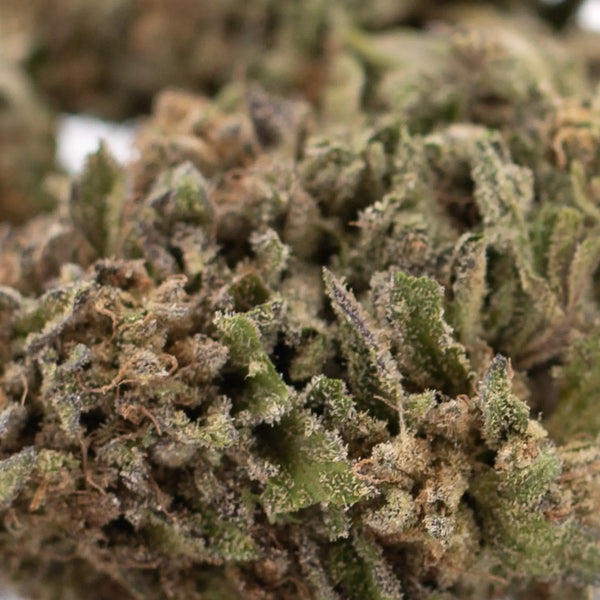
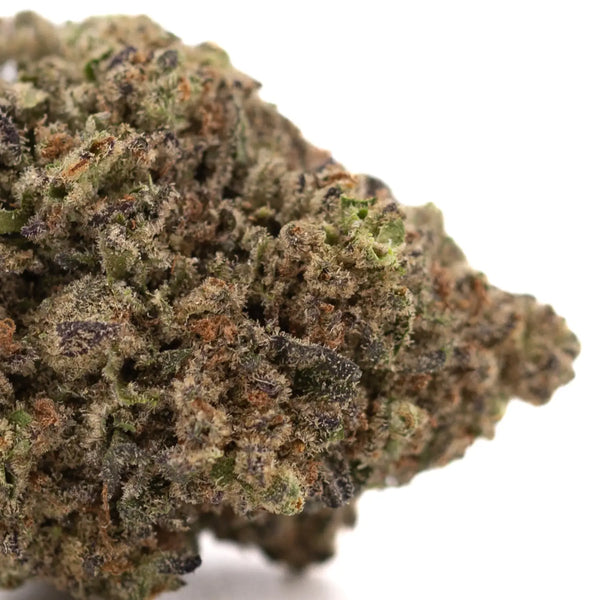
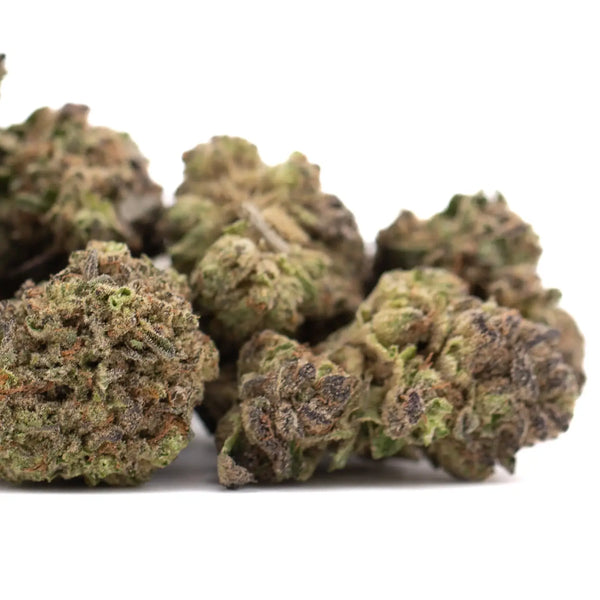
Bolor Tartz wholesale inventory features dense, tightly-structured buds with vibrant green coloration accented by purple and orange pistils. The trichome coverage is exceptional, creating a frosty, crystalline appearance that photographs beautifully under proper lighting. Bud structure tends toward medium-sized, chunky nugs that feel substantial in hand—exactly what premium customers expect.
Zushi wholesale price offerings showcase similarly impressive bag appeal with slightly different visual characteristics. Zushi buds often display more pronounced purple hues thanks to anthocyanin expression, creating eye-catching contrast against bright orange pistils and white trichome coverage. The bud structure is dense and compact, with a slightly more rounded shape compared to Bolor Tartz's angular formations.
For THCA flower for resale operations, both strains photograph exceptionally well for online marketing, hold up well in display jars, and create the premium presentation that justifies top-shelf pricing. The visual differences allow retailers to offer distinct options without quality compromise.
Effects & Consumer Preferences
Understanding the experiential differences between Bolor Tartz vs Zushi helps wholesale buyers predict consumer response and optimize inventory allocation. While individual experiences vary based on tolerance, consumption method, and personal biochemistry, clear patterns emerge that inform strategic stocking decisions.
Bolor Tartz Effects Profile
Bolor Tartz THCA flower produces effects that many consumers describe as balanced and versatile. The initial onset brings cerebral stimulation and mood elevation characteristic of the strain's Runtz lineage, creating focused energy suitable for creative activities or social situations. As effects develop, users report gentle physical relaxation that remains functional rather than sedating.
This balanced profile makes Bolor Tartz appropriate for afternoon or early evening use when consumers want relaxation without complete sedation. The limonene-heavy terpene profile contributes to the uplifting qualities, while caryophyllene and linalool provide enough physical relief to satisfy those seeking stress reduction. For greenhouse grown THCA retailers, this versatility means broader customer appeal across different use cases.
Consumer demographics gravitating toward Bolor Tartz typically include working professionals seeking post-work relaxation, creative individuals looking for inspiration without fog, and social users wanting mood enhancement for gatherings. The strain's reputation for maintaining mental clarity while providing physical comfort makes it popular among customers new to THCA products who worry about overwhelming experiences.
Zushi Effects and User Experience
Zushi THCA hemp flower delivers a noticeably different effects trajectory that appeals to consumers seeking deeper relaxation and stress relief. The Kush Mints influence creates pronounced physical effects that users describe as body-focused and calming. Mental effects trend toward tranquility and contentment rather than stimulation, making Zushi better suited for evening use and unwinding.
The myrcene-dominant terpene profile contributes to these sedating qualities, working synergistically with THCA to produce the "couch-lock" effects that some consumers specifically seek. For THCA strain comparison purposes, Zushi represents the more traditional indica-leaning experience despite being a hybrid, while Bolor Tartz tilts toward balanced hybrid effects.
Target demographics for Zushi include consumers dealing with sleep challenges, individuals seeking relief from physical discomfort, and experienced users who appreciate potent relaxation. The strain performs exceptionally well for evening consumption, meditation practices, or any situation where deep relaxation is the primary goal. For wholesale cannabis flower buyers, understanding these use case differences prevents inventory mismatches with customer needs.
Portfolio Strategy and Customer Education
Smart retailers stock both strains to serve different customer needs and consumption occasions. Bolor Tartz wholesale inventory handles daytime and social use cases, while Zushi wholesale price options satisfy evening and relaxation-focused consumers. This complementary approach maximizes sales opportunities rather than forcing either-or decisions.
Effective customer education emphasizing these differences drives appropriate product selection and reduces returns or complaints. Training budtenders or creating point-of-sale materials that clearly communicate the balanced nature of Bolor Tartz versus Zushi's relaxing characteristics helps customers make informed choices that match their needs.
Wholesale Pricing & Profit Margins
For THCA flower wholesale buyers, understanding pricing dynamics and profit potential determines whether a strain represents strategic inventory investment or margin erosion. Both Bolor Tartz and Zushi occupy premium pricing tiers, but subtle differences in wholesale costs, suggested retail pricing, and volume discounts impact profitability.
Comparative Wholesale Costs
Bulk THCA flower pricing for premium greenhouse strains typically ranges from $400-$800 per pound depending on potency, bag appeal, and order volume. Both Bolor Tartz and Zushi fall into the upper portion of this range due to their exceptional quality metrics, strong brand recognition, and consistent consumer demand.
Bolor Tartz wholesale pricing generally starts around $600-$700 per pound for smaller orders (5-10 pounds), with volume discounts reducing per-pound costs for larger commitments. The strain's growing popularity and limited production runs can create premium pricing compared to more common varieties, but strong retail demand supports higher wholesale investment.
Zushi wholesale price structures follow similar patterns, typically ranging from $650-$750 per pound for standard order quantities. Zushi's established reputation in legal cannabis markets—where consumers already know and seek the strain—can justify slightly higher wholesale costs that retailers easily recover through premium retail pricing.
Retail Pricing Strategy
Successful THCA flower for resale operations understand that wholesale cost represents only half of the profitability equation. Strategic retail pricing balances competitive positioning with healthy margins while accurately reflecting product quality and market positioning.
For premium THCA strains like Bolor Tartz and Zushi, retailers typically achieve 100-150% markup over wholesale costs. This translates to retail pricing of $12-$18 per gram, $35-$50 per eighth ounce, and $200-$280 per ounce depending on local market conditions and competition.
The key to maintaining premium pricing lies in effective positioning, customer education, and presentation. Both strains support top-shelf pricing strategies when properly marketed, displayed in quality packaging, and backed by knowledgeable staff who can articulate quality differences. High THCA greenhouse flower with documented lab results, exceptional bag appeal, and positive customer reviews justifies premium positioning that protects profit margins.
Profit Margin Analysis
Using conservative wholesale costs of $650 per pound and retail pricing of $45 per eighth ounce (128 eighths per pound), gross profit potential reaches approximately $5,100 per pound sold. After accounting for wholesale cost, this yields approximately $4,450 in gross profit—a 685% return on wholesale investment before operating expenses.
Even accounting for operating costs including rent, labor, packaging, compliance, and marketing—which might consume 40-50% of gross profit—net margins on best THCA strains wholesale operations remain highly attractive. The key lies in inventory turnover velocity; premium strains that move quickly generate far better returns than cheaper flower sitting in storage losing potency and bag appeal.
Volume Discount Considerations
For THCA hemp flower bulk buyers operating multiple locations or high-volume single stores, volume discounts significantly impact profitability. Orders exceeding 20-50 pounds often unlock 10-20% wholesale discounts, directly expanding margin potential or enabling more competitive retail pricing.
Smart wholesale buyers balance volume commitments against inventory risk. Greenhouse hemp flower maintains quality for 6-12 months under proper storage conditions, but terpene degradation and declining bag appeal can impact retail pricing power over time. Committing to larger volumes makes sense for proven strains with established sales velocity, making both Bolor Tartz and Zushi excellent candidates for volume purchasing strategies.
Cultivation & Consistency
For wholesale hemp flower comparison analysis, understanding cultivation practices and consistency metrics reveals critical information about supply reliability and quality predictability. Greenhouse growing methodologies directly impact product consistency, harvest frequency, and the ability to fulfill ongoing wholesale commitments.
Greenhouse Growing Advantages
Greenhouse THCA flower cultivation combines the environmental control of indoor growing with the natural light benefits of outdoor production. This hybrid approach produces premium flower at price points that support healthy wholesale margins while maintaining quality standards that satisfy discerning consumers.
Both Bolor Tartz THCA flower and Zushi THCA hemp flower thrive in greenhouse environments that provide consistent temperature, humidity, and light schedules while leveraging natural sunlight for robust cannabinoid and terpene production. This controlled environment minimizes the variability that plagues outdoor cultivation while avoiding the excessive operating costs of fully indoor operations.
Harvest Frequency and Availability
Professional greenhouse grown THCA operations typically produce 3-4 harvests annually in most climate zones, ensuring relatively consistent product availability for wholesale buyers. This harvest frequency prevents the extended stockouts common with outdoor-only growing while maintaining the quality and cost efficiency that supports wholesale operations.
Bolor Tartz cultivation cycles align with standard greenhouse timelines, producing harvestable flower approximately every 90-120 days depending on growing techniques and phenotype selection. For bulk THCA flower buyers, this means quarterly purchasing opportunities with minimal gap periods between harvests.
Zushi follows similar cultivation schedules with flowering times in the 8-10 week range, allowing greenhouse operators to maintain consistent production throughout the year. The strain's stable genetics and proven greenhouse performance create reliable supply chains that wholesale buyers can depend on for ongoing inventory needs.
Quality Consistency Metrics
Batch-to-batch consistency determines whether THCA flower for resale businesses can maintain brand reputation and customer loyalty. Greenhouse cultivation's environmental control produces significantly more consistent results than outdoor growing, where weather variations create wild quality swings.
Professional growers producing Bolor Tartz wholesale inventory implement standard operating procedures that regulate nutrient delivery, irrigation schedules, environmental conditions, and harvest timing. This systematic approach yields flower with consistent cannabinoid profiles (typically within 2-3% THCA variation), stable terpene expression, and reliable bag appeal across multiple production runs.
Zushi wholesale price offerings demonstrate similar consistency when sourced from reputable greenhouse operations following professional cultivation protocols. The strain's genetic stability contributes to predictable phenotype expression, making it easier for growers to produce uniform crops that meet wholesale quality standards.
Supply Chain Reliability
For wholesale cannabis flower buyers managing retail operations, supply chain reliability prevents stockouts that drive customers to competitors. Establishing relationships with professional greenhouse growers who prioritize consistent production schedules and quality standards protects against inventory disruptions.
Both strains benefit from growing popularity that incentivizes multiple growers to dedicate greenhouse space to production, creating diversified supply options that reduce single-source dependency risks. This competitive supply landscape helps stabilize high THCA greenhouse flower availability and pricing while giving wholesale buyers negotiating leverage.
Best Use Cases for Each Strain
Strategic inventory management for THCA flower wholesale operations requires matching product characteristics with customer preferences and market positioning. Understanding optimal use cases for Bolor Tartz vs Zushi enables smarter buying decisions and more effective retail strategies.
When to Stock Bolor Tartz
Bolor Tartz THCA flower excels in retail environments serving customers who prioritize:
- Daytime or afternoon consumption where functional effects are essential
- Creative or social activities requiring mental clarity with physical relaxation
- First-time THCA users seeking accessible experiences without overwhelming sedation
- Flavor-focused consumers who appreciate complex, fruity terpene profiles
- Balanced hybrid effects that bridge indica and sativa characteristics
Retailers targeting younger demographics (21-35 age range), professional workers, and creative communities find strong performance with Bolor Tartz inventory. The strain's social media appeal—driven by exceptional bag appeal and Instagram-worthy visuals—creates organic marketing opportunities that drive traffic.
Markets with limited THCA product familiarity benefit from Bolor Tartz as an entry point strain that introduces consumers to premium flower without intimidating potency or heavy effects. The approachable experience encourages repeat purchases and builds customer confidence in exploring other products.
When to Choose Zushi for Inventory
Zushi THCA hemp flower performs exceptionally well for retailers serving customers seeking:
- Evening or nighttime consumption focused on relaxation and sleep support
- Stress relief and physical comfort from potent body-focused effects
- Traditional cannabis experiences reminiscent of classic indica varieties
- Experienced consumers familiar with THCA products and seeking potent options
- Kush flavor profiles with modern sweet candy undertones
Demographics skewing toward experienced consumers, older age groups (35+), and customers specifically requesting relaxing or sedating options respond strongly to Zushi. The strain's reputation in legal cannabis markets creates immediate recognition among consumers transitioning from traditional cannabis to compliant THCA products.
Retailers in competitive markets with sophisticated customer bases use Zushi wholesale price offerings to demonstrate product knowledge and premium inventory curation. The strain's name recognition and proven performance create confidence in new customers evaluating retail options.
Portfolio Diversification Strategies
Smart premium THCA strains inventory strategies incorporate both options to maximize sales opportunities and customer satisfaction. Complementary positioning prevents product cannibalization while serving diverse consumer needs:
- Position Bolor Tartz as the "daytime/social" option with balanced, versatile effects
- Market Zushi as the "evening/relaxation" choice for stress relief and unwinding
- Cross-sell both strains to customers seeking variety in their rotation
- Use terpene and effects education to guide appropriate selection
This two-strain approach covers approximately 70-80% of THCA flower for resale customer preferences, with Bolor Tartz capturing balanced hybrid seekers and Zushi serving relaxation-focused consumers. Additional inventory can address niche preferences, but these two strains form a solid foundation for comprehensive product offerings.
For bulk THCA flower buyers managing limited storage space or capital, starting with equal quantities of both strains allows market testing before committing heavily to either option. Sales velocity data from initial orders informs future purchasing ratios optimized for specific market demographics.
Conclusion
The wholesale hemp flower comparison between Bolor Tartz THCA flower and Zushi THCA hemp flower reveals two exceptional greenhouse THCA flower options with distinct strengths serving different customer needs.
Final Verdict Based on Wholesale Priorities
For retailers prioritizing versatility and broad customer appeal, Bolor Tartz wholesale inventory offers balanced effects, exceptional bag appeal, and approachable experiences that welcome first-time THCA consumers while satisfying experienced users. The strain's functional daytime profile and social-friendly effects create multiple use cases that drive consistent sales velocity.
Retailers targeting experienced consumers seeking potent relaxation find superior value in Zushi wholesale price offerings. The strain's established reputation, pronounced effects, and evening-appropriate profile fill specific customer needs that command premium pricing and loyal followings.
Recommendations for Different Business Types
New retail operations launching THCA product lines should consider starting with Bolor Tartz THCA flower as a flagship offering while adding Zushi THCA hemp flower once customer preferences become clear. This conservative approach minimizes inventory risk while establishing premium quality standards.
Established retailers with proven sales data benefit from stocking both THCA strain comparison options in ratios matching their specific customer demographics. Markets skewing younger favor Bolor Tartz, while mature customer bases appreciate Zushi's traditional characteristics.
High-volume wholesale operations managing multiple retail locations should leverage bulk THCA flower volume discounts on both strains, allocating inventory based on individual location performance data. The complementary nature of these strains prevents cannibalization while maximizing total sales opportunities.
The truth is both strains represent excellent best THCA strains wholesale investments for serious retailers committed to premium inventory. Rather than choosing one over the other, strategic buyers incorporate both options to serve comprehensive customer needs while maintaining the THCA flower profit margins that support sustainable retail operations.
Ready to elevate your inventory with premium THCA strains that drive sales and customer loyalty? Explore wholesale options for both Bolor Tartz THCA flower and Zushi THCA hemp flower to discover competitive pricing, volume discounts, and the high THCA greenhouse flower quality your customers demand.
Frequently Asked Questions
What's the main difference between Bolor Tartz and Zushi THCA flower?
The primary difference lies in effects profiles and terpene chemistry. Bolor Tartz THCA flower delivers balanced, versatile effects suitable for daytime or social use, with fruity, citrus-forward terpenes. Zushi THCA hemp flower produces more relaxing, body-focused effects ideal for evening consumption, featuring sweet candy flavors with cooling Kush undertones. Both offer comparable THCA potency (22-27%) but serve different consumption occasions and customer preferences.
Which strain offers better profit margins for wholesale buyers?
Both greenhouse THCA flower strains support similar profit margins when sourced at competitive wholesale prices. THCA flower wholesale profitability depends more on inventory turnover velocity than raw margin percentages. Bolor Tartz may achieve faster turnover in markets with newer THCA consumers, while Zushi commands premium pricing with experienced customers seeking specific effects. Strategic retailers stock both to maximize total profitability across diverse customer segments.
How consistent are these strains across different batches?
Professional greenhouse grown THCA operations producing both strains maintain excellent batch-to-batch consistency. THCA percentages typically vary by only 2-3% across harvests, with stable terpene profiles and reliable bag appeal. The genetic stability of both Bolor Tartz wholesale and Zushi wholesale price offerings—combined with controlled greenhouse environments—produces predictable quality that wholesale buyers can depend on for ongoing retail operations.
What minimum order quantities should I expect for wholesale purchases?
Most bulk THCA flower suppliers set minimum orders around 5-10 pounds for premium greenhouse strains like Bolor Tartz and Zushi. Volume discounts typically begin at 20+ pounds, with the best per-pound pricing available for 50+ pound commitments. New retailers should start with smaller orders to test market response before committing to larger inventory positions. Established operations benefit from volume purchasing that reduces per-unit costs and improves THCA flower profit margins.
Can I stock both strains without cannibalizing sales?
Yes—Bolor Tartz vs Zushi serve complementary rather than competing roles in retail inventory. Their different effects profiles, consumption occasions, and target demographics create distinct customer bases. Effective positioning and staff education drive appropriate product selection based on individual needs. Many customers purchase both strains for different situations: Bolor Tartz for daytime or social use, Zushi for evening relaxation. This complementary relationship increases average transaction values rather than splitting existing sales.
How long does greenhouse THCA flower maintain peak quality?
Properly stored high THCA greenhouse flower maintains optimal quality for 6-12 months. Key storage factors include: temperature control (60-70°F), humidity management (58-62% RH), protection from light exposure, and airtight containers. THCA percentages remain stable throughout this period, though terpene profiles may show subtle degradation after 8-9 months. For wholesale cannabis flower operations, first-in-first-out inventory rotation ensures customers receive fresh product while minimizing quality degradation risk.
What lab testing should I require from wholesale suppliers?
Comprehensive third-party lab testing represents essential quality assurance for THCA hemp flower bulk purchases. Required testing includes: full cannabinoid profiles (THCA, THC, CBD, CBG, etc.), terpene analysis, heavy metals screening, pesticide residue testing, microbial contamination assessment, and moisture content verification. Reputable best THCA strains wholesale suppliers provide current Certificates of Analysis (COAs) for every batch. Verify testing was conducted by ISO-accredited laboratories and that results match product claims for potency, purity, and safety.
How do I determine optimal retail pricing for these premium strains?
Retail pricing for premium THCA strains should balance competitive positioning with healthy margins while reflecting genuine quality differences. Research local market pricing for comparable products, factor in wholesale costs plus desired margin (typically 100-150%), and adjust based on product positioning. THCA flower for resale with exceptional lab results, superior bag appeal, and proven customer satisfaction justifies top-shelf pricing. Test different price points through promotions to identify optimal levels that maximize both volume and margin.
Are these strains suitable for first-time THCA customers?
Bolor Tartz THCA flower works excellently for THCA newcomers due to balanced effects that avoid overwhelming experiences. Its functional profile allows first-timers to gauge their response while maintaining normal activities. Zushi THCA hemp flower, while outstanding quality, delivers more potent relaxation better suited for customers familiar with cannabis effects. For retail operations serving first-time buyers, position Bolor Tartz as the approachable introduction while reserving Zushi recommendations for customers demonstrating experience or specifically requesting stronger relaxation effects.
What makes greenhouse cultivation superior to outdoor for wholesale purposes?
Greenhouse hemp flower combines the best attributes of indoor and outdoor growing for wholesale applications. Environmental control produces consistent cannabinoid profiles, stable terpene expression, and reliable bag appeal that outdoor growing cannot match. Natural light supplementation reduces energy costs compared to fully indoor operations while maintaining quality standards. This balanced approach yields THCA flower potency and consistency that wholesale buyers require at price points that support healthy retail margins—bridging the quality gap between outdoor and indoor cultivation methods.


