


What Makes a Great THCa Pre Roll? 5 Quality Indicators to Look For

Walk into any online hemp marketplace or smoke shop today and you will find shelves — both physical and digital — overflowing with THCA pre rolls. The options are almost endless: single-gram joints, multi-pack blunts, king-size cones, infused rolls, and everything in between. It sounds like a buyer's paradise. In reality, it is a minefield.
The explosive growth of the hemp industry following the 2018 Farm Bill created enormous opportunity for legitimate cultivators and brands building products consumers can trust. It also opened the door to a flood of low-quality, poorly processed, and sometimes outright misleading products wearing the same label as the real thing. A bag of shake stuffed into a bleached paper cone with a flashy logo is not the same product as a hand-rolled, whole-flower THCA preroll packed with properly cured, third-party tested THCA flower. But from a photograph on a product listing, they can look identical.
This is the problem. Most consumers — even experienced hemp enthusiasts — lack a clear, practical framework for evaluating quality before they purchase. They rely on brand reputation alone, price as a proxy for quality, or a single review from someone whose preferences they do not know. The result is a lot of disappointing experiences: THCA pre rolls that burn unevenly, taste harsh, do not deliver consistent effects, or simply fall apart after the first few puffs.
This guide exists to change that. Whether you are shopping THCA prerolls for the first time or you have been buying hemp flower for years, understanding the five core quality indicators outlined below will sharpen your ability to identify premium products, avoid wasting money on substandard rolls, and ultimately get the most out of every session. We will cover everything from reading a Certificate of Analysis to understanding how ash color signals flower quality — practical knowledge you can apply the moment you finish reading.
Not all THCA pre rolls are created equal. Here is how to tell the difference.
What Is a THCA Pre Roll and Why Does Quality Matter?
Before diving into the quality indicators themselves, it is worth grounding the conversation in what a THCA pre roll actually is and why the quality of each component matters so significantly to the final experience.
THCA, or tetrahydrocannabinolic acid, is the raw, non-psychoactive precursor to Delta-9 THC found naturally in the cannabis plant. In its unheated form, THCA does not produce intoxicating effects. When exposed to heat — the process known as decarboxylation, which occurs the moment you light a THCA preroll — THCA converts into Delta-9 THC, producing the effects most consumers associate with cannabis. This is what makes best THCA pre rolls such a compelling product category: they are legally compliant as hemp under the 2018 Farm Bill (which requires that raw hemp contain no more than 0.3% Delta-9 THC by dry weight), yet upon combustion they deliver an experience comparable to traditional cannabis flower.
A THCA pre roll is, at its most basic, ground or processed THCA hemp flower — and sometimes concentrate — rolled into a smokable format. The format itself seems simple, but the quality of the final product is determined by a cascade of decisions made long before the flower reaches a rolling machine or a hand-roller's workstation. Those decisions include how the flower was cultivated, whether it was grown indoors, in a greenhouse, or outdoors; how it was harvested and dried; how carefully it was trimmed; how long and at what humidity it was cured; whether it was tested thoroughly by an independent laboratory; and finally, how it was packaged to preserve freshness.
Each of those factors influences potency, flavor, burn characteristics, and consistency. A hemp pre roll built on poorly cured, undertested, or machine-stripped shake is not the same product as one built on small, dense, hand-selected THCA buds — and the experience will reflect that difference immediately.
Quality also matters from a safety perspective. THCA flower prerolls that have not been tested for pesticide residues, heavy metals, microbial contamination, or residual solvents (in the case of infused products) expose consumers to potential health risks. When you smoke any cannabis product, combustion chemistry means that any contaminants in the flower are concentrated and inhaled directly. This makes rigorous third-party testing not a nice-to-have luxury but a fundamental consumer protection baseline.
Understanding why quality matters is the foundation. Now, let us look at exactly how to evaluate it.
Quality Indicator #1 — Lab Results and Certificate of Analysis
If there is one rule to live by when shopping for THCA pre rolls, it is this: no COA, no purchase. Full stop.
A Certificate of Analysis, commonly called a COA, is a document issued by an independent, accredited third-party laboratory that certifies the chemical composition and safety profile of a cannabis or hemp product. It is the single most important piece of documentation a brand can provide, and the absence of current, accessible COAs is the clearest red flag available when evaluating a THCA preroll brand.
What a Complete COA Should Include
A thorough COA for a quality best THCA preroll product will contain several critical components:
Cannabinoid Profile: This panel lists all detected cannabinoids and their concentrations — including THCA percentage, Delta-9 THC percentage, CBD, CBG, CBN, and others. For a product to be legally compliant as hemp, the Delta-9 THC concentration must test at or below 0.3% on a dry weight basis. THCA content, meanwhile, should reflect what the brand advertises. If a thca pre roll is marketed as 25% THCA, the COA should confirm a number in that range. Significant discrepancies between label claims and test results are a serious warning sign.
Pesticide Residue Screening: Hemp is a bioaccumulator — it absorbs compounds from its growing environment efficiently. Flower grown with unregulated or excessive pesticide application will retain those residues. A complete pesticide panel screens for dozens of common agricultural pesticides, including organophosphates, pyrethroids, and fungicides. Look for results that show either non-detected (ND) or levels below the state action limits listed in the report.
Heavy Metals Panel: For the same bioaccumulation reasons, lead, arsenic, cadmium, and mercury screening is non-negotiable. These heavy metals can be present in soil, water, or fertilizers and will concentrate in plant material. Passing results across all four primary metals are what you want to see on the COA for any hemp flower preroll you are considering.
Microbial and Mycotoxin Testing: Mold, yeast, E. coli, Salmonella, and mycotoxins produced by fungi represent real health risks when inhaled. Reputable THCA preroll brands test for these contamination risks and publish the results. If a brand does not include microbial testing in its COA package, exercise significant caution.
Residual Solvents (for infused products): If the THCA pre rolls you are evaluating are infused with a concentrate like live resin, diamonds, or distillate, the COA should also include a residual solvent panel confirming that solvents used in extraction have been purged to safe levels.
How to Verify COA Authenticity
Brands with integrity make their COAs easy to find — on individual product pages, via scannable QR codes on packaging, or through a dedicated lab results section on their website. The COA should display the testing laboratory's name and accreditation number, the date of testing (recent results, ideally within the last twelve months, are preferable to outdated tests), and a batch or lot number that matches the product packaging.
If you want to go a step further, most accredited labs have online portals where you can input a batch number and verify that the COA you are looking at is authentic and unmodified. For best THCA pre rolls, this level of diligence is always worth the sixty seconds it takes.
Brands that prioritize transparency with lab results are signaling something important about their broader approach to quality. That signal carries through every other indicator on this list.
Quality Indicator #2 — Flower Trim Level and Composition
The second indicator shifts from documentation to the physical product itself: what, exactly, is inside that THCA pre roll?
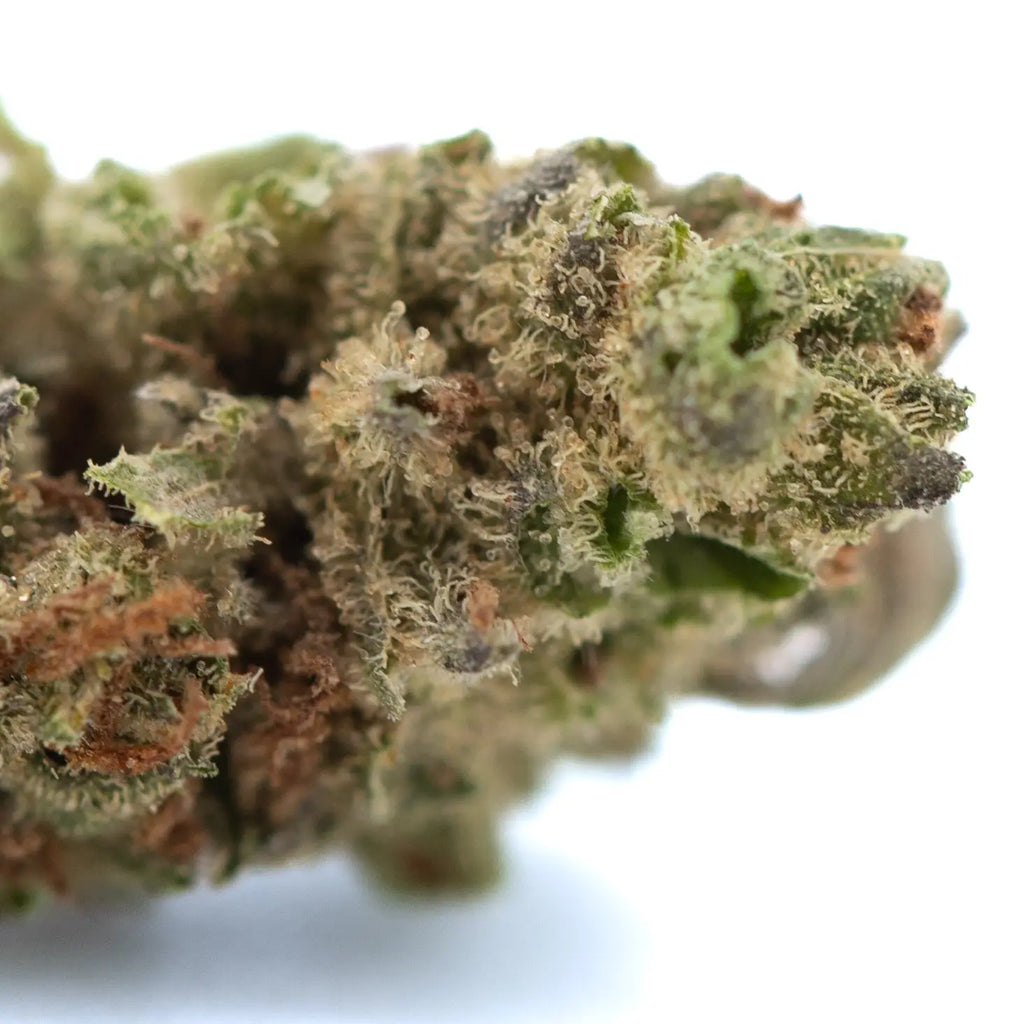
This matters more than most consumers realize, because not all plant material from a cannabis crop is created equal. When a plant is harvested, the most valuable components are the dense, trichome-covered flower buds. These are where the highest concentrations of THCA, terpenes, and other cannabinoids reside. But every harvest also generates a considerable amount of secondary material: small sugar leaves, stems, seeds (in poorly managed crops), and fine, powdery shake — the broken fragments and trichome dust that result from handling and processing.
Premium THCA prerolls are made with whole flower or small bud runs — terminology that signals the brand is packing their rolls with actual cured flower rather than processing byproducts. Budget or low-quality THCA pre rolls are frequently stuffed with shake, floor sweepings, or machine-stripped trim: material that is cheaper to produce, less potent, and significantly harsher to smoke.
How to Identify Flower Quality Before Buying
When shopping online, the product description is your primary source of information. Look for explicit language: "whole flower," "hand-trimmed small buds," "single-strain flower," or "premium indoor flower." These phrases indicate that the brand is using quality input material. Conversely, vague descriptions that simply say "premium hemp blend" without specifying the flower type, or descriptions that focus exclusively on appearance or packaging rather than the material inside, should prompt skepticism.
Photographs can provide some information, but with hemp pre rolls, you cannot see inside a sealed product from a photo. This is why reading descriptions carefully and researching brand reputation matters.
The Cure Makes a Critical Difference
Beyond trim level, the curing process has an enormous impact on the quality of a THCA flower preroll. Proper curing — a slow, controlled drying process that typically takes two to eight weeks — develops terpene complexity, reduces harshness, and creates the even moisture content that allows flower to burn smoothly and hold a consistent cherry. Rushed or improperly cured flower burns hot, produces more smoke than vapor, harshes the throat, and degrades noticeably faster during smoking.
When you receive a THCA pre roll and examine it before lighting, a properly cured product should feel springy and slightly dense rather than bone dry and brittle or spongy and over-moist. These extremes indicate either insufficient curing time or improper humidity management during storage — both of which will show up in the smoke quality.
Brands that invest in proper cultivation, careful trim, and patient curing are producing thca rolls that deliver a meaningfully superior experience. That investment shows in every puff.

Quality Indicator #3 — Rolling Consistency and Construction
Even the highest-quality THCA flower can be ruined by poor rolling technique or inconsistent machine packing. The third quality indicator is all about construction: how the THCA pre roll itself is put together.
A properly constructed THCA preroll should feel firm and even along its entire length when held between your fingers. Starting at the filter tip, squeeze gently and work your way to the twisted or folded end — the packing should feel consistent throughout with no obviously soft, hollow pockets and no excessively tight spots that restrict airflow. This kind of evenness is the hallmark of careful construction, whether done by hand or on well-calibrated equipment.
The Problem with Uneven Packing
Inconsistently packed THCA pre rolls produce the most frustrating smoking experience in cannabis: canoeing. Canoeing occurs when one side of a pre roll burns faster than the other, creating an uneven, lopsided cherry that consumes flower disproportionately and ultimately wastes a significant portion of the product. It is caused almost entirely by uneven density — soft pockets burn too fast, overly tight sections restrict airflow and die out — and it is a reliable indicator of low-quality rolling practices.
Poor airflow is the second major construction failure. A best THCA preroll should draw with a slight, comfortable resistance — similar to drinking through a normal straw. Packing that is too dense creates a plug-like resistance that requires uncomfortable force to draw through, heats up the cherry too much, and compromises both the flavor and the structural integrity of the roll. Packing that is too loose creates little resistance and allows the flower to drop out or burn too fast with minimal restriction.
Filter and Tip Quality
The filter or crutch at the base of a hemp pre roll is often overlooked but meaningfully affects the experience. A quality crutch is made from unbleached or natural materials and is sized appropriately for the roll's diameter — not too thin (which allows material to pull through) and not too wide (which collapses the mouth end of the roll). For infused or blunt-format THCA flower prerolls, glass tips are increasingly popular and represent an upgrade in both hygiene and draw quality.
Visual inspection before purchase, even through product photos, can reveal a lot. A straight, evenly cylindrical thca pre roll with a clean twist at the end indicates careful production. Visibly lumpy, irregular, or twisted rolls suggest quality control problems that will affect the smoke.
Quality Indicator #4 — Paper Type and Rolling Material
The fourth quality indicator is one that many consumers completely overlook until their smoke tastes wrong: the paper or wrap that holds the THCA pre roll together.
Rolling papers are not neutral. Every paper type burns differently, adds its own subtle flavor compounds to the smoke, and affects the burn rate and overall harshness of the experience. For best THCA pre rolls built on carefully cultivated, terpene-rich flower, using a low-quality paper is like serving a fine wine in a plastic cup — the vessel actively detracts from the experience.
Paper Types: A Quality Hierarchy
Organic Hemp Papers: This is the gold standard for hemp pre rolls. Thin, slow-burning, and made from the same plant as the flower inside, organic hemp papers add virtually no flavor interference. They are environmentally aligned with the hemp ethos and burn with a clean, light ash. Look for brands that specify their paper as unbleached and produced without chemical whitening agents.
Rice Papers: Ultra-thin rice papers are another premium choice. They are nearly flavorless, burn slowly, and produce minimal smoke relative to the cannabis vapor they deliver. Their thinness means they require slightly better rolling technique to prevent tearing, but for a finished commercial THCA preroll, this is a rolling operator's concern rather than a consumer issue.
Unbleached Wood Pulp Papers: A step down from hemp and rice, unbleached wood pulp is still an acceptable paper choice. Thicker than the above options, it burns slightly faster and adds a mild papery flavor note but is far preferable to bleached alternatives.
Bleached/Standard Wood Pulp Papers: This is what you find in the cheapest THCA pre rolls — white, chemically brightened papers that add a distinct chemical-papery flavor to the smoke and burn harsher than natural alternatives. If a brand cannot tell you what paper their products are rolled in, or if you can see that the paper is bright white without any explicit claim of natural whiteness (some hemp and rice papers are naturally off-white), this is a warning sign.
Blunt Wraps: For THCA flower prerolls in blunt format, the wrap material matters even more. Tobacco leaf wraps add nicotine to the experience, which some consumers want and others specifically seek to avoid. Hemp leaf wraps are the clean alternative, offering a slow-burning, flavorful experience without tobacco. Premium hemp flower prerolls in blunt format should clearly specify the wrap material so consumers can make an informed choice.
Quality Indicator #5 — Burn Quality and Ash Color
The fifth and final quality indicator can only be assessed in real time, but it is one of the most revealing: how a THCA pre roll actually burns.
When you light a quality THCA preroll, the cherry should catch evenly across the entire tip with the first light or two. It should maintain a steady, glowing ember as you draw and hold that cherry between puffs without requiring constant relighting to keep it going. The draw should feel smooth and consistent throughout the length of the roll as the flower burns down toward the filter. None of these things happen reliably with poorly constructed or poorly cured THCA pre rolls.
Reading the Ash
Ash color is one of the most reliable physical indicators of flower quality and cultivation practices, and it is something hemp enthusiasts have been paying attention to for decades. The principle is straightforward: properly flushed, cleanly grown, and well-cured flower produces light gray to white ash when combusted. Dark gray or black ash, by contrast, indicates that the plant contains residual mineral salts, heavy metals, chemical fertilizer residue, or other impurities that were not fully processed out during the final weeks of the plant's life or the curing process.
When you see light, pale gray ash on your best THCA pre roll, you are seeing the physical evidence of a clean, well-managed cultivation process. When you see dark, chunky, or charcoal-black ash, you are seeing the opposite — and inhaling what that dark ash represents.
Smoke Smoothness and Terpene Expression
Beyond burn consistency and ash color, quality thca rolls should deliver smooth, flavorful smoke that expresses the terpene profile of the strain clearly. Dominant terpenes like myrcene (earthy, musky), limonene (citrus), caryophyllene (spicy, peppery), and pinene (piney, fresh) should be detectable on the inhale and exhale of a well-made THCA pre roll. Harsh, acrid, or chemical-tasting smoke is a signal that something in the flower, paper, or production process is introducing unwanted compounds into your experience.
How to Shop for the Best THCA Pre Rolls: A Practical Checklist
Pulling all five indicators together, here is a practical evaluation checklist to run through when considering any THCA pre rolls:
1. Lab Results
- Current COA available (tested within the past 12 months)
- THCA potency matches label claims
- Delta-9 THC at or below 0.3% (legal hemp compliance)
- Pesticide, heavy metals, and microbial panels included with passing results
2. Flower Quality
- Product description specifies whole flower or small bud
- Brand uses single-strain or clearly identified flower varieties
- No vague "premium blend" language without specifics
3. Construction
- Rolls appear even and cylindrical in product photography
- Brand specifies hand-rolled or machine-packed with quality control procedures
- Filter/crutch material is described
4. Paper or Wrap Type
- Organic hemp, rice, or unbleached papers specified
- For blunts: hemp leaf wrap vs. tobacco leaf disclosed clearly
5. Burn Performance Indicators
- Customer reviews mention even burn, light ash, smooth draw
- No recurring complaints about canoeing, relighting, or harshness
When brands meet all five criteria, they have earned your consideration. When they fail on multiple points — particularly around COA availability and flower specification — it is time to look elsewhere. The best THCA preroll brands are transparent about every one of these factors because they know their products hold up to scrutiny.
Frequently Asked Questions About THCA Pre Rolls
Q: Are THCA pre rolls legal to buy?
Yes, THCA pre rolls made from hemp flower that contains 0.3% or less Delta-9 THC on a dry weight basis are federally legal under the 2018 Farm Bill. Individual state laws vary, so it is always worth checking your local regulations before purchasing. A legitimate brand will have COAs confirming legal Delta-9 THC compliance.
Q: Will a THCA pre roll get me high?
When you light a THCA preroll, the heat converts THCA to Delta-9 THC through decarboxylation, producing effects comparable to traditional cannabis flower. The intensity depends on the THCA percentage and your individual tolerance. High-THCA hemp flower prerolls from potent strains can be quite strong.
Q: What is a good THCA percentage for a pre roll?
Most consumers find THCA pre rolls in the 18%–28% THCA range to be a good balance between potency and smoothness. Very high-THCA flower above 28% can produce intense effects and is better suited to experienced consumers. The specific strain's terpene profile also plays a significant role in the character of the experience.
Q: How should I store THCA pre rolls?
Store THCA prerolls in an airtight container away from direct light, heat, and humidity. A dedicated pre roll tube or glass jar with a humidity pack (62% RH Boveda packs are popular) will maintain freshness and prevent the rolls from drying out and burning harshly.
Q: What is the difference between a THCA pre roll and a regular pre roll?
The term "pre roll" refers to the ready-to-smoke format; the distinction comes from the flower inside. A THCA pre roll is made with hemp-derived THCA flower that is legally hemp before combustion but converts to THC when smoked. Traditional cannabis pre rolls from dispensaries are made with marijuana and regulated differently.
Q: How many puffs does a THCA pre roll last?
It depends on the size and how often you puff, but a standard one-gram THCA pre roll typically provides 15–25 puffs when smoked solo at a moderate pace. Sharing or frequent puffing will burn through it faster.
Q: Are infused THCA pre rolls worth it?
Infused THCA pre rolls — rolls coated in or packed with concentrate additions like kief, live resin, or THCA diamonds — deliver significantly higher potency and more complex flavor. For experienced consumers looking for an elevated experience, they represent excellent value. Look for infused best THCA pre rolls with separate COA testing for the concentrate component in addition to the base flower.
Conclusion: Invest in Quality, Elevate Every Session
The THCA pre roll market is filled with options that look similar on the surface but diverge dramatically in quality, safety, and experience. Applying the five quality indicators covered in this guide — verified lab results, proper flower and trim quality, consistent rolling construction, appropriate paper selection, and clean burn performance — puts you in a position to make confident, informed purchasing decisions every time.
The brands producing the best THCA prerolls welcome this scrutiny. They publish their COAs prominently, describe their flower honestly, and let the product speak for itself. That transparency is what separates serious hemp producers from the brands simply chasing a trend.
At Oregon Hemp Flower, every THCA pre roll in our collection is built on those principles: premium whole flower, third-party tested and verified, rolled with care, and packaged to preserve freshness from our facility to your hands. When you are ready to experience the difference that genuine quality makes, explore our full collection of THCA pre rolls and find the strain that fits your next session.


