


THCA Diamonds: What They Are and How They're Made
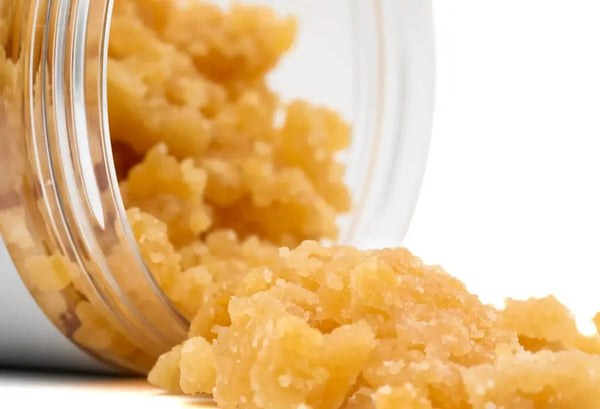
In the ever-evolving world of cannabis concentrates, THCA diamonds stand out as the crown jewel of purity and potency. These stunning crystalline structures have captivated both connoisseurs and newcomers alike with their striking visual appeal and unmatched concentration of tetrahydrocannabinolic acid. If you've ever wondered what are THCA diamonds or gazed in fascination at those glittering crystals floating in golden terp sauce, you're about to discover why these diamond concentrates represent the pinnacle of extraction artistry.
THCA diamonds have exploded in popularity over recent years, and for good reason. With purity levels reaching 95-99%+ THCA, these crystalline concentrates deliver an experience that simply can't be matched by traditional flower or even most other concentrates. Whether you're a seasoned dabber looking to elevate your sessions or a curious enthusiast wanting to understand the science behind these remarkable formations, this comprehensive guide will walk you through everything you need to know about THCA diamond weed, from the molecular magic of crystal formation to practical usage tips and quality indicators.
By the end of this article, you'll understand the intricate process of how THCA diamonds are made, what sets them apart from other concentrates, how to identify quality products, and why they command premium prices in today's market. Let's dive into the fascinating world of THCA concentrates and explore what makes diamonds truly special.
What Are THCA Diamonds?
THCA diamonds are highly refined crystalline structures composed almost entirely of pure tetrahydrocannabinolic acid (THCA), the non-psychoactive precursor to THC. These cannabis diamonds earn their name from their remarkable resemblance to actual gemstones, featuring clear to milky-white crystalline formations that can range dramatically in size from fine sugar-like granules to large, gem-quality crystals several grams in weight.
The defining characteristic of THCA diamonds is their exceptional purity. Unlike other concentrates that typically contain a mixture of cannabinoids, terpenes, fats, and plant waxes, pure THCA diamonds can achieve potency levels of 95-99%+ pure THCA. This makes them one of the most concentrated forms of cannabis available on the market today. When you hold a high-quality diamond up to the light, you'll notice its translucent or opaque appearance, with well-formed geometric edges and a hard, crystalline structure that distinguishes it from waxes, shatters, or other concentrate forms.
THCA crystalline products differ significantly from other concentrates in both composition and appearance. While products like shatter, wax, or budder contain varying mixtures of cannabinoids and terpenes in an amorphous (non-crystalline) state, diamonds are formed through a controlled crystallization process that allows THCA molecules to arrange themselves into organized, repeating patterns—the hallmark of true crystal formation.
The size variations in diamonds are worth noting. Some extractors produce what's called "sugar diamonds"—tiny crystalline structures that resemble coarse sugar or wet sand. Others cultivate large, singular crystals that can weigh several grams each. The size generally depends on the duration of the crystallization process, the starting material quality, and specific environmental conditions during formation. Larger crystals typically indicate a longer, more controlled growth process, though size doesn't necessarily correlate with purity or potency.
It's important to understand that raw THCA diamonds themselves are non-psychoactive. THCA must be converted to THC through decarboxylation (heating) to produce the euphoric effects cannabis is known for. This is why diamonds are typically consumed through dabbing or vaporization at temperatures that facilitate this conversion. When exploring THCA concentrates, you'll often find diamonds paired with terpene-rich sauce, creating a complete experience that balances purity with flavor.
The Science Behind THCA Crystallization
Understanding how THCA diamonds are made begins with grasping the fundamental chemistry of supersaturation and crystal formation. At the molecular level, THCA crystal formation follows the same principles that govern the formation of salt crystals in evaporating seawater or rock candy in a sugar solution.
The process begins with creating a supersaturated solution—a condition where the extraction solvent contains more dissolved THCA than it can normally hold in a stable state. This supersaturation is achieved through careful manipulation of temperature, pressure, and time. When the solution reaches this critical point, THCA molecules begin to precipitate out of the liquid phase, seeking each other out and bonding together in highly organized, repeating patterns that we recognize as crystals.
Temperature plays a crucial role in THCA crystal formation. As the temperature of the supersaturated solution drops slowly and controllably, THCA molecules lose kinetic energy and move more slowly, allowing them to settle into stable crystalline arrangements rather than remaining dissolved in the solution. The rate of temperature change is critical—too fast, and you'll get numerous small crystals (sugar diamonds); too slow, and you risk incomplete crystallization or contamination. Professional extractors maintain precise temperature control, often within fractions of a degree, throughout the entire process.
Time is equally essential to crystalline THCA development. Unlike rapid extraction processes, diamond formation is a patient game that can take anywhere from several days to several weeks. During this period, initial "seed" crystals form through a process called nucleation—the first organization of THCA molecules into crystalline structures. Once nucleation begins, these seed crystals serve as templates for additional THCA molecules to attach, growing larger and more defined with each passing day.
THCA crystallizes particularly well compared to other cannabinoids for several reasons. First, THCA molecules have a specific shape and charge distribution that allows them to pack together efficiently in a crystal lattice. Second, THCA is typically the most abundant cannabinoid in cannabis and hemp extracts, providing ample material for crystal growth. Finally, THCA has a relatively high melting point and stability that makes it amenable to the conditions required for slow crystal formation.
The resulting THCA diamond crystal structure is remarkably pure because the crystallization process naturally excludes most impurities. As THCA molecules organize into their preferred geometric arrangement, other compounds like minor cannabinoids, terpenes, fats, and waxes are excluded from the crystal lattice and remain in the surrounding liquid—what we call "terp sauce" or mother liquor. This self-purifying aspect of crystallization is what allows pure THCA diamonds to achieve such extraordinary purity levels without additional refinement steps.
How THCA Diamonds Are Made
The production of THCA diamonds is both an art and a science, requiring expertise in extraction chemistry, patience, and attention to detail. The process can be broken down into three main phases: extraction, diamond mining, and separation.
Extraction Phase
The journey to creating THCA diamond weed begins with high-quality starting material. Professional extractors typically use premium hemp flower with high THCA content and rich terpene profiles. The quality of the input material directly influences the final product's purity, potency, and terpene preservation.
The most common extraction method for producing diamonds involves hydrocarbon solvents, primarily butane, propane, or a blend of both. These solvents excel at extracting both cannabinoids and terpenes from plant material while leaving behind unwanted compounds like chlorophyll and plant waxes. During this initial extraction phase, the solvent passes through the plant material in a closed-loop system, dissolving THCA, other cannabinoids, and terpenes to create what's known as crude oil or live resin, depending on whether fresh-frozen or dried material is used.
At this stage, the extract contains a complex mixture of compounds: THCA (typically 60-80% of cannabinoid content), minor cannabinoids like CBDA and CBGA, a full spectrum of terpenes (potentially 5-15% by weight), and small amounts of residual fats and waxes. The exact composition varies based on the strain, growing conditions, and extraction parameters, but this initial crude extract serves as the raw material for THCA crystal formation.
Diamond Mining Process
This phase is where the magic happens—the transformation of crude extract into brilliant cannabis diamonds. The process, often called "diamond mining" or the "diamond mining process," involves creating the perfect conditions for THCA molecules to crystallize out of solution.
Extractors place the crude oil into specialized sealed containers, often mason jars or stainless steel vessels, that can withstand pressure changes. The container is typically filled about halfway to two-thirds full, leaving room for the crystals to grow and expand. The sealed environment is crucial because it maintains consistent pressure and prevents terpene evaporation, which would disrupt the delicate balance needed for crystallization.
Temperature control during this phase is paramount. Most extractors maintain temperatures between 70-90°F (21-32°C), though specific temperatures vary based on the starting material and desired crystal size. The key is stability—maintaining consistent temperatures throughout the entire growth period without sudden fluctuations.
Nucleation, the initial formation of seed crystals, typically begins within the first 24-72 hours. During this stage, tiny THCA crystals begin to form spontaneously as the solution reaches supersaturation. These seed crystals are barely visible to the naked eye but serve as the foundation for larger diamond growth.
The growth phase is where patience pays off. Over days to weeks, THCA molecules continue to attach to the seed crystals, causing them to grow larger and more defined. Professional extractors monitor this process carefully, sometimes gently agitating the container periodically to prevent crystals from clumping together or adhering to container walls. The longer this phase continues under ideal conditions, the larger and more impressive the final diamonds become.
Separation
Once the diamonds have reached the desired size, the final phase involves separating the THCA diamonds from the terpene-rich liquid surrounding them—the famous "sauce and diamonds" combination.
The terp sauce is carefully drained from the container, leaving behind the solid crystals. This sauce is incredibly valuable in its own right, containing a concentrated blend of terpenes and minor cannabinoids that contribute to flavor and the entourage effect. Many producers sell diamonds and sauce together, reuniting them after separation to offer consumers both purity and flavor in a single product.
For those seeking pure THCA diamonds without sauce, a final purging process may be performed to remove any residual solvents and moisture. This typically involves gentle heating under vacuum to evaporate remaining volatiles without damaging the crystal structure.
Quality control measures are critical at this stage. Reputable producers test their diamonds for potency, terpene content, residual solvents, pesticides, and other contaminants to ensure they meet safety and quality standards.
Comparison to Other Methods
While the closed-loop hydrocarbon extraction method described above represents professional-grade diamond production, there are variations worth mentioning. The "jar-tek" method is a simplified version sometimes used by home enthusiasts, though it carries significant safety risks due to working with flammable solvents outside professional equipment.
Closed-loop systems remain the industry standard because they offer precise control over all variables while maintaining safety through proper ventilation, pressure relief, and solvent recovery. These systems can produce THCa diamonds explained by their consistency, purity, and reliability—qualities that home production methods struggle to match.
Diamonds and Sauce Explained
One of the most popular forms of THCA diamond weed on the market today is the "sauce and diamonds" combination, and understanding this pairing is key to appreciating the full potential of these concentrates.
Terp sauce, also called "terp sauce" or simply "sauce," is the terpene-rich liquid that remains after THCA crystals form and are separated. This golden to amber-colored viscous liquid is extraordinarily flavorful and aromatic because it contains a concentrated blend of terpenes along with minor cannabinoids like THCV, CBG, and CBC. Where pure diamonds might be 99% THCA with minimal flavor, the sauce can contain 15-30% or more terpenes by weight—an incredibly high concentration compared to typical flower (1-3% terpenes).
Many producers and consumers prefer diamonds and sauce sold together because the combination offers the best of both worlds. The diamonds provide unmatched potency and purity, while the sauce delivers robust flavor, aroma, and the entourage effect—the synergistic interaction between cannabinoids and terpenes that many believe enhances the overall experience.
The ratio between diamonds and sauce can vary significantly between products. Some might be 70% diamonds to 30% sauce, while others reverse that ratio depending on consumer preference and intended use. Higher diamond ratios deliver more intense effects but less flavor, while sauce-heavy products emphasize taste and terpene benefits with slightly moderated potency.
The entourage effect deserves special mention here. While pure THCA crystalline offers maximum potency, many users report that products combining diamonds with terp sauce provide more well-rounded, enjoyable experiences. The terpenes may modulate THC's effects, potentially reducing anxiety or enhancing specific qualities like relaxation or energy depending on the terpene profile.
When using sauce and diamonds, consumers have flexibility in how they consume the product. Some prefer to dab them together, others separate them to control flavor intensity, and some add additional sauce to pure diamonds to customize their experience. This versatility makes THCA concentrates like diamonds and sauce particularly appealing to experienced users who appreciate control over their consumption.

Quality Indicators
Knowing how to identify high-quality THCA diamonds is essential for getting the best value and experience. Several visual and testing indicators can help you assess diamond quality before purchase.
Visual inspection is your first line of quality assessment. Premium cannabis diamonds should display clear to milky-white coloring with high translucency or opacity. The crystals should have well-defined geometric edges and faces, indicating proper crystal formation. Uniformity in crystal structure suggests consistent growth conditions and quality extraction processes.
Color is particularly telling. While slight cloudiness or milky appearance is acceptable and common in pure THCA crystals, any yellow, brown, or green discoloration may indicate impurities, residual plant material, or degradation. The accompanying sauce, if present, should be golden to light amber in color—darker sauce may suggest oxidation or excessive processing.
Crystal size and formation patterns provide additional clues. While both large singular diamonds and fine sugar diamonds can be high quality, avoid products with inconsistent crystal sizes or unusual formations that might indicate improper crystallization conditions or contamination.
However, visual inspection alone isn't sufficient for assessing true quality. Laboratory testing remains the gold standard for verifying pure THCA diamonds. Reputable producers provide Certificates of Analysis (COA) that confirm:
- Potency levels: THCA percentage should be clearly stated, typically 95-99%+ for pure diamonds
- Residual solvents: Should be below detectable limits or meet safety thresholds
- Terpene content: Particularly important for sauce components
- Contaminants: Testing for pesticides, heavy metals, and microbial contamination
- Other cannabinoids: Verification of minor cannabinoid content
When evaluating THCA diamond weed products, the terpene content in accompanying sauce is particularly important for flavor and entourage effects. Quality sauce should test at 10-30% total terpenes, with a diverse profile reflecting the original strain characteristics.
Red flags to watch for include cloudy or discolored crystals, sticky or melting diamonds at room temperature (suggesting impure or poorly purged products), unusually cheap prices that seem too good to be true, lack of laboratory testing or COAs, and products with chemical or harsh odors rather than natural cannabis terpenes.
Types of THCA Diamonds
The THCA diamonds market has evolved to offer several distinct product types, each with unique characteristics and advantages.
Pure isolate diamonds represent the highest purity level, testing at 99%+ THCA with virtually no other cannabinoids or terpenes. These crystalline THCA structures offer maximum potency but minimal flavor, making them ideal for users seeking pure effects or those wanting to add their own terpene blends. Pure isolate is also popular for precise dosing in edibles or topicals after decarboxylation.
Diamonds with sauce remain the most popular format, combining the purity of THCA crystalline with the flavor and entourage benefits of terpene-rich terp sauce. This combination delivers both intensity and complexity, appealing to users who want potent effects without sacrificing taste. The sauce also makes diamonds easier to handle and dab, as pure crystals can be difficult to work with due to their hardness.
Sugar diamonds refer to smaller crystalline formations that resemble coarse sugar or wet sand. While technically composed of the same pure THCA, their smaller size makes them easier to portion and handle. Sugar diamonds often come pre-mixed with sauce in varying ratios, offering flexibility in texture and potency.
Flavor-infused options have emerged as producers reintroduce specific terpene blends to pure diamonds. Unlike natural diamonds and sauce where terpenes come from the original extraction, these products add cannabis-derived or botanical terpenes to customize flavor profiles. This allows for creativity in taste combinations while maintaining diamond purity.
Strain-specific diamonds are produced from single-strain extractions, preserving the unique terpene and minor cannabinoid profiles characteristic of specific cultivars. Users seeking the distinct effects of favorite strains like OG Kush, Blue Dream, or Sour Diesel can find diamond products that reflect these genetic profiles.
Each type has advantages depending on user preferences and intended applications. Pure isolate offers maximum versatility and potency, diamonds with sauce provide complete experiences, sugar diamonds deliver convenience, flavor-infused options allow customization, and strain-specific products offer authentic cultivar experiences. Exploring the variety of THCA concentrates available helps users find their ideal match.
How to Use THCA Diamonds
Using THCA diamonds requires different techniques than traditional flower consumption, with dabbing being the primary and most effective method.
Dabbing involves vaporizing concentrates on a heated surface, typically a quartz, ceramic, or titanium nail attached to a dab rig (water pipe designed for concentrates). This method is ideal for cannabis diamonds because it achieves the high temperatures necessary for efficient THCA decarboxylation while allowing precise temperature control.
Temperature considerations are critical for maximizing your diamond experience. Low-temperature dabs (450-550°F) preserve terpenes better, delivering enhanced flavor and smoother vapor, though they may not fully vaporize all the THCA. Medium temperatures (550-650°F) balance vaporization efficiency with terpene preservation, making them ideal for most users. High-temperature dabs (650°F+) ensure complete vaporization but sacrifice flavor and produce harsher vapor—generally not recommended for premium THCA diamond weed.
Dosage guidelines deserve serious attention given diamonds' extraordinary potency. A standard dose for beginners should start extremely small—think rice grain or smaller. Even experienced concentrate users should approach diamonds conservatively, as 95-99% THCA represents concentration levels far beyond typical concentrates. Starting low and gradually increasing allows you to find your optimal dose without overwhelming effects.
Beyond dabbing, THCA diamonds offer versatility in consumption methods:
- Combining with other concentrates: Mix diamonds with terp sauce, live resin, or other concentrates to customize potency and flavor
- Adding to flower: Crush or powder diamonds and sprinkle them into joints or bowls for enhanced potency (sometimes called "diamond concentrates"-infused flower)
- Vaporization: Some advanced vaporizers handle concentrates, though efficiency may not match dedicated dab rigs
Equipment recommendations for optimal diamond consumption include a quality dab rig with proper percolation for cooling vapor, a quartz or ceramic banger (preferred over titanium for flavor), a carb cap for more efficient vaporization, a quality torch or electronic nail for consistent heating, and a dab tool for handling diamonds safely.
First-time users should prepare for rapid onset and intense effects. Unlike edibles that take 1-2 hours, dabbed THCA diamonds produce effects within seconds to minutes, peaking around 10-30 minutes post-consumption. Effects typically last 2-4 hours depending on dose and individual tolerance. The experience can be significantly more intense than flower consumption, so comfortable, familiar settings are advisable for first attempts.
THCA Diamonds vs Other Concentrates
Understanding how THCA diamonds compare to other concentrate forms helps consumers make informed decisions based on their priorities and preferences.
Comparison Table
THCA Diamonds vs Shatter
- Purity: Diamonds 95-99% vs Shatter 70-80% THCA
- Consistency: Hard crystals vs Brittle, glass-like
- Terpenes: Usually separate (sauce) vs Integrated
- Processing complexity: High vs Moderate
- Flavor preservation: Excellent (with sauce) vs Good
- Price point: Higher vs Moderate
- Best for: Maximum potency seekers vs Balanced users
THCA Diamonds vs Live Resin
- Purity: Diamonds 95-99% vs Live Resin 70-85% total cannabinoids
- Terpene content: Separate or added vs Naturally integrated (5-15%)
- Processing: Extended crystallization vs Quick freezing and extraction
- Flavor profile: Varies by type vs Exceptionally aromatic
- Entourage effect: Requires sauce combination vs Naturally present
- Price point: Premium vs High
- Best for: Potency-focused vs Flavor-focused users
THCA Diamonds vs Distillate
- Purity: Similar (95-99%) but different compounds vs 90-95% THC
- Refinement level: Single crystallization vs Multiple distillation passes
- Entourage effect: Better (with sauce) vs Minimal
- Terpene preservation: Excellent (natural sauce) vs Requires reintroduction
- Flavor: Natural/complex vs Often artificial/added
- Versatility: Primarily for dabbing vs Multiple applications
- Best for: Purity with natural flavor vs Pure potency
THCA Diamonds vs Crumble/Wax
- Texture: Hard crystals vs Soft, malleable
- Potency: Higher (95-99%) vs Moderate-high (70-85%)
- Terpene content: Variable vs Moderate (naturally integrated)
- Ease of use: Requires breaking up vs Easy to portion
- Flavor: Requires sauce for best flavor vs Naturally flavorful
- Production time: Weeks vs Days
- Price point: Higher vs Affordable
- Best for: Connoisseurs vs Everyday users
Use Case Recommendations
Choose THCA diamonds when you want maximum potency and purity, appreciate the aesthetic appeal of crystalline concentrates, desire flexibility to control terpene content, or seek premium experiences for special occasions.
Choose other concentrates when budget is a primary concern, convenience and ease of use are priorities, you prefer naturally integrated cannabinoids and terpenes, or you're new to concentrates and want to start with less intense options.
The THCA concentrates selection offers various options to match different preferences, allowing you to explore the full spectrum of concentrate experiences.
Storage and Shelf Life
Proper storage of THCA diamonds ensures they maintain their potency, purity, and quality over extended periods.
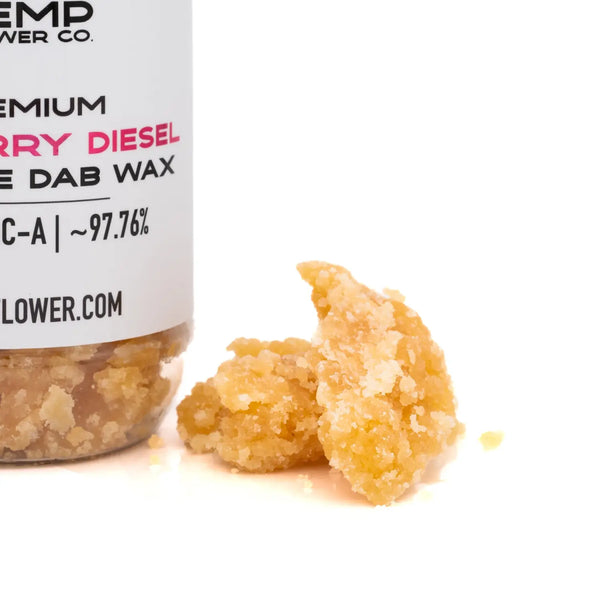
Proper storage containers are your first consideration. Medical-grade silicone containers work excellently for diamonds and sauce, preventing sticking while remaining inert and non-reactive. Small glass jars with airtight seals suit pure THCA diamonds perfectly, offering complete protection from contaminants while being easy to clean and reusable. Avoid plastic containers, as terpenes can degrade certain plastics over time, and static electricity can make crystals difficult to remove.
Temperature control plays a vital role in longevity. Store cannabis diamonds in cool, stable environments, ideally between 60-70°F (15-21°C). While refrigeration can extend shelf life further, it's generally unnecessary for properly sealed diamonds and can create condensation issues if containers are repeatedly removed and returned. Freezing is not recommended as temperature fluctuations during thawing can cause moisture accumulation and crystalline structure changes.
Light exposure accelerates cannabinoid degradation through a process called photodegradation. Store diamonds in opaque containers or in dark locations like drawers or cabinets. Even brief, repeated light exposure can gradually reduce potency and alter terpene profiles.
Humidity considerations matter particularly for diamonds with sauce. Excess moisture can dissolve crystals or introduce mold, while extremely dry conditions can cause terpene evaporation from sauce. Maintain moderate humidity (30-50% relative humidity) and ensure all containers seal airtight to preserve internal conditions.
How long diamonds last depends on storage conditions. Under proper storage (cool, dark, airtight), pure THCA diamonds can maintain 90%+ potency for 1-2 years or longer. The crystalline structure is remarkably stable compared to other concentrate forms. Diamonds with sauce have slightly shorter shelf lives (6-12 months optimal) due to terpene volatility, though they remain consumable and potent beyond this period.
Signs of degradation include color changes (yellowing or browning), altered consistency (melting or excessive softening at room temperature), diminished aroma from sauce components, visible contamination or mold, and notably reduced effects upon consumption.
Best practices for maintaining THCA diamond weed quality include minimizing air exposure by keeping containers sealed except during use, avoiding temperature fluctuations, limiting light exposure, using clean tools to prevent contamination, and checking periodically for signs of degradation.
Pricing and Value
Understanding the economics of THCA diamonds helps consumers appreciate their value proposition while making informed purchasing decisions.
Average market prices for diamonds typically range from $30-60+ per gram for retail purchases, though prices vary significantly based on purity, whether sauce is included, strain specificity, brand reputation, and regional market factors. Pure THCA crystalline (99%+) often commands premium prices at $50-80 per gram, while diamonds with sauce may range from $30-50 per gram. Sugar diamonds typically fall on the lower end due to ease of production.
Why diamonds cost more than other concentrates reflects several factors. The production process requires significantly more time—days to weeks compared to hours for simpler extracts. Creating optimal conditions for THCA crystal formation demands expertise and experience that not all extractors possess. The starting material must be premium quality to produce top-tier diamonds. Specialized equipment for closed-loop extraction and controlled crystallization environments represents significant capital investment. Finally, the extraordinary purity levels (95-99%+) mean consumers need less product for equivalent effects, though this doesn't always translate to perceived value.
Production time and expertise factors significantly influence pricing. While a batch of shatter might be produced in a single day, cultivating large, high-quality cannabis diamonds can take 2-4 weeks or longer. This ties up equipment, space, and valuable extracted crude oil during the entire growth period, representing opportunity costs for producers. The expertise required to consistently produce quality diamonds—understanding supersaturation, controlling nucleation, maintaining ideal conditions, and properly separating and purging—comes from years of experience and study.
Value proposition is where diamonds truly shine. Consider potency per dollar: a gram of 99% THCA diamond contains approximately 990mg THCA, while a gram of 75% concentrate contains 750mg. If the diamond costs $50 and the concentrate costs $35, the diamond actually delivers better value per milligram of cannabinoid. The exceptional purity means less residual plant material or processing byproducts entering your lungs, potentially offering health advantages. The versatility to use diamonds pure or customize with preferred terpenes adds value for experimental users.
Wholesale pricing offers even better value for qualified buyers making bulk purchases. Wholesale typically ranges from $15-30+ per gram depending on order quantities, product specifications, and supplier relationships. For businesses or consumers interested in larger quantities, exploring wholesale options can significantly reduce per-gram costs while ensuring consistent supply.
Budget alternatives exist for those interested in the diamond experience without premium pricing. Sugar diamonds with sauce offer similar potency at lower prices, diamonds from less-hyped strains reduce costs while maintaining quality, and purchasing larger quantities when sales occur provides savings. Additionally, mixing high-purity diamonds with more affordable concentrates stretches premium products further.
The THCA concentrates market continues evolving, with increasing competition and improved extraction techniques gradually making diamonds more accessible to broader consumer bases.
Conclusion
THCA diamonds represent the purest, most potent form of THCA currently available in the cannabis concentrate market. From their stunning crystalline appearance to their remarkable 95-99%+ purity levels, diamonds have earned their reputation as the crown jewel of concentrates through a combination of extraction artistry, patient crystallization processes, and unwavering commitment to quality.
Whether you're drawn to diamonds for their maximum potency, intrigued by the science behind THCA crystal formation, or simply appreciate the aesthetic beauty of these crystalline structures, understanding what are THCA diamonds and how they're made enhances your appreciation for this exceptional concentrate form. The versatility of diamond concentrates—available pure or with terpene-rich sauce, in various crystal sizes, and from different strain profiles—ensures there's an option matching every preference and consumption style.
While THCA diamond weed commands premium prices, the value proposition becomes clear when considering potency per dollar, purity advantages, and the exceptional experiences these concentrates deliver. For special occasions, connoisseur-level sessions, or anyone seeking the absolute pinnacle of cannabinoid concentration, diamonds represent a worthy investment.
Ready to experience the clarity and potency of pure THCA diamonds? Browse our selection of premium THCA concentrates and discover why these crystalline THCA concentrates have captured the attention of cannabis enthusiasts worldwide.
FAQ Section
How potent are THCA diamonds?
THCA diamonds are extraordinarily potent, typically containing 95-99%+ pure THCA. This makes them one of the most concentrated cannabis products available. A single gram of 99% pure THCA crystalline contains approximately 990mg of THCA, compared to typical flower containing 15-25% THCA. When decarboxylated through heating, this converts to THC, producing extremely powerful effects. Users should start with very small amounts (rice grain-sized or smaller) regardless of experience level.
Do THCA diamonds get you high?
THCA itself is non-psychoactive and won't produce intoxicating effects until it's converted to THC through decarboxylation (heating). When you dab or vaporize THCA diamonds, the heat converts THCA to THC, resulting in very potent psychoactive effects. The extremely high purity means diamonds produce intense effects compared to flower or less concentrated products. Proper dosing is essential for safe, enjoyable experiences.
How are THCA diamonds different from regular concentrates?
Cannabis diamonds differ from regular concentrates primarily in purity and structure. While products like wax, shatter, or crumble typically contain 60-85% total cannabinoids in amorphous (non-crystalline) forms with naturally integrated terpenes, diamonds are crystalline structures of nearly pure THCA (95-99%+). The diamond mining process involves slow crystallization over days or weeks, whereas most concentrates are produced in hours. Diamonds may be sold alone or with separated terpene sauce, while other concentrates have cannabinoids and terpenes mixed throughout.
Can you make THCA diamonds at home?
While technically possible, making THCA diamonds at home is not recommended due to significant safety concerns and technical challenges. The process requires flammable hydrocarbon solvents (butane/propane), specialized closed-loop extraction equipment, precise temperature and pressure control, proper ventilation, and extensive knowledge of extraction chemistry. Working with butane outside professional equipment poses serious explosion and fire risks. Additionally, the weeks-long crystallization process requires controlled environments difficult to maintain at home. For safety and quality, purchasing professionally-produced THCA concentrates is strongly advised.
Why are THCA diamonds so expensive?
Several factors contribute to THCA diamonds' premium pricing. The production process takes significantly longer than other concentrates (days to weeks vs. hours), tying up equipment and materials. Creating optimal conditions for THCA crystal formation requires specialized equipment and expertise that many extractors lack. Premium starting material is essential for quality diamonds. The extraordinary purity (95-99%+) represents the highest refinement level in concentrate production. However, when calculated by potency per dollar, diamonds often provide comparable or better value than less expensive concentrates due to their exceptional concentration.
How do you dab THCA diamonds?
Dabbing THCA diamond weed involves these steps: Heat your quartz or ceramic banger with a torch until it reaches your desired temperature (450-650°F depending on preference), allow it to cool briefly if necessary, use a dab tool to place a small amount of diamond (with or without sauce) onto the heated surface, immediately cover with a carb cap to trap vapor and improve vaporization efficiency, inhale slowly through your dab rig, and exhale after a comfortable hold. Start with very small amounts given diamonds' extreme potency. Lower temperatures (450-550°F) preserve terpenes and provide smoother, more flavorful experiences.
What's the difference between diamonds and sauce?
THCA diamonds are the crystalline structures of nearly pure THCA (95-99%+), while sauce (terp sauce) is the terpene-rich liquid that remains after crystals form and separate. Sauce contains concentrated terpenes (often 15-30%+) plus minor cannabinoids, providing flavor, aroma, and entourage effects that pure diamonds lack. Many products sold as "sauce and diamonds" combine both components, offering the purity and potency of diamonds with the flavor and complexity of sauce. The ratio between diamonds and sauce varies by product and consumer preference.
Are THCA diamonds the same as CBD isolate?
No, THCA diamonds and CBD isolate are completely different compounds despite similar crystalline appearances. THCA crystalline is nearly pure tetrahydrocannabinolic acid, which converts to psychoactive THC when heated, producing intoxicating effects. CBD isolate is nearly pure cannabidiol, a non-intoxicating cannabinoid that doesn't produce a "high" and has different therapeutic properties. While both achieve 99%+ purity in crystalline form, their effects, legal status, and applications differ dramatically. THCA diamonds are primarily used for recreational or medical intoxication, while CBD isolate is used for non-intoxicating therapeutic benefits.
How pure are THCA diamonds?
High-quality pure THCA diamonds typically achieve 95-99%+ purity, with the finest examples reaching 99.9% pure THCA. This represents one of the highest purity levels achievable in cannabis concentrates. The crystallization process naturally excludes impurities, with contaminants remaining in the surrounding terp sauce rather than incorporating into the crystal lattice. Purity levels should be verified through laboratory testing and Certificates of Analysis (COAs) from reputable producers. Lower-quality products may show purity in the 85-95% range, often indicating incomplete crystallization or presence of residual fats, waxes, or minor cannabinoids.
Do you need to add terpenes to diamonds?
Adding terpenes to THCA diamonds is a matter of personal preference. Pure THCA crystalline has minimal flavor and lacks the entourage effect provided by terpenes. Many users prefer diamonds sold with terp sauce, which provides natural terpenes from the original extraction. Others purchase pure diamonds and add their own cannabis-derived or botanical terpenes to customize flavor profiles. Some users enjoy pure diamonds for their clean effects without additional flavors. The versatility of diamonds allows users to control their experience—consume them pure for maximum potency or combine with terpenes for flavor and enhanced effects.
How long do THCA diamonds last?
Under proper storage conditions (cool, dark, airtight containers), THCA diamonds maintain exceptional longevity. Pure crystalline THCA can retain 90%+ potency for 1-2 years or longer, as the crystalline structure is remarkably stable. Diamonds with sauce have slightly shorter optimal shelf lives (6-12 months) due to terpene volatility, though they remain consumable well beyond this period. Factors affecting longevity include temperature stability, light exposure, air exposure, humidity levels, and container quality. Signs of degradation include color changes, diminished aroma, altered consistency, and reduced effects. Proper storage significantly extends diamond shelf life compared to less stable concentrate forms.
Are THCA diamonds legal?
The legality of THCA diamonds depends on their source and your jurisdiction. Diamonds derived from hemp (cannabis containing ≤0.3% delta-9 THC) fall under the 2018 Farm Bill definition of legal hemp in the United States, making them federally legal. However, some states have enacted laws restricting or banning hemp-derived THCA products despite federal hemp legality. Diamond concentrates derived from marijuana (cannabis exceeding 0.3% THC) follow marijuana laws—legal in states with adult-use or medical programs but federally illegal. International laws vary significantly by country. Always research your local and state laws before purchasing or possessing THCA diamond weed products. The THCA concentrates available should comply with applicable hemp regulations, but consumers bear responsibility for understanding their local legal landscape.


