


CBD and Sleep: New 2026 Clinical Findings You Need to Know
One in three Americans isn't getting enough sleep. That's not a statistic pulled from a wellness blog — it comes straight from the CDC, and the number hasn't meaningfully budged in years despite a booming sleep aid market now valued at over $100 billion globally. Prescription sedatives, over-the-counter antihistamines, melatonin gummies stacked three-deep at every pharmacy register — and still, millions of people are staring at the ceiling at 2 a.m., calculating how many hours they have left before the alarm goes off.
Into this gap has stepped CBD for sleep 2026 — and the Google search volume around it tells a story all its own. Cannabidiol has become one of the most searched natural sleep remedies in the country, outpacing valerian root, magnesium, and even melatonin in certain demographics. But consumer curiosity and clinical evidence are two very different things, and for years, the research simply wasn't there to match the hype.
That's beginning to change. The past twelve months have produced a meaningful wave of new data — controlled trials, polysomnography studies, longitudinal observational research — that's giving researchers (and consumers) a clearer picture of exactly what CBD does and doesn't do once you close your eyes. This post breaks down what the CBD sleep study landscape looked like heading into 2026, what the newest findings actually say, and how to apply that research practically if you're someone who's been losing sleep — literally — trying to figure this out.
How CBD Interacts with the Sleep-Wake Cycle
To understand why CBD insomnia research has produced such nuanced results, you first need to understand how cannabidiol interfaces with the systems that govern sleep in the first place.
The Endocannabinoid System and Sleep Regulation
Your endocannabinoid system (ECS) is not some fringe discovery — it's a well-established neuromodulatory network that was first characterized in the early 1990s and has since been the subject of thousands of peer-reviewed studies. It consists of endogenous cannabinoids (anandamide and 2-AG, produced naturally by the body), cannabinoid receptors (CB1 and CB2), and the enzymes responsible for synthesizing and breaking down those cannabinoids.
What makes the ECS particularly relevant to sleep is where those CB1 receptors are concentrated. They're densely expressed in the hypothalamus — the brain region responsible for circadian rhythm regulation — as well as in the basal ganglia, which is involved in sleep-stage cycling, and the brainstem nuclei that govern REM sleep. When the ECS is functioning optimally, it helps modulate sleep pressure, supports transitions between sleep stages, and contributes to the maintenance of sleep architecture over the course of a full night.
Anandamide, the body's primary endocannabinoid, is sometimes called the "bliss molecule," but it plays a very functional role in sleep: rising concentrations in the evening help promote sleep onset, while declining levels in the morning support wakefulness. Anything that disrupts this rhythm — chronic stress, inflammation, pain, alcohol — disrupts sleep right along with it.
Where CBD Fits In
CBD doesn't bind directly to CB1 or CB2 receptors the way THC does. Instead, it works through a range of indirect mechanisms: it inhibits the enzyme FAAH, which breaks down anandamide, effectively raising circulating anandamide levels. It also interacts with serotonin 5-HT1A receptors (relevant to anxiety reduction), TRPV1 channels (involved in pain and inflammation), and adenosine receptors, which are heavily involved in sleep pressure regulation.
This multi-target profile is part of what makes does CBD help you sleep such a legitimately complicated question. The answer is: it depends enormously on dose, individual biology, the root cause of poor sleep, and the specific product being used.
CBD vs. THC for Sleep
The comparison matters because hemp-derived CBD products exist on a spectrum. Pure CBD isolate at low doses may actually be mildly alerting — not sedating — because of its stimulating effects on adenosine pathways at certain dose ranges. THC, by contrast, tends to reduce sleep latency (the time it takes to fall asleep) but also suppresses REM sleep with prolonged use, which can lead to rebound vivid dreaming and reduced sleep quality overall.
CBD appears to occupy a middle ground: it's most effective as a sleep aid when the underlying barrier to sleep is anxiety, racing thoughts, or pain — not when someone simply needs a sedative effect. That distinction is central to understanding the 2026 clinical picture.
What 2026 Studies Say About CBD and Insomnia
The past year has produced some of the most rigorous data yet on CBD REM sleep dynamics, insomnia outcomes, and the physiological mechanisms behind them. Here's what the current evidence shows.
Large Observational Studies: Self-Reported Sleep Quality
A substantial portion of the 2025–2026 research base comes from large-scale observational studies — cohorts of hundreds to thousands of CBD users tracked over months, reporting on sleep quality, duration, and wake events. These studies consistently show that a significant majority of users who adopt CBD primarily for sleep report meaningful improvements in sleep quality within the first two to four weeks.
The important nuances: improvements are most pronounced in subjects who entered the study with elevated baseline anxiety scores or chronic pain conditions. Subjects without those underlying factors showed more modest benefits, reinforcing the idea that CBD for sleep disorders works most reliably as a secondary intervention — treating the cause of poor sleep, not directly inducing sleep itself.
Polysomnography Data: Sleep Latency and WASO
Polysomnography (PSG) — the gold standard of sleep research, involving overnight monitoring of brain waves, oxygen levels, heart rate, and movement — has begun producing CBD-specific findings that go well beyond self-report. The most consistent PSG findings from recent controlled studies:
Sleep Latency: Subjects taking moderate-to-high CBD doses (50–150mg) before bed showed measurable reductions in sleep latency — falling asleep an average of 10–20 minutes faster than placebo groups. This effect was more pronounced in subjects with anxiety-related insomnia and was not observed in low-dose groups (under 25mg).
WASO (Wake After Sleep Onset): This metric — how long subjects spend awake after initially falling asleep, which is a major driver of subjective "bad sleep" — showed statistically significant reductions in CBD groups at moderate doses. Subjects woke fewer times and returned to sleep more quickly after waking.
CBD sleep cycle Architecture: This is where the data gets particularly interesting. Unlike THC, which demonstrably suppresses REM sleep, CBD appears to have a neutral-to-positive effect on REM duration. Some studies are finding that CBD may actually increase time spent in REM — which would have implications for memory consolidation, emotional processing, and mood regulation, all of which are tied to REM sleep quality.
REM Sleep Behavior Disorder
One of the more compelling emerging applications involves REM sleep behavior disorder (RBD), a condition in which the normal muscle paralysis of REM sleep fails to occur, causing people to physically act out their dreams. It's associated with neurological conditions including Parkinson's disease. Preliminary CBD sleep study data from 2025 suggests CBD may reduce the frequency and intensity of RBD episodes — a finding that, if replicated in larger controlled trials, would represent a significant clinical use case.
The Cortisol Connection
One physiological pathway that's received growing research attention is CBD cortisol nighttime regulation. Cortisol — the primary stress hormone — follows a diurnal rhythm, peaking in the morning to support wakefulness and declining through the evening. In people with chronic stress, anxiety disorders, or HPA axis dysregulation, cortisol levels remain elevated into the evening, actively interfering with sleep onset.
Multiple studies now show that CBD modulates cortisol secretion — not by suppressing it entirely, but by blunting the evening spike that occurs in high-stress individuals. This is likely one of the primary mechanisms behind CBD's sleep benefits in anxious populations, and it helps explain why the effect is so much more pronounced in subjects with stress-related sleep disruption than in those with primary insomnia.
CBD Dosing for Sleep — What Research Recommends
If there's one area where the research offers genuinely actionable guidance, it's dosing. And the findings are more nuanced than most consumer messaging suggests.
Low Doses (10–25mg): May Be Alerting
Counterintuitive but well-documented: at low doses, CBD tends to promote wakefulness, not sleep. This appears to be related to its interaction with adenosine receptors at lower concentration levels, and it explains why daytime CBD users often report improved focus rather than drowsiness. If you've tried CBD for sleep at a low dose and felt like it did nothing — or even made sleep harder — the dose may simply have been too low.
Moderate Doses (25–75mg): The Sweet Spot
The 25–75mg range is where best CBD for insomnia consumer reports and clinical literature begin to converge. This range is associated with reduced anxiety, improved sleep latency, and better sleep continuity. It's the most common dose range in studies showing positive outcomes, and it's where the risk of side effects (primarily morning grogginess in sensitive individuals) remains low.
High Doses (100–160mg+): Clinical Sedation Territory
Several clinical trials targeting severe insomnia have used doses in the 100–160mg range, where CBD's sedating properties become more pronounced. At these levels, the sleep-onset effect is more reliable and more consistent — but so is the potential for next-day fatigue. High-dose CBD is generally more appropriate for acute severe insomnia or as a short-term intervention rather than a nightly supplement at these levels.
Timing: When to Take It
Delivery method dramatically affects timing. For hemp flower before bed — smoked or vaped — effects begin within minutes and last two to three hours, making it well-suited to acute, night-of insomnia. Sublingual CBD oil absorbs in 30–45 minutes and has a duration of four to six hours, making it ideal for nightly use. Edibles and capsules take 60–120 minutes to onset but provide six to eight hours of sustained effect, which is particularly useful for people who fall asleep easily but wake in the early morning hours.
CBD vs. Melatonin — Which Is Better for Sleep in 2026?
The CBD vs melatonin debate has been one of the most searched sleep questions of the past two years, and the 2026 research landscape offers a reasonably clear answer: they do different things, and for most people dealing with anxiety-related or chronic sleep issues, CBD has meaningfully more to offer.
What Melatonin Actually Does
Melatonin is not a sedative. It is a timing signal — a hormone that tells your brain it's dark outside and that sleep should begin. It shortens sleep latency modestly, and it's genuinely useful for circumstances where circadian timing is disrupted: jet lag, shift work, delayed sleep phase disorder. What it does not do is address the reasons most people can't sleep — a racing mind, physical pain, elevated evening cortisol, chronic anxiety.
What CBD Does Differently
CBD addresses root causes. If you can't sleep because you're anxious about tomorrow's presentation, because your back is aching, or because your stress response won't quiet down, melatonin adds a timing signal to a system that's already receiving the signal just fine — it just can't execute on it. CBD, by modulating anxiety pathways, reducing inflammatory pain signals, and lowering cortisol, removes the barriers that are preventing sleep from occurring naturally.
Combination Products
There's a growing market for full spectrum CBD sleep products that combine CBD with melatonin, and limited research suggests the combination may outperform either alone for certain populations — specifically, people whose sleep problems are driven by a combination of anxiety and circadian disruption (which describes a significant percentage of chronic insomniacs). The caveat is that many combination products use excessive melatonin doses (5–10mg), while research suggests 0.5–1mg is physiologically appropriate for most adults.
The Consumer Shift
Survey data from 2025 shows a notable trend: among regular CBD users who previously used melatonin, the majority report either switching entirely to CBD or dropping melatonin doses significantly. The most common reason cited is that CBD addresses how they feel during the presleep window — the anxiety, the tension, the mental chatter — rather than just adding a chemical nudge toward sleep.
Best CBD Products for Sleep — What the Research Suggests
Different delivery methods serve different sleep problems. Here's how the current research maps onto product categories.
Inhalable CBD: Hemp Flower and Vapes
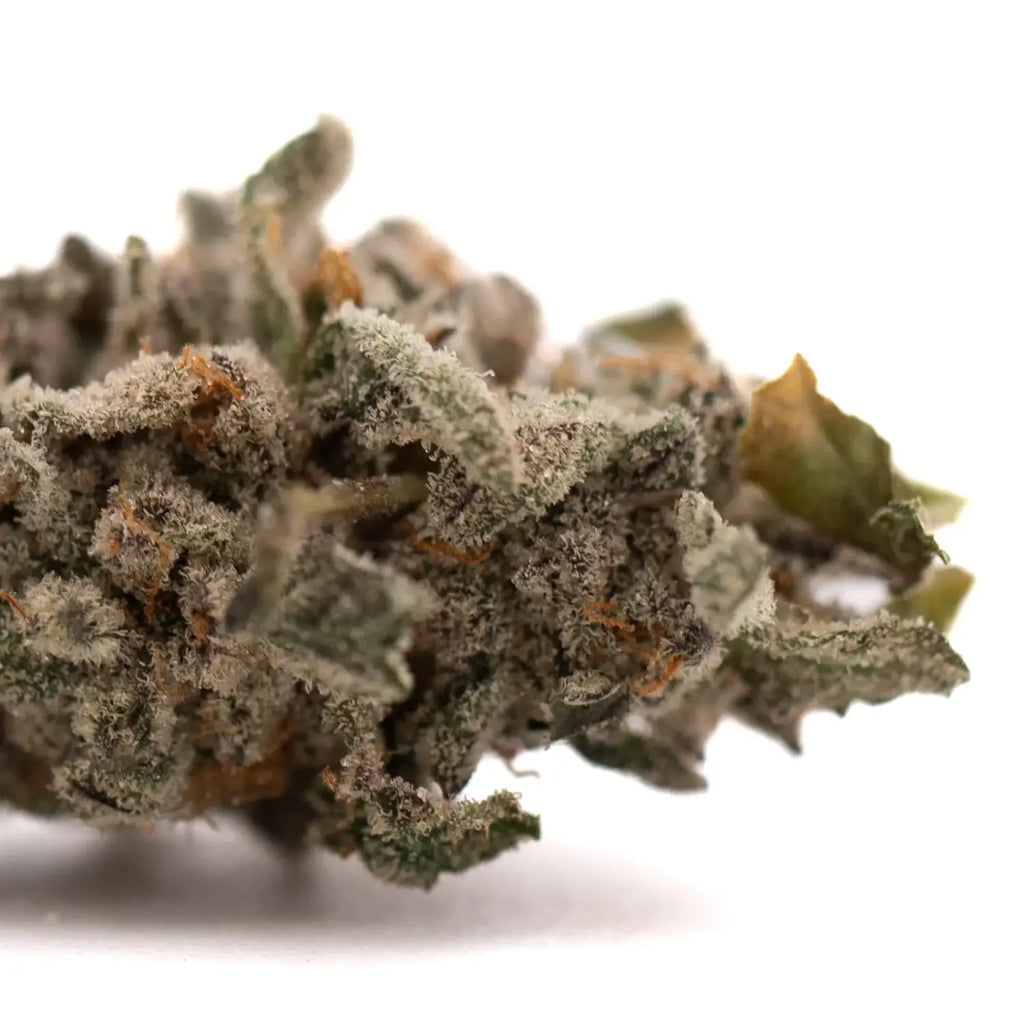
Hemp flower before bed is one of the fastest-onset options available, with effects beginning within five to fifteen minutes of inhalation. This makes it the most practical option for acute insomnia — the nights when you're already lying in bed, already anxious about not sleeping, and need relief that works in the window you have. The tradeoff is duration: two to three hours, which means it won't sustain sleep architecture through the full night for most people.
For many users, the ritual itself is part of the value. A CBD nighttime routine built around indica-dominant hemp flower — smoking or vaping thirty minutes before bed as part of a deliberate wind-down — has the added benefit of pairing pharmacological effects with behavioral sleep hygiene, which research consistently identifies as the most durable long-term sleep intervention.
Sublingual CBD Oil
The standard choice for nightly use, sublingual oil absorbs through the mucous membranes and bypasses first-pass liver metabolism, making bioavailability significantly higher than edibles. The 30–45 minute onset window fits naturally into most evening routines — taken while reading, stretching, or winding down, it arrives at peak effect just as you're ready for sleep.
Edibles and Capsules
For sleep maintenance issues — waking at 3 a.m. and being unable to return to sleep — edibles and capsules offer an advantage no other format can match: sustained release through the early morning hours. The slow onset (often 60–90 minutes) means they should be taken well before bed, but their six-to-eight-hour duration provides coverage through the full sleep window.
Full Spectrum vs. Isolate
Full spectrum CBD sleep products — those containing the full complement of hemp's cannabinoids, terpenes, and flavonoids — consistently outperform isolate in both research and consumer reports. The entourage effect, in which the various compounds in whole-plant hemp synergize to produce effects greater than any single compound in isolation, appears to be particularly relevant to sleep applications, where the combined action of CBD, minor cannabinoids like CBN and CBG, and sleep-supportive terpenes may produce outcomes CBD isolate alone cannot replicate.
Sleep-Supportive Terpenes Found in CBD Hemp Flower
If you're selecting CBD flower for sleep, terpene profile matters as much as cannabinoid content. Here are the key players.
Myrcene
The most abundant terpene in cannabis and hemp, myrcene has well-documented sedating properties. It's the compound responsible for the "couch-lock" reputation of heavy indica strains, and research suggests it acts through opioid receptor pathways to produce its muscle-relaxing, sedating effects. Indica-dominant hemp flower strains tend to be myrcene-heavy, and strains with a notably earthy, musky aroma almost always have myrcene as the primary terpene. For CBD and circadian rhythm support and sleep onset, myrcene-dominant strains are the first recommendation.
Linalool
Linalool is the primary aromatic compound in lavender — which is why lavender has been used as a sleep aid for centuries and why the aromatherapy research supporting lavender for anxiety and sleep is actually quite robust. In hemp flower, linalool is found in strains with floral, slightly spicy aromatic profiles. Its mechanisms are distinct from myrcene: rather than direct sedation, linalool reduces anxiety and modulates glutamate and GABA activity in ways that support nervous system calming.
Beta-Caryophyllene
Beta-caryophyllene (BCP) is unique among terpenes in that it directly binds to CB2 receptors — making it technically a cannabinoid despite being classified as a terpene. Its relevance to sleep is primarily through its anti-inflammatory and anxiolytic (anti-anxiety) effects. For people whose sleep is disrupted by chronic pain or inflammatory conditions, CBD reduce nighttime anxiety through BCP-rich strains may offer benefits that purely CBD-focused products miss. Strains with a peppery, spicy aromatic profile typically have high BCP content.
How to Choose a Hemp Flower Strain for Sleep
When evaluating cannabidiol sleep quality and selecting a hemp flower strain for nighttime use, look for:
- Indica-dominant genetics (associated with body relaxation and calming effects)
- Myrcene as primary terpene (verified through a Certificate of Analysis/COA terpene panel)
- Secondary linalool or BCP presence for anxiety reduction
- Total cannabinoid content in the 15–25% range for meaningful effect without overwhelming
Avoid sativa-dominant strains with high limonene or pinene content for evening use — these terpenes are associated with uplifting, energizing effects that work against sleep.
Frequently Asked Questions About CBD and Sleep
How much CBD should I take before bed?
Based on current research, most adults find the 25–75mg range most effective for sleep support. Start at 25mg, taken 30–90 minutes before bed depending on your delivery method, and adjust upward by 10–15mg increments over one to two weeks if you're not seeing results. The key mistake most first-time users make is starting too low and concluding CBD doesn't work before they've found their effective dose.
Does CBD make you groggy in the morning?
At standard doses in the 25–75mg range, most users don't report morning grogginess. Morning sedation is more commonly reported at doses above 100mg, particularly with edibles or capsules taken close to bedtime. If you're experiencing next-day grogginess, try taking your dose earlier in the evening or reducing the dose and titrating back up more gradually.
Is CBD or THC better for sleep?
They address different aspects of the sleep problem. THC tends to reduce sleep latency more aggressively and has a more pronounced sedating effect, but with regular use it suppresses REM sleep, which has long-term consequences for sleep quality and emotional regulation. CBD is generally better suited to regular nightly use because it doesn't appear to alter sleep architecture negatively, and it addresses underlying anxiety and pain — the root causes of most sleep problems — rather than simply inducing sedation.
Can I take CBD every night for sleep?
Current research does not indicate that CBD for sleep disorders taken nightly leads to tolerance development or dependency — which is a meaningful distinction from prescription sleep aids and even some OTC options. Some studies suggest that the beneficial effects of CBD on sleep quality actually improve over the first two to four weeks of consistent use as the endocannabinoid system reaches a new equilibrium. Daily use appears safe based on current evidence, though long-term studies beyond twelve months remain limited.
What is the best form of CBD for sleep?
It depends on your primary sleep complaint. Trouble falling asleep: hemp flower or sublingual oil for faster onset. Trouble staying asleep: capsules or edibles for sustained release through the night. Both: consider a layered approach — a small amount of full spectrum CBD sleep flower at bedtime to support sleep onset, plus a capsule taken thirty minutes earlier to maintain sleep depth through the night. In terms of product type, full spectrum hemp flower and full spectrum oils consistently outperform isolate products in both research and real-world use.
The Bottom Line: What 2026 Research Tells Us
The 2026 CBD insomnia research landscape isn't yet at the level of certainty that would allow us to say CBD is a proven insomnia treatment in every clinical sense of that phrase. But it's meaningfully further along than it was even two years ago, and the picture that's emerging is a coherent one.
CBD works best for sleep when there's an underlying cause — anxiety, pain, elevated cortisol, chronic stress — that it can address. For those populations, which represent the majority of people with chronic sleep complaints, the evidence is increasingly consistent: CBD sleep onset times improve, WASO decreases, sleep quality as measured by PSG shows meaningful changes, and the daytime consequences of poor sleep — fatigue, mood disruption, cognitive fog — diminish.
It doesn't replace good sleep hygiene. It doesn't replace clinical evaluation for sleep disorders. And it works best as part of a deliberate CBD nighttime routine — consistent timing, appropriate dosing, the right delivery method for your specific sleep problem — rather than as an occasional rescue intervention.
But for the one in three Americans not getting enough sleep, it's increasingly difficult to argue that CBD shouldn't at least be part of the conversation.
Ready to Find Your Nighttime Strain?
If you're ready to put the research into practice, start with indica-dominant hemp flower before bed — rich in myrcene, linalool, and beta-caryophyllene, bred specifically for the relaxation and wind-down properties that support quality sleep.
Explore our full collection of CBD hemp flower →
Whether you're looking for whole flower to smoke or vape before bed, pre-rolls for a convenient nightly ritual, or guidance on which strains are best suited to sleep support, our collection includes lab-tested, terpene-verified hemp flower with full COA transparency.
Your best night's sleep might start with the right plant.


