


Best Soil Types and pH Levels for Growing High-Quality Hemp
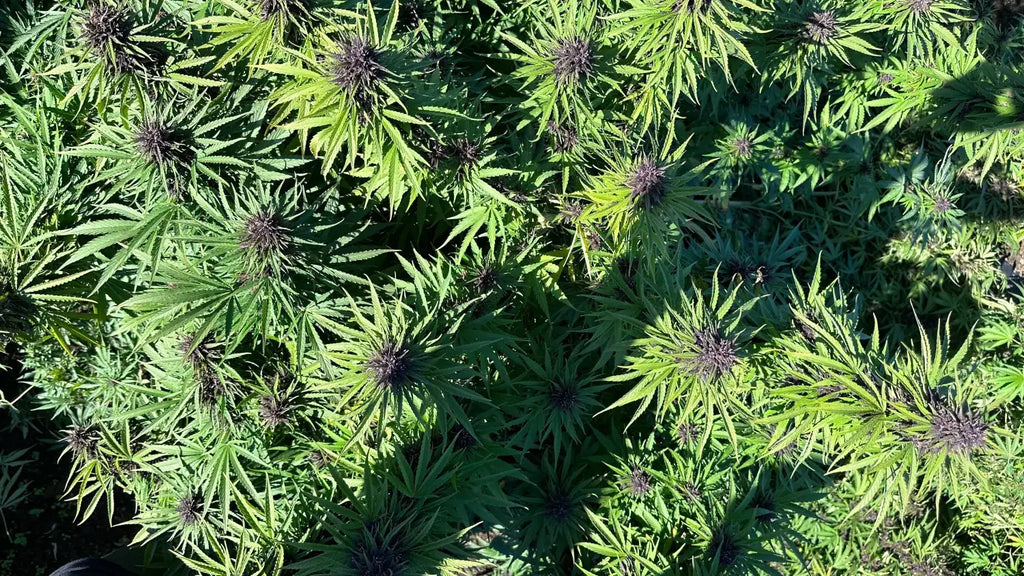
Every great flower starts underground. Long before a hemp plant develops its resin-frosted colas, its cannabinoid profile and terpene expression are being shaped by something most consumers never think about: the soil. For growers focused on producing premium THCA flower terroir, soil isn't just a growing medium — it's the biochemical foundation that determines how a plant absorbs nutrients, manages stress, and ultimately expresses its genetic potential.
Cannabinoid and terpene biosynthesis are metabolically expensive processes. The plant needs a steady, balanced supply of macro and micronutrients to fuel the enzymatic pathways that convert simple precursors into THCA, CBDA, and the dozens of terpenes responsible for aroma and flavor. When soil quality is inconsistent — too acidic, too alkaline, compacted, or nutrient-deficient — the plant diverts energy toward survival rather than resin production. The result is flower that may look acceptable but falls short in potency, aroma complexity, and shelf stability.
This is why experienced cultivators treat soil quality THCA hemp production as a science, not a guessing game. From loam composition to pH balance to living microbial ecosystems, every variable in the soil profile cascades into the finished product. In this guide, we'll break down exactly what makes soil ideal for hemp cultivation, how pH influences nutrient uptake, how to test and amend soil correctly, and why regional soil characteristics — like the volcanic-influenced earth of Oregon — produce some of the most sought-after flower in the wholesale market.
Whether you're a cultivator refining your input program or a buyer trying to understand what separates mediocre biomass from exceptional nutrient-rich THCA cultivation, understanding soil is where the conversation has to start.
Ideal Soil Composition — Loamy Soil, Drainage, and Organic Matter Percentage
Hemp is a resilient plant, capable of growing in a wide range of conditions. But resilience isn't the same as optimization. If the goal is consistent, high-potency, terpene-rich flower at commercial scale, soil composition needs to hit a fairly specific set of targets.
Why Loam Is the Gold Standard
Loamy soil — a balanced mixture of sand, silt, and clay — is widely considered the ideal medium for best soil for hemp production. Here's why:
- Sand provides drainage and prevents waterlogging, which hemp roots are particularly sensitive to.
- Silt contributes moisture retention and a smooth texture that supports root penetration.
- Clay holds nutrients and moisture, acting as a reservoir the plant can draw from between waterings.
A well-balanced loam typically consists of roughly 40% sand, 40% silt, and 20% clay. This ratio gives hemp roots the ability to spread wide and deep, accessing both water and nutrients without the risk of root rot or compaction-related stunting.
Drainage: The Non-Negotiable
Hemp is notoriously intolerant of "wet feet." Roots sitting in saturated, poorly draining soil become oxygen-starved, which opens the door to root rot pathogens like Pythium and Fusarium. These pathogens don't just kill plants outright — even sublethal infections reduce nutrient uptake efficiency, stunt growth, and diminish cannabinoid output in the plants that survive.
Growers should look for soil with a percolation rate that allows water to drain within a few hours of a heavy watering or rain event, without leaving standing water on the surface. Raised beds, tile drainage systems, and organic matter amendments (discussed in Section 4) all help manage drainage in fields that trend heavier or clay-dominant.
Organic Matter: The Engine of Fertility
Organic matter percentage is one of the most underrated indicators of soil health. Ideal hemp soils typically carry somewhere between 3% and 5% organic matter — a range that supports robust microbial activity, steady nutrient cycling, and improved water-holding capacity without becoming so dense that it restricts airflow to the root zone.
Organic matter functions almost like a nutrient bank account. As microbes break down decomposing plant material, they release nitrogen, phosphorus, potassium, and a wide range of micronutrients in forms the plant can actually use. This slow-release dynamic is a core pillar of organic hemp cultivation, where the goal is to build a self-sustaining fertility cycle rather than relying entirely on external inputs.
Section 1 Summary Targets:
- Soil type: Loam (40% sand / 40% silt / 20% clay)
- Drainage: Fast percolation, no standing water
- Organic matter: 3–5%
- Compaction: Minimal; roots need room to expand laterally and vertically
pH Ranges — The 6.0–7.0 Target and How pH Affects Nutrient Uptake
If soil composition is the skeleton of a healthy hemp crop, pH is the nervous system — it governs whether all those carefully balanced nutrients are actually accessible to the plant.
Why 6.0–7.0 Is the Sweet Spot
THCA hemp soil pH management centers on a target range of 6.0 to 7.0, with many cultivators aiming for the middle of that band around 6.3–6.8. This slightly acidic-to-neutral range is where the majority of essential nutrients reach peak solubility and availability.
Here's the science behind it: nutrients don't become "available" to plant roots just because they're present in the soil. They need to be in a chemically soluble form the root hairs can actually absorb. Soil pH directly controls this solubility.
- Below 6.0 (too acidic): Phosphorus, calcium, and magnesium begin to lock up, becoming chemically bound to soil particles in forms roots can't access. Meanwhile, aluminum and manganese can become overly available, reaching levels that are actively toxic to root tissue.
- Above 7.0 (too alkaline): Iron, manganese, zinc, and phosphorus availability drops sharply. Plants growing in alkaline soil often show interveinal chlorosis (yellowing between leaf veins) — a classic sign of micronutrient lockout even when the nutrients are technically present in the soil.
The Nutrient Uptake Curve
Picture nutrient availability as a bell curve overlaid on a pH scale. Nitrogen, potassium, and sulfur have relatively wide "available" windows, staying accessible across a broad pH range. But phosphorus — arguably the most important nutrient for flower and resin development — has a much narrower peak, cresting right around pH 6.5. This is precisely why phosphorus deficiency is one of the most common issues in hemp grown in soil that has drifted outside the target range, even when phosphorus fertilizer has been generously applied.
For growers producing flower destined for extraction or premium smokable markets, maintaining this narrow pH band isn't a "nice to have" — it's directly tied to cannabinoid yield. Studies and field observations across the hemp industry consistently show that plants grown in properly pH-balanced soil produce denser trichome coverage and higher lab-tested potency than genetically identical plants grown outside the ideal range.
Section 2 Summary Targets:
- Target pH: 6.0–7.0 (sweet spot: 6.3–6.8)
- Below 6.0: Phosphorus/calcium/magnesium lockout, aluminum/manganese toxicity risk
- Above 7.0: Iron/zinc/manganese lockout, interveinal chlorosis
- Phosphorus availability peaks narrowly around 6.5 — critical for flower and resin production
Soil Testing — How and When to Test, and Reading Results
You can't manage what you don't measure. Soil testing removes the guesswork from cultivation and gives growers a data-driven roadmap for amendments.
When to Test
- Pre-season (before planting): This baseline test tells you what you're working with and gives you time to correct major imbalances before the crop goes in the ground.
- Mid-season (vegetative to early flower): A follow-up test helps catch nutrient drift caused by uptake, leaching, or amendment breakdown.
- Post-harvest: Testing after the crop comes out helps growers understand what was depleted and plan amendments for the next cycle — especially important for multi-season fields.
Most agronomists recommend testing at minimum once per growing season, with two to three tests being standard for commercial-scale operations aiming for consistent, repeatable quality.
What to Test For
A comprehensive soil test panel should include:
- pH level (and buffer pH, which predicts how much lime is needed to shift it)
- Macronutrients: Nitrogen (N), Phosphorus (P), Potassium (K)
- Secondary nutrients: Calcium, Magnesium, Sulfur
- Micronutrients: Zinc, Manganese, Iron, Boron, Copper
- Cation Exchange Capacity (CEC): A measure of the soil's ability to hold and supply nutrients
- Organic matter percentage
- Soluble salts: Important for detecting over-fertilization or salinity buildup
Reading the Results
Soil test reports can look intimidating, but the key is context. A number alone means little without a target range for comparison. For instance, a CEC reading of 10 might sound low, but for a sandy loam soil that's actually within normal parameters, whereas the same reading in a clay-heavy soil could indicate depleted organic matter.
Focus on three things when reviewing results:
- pH relative to the 6.0–7.0 target — this determines whether lime or sulfur amendments are needed.
- Nutrient ratios, not just totals — an imbalanced Ca:Mg ratio (ideally around 7:1) can cause nutrient antagonism even when both nutrients are technically "present."
- Trends over time — a single test is a snapshot; testing across seasons reveals whether your amendment program is actually working.
Working with a local agricultural extension office or a hemp-specific soil consultant can help translate raw lab numbers into an actionable amendment plan tailored to your specific soil type and climate.
Amendments — Compost, Worm Castings, Mycorrhizae, and Lime for pH Correction
Once you know what your soil needs, the next step is correcting it. This is where hemp soil amendments come into play — the tools growers use to shift pH, rebuild organic matter, and establish thriving microbial life.
Compost
Well-finished compost is arguably the single most valuable amendment in a hemp cultivator's toolkit. It improves soil structure (helping both sandy soils retain more moisture and clay soils drain better), boosts organic matter percentage, and introduces a broad spectrum of slow-release nutrients. Compost also feeds the soil food web — the bacteria, fungi, and microarthropods responsible for breaking down organic material into plant-available nutrients.
Application rates vary by soil condition, but a common starting point for depleted soils is 1–3 tons per acre worked into the top 6–8 inches before planting.
Worm Castings
Worm castings (vermicompost) are prized for their concentrated nutrient content and beneficial microbial load. Unlike raw compost, castings are already fully processed by earthworm digestion, meaning the nutrients within are in highly plant-available forms. Castings also contain humic and fulvic acids, which improve nutrient chelation — essentially making other nutrients in the soil easier for roots to absorb.
Many cultivators use worm castings as a topdress during vegetative growth, applying a thin layer around the base of each plant every few weeks to sustain microbial activity throughout the season.
Mycorrhizae
Mycorrhizal fungi form symbiotic relationships with hemp roots, essentially extending the root system's effective surface area by orders of magnitude through fine fungal filaments called hyphae. This relationship dramatically improves the plant's ability to access water and immobile nutrients like phosphorus, which — as covered in Section 2 — is often a limiting factor even in properly pH-balanced soil.
Mycorrhizal inoculants are typically applied directly to root zones or seed at transplant, since the fungi need to make root contact early to establish their symbiotic relationship.
Lime for pH Correction
When soil tests come back too acidic (below 6.0), agricultural lime (calcium carbonate) or dolomitic lime (which also supplies magnesium) is the standard correction tool. Lime works by neutralizing excess hydrogen ions in the soil solution, gradually raising pH over several weeks to months depending on soil type and lime particle size.
For soils that are too alkaline (above 7.0), elemental sulfur is typically used instead, as soil bacteria convert it into sulfuric acid over time, gradually lowering pH.
Because both lime and sulfur applications take time to fully react with the soil, these amendments should ideally be applied months before planting whenever possible — not as a last-minute fix once the crop is already in the ground.
Amendment Quick Reference:
| Amendment | Primary Function | Application Timing |
|---|---|---|
| Compost | Organic matter, structure, slow-release nutrients | Pre-plant, worked into topsoil |
| Worm Castings | Concentrated nutrients, microbial life | Pre-plant + seasonal topdress |
| Mycorrhizae | Root expansion, phosphorus/water uptake | At transplant/seeding |
| Lime | Raises pH (corrects acidic soil) | Months before planting |
| Elemental Sulfur | Lowers pH (corrects alkaline soil) | Months before planting |
Living Soil vs. Synthetic Nutrients — Pros and Cons for Flower Quality
One of the most debated topics among hemp cultivators is whether to farm with living soil systems or synthetic nutrient programs. Both approaches can produce compliant, sellable flower — but they differ significantly in cost, consistency, and the final sensory profile of the product.
Living Soil Farming
Living soil hemp farming relies on building a self-sustaining ecosystem of bacteria, fungi, and organic matter that continuously cycles nutrients to the plant, rather than feeding the plant directly with soluble nutrient salts.
Pros:
- Many cultivators and consumers report that flower grown in living soil exhibits richer, more complex terpene profiles, likely due to the broader spectrum of trace minerals and organic compounds available compared to synthetic feed programs.
- Living soil systems become more productive over time as microbial populations establish and organic matter accumulates, reducing long-term input costs.
- Lower risk of nutrient burn, since living soil buffers nutrient release rather than delivering it in immediate, concentrated doses.
- Strong alignment with clean-label and organic market positioning, which increasingly matters to wholesale buyers and consumers alike.
Cons:
- Slower to establish — living soil systems can take one to several seasons to reach full microbial maturity.
- Less precise control over exact nutrient timing, which can make it harder to correct deficiencies quickly mid-season.
- Requires more hands-on knowledge of soil biology to manage effectively.
Synthetic Nutrient Programs
Synthetic (salt-based) nutrient programs deliver nutrients in immediately plant-available forms, dissolved directly into irrigation water.
Pros:
- Precise, fast-acting control over nutrient ratios and timing.
- Easier to correct deficiencies quickly since nutrients are immediately available rather than dependent on microbial breakdown.
- More standardized and easier to scale predictably across large operations.
Cons:
- Higher risk of nutrient burn and salt buildup in soil over time if not carefully managed.
- Can suppress natural microbial activity in the root zone with repeated heavy use.
- Some cultivators and consumers perceive synthetically grown flower as having a less nuanced terpene and flavor profile compared to living soil-grown flower, though this remains a debated and subjective point within the industry.
Which Is Better for Flower Quality?
The honest answer is that both systems can produce excellent flower when managed skillfully — cultivator expertise often matters more than which system is chosen. That said, for growers specifically targeting premium markets built around flavor, aroma, and "craft" positioning, living soil systems tend to be the preferred approach, precisely because of the perceived depth of terroir expression they contribute to the final product.
Terroir & THCA Potency — How Regional Soil Influences Flower Character
The concept of terroir — the idea that a specific growing region's soil, climate, and geography imprint distinct characteristics onto an agricultural product — is well established in wine and coffee. It applies just as powerfully to hemp.
Oregon's Volcanic Soil Advantage
Oregon's Willamette Valley and surrounding growing regions sit atop soils heavily influenced by ancient volcanic activity. These volcanic-derived soils are naturally rich in minerals like iron, magnesium, and potassium — elements that play direct roles in chlorophyll production, enzyme activation, and the broader metabolic processes that drive cannabinoid and terpene synthesis.
Combined with Oregon's temperate climate — warm, dry summers and mild, wet winters — the region creates conditions that many cultivators consider close to ideal for hemp. The mineral density of volcanic-influenced soil, paired with careful pH and organic matter management, is a major reason why Oregon grown THCA flower has developed such a strong reputation within the wholesale and retail hemp markets.
How Terroir Shapes Cannabinoid and Terpene Expression
The mechanism behind terroir isn't mystical — it's biochemical. Trace minerals present in regional soil act as cofactors for the enzymes responsible for converting simple metabolic building blocks into complex cannabinoids and terpenes. Soil with a richer, more diverse mineral profile gives the plant a broader palette of raw materials to work with, which can translate into more complex, layered terpene expression and, in well-managed cultivation programs, stronger cannabinoid concentrations.
This is the essence of THCA flower terroir: the same genetics grown in different regions, under different soil conditions, can produce meaningfully different flower — different aroma intensity, different flavor notes, different bag appeal, and sometimes different lab-tested potency. It's why sourcing decisions in the wholesale hemp market increasingly account for growing region and soil profile, not just strain name and COA numbers.
For buyers and retailers evaluating wholesale flower, understanding terroir provides an added layer of quality assessment beyond the lab sheet — connecting the finished product back to the specific soil and growing conditions that shaped it.
FAQ: Common Questions About Soil and pH for Hemp Cultivation
What pH is best for hemp?
The ideal pH range for hemp cultivation is 6.0 to 7.0, with most growers targeting the middle of that range around 6.3 to 6.8. This range maximizes the availability of essential nutrients, particularly phosphorus, which is critical for flower and resin development, while minimizing the risk of nutrient lockout or toxicity from micronutrients like aluminum and manganese.
Can you grow hemp in clay soil?
Yes, but clay soil presents specific challenges that need to be managed. Clay holds nutrients and moisture well, which can be an advantage, but it's prone to compaction and poor drainage, which increases the risk of root rot and oxygen deprivation at the root zone. Growers working with clay-heavy soil typically amend it with compost and organic matter to improve structure and drainage, and often use raised beds to prevent water pooling. With proper amendment and drainage management, clay soil can produce healthy, high-quality hemp — it simply requires more upfront soil preparation than naturally loamy ground.
How often should soil be tested?
Most agronomists recommend testing soil at least once per growing season, ideally before planting to establish a baseline. Commercial operations aiming for consistent, repeatable quality often test two to three times per season — once pre-season, once mid-season to catch nutrient drift, and once post-harvest to plan amendments for the following cycle. Multi-season fields in particular benefit from consistent testing, since nutrient depletion and pH drift compound over time if left unmonitored.
Does soil quality actually affect THCA potency?
Yes. While genetics set the ceiling for a plant's cannabinoid potential, soil quality determines how close a given plant gets to that ceiling. Properly balanced pH, adequate organic matter, and a full spectrum of available nutrients support the enzymatic pathways responsible for cannabinoid biosynthesis. Plants grown in nutrient-deficient or poorly pH-balanced soil frequently underperform their genetic potential, producing lower potency and less developed trichome coverage than the same genetics grown in well-managed soil.
What's the difference between living soil and synthetic nutrients for hemp?
Living soil relies on a self-sustaining ecosystem of microbes and organic matter to cycle nutrients naturally to the plant, while synthetic nutrient programs deliver nutrients directly in soluble, immediately available forms. Living soil is often associated with richer terpene expression and more sustainable long-term soil health, while synthetic programs offer more precise, faster control over nutrient delivery. Many premium cultivators favor living soil specifically for its contribution to flavor and aroma complexity.
Ready to Experience the Difference Quality Soil Makes?
Soil composition, pH management, and regional terroir aren't just agronomy footnotes — they're the foundation of everything that ends up in the jar. From loamy, well-drained fields to carefully corrected pH levels and living soil ecosystems, every input along the way shapes the cannabinoid potency, terpene complexity, and overall quality of the finished flower.
If you're looking to experience hemp flower grown with this level of soil-focused precision, explore our latest wholesale releases, including premium Oregon grown THCA flower cultivated in mineral-rich, volcanic-influenced soil and managed with the pH precision and organic amendment programs outlined in this guide. Browse our current wholesale selection and see how proper soil science translates directly into exceptional flower quality.


