


CBD Flower Benefits: What Science Says in 2026
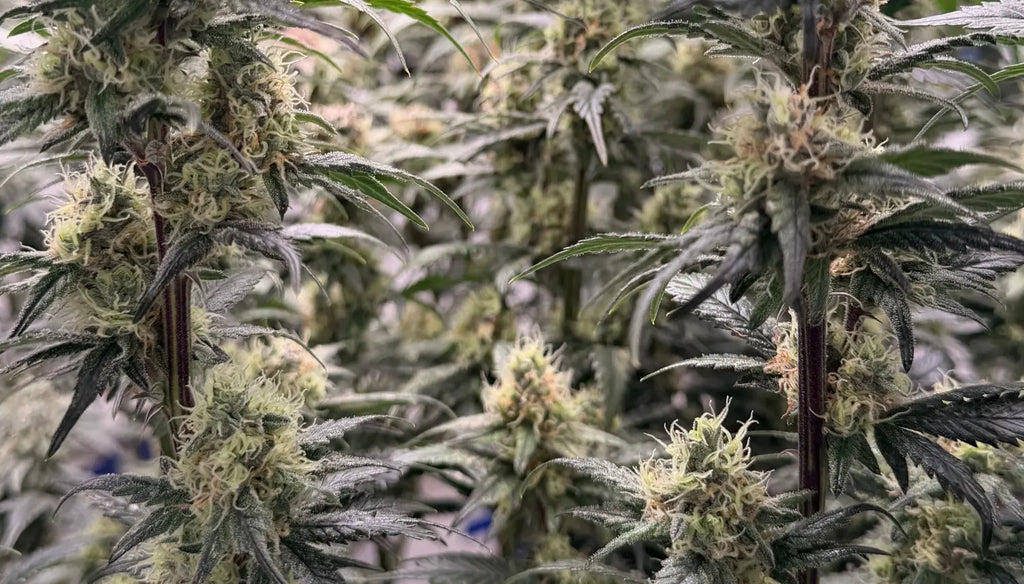
CBD flower has moved from niche wellness trend to mainstream conversation. Walk into any smoke shop, scroll through any wellness subreddit, or check the shelves at a natural grocery store, and you'll find jars of CBD flower marketed as a solution for everything from anxiety to chronic pain to insomnia. The industry has grown fast — and the marketing has grown even faster. But there's a gap between what brands claim on packaging and what peer-reviewed research actually supports.
This post is about closing that gap. We're going to walk through the current body of evidence behind CBD flower benefits, separate what's backed by clinical data from what's still speculative, and give you an honest, evidence-based picture of where the science stood as of 2026. If you're the kind of consumer who wants more than a marketing claim before you buy — someone who wants to understand why a product might work, not just that it's trending — this is written for you.
Let's start with the basics: what is actually happening in your body when you use CBD flower, and does the research back up the hype?
The CBD Flower Boom — And Why Science Hasn't Caught Up
The hemp industry exploded following the 2018 Farm Bill, which legalized hemp-derived products containing less than 0.3% delta-9 THC on a dry-weight basis at the federal level. That legal opening created a market surge, and CBD flower — the raw, smokable hemp bud itself, as opposed to oils, tinctures, or capsules — became one of the fastest-growing segments within it. Searches for "does CBD flower work" and "is CBD flower effective" have climbed steadily as more people move past oils and gummies and start asking whether the flower itself delivers the effects they've heard about.
Here's the problem: research timelines move much slower than product timelines. Running a rigorous clinical trial takes years — recruiting participants, controlling for placebo effects, replicating results, and getting through peer review. Meanwhile, new hemp flower strains, extraction methods, and marketing claims appear on shelves within weeks. That mismatch means a lot of what circulates online as "the science" is actually a mix of preliminary findings, animal studies, anecdotal reports, and outright marketing extrapolation dressed up in scientific language.
This doesn't mean CBD flower doesn't work, or that the research is worthless. It means the honest answer to "does CBD flower work" is more nuanced than a yes or no — and that nuance is exactly what serious consumers deserve.
Before we get into what the CBD flower research 2026 landscape actually shows, we need to understand the biological system CBD is interacting with in the first place.
How CBD Interacts With the Body: The Endocannabinoid System Explained
If you've spent any time researching CBD flower effects, you've probably run into the term "endocannabinoid system," often shortened to ECS. It gets thrown around a lot, sometimes vaguely, so let's break it down in plain terms.
What the ECS Actually Is
The endocannabinoid system is a signaling network present in every mammal, discovered by researchers in the early 1990s while they were studying how THC affects the brain. It wasn't designed around cannabis — cannabis compounds simply happen to interact with a regulatory system your body already has, one that existed long before anyone smoked hemp flower.
The ECS is made up of three main components:
- Endocannabinoids — molecules your body produces naturally, the two best-studied being anandamide and 2-AG.
- Receptors — primarily CB1 and CB2 receptors, spread throughout the brain, central nervous system, immune cells, and peripheral tissues.
- Enzymes — that build and break down endocannabinoids once they've done their job.
CB1 vs. CB2 Receptors
This distinction matters because it explains why CBD doesn't produce the same effects as THC.
- CB1 receptors are concentrated mainly in the brain and central nervous system. THC binds directly and strongly to CB1 receptors, which is what produces the psychoactive "high."
- CB2 receptors are found mostly in immune cells and peripheral tissues, and are heavily implicated in inflammation and immune response.
CBD doesn't bind strongly to either receptor in the way THC does. Instead, current pharmacological research suggests CBD works more indirectly — it appears to influence how endocannabinoids like anandamide are broken down, interact with serotonin receptors (5-HT1A), and modulate other receptor systems entirely outside the CB1/CB2 framework. This is the basis for describing CBD as a "modulator" rather than an "activator" — it's shifting the dial rather than flipping a switch.
Homeostasis: The Core Concept
The ECS's overarching job is thought to be maintaining homeostasis — your body's internal stability across systems like mood, appetite, pain perception, sleep cycles, and immune response. When something pushes one of those systems out of balance (chronic stress, poor sleep, inflammation), the ECS is theorized to help nudge it back.
This is the mechanistic basis for most claimed CBD flower benefits: the idea that supplementing cannabinoids from hemp flower supports a regulatory system already working to keep your body in balance. It's a compelling model — but a model is not the same as clinical proof of effect, and that's where we need to turn to the actual studies.
What Studies Actually Show: Separating Preliminary From Conclusive
This is the section where marketing claims tend to outrun the data, so let's go category by category and be precise about what's actually been demonstrated versus what's still an open question.
CBD and Anxiety Studies
Of all the claimed benefits, CBD and anxiety studies represent some of the most substantial clinical evidence available — though "substantial" still means "early-to-moderate," not definitive.
A frequently cited 2019 study published in The Permanente Journal followed adult patients with anxiety and sleep complaints in a clinical setting and found that a majority reported decreased anxiety scores within the first month of CBD use. Other placebo-controlled trials — including small studies examining public speaking-induced anxiety — have shown that acute CBD doses can reduce subjective anxiety and physiological markers like heart rate in stressful simulated scenarios.
What's important to understand:
- Most of these trials use oral CBD (capsules, isolate, oil), not inhaled flower, meaning the dosing and onset profile differs from smoking or vaping flower.
- Sample sizes tend to be small — often fewer than 100 participants — which limits how confidently results generalize to the broader population.
- Dosing varies enormously across studies, from 25mg to 600mg, making it hard to identify a standardized "effective dose."
- Most trials measure short-term, acute anxiety response rather than long-term anxiety disorder management.
The honest takeaway: there is real, published, peer-reviewed evidence that CBD influences anxiety-related pathways and self-reported symptoms in humans. It is not yet conclusive proof that CBD flower specifically, at typical consumer doses, treats clinical anxiety disorders. This is an area of genuinely active, promising research — not settled science.
CBD and Sleep Quality
Sleep is the second-most-researched area, and it's closely intertwined with the anxiety research above, since disrupted sleep and anxiety often share overlapping pathways.
The same Permanente Journal study found that a meaningful share of participants reported improved sleep scores within the first month, though those improvements fluctuated over time for a subset of patients — suggesting sleep effects may be less stable than anxiety effects for some users. Other smaller studies have examined CBD's interaction with the sleep-wake cycle, with some research suggesting that at lower doses, CBD may have alerting properties, while higher doses appear more sedating — a dose-dependent relationship that's still being mapped out.
This nuance rarely makes it into marketing copy, but it's important: "CBD helps sleep" is an oversimplification of a more complex, dose-sensitive relationship that researchers are still characterizing.
CBD and Inflammatory Markers
This is where the gap between preclinical (animal/cell) research and human clinical research is widest.
In cell studies and animal models, CBD has repeatedly demonstrated anti-inflammatory activity — reducing pro-inflammatory cytokine production and showing effects on inflammatory pathways in rodent models of arthritis, colitis, and neuroinflammation. This preclinical foundation is genuinely robust and is a major reason researchers remain interested in CBD as an anti-inflammatory compound.
However, controlled human trials measuring inflammatory biomarkers (like C-reactive protein or specific cytokines) after CBD administration remain limited in number and scope. Some small human studies exist — including research on CBD's effects on inflammatory markers in various patient populations — but the sample sizes and study designs vary enough that regulatory bodies and most researchers describe this evidence as preliminary rather than conclusive.
The pattern across all three categories is consistent: there's real, peer-reviewed, mechanistically plausible evidence supporting these benefits. None of it currently rises to the level of "clinically proven and dosage-standardized" the way, say, ibuprofen's effect on inflammation has been proven. That distinction is what separates responsible reporting from marketing hype — and it's the standard we're holding this article to.
Flower vs. Other CBD Formats: Why Delivery Method Matters
One of the most practically important — and most under-discussed — aspects of the CBD flower vs CBD oil benefits comparison is pharmacokinetics: how fast a compound enters your bloodstream, how much of it actually gets absorbed, and how long the effects last.
Inhalation (Smoking/Vaping Flower)
When CBD flower is smoked or vaporized, cannabinoids pass through the lungs directly into the bloodstream, largely bypassing the digestive system and first-pass liver metabolism. Pharmacokinetic research on inhaled cannabinoids consistently shows an onset of effects within minutes — often 5 to 15 minutes — with bioavailability (the percentage of the compound that actually reaches systemic circulation) generally higher than oral routes, though it varies based on inhalation technique and product.
Oral Ingestion (Tinctures, Edibles, Capsules)
Oral CBD has to survive digestion and pass through the liver before reaching systemic circulation — a process called first-pass metabolism, which breaks down a significant portion of the compound before it ever becomes active in the bloodstream. This is why oral CBD bioavailability is typically much lower than inhaled CBD, and why onset is slower, often 30 minutes to 2 hours, though effects tend to last longer once they kick in.
Sublingual (Tinctures Held Under the Tongue)
Sublingual administration splits the difference — some absorption happens through tissue under the tongue (bypassing first-pass metabolism), while the portion that's swallowed still goes through digestion. Onset tends to land somewhere between inhalation and oral ingestion.
What This Means for Use Cases
This pharmacokinetic difference is exactly why so many people search "does CBD flower work" specifically, rather than asking about CBD in general — the format changes the practical experience substantially:
- Faster onset (flower) tends to suit situational needs — acute stress before an event, sudden discomfort, or wanting to gauge effects quickly.
- Slower, longer-lasting onset (oils, edibles) tends to suit users managing something ongoing throughout the day, where a slow build and extended plateau is preferable to a sharp peak.
Neither format is objectively "better" — they're suited to different goals, and understanding this is more useful than any brand's claim that one format is universally superior.
What the Research Doesn't Confirm Yet
Being credible means being honest about the limits of current knowledge, not just the wins. Here's where the science genuinely has gaps — and where you should be skeptical of any brand (including this one) that claims otherwise.
Long-Term Safety and Efficacy Data
The vast majority of CBD studies — for anxiety, sleep, and inflammation alike — are short-term, often running from a few weeks to a few months. There is comparatively little published research tracking users over years, which means questions about long-term efficacy, tolerance, and safety with sustained daily use remain genuinely open.
Standardized Dosing
Unlike pharmaceutical drugs, there's no FDA-established standard dose for CBD flower for any of the wellness applications discussed here (the one FDA-approved CBD medication, for a specific severe epilepsy condition, has its own separate dosing protocol and isn't representative of wellness use). Studies use wildly different doses, delivery methods, and CBD concentrations, which makes it hard to translate "the research shows X" into "therefore take Y milligrams."
Flower-Specific Research Is Thin
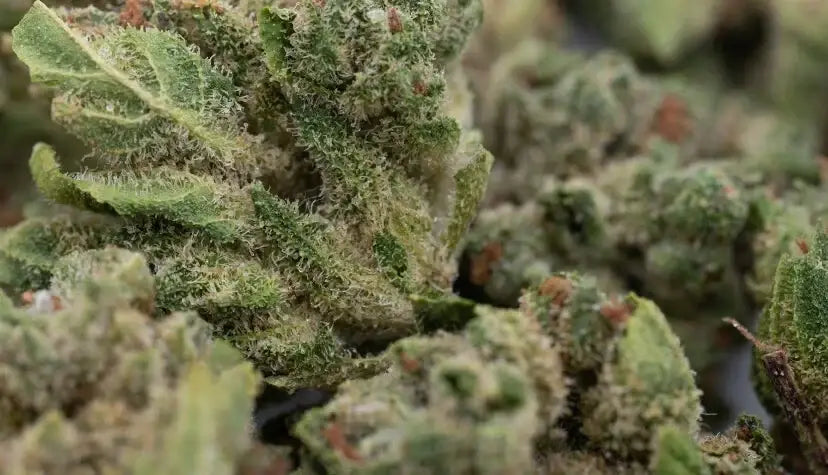
Much of the strongest CBD clinical research uses purified CBD isolate or pharmaceutical-grade oral formulations — not whole-flower products, which contain a broader spectrum of cannabinoids, terpenes, and plant compounds (sometimes discussed under the "entourage effect" hypothesis). The entourage effect — the idea that whole-plant compounds work better together than isolated CBD alone — has real preclinical support, but is not yet backed by the same volume of controlled human trials as isolated CBD is.
Individual Variability
Genetics, metabolism, body weight, tolerance, and even gut microbiome composition all appear to influence how someone responds to cannabinoids, and research into predicting individual response is still in early stages. This is part of why anecdotal reports vary so widely — and why what works well for one person may do very little for another.
Being upfront about these gaps isn't a weakness in the CBD flower conversation — it's what separates an evidence based approach to hemp wellness from hype. The compound has genuine, published research behind it. It also has real, unresolved questions. Both things are true at once.
Frequently Asked Questions
Is CBD flower backed by clinical research, or is it mostly anecdotal?
Both, depending on which benefit you're asking about. Anxiety and sleep have some peer-reviewed clinical trial data, though studies are typically small-scale and short-term. Anti-inflammatory effects are strongly supported in preclinical (cell and animal) research but have less human clinical data. Flower-specific studies (as opposed to isolated CBD) are still limited.
What's the difference between CBD flower and CBD oil in terms of how they work?
The cannabinoid content can be similar, but the delivery method changes the pharmacokinetics substantially. Inhaled flower generally produces faster onset and reaches the bloodstream more directly, while oil taken orally goes through digestion and the liver first, resulting in slower onset but potentially longer-lasting effects.
Does CBD flower get you high?
No — legal hemp flower contains 0.3% or less delta-9 THC by dry weight, which isn't enough to produce the intoxicating effects associated with THC-dominant cannabis. CBD itself doesn't bind to CB1 receptors the way THC does, so it doesn't produce the same psychoactive high.
How long does it take to feel CBD flower effects?
Because it's inhaled, CBD flower's effects are generally reported within minutes, in contrast with oral products like tinctures or edibles, which can take 30 minutes to 2 hours to take effect due to digestion and liver metabolism.
Is there a standard effective dose for CBD flower?
Not currently. Clinical studies use a wide range of doses depending on the condition studied and delivery method, and no universally agreed-upon standard dose exists for wellness applications. This is one of the clearest gaps in the current research and a good reason to start with a lower amount and adjust based on your own response.
Is CBD flower legal?
In the U.S., hemp flower containing 0.3% or less delta-9 THC by dry weight is federally legal under the 2018 Farm Bill, though individual state laws vary and some states have additional restrictions. Always check your local regulations before purchasing.
What should I look for to make sure a CBD flower product is high quality?
Third-party lab testing (a Certificate of Analysis, or COA) verifying cannabinoid content and screening for contaminants like pesticides, heavy metals, and residual solvents is the clearest signal of quality and transparency, regardless of what claims appear on the packaging.
Conclusion: Where the Evidence Actually Stands
Here's the honest recap. The endocannabinoid system is a real, well-documented regulatory network in the human body, and CBD's interaction with it — as a modulator rather than a direct activator — provides a genuinely plausible mechanism for the effects people report. Clinical research on CBD and anxiety shows encouraging, peer-reviewed results, though studies remain small in scale. Sleep research shows a more complex, dose-dependent picture than most marketing suggests. Anti-inflammatory effects are strongly supported at the cellular and animal level, with human data still catching up. And the choice between flower and other formats comes down to a real pharmacokinetic difference — faster onset via inhalation versus slower, longer-lasting effects via oral ingestion — not one format being universally superior to another.
What the research doesn't yet confirm — long-term outcomes, standardized dosing, and flower-specific (as opposed to isolate-based) clinical data — matters just as much as what it does confirm. A genuinely evidence-based view of CBD flower holds both sides at once: real, promising research, and real, unresolved questions that responsible consumers and brands alike should acknowledge rather than paper over.
If you're ready to explore high-quality, lab-tested options based on what the current science actually supports, you can browse the full range of hemp flower benefits available in our collection — each backed by third-party testing so you know exactly what you're getting.


