


THCA Pre-Rolls vs THCA Blunts: What's the Difference?
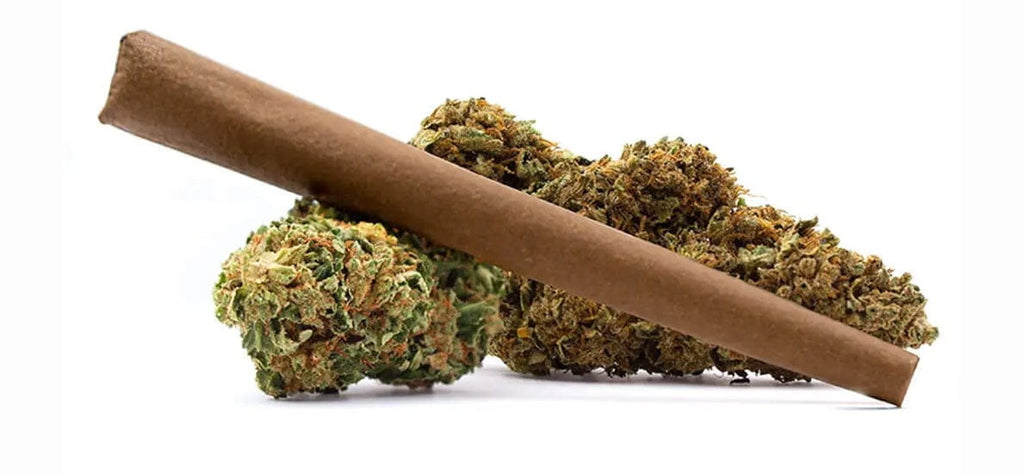
If you've spent any time browsing hemp menus lately, you've probably noticed two categories sitting side by side: THCA pre-rolls and THCA blunts. Both are rolled, ready-to-smoke products made from high-THCA hemp flower, and both deliver the same core cannabinoid — so why do they feel like such different products?
The answer comes down to one variable: the wrap. That single difference cascades into everything else — burn rate, flavor, smoking duration, and even how the effects unfold session to session. Understanding this thca pre rolls vs blunts comparison isn't just trivia — it directly affects which product will actually match what you're looking for from a smoke session.
This guide breaks down exactly how THCA pre-rolls and THCA blunts differ, which wrap types perform best, and how to decide which one deserves a spot in your rotation — or on your shelf, if you're buying wholesale.
What Is a THCA Pre-Roll?
A THCA pre-roll is high-THCA hemp flower, ground to a consistent texture and rolled into standard rolling paper — the same format most people picture when they think of a traditional joint. The flower itself is bred and cultivated specifically to maximize THCA content while staying compliant with the 0.3% Delta-9 THC threshold that defines legal hemp under the 2018 Farm Bill.
Pre-rolls are typically finished with a paper or biodegradable filter tip, which makes them easier to hold, prevents flower from falling out the end, and keeps the airflow consistent from the first pull to the last. Because rolling paper is thin and low-density compared to a blunt wrap, pre-rolls burn relatively quickly and evenly, and the paper itself contributes almost no flavor of its own.
That last point matters a lot. When a thca pre roll or blunt decision comes down to flavor, the pre-roll's neutral wrap means whatever terpene profile the flower carries — citrusy, earthy, gassy, sweet — comes through with very little interference. This is why pre-rolls are often described as the more "true to strain" smoking format: what you taste is largely the flower, not the paper.
Pre-rolls are also the more universally available format. Most THCA brands offer pre-rolls as their flagship product, in singles, multi-packs, and infused varieties, making them the easiest entry point for anyone new to hemp flower smoking.
What Is a THCA Blunt?
A THCA blunt swaps the thin rolling paper for a thicker wrap — traditionally tobacco leaf, though the hemp market has largely shifted to tobacco-free hemp wraps to keep products nicotine-free and compliant with hemp-only branding. The wrap is denser and more fibrous than rolling paper, which changes almost everything about how the product performs once lit.
Because the wrap itself has body and flavor, a THCA blunt isn't just a delivery vehicle for the flower inside — it's a active flavor contributor. Hemp wraps in particular are often infused or flavored, ranging from natural hemp-leaf flavor to fruit, sweet, or herbal blends, adding a layer of taste that a plain rolling paper simply doesn't provide.
Blunts are also typically larger in diameter and pack more flower per unit than a standard pre-roll, which combined with the denser wrap means a fundamentally different session — longer, slower, and often shared among multiple people rather than smoked solo start to finish.
For consumers comparing a thca blunt vs joint, the blunt format tends to appeal to those who already have a preference for the traditional blunt-smoking ritual and want that same experience with compliant, hemp-derived THCA flower instead of THC-dominant cannabis or tobacco.
The Core Difference: The Wrap
Strip away everything else, and the entire pre-roll vs. blunt debate reduces to a single material choice. That one decision — paper or leaf — determines burn speed, flavor contribution, session length, smoke density, and even how "harsh" or "smooth" the smoking experience feels.
Rolling paper is manufactured from rice, hemp fiber, or wood pulp, processed into a thin, uniform sheet designed to burn cleanly and consistently. It's engineered to be as close to flavorless and neutral as possible, so the burning paper doesn't compete with the flower's own terpene profile. This neutrality is precisely why pre-rolls are prized by people who care most about tasting the strain itself.
Blunt wraps, by contrast, are thicker, more fibrous, and often naturally sweet or earthy depending on the plant material used. Hemp wraps — now the standard for THCA blunts since they avoid nicotine and tobacco entirely — bring their own subtle grassy, herbal notes to the smoke, which blend with (rather than stay separate from) the flower's terpenes.
This is the foundation of the entire thca smoking experience comparison: one format is built to spotlight the flower, and the other is built to merge the flower with the wrap into a combined flavor and burn profile. Neither is objectively better — it depends entirely on what kind of session you're after.
Hemp Wrap vs. Rolling Paper: A Deep Dive
Understanding the material science behind each wrap helps explain why the smoking experience diverges so much between formats.
Rolling paper is typically made from one of three base materials:
- Rice paper — the thinnest and slowest-burning traditional option, prized for its near-flavorless profile and clean draw.
- Hemp paper — slightly thicker than rice, made from hemp fiber, offering a subtly earthy note while still burning cleanly and evenly.
- Wood pulp paper — the most common commercial option, burns a bit faster than rice or hemp paper and has a very mild, barely noticeable paper taste.
All three share key traits: they're thin (often under 15 grams per square meter), burn at a fairly predictable and fast rate, and are designed to combust with minimal ash and minimal residual flavor.
Hemp wraps, used for THCA blunts, are a completely different product category. Made from pressed or woven hemp leaf material, they're substantially thicker and denser than any rolling paper. That density is exactly what produces a slower burn — there's simply more material for the flame to work through per inch. Many hemp wraps are also lightly infused with natural flavoring (mango, watermelon, herbal blends) or terpene additives, layering additional taste on top of the wrap's natural hemp-leaf character.
This hemp wrap vs rolling paper distinction is really a distinction in engineering purpose. Rolling paper is designed to disappear into the background of the smoking experience. Hemp wrap is designed to be part of it.
For buyers evaluating the best thca wrap type for their preferences, the decision comes down to whether you want the wrap to contribute to the flavor and pacing of the session, or whether you want it to stay as neutral as possible so the flower does all the talking.
Burn Rate and Smoking Duration
Burn rate is one of the most practical, day-to-day differences between the two formats — and it directly shapes how a session fits into your schedule.
A standard THCA pre-roll, rolled in thin paper, typically burns through in roughly 5 to 10 minutes of continuous smoking, depending on size and how often you're taking hits. Because the paper is thin and low-density, the cherry (the burning tip) moves through the material quickly, and airflow through the paper tends to be consistent, producing a steady, even burn from start to finish.
A THCA blunt, with its thicker wrap and generally larger flower payload, burns dramatically slower — sessions often stretch to 20 minutes or longer, especially when shared. The dense wrap material resists the flame more than paper does, requiring more frequent relighting for some smokers, and producing a noticeably thicker, heavier smoke output per pull.
This burn rate difference has real practical implications. A pre-roll is well-suited to a quick solo session — stepping outside for ten minutes, a quick unwind after work, or sampling a new strain without a big time commitment. A blunt is better suited to a longer, often social session — the kind of slower-paced smoking ritual traditionally associated with blunt culture, where the extended burn time becomes part of the experience rather than an inconvenience.
Flavor Comparison
Flavor is where the pre-roll vs. blunt decision becomes most personal, since it comes down to what kind of taste experience you're chasing.
With a THCA pre-roll, the goal — and the result — is maximum terpene transparency. Because rolling paper contributes almost no flavor of its own, whatever the strain's terpene profile delivers (citrus, pine, diesel, berry, spice) comes through largely unfiltered. This makes pre-rolls the preferred format for flavor purists, strain connoisseurs, and anyone doing a side-by-side comparison of different cultivars, since the wrap variable is essentially removed from the equation.
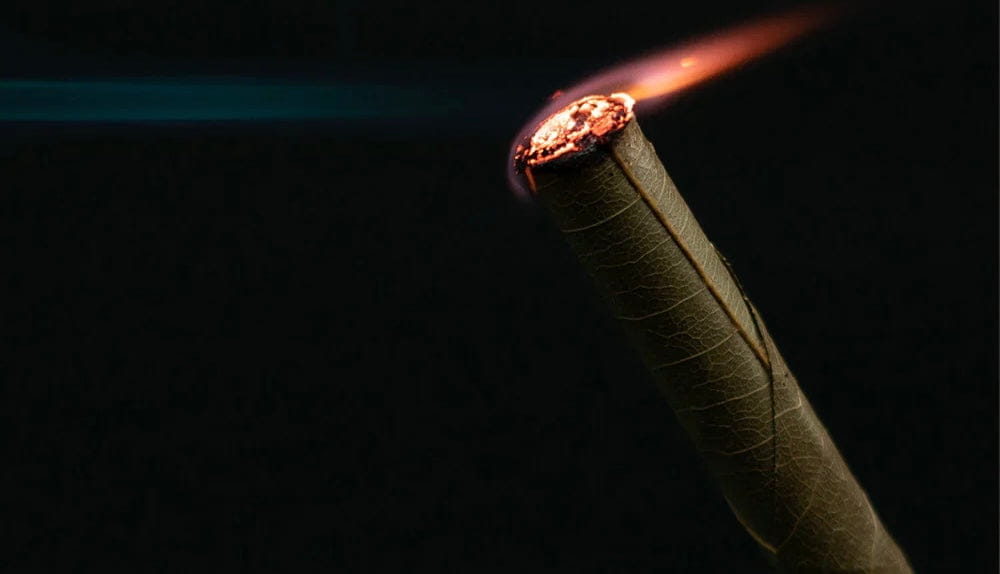
THCA blunt flavor works completely differently. The hemp wrap itself brings a baseline flavor — usually a mild grassy or herbal note in unflavored wraps, or a distinct fruit, sweet, or spice profile in flavored varieties — which blends with the flower's own terpenes rather than staying separate from them. The result is a more layered, complex taste: part strain, part wrap, merging into something that changes depending on which wrap flavor you pair with which strain.
Some smokers specifically seek out flavored hemp wraps to complement a particular strain — pairing a sweet wrap with an earthy indica, for example, to balance the overall flavor profile. Others prefer unflavored wraps to keep the emphasis closer to the flower while still getting the slower burn and thicker smoke blunts are known for.
Neither approach is more "correct" — it's a matter of whether you want the flower to speak entirely for itself, or whether you're looking for a combined flavor experience where the wrap plays an active role.
Effects and Pacing
Because THCA converts to THC through combustion regardless of wrap type, the underlying chemistry of the high is the same whether you're smoking a pre-roll or a blunt. What differs is pacing — how the dose is delivered over the course of a session.
A pre-roll's faster burn and typically smaller flower content means the total dose is consumed more quickly, often producing a more concentrated onset within a shorter window. This can make effects feel like they arrive faster and more intensely within the first several minutes, simply because more of the total cannabinoid content is being combusted and inhaled in a shorter period.
A blunt's slower burn and larger flower content spreads the same (or greater) total dose over a longer period. Effects tend to build more gradually, and because blunts are frequently shared or smoked over an extended period with pauses between pulls, the felt intensity often ramps up more slowly, even though the eventual total dose consumed can be higher given the larger amount of flower involved.
For someone monitoring their tolerance or trying to keep a session lighter, a pre-roll's smaller total flower content and quicker burn can make it easier to control total intake. For a group setting or a longer, more gradual smoking session, a blunt's extended burn time naturally paces consumption over a longer stretch.
Choosing the Best THCA Wrap Type for You
With the mechanics of both formats laid out, the decision comes down to matching format to your actual smoking habits and preferences. Here's a practical framework:
Choose a THCA pre-roll if you:
- Want the clearest, most unfiltered expression of a strain's terpene profile
- Prefer a quicker session (10 minutes or less)
- Are comparing multiple strains and want to minimize variables between them
- Are newer to smoking hemp flower and want a simpler, more predictable format
- Want to control total flower intake more precisely per session
Choose a THCA blunt if you:
- Enjoy the traditional blunt-smoking ritual and slower pace
- Want the wrap itself to contribute flavor, not just the flower
- Are smoking in a group or social setting where a longer session fits naturally
- Prefer a denser, heavier smoke output per pull
- Like experimenting with flavored wraps paired against different strains
There's no wrong answer here — many regular smokers keep both in rotation, reaching for a pre-roll on a weekday evening and a blunt for a weekend hangout. The best thca wrap type ultimately depends entirely on the kind of session you're trying to create, not on one format being inherently superior to the other.
Wholesale and Retail Considerations
For retailers and wholesale buyers stocking THCA products, carrying both pre-rolls and blunts covers distinctly different customer segments rather than cannibalizing the same sales.
Pre-roll customers tend to be strain-focused shoppers — they're comparing terpene profiles, potency percentages, and specific cultivars, and often buy multi-packs of a favorite strain once they find one they like. Blunt customers are frequently shopping by format preference first and strain second, drawn to the ritual, the wrap flavor options, and the social smoking experience blunts are associated with.
Stocking a range of both — along with flavored and unflavored hemp wrap options — lets a shop capture both customer types rather than forcing shoppers who prefer one format to settle for the other. Wholesale buyers should request current Certificates of Analysis for both product lines, since flower potency and wrap sourcing (for compliance and flavor consistency) can vary by batch even within the same brand.
Browse the full lineup of pre-roll and blunt options in the thca pre rolls vs blunts collection to compare formats, strains, and wrap types side by side.
Frequently Asked Questions
Is a THCA blunt stronger than a THCA pre-roll?
Not necessarily in potency per gram — that depends on the flower's THCA percentage, which is identical whether it's rolled in paper or wrapped in hemp leaf. Blunts typically contain more total flower, though, so the total cannabinoid content per unit tends to be higher, even if the percentage concentration is the same.
Do THCA blunts contain tobacco?
Modern THCA blunts almost always use tobacco-free hemp wraps rather than traditional tobacco leaf, keeping the product nicotine-free and aligned with hemp-only branding. Always check the product label to confirm wrap material before purchasing.
Which burns cleaner, a THCA pre-roll or a THCA blunt?
Pre-rolls generally burn cleaner and more evenly due to the thin, low-density rolling paper. Blunts burn slower and can require more frequent relighting because the thicker wrap resists the flame more than paper does.
Can I get a flavored wrap on a THCA pre-roll?
Flavored wraps are typically a blunt-specific feature, since standard rolling paper is designed to stay flavor-neutral. If you want a flavored smoking experience, a flavored hemp wrap blunt is the better option.
Are THCA blunts more expensive than pre-rolls?
Yes, generally. Blunts contain more flower and use a more processed wrap material, both of which typically push the price per unit higher compared to a standard pre-roll of similar strain quality.
Do pre-rolls or blunts have a stronger flavor from the wrap itself?
Pre-rolls are designed to have minimal wrap flavor, letting the flower's terpenes dominate. Blunts, especially flavored hemp wrap varieties, contribute a noticeable flavor layer of their own that blends with the flower.
Is one format better for beginners?
Pre-rolls are generally considered more beginner-friendly due to their smaller size, quicker session length, and easier-to-gauge total dose. Blunts, with their larger flower content and longer sessions, are often better suited to more experienced smokers.
Do THCA pre-rolls and blunts test the same for potency?
Yes — both formats are made from the same category of high-THCA hemp flower, so lab-tested potency reflects the flower itself, not the wrap. Always check the product-specific Certificate of Analysis regardless of format.
Conclusion
The THCA pre-roll vs. blunt decision isn't about which product is objectively "better" — it's about matching the format to the experience you're after. Pre-rolls deliver a cleaner, faster, more strain-transparent session thanks to their thin rolling paper. Blunts offer a slower, more flavor-layered, and often more social smoking ritual thanks to their thicker hemp wrap.
Both formats use the same compliant, lab-tested THCA hemp flower — the wrap is simply the variable that shapes everything else about the session. Whether you're drawn to the purity of a pre-roll or the ritual of a blunt, exploring both side by side is the best way to find your preferred thca pre roll or blunt format. Check out the full range of options in the thca pre rolls vs blunts collection to compare strains, potencies, and wrap types firsthand.


