


Greenhouse vs Indoor THCA Flower: Purple Queen and Crater Lake OG Head-to-Head
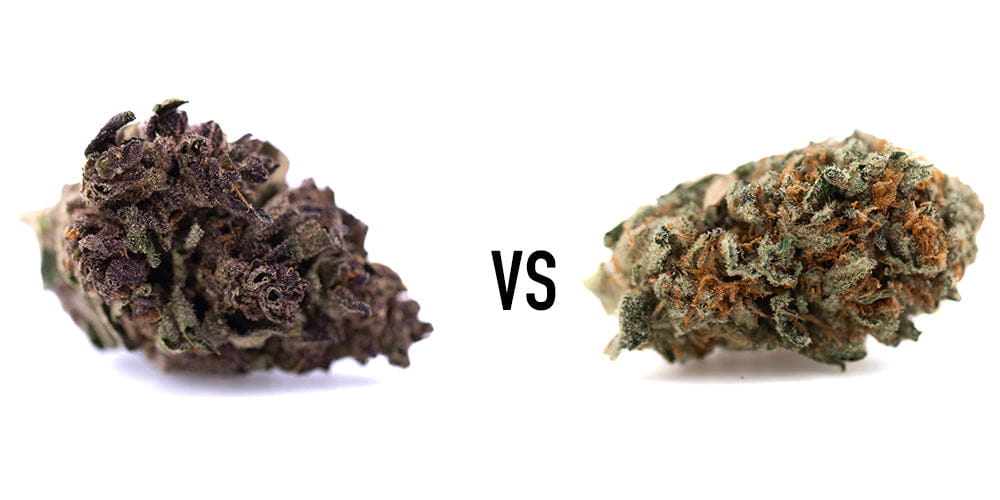
When shopping for premium THCA flower cultivation, one of the most important factors determining quality, potency, and price is the cultivation method. The debate between greenhouse THCA flower and indoor THCA flower has shaped the hemp and cannabis industry for decades, with passionate advocates on both sides claiming superiority. But what really separates these two growing methodologies, and how do they impact the final product you receive?
To truly understand the differences between greenhouse THCA flower and indoor THCA flower, we'll conduct a comprehensive head-to-head comparison using two exceptional strains that exemplify each method: Purple Queen, a stunning greenhouse-grown cultivar, and Crater Lake OG, a premium indoor specimen. By examining these real-world examples across multiple quality indicators—from visual appeal and cannabinoid content to terpene profiles and sustainability—we'll reveal which THCA cultivation methods might be right for your specific needs and preferences.
Whether you're a consumer seeking the best value, a connoisseur chasing maximum quality, or a wholesale buyer evaluating inventory options, understanding how cultivation environments shape THCA flower cultivation characteristics is essential for making informed purchasing decisions. Let's dive deep into the science, economics, and real-world performance of these two distinct growing approaches.
Understanding Greenhouse Cultivation
Greenhouse growing represents a hybrid approach that bridges outdoor and indoor cultivation, leveraging the best aspects of both methodologies. In greenhouse THCA flower cultivation, hemp plants grow inside transparent or translucent structures that allow natural sunlight to penetrate while providing protection from extreme weather, pests, and environmental fluctuations.
The Greenhouse Growing Process
Modern greenhouse hemp flower operations utilize sophisticated technology to create optimal growing conditions. These facilities feature climate control systems that regulate temperature and humidity, supplemental lighting for consistent photoperiods during shorter winter days, and automated ventilation systems that manage airflow and prevent mold or mildew development. The transparent covering materials—typically glass or specialized plastics—filter harmful UV rays while maximizing photosynthetically active radiation (PAR) that drives plant growth.
Benefits of Greenhouse Cultivation
The primary advantage of greenhouse hemp flower production lies in harnessing free, natural sunlight. The sun provides a full-spectrum light source that no artificial lighting can perfectly replicate, promoting robust photosynthesis and healthy plant development. This reliance on natural light dramatically reduces electricity costs compared to indoor operations, making greenhouse THCA flower cultivation significantly more economical.
Greenhouse facilities also benefit from natural environmental factors. The diurnal temperature fluctuations—warmer days and cooler nights—that occur naturally in greenhouses can enhance terpene production and anthocyanin development, leading to more aromatic flowers with vibrant colors. The larger growing space typically available in greenhouses allows plants to develop fuller canopies and larger root systems, potentially increasing overall yields per square foot.
From a production standpoint, greenhouse THCA flower cultivation offers faster turnaround times than traditional outdoor growing. Protected from seasonal limitations, greenhouse operators can run multiple harvests per year in many climates. The controlled environment reduces crop loss from adverse weather events while maintaining much lower operating costs than fully indoor facilities.
Challenges and Limitations
Despite these advantages, greenhouse THCA flower cultivation presents certain challenges. Environmental control, while better than outdoor growing, remains less precise than indoor facilities. Temperature spikes during summer months or unexpected cold snaps can stress plants if climate control systems cannot compensate quickly enough. Pest management requires constant vigilance, as the semi-open nature of many greenhouses makes them more vulnerable to infestations than sealed indoor rooms.
Light consistency varies with seasonal changes and weather patterns. Cloudy periods reduce light intensity, potentially slowing growth or affecting flower density. While supplemental lighting helps, it doesn't completely eliminate these variations. Some growers argue that this variability, while natural, can result in less batch-to-batch consistency compared to highly controlled indoor environments.
Purple Queen: Excellence in Greenhouse Cultivation
Purple Queen greenhouse THCA flower exemplifies what greenhouse THCA flower cultivation can achieve. This stunning cultivar showcases deep purple hues interspersed with forest green, demonstrating the color expression that greenhouse temperature fluctuations can enhance. The natural sunlight exposure promotes dense trichome production across the flower surface, creating a frosty appearance that rivals many indoor specimens.
Purple Queen greenhouse THCA's greenhouse origins contribute to its robust terpene profile and well-rounded cannabinoid content. The strain typically tests between 18-22% THCA, demonstrating that greenhouse THCA flower methods can produce highly potent flower when executed properly. The natural growing conditions allow Purple Queen to develop its characteristic grape and berry aromatics fully, with earthy undertones that reflect authentic terpene expression.
Cannabinoid Development in Greenhouse Environments
Research into cannabinoid biosynthesis reveals that greenhouse vs indoor THCA production involves different pathways influenced by light spectrum and intensity. Natural sunlight provides wavelengths across the entire spectrum, including UV-B radiation that some studies suggest may enhance THCA and terpene production as a protective mechanism. The variable light intensity throughout the day—mimicking natural sunrise and sunset—may stimulate more dynamic metabolic responses in plants compared to consistent artificial lighting.
The slightly higher stress levels in greenhouse THCA flower environments, when managed properly, can activate plant defense mechanisms that increase secondary metabolite production, including cannabinoids and terpenes. This phenomenon, known as hormesis, suggests that moderate environmental stress may actually enhance the chemical complexity of greenhouse-grown flower.
Understanding Indoor Cultivation
Indoor THCA flower cultivation represents the pinnacle of environmental control in hemp production. Indoor facilities operate in completely sealed environments where every variable—light, temperature, humidity, airflow, and nutrition—is precisely managed through technology and human intervention.
Indoor Growing Methodology
Indoor THCA flower cultivation facilities range from converted warehouses to purpose-built grow rooms, all featuring sophisticated environmental control systems. High-intensity discharge (HID) lights, LED arrays, or ceramic metal halide (CMH) fixtures replace natural sunlight, providing consistent light intensity and spectrum tailored to each growth stage. HVAC systems maintain temperature within narrow ranges, typically 70-80°F during light periods and slightly cooler during dark periods.
Humidity control systems manage moisture levels precisely, preventing mold while optimizing transpiration rates. Carbon dioxide supplementation enriches the atmosphere to levels 2-3 times higher than outdoor air, accelerating photosynthesis and growth rates. Air filtration removes contaminants and odors, while circulation fans ensure uniform environmental conditions throughout the growing space.
Complete Environmental Control Advantages
The defining characteristic of indoor THCA flower cultivation is absolute control over every environmental factor. This precision eliminates weather-related variability, pest pressure from external sources, and seasonal limitations. Indoor growers can maintain optimal conditions 24/7, year-round, regardless of external climate.
This control translates directly to consistency. Each harvest cycle operates under identical conditions, producing THCA flower quality comparison results that show minimal variation between batches. For commercial operations supplying wholesale markets or brands maintaining specific product standards, this consistency is invaluable.
Indoor hemp flower environments also allow cultivators to stress plants strategically during specific growth phases. Controlled light stress, temperature adjustments, and humidity manipulation during the final weeks of flowering can maximize trichome production and cannabinoid content. The sealed environment minimizes contamination risks, reducing microbial counts and potential for pesticide use.
Higher Production Costs Explained
The superior control of indoor THCA flower cultivation comes at a significant financial cost. Electricity consumption dominates operational expenses, with lighting, climate control, and dehumidification requiring constant power. A typical 1,000-square-foot indoor grow operation might consume 40,000-60,000 kWh monthly—equivalent to powering dozens of homes.
Beyond electricity, indoor hemp flower facilities require substantial capital investment in equipment, infrastructure, and security systems. HVAC units, lighting fixtures, automation systems, and monitoring equipment represent hundreds of thousands of dollars in startup costs. Ongoing maintenance, bulb replacements, filter changes, and system upgrades add continuous expenses.
Labor costs also run higher in indoor THCA flower operations due to the technical expertise required. Growers must understand complex environmental interactions, plant physiology, and equipment operation. The intensive nature of indoor cultivation demands more hands-on attention than greenhouse growing, increasing per-pound labor costs.
These factors explain why best THCA growing method discussions often center on economics. Indoor THCA flower typically costs 30-50% more wholesale than comparable greenhouse products, reflecting the substantial investment required to produce it.
Crater Lake OG: Premium Indoor Excellence
Crater Lake OG indoor THCA flower represents indoor THCA flower cultivation at its finest. This potent cultivar benefits from every advantage indoor growing provides, resulting in exceptionally dense, resinous buds with remarkable visual appeal. The controlled environment allows Crater Lake OG indoor THCA to develop the ultra-compact bud structure and intense trichome coverage that indoor connoisseurs prize.
Crater Lake OG indoor THCA's indoor origins contribute to consistently high THCA percentages, often testing between 24-28%—among the highest potency levels available in legal hemp flower. The precise environmental management ensures that each harvest expresses the strain's full genetic potential without the variations that outdoor factors might introduce.
Consistency and Quality Control Benefits
Indoor THCA flower cultivation's greatest strength lies in reproducibility. When you purchase Crater Lake OG indoor THCA from a batch tested at 26% THCA, you can expect the next batch to test within 1-2% of that number. This consistency allows brands to maintain reliable product specifications, consumers to predict effects accurately, and wholesale buyers to trust inventory quality.
Quality control extends beyond potency to encompass appearance, aroma, and overall bag appeal. Indoor hemp flower typically exhibits uniform bud size, consistent coloration, and optimal moisture content batch after batch. The controlled environment minimizes the risk of mold, mildew, or pest damage that could compromise quality, resulting in cleaner flower with lower microbial counts and virtually no need for pesticide applications.
Visual Quality Comparison
When comparing greenhouse THCA flower and indoor THCA flower side by side, visual differences become immediately apparent, though both can produce stunning flowers when grown properly.
Bud Density Differences
Indoor hemp flower like Crater Lake OG indoor THCA typically exhibits exceptional density, with buds feeling solid and compact when squeezed. The controlled light intensity and distance, combined with optimal environmental conditions, promotes tight node spacing and minimal stem material. These rock-hard buds resist compression and maintain their structure during handling and storage.
Greenhouse hemp flower such as Purple Queen greenhouse THCA tends toward a slightly airier structure, with more space between calyxes. While still forming solid buds, greenhouse THCA flower often feels less compressed—a characteristic some consumers actually prefer, associating it with more natural growing conditions. The variable light intensity and natural environmental fluctuations in greenhouses promote slightly more elongated growth patterns.
This density difference impacts bag appeal and consumer perception. Indoor THCA flower often photographs better for marketing purposes, with its compact structure and uniform appearance. However, density doesn't directly correlate with quality or potency; many connoisseurs appreciate greenhouse hemp flower's more natural structure and argue that slightly airier buds actually cure and smoke more smoothly.
Trichome Production and Coverage
Both THCA cultivation methods can produce impressive trichome coverage when executed properly. Crater Lake OG indoor THCA's indoor environment encourages maximum resin production through strategic environmental manipulation. The controlled light spectrum, temperature drops during dark periods, and humidity management during late flowering all stimulate trichome development. Indoor hemp flower buds often display a thick, uniform frost covering visible even without magnification.
Purple Queen greenhouse THCA showcases the resin production that natural sunlight can trigger. The full-spectrum solar radiation, including UV-B wavelengths, may actually enhance certain aspects of trichome production as a plant defense mechanism. Greenhouse hemp flower often displays vibrant, sparkly trichomes that catch light beautifully, though coverage may be slightly less uniform than indoor counterparts.
Under microscope examination, both methods produce mature, fully-formed trichome heads at harvest. The difference lies more in distribution and density than in individual trichome quality. Indoor THCA flower typically shows more consistent trichome coverage across the entire bud surface, while greenhouse THCA flower may show higher concentration on light-exposed areas with slightly less coverage on interior flower sections.
Color Variations
Color expression differs notably between THCA cultivation methods. Purple Queen greenhouse THCA's greenhouse cultivation enhances anthocyanin production, the pigments responsible for purple, red, and blue hues in cannabis. The natural temperature fluctuations in greenhouses—especially cooler nights during late flowering—trigger these color expressions more dramatically than controlled indoor environments.
Crater Lake OG indoor THCA flower typically displays more consistent coloration with prominent green tones and orange pistils. While indoor growers can manipulate temperatures to encourage color development, the tightly controlled conditions often produce flowers with less dramatic color variation. However, the consistent environment results in uniform coloration across the entire harvest, with every bud displaying similar hues.
The vibrant colors in greenhouse hemp flower like Purple Queen greenhouse THCA create exceptional visual appeal and often command premium prices for their striking appearance. However, it's important to note that color doesn't indicate potency—green indoor hemp flower can be equally or more potent than purple greenhouse alternatives.
Overall Bag Appeal
"Bag appeal" encompasses the overall visual impact of flower, including structure, color, trichome coverage, and trim quality. Indoor THCA flower generally wins the bag appeal contest in mainstream markets, with its compact structure, uniform appearance, and photogenic qualities. Crater Lake OG indoor THCA represents the aesthetic ideal many consumers associate with "exotic" or "premium" flower.
However, greenhouse hemp flower like Purple Queen greenhouse THCA offers its own distinctive appeal. The more natural structure, vibrant colors, and sparkling trichomes attract consumers who value authenticity and organic aesthetics over industrial uniformity. In certain markets, particularly among experienced consumers, greenhouse THCA flower's unique visual characteristics command significant appreciation.
Purple Queen vs Crater Lake OG Appearance
When placed side by side, Purple Queen greenhouse THCA and Crater Lake OG indoor THCA showcase the aesthetic differences between THCA cultivation methods perfectly. Purple Queen displays medium-density buds with striking purple and green coloration, generous trichome coverage with a frosty appearance, and a more natural, organic structure that varies slightly from bud to bud. The flowers appear vibrant and colorful, with excellent trim work showing off the strain's natural beauty.
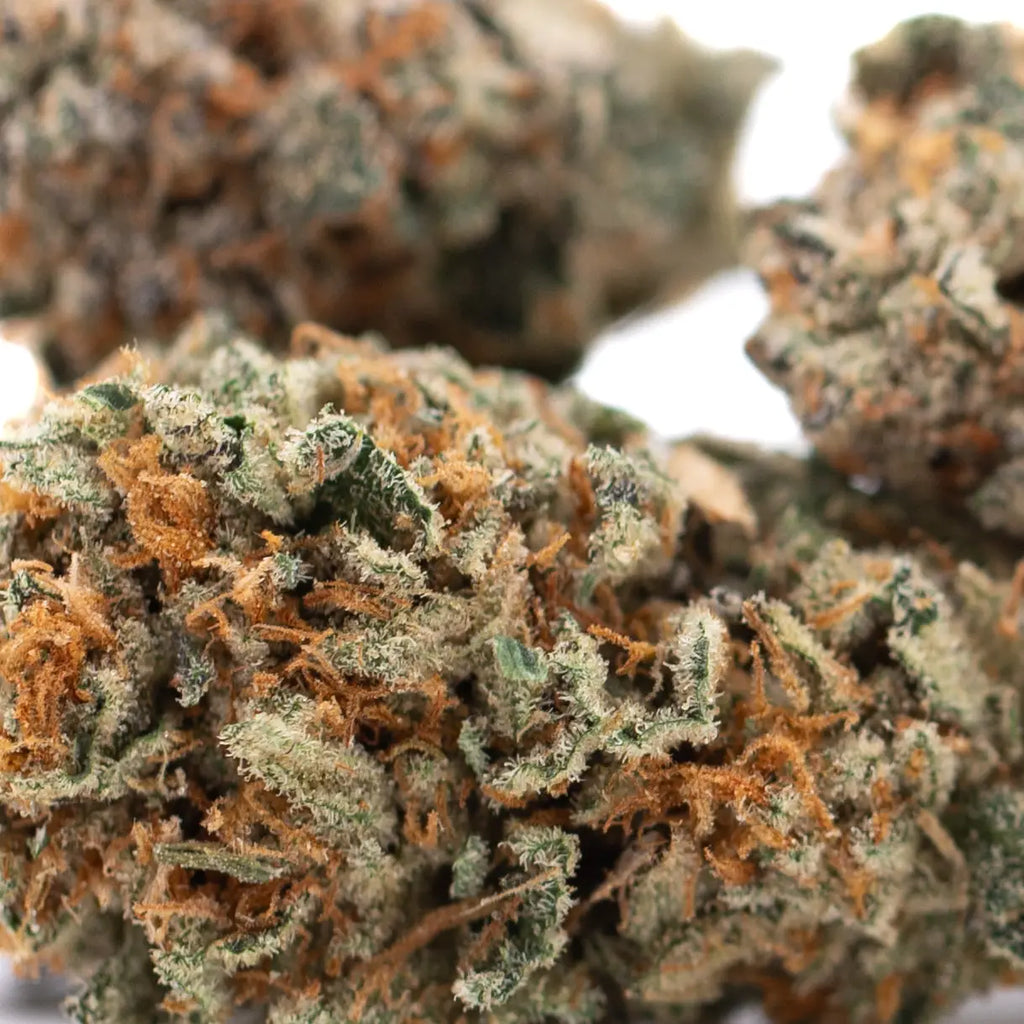
Crater Lake OG presents ultra-dense, compact buds with uniform deep green coloration and bright orange pistils, exceptional trichome coverage creating a snow-white appearance, and remarkably consistent structure across all buds in the batch. The flowers look almost artificial in their perfection, with tight trim and professional presentation.
Both strains offer exceptional visual quality within their respective categories. The choice between them often comes down to personal aesthetic preferences and value priorities rather than objective quality superiority.

Potency & Cannabinoid Content
Potency represents one of the most critical factors in THCA flower quality comparison discussions. Understanding how THCA cultivation methods affect cannabinoid synthesis provides insight into the potential of each growing approach.
THCA Percentage Comparisons
Laboratory testing reveals that both greenhouse THCA flower and indoor THCA flower cultivation can produce highly potent THCA flower, though indoor methods typically achieve the highest peak potencies. Crater Lake OG indoor THCA samples commonly test between 24-28% THCA, with exceptional batches reaching 30% or higher. This elevated potency results from the precise environmental control, strategic plant stress, and genetic selection that indoor THCA flower cultivation enables.
Purple Queen greenhouse THCA typically tests between 18-22% THCA—still highly potent by any standard, especially considering legal hemp status. While slightly lower than top-tier indoor hemp flower, this potency level delivers strong effects and exceeds the threshold for experienced consumers. The difference amounts to roughly 20-25% less THCA content on average between greenhouse vs indoor THCA.
However, these ranges overlap significantly. Exceptional greenhouse THCA flower operations producing optimal conditions can achieve 22-25% THCA, while lower-end indoor operations might produce 20-22% flower. The cultivation method matters, but so do genetics, grower skill, and specific operational practices within each method.
How Cultivation Affects Cannabinoid Synthesis
Cannabinoid biosynthesis in cannabis depends on multiple factors, all influenced by cultivation environment. Light intensity and spectrum directly affect the metabolic pathways producing cannabinoid precursors. The enhanced UV-B radiation in natural sunlight may stimulate increased THCA production through stress responses in greenhouse THCA flower, while the consistent, optimized spectrum of indoor LED systems drives efficient photosynthesis and resource allocation to resin production in indoor hemp flower.
Temperature management plays a crucial role in enzyme activity along cannabinoid synthesis pathways. Indoor THCA flower cultivation maintains optimal temperatures for these enzymatic reactions consistently, potentially maximizing cannabinoid production. Greenhouse hemp flower temperature variations, while promoting some beneficial stress responses, may occasionally fall outside optimal ranges, potentially limiting maximum cannabinoid accumulation.
Nutrient availability and plant health significantly impact cannabinoid content. Indoor THCA flower operations typically achieve more precise nutrient management through controlled fertigation systems, ensuring plants receive optimal nutrition throughout growth. Greenhouse THCA flower operations, while still using sophisticated nutrition programs, may experience more variation in nutrient uptake due to environmental fluctuations affecting root zone conditions.
Minor Cannabinoids (CBG, CBC, CBN)
Beyond THCA, minor cannabinoids contribute to the overall effects and therapeutic potential of flower through the entourage effect. Laboratory analysis of Purple Queen greenhouse THCA flower often reveals robust minor cannabinoid profiles, including 0.5-1.5% CBG (cannabigerol), 0.2-0.8% CBC (cannabichromene), and trace amounts of CBN (cannabinol). The variable growing conditions may contribute to diverse metabolic responses producing varied minor cannabinoid ratios.
Crater Lake OG indoor THCA samples display similar minor cannabinoid ranges, though with more consistency between batches. Indoor hemp flower typically shows 0.8-1.2% CBG, 0.3-0.6% CBC, and minimal CBN in fresh flower. The controlled environment produces more predictable minor cannabinoid profiles, beneficial for consumers seeking specific effects or therapeutic benefits from particular cannabinoid combinations.
Interestingly, some research suggests that moderate environmental stress—more common in greenhouse THCA flower growing—might enhance production of certain minor cannabinoids as part of plant defense mechanisms. This could give greenhouse hemp flower an advantage in overall cannabinoid diversity, even if peak THCA content runs slightly lower than indoor alternatives.
Lab Testing Results for Both Strains
Comprehensive laboratory analysis reveals additional quality metrics beyond potency. Recent Certificate of Analysis (COA) documents for Purple Queen greenhouse THCA show total cannabinoid content ranging from 20-24%, with THCA dominant, along with full terpene profiles typically showing 1.5-2.5% total terpenes and passing results for pesticides, heavy metals, microbial contaminants, and mycotoxins.
Crater Lake OG indoor THCA testing demonstrates total cannabinoid content of 26-30%, with THCA comprising the vast majority, exceptional terpene preservation ranging from 2.0-3.5% total terpenes, and consistently clean results across all safety panels with minimal microbial counts.
Both strains meet all safety standards and legal compliance requirements for hemp products, demonstrating that THCA cultivation methods don't compromise safety when proper protocols are followed.
Potency Consistency
Consistency represents a key differentiator between greenhouse vs indoor THCA cultivation. Indoor THCA flower operations typically achieve potency variations of only 1-3% THCA between batches of the same strain. This predictability allows consumers to expect similar effects from each purchase and enables wholesale buyers to maintain consistent product specifications across inventory cycles.
Greenhouse THCA flower cultivation shows slightly wider potency variation, typically 3-5% THCA between batches due to seasonal changes, weather patterns, and natural environmental fluctuations. While still producing potent flower, greenhouse operations face more challenges maintaining absolute consistency. For some markets, this variation matters significantly; for others, it's acceptable trade-off for lower prices and more sustainable production methods.
Terpene Expression
Terpenes determine the aroma, flavor, and contribute significantly to the effects of THCA flower cultivation through the entourage effect. How cultivation environment affects terpene development represents a fascinating aspect of best THCA growing method comparisons.
How Environment Affects Terpene Development
Terpene biosynthesis responds dynamically to environmental conditions, making THCA cultivation methods highly relevant to aromatic profile development. Light spectrum influences terpene production, with different wavelengths triggering varying biosynthetic pathways. Natural sunlight's broad spectrum may stimulate diverse terpene production in greenhouse THCA flower, while targeted LED spectrums in indoor hemp flower facilities can emphasize specific terpene compounds.
Temperature significantly impacts terpene synthesis and preservation. Higher temperatures during flowering can volatilize terpenes, causing aromatic compound loss. Indoor THCA flower cultivation's precise temperature control helps preserve terpenes throughout development, while greenhouse hemp flower facilities may experience temperature spikes that reduce terpene retention, particularly during summer months.
Humidity levels affect terpene concentration in multiple ways. Lower humidity during late flowering increases resin density, concentrating terpenes within trichome heads. Indoor hemp flower facilities typically achieve optimal low humidity during this critical phase more consistently than greenhouses, potentially resulting in more pronounced aromas.
Purple Queen's Terpene Profile from Greenhouse
Purple Queen greenhouse THCA develops a complex, fruity terpene profile that highlights the cultivar's grape and berry genetics. The dominant terpenes typically include myrcene (0.4-0.8%), providing earthy, musky notes with relaxing properties, caryophyllene (0.3-0.6%), contributing spicy, peppery elements with potential anti-inflammatory benefits, and limonene (0.2-0.4%), adding citrus brightness and uplifting characteristics.
Secondary terpenes like pinene, linalool, and humulene round out the profile, creating depth and complexity. The natural growing conditions in greenhouse THCA flower cultivation allow these terpenes to develop authentic expressions reflecting the strain's genetic heritage. Many consumers describe Purple Queen greenhouse THCA's aroma as more "natural" or "earthy" compared to indoor alternatives, with subtle complexity that reveals new notes upon repeated exposure.
The total terpene content typically ranges from 1.5-2.5%, delivering robust aromatics that translate to flavorful consumption experiences. While slightly lower than premium indoor hemp flower, this terpene concentration provides excellent sensory qualities and contributes meaningfully to the strain's effects.
Crater Lake OG's Terpene Profile from Indoor
Crater Lake OG indoor THCA showcases the terpene preservation that optimal indoor THCA flower cultivation can achieve. The strain's OG lineage expresses prominently through its terpene composition, featuring high myrcene content (0.6-1.2%) creating the classic OG earthy, fuel-like aroma, elevated caryophyllene (0.4-0.9%) adding spice and potential therapeutic benefits, and substantial limonene (0.3-0.7%) providing citrus overtones that brighten the profile.
Additional terpenes including humulene, bisabolol, and terpinolene contribute nuanced aromatic layers. The controlled indoor hemp flower environment preserves these volatile compounds effectively, resulting in total terpene content ranging from 2.0-3.5%—among the highest levels available in legal hemp flower.
Crater Lake OG indoor THCA's aroma presents as intense and immediately recognizable, with loud fuel and citrus notes that announce the strain's presence as soon as packaging opens. The concentrated terpene profile creates powerful flavor during consumption and contributes substantially to the strain's potent effects through entourage interactions with cannabinoids.
Aroma and Flavor Implications
The terpene differences between greenhouse hemp flower and indoor hemp flower manifest clearly in sensory experiences. Indoor THCA flower like Crater Lake OG indoor THCA typically delivers more intense, concentrated aromas with prominent, easily identifiable scent profiles. The loud, in-your-face aromatics appeal to consumers who value strong sensory experiences and "exotic" characteristics.
Greenhouse hemp flower such as Purple Queen greenhouse THCA offers more subtle, nuanced aromatics with complex scent profiles that reveal depth gradually. The layered, natural aromas appeal to connoisseurs who appreciate sophistication and authenticity over intensity. While less immediately impactful, greenhouse THCA flower terpene profiles often provide more enjoyable sustained experiences during consumption.
Flavor profiles mirror these aromatic differences. Indoor hemp flower delivers concentrated, intense flavors with clear, dominant taste notes. Greenhouse THCA flower provides more balanced, subtle flavors with complexity that unfolds throughout the consumption experience. Neither approach is objectively superior—preferences depend on individual taste and consumption priorities.
Entourage Effect Considerations
The entourage effect—the synergistic interaction between cannabinoids, terpenes, and other plant compounds—may manifest differently depending on THCA cultivation methods. Indoor THCA flower's high cannabinoid and terpene concentrations create powerful entourage effects with intense, focused experiences. The consistent ratios between batches also produce predictable effect profiles.
Greenhouse hemp flower's more variable terpene and minor cannabinoid profiles may create more diverse entourage effects, with subtle differences between batches adding variety to the consumption experience. Some users appreciate this variability, finding that greenhouse THCA flower offers more nuanced effects that shift slightly based on specific batch characteristics.
Research into the entourage effect remains limited, but anecdotal evidence suggests both THCA cultivation methods can produce rich entourage interactions when plants express their full genetic potential. The choice between intense consistency (indoor hemp flower) versus nuanced variety (greenhouse THCA flower) depends on consumer preferences and use cases.
Price Point Analysis
Economics plays a crucial role in greenhouse vs indoor THCA purchasing decisions. Understanding why prices differ helps consumers and wholesale buyers evaluate value propositions.
Why Greenhouse is Typically Cheaper
Greenhouse THCA flower typically costs 30-50% less than comparable indoor THCA flower products wholesale, with retail prices reflecting similar differentials. This significant price advantage stems directly from lower production costs across multiple categories.
Energy savings represent the largest cost difference. Greenhouse hemp flower operations harness free natural sunlight, dramatically reducing electricity consumption compared to indoor hemp flower facilities running artificial lights 12-18 hours daily. A greenhouse might consume 10-20% of the electricity required for equivalent indoor production, translating to thousands of dollars in monthly savings for commercial operations.
Infrastructure costs also favor greenhouse THCA flower cultivation. While quality greenhouses require significant investment, the cost per square foot remains substantially lower than building indoor grow rooms with extensive HVAC, lighting, and environmental control systems. The ability to utilize natural environmental factors reduces equipment requirements and complexity.
Labor efficiency provides additional savings. Greenhouse hemp flower plants often require less hands-on attention than indoor THCA flower cultivation due to more forgiving environmental conditions. The natural growing environment handles many variables automatically that indoor growers must manage manually, reducing per-pound labor costs.
These production savings pass through to consumers as lower retail prices, making Purple Queen greenhouse THCA and similar products accessible to budget-conscious buyers without sacrificing quality.
Indoor Cultivation Cost Factors
Indoor THCA flower commands premium prices reflecting substantial production investments. Electricity costs dominate operational expenses, with lighting, climate control, and dehumidification consuming massive amounts of power continuously. Commercial indoor hemp flower operations may spend $15,000-$30,000 monthly on electricity alone for moderately-sized facilities.
Equipment depreciation and maintenance add significant costs. High-intensity lighting fixtures require replacement bulbs or diodes costing thousands of dollars. HVAC systems need regular servicing. Automation and monitoring systems require updates and repairs. These ongoing capital expenses substantially increase the cost per pound of finished indoor THCA flower.
Facility costs run higher for indoor hemp flower operations, which typically lease warehouse or industrial space at commercial rates. Climate control requirements mean indoor grows consume more energy for heating and cooling the entire facility. Security systems must be more robust for valuable indoor operations, adding to overhead.
The specialized expertise required for successful indoor THCA flower cultivation commands higher wages, increasing labor costs per pound compared to greenhouse THCA flower growing. These factors combine to make Crater Lake OG indoor THCA significantly more expensive to produce, costs that must be recovered through higher retail prices.
Value Proposition of Each Method
Evaluating value requires balancing quality against price. Greenhouse THCA flower offers exceptional value for budget-conscious consumers and wholesale buyers prioritizing cost efficiency. Products like Purple Queen greenhouse THCA deliver highly potent, well-grown flower at accessible prices, making them ideal for regular consumption, bulk purchases, and price-sensitive markets.
Indoor THCA flower represents premium value for consumers prioritizing maximum potency, consistency, and bag appeal. Crater Lake OG indoor THCA justifies its higher price through superior density, potency levels, and visual presentation that appeal to connoisseur markets and consumers willing to pay more for top-tier products.
For many consumers, the optimal strategy involves purchasing both types strategically. Indoor hemp flower serves special occasions and situations where maximum potency and presentation matter, while greenhouse hemp flower provides excellent daily consumption options that don't strain budgets. Wholesale buyers often stock both categories to serve diverse customer needs across price points.
ROI for Consumers and Wholesalers
Return on investment calculations favor different methods depending on priorities. Consumers measuring ROI by cannabinoid content per dollar typically find greenhouse THCA flower offers better value, with 20% THCA flower at $100/ounce providing more total cannabinoids than 26% THCA indoor hemp flower at $180/ounce.
However, consumers valuing consistency, maximum potency, and premium experiences may find indoor THCA flower worth the investment despite lower cannabinoid-per-dollar ratios. The enhanced quality, reliability, and prestige of indoor hemp flower products creates intangible value beyond pure potency metrics.
Wholesale buyers must balance inventory costs against margin potential and customer demand. Greenhouse hemp flower's lower wholesale costs enable competitive retail pricing while maintaining healthy margins. Indoor THCA flower's premium positioning allows higher markup percentages, though slower turnover may offset margin advantages in some markets.
Effects & User Experience
The ultimate test of any THCA cultivation methods lies in the actual effects and experiences they produce. How does the growing environment translate to real-world consumption outcomes?
Does Cultivation Method Affect Effects?
The relationship between THCA cultivation methods and effects remains complex and somewhat subjective. Objectively, cannabinoid and terpene content determines potential effects—higher THCA and richer terpene profiles typically produce stronger, more nuanced experiences regardless of cultivation source.
However, the subtle differences in cannabinoid ratios, terpene profiles, and minor compound concentrations between greenhouse THCA flower and indoor THCA flower can influence experiential nuances. Indoor hemp flower's higher THCA content and concentrated terpenes often deliver more immediate, intense effects with faster onset and stronger peak experiences. The consistency between batches also produces predictable effects consumers can rely upon.
Greenhouse hemp flower may offer more gradual onset with effects building over slightly longer periods. The balanced cannabinoid and terpene profiles create well-rounded experiences that some users describe as more "natural" or "full-spectrum" in character. The subtle batch-to-batch variations can add interesting complexity to regular use, preventing tolerance buildup that sometimes accompanies highly consistent products.
Many experienced consumers report that they cannot definitively distinguish THCA cultivation methods in blind consumption tests when THCA percentages are similar. This suggests that while measurable chemical differences exist, their practical impact on subjective experiences may be smaller than marketing suggests.
Purple Queen User Experiences
Purple Queen greenhouse THCA receives consistently positive feedback from consumers who appreciate its balanced effects and attractive price point. Users frequently describe relaxing, euphoric effects that begin gradually and plateau into sustained, comfortable experiences lasting 2-3 hours. The strain's indica-leaning genetics, enhanced by its balanced cannabinoid and terpene profile, make it popular for evening use and stress relief.
Consumers praise Purple Queen greenhouse THCA's smooth consumption experience, whether smoked or vaporized. The flower burns evenly and produces flavorful, aromatic smoke or vapor highlighting the strain's berry and grape characteristics. The effects feel "clean" and well-rounded without overwhelming intensity, making Purple Queen greenhouse THCA suitable for both experienced enthusiasts and those newer to high-THCA flower.
Value represents a recurring theme in Purple Queen reviews. Many users express surprise at the quality delivered for the price, noting that greenhouse THCA flower cultivation doesn't compromise the fundamental experience despite lower costs. Regular consumers appreciate being able to enjoy quality THCA flower cultivation daily without breaking their budgets.
Crater Lake OG Feedback
Crater Lake OG indoor THCA draws enthusiastic responses from connoisseurs seeking premium experiences. Users consistently highlight the strain's potent effects, with fast onset and intense peak experiences typical of high-THCA indoor hemp flower. The OG genetics deliver classic effects—deeply relaxing physical sensations combined with mental clarity that gradually transitions to sedation.
Consumers emphasize Crater Lake OG indoor THCA's exceptional flavor and aroma, noting that the concentrated terpene profile creates rich sensory experiences during consumption. The dense buds burn slowly and produce thick, flavorful smoke or vapor that showcases the strain's fuel and citrus characteristics prominently.
Regular users of Crater Lake OG indoor THCA value the consistency between batches, knowing exactly what effects to expect with each purchase. This reliability makes the strain popular among medical cannabis patients and consumers using THCA flower cultivation for specific purposes where predictable outcomes matter.
Subjective vs Objective Quality Factors
Distinguishing subjective preferences from objective quality differences proves challenging in THCA flower quality comparison discussions. Objective metrics—THCA percentage, terpene content, microbial counts, and visual characteristics—can be measured and compared directly. By these standards, indoor THCA flower like Crater Lake OG indoor THCA typically scores higher than greenhouse hemp flower alternatives.
However, subjective factors—personal effect preferences, value perceptions, aesthetic appreciation, and consumption context—influence user satisfaction significantly. Many consumers genuinely prefer greenhouse THCA flower's characteristics even when directly comparing it to higher-testing indoor hemp flower products. These preferences are valid and important, even if they don't align with objective chemical analysis.
The "best THCA growing method" ultimately depends on individual priorities, use cases, and values. Understanding both objective differences and subjective preferences helps consumers make informed choices matching their specific needs rather than blindly following marketing claims about superiority.
Environmental & Sustainability Factors
As cannabis and hemp industries mature, environmental responsibility becomes increasingly important to conscious consumers and forward-thinking operators. THCA cultivation methods carry vastly different environmental footprints.
Carbon Footprint Comparison
Greenhouse THCA flower cultivation demonstrates clear environmental advantages in carbon footprint calculations. By utilizing natural sunlight instead of artificial lighting, greenhouse hemp flower operations dramatically reduce electricity consumption and associated carbon emissions. A typical greenhouse producing 1,000 pounds annually might generate 10-20 tons of CO2 equivalent, primarily from supplemental lighting, climate control, and nutrient production.
Indoor THCA flower cultivation creates substantially larger carbon footprints. The same 1,000-pound annual production from an indoor hemp flower facility might generate 50-100 tons of CO2 equivalent, with 60-70% stemming from electricity consumption. Even when using renewable energy sources, the sheer quantity of electricity required represents significant environmental impact through infrastructure demands and resource consumption.
Transportation emissions remain similar for both methods, as does packaging waste. The major differentiator lies squarely in production phase energy consumption, where greenhouse THCA flower growing's reliance on natural light creates overwhelming sustainability advantages.
Energy Consumption
Energy usage patterns illustrate the environmental divide between greenhouse hemp flower and indoor hemp flower production. Greenhouse THCA flower operations might consume 20-40 kWh per pound of finished flower, with most energy going to supplemental lighting during winter months, climate control during extreme weather, and dehumidification during humid periods.
Indoor THCA flower facilities typically consume 150-300 kWh per pound of finished flower, with 50-60% for lighting systems, 30-40% for HVAC and dehumidification, and 10-20% for ventilation, monitoring, and other systems. This 5-10x energy consumption difference represents massive environmental impact multiplied across the entire industry.
As electricity grids transition to renewable sources, indoor hemp flower cultivation's environmental impact will decrease. However, the fundamental inefficiency of replacing free sunlight with artificial lighting means greenhouse THCA flower growing will maintain environmental advantages indefinitely.
Sustainable Practices in Each Method
Progressive greenhouse hemp flower operations implement numerous sustainable practices that amplify their inherent environmental advantages. These include rainwater collection and filtration for irrigation, passive solar heating and thermal mass systems, natural pest management using beneficial insects, and living soil methodologies reducing synthetic inputs. Many greenhouse THCA flower operations achieve near-carbon-neutral production through renewable energy supplementation and regenerative practices.
Indoor hemp flower facilities face greater challenges implementing sustainability initiatives due to their energy-intensive nature. However, responsible indoor THCA flower operations pursue efficiency improvements including LED lighting technology reducing energy consumption 30-40% versus traditional HID, precision HVAC systems minimizing waste, water recycling systems reducing consumption, and renewable energy sourcing through solar arrays or green energy purchasing programs.
Some cutting-edge indoor hemp flower operations achieve impressive sustainability metrics through vertical farming techniques, closed-loop water systems, and comprehensive renewable energy integration. While still consuming more energy than greenhouses, these facilities demonstrate that indoor THCA flower cultivation can minimize environmental harm through careful design and operation.
Future of Hemp Cultivation
Industry trends suggest a future where both THCA cultivation methods evolve toward greater sustainability. Greenhouse hemp flower operations will continue incorporating technology to enhance efficiency and consistency while maintaining their environmental advantages. Innovations like supplemental LED lighting, automated climate management, and precision agriculture techniques will close the quality gap with indoor THCA flower growing while preserving greenhouse's sustainability benefits.
Indoor THCA flower cultivation will focus on efficiency improvements and renewable energy integration to reduce environmental footprints. Technological advances in lighting, HVAC, and automation will decrease energy consumption per pound while maintaining the quality and consistency advantages indoor hemp flower growing provides. Some projections suggest that future indoor operations could achieve 50-70% energy reductions versus current industry standards through comprehensive technology upgrades.
The ideal future might involve hybrid approaches combining the best aspects of each method. "Controlled environment agriculture" blurs lines between greenhouse THCA flower and indoor THCA flower cultivation, creating facilities with transparent structures for natural light supplemented by sophisticated environmental control matching indoor precision. These hybrid operations could deliver indoor hemp flower-quality flower with greenhouse hemp flower-level sustainability.
Consumer demand for environmentally responsible products will drive these innovations, making sustainability a competitive advantage rather than a cost burden. Brands highlighting transparent sourcing and low-impact THCA cultivation methods will capture market share from environmentally conscious consumers willing to prioritize sustainability alongside quality.
Conclusion
The greenhouse vs indoor THCA cultivation debate reveals no absolute winner—both THCA cultivation methods excel in different contexts and serve distinct market needs. Understanding the trade-offs enables informed decisions matching individual priorities.
Indoor THCA flower like Crater Lake OG indoor THCA delivers maximum potency, exceptional consistency, stunning visual appeal, and concentrated terpene profiles. The complete environmental control produces predictable, premium products justifying higher prices for connoisseurs and situations demanding absolute quality. Indoor hemp flower cultivation represents the pinnacle of cannabis production technology, pushing the boundaries of what's possible through human ingenuity and investment.
Greenhouse THCA flower such as Purple Queen greenhouse THCA offers outstanding value, environmental sustainability, authentic terpene expression, and impressive quality at accessible prices. The hybrid approach between outdoor and indoor THCA flower growing delivers excellent results without the environmental and financial costs of full indoor cultivation. Greenhouse hemp flower methods produce flower that satisfies most consumers' needs while promoting industry sustainability.
For wholesale buyers, stocking both categories serves diverse customer bases effectively. Budget-conscious consumers, environmental advocates, and regular users appreciate greenhouse hemp flower options, while connoisseurs, gift purchasers, and special occasion buyers seek premium indoor THCA flower products. The optimal inventory strategy includes both types across different price tiers.
For consumers, strategic purchasing maximizes value and experience. Stock greenhouse THCA flower for regular consumption and everyday use, reserve indoor hemp flower for special occasions and maximum-impact situations, and explore various strains from both THCA cultivation methods to discover personal preferences. Quality exists across both categories—the "best THCA growing method" depends entirely on individual circumstances and values.
Both Purple Queen greenhouse THCA and Crater Lake OG indoor THCA exemplify excellent THCA flower cultivation within their respective methods. Neither represents a compromise or inferior product; rather, each showcases what its growing approach can achieve when executed properly. The cannabis and hemp industries benefit from both THCA cultivation methods coexisting, providing consumers with choices, promoting innovation, and serving diverse market needs.
FAQ Section
Is indoor THCA flower better than greenhouse?
"Better" depends on your priorities. Indoor THCA flower typically offers higher potency (24-30% THCA versus 18-22% for greenhouse THCA flower), superior consistency between batches, exceptional bag appeal with dense, frosty buds, and concentrated terpene profiles creating intense aromatics. However, greenhouse THCA flower delivers excellent quality at 30-50% lower prices, substantially better environmental sustainability, authentic, natural terpene expression, and impressive potency that satisfies most users. For maximum potency and premium presentation, indoor hemp flower wins. For value, sustainability, and everyday use, greenhouse hemp flower excels. Many experienced consumers use both THCA cultivation methods strategically based on situation and budget.
Why is indoor THCA more expensive?
Indoor THCA flower costs significantly more due to massive electricity consumption from artificial lighting, HVAC systems, and dehumidification running continuously, expensive infrastructure including specialized grow rooms, advanced lighting systems, and environmental controls, higher labor costs for skilled technicians managing complex operations, and substantial equipment maintenance and replacement expenses. A typical indoor hemp flower operation consumes 5-10 times more energy per pound than greenhouse THCA flower growing, directly impacting pricing. The premium also reflects the superior consistency, maximum potency, and exceptional quality that indoor THCA flower cultivation enables. While expensive, many consumers find the enhanced quality justifies the higher investment for special occasions or when consistency matters most.
Does greenhouse THCA flower have lower potency?
Greenhouse THCA flower typically tests 18-22% THCA compared to 24-30% for premium indoor THCA flower—slightly lower but still highly potent. This difference amounts to roughly 20-25% less THCA on average, but quality greenhouse hemp flower operations can achieve 22-25% THCA, overlapping with lower-end indoor hemp flower ranges. More importantly, potency represents just one quality factor. Greenhouse THCA flower often features robust minor cannabinoid profiles, authentic terpene expression, and excellent effects that satisfy most consumers. For experienced users, 20% THCA delivers strong effects—the difference between 20% and 26% THCA is noticeable but not transformative for casual use. Value-conscious consumers often find greenhouse hemp flower's potency-to-price ratio superior despite slightly lower peak THCA percentages.
Which cultivation method is more sustainable?
Greenhouse hemp flower production is vastly more sustainable than indoor THCA flower cultivation. Greenhouse THCA flower growing harnesses free natural sunlight instead of energy-intensive artificial lighting, consumes 5-10 times less electricity per pound of finished product, generates 60-80% less carbon emissions throughout production, and typically incorporates natural pest management and water conservation practices. Indoor hemp flower facilities require enormous electricity for lighting, climate control, and dehumidification, creating substantial carbon footprints even with renewable energy sources. Progressive greenhouse hemp flower operations achieve near-carbon-neutral production through renewable energy supplementation, rainwater collection, and regenerative agriculture practices. For environmentally conscious consumers, greenhouse THCA flower cultivation represents the clear choice, delivering quality flower without the environmental costs of indoor THCA flower growing.
How can I tell if THCA flower is greenhouse or indoor grown?
Several characteristics help identify THCA cultivation methods in THCA flower quality comparison. Visual indicators include bud density (indoor THCA flower is typically rock-hard and compact, greenhouse hemp flower is slightly airier with more natural structure), trichome distribution (indoor hemp flower shows uniform coverage across all surfaces, greenhouse THCA flower may have concentrated coverage on light-exposed areas), and color consistency (indoor THCA flower displays uniform coloration, greenhouse hemp flower often shows more varied or vibrant colors). Price point offers a major clue—greenhouse THCA flower typically costs 30-50% less than comparable indoor hemp flower products. Product descriptions from reputable vendors should specify THCA cultivation methods. When in doubt, ask vendors directly about growing conditions. Both methods produce excellent quality when executed properly, so THCA flower cultivation method should inform expectations about price, potency range, and characteristics rather than determine purchasing decisions solely. Focus on finding reputable sources offering lab-tested, properly grown flower regardless of method.


