


What Does Hemp Flower Look Like: A Complete Visual Guide to Identifying Quality Hemp
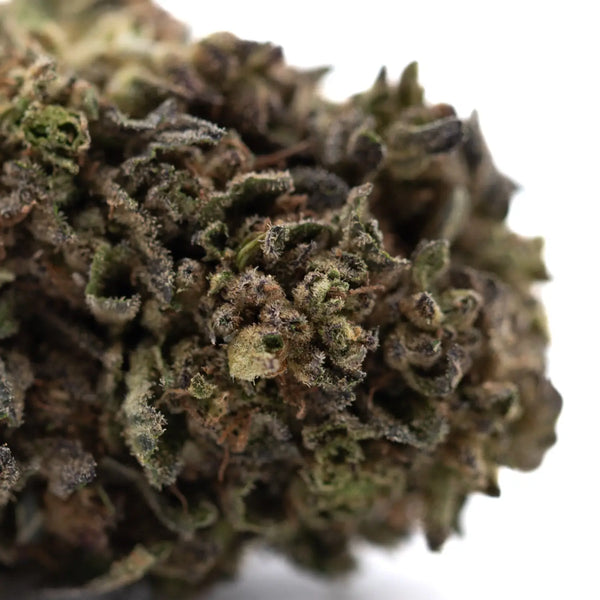
If you've ever wondered what hemp flower actually looks like, you're not alone. The visual appearance of hemp has confused consumers, law enforcement, and even experienced cannabis users for years. At first glance, hemp flower appearance seems identical to marijuana, and there's a good reason for that—botanically, they're the same plant species. The only real difference lies in their chemical composition, not their visual characteristics.
Understanding what does hemp flower look like is crucial for several reasons. Whether you're a first-time buyer trying to assess quality, a retailer evaluating inventory, or simply curious about the difference between hemp and marijuana, knowing how to visually identify premium hemp flower can save you money and ensure you're getting a quality product. In this comprehensive guide, we'll explore every visual aspect of hemp flower—from color and structure to trichome coverage and quality indicators—so you can confidently identify and evaluate hemp flower visual characteristics.
The ability to recognize quality identifying hemp flower goes beyond simple curiosity. Visual assessment is often your first indicator of product quality, freshness, and potency. While lab testing remains the definitive measure of cannabinoid content and purity, understanding what premium hemp should look like helps you make informed purchasing decisions and spot potential issues before you buy.
Understanding Hemp Flower Color
One of the most striking aspects of hemp bud appearance is its rich, diverse color palette. Quality hemp flower typically displays deep, vibrant green hues as its base color, ranging from forest green to lighter lime shades depending on the specific strain and growing conditions. However, hemp isn't just green—premium hemp flower characteristics include a beautiful array of colors that signal both quality and strain-specific traits.
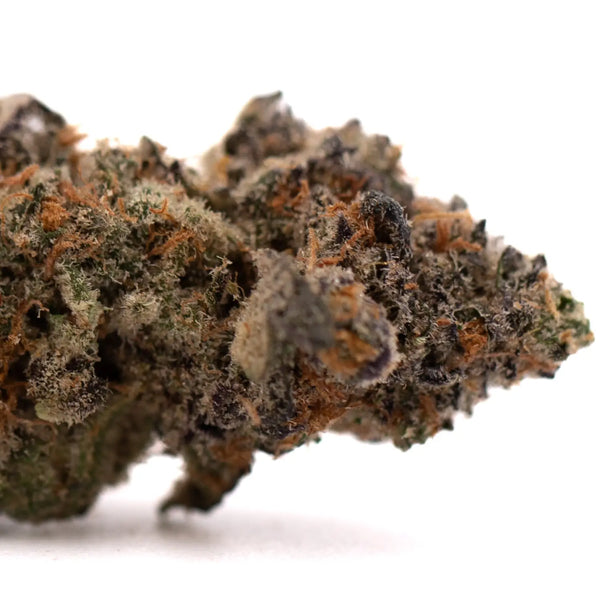
The most common colors you'll encounter include deep emerald greens, purple undertones that range from subtle lavender to rich violet, and bright orange or amber pistils (the hair-like structures) that weave throughout the bud. These pistils, technically the female reproductive parts of the plant, start out white during flowering but gradually turn orange, red, or amber as the plant matures. The presence of vibrant, intact pistils is a positive sign of proper harvesting and handling.
Hemp flower color variations occur naturally based on genetics, growing environment, and curing processes. Some strains naturally express purple hues due to anthocyanin pigments, which become more pronounced when plants experience cooler temperatures during flowering. These purple phenotypes are highly sought after for their visual appeal and often command premium prices in the market. Similarly, some strains may show blue or pink undertones, adding to the visual complexity of premium hemp flower.
When evaluating what quality hemp flower looks like in terms of coloration, vibrancy is key. Fresh, properly stored hemp maintains its rich colors, while degraded or poorly cured flower tends toward dull brown or hay-like yellow tones. Brown coloration generally indicates oxidation, excessive heat exposure, or improper curing—all signs of diminished quality and potency. The exception to this rule is naturally occurring brown or golden trichomes on mature flowers, which can indicate peak ripeness.
The cured hemp flower look should retain most of its natural vibrancy while potentially deepening slightly in tone. A proper cure allows chlorophyll to break down slowly, which can shift bright greens to slightly darker, richer tones without losing overall color saturation. If you notice significant color loss, fading, or widespread brown discoloration, it's a red flag that the flower has been improperly processed or stored too long.
Hemp Flower Structure and Density
The physical structure of hemp buds provides crucial information about growing conditions, genetics, and overall quality. Hemp flower structure varies significantly between indoor and outdoor cultivation, as well as among different strain genetics. Understanding these structural differences helps you assess quality and value.
Dense, tightly-packed buds typically indicate indoor cultivation under optimized conditions. These buds feel solid when gently squeezed and have minimal space between calyxes (the individual flower formations that make up a bud). The hemp bud appearance of high-quality indoor flower shows compact node spacing, where the distance between flower clusters is minimal, creating a fuller, rounder appearance. This density often correlates with higher cannabinoid content and potency, as indoor growing allows precise control over environmental factors.
Outdoor and greenhouse-grown hemp tends to produce slightly airier buds with more spacing between nodes. These flowers are still high quality but feel lighter and less compressed. They may have longer stems between flower clusters and a more elongated structure. While some consumers prefer the density of indoor flower, many connoisseurs appreciate the complex terpene profiles that outdoor cultivation can provide, despite the less compact structure.
Hemp flower texture tells you about freshness and proper curing. Quality hemp should feel slightly sticky or tacky when touched, a result of resinous trichomes coating the surface. When you handle premium flower, you should notice a subtle adhesive quality that leaves a slight residue on your fingers—this is cannabinoid-rich resin, a desirable trait. However, the flower shouldn't feel wet or overly moist, which could indicate improper drying and potential mold issues.
The opposite end of the texture spectrum—dry, brittle flower that crumbles at the slightest touch—suggests over-drying, age, or poor storage conditions. While some brittleness in older flower is normal, premium hemp plant buds should maintain some structural integrity and spring slightly when compressed. The ideal texture is firm but yielding, sticky but not wet, and maintains shape without excessive shattering.
Hemp bud visual appeal is enhanced by proper flower formation. Look for buds where individual calyxes are swollen and prominent, creating a chunky, three-dimensional appearance. These swollen calyxes indicate proper maturation and potentially higher cannabinoid content. In contrast, thin, wispy flowers with underdeveloped calyxes suggest premature harvesting or suboptimal growing conditions.
Identifying Quality Through Trichomes
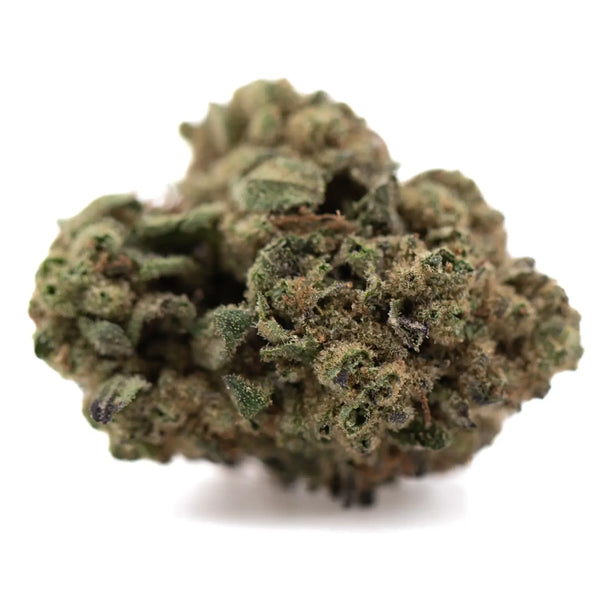
Perhaps no feature is more important for recognizing hemp flower quality than trichome coverage. Hemp flower trichomes are the tiny, mushroom-shaped glands that cover the surface of mature flowers and produce cannabinoids, terpenes, and other beneficial compounds. Under magnification, they look like miniature glass mushrooms, but to the naked eye, they appear as a frosty, crystalline coating that gives premium hemp its characteristic sparkle.
The density of trichome coverage directly correlates with cannabinoid and terpene content. Quality hemp flower looks like it's been dusted with sugar crystals or frost. When you examine flower under light, you should see thousands of tiny, reflective structures catching the light and creating an overall shimmering effect. The more comprehensive this coverage, the higher the potential potency and aromatic complexity.
Trichome color provides information about maturity and harvest timing. Clear or translucent trichomes indicate immaturity—the plant was harvested too early before cannabinoid production peaked. Cloudy or milky-white trichomes signal peak maturity, when THC (or in hemp's case, other cannabinoid) production is at its highest. Some amber or golden trichomes mixed with cloudy ones suggest optimal harvest timing, as this indicates some degradation of THC into CBN, which can provide more sedative effects.
The hemp flower visual quality of trichome coverage extends beyond density to distribution. Premium flower shows consistent trichome coverage across the entire bud surface, including sugar leaves (the small leaves surrounding the flower). Even the stems of high-quality flower often display trichome coverage, though less dense than on the calyxes themselves.
When examining hemp flower characteristics related to trichomes, consider using magnification for the most accurate assessment. A simple jeweler's loupe or smartphone macro lens reveals details invisible to the naked eye. You'll see the actual gland heads, stalks, and overall trichome health, helping you distinguish between intact, potent trichomes and damaged or degraded ones.
Close inspection also reveals hemp flower aesthetics that indicate careful handling. Trichomes are delicate and break easily with rough handling, excessive processing, or poor packaging. If you notice that trichomes are largely intact with minimal visible damage, it suggests the flower has been handled with care throughout cultivation, harvest, trimming, and packaging.
Hemp vs Marijuana Look: Can You Tell the Difference?
One of the most common questions about identifying hemp flower is whether you can visually distinguish it from marijuana. The short answer is no—hemp vs marijuana look nearly identical because they are the same plant species, Cannabis sativa. The legal distinction between hemp and marijuana has nothing to do with appearance and everything to do with chemical composition, specifically THC content.
Under U.S. federal law, hemp is defined as cannabis containing 0.3% or less delta-9 THC by dry weight. Cannabis exceeding this threshold is legally classified as marijuana and subject to different regulations. However, both hemp and marijuana can have the same growth patterns, bud structures, colors, aromas, and trichome coverage. Some hemp strains actually appear more "potent-looking" than certain marijuana strains, with denser trichome coverage and more vibrant colors.
The visual similarities between hemp vs marijuana look have created challenges for law enforcement, retailers, and consumers alike. In jurisdictions where marijuana remains illegal, people carrying legal hemp flower have been arrested because officers cannot visually distinguish between the two. This underscores an important point: appearance alone cannot determine legality or safety.
Several myths persist about visual differences that supposedly distinguish hemp from marijuana. Some claim hemp grows taller and skinnier with fewer branches—this describes industrial hemp bred for fiber or seed production, not hemp flower cultivars. Modern hemp flower genetics have been specifically bred to mirror high-quality marijuana in appearance, structure, and even aroma, while maintaining legal THC levels. The claim that hemp has "less crystals" or appears less potent is also false; premium hemp flower rivals marijuana in trichome density and visual appeal.
Recognizing hemp flower in legal markets relies on documentation, not appearance. Reputable vendors provide Certificates of Analysis (COAs) from third-party laboratories that verify cannabinoid profiles and confirm compliance with legal THC limits. These laboratory tests are the only reliable method to distinguish hemp from marijuana. Visual assessment, while useful for quality evaluation, cannot and should not be used to determine legality.
The importance of lab testing over visual assessment extends beyond legal compliance to safety and quality assurance. Laboratory testing identifies not only cannabinoid content but also potential contaminants like pesticides, heavy metals, mycotoxins (mold toxins), and residual solvents. A flower may look pristine but harbor invisible contaminants that lab testing would reveal. Always prioritize vendors who provide comprehensive, recent COAs for their products.
Fresh Hemp Flower Appearance vs. Properly Cured
Understanding the difference between fresh hemp flower appearance immediately after harvest and properly cured flower helps you evaluate processing quality and product readiness. The curing process is crucial for developing optimal flavor, aroma, potency, and smoothness, and the visual changes that occur during curing indicate whether this process was done correctly.
Freshly harvested hemp flower is quite different from what reaches consumers. Fresh flower contains high moisture content, typically 70-80% water weight, and appears extremely vibrant and green. The buds feel denser and heavier due to moisture content, and the smell is often grassy or hay-like rather than the complex aromatic profile you expect from cured flower. While visually appealing with bright colors, fresh flower hasn't yet developed the characteristics that make it desirable for consumption.
Properly cured hemp flower look develops over 2-4 weeks of controlled environment storage. During this period, moisture slowly exits the flower while chemical processes break down chlorophyll and develop terpenes. The visual result is flower that has deepened slightly in color—bright greens become richer emerald or forest tones, while maintaining overall vibrancy. Purple accents often become more pronounced as chlorophyll degrades and allows anthocyanin pigments to show through more clearly.
The cured hemp flower look shows optimal moisture content—typically 11-13% by weight—which creates a specific tactile and visual quality. Properly cured flower has a slight springiness when gently compressed, neither crumbling apart nor feeling damp. When you break open a bud, it should have a subtle audible snap from stems that are dry but not brittle, and the interior should still show some moisture and adhesiveness from resinous trichomes.
Color changes during curing should be gradual and even. If you notice rapid browning, yellowing, or dramatic color shifts, it suggests problems with the curing environment—too much heat, light, or improper humidity levels. The ideal cure occurs in darkness at temperatures between 60-70°F (15-21°C) with humidity maintained at 58-62%. These conditions allow proper moisture release without overdrying or encouraging mold growth.
Visual indicators of moisture content are subtle but important. Fresh hemp flower appearance that's been properly cured shows trichomes that are intact and prominent rather than shriveled or degraded. Sugar leaves (the small leaves within the bud) maintain some flexibility rather than becoming completely brittle. The overall appearance is lush and three-dimensional rather than flat, compressed, or desiccated.
What Quality Hemp Flower Looks Like
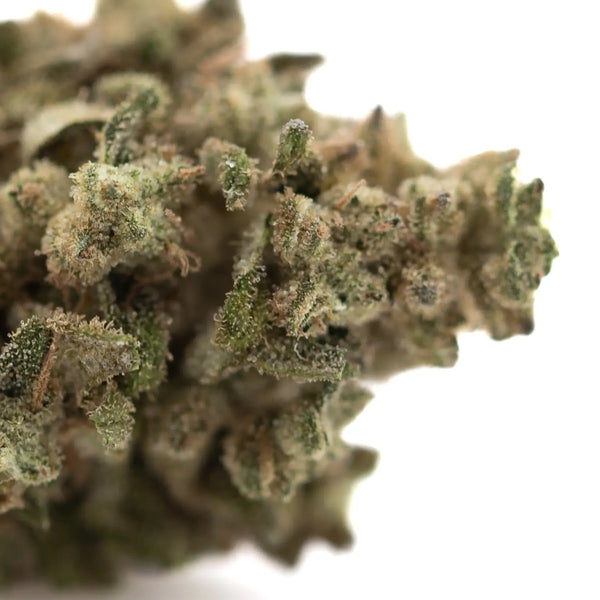
Developing an eye for quality hemp flower looks requires understanding multiple visual quality indicators working together. Premium hemp flower distinguishes itself through several key characteristics that separate it from lower-grade alternatives. These quality markers help you identify products worth your investment and avoid disappointment.
First, examine trim quality and manicuring. Premium flower receives careful hand-trimming or precise machine-trimming that removes excess leaf material while preserving trichome-rich calyxes. The hemp flower aesthetics of well-trimmed flower show defined bud structure with minimal protruding sugar leaves. While some sugar leaves are acceptable and even desirable (they contain trichomes), excessive leaf material or rough, sloppy trimming indicates lower quality processing.
Pistil integrity provides another quality indicator. Fresh, properly handled hemp flower characteristics display intact pistils in vibrant orange, red, or amber colors. These hair-like structures should be numerous and spring-like rather than flattened or broken. Excessive pistil damage suggests rough handling, over-processing, or poor packaging that allowed the flower to shift and compress during transport.
The stem-to-bud ratio reveals value and quality. Premium flower consists primarily of dense flower with minimal stem material. While some stem is inevitable and necessary for structure, you shouldn't see thick, woody stems comprising a significant portion of your purchase weight. Quality hemp plant buds break down to yield mostly usable flower with minimal waste material.
Overall hemp flower appearance should showcase visual appeal: vibrant colors, frosty trichome coverage, intact structure, and a three-dimensional quality that suggests careful handling throughout the supply chain. The flower should look fresh and alive rather than compressed, faded, or degraded. When you open a package of premium hemp, the visual presentation should immediately signal quality before you even consider aroma or texture.
Create a mental checklist for hemp flower identification of premium products:
- Rich, vibrant colors with minimal brown or yellowing
- Dense trichome coverage creating a frosty appearance
- Appropriate density (firm but not compressed)
- Minimal visible stem material
- Intact, colorful pistils
- Pleasant, sticky texture without excessive moisture or dryness
- Clean appearance without visible mold, seeds, or contaminants
- Professional trimming with preserved bud structure
This comprehensive approach to visual assessment helps you consistently identify high-quality options when shopping for hemp bud visual characteristics that indicate premium flower.
Visual Warning Signs in Hemp Flower
Understanding what quality hemp flower looks like also means recognizing red flags that indicate poor quality, contamination, or improper handling. These visual warning signs help you avoid disappointing purchases and potential health concerns.
Brown, crispy appearance throughout the flower is a major red flag. While small amounts of browning on outer leaves may be acceptable, widespread brown coloration indicates oxidation, excessive heat exposure, or age. The hemp flower color of degraded flower shifts from vibrant greens and purples to dull brown, tan, or yellow tones. This color change signals cannabinoid degradation and terpene loss, resulting in reduced potency and unpleasant, harsh smoke or vapor.
Mold, mildew, or white powdery spots represent serious safety concerns. Mold on hemp appears as white, gray, or sometimes blue-green fuzzy growth distinct from crystalline trichomes. Under magnification, mold has a cottony, web-like structure completely different from the mushroom-shaped trichome glands. Powdery mildew creates a white dusty coating that wipes away when touched, unlike trichomes that require force to dislodge. Never consume flower showing any signs of mold or mildew, as these contaminants can cause respiratory issues and other health problems.
Excessive stems and seeds indicate poor-quality flower or improper cultivation practices. Premium hemp bud appearance contains minimal seed production because seedless (sinsemilla) flower produces higher cannabinoid concentrations. Hermaphrodite plants or pollination from nearby male plants leads to seed development, which diverts plant energy from cannabinoid production to seed formation. Multiple seeds in your flower suggest cultivation issues and reduced potency.
Bleached or unnaturally colored buds should raise concerns. Some unscrupulous processors use chemicals to artificially enhance color or mask defects. Flower with uniform, bright white areas or neon-like coloration that appears artificial probably is. Natural hemp flower visual characteristics show organic color variation with gradients and transitions between hues, never harsh, uniform artificial-looking colors.
Compressed or brick-like texture indicates poor storage or transportation methods. When flower is compressed for shipping (common with illicit products), the dense packing damages trichomes, flattens bud structure, and can encourage mold growth. Quality hemp should arrive in packages that allow flower to maintain its natural structure. The hemp flower structure of compressed flower appears flat and damaged with minimal three-dimensional quality.
Strange discoloration like gray, black, or splotchy patches suggests contamination, mold, or chemical exposure. Natural hemp flower color variations fall within the green-purple-orange spectrum. Colors outside this range, particularly gray or black areas, indicate problems. These discolorations might represent mold, pest damage, chemical burns from improper feeding or pest control, or degradation from environmental exposure.
Frequently Asked Questions
What color should hemp flower be?
Quality hemp flower displays predominantly deep green colors ranging from lime to forest green, often with purple undertones that vary by strain. Orange, red, or amber pistils should weave throughout the green base. Some strains naturally express purple, blue, or pink hues due to anthocyanin pigments, which are perfectly normal and often desirable. Avoid flower that appears predominantly brown, yellow, or gray, as these colors indicate age, improper curing, or degradation. The hemp flower color should appear vibrant and alive, not dull or faded.
How can I tell if hemp flower is high quality?
High-quality hemp flower shows dense trichome coverage creating a frosty, crystalline appearance, vibrant colors with minimal browning, appropriate density (firm but not compressed), intact orange pistils, minimal stem material, and professional trimming. The flower should feel slightly sticky from resinous trichomes but not wet or overly dry. Premium identifying hemp flower also comes with recent third-party lab testing (COA) confirming cannabinoid content and purity. Visual appeal combined with documentation gives you the best quality assessment.
Does hemp flower look different from marijuana?
No, hemp flower and marijuana are visually indistinguishable because they are the same plant species (Cannabis sativa). The only legal difference is THC content—hemp contains 0.3% or less delta-9 THC while marijuana exceeds this threshold. Both can have identical bud structures, colors, trichome coverage, and aromas. The hemp vs marijuana look is essentially the same, making visual identification impossible. Only laboratory testing can definitively distinguish between hemp and marijuana based on THC content.
What do trichomes look like on hemp flower?
Hemp flower trichomes appear as a frosty, crystalline coating to the naked eye, giving the flower a sugar-dusted or frost-covered appearance. Under magnification, individual trichomes look like tiny mushrooms with a stalk and bulbous head. Quality flower shows dense coverage of these glandular structures across bud surfaces and sugar leaves. Trichome color ranges from clear (immature) to cloudy/milky white (peak maturity) to amber/golden (post-peak), with cloudy trichomes indicating optimal harvest timing. The denser and more intact the trichome coverage, the higher the potential potency.
Should hemp flower be sticky?
Yes, quality hemp flower should have a slightly sticky or tacky texture when handled due to resinous trichomes coating the surface. This stickiness indicates fresh, properly cured flower with intact cannabinoid-rich resin glands. The hemp flower texture should be adhesive enough to leave a slight residue on your fingers but not wet or soggy, which would indicate improper drying. Conversely, flower that feels completely dry and brittle with no stickiness suggests age, overdrying, or degraded trichomes. The ideal texture balances slight adhesiveness with proper moisture content.
How do I know if my hemp flower is fresh?
Fresh hemp flower displays vibrant colors (deep greens, purples, orange pistils), dense trichome coverage with sparkle under light, a slight springiness when gently compressed, and a sticky but not wet texture. The fresh hemp flower appearance includes intact, colorful pistils rather than broken or faded ones, minimal browning or discoloration, and strong, pleasant aroma. When you break open a bud, the interior should still show moisture and vibrant color. Fresh flower typically comes in opaque, airtight packaging with recent harvest and packaging dates, accompanied by recent lab test results confirming quality and potency.
Conclusion
Understanding what does hemp flower look like empowers you to make informed purchasing decisions and identify quality products in an increasingly crowded market. From vibrant color characteristics and dense trichome coverage to proper structure and texture, each visual element tells part of the quality story. Premium hemp flower appearance combines multiple positive indicators: rich coloration, frosty crystalline coating, appropriate density, intact pistils, minimal stem material, and professional processing.
However, visual assessment has important limitations. While recognizing hemp flower quality through appearance helps narrow your options, laboratory testing remains essential for confirming cannabinoid profiles, legal compliance, and safety. The indistinguishable hemp vs marijuana look means you cannot rely on appearance alone to determine legality or potency. Always request and review Certificates of Analysis from third-party laboratories before purchasing.
The key hemp flower characteristics we've covered—from color and structure to trichomes and texture—create a comprehensive framework for visual quality assessment. Whether you're examining fresh hemp flower appearance or evaluating cured hemp flower look, these principles remain constant. Quality flower demonstrates care and attention throughout cultivation, harvesting, processing, and packaging, and these efforts show in the final product's visual presentation.
Most importantly, purchase from reputable sources that prioritize transparency, provide comprehensive lab testing, and stand behind their products. Quality vendors understand that educated consumers make better customers, and they welcome questions about their flower's appearance, testing, and sourcing. When you know what quality hemp flower looks like, you can confidently navigate the market and consistently find products that meet your standards.
Ready to experience premium hemp flower aesthetics for yourself? Explore our curated selection of high-quality THCA flower featuring the vibrant colors, dense trichome coverage, and professional processing described throughout this guide. Every product includes recent third-party lab testing, detailed strain information, and our commitment to quality you can see, feel, and trust.


