


How to Choose Quality THCA Flower: Visual Inspection and Testing Guide
The THCA flower market has exploded over the past few years, bringing countless options to consumers seeking premium cannabinoid experiences. However, this rapid growth has also created significant quality variations across products. Understanding how to choose THCA flower effectively separates exceptional experiences from disappointing purchases. Whether you're a seasoned enthusiast or new to THCA products, knowing what to look for when buying THCA flower empowers you to make informed decisions and ensures you receive the premium product you're paying for.
Quality THCA flower represents more than just potency numbers on a lab report. True high quality THCA encompasses proper cultivation practices, optimal harvest timing, expert curing techniques, and careful handling throughout the supply chain. The difference between mediocre and exceptional flower affects everything from flavor profiles and aroma to effects and overall satisfaction. This comprehensive guide walks you through professional inspection techniques, helping you identify signs of quality THCA flower before making a purchase. By mastering these assessment methods, you'll develop the confidence to select premium THCA flower consistently, ensuring your investment delivers the experience you deserve.
Visual Inspection Checklist: Your First Line of Defense
Visual inspection remains the most immediate and accessible method for identifying good THCA flower. Before spending a dollar, your eyes can reveal volumes about cultivation quality, harvest timing, and post-processing care. Professional buyers and experienced consumers rely on systematic visual assessment to quickly separate top-tier products from inferior alternatives.
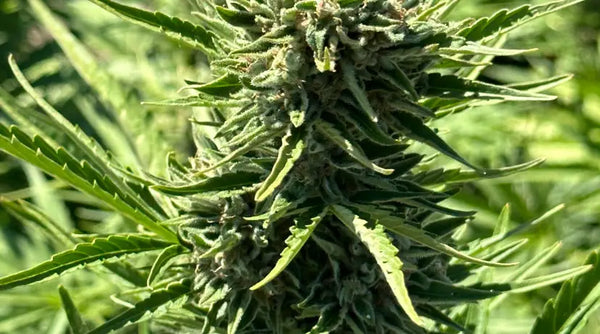
Start your inspection by examining trichome coverage, the tiny crystalline structures covering quality flower surfaces. Top shelf THCA flower appears frosted or sugar-coated, with dense trichome populations visible across buds and surrounding leaves. These resinous glands house THCA, terpenes, and other valuable compounds, making their abundance a primary quality indicator. Under normal lighting, premium flower should shimmer slightly when rotated, reflecting light off countless trichome heads. Sparse or patchy coverage suggests poor genetics, suboptimal growing conditions, or premature harvest.
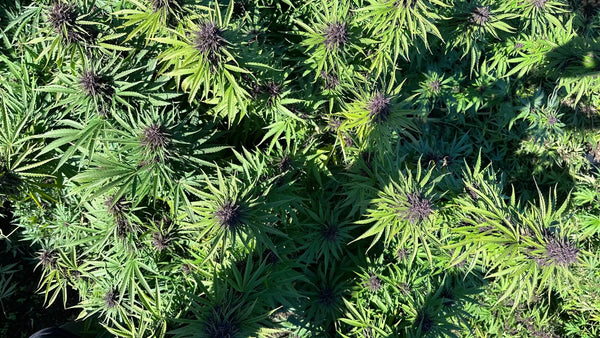
Color assessment provides critical insights into THCA flower characteristics and growing practices. While strain genetics influence final coloration, certain universal principles apply. Look for vibrant, rich colors rather than dull or faded appearances. Deep greens, purples, oranges, and reds indicate healthy plants grown under proper lighting with adequate nutrients. Conversely, pale yellow, brown, or excessively dark hues often signal nutrient deficiencies, light stress, or degradation. Pistils (the hair-like structures) should display rich orange, red, or brown colors in mature flower, though some premium strains maintain white or pink pistils. The key is vibrancy and consistency rather than specific colors.
Bud structure reveals growing environment quality and strain characteristics. Best THCA flower quality typically displays compact, well-formed buds with clearly defined calyxes. Indoor cultivation generally produces denser, tighter structures, while greenhouse and outdoor flower may present slightly looser formations while maintaining excellent quality. Avoid excessively airy or fluffy buds, which often indicate insufficient lighting, premature harvest, or poor genetics. However, remember that some sativa-dominant strains naturally produce more elongated, less compact structures. Understanding strain-specific morphology helps you accurately assess quality within genetic context.
Bud Density and Trimming Quality: Professional Processing Matters
Bud density directly correlates with cannabinoid concentration and overall quality THCA flower standards. When gently squeezing a bud, premium THCA flower should feel appropriately firm with slight give, never rock-hard or excessively soft. Density results from optimal growing conditions, proper nutrition, adequate lighting, and correct harvest timing. While cultivation method influences structure somewhat, excessive airiness regardless of growing technique typically indicates quality issues.
Over-dense buds occasionally signal problematic growing practices. Some cultivators use plant growth regulators or late-stage nutrient boosters creating unnaturally compact structures. These artificially dense buds often lack the terpene richness and balanced effects of naturally grown flower. Conversely, extremely loose, airy structures suggest light deprivation, heat stress, or premature harvest. The ideal high quality THCA presents balanced density appropriate to strain genetics and cultivation method, with substantial weight relative to visual size.
Trimming quality instantly separates professionally processed flower from rushed or careless operations. Examine trim work carefully, looking for clean cuts that preserve trichome-rich surfaces while removing excess leaf material. Machine-trimmed flower often shows mechanical damage, circular wear patterns, and crushed trichomes, though modern automated systems have improved significantly. Hand-trimmed what to look for when buying THCA flower typically displays more natural appearance with careful removal of large fan leaves while preserving valuable sugar leaves covered in trichomes.
Poor trim work leaves excessive leaf material, creating harsh smoke and reducing cannabinoid concentration per gram. Alternatively, over-trimming removes trichome-rich sugar leaves, diminishing both potency and flavor. Identifying good THCA flower means recognizing this balance: clean presentation without sacrificing cannabinoid-rich plant material. Quality processors understand this equilibrium, delivering aesthetically pleasing products that maximize consumer value.
Trichome Assessment: Getting Close for Quality Confirmation
Trichome examination represents the gold standard for how to inspect THCA flower before buying. While naked eye observation provides useful information, magnification reveals crucial details invisible otherwise. Investing in a basic jeweler's loupe or pocket microscope (30x-60x magnification) transforms your quality assessment capabilities, allowing you to see exactly what does good THCA flower look like at the microscopic level.
Trichome color indicates harvest timing and product freshness. Immature trichomes appear clear and translucent, while fully mature trichomes display milky-white or cloudy coloration. Top shelf THCA flower harvested at peak maturity shows predominantly cloudy trichomes with perhaps 10-20% amber coloration. Fully amber trichomes indicate over-maturity or degradation, as THCA begins converting to other cannabinoids. Finding mostly clear trichomes suggests premature harvest, resulting in reduced potency and immature terpene profiles.
Trichome head integrity serves as another critical quality marker. Fresh, properly handled premium THCA flower displays intact trichome heads attached to their stalks. Broken, missing, or crushed trichomes indicate rough handling, excessive agitation during trimming, or age-related degradation. When examining flower under magnification, you should see mushroom-shaped glandular trichomes standing proud from the plant surface, not collapsed or absent heads. The more intact trichomes present, the better the preservation of valuable compounds.
Trichome density under magnification confirms quality impressions formed during naked-eye inspection. Quality THCA flower should show trichomes so densely packed they nearly touch one another, creating that sought-after frosted appearance. Gaps between trichomes or sparse coverage visible under magnification reinforces concerns about genetics or growing conditions. This close examination provides definitive answers when visual inspection alone leaves questions, making magnification tools essential for serious quality assessment.
Stem-to-Flower Ratio: Maximizing Your Investment
The stem-to-flower ratio significantly impacts value when purchasing how to choose THCA flower. Quality vendors prioritize removing excessive stem material while maintaining structural integrity, ensuring customers receive maximum cannabinoid content per dollar spent. When examining product before purchase, inspect several buds to gauge average stem presence and thickness.
Premium THCA flower features minimal stem material relative to actual bud mass. Small, necessary stems connecting bud structures are acceptable and unavoidable, but large central stems significantly reduce product value. Some vendors include substantial stem weight in advertised quantities, shortchanging customers on actual consumable material. Break open sample buds to examine internal stem thickness, as external appearance sometimes conceals large stems running through centers.
Processing methods influence stem content substantially. Whole flower purchases typically contain more stem material than "popcorn" buds or machine-separated flower. However, whole buds often deliver superior quality through better preservation of trichomes and structural integrity. High quality THCA vendors balance these considerations, offering reasonably de-stemmed flower without excessive processing that damages trichomes. Understanding this tradeoff helps you assess whether stem presence reflects quality concerns or simply product format.
Calculate approximate stem-to-flower ratios by carefully examining multiple buds. Best THCA flower quality rarely exceeds 10-15% stem content by weight, with premium offerings often achieving 5-8% ratios. If visual inspection suggests 20-30% or more stem material, reconsider your purchase regardless of other quality factors. This excessive stem presence directly impacts potency, value, and overall satisfaction, making ratio assessment a critical component of quality indicators for THCA flower.
Moisture Content Feel Test: Finding the Perfect Cure
Proper moisture content distinguishes expertly cured fresh THCA flower from improperly processed products. Optimal curing creates perfect moisture balance: dry enough for clean combustion and mold prevention, yet moist enough to preserve terpenes and prevent harsh smoke. Developing tactile sensitivity to moisture content improves your ability to identify premium THCA consistently.
Gently squeeze a bud between your fingers, noting resistance and recovery. Quality THCA flower should feel slightly springy, compressing with light pressure but slowly regaining shape upon release. Over-dried flower crumbles easily, feels brittle, and may break apart with minimal handling. This excessive dryness destroys terpenes, creates harsh smoke, and often indicates improper storage or age. While some consumers mistakenly interpret extreme dryness as "good cure," it actually represents degradation and quality loss.
Conversely, overly moist flower feels spongy, compresses easily without recovering shape, and may stick to fingers slightly. Excess moisture creates ideal conditions for mold growth and indicates incomplete curing or humidity exposure during storage. What makes THCA flower quality exceptional includes professional curing that removes excess moisture while preserving essential compounds. This process typically requires two to four weeks in controlled environments, an investment that separates quality producers from those rushing products to market.
The stem snap test provides another moisture assessment method. When bending small stems on your flower, properly cured top shelf THCA flower stems should snap cleanly rather than bending without breaking. Stems that fold or bend completely indicate excess moisture, while stems that disintegrate into dust suggest over-drying. This simple test, combined with bud squeeze assessment, gives accurate moisture content readings without specialized equipment, essential knowledge for checking THCA flower quality at home.
Fresh vs Old Flower Identification: Recognizing Age
Age significantly impacts THCA flower characteristics and overall quality. Even properly cured and stored flower undergoes gradual degradation over time as THCA converts to other cannabinoids and terpenes volatilize. Learning to distinguish fresh flower from aged products protects you from purchasing stale inventory marketed as premium goods.
Color shifts provide the most obvious age indicators. Fresh premium THCA flower maintains vibrant coloration with rich greens, purples, or strain-appropriate hues. Aging flower gradually fades, developing brownish or yellowish tones as chlorophyll and other pigments degrade. While some color variation exists between strains, pronounced browning or uniform fading across all bud portions signals age. Orange pistils may darken toward brown in old flower, though this alone doesn't confirm age since mature fresh flower also displays dark pistils.
Trichome color evolution continues post-harvest, providing another freshness indicator. Freshly harvested and properly cured high quality THCA displays predominantly milky-white trichomes with minimal amber coloration. Over months, trichomes continue darkening toward amber and eventually brown as cannabinoids degrade. Examining flower under magnification and finding predominantly amber or brown trichomes suggests age, especially when combined with other degradation signs. This assessment requires experience distinguishing intentional amber trichomes at harvest from post-harvest degradation.
Aroma intensity decreases significantly as flower ages. Fresh what to look for when buying THCA flower bursts with complex terpene aromas immediately upon opening packaging. Aged flower smells muted, developing hay-like or grassy notes as terpenes volatilize and chlorophyll scents dominate. While proper storage slows this process, even ideally stored flower loses aromatic intensity over 6-12 months. If flower lacks pronounced smell or presents only generic plant aromas, question its freshness regardless of visual appearance.
Smell Test for Terpene Richness: Your Nose Knows Quality
Aroma assessment remains one of the most reliable methods for how to tell if THCA flower is high quality. Terpenes, the aromatic compounds responsible for cannabis scent profiles, indicate both freshness and cultivation quality. Developing your olfactory assessment skills dramatically improves your ability to select best THCA flower quality consistently.
Open packaging and immediately note aroma intensity and character. Quality THCA flower should produce pronounced, distinctive scents that vary by strain but always smell fresh, complex, and appealing. Common quality terpene profiles include citrus (limonene), pine (pinene), earthy/musky notes (myrcene), fuel-like scents (caryophyllene), and floral aromas (linalool). Exceptional flower often presents multiple distinguishable aroma layers, creating complexity that cheap or improperly grown alternatives lack.
Weak, absent, or unpleasant aromas signal quality problems. Hay-like, grassy, or generic plant smells indicate poor curing, age, or low terpene production during growth. Some inferior identifying good THCA flower lacks distinctive character entirely, smelling vaguely plant-like without defining characteristics. Chemical or ammonia-like smells suggest contamination, improper curing, or mold development. Any smell that seems "off" or unpleasant warrants closer inspection for other quality issues.
Break open a bud to assess internal aroma, which should equal or exceed surface smell in premium THCA flower. Flower with strong external smell but minimal internal aroma may have been artificially enhanced with terpene sprays, a practice some unscrupulous vendors employ. Genuine top shelf THCA flower maintains consistent aroma throughout buds, with breaking open intensifying rather than revealing absence of scent. This internal aroma check helps identify artificially enhanced products and confirms authentic terpene richness.
Detecting Mold, Mildew, and Contamination: Safety First
Contamination detection represents the most critical aspect of THCA flower inspection since consuming contaminated products poses genuine health risks. Mold, mildew, and other contaminants can develop during cultivation, curing, or storage, making thorough inspection essential before purchase or consumption.
Visible mold appears as white, gray, or black fuzzy growth on bud surfaces, distinctly different from trichome coverage. While trichomes appear crystalline and sparkly, mold looks cottony or web-like. Powdery mildew presents as white powder coating leaves and buds, easily confused with trichomes at casual glance but distinctly different under close inspection. Any fuzzy, web-like, or powder-like substance that doesn't sparkle under light rotation deserves suspicion and likely indicates contamination making the product unsafe for consumption.
Smell testing helps detect contamination not immediately visible. Moldy flower produces musty, mildewy, or ammonia-like odors distinctly different from fresh quality THCA flower aromas. If flower smells like a damp basement, old books, or produces any musty notes, inspect carefully for visible mold. Some contamination exists before becoming visible, making smell an early warning system. Trust your instincts—if something smells wrong, it probably is.
Examine bud interiors by carefully breaking apart several samples. Mold often develops inside dense buds where moisture collects, remaining invisible on surfaces. Signs of quality THCA flower include clean, consistent coloration throughout bud interiors without dark spots, unusual discoloration, or fuzzy growth. Dark or discolored spots inside buds frequently indicate mold development. While breaking apart flower seems wasteful, this inspection protects your health and justifies sacrificing small amounts for safety confirmation.
Additional contamination types include insects, pesticide residues, and foreign debris. Inspect carefully for webbing, tiny bugs, or insect damage like holes in leaves. While pesticides rarely show visual evidence, choosing vendors providing lab testing documentation ensures safety from chemical contamination. Foreign matter like hair, plastic, or other debris indicates poor processing hygiene and should raise quality concerns even if not directly hazardous.
Color Indicators: Vibrant vs Dull Appearances
While strain genetics influence final coloration substantially, certain color principles apply universally when how to inspect THCA flower before buying. Color vibrancy, consistency, and specific hue characteristics provide valuable quality insights complementing other assessment methods.
Deep, rich green coloration typically indicates healthy plants receiving proper nutrition and care throughout growth. Quality cultivators maintain optimal nutrient programs that support chlorophyll production and overall plant health, resulting in premium THCA flower with satisfying visual appeal. Pale, yellowish greens often suggest nitrogen deficiency or other nutritional problems during growth. While some sativa strains naturally present lighter colors, pronounced yellowing usually indicates suboptimal growing conditions affecting overall quality.
Purple, pink, red, and blue hues result from anthocyanin pigments expressed in certain strains, particularly under cooler temperatures. These colors don't inherently indicate superior or inferior quality but demonstrate genetic expression and environmental factors. However, high quality THCA displaying these colors should show rich, vibrant tones rather than muddy or brownish hues. Vibrant purples signal healthy anthocyanin expression, while brownish purples or faded colors suggest age or improper curing.
Brown coloration almost universally indicates quality problems. While pistils naturally turn orange or brown during maturation, brown discoloration in actual bud material signals degradation, oxidation, or possible mold issues. Fresh what does good THCA flower look like should never present significant brown discoloration in calyxes or leaves. If you notice browning, investigate further for other degradation signs and consider alternative products.
Overall color consistency across buds provides another quality indicator. While some natural variation exists, top shelf THCA flower from a single harvest should display relatively consistent coloration. Dramatic color variations between buds sometimes indicate mixed batches or inconsistent growing conditions across plants. Consistency demonstrates cultivation mastery and proper quality control, while extreme variation raises questions about product uniformity and growing practices.
Seed Presence: Hermaphrodite Issues and Quality Implications
Finding seeds in THCA flower immediately raises quality concerns and significantly reduces product value. Seeds form when female plants undergo pollination, either from male plants or through hermaphroditism where stressed females develop male reproductive parts. Understanding seed implications helps you make informed decisions when encountering this issue.
Quality THCA flower should contain zero seeds under normal circumstances. Professional cultivators grow exclusively female plants in controlled environments preventing pollination. Seed presence indicates one of several problems: male plants contaminated the growing area, hermaphroditic plants went undetected, or the producer doesn't maintain adequate quality control. Regardless of cause, seeds represent wasted plant energy that could have produced more cannabinoids and terpenes.
Inspect flower carefully for seeds by gently breaking apart buds and looking for hard, dark seeds nestled within. Seeds range from immature (white or pale green) to mature (dark brown or tiger-striped). Even finding one seed suggests others likely exist throughout the batch. While a few seeds don't necessarily make flower unusable, they indicate reduced quality and should factor into purchase decisions, particularly regarding price.
Hermaphroditism stress often results from environmental problems, light leaks during dark periods, temperature stress, or genetic instability. Premium THCA flower comes from stable genetics grown under optimal conditions, eliminating hermaphrodite risks. Finding seeds therefore suggests either genetic instability or substandard growing practices, both concerning quality indicators. Even if the flower appears otherwise acceptable, seed presence suggests the producer lacks attention to detail or control over their growing environment.
Lab Testing Requirements Review: Verification Matters
Laboratory testing provides scientific verification of quality indicators for THCA flower that visual inspection cannot confirm. Understanding what lab reports reveal and how to interpret them empowers you to make truly informed purchasing decisions backed by objective data rather than subjective assessment alone.
Cannabinoid analysis quantifies THCA, CBD, and other cannabinoid concentrations, providing potency confirmation. Best THCA flower quality should include recent third-party lab testing showing THCA percentages and confirming THC levels remain below legal limits. Beyond percentages, cannabinoid profiles reveal product authenticity and cultivation success. Be wary of impossibly high THCA claims—25-30% represents exceptional potency, while claims of 35%+ warrant skepticism without verifiable third-party documentation.
Terpene analysis identifies and quantifies aromatic compounds responsible for flavor and entourage effects. Quality lab reports include terpene profiles showing which compounds are present and their concentrations. This data helps verify strain authenticity and quality claims while providing insights into potential effects and flavor profiles. High quality THCA typically contains 1-3% total terpenes by weight, with premium offerings sometimes exceeding 3%.
Contamination screening tests for pesticides, heavy metals, microbials (bacteria, yeast, mold), and residual solvents. This safety testing protects consumers from harmful substances invisible during visual inspection. Reputable vendors provide complete test results showing "pass" ratings for all contamination categories. Never consume flower lacking proper microbial testing, as mold and bacteria pose serious health risks particularly for immune-compromised individuals.
Certificate of Analysis (COA) freshness matters significantly. Testing certificates should reflect recent analysis, ideally within the past 6-12 months. Older COAs don't accurately represent current product quality since cannabinoids degrade over time. Verify the batch number on your product matches the COA provided, ensuring the testing applies to your specific purchase. Some less reputable vendors recycle old test results across multiple batches, providing misleading quality information.
Price-to-Quality Ratio Assessment: Value Evaluation
Understanding price-to-quality relationships helps you identify fair value and avoid overpaying for how to choose THCA flower. While premium products justifiably command higher prices, extreme pricing sometimes reflects marketing rather than actual quality improvements.
Establish baseline expectations for premium THCA flower pricing in your market. Quality flower typically ranges from moderate to premium pricing depending on cannabinoid content, terpene richness, cultivation method, and brand reputation. Suspiciously cheap flower often involves quality compromises like old inventory, poor trim, excessive stem content, or contamination risks. While bargain hunting makes sense, unrealistically low prices usually signal hidden problems.
Conversely, extremely high prices don't automatically guarantee superior quality. Some brands charge premium prices based on marketing, packaging, or brand positioning rather than actual product superiority. Evaluate whether price premiums correlate with tangible quality improvements visible through inspection techniques described earlier. Top shelf THCA flower should demonstrate excellence in all quality categories, not just command premium pricing.
Calculate value by considering potency, quantity, and quality factors together. A slightly cheaper product with significantly lower THCA percentage may cost more per milligram of cannabinoids than a higher-priced but more potent alternative. Similarly, flower with excessive stem content effectively costs more per usable gram regardless of listed price. Factor in terpene richness, freshness, and all quality characteristics when evaluating true value rather than simply comparing sticker prices.
Asking Vendors the Right Questions: Due Diligence
Direct vendor communication reveals information visual inspection cannot provide while demonstrating vendor knowledge and transparency. Knowing what to look for when buying THCA flower includes asking informed questions that quality vendors welcome answering.
Start by requesting cultivation information: indoor, greenhouse, or outdoor growing method, nutrient program used, and general cultivation practices. Quality producers take pride in their methods and gladly discuss their approaches. Vendors unable or unwilling to provide this basic information may lack direct relationships with cultivators or have quality concerns to hide.
Ask about harvest and processing dates to assess freshness. Fresh THCA flower typically means harvested within the past 3-6 months, though properly stored flower remains quality for 6-12 months. Vendors refusing to disclose harvest dates raise red flags about potentially old inventory. Similarly, inquire about curing duration and methodology. Quality curing requires minimum 2-4 weeks; faster processing suggests rushed, improper preparation.
Request complete lab testing documentation including both cannabinoid and contamination screening. Quality vendors provide full COAs readily, while hesitant or evasive responses about testing suggest possible issues. Verify the testing laboratory is independent third-party rather than in-house, ensuring unbiased results. Ask if testing is batch-specific or represents general strain testing, as batch-specific testing provides more accurate quality assurance.
Inquire about storage conditions and inventory turnover. Proper storage maintains temperature and humidity control while preventing light exposure. Fast inventory turnover suggests popular, fresh products while slow movement raises freshness concerns. Understanding how vendors handle product from receipt through sale reveals their commitment to quality preservation throughout the supply chain.
Frequently Asked Questions About THCA Flower Quality
What's the most important factor when evaluating quality THCA flower?
While multiple factors contribute to quality THCA flower, trichome coverage and condition arguably matter most. Trichomes house THCA and terpenes, making their abundance and integrity critical for potency and effects. However, comprehensive quality assessment requires evaluating all factors together rather than relying on single characteristics.
How can I tell if THCA flower is fresh vs old?
Fresh THCA flower displays vibrant colors, strong aromas, and predominantly milky-white trichomes under magnification. Old flower shows faded colors, muted smells with hay-like notes, and increased amber or brown trichome coloration. Proper moisture content and springy texture also indicate freshness, while excessive dryness or brittleness suggests age.
Does higher THCA percentage always mean better quality?
No. While THCA potency matters, what makes THCA flower quality exceptional includes terpene richness, proper curing, freshness, and contamination-free growing. A 20% THCA flower with rich terpenes and proper curing often provides superior experiences compared to 30% THCA flower lacking terpenes or improperly processed. Balanced cannabinoid and terpene profiles create optimal effects.
Can I trust visual inspection alone?
Visual inspection provides valuable quality insights but should combine with smell testing and ideally lab report verification. Identifying good THCA flower requires multi-sensory assessment since some quality factors like contamination or accurate potency cannot be visually confirmed. Always request lab testing documentation alongside personal inspection for comprehensive quality assurance.
What does good THCA flower smell like?
Premium THCA flower produces strong, distinctive aromas varying by strain but generally including citrus, pine, earthy, fuel, floral, or fruity notes. Quality flower smells complex, fresh, and appealing without hay-like, musty, or ammonia-like odors. The aroma should intensify when breaking apart buds, indicating genuine terpene richness rather than artificial enhancement.
How do I check THCA flower quality at home without special equipment?
Checking THCA flower quality at home uses visual inspection (trichome coverage, color, structure), smell testing (terpene richness, freshness), tactile assessment (moisture content, density), and basic breaking apart buds to examine interiors. While magnification tools enhance assessment, careful attention to these factors provides substantial quality insights. Always compare findings with vendor-provided lab reports when available.
What are the signs of moldy THCA flower?
Moldy flower shows fuzzy white, gray, or black growth appearing cottony or web-like rather than crystalline like trichomes. Musty, mildewy, or ammonia-like smells indicate possible contamination. Dark spots or unusual discoloration inside buds when broken apart often signal internal mold development. Any suspicious appearance or smell warrants discarding the product to avoid health risks.
Should THCA flower be sticky or dry?
Quality THCA flower maintains moderate moisture creating slight stickiness from trichome resins without excessive wetness. Properly cured flower feels slightly springy when squeezed and may leave minimal resin on fingers after handling. Extremely dry, brittle flower indicates over-drying or age, while overly moist, spongy flower suggests incomplete curing or humidity exposure. Ideal moisture balances preservation with safety.
How important is the stem-to-flower ratio?
Stem content directly impacts value since stems contain minimal cannabinoids. Excessive stem weight reduces actual usable flower quantity, effectively increasing the true price per gram. Best THCA flower quality maintains minimal stem content (5-10% by weight) while preserving bud structure. Always inspect stem presence as part of value assessment, particularly with whole flower purchases.
Do purple colors indicate better quality THCA flower?
Purple coloration results from anthocyanin pigments and doesn't inherently indicate superior or inferior quality. High quality THCA exists in both green and purple varieties. Vibrant, rich purple tones demonstrate healthy genetic expression, while muddy or brown-purple colors suggest issues. Evaluate purple flower using the same quality standards as green varieties rather than assuming color superiority.
Conclusion: Confident Quality Selection
Mastering how to tell if THCA flower is high quality empowers you to make informed purchasing decisions backed by systematic assessment rather than marketing claims alone. The comprehensive inspection techniques outlined in this guide—from trichome examination to lab report verification—provide the tools needed to consistently select premium THCA flower that delivers exceptional experiences.
Remember that quality assessment combines multiple factors working together rather than relying on single characteristics. Trichome coverage, proper curing, vibrant colors, rich terpenes, contamination-free growing, and recent harvest dates all contribute to truly top shelf THCA flower. Developing these evaluation skills protects your investment while ensuring you receive products meeting the highest standards.
When you're ready to explore quality THCA flower meeting these rigorous standards, browse our carefully curated selection of premium products. Every item in our collection undergoes thorough quality control and includes complete lab testing documentation, giving you confidence in every purchase. Visit our new hemp flower releases to discover exceptional THCA flower backed by our quality guarantee, knowing you're receiving products that pass professional inspection standards every time.


