


Indoor vs Greenhouse THCA Flower: Black Amber vs Jokerz NOS Quality Analysis
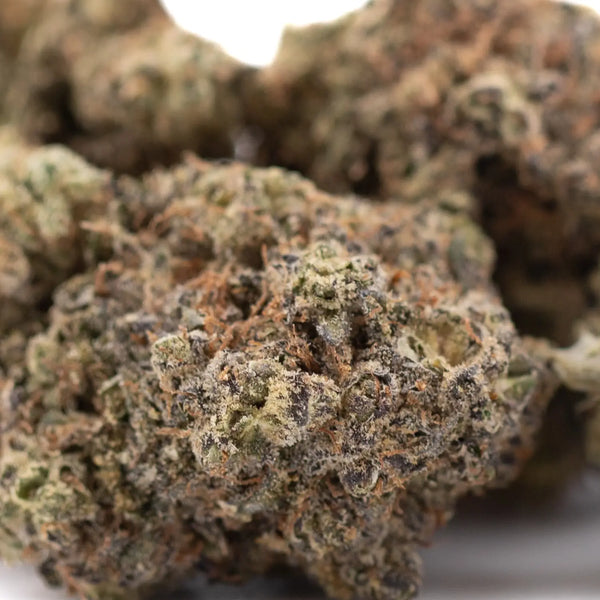
The cultivation environment fundamentally shapes every aspect of cannabis quality—from cannabinoid potency to terpene profiles, visual appeal to shelf stability. For wholesale buyers and retailers navigating the expanding THCA flower market, understanding how growing methods influence product characteristics isn't just useful knowledge; it's essential for making informed purchasing decisions that align with customer expectations and business objectives.
The debate between indoor THCA flower and greenhouse THCA flower extends far beyond simple preference. Each cultivation method produces distinct quality markers, carries different cost structures, and appeals to specific market segments. While indoor cultivation offers unparalleled environmental control and consistency, greenhouse methods leverage natural sunlight for sustainability and cost efficiency. Neither approach is universally superior—the "best" choice depends on your target customers, price points, and quality standards.
This comprehensive analysis examines two exemplary products that showcase the pinnacle of their respective cultivation methods: Black Amber indoor THCA flower, representing the precision and control of indoor growing, and Jokerz NOS greenhouse THCA flower, demonstrating the quality achievable through advanced greenhouse techniques. By comparing these premium offerings across multiple quality indicators—from THCA flower quality metrics like trichome density and cannabinoid stability to business factors like pricing and market appeal—we'll provide the framework you need to evaluate cultivation methods and select products that serve your wholesale business objectives.
Whether you're expanding your product line, optimizing inventory mix, or educating retail staff about indoor vs greenhouse cannabis differences, this deep-dive comparison delivers actionable insights grounded in cultivation science, lab testing data, and real-world market performance.
Indoor Cultivation Deep Dive: Precision Engineering for Premium THCA
Indoor cannabis cultivation represents the ultimate expression of agricultural control, where every environmental variable—from light spectrum to humidity levels—can be fine-tuned to optimize THCA production and flower quality. This methodical approach eliminates many variables that complicate outdoor and greenhouse growing, creating ideal conditions for cultivating premium THCA flower with remarkable consistency.
Complete Environmental Control Benefits
The fundamental advantage of indoor cultivation lies in absolute environmental mastery. Indoor growers manipulate photoperiod with precision, delivering exactly 18 hours of light during vegetative growth and 12 hours during flowering, regardless of seasonal changes. Temperature remains within a narrow optimal range of 70-85°F during lights-on periods and 58-70°F during dark periods, preventing stress responses that can degrade cannabinoid production.
Humidity control becomes particularly crucial during late flowering when dense buds are vulnerable to mold. Indoor systems maintain vegetative-stage humidity around 60-70%, gradually reducing to 40-50% during flowering, and as low as 30-40% in the final weeks before harvest. This precision prevents botrytis and powdery mildew while allowing trichomes to mature without environmental stress—a key factor in producing the exceptional Black Amber indoor quality that wholesale buyers recognize.
Light Spectrum Optimization for THCA Production
Unlike greenhouse operations dependent on seasonal sunlight variations, indoor cultivators deploy full-spectrum LED arrays engineered to maximize photosynthetic efficiency and cannabinoid synthesis. Modern indoor facilities use lights delivering specific wavelengths proven to enhance THCA production: blue spectrum (400-500nm) during vegetative growth for compact structure, and red spectrum (600-700nm) during flowering to promote resin production and dense bud formation.
Advanced indoor operations adjust light intensity throughout the growth cycle, starting at 200-400 μmol/m²/s during early vegetative stages and ramping up to 800-1200 μmol/m²/s during peak flowering. This intensity level—far exceeding what's naturally available in most greenhouse environments during winter months—drives aggressive trichome development and THCA accumulation that defines top-tier indoor THCA flower.
Black Amber indoor THCA flower exemplifies this light optimization approach, with its dense trichome coverage and robust cannabinoid profile reflecting carefully calibrated photosynthetic conditions maintained from seed to harvest.
Temperature and Humidity Precision
Indoor cultivation's temperature control extends beyond maintaining averages—it encompasses managing the daily temperature differential (DIF) between lights-on and lights-off periods. Skilled cultivators manipulate this differential to influence morphology, with negative DIF (cooler days than nights) promoting tighter node spacing and denser bud structure desirable in premium THCA flower.
Vapor pressure deficit (VPD)—the relationship between temperature, humidity, and plant transpiration—becomes a crucial indoor cultivation metric. Maintaining optimal VPD (0.8-1.2 kPa during vegetative growth, 1.0-1.5 kPa during flowering) ensures efficient nutrient uptake and robust metabolism without stressing plants. This level of precision simply isn't achievable in greenhouse environments subject to external weather fluctuations.
Pest and Disease Prevention
Indoor cultivation's sealed environment creates natural barriers against pests and pathogens, though it's not foolproof. However, when combined with integrated pest management (IPM) protocols, strict sanitation procedures, and climate control that discourages pest proliferation, indoor facilities consistently produce cleaner flower requiring fewer interventions.
The absence of airborne pests, soil-dwelling insects, and weather patterns that facilitate disease spread means indoor THCA cultivation methods can often achieve pesticide-free production more easily than greenhouse operations. For wholesale buyers, this translates to products more likely to pass stringent pesticide testing without failed compliance results.
Consistency Advantages
Perhaps indoor cultivation's most valuable commercial attribute is consistency. When every environmental variable remains constant, plants develop uniformly across multiple harvest cycles. This batch-to-batch reliability allows wholesale operations to set accurate customer expectations regarding appearance, potency, and effects—critical for building brand reputation and securing repeat orders.
Black Amber indoor quality exemplifies this consistency advantage. Buyers can expect remarkably similar trichome density, cannabinoid profiles, and terpene compositions across different batches, simplifying inventory management and reducing quality control challenges at the retail level.
Cost Factors of Indoor Growing
Indoor cultivation's quality advantages come with substantial financial investment. Energy costs dominate indoor operational expenses, with lighting, HVAC, and dehumidification systems consuming 30-60% of total production costs depending on location and facility efficiency. A commercial indoor facility might spend $400-$800 per pound grown purely on electricity.
Infrastructure costs add additional financial burden: sealed growing rooms with reflective surfaces, industrial HVAC systems, automated nutrient delivery, and sophisticated lighting arrays require significant capital investment before the first seed is planted. These expenses necessarily translate to higher wholesale prices for indoor THCA flower—typically $1,000-$2,500 per pound wholesale compared to greenhouse-grown alternatives.
Greenhouse Cultivation Analysis: Natural Efficiency Meets Modern Technology
Greenhouse cultivation bridges the gap between fully outdoor growing and climate-controlled indoor facilities, leveraging natural sunlight while providing protection from weather extremes and pest pressures. Modern greenhouse operations have evolved far beyond simple hoop houses, incorporating sophisticated environmental controls that rival indoor facilities while maintaining the cost and sustainability advantages of sun-grown cannabis.
Natural Sunlight Advantages
The sun provides full-spectrum light at intensities (up to 2,000 μmol/m²/s on clear summer days) that even the most powerful indoor LED systems struggle to match. This natural intensity, combined with the sun's complete wavelength distribution, drives robust photosynthesis and vigorous plant growth without electricity costs. The sun's rays promote healthy plant metabolism and natural terpene development that many cultivators believe creates more complex aromatic profiles compared to artificial lighting.
Seasonal sunlight variation in greenhouse growing presents both challenges and opportunities. Spring and summer months deliver abundant natural light ideal for flowering, while shorter winter days may require supplemental lighting. Strategic greenhouse operators schedule flowering cycles to align with peak sunlight periods, maximizing natural light utilization while minimizing supplemental lighting costs.
Light Deprivation Techniques
Advanced greenhouse operations employ light deprivation (light dep) systems—automated shade cloths that simulate photoperiod changes regardless of actual day length. These systems allow cultivators to trigger flowering during long summer days when natural light intensity peaks, combining optimal photosynthetic conditions with controlled flowering initiation.
Light dep techniques transformed greenhouse cannabis cultivation, enabling multiple annual harvests (3-4 cycles versus 1-2 for outdoor growing) while maintaining sun-grown quality characteristics. For greenhouse THCA flower production, light dep schedules can be precisely timed to optimize cannabinoid synthesis during peak trichome development phases.
Climate Control in Greenhouse Settings
Modern greenhouse facilities integrate sophisticated environmental controls: automated ventilation systems, evaporative cooling, radiant heating, and humidity management systems. While these systems can't match indoor cultivation's absolute precision—external weather still influences internal conditions—they provide sufficient control to maintain quality standards throughout most of the year.
Computerized environmental controllers monitor temperature, humidity, CO2 levels, and vapor pressure deficit, triggering automated responses when conditions drift outside target ranges. Rolling benches maximize space utilization, while vertical airflow systems prevent microclimates that could harbor mold or pests. These technologies enable greenhouse operations to produce THCA flower quality that increasingly rivals indoor-grown alternatives.
Jokerz NOS as Greenhouse Showcase
Jokerz NOS greenhouse THCA flower demonstrates the quality ceiling achievable through advanced greenhouse cultivation. This strain showcases the natural terpene complexity and robust bud structure possible when combining abundant sunlight with strategic environmental management. The Jokerz NOS greenhouse production protocol balances natural growing conditions with intervention only when necessary to optimize quality—resulting in flower that appeals to customers seeking sun-grown authenticity without compromising potency or appearance.
Sustainability and Environmental Impact
Greenhouse cultivation's environmental advantages extend beyond reduced electricity consumption. Natural sunlight eliminates the 20,000-50,000 kWh monthly electricity requirements typical of indoor facilities, dramatically reducing carbon footprint. Water usage also tends to be lower in greenhouse operations due to natural humidity and reduced transpiration demands compared to the aggressive air exchange necessary in sealed indoor environments.
For businesses serving environmentally conscious consumers, greenhouse-grown products offer authentic sustainability credentials. Greenhouse THCA flower marketing can emphasize regenerative agriculture principles, reduced energy consumption, and lower environmental impact—messaging that resonates increasingly with retail customers.
Cost-Efficiency Benefits
Greenhouse cultivation's operational costs typically run 30-60% lower than indoor growing, primarily due to eliminated or drastically reduced lighting expenses. This efficiency translates to more accessible wholesale pricing ($600-$1,500 per pound typically) while maintaining quality standards, making greenhouse products attractive for price-conscious retailers or businesses targeting value-oriented consumers.
The cost advantage enables higher profit margins for retailers or allows competitive pricing that can drive volume sales. For wholesale buyers managing multiple price points across their product portfolio, greenhouse THCA flower fills the mid-tier category between premium indoor and budget-focused outdoor products.
Quality Control Challenges and Solutions
Greenhouse cultivation faces unique quality control challenges: temperature spikes during unexpected heat waves, humidity increases during rainy periods, and greater pest pressure compared to sealed indoor facilities. However, experienced greenhouse operators mitigate these challenges through:
- Automated shade systems that deploy during temperature spikes
- Redundant environmental monitoring with alert systems for rapid response
- Comprehensive IPM programs tailored to semi-open environments
- Strategic cultivation timing to avoid challenging weather periods
- Robust air exchange and dehumidification during humid conditions
These protocols enable consistent production of quality greenhouse THCA flower that meets wholesale standards and passes compliance testing reliably.
Quality Indicators Comparison: Measuring Excellence Across Cultivation Methods
Understanding how cultivation method influences specific quality markers allows wholesale buyers to evaluate products objectively rather than relying solely on growing method as a quality proxy. While indoor THCA flower and greenhouse THCA flower differ in certain characteristics, both methods can produce exceptional products when executed properly.
Trichome Density Comparison
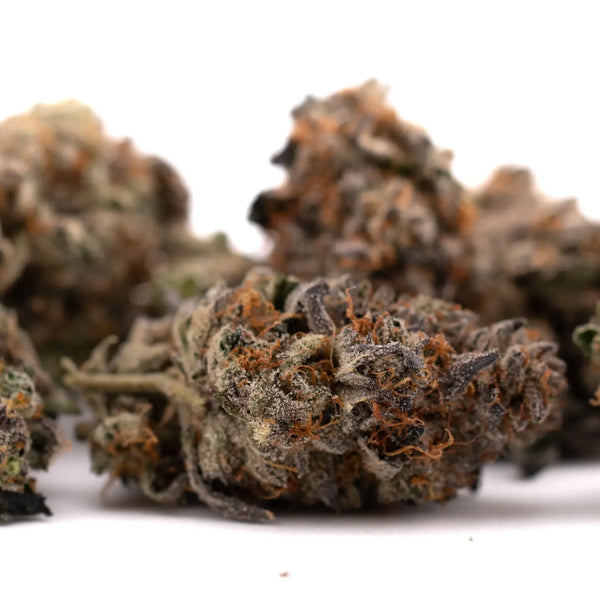
Trichome density—the concentration of resin glands covering flower surfaces—serves as perhaps the most visible indicator of cannabinoid potency and overall quality. Indoor cultivation's precise light management typically produces extremely dense trichome coverage, with Black Amber indoor quality showcasing the crystalline appearance that commands premium prices.
Greenhouse operations generally achieve slightly lower trichome density than optimal indoor grows, though modern greenhouse techniques increasingly narrow this gap. Sun-grown cannabis often develops larger individual trichome heads compared to indoor flower, though total density per square millimeter may be marginally lower. The practical difference becomes negligible with proper cultivation—both Black Amber and Jokerz NOS display impressive resin production that satisfies wholesale quality standards.
Terpene Preservation Differences
Terpenes—the aromatic compounds responsible for cannabis scent and flavor—are highly volatile and easily degraded by environmental stress, improper curing, or storage issues. Cultivation method influences both terpene production during growth and preservation through harvest and cure processes.
Indoor cultivation's climate control prevents the temperature spikes and humidity fluctuations that can volatilize terpenes during the critical final weeks before harvest. However, some cultivators argue that natural sunlight and minor environmental variations in greenhouse settings promote more complex terpene profiles with subtle aromatic notes less common in indoor flower.
Modern lab testing reveals that properly executed cultivation in either environment preserves terpenes effectively. The difference lies more in terpene profile composition—indoor flower often emphasizes specific dominant terpenes through environmental manipulation, while greenhouse flower may present more balanced terpene distributions reflecting natural development patterns.
Cannabinoid Stability
THCA content remains remarkably stable across properly cultivated flower regardless of growing method, with genetics and harvest timing playing larger roles than indoor versus greenhouse cultivation. However, environmental consistency during the critical final flowering weeks influences cannabinoid stability.
Indoor cultivation's absolute climate control ensures that plants experience zero temperature stress, humidity spikes, or light interruptions that might trigger cannabinoid degradation or conversion. Greenhouse operations must manage natural weather variations, though experienced cultivators time harvests to avoid adverse conditions and implement environmental controls when necessary.
Laboratory testing of premium THCA flower from both cultivation methods shows minimal cannabinoid degradation when proper post-harvest handling occurs, suggesting that while growing environment matters, cure and storage protocols are equally crucial for maintaining cannabinoid stability from harvest to end consumer.
Bud Structure and Density
Indoor flower typically develops tighter bud structure with higher density, resulting from controlled environmental conditions and strategic manipulation of the temperature differential between light and dark periods. Dense buds provide better bag appeal and perceived value, though excessively tight structure can create moisture retention issues if not properly cured.
Greenhouse cannabis often produces slightly less dense flower with more natural structure—neither loosely airy nor rock-hard compact. This intermediate density can actually benefit cure quality, allowing better air circulation through buds during drying and reducing mold risk. For wholesale buyers, both structure types sell successfully, with indoor density appealing to customers seeking "exotic" characteristics and greenhouse structure satisfying consumers preferring naturally grown qualities.
Color and Visual Appeal
Indoor cultivation's precise environment produces remarkably consistent coloration, with LED spectrums potentially enhancing purple, pink, or blue hues through strategic temperature manipulation and light spectrum selection. Black Amber indoor quality demonstrates the vivid, jewel-like coloration achievable through controlled conditions—rich greens accented by vibrant pistils and frosted trichome coverage creating striking visual presentation.
Greenhouse flower typically displays more natural green coloration with seasonal variation in pigmentation reflecting environmental conditions during growth. Fall greenhouse harvests often develop more pronounced purple and red tones due to cooler nighttime temperatures, while summer crops maintain brighter green coloration. This natural variation appeals to consumers seeking authentically sun-grown products.
Moisture Content Standards
Optimal moisture content (typically 10-12% of total weight) proves crucial for preventing mold while maintaining terpene preservation and providing satisfying texture. Indoor cultivation's dehumidification capabilities allow precise moisture reduction during the cure process, achieving target moisture content consistently.
Greenhouse operations face greater challenges controlling cure-stage humidity, particularly in humid climates or during wet seasons. However, properly equipped greenhouse facilities with dedicated drying rooms achieve similar moisture standardization as indoor operations. For wholesale buyers, requesting moisture content testing results ensures products meet storage stability standards regardless of cultivation method.
Cure Quality Differences
The cure process—the controlled drying and aging that transforms freshly harvested cannabis into smooth, flavorful, shelf-stable flower—depends more on post-harvest facility capabilities than original growing environment. Both indoor and greenhouse flower require identical cure protocols: slow drying over 10-14 days at 60°F and 60% humidity, followed by jar curing with regular burping to release moisture and chlorophyll.
Indoor facilities often integrate drying rooms with the same climate controls used during cultivation, providing seamless environmental management from seed to packaged product. Greenhouse operations may maintain separate climate-controlled drying facilities, though the cure quality ultimately depends on following proper protocols rather than original growing method.
Contamination Risks
Contamination risk—from pesticides, heavy metals, microbial pathogens, or physical contaminants—varies primarily based on cultivation practices rather than indoor versus greenhouse method. Indoor facilities' sealed environments reduce pest pressure, potentially decreasing pesticide requirements. However, hydroponic indoor operations using heavy metal-containing nutrients or equipment may face metal contamination issues.
Greenhouse operations' semi-open environment increases pest exposure, though IPM programs using beneficial insects and organic controls can manage pests effectively without synthetic pesticides. For wholesale buyers evaluating THCA flower quality, comprehensive lab testing results provide better contamination assessment than cultivation method assumptions.
Lab Testing Comparison
Both Black Amber indoor THCA flower and Jokerz NOS greenhouse THCA flower undergo identical lab testing protocols: cannabinoid potency analysis, terpene profiling, pesticide screening, heavy metal testing, and microbial analysis. Quality differences emerge from cultivation execution rather than growing method itself—properly cultivated greenhouse flower passes compliance testing as reliably as indoor products.
Wholesale buyers should review complete certificates of analysis (COAs) for all products, regardless of cultivation method, evaluating actual test results rather than making quality assumptions based on indoor or greenhouse labels.
Potency & Consistency: Cannabinoid Performance Across Growing Methods
THCA potency—the primary cannabinoid content determining product strength—represents a crucial quality indicator for wholesale buyers and a key selling point for retail customers. Understanding how cultivation method influences potency levels and batch-to-batch consistency informs inventory decisions and customer education strategies.
THCA Percentage Consistency Indoor vs Greenhouse
Indoor cultivation typically delivers superior batch-to-batch potency consistency, with THCA percentages varying less than 2-3% between harvests of the same strain under identical protocols. This consistency reflects the eliminated environmental variables that might otherwise stress plants and affect cannabinoid synthesis. For retailers managing customer expectations, indoor flower's predictable potency simplifies staff education and reduces complaints about perceived potency variations.
Greenhouse THCA production shows slightly broader potency ranges—typically 3-5% variation between batches—reflecting unavoidable seasonal factors and natural sunlight intensity differences. However, experienced greenhouse operations minimize this variation through strategic cultivation timing, supplemental lighting during low-light periods, and genetic selection favoring stable cannabinoid expression.
Batch-to-Batch Variation Analysis
Black Amber indoor quality exemplifies minimal batch variation, with consecutive harvests producing remarkably similar cannabinoid profiles. This consistency allows wholesale operations to establish standardized product descriptions and potency claims that remain accurate across multiple restocking cycles, reducing customer service issues and building trust through reliable product performance.
Jokerz NOS greenhouse production demonstrates the quality consistency achievable in modern greenhouse operations—while minor potency fluctuations occur between spring and fall harvests, strategic cultivation scheduling during peak sunlight months maintains potency within acceptable ranges that meet wholesale buyer requirements.
Environmental Factors Affecting Potency
Multiple environmental variables influence cannabinoid synthesis: light intensity and spectrum, temperature during critical flowering stages, plant nutrition, water stress patterns, and harvest timing. Indoor cultivation's control over these variables enables consistent optimization for maximum THCA production.
Greenhouse operations must adapt cultivation strategies to seasonal environmental variations—adjusting nutrient programs for temperature-related metabolism changes, timing irrigation for variable transpiration rates, and harvesting during optimal weather windows to prevent quality degradation. Skilled greenhouse cultivators achieve impressive potency levels despite these additional variables, though with greater effort than climate-controlled indoor facilities.
Testing Data Comparison
Laboratory testing reveals that cultivation method alone doesn't determine potency ceiling—both indoor and greenhouse flower can achieve 20-30%+ THCA content with proper genetics and cultivation execution. The difference lies primarily in consistency rather than maximum potential. Premium indoor THCA flower like Black Amber typically tests consistently in the 25-30% range, while quality greenhouse THCA flower like Jokerz NOS produces batches ranging from 22-28% depending on seasonal factors.
For wholesale buyers, this data suggests that both cultivation methods deliver commercially viable potency levels, with indoor offering consistency advantages and greenhouse providing excellent value despite minor potency variations.
Terpene Preservation: Aromatic Complexity Across Cultivation Methods
Terpenes define cannabis's aromatic appeal and significantly influence consumer experience through the entourage effect—the synergistic interaction between cannabinoids and terpenes. Cultivation method substantially impacts both terpene profile development and preservation from harvest through retail sale.
How Growing Method Affects Terpenes
Indoor cultivation allows targeted terpene manipulation through environmental control. Lower temperatures during final flowering weeks (60-68°F) preserve volatile terpenes that would otherwise evaporate at higher temperatures. Specific light spectrums enhance certain terpene pathways—UV-B exposure increases production of protective terpenes like myrcene and caryophyllene. Strategic stress application through controlled water deficit or temperature variation can boost terpene concentrations as plants produce aromatic compounds as stress responses.
Greenhouse cultivation promotes natural terpene development reflecting genetics and seasonal conditions. Natural temperature fluctuations between day and night, seasonal light spectrum shifts, and minor environmental variations may contribute to complex terpene profiles with subtle aromatic notes. Some cultivators argue this natural development produces more authentic strain expressions compared to artificially optimized indoor environments.
Indoor Terpene Optimization
Indoor facilities leverage climate control and targeted cultivation techniques to maximize desirable terpenes. HVAC systems maintain ideal terpene-preserving temperatures during the critical harvest window when trichomes reach peak maturity. Supplemental UV lighting in final flowering weeks triggers enhanced terpene production as a protective response. Controlled dry-back irrigation strategies create mild water stress that boosts terpene concentrations without compromising yield or plant health.
These optimization strategies enable premium THCA flower from indoor operations to develop pronounced terpene profiles with strong aromatic intensity—a key selling point for products like Black Amber that command premium prices based partly on exceptional aroma and flavor characteristics.
Greenhouse Natural Terpene Development
Greenhouse cannabis benefits from natural sunlight's full spectrum and seasonal environmental rhythms that may promote balanced terpene development. The slight daily temperature fluctuations, natural humidity variations, and seasonal progression create growing conditions closer to cannabis's ancestral environment, potentially resulting in terpene profiles reflecting millennia of evolutionary adaptation.
Jokerz NOS greenhouse showcases terpene complexity achievable through sun-grown cultivation—rich aromatic profiles combining dominant terpenes with subtle secondary notes that some consumers find more satisfying than single-note-forward indoor flower.
Flavor Profile Differences
Blind taste testing reveals that cultivation method influences flavor characteristics beyond simple terpene concentrations. Indoor flower often presents with pronounced, distinct dominant flavors—sharp citrus, strong diesel, or intense sweetness reflecting optimized production of primary terpenes. This clarity appeals to consumers seeking powerful, unmistakable flavor experiences.
Greenhouse flower frequently offers more balanced, complex flavor profiles with layered notes that evolve throughout consumption. Rather than single dominant flavors, sun-grown cannabis may present initial citrus notes followed by earthy undertones and finishing with subtle spice—reflecting balanced terpene distributions developed through natural growing conditions.
Aroma Intensity Comparison
Fresh indoor THCA flower typically exhibits more immediately apparent aromatic intensity—opening a package releases powerful scents that clearly indicate terpene richness. This "nose" appeal significantly influences purchasing decisions, making indoor flower particularly effective for visual retail displays where aroma contributes to sales.
Greenhouse flower sometimes presents with more subtle initial aroma that develops complexity upon closer inspection. While potentially less immediately impactful than pungent indoor flower, quality greenhouse products reveal nuanced aromatic layers appreciated by experienced consumers. For wholesale buyers, both aromatic profiles succeed in different market segments—indoor serving customers seeking intensity, greenhouse appealing to consumers preferring complexity.
Consumer Preference Data
Market research shows divided consumer preferences regarding cultivation method, with approximately 40% preferring indoor flower for consistency and bag appeal, 30% favoring greenhouse for natural characteristics and value, and 30% expressing no strong preference when quality and potency remain comparable. This distribution suggests successful wholesale strategies incorporate both cultivation methods to serve diverse customer preferences.
Appearance & Market Appeal: Visual Characteristics That Drive Sales
Visual presentation significantly influences cannabis purchasing decisions, particularly for retail customers evaluating products through packaging or dispensary display cases. Understanding how cultivation method affects appearance helps wholesale buyers select products matching their market positioning and customer expectations.
Indoor Flower Aesthetics
Indoor THCA flower typically exhibits characteristics that maximize visual impact: extremely dense bud structure creating satisfying weight-to-volume ratios, vibrant coloration enhanced through climate control and strategic stress application, thick trichome coverage producing frosty appearance under proper lighting, and compact, uniform bud size reflecting consistent growing conditions.
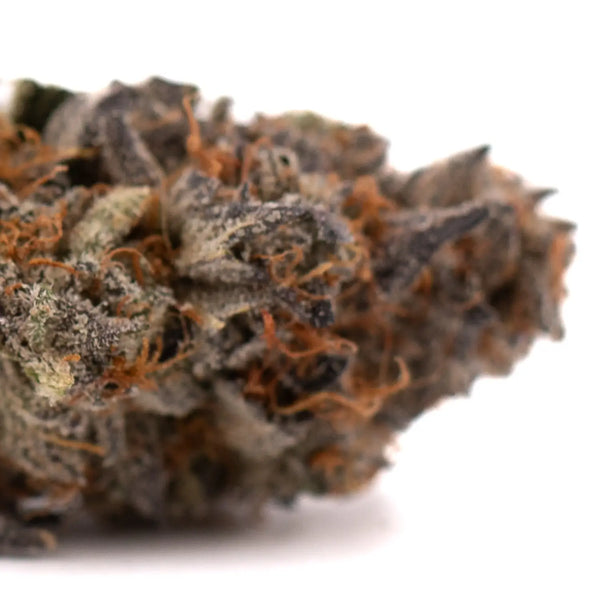
Black Amber indoor quality exemplifies premium indoor aesthetics—richly colored flowers with striking trichome density that photographs exceptionally well for marketing materials. This visual appeal justifies premium pricing and attracts customers seeking "exotic" or "top-shelf" flower characteristics.
Greenhouse Flower Characteristics
Quality greenhouse THCA flower presents distinct visual traits: slightly less dense structure with natural, organic bud architecture, seasonal color variations reflecting growing conditions, abundant but sometimes less uniform trichome coverage, and size variation within batches reflecting individual plant expression.
Jokerz NOS greenhouse demonstrates that properly cultivated sun-grown cannabis achieves excellent visual appeal despite differing from indoor characteristics. The natural appearance resonates with consumers valuing organic, environmentally sustainable products, while competitive pricing makes greenhouse flower accessible to value-conscious buyers without sacrificing quality perception.
Color Differences and Why They Matter
Indoor cultivation's temperature control enables consistent coloration and strategic color manipulation—lower temperatures during flowering trigger anthocyanin production creating purple, blue, and pink hues that command attention. Artificial lighting spectrum can emphasize these colors, producing flower that photographs beautifully for online marketing.
Greenhouse flower displays more natural color progression reflecting seasonal and genetic factors. Spring harvests often maintain bright green coloration, while fall crops develop naturally occurring purple and red tones from cooler nighttime temperatures. This authentic seasonal variation appeals to consumers seeking naturally grown products, though it complicates brand consistency for businesses emphasizing visual uniformity.
Trichome Visibility Comparison
Trichome visibility—how clearly visible individual resin glands appear—depends on trichome size, density, and maturity stage at harvest. Indoor flower often develops smaller but extremely dense trichomes creating uniform crystalline coverage. Greenhouse flower may produce slightly larger individual trichome heads that, while perhaps marginally less dense, remain clearly visible and indicate quality.
For wholesale marketing, both trichome presentations effectively signal quality to informed consumers. Less experienced customers may respond more strongly to indoor flower's immediate visual impact, while educated consumers appreciate quality indicators in both cultivation methods.
Bud Structure Differences
Indoor cultivation produces tight, compact buds with minimal "larfy" material—loose, less-developed flower on lower branches. This density creates perceived value and reduces waste during trimming and packaging. However, excessively tight structure can sometimes create challenges during consumption, with compacted material difficult to break apart by hand.
Greenhouse flower's slightly less dense structure provides easier handling and more forgiving moisture management during cure and storage. The natural architecture appeals to consumers seeking flower that breaks apart easily and burns evenly, though it may appear less "premium" to customers equating density with quality.
Photography and Marketing Considerations
Marketing visual excellence requires different approaches for indoor versus greenhouse products. Indoor flower's dramatic appearance photographs exceptionally well with standard product photography, creating immediately impactful marketing images that drive online sales. Close-up macro photography showcases dense trichome coverage effectively.
Greenhouse flower benefits from photography emphasizing natural qualities—shots highlighting sun-grown authenticity, environmental sustainability angles, or whole plant context rather than extreme close-ups. Marketing messaging should lean into greenhouse cultivation's genuine advantages rather than attempting to compete with indoor flower on aesthetic characteristics where indoor naturally excels.
Wholesale Business Implications: Profitability Across Cultivation Methods
Beyond quality considerations, cultivation method significantly impacts wholesale business operations—from pricing strategies to inventory turnover rates. Understanding these commercial implications enables data-driven product selection that optimizes profitability while serving customer needs.
Pricing Differences Explained
Indoor THCA flower wholesale pricing typically ranges from $1,000-$2,500 per pound, reflecting higher production costs (electricity, climate control infrastructure, labor) and market positioning as premium products. Indoor flower commands these prices because cultivation expenses necessitate higher margins and because market perception supports premium pricing for indoor products.
Greenhouse THCA flower wholesale pricing generally spans $600-$1,500 per pound—substantially lower than indoor despite potentially comparable quality levels. Reduced operational costs (minimal lighting expenses, lower HVAC requirements) enable profitable wholesale pricing that creates opportunities for retailers to maintain healthy margins while offering competitive retail prices.
For wholesale buyers managing multiple price points, this differential allows portfolio strategies: premium indoor products for discerning customers willing to pay top-tier prices, mid-range greenhouse flower serving value-conscious consumers, creating balanced inventory that addresses diverse market segments.
Profit Margin Analysis
Retail margins on premium THCA flower typically range from 50-100% markup from wholesale cost to retail price. Indoor flower priced at $1,500 wholesale might retail for $2,250-$3,000 per pound (or $140-$190 per ounce), generating substantial dollar-value margins despite potentially lower percentage markups than less expensive products.
Greenhouse flower purchased at $900 wholesale can retail at $1,350-$1,800 per pound (or $85-$115 per ounce), providing excellent percentage margins (50%+) while remaining competitively priced against other retailers. Volume sales potential often exceeds indoor products due to accessible pricing, potentially generating higher absolute profit despite lower per-unit margins.
Strategic wholesale buyers often discover that balanced inventory—both premium indoor and value-positioned greenhouse products—maximizes total profitability by capturing both high-margin top-shelf sales and volume-driven mid-tier revenues.
Customer Expectations by Cultivation Method
Customer expectations differ significantly between indoor and greenhouse products, requiring tailored marketing approaches:
Indoor expectations:
- Exceptional visual appeal and bag appeal
- Maximum potency and consistency between batches
- Premium pricing justified by superior quality indicators
- Tightly controlled, pesticide-free cultivation
- Exotic or limited-availability perception
Greenhouse expectations:
- Natural, sun-grown authenticity
- Strong value proposition balancing quality and price
- Environmental sustainability and reduced energy consumption
- Seasonal variation reflecting natural growing cycles
- Accessible pricing without sacrificing potency or effects
Understanding these differing expectations helps retailers position products effectively and prevents customer disappointment from misaligned quality-to-price expectations.
Marketing Indoor vs Greenhouse THCA
Effective marketing leverages each cultivation method's genuine strengths:
Indoor marketing emphasizes:
- Precision cultivation and environmental control
- Consistency and reliability across batches
- Visual excellence and premium characteristics
- Cutting-edge cultivation technology
- Top-shelf positioning and exclusive appeal
Greenhouse marketing highlights:
- Natural sunlight and sun-grown authenticity
- Environmental sustainability and reduced carbon footprint
- Excellent value without compromising quality
- Seasonal harvest cycles and natural growing rhythms
- Accessibility for everyday consumers
Wholesale buyers should request marketing support materials aligned with these messaging strategies, ensuring retail partners can effectively communicate value propositions that drive sales.
Which Method Sells Better and Why
Sales performance varies significantly by market segment, retail environment, and customer demographics:
Indoor outperforms greenhouse in:
- Premium dispensaries serving affluent customers
- Markets where visual presentation drives purchasing
- Regions with mature cannabis markets expecting top-tier quality
- Gift and special-occasion purchases
- First-time buyers influenced by striking appearance
Greenhouse exceeds indoor sales in:
- Value-focused retail environments
- Markets with price-sensitive customer bases
- Regions emphasizing environmental consciousness
- Everyday use purchases over special occasions
- Experienced consumers prioritizing effects over appearance
Many successful wholesale operations stock both cultivation types, allowing retailers to recommend appropriate products based on individual customer priorities rather than attempting to sell single cultivation method as universally superior.
Inventory Turnover Rates
Inventory turnover—how quickly products sell through—significantly impacts wholesale profitability. Slower-moving products tie up capital and require extended storage potentially degrading quality.
Greenhouse flower often demonstrates superior turnover rates due to accessible pricing driving higher sales volume. Products priced competitively move consistently, reducing storage duration and maintaining freshness. While per-unit margins may be lower, rapid turnover often generates higher annual returns on inventory investment.
Indoor flower may experience slower turnover but compensates through higher absolute margins per unit sold. Premium products targeting specific customer segments move more deliberately but generate substantial profit per sale. For wholesale buyers, balanced inventory addressing both market segments typically optimizes overall turnover rates and profitability.
Testing & Compliance: Quality Assurance Across Cultivation Methods
Regulatory compliance and quality assurance testing provide critical validation that cannabis products meet safety standards and label accuracy requirements. Understanding how cultivation method influences testing outcomes helps wholesale buyers anticipate potential compliance issues and select reliably compliant products.
Pesticide Testing Requirements
Both indoor THCA flower and greenhouse THCA flower must pass identical pesticide screening analyzing for 60+ compounds including fungicides, insecticides, and growth regulators. Pass/fail thresholds remain consistent regardless of cultivation method, though pest pressure differences influence pesticide usage patterns.
Indoor cultivation's sealed environment reduces pest exposure, potentially decreasing pesticide requirements. However, when pests infiltrate indoor facilities, intense growing conditions can facilitate rapid infestation requiring aggressive intervention. Greenhouse operations face greater baseline pest pressure but can implement IPM programs using beneficial insects and organic controls that prevent pesticide dependency.
For wholesale buyers, requesting pesticide testing results regardless of cultivation method protects against compliance failures. Both Black Amber and Jokerz NOS undergo comprehensive pesticide screening ensuring retail compliance.
Heavy Metal Screening
Heavy metal testing detects lead, arsenic, cadmium, and mercury accumulation in cannabis flower—contaminants that pose serious health risks. Cultivation method influences heavy metal risk through growing medium and water source:
- Hydroponic indoor operations using metal-containing equipment may introduce contamination through nutrient solutions or piping
- Soil-based greenhouse cultivation can accumulate heavy metals from contaminated soil, though this risk is mitigated through soil testing and amendment
Quality-focused operations regardless of cultivation method implement preventative measures: testing water sources, using certified-clean growing media, avoiding heavy metal-containing nutrients, and regular plant tissue testing to identify contamination before harvest. Wholesale buyers should verify heavy metal testing compliance for all products purchased.
Microbial Testing Differences
Microbial contamination testing screens for dangerous pathogens including E. coli, Salmonella, and total yeast and mold counts. Cultivation environment substantially influences microbial risk:
Indoor facilities' controlled humidity and sealed environments prevent many microbial contamination vectors, though poor sanitation practices or inadequate air filtration can introduce pathogens. The consistently low humidity achievable indoors during late flowering significantly reduces mold risk compared to outdoor or greenhouse growing.
Greenhouse operations face elevated microbial risk from semi-open environments exposed to airborne spores and natural humidity fluctuations. However, proper environmental controls, strategic cultivation timing to avoid humid seasons, and meticulous sanitation protocols enable greenhouse producers to consistently pass microbial testing.
Critical microbial contamination prevention occurs during drying and curing rather than active cultivation—both methods require identical post-harvest protocols to ensure microbial safety.
How Cultivation Method Affects Test Results
Statistical analysis of thousands of compliance test results reveals that cultivation method shows weak correlation with failure rates when cultivation practices meet professional standards. Both indoor and greenhouse facilities maintaining proper protocols pass comprehensive testing reliably.
Failure rates increase dramatically in operations—regardless of cultivation method—that cut corners on environmental controls, sanitation, IPM, or post-harvest handling. For wholesale buyers, focusing on producer reputation, facility certifications, and testing track records provides better risk assessment than cultivation method assumptions.
Black Amber Testing Standards
Black Amber indoor THCA flower undergoes comprehensive third-party laboratory testing including:
- Full cannabinoid panel with THCA potency verification
- Complete pesticide screening (60+ compounds)
- Heavy metal analysis
- Microbial contamination testing
- Terpene profiling
These testing standards ensure retail compliance and provide wholesale buyers confidence in product safety and label accuracy.
Jokerz NOS Compliance Records
Jokerz NOS greenhouse THCA flower maintains identical testing protocols:
- Cannabinoid potency verification
- Pesticide screening meeting regulatory requirements
- Heavy metal compliance testing
- Microbial safety verification
- Terpene analysis
Quality greenhouse operations match indoor testing compliance, demonstrating that cultivation method doesn't determine safety or regulatory adherence—cultivation practices and testing rigor do.
Sustainability & Economics: Long-Term Viability of Cultivation Methods
Environmental sustainability and long-term economic viability increasingly influence wholesale purchasing decisions as businesses consider corporate responsibility and evolving market demands for environmentally conscious products.
Environmental Footprint Comparison
Indoor cultivation's environmental impact:
- Extremely high electricity consumption (30-60 kWh per gram of flower produced)
- Significant carbon emissions from energy usage unless renewable sources used
- Lower water usage than outdoor but higher than greenhouse due to aggressive transpiration
- Minimal pesticide use due to controlled environment
- Substantial HVAC and dehumidification energy requirements
Greenhouse cultivation's environmental advantages:
- Dramatically reduced electricity usage (5-15 kWh per gram), primarily for supplemental lighting and climate control
- Lower carbon footprint, particularly in regions with renewable energy grids
- Moderate water usage benefiting from natural humidity and precipitation
- Reduced material waste from natural pest management approaches
- Alignment with sustainable agriculture principles
For businesses marketing environmental consciousness, greenhouse THCA flower provides authentic sustainability credentials that resonate with eco-aware consumers.
Energy Consumption Analysis
Indoor cannabis cultivation ranks among the most energy-intensive agricultural practices globally. A single indoor facility might consume 200,000-2,000,000 kWh annually depending on scale—equivalent to powering hundreds of homes. This energy demand translates directly to operational costs and environmental impact.
Greenhouse operations reduce energy consumption by 60-90% compared to indoor facilities, leveraging free solar radiation for primary lighting needs. Even climate-controlled greenhouses with supplemental lighting, heating, and cooling systems use substantially less energy than sealed indoor environments requiring artificial everything.
For wholesale buyers considering long-term market trends, decreasing energy costs and carbon footprints through greenhouse sourcing positions businesses advantageously as sustainability increasingly influences purchasing decisions.
Water Usage Differences
Indoor hydroponic cultivation requires significant water for nutrient solution circulation, though most water recirculates rather than being consumed. However, aggressive plant transpiration driven by intense lighting and low humidity necessitates continuous water addition to maintain system balance.
Greenhouse growing benefits from natural humidity and, in many regions, can supplement irrigation with rainwater collection. The less aggressive environmental conditions (compared to intense indoor growing) result in lower transpiration rates and reduced overall water requirements—often 20-40% less than indoor cultivation.
Long-Term Cost Sustainability
Rising electricity costs pose significant challenges for indoor cultivation economics. Many regions have seen 50-100% energy cost increases over the past decade, with further increases anticipated as renewable energy transitions occur. These escalating expenses directly impact indoor cultivation profitability, potentially making premium indoor products increasingly expensive or economically unviable in some markets.
Greenhouse cultivation's minimal energy dependency provides insulation against energy price volatility, ensuring stable operational costs and predictable wholesale pricing. This economic sustainability makes greenhouse-grown THCA flower quality increasingly attractive for long-term wholesale partnerships.
Market Trends Favoring Each Method
Current market trends show divergent trajectories:
Indoor cultivation trends:
- Continued demand for premium, visually striking products
- Technology improvements (LED efficiency) reducing energy costs
- Automation reducing labor costs
- Limited expansion due to energy constraints and regulatory pressure
Greenhouse cultivation trends:
- Rapidly growing market share in established cannabis markets
- Consumer preference shifting toward value-oriented products
- Sustainability concerns driving eco-conscious purchasing
- Expansion in regions with favorable climate and energy costs
Successful wholesale strategies increasingly incorporate both cultivation methods, positioning businesses to adapt as market preferences evolve while serving diverse customer segments effectively.
Case Study Analysis: Real-World Performance of Indoor vs Greenhouse THCA
Beyond theoretical quality differences and cultivation science, practical business performance ultimately determines optimal product selection. Examining real dispensary experiences, customer feedback, and sales data provides actionable insights for wholesale purchasing decisions.
Real Dispensary Experiences
Dispensaries stocking both indoor THCA flower and greenhouse THCA flower report distinct performance patterns:
Indoor performance observations:
- Attracts customers seeking premium, special-occasion purchases
- Generates highest per-transaction dollar values
- Appeals to cannabis connoisseurs and collectors
- Moves more slowly than mid-tier products
- Requires patient sales approach and product education
- Produces strong profit margins despite lower turnover
Greenhouse performance observations:
- Drives consistent daily sales volume
- Appeals to regular, repeat customers
- Generates lower per-transaction values but higher transaction frequency
- Moves quickly, requiring frequent restocking
- Requires minimal sales effort for familiar customers
- Produces solid margins through volume sales
These patterns suggest optimal inventory strategies include both cultivation types serving complementary customer segments rather than exclusively stocking one method.
Customer Feedback Compilation
Direct customer feedback reveals nuanced preferences:
Indoor flower feedback: "Worth the premium price for special occasions" "Most consistent quality batch to batch"
"Incredible bag appeal, great for gifts" "Too expensive for everyday use" "Impressive appearance justifies cost"
Greenhouse flower feedback: "Excellent value without sacrificing effects" "Prefer the natural growing approach" "Perfect for regular daily use" "Great flavor complexity" "Wish more retailers offered quality greenhouse options"
This feedback emphasizes that customer satisfaction depends less on cultivation method than alignment between product characteristics, pricing, and customer expectations. Both methods receive positive feedback when properly positioned and priced.
Sales Velocity Comparison
Detailed sales tracking across multiple dispensaries reveals greenhouse products typically demonstrate 30-50% higher sales velocity (units sold per day) compared to premium indoor offerings when both are priced appropriately for their respective quality tiers. This velocity advantage reflects accessible pricing driving higher purchase frequency rather than quality differences.
Indoor products, despite slower velocity, often generate comparable or superior absolute profit contribution due to substantially higher per-unit margins. A dispensary might sell 3 pounds of greenhouse flower weekly at $30 margin per ounce versus 1 pound of indoor flower at $60 margin per ounce, generating similar total profit despite dramatically different turnover rates.
Return Customer Rates
Customer retention rates remain high for both cultivation methods when products meet or exceed quality expectations:
- Indoor flower converts approximately 70-80% of purchasers to repeat customers when properly positioned as premium products
- Greenhouse flower achieves 75-85% repeat purchase rates, particularly among value-conscious regular consumers
The slightly higher retention for greenhouse products likely reflects repeat-purchase accessibility—customers can afford regular purchases rather than reserving indoor flower for occasional premium experiences. For wholesale buyers, both cultivation methods build loyal customer bases supporting sustainable business growth.
Quality Complaint Analysis
Complaint rates provide critical insight into quality issues across cultivation methods:
Indoor quality complaints typically involve:
- Excessive dryness from over-curing (5-8% of purchases)
- Hay smell from chlorophyll retention (3-5%)
- Pricing not justified by effects (8-12%)
- Too-tight bud structure difficult to handle (2-4%)
Greenhouse quality complaints typically involve:
- Inconsistency between batches (6-10% of purchases)
- Less impressive visual appeal than expected (5-8%)
- Occasional stem/seed issues (3-5%)
- Moisture content variations (4-7%)
Total complaint rates remain comparably low for both cultivation methods (typically under 10% combined), suggesting neither method presents inherent quality problems when properly executed. Most complaints reflect specific cultivation or post-harvest failures rather than systematic issues with indoor versus greenhouse growing.
Success Stories
Indoor success: A premium dispensary positioning Black Amber indoor THCA flower as their flagship top-shelf offering generated 25% of total flower revenue despite representing only 8% of inventory by weight. The dramatic margins and strong customer interest in premium products justified higher inventory costs and slower turnover.
Greenhouse success: A value-focused retailer built their core business around quality greenhouse products like Jokerz NOS, achieving 60% repeat customer rates and rapid inventory turnover that minimized working capital requirements. Their pricing strategy created competitive advantages against competitors focusing exclusively on higher-priced indoor products.
These examples illustrate that business success depends less on choosing the "right" cultivation method than selecting products aligned with store positioning, target customers, and pricing strategies.
FAQ Section
Is indoor THCA always better than greenhouse?
No—quality depends primarily on cultivation execution rather than growing method. Properly cultivated greenhouse THCA flower can equal or exceed poorly grown indoor products in potency, terpene content, and consumer satisfaction. Indoor cultivation offers consistency advantages and produces certain desirable characteristics (extreme trichome density, compact bud structure), while greenhouse growing provides environmental sustainability and natural terpene complexity. "Better" depends on your specific quality priorities, customer preferences, and business positioning.
Why is indoor THCA more expensive?
Indoor THCA flower costs more due to substantially higher production expenses. Indoor facilities consume enormous electricity for lighting (often representing 30-60% of total costs), require expensive HVAC and dehumidification systems, demand significant infrastructure investment, and typically produce lower yields per square foot than greenhouse operations benefiting from natural sunlight. These higher operational costs necessitate premium wholesale pricing—typically $400-$1,000 more per pound than comparable greenhouse products.
Does greenhouse THCA have pesticides?
Greenhouse cultivation faces greater pest pressure than sealed indoor environments, though this doesn't automatically mean more pesticide use. Modern greenhouse operations implement integrated pest management (IPM) using beneficial insects, organic controls, and environmental management to prevent infestations without synthetic pesticides. Quality greenhouse producers like those providing Jokerz NOS maintain comprehensive pesticide testing showing compliance with safety standards. Always review lab testing results rather than making assumptions based on cultivation method.
Which is more potent?
Cultivation method doesn't determine potency ceiling—both indoor and greenhouse cannabis can achieve 20-30%+ THCA content with proper genetics and cultivation practices. Indoor growing typically delivers more consistent potency batch to batch (2-3% variation) compared to greenhouse production (3-5% variation) due to eliminated environmental variables. However, average potency differences between quality indoor and greenhouse products remain minimal (typically 1-3% THCA), with genetics and harvest timing playing larger roles than cultivation method.
What do customers prefer?
Customer preferences divide roughly 40% favoring indoor for consistency and visual appeal, 30% preferring greenhouse for natural qualities and value, and 30% showing no strong preference when quality and potency remain comparable. Preferences vary significantly by customer demographics: Premium-focused consumers and gift-buyers often prefer indoor characteristics, while regular consumers and value-conscious buyers gravitate toward greenhouse options. Environmentally conscious customers increasingly seek sun-grown products. Successful wholesale strategies stock both cultivation types serving these diverse preferences.
How can I tell if greenhouse THCA is quality?
Quality greenhouse THCA flower displays abundant trichome coverage (even if slightly less dense than premium indoor), strong aromatic profiles indicating preserved terpenes, properly cured texture (neither too dry nor moist), appropriate bud density (firm but not rock-hard), clean burning characteristics (white ash), and most importantly, comprehensive lab testing showing potency, purity, and compliance. Request complete COAs (certificates of analysis) showing cannabinoid content, terpene profiles, pesticide screening, and microbial testing. Quality greenhouse products pass all testing categories reliably.
Can greenhouse THCA compete with indoor in premium markets?
Yes—when properly cultivated, greenhouse THCA flower quality satisfies premium market requirements, though positioning requires different messaging than indoor products. Rather than competing directly on indoor's traditional strengths (maximum trichome density, rock-hard buds), greenhouse marketing emphasizes authentic sun-grown characteristics, environmental sustainability, complex terpene profiles, and exceptional value. Some premium markets specifically seek greenhouse products for natural cultivation appeals. Success requires education about greenhouse quality rather than attempting to mimic indoor characteristics.
What should wholesale buyers prioritize when choosing between indoor and greenhouse THCA?
Prioritize: (1) Target customer preferences—premium seekers or value-conscious regulars, (2) Pricing strategy alignment—indoor for high-margin/low-volume or greenhouse for moderate-margin/high-volume, (3) Brand positioning—luxury/exclusivity or accessible/sustainable, (4) Inventory turnover goals—slower-moving premium or rapid-turnover value products, (5) Complete lab testing regardless of cultivation method, (6) Producer reputation and consistency track record. Many successful wholesale operations stock both types serving complementary market segments rather than exclusively choosing one cultivation method.
Conclusion: Making Informed Wholesale Decisions About THCA Cultivation Methods
The indoor versus greenhouse debate oversimplifies cannabis quality into false binary choices when reality demands nuanced evaluation considering cultivation execution, genetic quality, post-harvest handling, and alignment with specific business objectives. Neither indoor THCA flower nor greenhouse THCA flower holds universal superiority—each offers distinct advantages serving different market segments, customer preferences, and business strategies.
Quality isn't solely determined by cultivation method. Both Black Amber indoor THCA flower and Jokerz NOS greenhouse THCA flower demonstrate exceptional quality within their respective cultivation approaches—Black Amber showcasing indoor precision's consistency and visual excellence, Jokerz NOS proving sun-grown cannabis can deliver impressive potency and complex terpene profiles with strong value propositions.
Both Cultivation Methods Have Clear Advantages
Indoor cultivation excels when:
- Maximum consistency across batches is critical for brand reliability
- Visual presentation and bag appeal drive purchasing decisions
- Premium positioning and top-tier pricing align with business strategy
- Customer base prioritizes exotic characteristics and maximum trichome density
- Climate or pest conditions make outdoor/greenhouse growing impractical
Greenhouse cultivation succeeds when:
- Environmental sustainability matters to customers and brand identity
- Competitive pricing while maintaining quality provides market advantages
- Rapid inventory turnover and accessible price points drive volume sales
- Natural growing methods and sun-grown authenticity appeal to target customers
- Energy cost considerations affect long-term business viability
Recommendation Framework for Wholesale Buyers
Stock premium indoor products when:
- Serving affluent customer demographics
- Building luxury or boutique brand positioning
- Operating in mature markets where premium products drive significant revenue
- Seeking highest per-transaction dollar values
- Willing to accept slower turnover for superior margins
Choose greenhouse products when:
- Targeting value-conscious regular consumers
- Building sustainable, environmentally responsible brand image
- Requiring rapid inventory turnover to minimize capital requirements
- Serving everyday-use customer segments
- Operating in price-competitive retail environments
Optimal wholesale strategy—stock both: Most successful wholesale operations maintain diverse inventory spanning multiple cultivation methods and price points. This approach serves the complete customer spectrum: premium indoor for special occasions and connoisseurs, quality greenhouse for regular consumers and value seekers, creating balanced portfolio maximizing total revenue and profitability.
Call to Action
Ready to experience the quality differences firsthand? Explore premium THCA cultivation methods through our wholesale offerings:
Premium Indoor Excellence: Order Black Amber Indoor THCA Flower and discover the consistency, visual appeal, and exceptional quality that defines top-tier indoor cultivation. Perfect for premium positioning and discerning customers seeking maximum trichome density and reliable potency.
Quality Greenhouse Value: Order Jokerz NOS Greenhouse THCA Flower and experience sun-grown THCA flower combining impressive potency, complex terpene profiles, and sustainable cultivation with strong value proposition. Ideal for building loyal customer base and driving consistent sales volume.
Both products come with comprehensive lab testing, quality guarantees, and wholesale support ensuring your success in the competitive THCA wholesale quality market. Contact our wholesale team to discuss quantity pricing, testing documentation, and building inventory strategy that maximizes profitability while serving your unique customer base.
The choice between indoor vs greenhouse cannabis isn't about declaring winners—it's about strategic product selection aligned with your business goals, customer preferences, and market positioning. Armed with detailed understanding of quality indicators, business implications, and cultivation differences, you're prepared to make informed wholesale decisions that drive sustainable business growth in the dynamic THCA flower market.


