


Best THCA Concentrates for High Potency Effects: 2026 Guide for Experienced Users
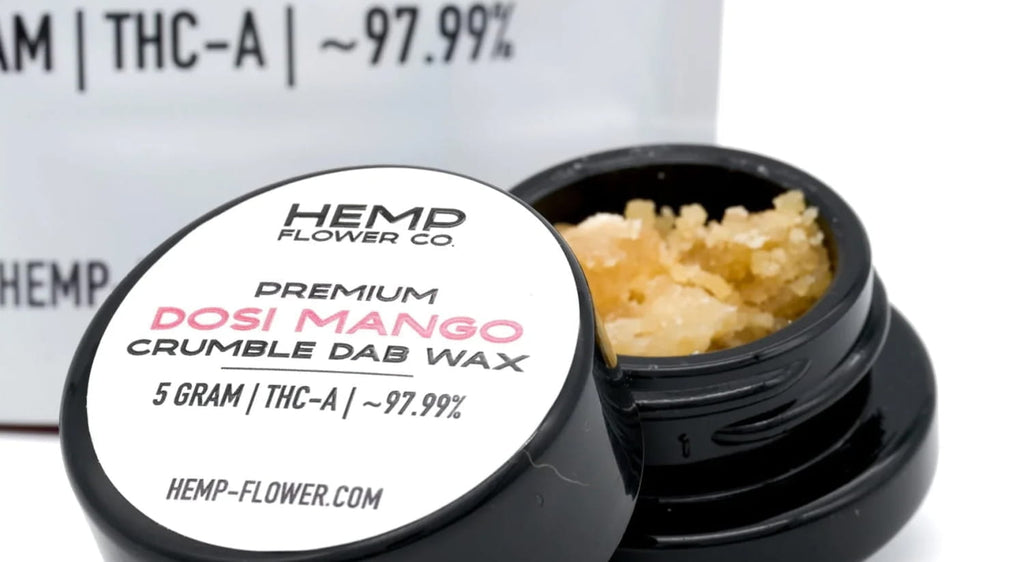
Open with a direct address to the experienced consumer: this guide isn't for someone dipping a toe into concentrates for the first time — it's for the user who has built tolerance on flower or lower-potency extracts and is now searching for the highest potency thca concentrate on the market.
Establish the baseline potency framework right away, since this becomes the backbone of the entire post:
THCA diamonds and isolate-heavy products: typically test in the 90–99% THCA range. This is as close to pure cannabinoid as a concentrate gets.
Live resin and live rosin: generally fall in the 60–85% range. The lower ceiling isn't a flaw — it reflects retained terpene content, which is stripped out during the diamond-mining process.
Sauce/diamond sauce: sits in between, blending near-diamond THCA percentages with a terpene-rich liquid layer for flavor and effect nuance.
Frame the core tension of the buyer's guide: pure potency vs. flavor and experience. The person searching for the strongest thca concentrate needs to understand that maximum percentage doesn't always mean the "best" experience — but for tolerance-driven users, it's often exactly what they're after.
Close the intro with a preview of what the guide covers: format comparisons, how to read a thca concentrate percentage on a label, why thca concentrate lab tested documentation is non-negotiable at this strength, and dosing guidance for veteran users.
Pure THCA Diamonds — Maximum Strength, Minimal Flavor
What Makes Diamonds the Strongest Format
Explain the crystallization process at a high level: diamonds form when THCA is isolated to near-pure crystalline structure, typically through a slow, controlled process that separates cannabinoid molecules from terpenes and plant lipids. The result is the most concentrated THCA product category available — routinely testing 95%+ and sometimes approaching 99%.
The Trade-Off: Flavor and Terpene Loss
Because the process strips out nearly all terpene content, pure diamonds on their own tend to be flavorless or only faintly reminiscent of the source strain. Note that this is exactly why diamonds are frequently sold alongside or dabbed with a terpene sauce — more on that in the next section.
Who Diamonds Are Actually For
Position this format squarely for the best thca concentrate for tolerance searches — users who've built up resistance to lower-potency products and need a format that delivers maximum cannabinoid content per dab. Mention that seasoned dabbers often prefer diamonds specifically because a small shard delivers outsized strength compared to flower or vape concentrates.
What to Look for When Shopping
- Percentage clearly listed (ideally 95%+)
- Clear, faceted crystalline structure (cloudy or amorphous product often signals incomplete processing)
- COA availability (covered in depth in Section 5)
Link diamonds shoppers directly to the high potency thca diamonds collection for percentage-labeled options.
Diamond Sauce — Near-Diamond Potency With Full Flavor
Bridging Potency and Terpene Experience
Diamond sauce solves the flavor problem inherent to pure diamonds by suspending THCA crystals in a terpene-rich liquid extract. Explain that this liquid layer is typically derived from live resin or live rosin processing, meaning it retains the aromatic and flavor compounds unique to the source cultivar.
Potency Positioning
Clarify where sauce sits on the spectrum: while it doesn't reach the 95–99% ceiling of pure diamonds (since terpenes and other compounds dilute the crystal-to-liquid ratio), high-quality diamond sauce commonly tests in the 80–90% range — still firmly in strongest dabs territory, with a meaningfully richer flavor and aroma profile than diamonds alone.
Why Experienced Users Gravitate Here
Make the case that sauce is often the preferred choice for dabbers who want near-maximum strength but aren't willing to sacrifice the "entourage" sensory experience — the interplay of cannabinoids and terpenes that many users associate with a more well-rounded effect.
Texture and Handling Notes
Briefly cover practical dabbing considerations: sauce is stickier and more viscous than crumble or diamonds, requiring careful tool handling (a dab tool rather than fingers) and typically a slightly lower dabbing temperature to preserve terpene integrity.
Link to sauce-specific listings within the thca concentrate percentage-labeled collection so shoppers can compare exact lab numbers.

High-THCA Crumble and Badder — Strength Without the Diamond Texture
The Case for a Softer Format
Not every high-tolerance user wants to work with hard, glass-like diamonds. Crumble and badder offer a middle path: a softer, more pliable texture that's easier to handle, load, and dab consistently — while still delivering high THCA percentages, often in the 70–85% range depending on processing method.
How Crumble/Badder Achieve High Potency
Explain the processing distinction briefly: these formats undergo a purge process that removes residual solvents while preserving a more moderate terpene retention than live resin, resulting in a texture-forward but still high-strength product.
Texture and Consistency Comparison
- Crumble: drier, flakier, easier to portion precisely
- Badder/budder: creamier, whipped consistency, easier to spread on a nail or coil
Best Fit for This Format
Position crumble/badder as ideal for users who want a strongest thca concentrate experience without needing to break apart a hard crystal structure — useful for vaporizer loading or dab rigs where a pliable consistency simplifies the process.
Link directly to crumble/badder SKUs within the collection page, noting listed percentages for easy comparison.
Why Lab-Tested COAs Matter More at This Potency Tier
The Stakes Are Higher at 90%+
Make the central argument plainly: at lower potency levels, minor inaccuracies in labeled percentage matter less to the overall experience. But at the 90–99% tier, even small discrepancies — or worse, undisclosed contaminants — carry outsized impact given how concentrated the product is.
What a Legitimate COA Should Show
Break down what readers should actually look for in a thca concentrate lab tested certificate:
- Cannabinoid potency panel: confirms actual THCA percentage matches label claims
- Residual solvent screening: critical for extraction-based concentrates (butane, propane, ethanol residues)
- Pesticide panel: especially relevant for concentrates, since pesticide residues become concentrated along with cannabinoids
- Heavy metals and microbial testing: standard safety screens that reputable brands publish transparently
Red Flags to Watch For
- No COA available, or a COA that isn't linked to the specific batch/lot
- Outdated test dates
- Third-party lab not independently verifiable
Why This Builds Trust With High-Tolerance Shoppers
Note that experienced concentrate users are often the most label-literate segment of the market — they know what a real COA looks like and will abandon a purchase if documentation feels vague or unverifiable. Reinforce that every listing on the thca concentrate lab tested collection page includes accessible batch testing for this exact reason.
Tolerance and Dosage Caution — Why High Potency Isn't for Beginners
Concentrates Are Not Flower-Equivalent Dosing
Make this section's safety framing explicit and central: a dab of 90%+ THCA concentrate delivers a cannabinoid dose that bears no resemblance to a bowl or joint of flower. Even small, inexperienced doses at this potency can produce overwhelming effects.
Start Low, Even If You Think You're Experienced
Advise that even tolerant users should start with a rice-grain-sized dab when trying a new high-potency product or an unfamiliar format (diamonds vs. sauce vs. crumble can hit differently despite similar percentages, due to onset speed and terpene interaction).
Never a Beginner's Entry Point
State plainly: new cannabis or hemp users should never start with high-potency dabs. These products are formulated and marketed for tolerance-built users seeking best thca concentrate for tolerance — not as an introduction to THCA products generally.
Practical Dosing Tips
- Use a low-temperature dab (low-temp dabs preserve terpenes and produce a smoother, more controllable effect)
- Wait a full 15–20 minutes before considering more
- Keep a designated tool for consistent, small portions rather than eyeballing larger dabs
Closing — Shop by Potency Percentage
Bring the guide full circle: for the experienced user chasing the highest potency thca concentrate available, the smartest shopping approach is comparing labeled percentages side by side, backed by verifiable lab documentation — not just marketing language like "extra strong" or "max potency."
Direct readers to browse the full range of diamonds, sauce, and crumble/badder — each listed with exact tested percentages — on the THCA Concentrates collection page.
FAQ Section
What is the strongest type of THCA concentrate?
Pure THCA diamonds are generally the strongest format, often testing between 90–99% THCA due to the crystallization process that isolates cannabinoid content from terpenes and other plant compounds.
What THCA percentage is considered "high potency"?
Most experienced users consider anything above 80% THCA to be high potency. Diamonds and diamond sauce commonly exceed this threshold, while live resin and rosin typically test lower due to retained terpene content.
Is diamond sauce stronger than crumble?
It depends on the specific batch, but diamond sauce commonly tests in the 80–90% range, while crumble and badder often fall in the 70–85% range. Checking the individual COA is the only reliable way to compare two specific products.
Why do lab reports matter so much for high-potency concentrates?
At 90%+ THCA, even minor labeling inaccuracies or undisclosed contaminants have an outsized effect given how concentrated the product is. A current, batch-specific COA confirms both potency and safety.
Can beginners use high-potency THCA concentrates?
No. High-potency diamonds, sauce, and crumble are formulated for tolerant, experienced users. New users should start with lower-potency flower or vape products and work up gradually.
How much should an experienced user dab of a high-potency concentrate?
Even tolerant users should start with a rice-grain-sized portion, particularly when trying an unfamiliar format or brand, since onset intensity can vary even among similarly labeled percentages.
Does a higher THCA percentage always mean a better experience?
Not necessarily. Pure diamonds maximize potency but sacrifice flavor, while sauce and crumble balance strength with terpene-driven flavor and effect nuance. The "best" choice depends on whether pure strength or a fuller sensory experience is the priority.


