


THCA Sativa vs Indica: Complete Guide to Differences, Effects, and Benefits

Walk into any hemp flower dispensary or browse online, and you'll immediately encounter a fundamental question: should you choose THCA sativa or indica? This age-old cannabis classification has guided consumers for decades, yet surprisingly, many people remain confused about the actual difference between THCA sativa and indica strains.
Whether you're exploring THCA flower for therapeutic relief or recreational enjoyment, understanding these distinctions isn't just helpful—it's essential for achieving your desired experience. The wrong choice might leave you energized when you need sleep, or drowsy when you need focus.
In this comprehensive guide, we'll demystify the THCA sativa vs indica debate by exploring the origins, effects, chemical profiles, and practical applications of each type. You'll discover how THCA sativa strains differ from their indica counterparts, learn which is best for specific conditions like anxiety or sleep, and understand why modern science suggests the reality might be more nuanced than traditional classifications suggest.
By the end, you'll have the knowledge to confidently select the perfect THCA flower sativa or indica strain for your unique needs—whether you're seeking creative inspiration, pain relief, relaxation, or therapeutic benefits.
Understanding THCA Basics
Before diving into sativa versus indica distinctions, let's establish what THCA actually is and why it matters.
THCA (tetrahydrocannabinolic acid) is the raw, non-intoxicating precursor to THC found abundantly in fresh cannabis and hemp plants. Unlike THC, THCA doesn't produce psychoactive effects in its natural state. This cannabinoid exists in the trichomes of live cannabis plants, where it serves as a natural defense compound.
How THCA Differs from THC
The molecular structure of THCA includes an extra carboxyl group (COOH) that prevents it from binding effectively to CB1 receptors in your brain—the receptors responsible for cannabis's psychoactive effects. This means consuming raw THCA hemp flower won't get you high, though it may offer other wellness benefits.
The Decarboxylation Process
When you apply heat through smoking, vaping, or cooking, THCA undergoes decarboxylation—a chemical reaction that removes the carboxyl group and converts THCA into THC. This transformation is why heating high THCA sativa or indica flower produces psychoactive effects, while eating it raw doesn't.
The decarboxylation temperature threshold typically ranges between 220-250°F (104-121°C), with complete conversion occurring over several minutes. This process happens naturally when you light flower in a pipe or joint, or when you vaporize at appropriate temperatures.
Legal Status of THCA Flower
Here's where things get interesting: THCA flower occupies a unique legal space. Under the 2018 Farm Bill, hemp-derived products containing less than 0.3% delta-9 THC by dry weight are federally legal. Since THCA isn't delta-9 THC until heated, many THCA flower products comply with federal hemp regulations—even though they convert to THC-rich cannabis when consumed.
State laws vary significantly, so always verify local regulations before purchasing THCA sativa or THCA indica products.
Sativa vs Indica: Origins and Physical Characteristics
The sativa versus indica classification system dates back centuries, rooted in observable differences between cannabis subspecies from distinct geographic regions.
Historical Origins
Cannabis sativa plants were first classified by Swedish botanist Carl Linnaeus in 1753, describing tall hemp plants cultivated across Europe and western Eurasia. The term "sativa" means "cultivated" in Latin, reflecting these plants' long history of agricultural use.
Cannabis indica was later identified by French naturalist Jean-Baptiste Lamarck in 1785 from specimens collected in India. These plants evolved in the Hindu Kush mountain ranges of Afghanistan, Pakistan, and India, developing distinct characteristics adapted to harsher climates and higher elevations.
Plant Structure Differences
Traditional distinctions between THCA sativa and THCA indica plants include:
Sativa Physical Traits:
- Height: 6-20+ feet tall when fully mature
- Structure: Thin, elongated leaves with narrow fingers
- Appearance: Lighter green coloration, airy bud structure
- Flowering time: 10-16 weeks
- Geographic adaptation: Tropical and subtropical climates (Mexico, Colombia, Thailand, Jamaica)
Indica Physical Traits:
- Height: 2-6 feet tall, short and bushy
- Structure: Broad, wide leaves with thick fingers
- Appearance: Darker green to purple hues, dense compact buds
- Flowering time: 6-8 weeks
- Geographic adaptation: Mountainous regions with shorter growing seasons
Modern Hybridization Reality
Here's the truth: most contemporary THCA flower represents hybrid genetics combining both sativa and indica lineage. Decades of crossbreeding have blurred these traditional distinctions, making pure landrace genetics increasingly rare in commercial cultivation.
Many products labeled as THCA sativa dominant or THCA indica dominant reflect the predominant genetic influence rather than 100% pure classification. This doesn't diminish their effectiveness—it simply means the effects profile reflects a blend of characteristics.
THCA Sativa Effects and Benefits
When people discuss THCA sativa effects, they're typically referring to the experience after decarboxylation converts THCA to THC. High THCA sativa strains are renowned for their uplifting, energizing qualities.
Typical Sativa Effects
THCA sativa strains typically produce:
- Mental Stimulation: Enhanced focus, creativity, and cognitive clarity
- Energy Boost: Physical invigoration without sedation
- Euphoria: Uplifted mood and positive emotional states
- Social Enhancement: Increased talkativeness and social engagement
- Sensory Amplification: Heightened awareness of sights, sounds, and experiences
These effects make THCA flower sativa varieties ideal for daytime use, creative projects, social gatherings, outdoor activities, and situations requiring mental acuity.
Best Uses for THCA Sativa
Consider best THCA sativa strains when you need:
- Morning or daytime consumption
- Creative work (writing, art, music)
- Physical activities and exercise
- Social events and conversations
- Focus-intensive tasks
- Mood elevation during challenging periods
Terpene Profiles in Sativa Strains
The distinctive effects of THCA sativa strains owe much to their terpene composition—aromatic compounds that work synergistically with cannabinoids:
Limonene: Citrus-scented terpene associated with mood elevation, stress relief, and energizing effects. Commonly found in fruity sativa varieties.
Pinene: Pine-like aroma linked to mental clarity, focus, alertness, and bronchodilation. Abundant in many classic sativa lineages.
Terpinolene: Floral, herbal scent connected to uplifting, cerebral effects and potential anti-anxiety properties.
Medical Benefits of THCA Sativa
Healthcare consumers exploring THCA sativa vs indica for anxiety or other conditions often find THCA sativa helpful for:
- Depression: Mood-enhancing effects may counteract depressive symptoms
- Fatigue: Energizing qualities combat tiredness and low motivation
- ADD/ADHD: Focus-promoting effects may improve concentration
- Appetite Loss: Some users experience increased appetite without heavy sedation
- Social Anxiety: Lower doses may reduce social inhibition without causing drowsiness
Popular THCA Sativa Strains
Best THCA sativa varieties worth exploring include:
- Durban Poison: Pure African sativa known for energizing, clear-headed effects
- Green Crack: Highly stimulating strain delivering intense focus and energy
- Sour Diesel: Legendary strain offering cerebral euphoria and creative inspiration
- Jack Herer: Balanced sativa-dominant hybrid with uplifting, motivating effects
- Strawberry Cough: Sweet, berry-flavored variety producing euphoric, social highs
Browse our complete selection of THCA sativa strains to find your perfect match.
THCA Indica Effects and Benefits
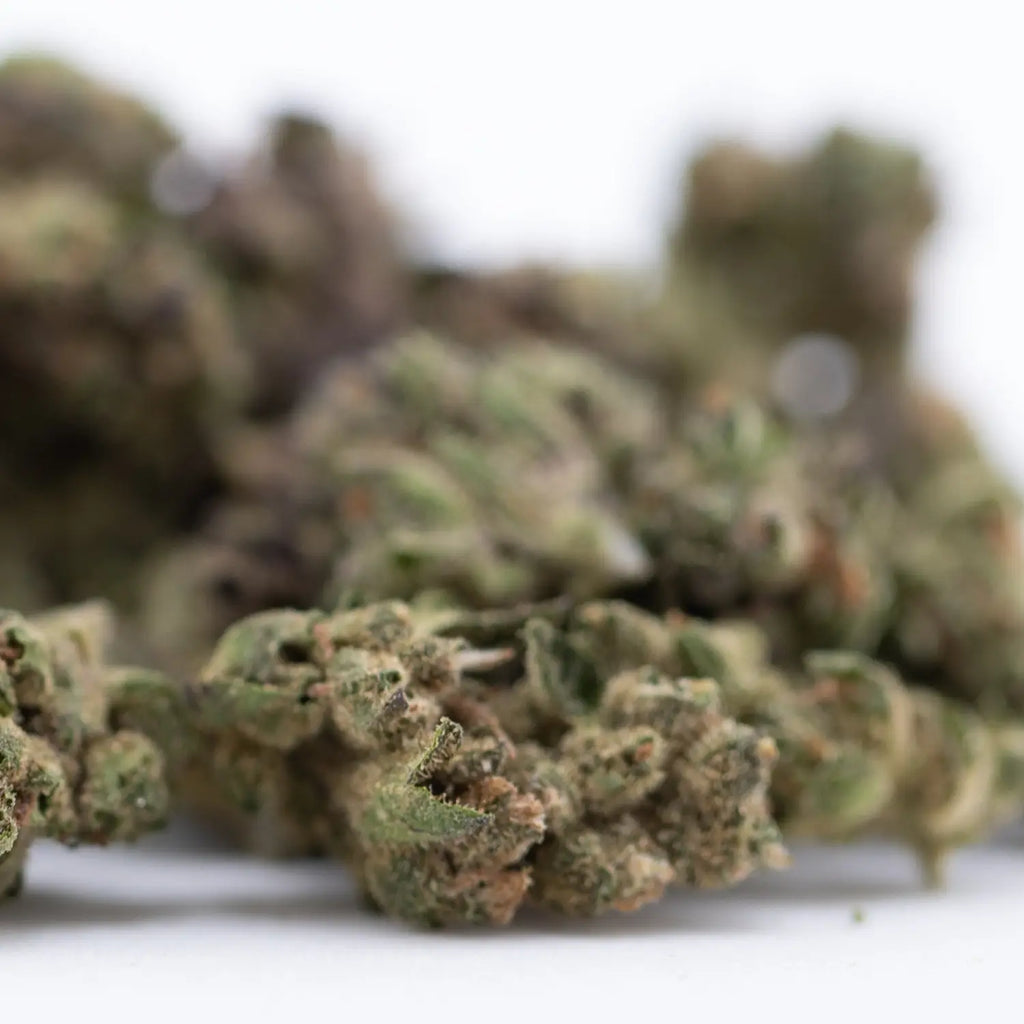
On the opposite end of the spectrum, THCA indica effects center around relaxation, physical relief, and sedation—making them the go-to choice for evening use and therapeutic applications.
Typical Indica Effects
THCA indica strains characteristically produce:
- Deep Relaxation: Profound muscle relaxation and physical ease
- Sedation: Drowsiness and sleep-promoting effects
- Body High: Sensation of heaviness and physical comfort
- Appetite Stimulation: Strong "munchies" effect
- Mental Calm: Reduced racing thoughts and mental quieting
- Pain Relief: Analgesic properties for various discomfort types
These qualities make THCA flower indica varieties ideal for nighttime use, pain management, stress relief, and conditions requiring sedation.
Best Uses for THCA Indica
Consider best THCA indica strains when you need:
- Evening or nighttime consumption
- Sleep assistance
- Chronic pain management
- Muscle tension and spasm relief
- Stress and anxiety reduction
- Appetite stimulation
- Physical relaxation after exercise
Terpene Profiles in Indica Strains
THCA indica strains typically feature sedating, relaxing terpenes:
Myrcene: Earthy, musky aroma strongly associated with sedation, muscle relaxation, and the "couch-lock" effect. The most abundant terpene in many indica varieties.
Linalool: Floral, lavender-like scent linked to anxiety relief, sedation, and sleep promotion. Also found in lavender essential oil.
Caryophyllene: Spicy, peppery aroma with anti-inflammatory properties and potential anxiety-reducing effects.
Medical Benefits of THCA Indica
Patients exploring THCA sativa vs indica for sleep or pain typically find high THCA indica more beneficial for:
- Insomnia: Sedating effects promote sleep onset and duration
- Chronic Pain: Strong analgesic properties for various pain conditions
- Anxiety Disorders: Calming effects reduce anxious thoughts and physical tension
- Muscle Spasms: Muscle-relaxant properties ease spasticity
- Nausea: Anti-emetic effects settle upset stomachs
- PTSD: Sedating, anxiety-reducing qualities may help manage symptoms
Popular THCA Indica Strains
Best THCA indica varieties include:
- Granddaddy Purple: Classic indica producing deep relaxation and sleepiness
- Northern Lights: Legendary strain known for body-melting effects and pain relief
- Bubba Kush: Heavy indica offering powerful sedation and stress relief
- Purple Punch: Dessert-like strain with strong sleep-promoting properties
- Afghan Kush: Pure indica landrace delivering traditional indica effects
Explore our full THCA indica collection for premium indica options.
The Science Behind the Differences
While the sativa versus indica classification provides a useful framework, modern cannabis science reveals a more complex picture behind THCA sativa vs indica effects.
Role of Terpenes vs Cannabinoids
Emerging research suggests that terpene profiles may contribute more to strain effects than the sativa/indica classification alone. Two THCA flower strains with identical THC percentages can produce vastly different experiences based on their terpene compositions.
This "chemotype" approach focuses on chemical constituents rather than physical plant characteristics. A strain labeled indica might produce energizing effects if it contains stimulating terpenes like limonene and pinene, while a sativa with high myrcene content could feel sedating.
The Entourage Effect
The entourage effect describes how cannabinoids, terpenes, and other compounds work synergistically to produce effects greater than any single compound alone. This phenomenon explains why whole-plant THCA flower often provides more nuanced effects than isolated cannabinoids.
When you consume THCA sativa or indica flower, you're experiencing the combined influence of:
- THC (converted from THCA)
- Other cannabinoids (CBD, CBG, CBC, etc.)
- Terpenes (limonene, myrcene, pinene, etc.)
- Flavonoids and other plant compounds
Why Scientists Question Sativa/Indica Classification
Some cannabis researchers argue that the difference between THCA sativa and indica has become more cultural than scientific. Dr. Ethan Russo, a prominent cannabis researcher, suggests that chemotype (chemical profile) provides more accurate predictions of effects than traditional classification.
Factors challenging the sativa/indica framework include:
- Extensive hybridization making pure genetics rare
- Similar effects between some sativas and indicas with comparable terpene profiles
- Variation in growing conditions affecting final chemical composition
- Individual differences in endocannabinoid system response
Importance of Individual Body Chemistry
Perhaps most importantly, does THCA sativa or indica matter depends significantly on your unique endocannabinoid system, metabolism, tolerance, and biochemistry. What produces energizing effects for one person might feel sedating to another.
Factors influencing your response include:
- Endocannabinoid receptor density and distribution
- Metabolic enzyme variations
- Prior cannabis experience and tolerance
- Current medications and health conditions
- Set and setting (mindset and environment)
Choosing Between THCA Sativa and Indica
Given the complexities we've explored, how do you decide whether to buy THCA sativa or buy THCA indica online?
Questions to Ask Yourself
What time of day will I consume?
- Morning/afternoon: Lean toward THCA sativa
- Evening/nighttime: Consider THCA indica
What do I want to accomplish?
- Productivity, creativity, socializing: Sativa varieties
- Relaxation, sleep, pain relief: Indica varieties
What effects do I want to avoid?
- Don't want sedation: Avoid high-myrcene indicas
- Don't want anxiety or racing thoughts: Lower doses of sativas or try indicas
Do I have any specific health conditions?
- Sleep issues: THCA sativa vs indica for sleep favors indica
- Depression/fatigue: Sativa typically more beneficial
- Anxiety: Individual response varies; THCA sativa vs indica for anxiety requires personal experimentation
Time of Day Considerations
The timing of consumption significantly impacts strain selection:
Daytime Use: THCA sativa strains won't typically interfere with daily responsibilities. Their energizing effects can enhance activities like exercise, creative work, or social engagement.
Evening Use: THCA indica strains align with natural circadian rhythms, promoting relaxation as your body prepares for sleep.
Transitional Periods: Balanced hybrid strains offer middle-ground effects suitable for afternoon use or situations requiring both relaxation and alertness.
Desired Effects Checklist
Rate the importance of these effects to guide your selection:
Prioritize Sativa if you want:
- ✓ Energy and alertness
- ✓ Creative inspiration
- ✓ Mood elevation
- ✓ Social enhancement
- ✓ Focus and concentration
Prioritize Indica if you want:
- ✓ Physical relaxation
- ✓ Sleep assistance
- ✓ Pain relief
- ✓ Appetite stimulation
- ✓ Anxiety reduction
- ✓ Muscle tension relief
Starting Low and Slow for Beginners
Regardless of whether you choose THCA sativa or indica, begin with low doses to assess your response:
- Start with 1-2 inhalations if smoking or vaping
- Wait 15-30 minutes to gauge effects
- Gradually increase in small increments if desired effects haven't materialized
- Keep a journal noting strain names, doses, and experienced effects
- Experiment systematically with different varieties to identify preferences
Remember, you can always consume more, but you can't un-consume what you've already taken.
Hybrid THCA Strains: The Best of Both Worlds
The sativa versus indica dichotomy overlooks a massive category: hybrids. Most modern THCA flower represents hybrid genetics combining characteristics from both families.
What Are Hybrids?
Hybrid strains result from crossbreeding THCA sativa and THCA indica genetics. Breeders create hybrids to:
- Combine desirable traits from both types
- Balance effects for versatile applications
- Improve cultivation characteristics
- Enhance specific terpene profiles
- Optimize potency and yield
Sativa-Dominant Hybrids
THCA sativa dominant strains (typically 60-90% sativa genetics) lean toward energizing effects while incorporating some indica relaxation. These varieties offer:
- Primary uplifting, cerebral effects
- Subtle physical relaxation
- Reduced anxiety potential compared to pure sativas
- Balanced duration and intensity
Popular examples include Blue Dream, Pineapple Express, and Trainwreck.
Indica-Dominant Hybrids
THCA indica dominant varieties (60-90% indica genetics) emphasize relaxation while maintaining some mental clarity. Benefits include:
- Strong physical relaxation without complete sedation
- Mental calmness with less "couch-lock"
- Pain relief with maintained functionality
- Balanced appetite stimulation
Examples include Girl Scout Cookies, Wedding Cake, and Gelato.
Balanced Hybrids
50/50 hybrids attempt to equilibrate THCA indica vs sativa effects, offering truly versatile experiences suitable for various situations and times of day. These strains provide:
- Moderate mental and physical effects
- Flexibility for different activities
- Reduced likelihood of unwanted side effects
- Broad therapeutic applications
Notable balanced hybrids include Gorilla Glue #4, White Widow, and OG Kush.
Explore our diverse selection of hybrid THCA strains alongside pure sativas and indicas.
Frequently Asked Questions About THCA Sativa vs Indica
Is THCA Sativa or Indica Stronger?
Neither THCA sativa nor indica is inherently "stronger"—potency depends on THCA percentage and overall chemical profile rather than classification. Both categories include high-potency and low-potency strains.
That said, indica strains might feel stronger to some users because their sedating effects are more physically noticeable than sativa's cerebral stimulation. What's the difference between THCA sativa and indica in terms of strength comes down to individual response and chemical composition rather than the label itself.
Can THCA Sativa Help with Anxiety?
The relationship between THCA sativa and anxiety is complex and highly individual. Some people find that low doses of THCA sativa strains reduce social anxiety and elevate mood without sedation. However, higher doses or sensitive individuals may experience increased anxiety, racing thoughts, or paranoia.
For anxiety management, many users prefer THCA indica varieties with calming terpenes like linalool and myrcene. If exploring THCA sativa vs indica for anxiety, start with very low doses and consider consulting healthcare professionals.
Will THCA Indica Make Me Sleepy?
Most THCA indica strains do produce sedating effects, especially varieties high in myrcene terpene. This makes them excellent choices when exploring THCA sativa vs indica for sleep. However, individual responses vary—some people experience relaxation without drowsiness, while others feel profoundly sleepy.
Dose also matters: low doses might produce relaxation, while higher doses of high THCA indica typically cause more pronounced sedation. If sleepiness is your goal, indica strains are generally your best bet.
How Do I Know if THCA Flower Is Sativa or Indica?
Determining whether THCA flower is sativa or indica involves several indicators:
Labeling: Reputable vendors clearly mark products as THCA flower sativa, THCA flower indica, or hybrid.
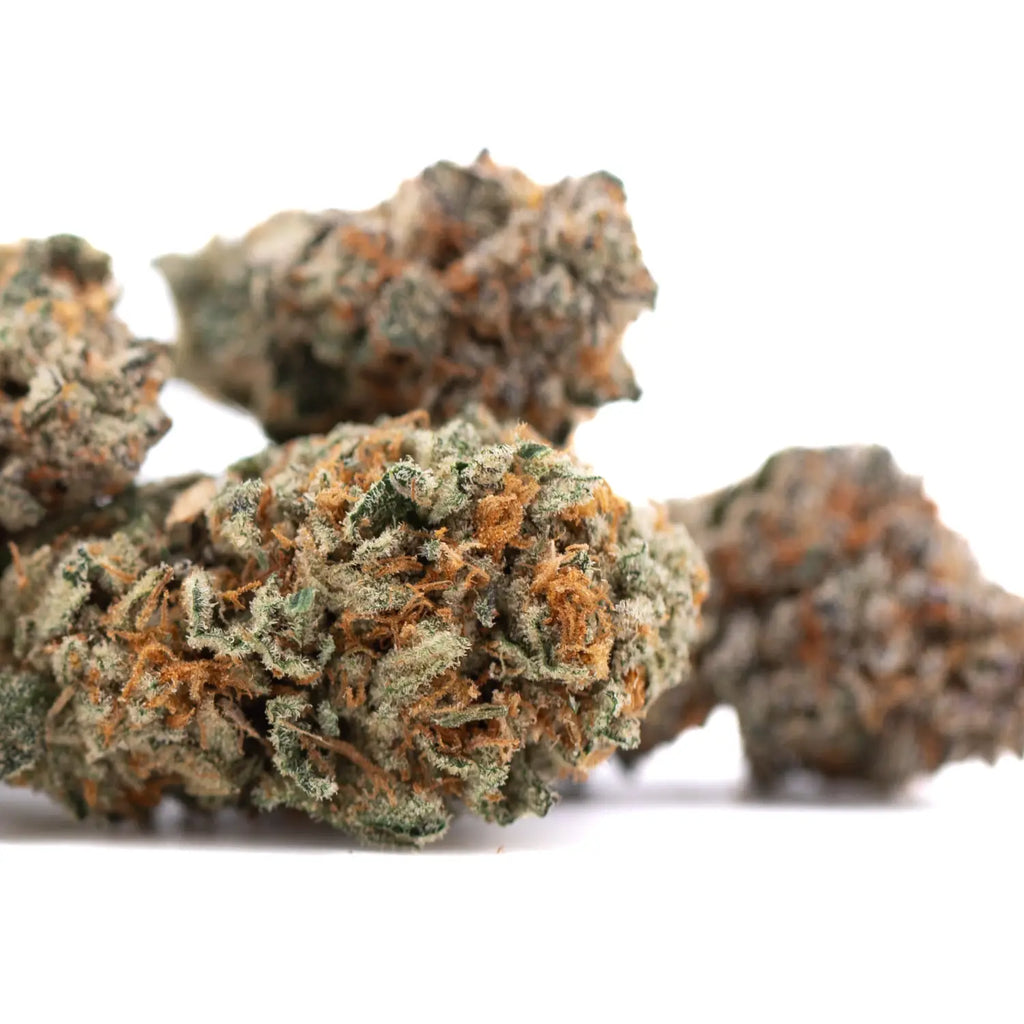
Physical appearance: Sativa buds tend toward lighter colors and airier structure, while indica buds are typically denser and darker.
Aroma profile: Fruity, citrus scents often indicate sativa, while earthy, musky aromas suggest indica.
Lab reports: Certificate of Analysis documents showing terpene profiles provide the most accurate classification based on chemistry rather than appearance.
Strain name research: Looking up specific strain genetics reveals lineage and expected effects.
Does THCA Sativa or Indica Have More THC?
The THCA percentage (which converts to THC when heated) varies by individual strain rather than category. Both THCA sativa and indica varieties can range from 15-35%+ THCA content.
Does THCA sativa or indica matter for potency? Not significantly—focus on lab-tested THCA percentages and overall cannabinoid/terpene profiles rather than classification alone. Some of the highest-testing cannabis strains are indicas, while others are sativas; the category doesn't determine potency.
Conclusion: Finding Your Perfect THCA Strain
Understanding the difference between THCA sativa and indica empowers you to make informed choices aligned with your goals, schedule, and individual body chemistry. While the traditional classification provides a helpful starting framework, remember that modern cannabis science reveals a more nuanced reality influenced by terpenes, cannabinoids, and individual response.
Key Takeaways:
- THCA sativa strains typically offer energizing, uplifting, focus-enhancing effects ideal for daytime use, creativity, and social situations
- THCA indica varieties generally provide relaxing, sedating, pain-relieving effects perfect for evening use, sleep, and physical discomfort
- Terpene profiles significantly influence effects—sometimes more than sativa/indica classification
- Hybrid strains offer versatile middle-ground options combining characteristics from both families
- Individual body chemistry determines your unique response, making personal experimentation essential
Whether you're seeking THCA sativa near me or THCA indica near me, we encourage you to:
- Start with small doses to assess your response
- Keep detailed notes about strain names and experienced effects
- Consider time of day and desired outcomes when selecting varieties
- Experiment with different terpene profiles to discover preferences
- Consult healthcare providers if using for medical purposes
Ready to explore the world of premium THCA hemp flower sativa and THCA hemp flower indica strains? Browse our carefully curated THCA flower collection featuring lab-tested, high-quality varieties suited for every preference and purpose.
Your perfect strain awaits—whether you're team sativa, team indica, or somewhere beautifully in between.


