


THCA vs CBD: How These Two Cannabinoids Compare
If you've spent any time browsing hemp products lately, you've probably noticed two names showing up everywhere — THCA and CBD. Both cannabinoids come from the same plant, both are federally legal under the 2018 Farm Bill, and both have built serious followings among hemp consumers. But the difference between THCA and CBD is significant enough that choosing the wrong one for your goals can leave you underwhelmed — or worse, caught off guard by an effect you weren't expecting.
This isn't a surface-level comparison. This guide goes deep on chemistry, effects, therapeutic potential, legal considerations, product types, and real-world use cases so you can walk away with a clear picture of exactly where each cannabinoid fits in your life. Whether you're brand new to hemp or a seasoned CBD user who keeps hearing about THCA, this THCA and CBD comparison will give you everything you need to decide.
What Is THCA? A Closer Look at the Precursor Cannabinoid
THCA stands for tetrahydrocannabinolic acid. It's the raw, acidic form of THC that develops naturally in the trichomes of the hemp and cannabis plant during growth. In fresh, unheated flower, nearly all of the potential THC exists in this acidic form. The plant doesn't actually produce Delta-9 THC directly — it produces THCA, which then converts to THC under the right conditions.
That conversion process is called decarboxylation. When THCA is exposed to heat — through smoking, vaping, baking, or even prolonged exposure to sunlight — it loses a carboxyl group (CO₂) and transforms into psychoactive Delta-9 THC. The chemistry is clean and reliable: THCA becomes THC when heated, period.
In its raw, undecarboxylated state, THCA does not bind meaningfully to CB1 receptors in the brain. This means that if you were to eat raw THCA flower without heating it, you would not experience intoxication. However, because virtually every common consumption method — smoking, vaping, dabbing — involves heat, THCA in practice functions as a direct THC precursor for most users.
This is exactly why THCA flower has exploded in the legal hemp market. Under the 2018 Farm Bill, hemp is defined as cannabis containing no more than 0.3% Delta-9 THC by dry weight. THCA is not Delta-9 THC — it's a distinct cannabinoid — so hemp flower high in THCA can pass federal lab testing as compliant while still delivering a full THC experience once combusted or vaporized. For consumers in states without recreational or medical cannabis access, THCA hemp flower has effectively bridged that gap.
You can browse compliant THCA flower options and see current strains available through legal hemp channels.
How THCA Develops in Hemp Plants
THCA is biosynthesized from CBGA — cannabigerolic acid — often called the "mother cannabinoid." Through enzymatic processes in the plant, CBGA converts to THCA-A (the dominant form), CBDA, and CBCA depending on which enzymes are expressed. Genetics, growing conditions, harvest timing, and curing all influence how much THCA a particular strain accumulates.
High-THCA hemp strains are selectively bred to maximize THCA content while keeping Delta-9 THC below the legal threshold. Modern genetics have produced strains exceeding 20–25% THCA, making them virtually indistinguishable in potency from traditional dispensary cannabis once consumed.
What Is CBD? Understanding the Non-Intoxicating Heavyweight
CBD — cannabidiol — is the cannabinoid that put hemp on the map. After decades of obscurity, CBD broke into mainstream consumer awareness around 2017–2019 and triggered a wave of product innovation that brought hemp into gas stations, pharmacies, and wellness stores nationwide.
Like THCA, CBD develops from CBGA through a separate enzymatic pathway. It exists in raw hemp as CBDA (cannabidiolic acid) and converts to CBD through decarboxylation. Unlike THCA, however, CBD does not convert to any psychoactive compound when heated. Whether you smoke it, vaporize it, eat it, or apply it topically, CBD remains non-intoxicating.
CBD interacts with the body's endocannabinoid system (ECS) through a different mechanism than THC. Rather than directly activating CB1 and CB2 receptors, CBD modulates those receptors, inhibits certain enzymes (particularly FAAH, which breaks down endocannabinoids), and interacts with a wide range of non-ECS receptors including serotonin (5-HT1A), TRPV1 (pain and inflammation), and GPR55. This broad pharmacological profile helps explain why CBD has shown therapeutic potential across such a diverse range of conditions.
The non-intoxicating nature of CBD made it uniquely appealing to consumers who wanted the benefits of hemp without any impairment. It became the go-to cannabinoid for daytime use, workplace wellness, and demographics — parents, seniors, professionals — who were interested in hemp but had no desire for a high.
For a full selection of hemp CBD flower, including high-CBD strains bred for wellness-focused consumption, you can explore current available options.
CBD vs THCA: Effects Comparison
This is where the cbd vs thca conversation gets most interesting — and where the divergence is sharpest.
CBD Effects Profile
CBD produces no intoxication at any dose. The effects most commonly reported by CBD users include:
- Generalized calm and reduced anxiety — the most universally reported benefit
- Mild physical relaxation — muscle tension reduction without sedation at moderate doses
- Improved sleep quality — particularly in users whose poor sleep is driven by anxiety or pain
- Subtle mood elevation — not euphoria, but a sense of ease and steadiness
- Pain and inflammation reduction — especially with consistent long-term use
Most CBD users describe the effect as "feeling more like yourself" rather than altered. There's no impairment, no intoxication, and no cognitive interference. You can take CBD in the morning before a meeting, in the afternoon between tasks, or at night before bed without dramatically shifting your functional state.
THCA Effects Profile (Post-Decarboxylation)
Once heated and converted to THC, THCA delivers the full classic cannabis effect profile:
- Euphoria and elevated mood — the characteristic THC "high"
- Heightened sensory perception — food tastes better, music sounds richer
- Mental relaxation ranging from mild to deep sedation depending on strain and dose
- Appetite stimulation — significant for users dealing with nausea or poor appetite
- Creativity and altered thought patterns — some users report enhanced focus; others experience distraction
- Pain relief — often stronger and faster-acting than CBD for acute pain
THCA, once converted, is psychoactive. It impairs driving and complex task performance. It can produce anxiety or paranoia at high doses, particularly in inexperienced users or those with THC sensitivity. It is not a cannabinoid you can consume before work unless your work specifically accommodates it.
The Core Distinction
When people ask is THCA better than CBD, the honest answer is: it depends entirely on what you're trying to accomplish. THCA wins decisively for anyone who wants psychoactive effects. CBD wins decisively for anyone who needs to remain fully functional. Neither is universally superior — they serve different purposes, and treating them as competing options is somewhat misleading.
THCA vs CBD Legal Status: What You Need to Know
Legal status is a critical factor in the thca vs cbd conversation, and the landscape is more nuanced than it appears at first glance.
Federal Status
Under the 2018 Farm Bill, hemp and hemp derivatives are federally legal as long as the plant and finished products contain no more than 0.3% Delta-9 THC on a dry weight basis. Both CBD and THCA derived from compliant hemp plants fall within this framework — CBD because it's non-intoxicating and non-THC, THCA because it's technically not Delta-9 THC.
This framework is what enabled the legal hemp market to grow to its current scale. THCA flower, in particular, exploits a straightforward gap: lab tests measure Delta-9 THC content, not THCA content, meaning a flower with 22% THCA and 0.2% Delta-9 THC passes as federally compliant hemp.
State-Level Variation
CBD has achieved near-universal acceptance at the state level. Very few states restrict CBD flower or CBD products in meaningful ways, and most have embraced it as a wellness supplement category.
THCA faces more friction. Several states have passed or proposed legislation specifically targeting high-THCA hemp products, recognizing that THCA converts to psychoactive THC upon use. States including Arkansas, Hawaii, Minnesota (under certain rules), and others have moved to restrict or ban THCA flower and concentrates. This regulatory picture continues to shift.
If you live in a state with active cannabis or hemp regulatory activity, always verify current local law before purchasing THCA products. The federal legality of hemp-derived THCA does not automatically override state restrictions.
The 2026 Total THC Rule Discussion
An ongoing policy debate in the hemp industry involves shifting from measuring "Delta-9 THC" to measuring "total THC" (which would include THCA after decarboxylation). If a total THC standard were adopted, most high-THCA hemp flower would fail compliance testing. Industry stakeholders have been actively lobbying against this approach, and the outcome remains uncertain. It's worth monitoring if THCA is central to your purchasing decisions.

CBD Flower vs THCA Flower: Product-Level Comparison
CBD flower vs THCA flower is one of the most searched product comparisons in the hemp market right now, and for good reason. Let's break down how they actually compare as physical products.
Appearance and Aroma
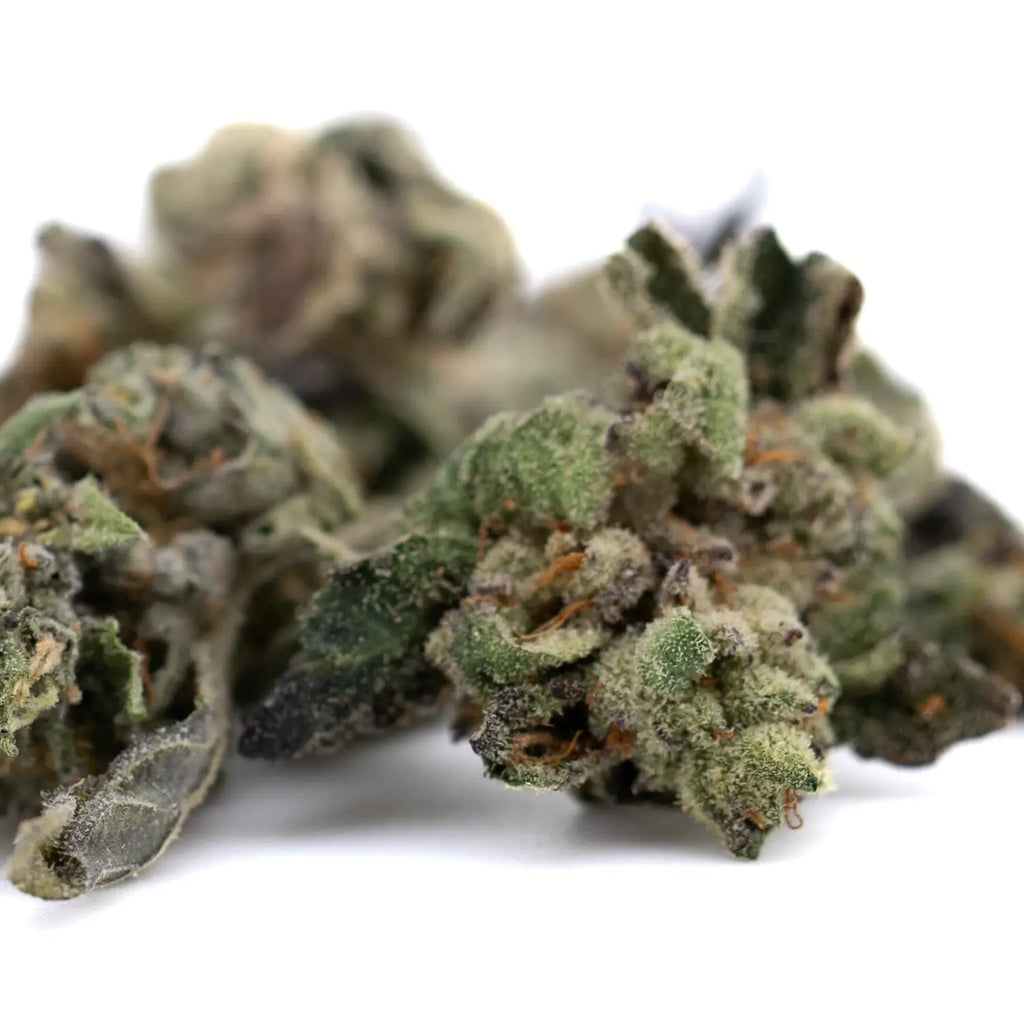
At a glance, high-quality CBD flower and high-quality THCA flower are essentially indistinguishable. Both feature dense buds, rich terpene expression, visible trichome coverage, and strain-specific color variation. A lab test is the only reliable way to tell them apart without knowing the source.
Aroma profiles overlap considerably since the terpenes responsible for smell — myrcene, limonene, caryophyllene, linalool, and others — are present in both types. Some THCA strains have been specifically bred for terpene complexity that rivals or exceeds legacy cannabis genetics.
Consumption Methods
Both CBD flower and THCA flower can be smoked, vaporized, used to make edibles, or incorporated into topicals. The key difference is what happens when you apply heat:
- CBD flower produces calming, non-intoxicating effects regardless of method
- THCA flower produces psychoactive effects via smoking, vaping, or cooking (when heat decarboxylates the THCA), but would theoretically be non-intoxicating if consumed raw
In practice, raw consumption of THCA flower is uncommon. The overwhelming majority of users smoke or vape it, which means they're consuming it as a THC delivery mechanism.
Price Points
High-THCA flower typically commands a premium over CBD flower, reflecting both the genetics involved and the market demand for its effects. That said, the legal hemp market has become increasingly competitive, and pricing for quality THCA flower has become more accessible as more cultivators have entered the space.
Browse THCA flower and CBD hemp flower side by side to compare current pricing and availability.
THCA CBD Benefits: Therapeutic Potential Explored
The thca cbd benefits conversation is important to understand from multiple angles — THCA's raw form, THCA's converted (THC) form, and CBD each have distinct research profiles.
CBD Therapeutic Research
CBD is the more extensively researched of the two, in large part because it doesn't produce intoxication and therefore faces fewer research barriers.
Anxiety and stress: Multiple clinical studies and systematic reviews have found CBD effective at reducing anxiety in social situations, generalized anxiety contexts, and PTSD. Its mechanism via 5-HT1A serotonin receptors is well characterized.
Epilepsy: The FDA approved Epidiolex, a purified CBD oral solution, for treatment-resistant epilepsy syndromes including Dravet syndrome and Lennox-Gastaut syndrome. This represents the most robust clinical validation any cannabinoid has received.
Sleep: CBD has shown promise for improving sleep quality, particularly in patients whose insomnia is secondary to anxiety or pain. Evidence for primary insomnia is less conclusive.
Inflammation and pain: Preclinical research strongly supports CBD's anti-inflammatory properties via multiple pathways. Human clinical trial data is more limited but generally supportive for specific conditions like arthritis.
Neuroprotection: CBD has demonstrated neuroprotective properties in preclinical models, with potential relevance to conditions involving neuroinflammation.
THCA (Raw Form) Therapeutic Research
Raw THCA — before decarboxylation — has its own emerging research profile that's distinct from both CBD and THC:
Anti-inflammatory activity: Early research suggests THCA has COX-1 and COX-2 inhibitory properties similar to NSAIDs, making it potentially valuable for inflammatory conditions without the psychoactive effects of THC.
Neuroprotection: THCA has shown neuroprotective effects in cell and animal models, with preliminary indications of relevance to neurodegenerative conditions.
Anti-nausea: Some preclinical data suggests THCA may reduce nausea and vomiting through mechanisms distinct from THC.
Anti-proliferative: Early research on THCA's potential anti-proliferative effects in certain cell lines has been published, though this research is highly preliminary.
THC (Decarboxylated THCA) Therapeutic Use
Once THCA converts to THC, the therapeutic profile shifts to the well-documented applications of Delta-9 THC:
- Chronic pain — among the most researched and supported applications
- Nausea and vomiting — FDA-approved synthetics (dronabinol, nabilone) are THC-based
- Appetite stimulation — critical for patients with cancer, HIV/AIDS, and eating disorders
- Multiple sclerosis spasticity — well-supported by clinical evidence
- Sleep — effective for sleep onset but with some evidence of REM suppression with chronic use
For consumers dealing with chronic pain, severe sleep disruption, or conditions requiring strong appetite stimulation, hemp cbd vs thca frequently resolves in favor of THCA flower for the THC effects it produces. For everyday wellness management without intoxication, CBD remains highly effective and broadly accessible.
Choosing THCA or CBD: A Decision Framework
Choosing thca or cbd doesn't have to be complicated. Here's a structured way to think through the decision based on your actual needs.
Choose CBD If...
You need to stay fully functional throughout the day. CBD will not impair driving, complex work tasks, or professional performance. It's the cannabinoid for people who want hemp benefits during active hours.
You're new to cannabinoids. CBD's non-intoxicating profile makes it a forgiving entry point. There's no risk of an overwhelming psychoactive experience, and effects are subtle enough that most people can calibrate their dose without difficulty.
You live in a state with THCA restrictions. CBD faces virtually no state-level barriers. If local regulations are uncertain or restrictive around THCA, CBD is the friction-free option.
Your primary goals are anxiety management, general wellness, or mild anti-inflammatory support. CBD's research profile is strongest in these areas, and its effects match these goals well.
You're subject to drug testing. While CBD itself shouldn't produce a positive drug test, high-quality CBD flower is worth using with awareness that cross-contamination with trace THC is possible. THCA flower, once smoked, will absolutely produce a positive drug test for THC metabolites.
Choose THCA If...
You want psychoactive effects. This is the primary differentiator. If you're looking for the experience associated with traditional cannabis — the high, the euphoria, the sensory enhancement — THCA flower is the tool.
You're dealing with significant pain, poor appetite, or serious sleep issues. THC's effects on these conditions are more powerful than CBD's for most users.
You prefer smokable flower as your consumption format. THCA flower is, in practical terms, smokable cannabis available through legal hemp channels. If that's your preferred format, THCA delivers the experience.
You're in a legal state and want the strongest option available through hemp. THCA flower from quality cultivators can match the potency of dispensary flower at competitive prices.
Consider Using Both
Many experienced hemp consumers incorporate both cannabinoids into their routine in a complementary pattern:
- Morning/afternoon: CBD products for baseline wellness support, stress management, and functional clarity
- Evening/night: THCA flower for relaxation, sleep support, and unwinding from the day
This two-track approach maximizes the distinct strengths of each cannabinoid while minimizing the limitations of relying on either one exclusively.
User-Focused FAQ: THCA vs CBD Common Questions
Will THCA show up on a drug test?
Yes. When THCA is smoked or vaped, it converts to THC, which is metabolized into THC-COOH — the compound detected by standard urine drug tests. If you're subject to workplace or legal drug testing, THCA flower is not a safe option. CBD products made from broad-spectrum or isolate formulations carry much lower risk, though full-spectrum CBD products with trace THC can occasionally cause issues with highly sensitive tests.
Can I take THCA and CBD together?
Yes, and many users do. THCA (raw, unheated) and CBD are compatible cannabinoids, and some research suggests cannabinoids can work synergistically. Products that combine multiple cannabinoids take advantage of what's called the entourage effect — the theory that cannabinoids and terpenes working together produce more nuanced effects than any single compound in isolation.
Is THCA flower just regular cannabis?
Functionally, for most users: yes. High-THCA hemp flower, when smoked, produces effects virtually identical to traditional cannabis. The distinction is legal and chemical — it's grown as hemp with Delta-9 THC under 0.3%, with THCA as the primary cannabinoid. The practical experience upon smoking is the same.
What's the strongest hemp cannabinoid available?
For psychoactive effects, high-THCA hemp flower is currently the most potent option available through legal hemp channels. THCA content in premium strains can exceed 25%, which puts it on par with strong dispensary flower in states where cannabis is legal.
Does CBD get you high at any dose?
No. CBD does not produce intoxication at any dose. High doses of CBD can cause drowsiness, but there is no dose at which CBD produces the euphoric high associated with THC. This is a fundamental property of the cannabinoid, not a dosing issue.
How long do the effects of each cannabinoid last?
CBD effects when smoked or vaped typically last 1–3 hours. Oral CBD (oils, edibles) can last 4–8 hours depending on metabolism. THCA, once converted to THC, follows the same duration profile as cannabis: 1–3 hours when inhaled, 4–8 hours or longer when consumed as an edible.
Can I travel with THCA flower?
Federal law and TSA rules are complicated here. Federally compliant hemp is legal to transport, but THCA's legal status varies by state, and TSA agents aren't necessarily equipped to distinguish between hemp THCA flower and illegal cannabis. The practical risk of traveling with THCA flower — particularly through airports — is higher than the risk with CBD products. Use your judgment and know the laws of your destination state.
What's the best way to start with THCA flower if I'm new to THC?
Start with a small amount — a single hit from a pipe or one brief draw from a vaporizer — and wait at least 15–20 minutes to assess how you feel before consuming more. THCA flower is potent, and new users are often surprised by how strong modern hemp-derived THCA can be. Having CBD on hand can help moderate effects if they become uncomfortable, as some evidence suggests CBD can temper THC's intensity.
Final Thoughts on the THCA vs CBD Debate
The cbd vs thca conversation isn't really about which cannabinoid is superior — it's about understanding what you actually want from hemp and picking the tool that delivers it. Both cannabinoids have earned their place in the market. CBD normalized hemp consumption for millions of people who had no interest in getting high. THCA has opened the door for consumers who want traditional cannabis effects through accessible legal channels.
What matters most is clarity about your own goals. If you want a clear head with wellness benefits, CBD is the right answer. If you want the full THC experience legally, THCA is the right answer. If you want both at different times, there's no rule against using both.
The hemp market has never had more high-quality options across both categories. Whether you're exploring THCA flower for the first time or building out a more intentional CBD hemp flower routine, the right product is out there — and now you have the framework to find it.


