


Is CBD Legal on a Federal Level in 2026?
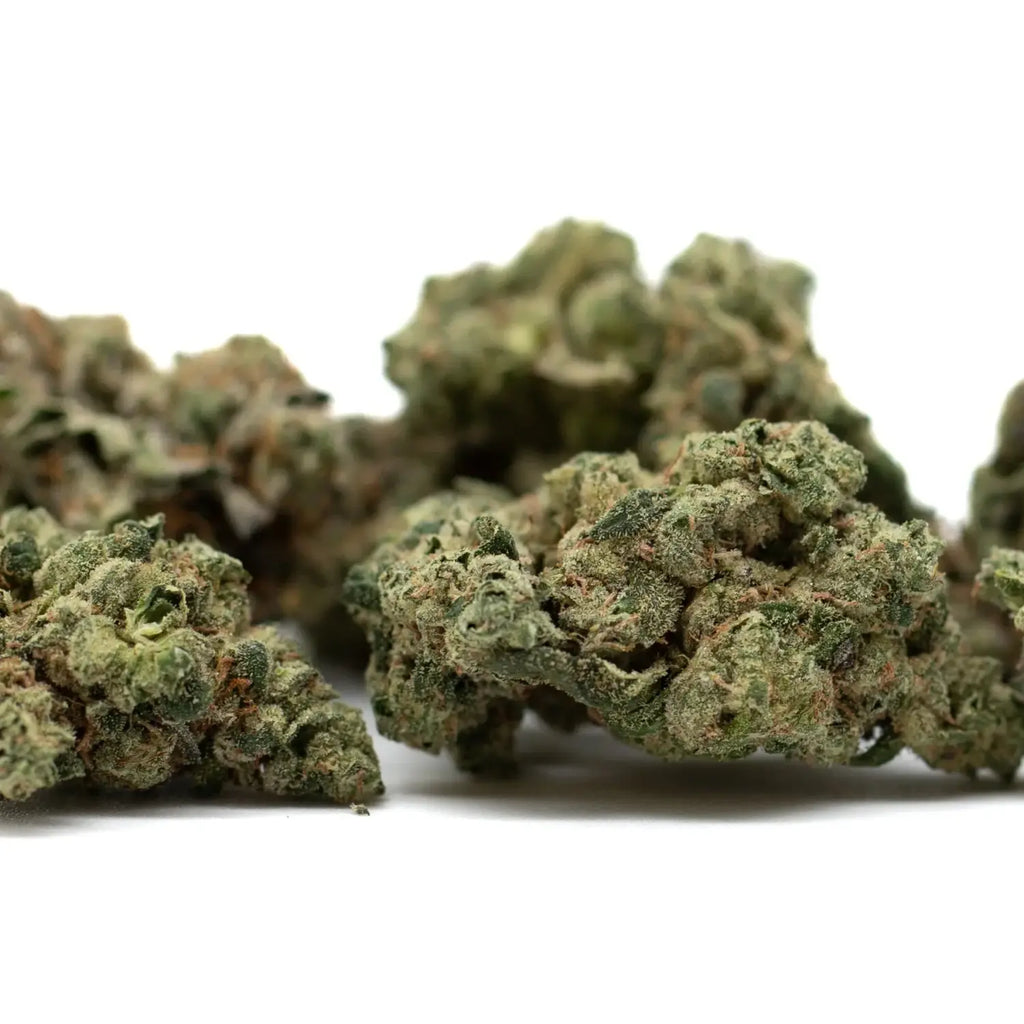
When people ask whether CBD is legal, they're often asking two separate questions without realizing it: Is CBD legal in my state? And is CBD legal under federal law? These are related but distinct questions, and the answers don't always point in the same direction — or tell the complete story.
In 2026, hemp-derived CBD is federally legal in the United States. That's the straightforward answer. But the complete answer is layered with regulatory nuance, evolving agency frameworks, and practical implications that every consumer, retailer, and hemp brand needs to understand before making decisions.
This guide covers the full federal legal landscape for CBD — from the foundational Farm Bill legislation that started it all to the DEA's current position, the FDA's ongoing regulatory activity, and what the 2026 Farm Bill means for the future of the hemp industry. Whether you're a first-time CBD buyer or a seasoned industry professional, understanding federal CBD law 2026 is essential.
The 2018 Farm Bill: The Foundation of Federal CBD Legality
To understand where federal CBD law stands today, you have to start at the beginning. The Agricultural Improvement Act of 2018 — universally known as the 2018 Farm Bill — is the foundational legislation that made hemp CBD federal status what it is today.
Before its passage, the situation for hemp and CBD was bleak. Hemp was classified as a Schedule I controlled substance under the Controlled Substances Act (CSA), lumped in categorically with marijuana regardless of its THC content. A hemp farmer growing industrial fiber crops, a CBD brand selling wellness products, and a marijuana cultivator were all treated identically under federal law. That classification made hemp-derived CBD technically illegal at the federal level even as individual states began passing their own hemp pilot programs and CBD-friendly legislation.
The 2018 Farm Bill fundamentally changed that landscape. Here's what it did:
Removed hemp from the CSA's definition of marijuana. This single change had enormous downstream effects. By definitionally separating hemp from marijuana at the federal level, Congress removed hemp and hemp-derived products from DEA jurisdiction for compliant products.
Established the legal definition of hemp. The Farm Bill defined hemp as cannabis sativa L. and any part of the plant, including seeds, derivatives, extracts, and cannabinoids, with a delta-9 THC concentration of no more than 0.3% on a dry weight basis. This 0.3% threshold became the bright line separating federally legal hemp from federally illegal marijuana.
Legalized the commercial production, sale, and transport of hemp. The 2018 Farm Bill didn't just permit hemp cultivation for research — it opened the door to full commercial production, processing, and retail sale of hemp and hemp-derived products including CBD.
Transferred regulatory authority over hemp cultivation to the USDA. The DEA no longer oversees compliant hemp farming. The U.S. Department of Agriculture took over licensing, oversight, and compliance frameworks for hemp cultivation programs.
Explicitly protected interstate commerce. A crucial provision of the 2018 Farm Bill stated that hemp and hemp products could not be prohibited in interstate commerce — meaning a compliant CBD product made in Oregon could legally be shipped and sold in Florida.
This legislation launched the modern CBD industry. Within months of passage, CBD products flooded retail shelves nationwide. The question of is hemp CBD legal federally had — for the first time — a clear affirmative answer.
What the 2026 Farm Bill Changes for CBD
The 2018 Farm Bill had a five-year lifespan and was due for renewal. Congressional debate was prolonged, and the bill went through multiple extension periods before a new version was finally passed. The Farm Bill CBD 2026 update maintains the core framework of its predecessor while introducing important changes that will shape the hemp industry for years to come.
Here's what the 2026 Farm Bill means specifically for CBD:
Core federal legality is preserved. The most important headline: hemp-derived CBD remains federally legal under the 2026 Farm Bill. The fundamental framework — hemp defined by the 0.3% delta-9 THC threshold, removed from the CSA, permitted in interstate commerce — is intact.
Updated THC testing standards. One of the most contentious debates leading into the 2026 Farm Bill was about delta-9 THC testing versus total-THC testing (which includes THCA when decarboxylated). The 2026 Farm Bill addresses this debate with clearer — though not universally simplified — guidance on compliant hemp testing methodology. This has significant implications for hemp flower and THCA products, but for standard CBD products well within the 0.3% threshold, it changes little.
Stronger oversight frameworks for cannabinoid products. The CBD Farm Bill 2026 version grants additional authority to both the USDA and FDA to regulate hemp-derived cannabinoid products, particularly those intended for ingestible use. This doesn't prohibit CBD — it establishes a more defined regulatory pathway for products like CBD gummies, capsules, and tinctures that have existed in a gray zone since 2018.
Continued interstate commerce protections. The federal right to ship hemp-derived CBD products across state lines is explicitly preserved. This remains one of the most commercially significant provisions for hemp brands operating nationally.
Hemp program continuity. State and tribal hemp programs continue to operate under USDA cooperative agreements, maintaining the state-federal framework that has allowed regional hemp industries to develop.
The bottom line on the 2026 Farm Bill: it does not eliminate or threaten federal CBD legality. What it does is signal that more comprehensive federal regulation of cannabinoid products — especially ingestible forms — is actively developing. Brands that have operated in regulatory gray areas should be preparing for a more defined compliance environment.
The DEA's Position on CBD in 2026
Few federal agencies carry more psychological weight for cannabis consumers than the Drug Enforcement Administration. Understanding DEA CBD policy in 2026 requires separating the DEA's historical role from its current jurisdiction.
Prior to the 2018 Farm Bill, the DEA had broad authority over all cannabis-derived substances. Hemp, marijuana, CBD, THC — all of it fell under DEA scheduling as Schedule I controlled substances. The Farm Bill dramatically curtailed that jurisdiction for compliant hemp products.
In 2026, the DEA's role in hemp-derived CBD can be summarized as follows:
Compliant hemp CBD is not under DEA jurisdiction. Hemp-derived CBD extracted from compliant hemp plants (below 0.3% delta-9 THC) is not a controlled substance under the CSA. The DEA does not have enforcement authority over these products.
Marijuana-derived CBD remains Schedule I. CBD extracted from marijuana plants — cannabis with more than 0.3% delta-9 THC — is still a Schedule I controlled substance under federal law, with the narrow exception of FDA-approved prescription drugs like Epidiolex (which is classified as Schedule V).
The synthetic conversion question. The DEA has issued guidance indicating that cannabinoids produced through synthetic chemical conversion from hemp — such as delta-8 THC chemically converted from CBD — may retain Schedule I status regardless of their hemp origin. This is a separate issue from CBD itself, which is directly extracted from hemp rather than synthetically produced, but it's part of the broader DEA framework consumers and brands should understand.
Criminal enforcement focus. The DEA's active enforcement focus remains on marijuana trafficking, not on compliant hemp CBD. Is CBD still legal federally under DEA authority? Yes — compliant hemp CBD is simply outside the DEA's enforcement scope.
The FDA and Federal CBD Regulation: The Ongoing Gray Zone
If the DEA question has been largely resolved for hemp-derived CBD, the FDA question is where most of the remaining federal regulatory uncertainty lives in 2026. Understanding the FDA's role is critical for any brand selling CBD products or any consumer wondering about the legal status of their CBD gummies or tinctures.
Here's the core tension: When the 2018 Farm Bill legalized hemp and CBD, it did not transfer FDA authority over food, drug, dietary supplement, and cosmetic regulation. The FDA retained full jurisdiction over how any ingredient — including CBD — is used in regulated product categories.
And the FDA had a problem with CBD from the start.
CBD is the active ingredient in Epidiolex, an FDA-approved prescription drug for certain seizure disorders. Under the Federal Food, Drug, and Cosmetic Act, a substance that is the active ingredient in an approved pharmaceutical drug generally cannot be marketed as a dietary supplement or added to food. This provision has been the FDA's primary basis for asserting that CBD cannot legally be sold in dietary supplements or food products.
In practice, this has created a strange situation: CBD gummies, tinctures, capsules, and CBD-infused beverages have been sold openly in retail stores nationwide since 2019, generating billions in revenue — while technically existing in a regulatory gray zone under FDA rules.
The FDA's enforcement approach has been notably restrained. Rather than pursuing broad categorical action against the CBD retail market, the FDA has focused enforcement on:
- Companies making unsubstantiated medical claims (e.g., "CBD cures cancer" or "CBD treats anxiety disorders")
- Products with significant labeling inaccuracies
- CBD products marketed directly to children
- Products combining CBD with other unapproved ingredients
In 2026, the FDA's regulatory posture has evolved in response to congressional pressure, industry growth, and public health data accumulation. The current framework includes explicit enforcement guidance distinguishing between tolerated retail CBD sales and prohibited health claim marketing, along with preliminary framework development for a formal ingestible hemp CBD regulatory pathway.
What this means practically:
For consumers: Buying and using hemp-derived CBD oil, gummies, or capsules carries essentially zero federal enforcement risk in 2026. The FDA is not pursuing individual consumers.
For retailers: Selling hemp CBD products is low-risk from a federal enforcement standpoint, provided products are compliant, labeled accurately, and not marketed with unsubstantiated health claims.
For brands and manufacturers: The era of completely unregulated CBD marketing is ending. A formal FDA framework for ingestible hemp CBD is in development, and brands that have built their marketing on health claims should be proactively repositioning.
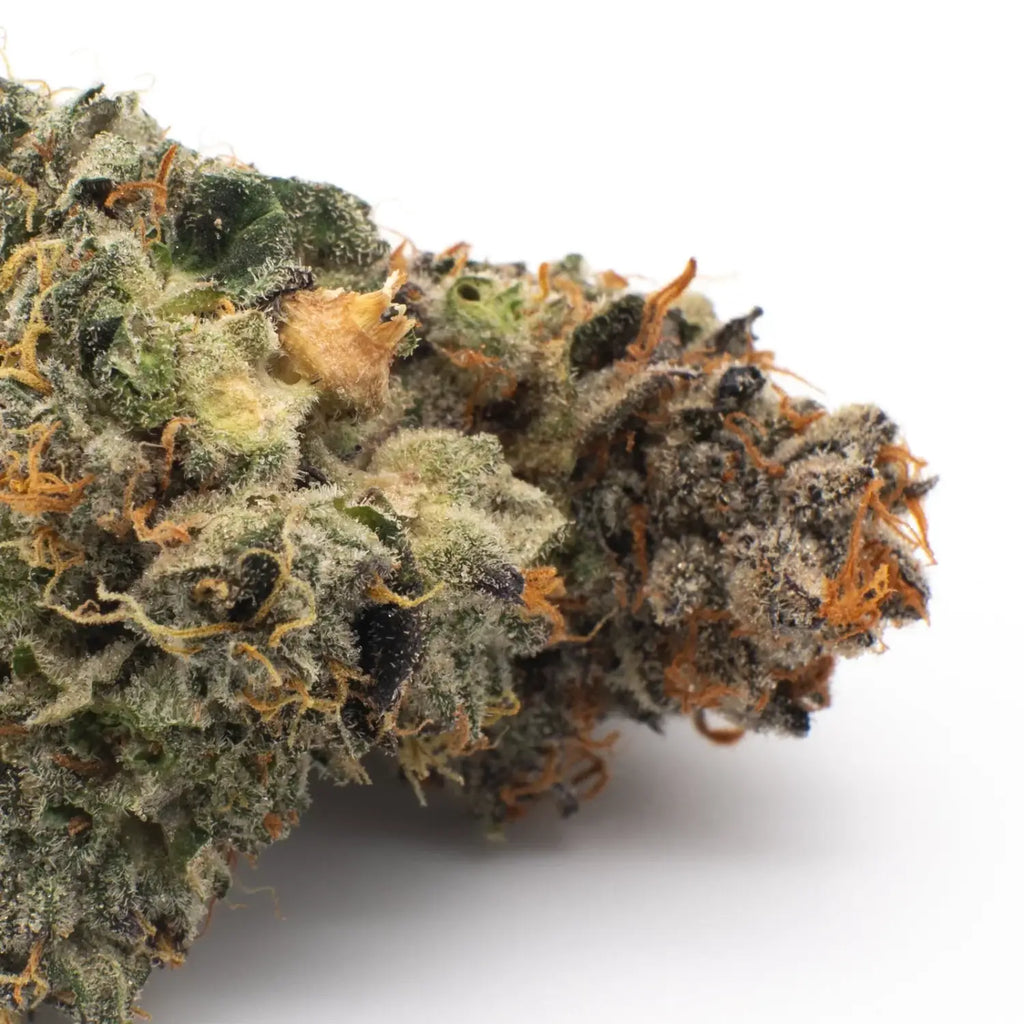
Federal Agencies and Their Roles in Hemp CBD Oversight
The federal oversight of federal hemp regulations involves multiple agencies with distinct but sometimes overlapping authority. Here's a clear breakdown:
USDA (U.S. Department of Agriculture) The USDA is the primary federal regulator of hemp as an agricultural crop. It oversees state and tribal hemp programs, issues hemp production rules, sets THC testing standards and protocols, and licenses hemp production. The USDA's Agricultural Marketing Service administers the federal hemp program.
FDA (Food and Drug Administration) The FDA regulates CBD as an ingredient in food, drugs, dietary supplements, and cosmetics. It has authority to take enforcement action against non-compliant labeling and health claims, inspects manufacturing facilities, and is currently developing a comprehensive regulatory framework for ingestible CBD products.
DEA (Drug Enforcement Administration) The DEA retains authority over marijuana and synthetically produced cannabinoids. For compliant hemp-derived CBD, the DEA has minimal active jurisdiction. It oversees any criminal enforcement involving cannabis products that cross from legal hemp status into controlled substance territory.
FTC (Federal Trade Commission) The FTC regulates advertising and marketing claims for CBD products. It has taken action against companies making false or misleading health claims, coordinating in some cases with FDA enforcement. CBD brands must comply with FTC truth-in-advertising standards.
CBP (U.S. Customs and Border Protection) CBP enforces federal law at U.S. borders and ports of entry. Marijuana-derived CBD cannot enter the country. Hemp-derived CBD must meet import documentation requirements, including certificates of analysis verifying THC compliance.
Understanding which agency has authority over which aspect of your CBD product or business is fundamental to federal hemp law 2026 compliance.
Is CBD a Controlled Substance in 2026?
This question — CBD schedule 1 status — comes up constantly and deserves a direct, clear answer.
Hemp-derived CBD is not a Schedule I controlled substance. It is not a Schedule I, II, III, IV, or V substance under federal law. The 2018 Farm Bill explicitly removed hemp and hemp derivatives — including CBD extracted from compliant hemp — from the CSA's definition of marijuana, which ended Schedule I classification for these products.
Marijuana-derived CBD remains Schedule I. This distinction matters. If CBD is extracted from a cannabis plant with more than 0.3% delta-9 THC, it retains Schedule I status federally, regardless of how much CBD the extract contains. The THC content of the source plant, not the CBD content of the extract, determines federal legal status.
Epidiolex is Schedule V. The FDA-approved CBD pharmaceutical for seizure disorders is scheduled separately as a Schedule V prescription drug — recognized as having accepted medical use but still requiring a prescription.
For practical purposes, is CBD federally legal when derived from compliant hemp? Yes. Unambiguously. Compliant hemp CBD is not controlled, not scheduled, and not subject to DEA enforcement.
Hemp CBD Federal Status: Practical Implications for Different Stakeholders
Understanding federal law hemp CBD at a conceptual level is useful. Understanding what it means for your specific situation is more useful still.
For Consumers
You can legally purchase, possess, and use hemp-derived CBD products anywhere in the United States without fear of federal prosecution. Federal law does not criminalize hemp CBD use. When you buy a CBD tincture, gummies, or topical from a licensed retailer, you are engaging in federally legal commerce.
The primary consumer risk is not legal — it's product quality. Because the FDA's regulatory framework for ingestible CBD is still developing, the market includes products with inaccurate labels, inconsistent potency, or undisclosed ingredients. Purchasing from brands that provide third-party certificates of analysis (COAs) is the best way to ensure you're getting what you're paying for.
For Retailers
Federal CBD legality means you can sell hemp-derived CBD products in your store. Federal law permits it, and compliant products in interstate commerce are protected. Your compliance obligations are:
- Ensure all products you stock are hemp-derived (not marijuana-derived)
- Verify THC compliance with COA documentation
- Avoid making or allowing health claims that go beyond FDA-permissible language
- Follow state-specific regulations that may add requirements beyond the federal baseline
For Hemp Brands and Manufacturers
Is hemp CBD legal federally from a manufacturing standpoint? Yes — and has been since 2018. But the regulatory environment is actively developing. Brands that established themselves in the post-2018 gray zone need to be building compliance infrastructure for the more regulated environment the 2026 Farm Bill signals is coming. This includes GMP manufacturing practices, accurate labeling, third-party testing programs, and marketing language that will survive FDA scrutiny.
For Employers
Federal law does not mandate drug testing for CBD use. Using hemp CBD is not a federal offense. However, there are important nuances:
- Federal contractors may be subject to federal drug-free workplace requirements, though these are typically focused on marijuana, not hemp CBD
- DOT-regulated workers (truck drivers, airline pilots, railroad employees) operate under federal safety regulations that may include drug testing — and full-spectrum CBD products can theoretically trigger a positive THC result on a drug test
- Private employers can implement their own drug testing policies regardless of federal CBD legality
Frequently Asked Questions About Federal CBD Legality in 2026
Is CBD legal under federal law in 2026?
Yes. Hemp-derived CBD is federally legal under the 2018 Farm Bill framework, which remains in effect and was updated — not reversed — by the 2026 Farm Bill. Compliant hemp CBD is not a controlled substance and is permitted in interstate commerce.
Can I travel with CBD across state lines?
Under federal law, transporting compliant hemp-derived CBD across state lines is legal. The 2018 and 2026 Farm Bills both explicitly protect interstate hemp commerce. Practically speaking, carrying documented, compliant CBD products is very low risk federally. Some states maintain their own restrictions on CBD products, so checking destination state law is still advisable.
Does the DEA regulate hemp CBD?
No. DEA CBD jurisdiction does not extend to compliant hemp-derived CBD. The Farm Bill removed hemp from DEA jurisdiction, and the agency's current enforcement focus is on marijuana and synthetically produced cannabinoids — not hemp CBD.
Can I buy CBD online and have it shipped to me?
Yes. Hemp-derived CBD can legally be sold online and shipped across state lines under federal law. This is one of the explicitly protected rights under the Farm Bill framework.
Will the FDA eventually regulate CBD supplements?
Almost certainly yes. The FDA has been developing a regulatory framework for ingestible hemp CBD products since 2019, and the 2026 Farm Bill's grant of additional FDA authority accelerates that timeline. The framework has not yet been finalized, but the direction of travel is toward more formal regulation, not deregulation.
What's the difference between hemp CBD and marijuana CBD under federal law?
The distinction is entirely based on the THC content of the source plant. CBD extracted from hemp (below 0.3% delta-9 THC) is federally legal. CBD extracted from marijuana (above 0.3% delta-9 THC) is a Schedule I controlled substance federally. Chemically, the CBD molecule is identical — the legality is determined by what it was extracted from.
Is CBD legal in all 50 states?
Federally, yes. At the state level, the vast majority of states permit hemp-derived CBD, but a small number maintain restrictions on specific product forms (like ingestible CBD). The federal baseline permits hemp CBD nationally, but individual states retain authority to impose additional restrictions.
The Bottom Line on Federal CBD Legality in 2026
CBD federal legality in 2026 is real, established, and stable for hemp-derived products. The 2018 Farm Bill's core framework holds, the Farm Bill CBD 2026 update preserves and builds on it, and hemp-derived CBD is definitively not a CBD controlled substance under federal law. The unresolved areas — primarily the FDA's ingestible CBD regulatory framework — are about commercial regulation, not criminality.
For most consumers and retailers, what federal hemp regulations mean in 2026 is this: you can buy, sell, and use hemp-derived CBD products with confidence. The federal legal foundation is solid. The regulatory environment is evolving toward more clarity, not less. And the days when is CBD federally legal was a genuinely uncertain question are firmly behind us.
If you're ready to explore high-quality, compliant hemp flower and hemp-derived CBD products, shop our full collection to see what federally legal hemp looks like in practice.


