


THCA Flower Colors Explained: What Each Shade Tells You About Quality
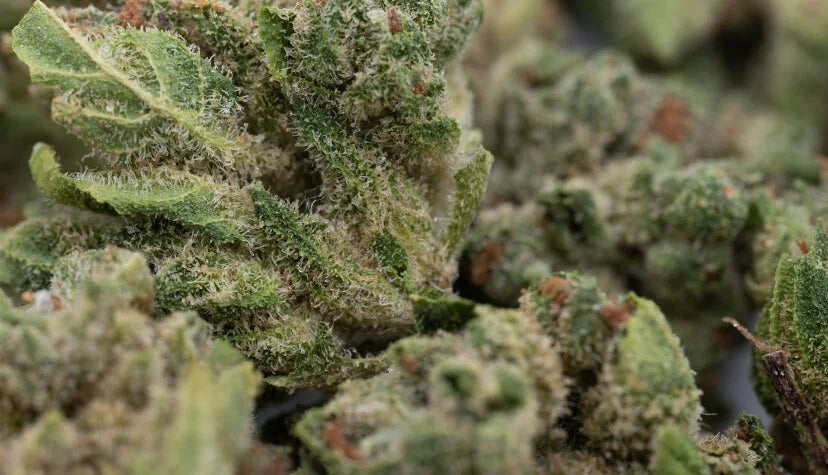
Walk into any hemp shop or scroll through any online THCA flower catalog and the first thing you notice is color. Some buds glow with deep, jewel-toned purple. Others sit in dense lime-green clusters dusted with so much white frost they look like they've been left out in a snowstorm. Some have vivid orange hairs threading through every crevice. Others come back from the farm a darker, more muted olive green.
Most buyers instinctively respond to color — but very few actually know what they're looking at. Is purple flower stronger? Does more orange mean better quality? What does it mean when your THCA flower looks pale or almost white? And when should color actually be a red flag?
This guide answers all of it. We're breaking down every major color in the THCA flower color spectrum — what causes it at the plant science level, what it signals about cultivation and curing, and how to use color as one tool in a broader quality assessment. By the end, you'll be able to look at a batch of THCA hemp flower and read it the way an experienced cultivator would — not just appreciating how it looks, but understanding what it's telling you.
Why THCA Flower Color Matters — and What It Can't Tell You
Before we get into specific colors, it's important to set the right expectations. Color is a meaningful THCA flower quality signal — but it is not a potency signal. This distinction matters enormously when you're buying THCA flower.
The cannabinoid content of a hemp flower — its THCA percentage, its terpene density, its overall chemical profile — cannot be read visually. A COA (certificate of analysis) from an accredited third-party lab is the only reliable way to verify potency. What color can tell you is a different set of information: how healthy the plant was during cultivation, whether it was harvested at the right time, how well it was cured, and how it's been stored since harvest.
Think of color as the plant's biography written in pigment. A deeply green, frost-covered bud with vivid orange pistils and accents of purple is telling you a story about a healthy plant, grown in the right conditions, harvested at peak maturity, and properly dried and cured. A pale yellow bud with brown pistils and little visible trichome coverage is telling a very different story — even if a lab test came back with acceptable numbers.
When you know how to judge THCA flower quality by color, you're not replacing lab data — you're adding a layer of visual intelligence that helps you identify premium batches before you ever open a COA.
The Three Pigment Systems That Control THCA Flower Color
THCA bud appearance is produced by three main pigment systems working together — and understanding each one gives you the foundation to interpret any color combination you encounter.
Chlorophyll is the photosynthetic pigment present in all plants, responsible for the green color that forms the baseline of all cannabis flower. Chlorophyll levels drop during the curing process, which is part of what causes the color shifts you see in properly dried and cured flower. A vibrant, rich green indicates healthy chlorophyll levels maintained through a well-managed grow and cure cycle.
Anthocyanins are water-soluble pigments found in the cell vacuoles of plant tissue. Anthocyanins produce the red, purple, and blue tones seen in certain strains. Their expression is triggered by cooler temperatures during the late flowering stage, by pH fluctuations in the growing medium, and by genetic predisposition. Critically, not all strains have the genetic capacity to express anthocyanins — purple flower is a cultivar characteristic, not something any plant can produce under the right conditions.
Carotenoids are the same family of pigments that make carrots orange and turn autumn leaves gold and yellow. In cannabis, carotenoids produce the gold, orange, and yellow tones seen in pistils, in some strains at harvest, and in aging or over-cured flower. Unlike anthocyanins, carotenoid expression in cannabis is largely genetic and is not significantly influenced by environmental temperature.
Understanding these three systems gives you the framework for every color discussion that follows in this guide.
Green — The Baseline Every Quality Bud Starts With
Green is the default. Cannabis is a plant, plants photosynthesize, and chlorophyll is what makes photosynthesis possible. Every healthy THCA flower begins its life as a green plant, and every high-quality bud you'll ever encounter will have green as its primary color — even if secondary colors like purple or orange dominate the visual impression.
The question when using any hemp flower color guide isn't whether your THCA flower is green. It's which shade of green, and what that specific shade communicates about how the plant was grown and cured.
Lime Green
Bright, almost neon lime green is often a sign of a young cure — flower that has been harvested relatively recently and hasn't had sufficient time for chlorophyll to fully break down through the curing process. Lime green buds can be excellent quality, particularly in strains that are known for naturally lighter coloration. The color itself isn't a problem. What you want to see alongside it is strong trichome coverage, healthy bud structure, proper moisture content (not crispy, not damp), and a fresh, full-terpene aroma.
Fresh lime green flower also tends to preserve terpenes well, which is why recently cured batches often have a more potent smell profile than flower that has been in storage for several months. If you're evaluating THCA hemp flower visual quality and the lime green is paired with heavy frost and a strong aroma, you're looking at a quality product.
Forest Green and Deep Green
Deep, rich forest green — the kind of vivid, saturated green you'd associate with fresh herbs or a healthy canopy — is generally considered the gold standard baseline for THCA flower. It communicates a well-nourished plant that completed its full growth cycle without major stress events, nutrient deficiencies, or environmental disruptions.
Deep green flower that also carries heavy trichome frost and vivid secondary colors like purple or orange is usually a premium cultivation outcome. When buyers ask what color should THCA flower be, "deep forest green with white trichome coverage and vivid secondary colors" is as close to a universal answer as the question has.
Olive Green or Muted Green
Olive green or dull, muted green tones can indicate several different things, and the cause matters when you're making a quality assessment. The plant may have experienced nutrient stress during late vegetative growth or early flower — phosphorus and magnesium deficiencies, in particular, are known to affect leaf color and can leave the bud material looking washed out. The flower may have been cured for an extended period, causing chlorophyll to break down more significantly than in freshly harvested material. Or the flower may have been exposed to light during storage, which degrades both chlorophyll and cannabinoids over time.
Olive green isn't automatically disqualifying. Certain strains naturally present with muted green tones. But it's a signal to look more closely at trichome health, inspect the aroma carefully for signs of degradation, and check when the batch was harvested and how it was stored.
Purple — The Premium Color and What It Actually Means
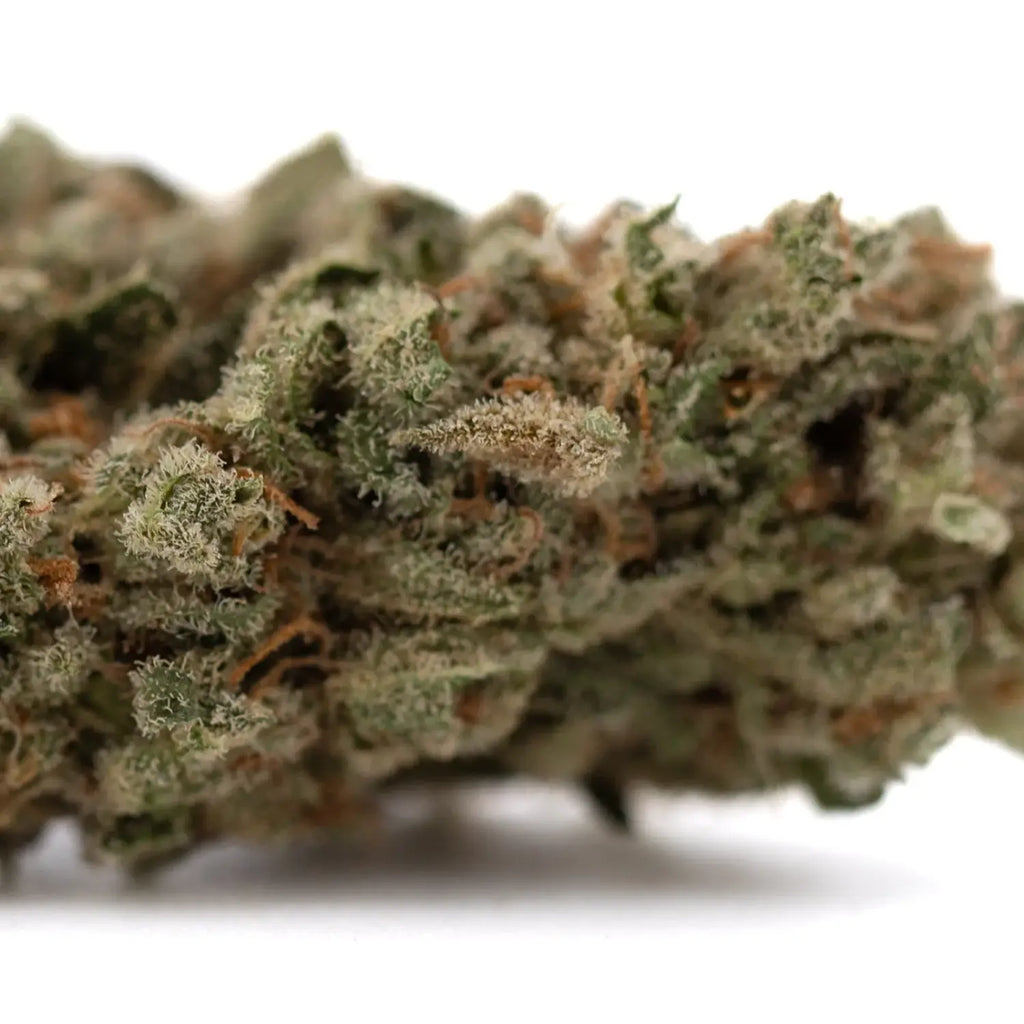
Purple is the most marketable color in the THCA flower world, and for good reason — it is visually stunning. Deep purple buds, burgundy calyxes, lavender-hued sugar leaves threaded through an otherwise vivid green structure: these are the images that define premium marketing in the modern hemp space. But purple is also one of the most consistently misunderstood color signals in the cannabis market, and the misunderstanding costs buyers real money when they pay a significant premium for color that doesn't translate to enhanced effects.
What Causes Purple THCA Flower
Purple in THCA flower comes from anthocyanins. As covered in the pigment section above, anthocyanins are pH-sensitive pigments that shift color based on their chemical environment — appearing red in acidic conditions, purple in neutral conditions, and blue in alkaline conditions. In cannabis, the most common expressed color is purple, which becomes visible during late flowering when temperatures drop and chlorophyll production slows, allowing the underlying anthocyanin pigments to come through.
The key variables are genetics and environment. A strain must carry the genetic predisposition to produce anthocyanins — not every cultivar has this capability, and no amount of cold stress will produce purple color in a plant that isn't genetically equipped for it. Given a purple-capable strain, the environmental trigger is typically cooler nighttime temperatures during the final two to four weeks of flowering, often in the range of 50°F to 60°F, combined with shorter daylight hours. Indoor cultivators who want to produce purple flower need to actively manage their temperature differentials to achieve this effect.
Does Purple THCA Flower Hit Differently?
No — and this is the most important thing to understand about purple color in a cannabis color guide context. Anthocyanins are not cannabinoids. They don't produce any psychoactive or therapeutic effects. They don't enhance terpene profiles in any direct, measurable way. A purple bud is not inherently more potent than a green bud. It is not smoother, heavier, or more flavorful simply by virtue of being purple.
There is one indirect quality indicator embedded in purple expression: the cultivator controlled their growing environment carefully enough to trigger anthocyanin expression in the first place. That level of environmental management — precise temperature differentials, proper airflow, consistent late-flower conditions — is generally associated with attentive cultivation practices across the board. So while purple isn't a direct potency signal, it can be an indirect indicator of a grower who sweats the details. The distinction matters.
What purple flower is is visually premium. It's beautiful, it photographs well, and it commands attention in any display or catalog. That's a legitimate value driver in a market where aesthetics matter. Just don't pay a 40% premium for purple alone.
Orange — Reading the Pistils
The orange and red hairs woven through THCA flower are pistils — hair-like structures called stigmas that are part of the female plant's reproductive anatomy. In a natural environment, pistils catch pollen drifting from male plants to initiate seed development. In a controlled cultivation environment where male plants are kept out, pistils remain unfertilized and serve primarily as a maturity indicator — which makes them useful information for anyone learning how to judge THCA flower quality by color.
Pistils begin white at the start of the flowering cycle. As the plant progresses through flower development, they change color in a predictable sequence: white to yellow, yellow to orange, orange to amber, amber to red, and eventually to a deep brownish-red in very mature or late-harvested plants. Experienced cultivators inspect pistil color — often alongside trichome color under a jeweler's loupe — to determine the optimal harvest window for their desired cannabinoid profile.
A bud covered in vivid orange pistils set against a green or purple background typically signals proper harvest timing and a complete, uninterrupted flowering cycle. Vibrant orange indicates the plant was harvested at a point of maturity but before significant post-peak degradation began. Pistils that have gone very dark brownish-red or appear shriveled and matted may indicate a late harvest or extended post-harvest storage.
One critical point that every buyer should understand: pistil color tells you about maturity and timing. It does not tell you about potency. Heavy, vivid pistil coverage looks spectacular and signals appropriate cultivation, but the cannabinoids are synthesized and stored in the trichomes — not in the pistil hairs. The best looking THCA flower combines vivid pistils with heavy trichome coverage, not one or the other.
White — Trichomes and What Frost Really Means
When THCA flower appears almost white — heavily frosted, glistening under light, almost like the bud has been dipped in powdered sugar — what you're actually seeing is dense trichome coverage blanketing the surface of the flower. Trichomes are the resin glands where THCA, CBD, terpenes, flavonoids, and all other plant-produced cannabinoids are synthesized and stored. They appear in three forms on cannabis flower: bulbous trichomes (the smallest), capitate-sessile trichomes (medium), and capitate-stalked trichomes (the largest and most visible, giving flower its characteristic frosted look).
Heavy trichome coverage is the single most reliable visual quality indicator for cannabinoid density in THCA flower — which means the "white" frost you see is actually a proxy for everything that makes the flower worth buying. This is the one area where THCA flower color meaning does have a meaningful, if imperfect, relationship with potency. A flower buried in visible, intact trichomes is almost always more cannabinoid-dense than one with thin, sparse, or damaged resin coverage.
Trichome Color as a Quality Layer
Trichome color adds another layer of quality information on top of trichome density. Clear trichomes indicate the plant is still in active maturation — harvesting at this stage typically produces flower with lower THCA content and a less developed effect profile. Cloudy or milky white trichomes indicate peak THCA content; this is when the resin glands are most full and potency is at its highest. Amber trichomes indicate that THCA has begun converting to CBN through oxidation — a process that typically produces more sedating, body-focused effects and represents cannabinoid degradation from a potency perspective.
Most premium THCA flower is harvested when trichomes are predominantly cloudy-milky with the beginning of amber development — a window that most cultivators target for the fullest cannabinoid and terpene expression. This translates visually to buds that appear bright white to slightly cream-colored under normal light, with a glistening, resinous quality when viewed up close.
Brown — The Warning Color
Brown is the color you don't want to see on THCA flower — with one essential caveat that prevents unnecessary alarm. Brown pistils are completely normal and expected. As covered in the pistils section, pistil color progresses from white through orange to amber and eventually brown as part of the plant's natural maturation process. Brown pistils on an otherwise vibrant, green, trichome-rich bud are not a red flag. They're part of what a properly timed, fully mature harvest looks like.
The genuine concern is brown bud material — brown calyxes, brown inner structure visible when you break a bud open, or brown trim material clinging to the flower. This kind of browning in the plant tissue itself (not in the hairs) indicates one or more serious quality issues: age and oxidation from extended post-harvest storage, improper storage conditions involving heat or light exposure that degrades both chlorophyll and cannabinoids, high humidity during storage that can facilitate mold development, or excessive drying that has damaged the plant tissue beyond recovery.
When evaluating THCA flower quality and you encounter brown or significantly yellowing bud material, that flower warrants careful inspection before purchase or use. Check specifically for mold — which often appears as a gray or white powdery coating on the surface of buds, distinct from the glistening, crystalline appearance of healthy trichomes. Check the aroma: quality THCA flower smells like terpenes — fuel, citrus, earth, pine, floral, spice, or any strain-specific combination. Brown flower that smells musty, damp, ammonia-like, or flat and hay-like is signaling serious quality compromise regardless of what the label says.
Color Combinations — What Multi-Toned Flower Is Telling You
The most informative THCA bud appearance evaluation happens when you look at color combinations rather than individual hues in isolation. Premium THCA flower is almost never a single flat color — it's a layered visual experience that each individual color is contributing to simultaneously.
A deep forest green base with vivid purple calyx staining, bright orange pistils woven throughout, and a heavy blanket of white trichome frost is communicating multiple quality signals at once: a well-nourished plant (green), a genetically expressive cultivar grown by an environmentally attentive cultivator (purple), a properly timed harvest (orange pistils), and high cannabinoid density (white frost). That combination is what the best looking THCA flower actually looks like in practice — and it correlates with quality because each color is telling a true story about how the plant was grown.
Conversely, flat olive-green flower with brownish, shriveled pistils, sparse trichome coverage, and no secondary color variation is communicating a different set of signals: potential stress during cultivation, possible late harvest or improper storage, and lower cannabinoid density. No single negative signal disqualifies a batch, but multiple unfavorable color indicators stacking together is meaningful information.
How to Use Color as Part of a Complete Quality Assessment
Color is one tool, not the complete toolkit. The most reliable quality evaluation for THCA hemp flower visual quality combines visual inspection with sensory evaluation and documented lab verification.
Visual inspection starts with the hemp flower color guide framework covered in this article: look for a vibrant green base color, healthy secondary colors where strain genetics support them, vivid orange to amber pistils at appropriate density, heavy white trichome frost across calyx surfaces and sugar leaves, and the complete absence of brown bud material, visible mold, or excessive stem content. Look at bud structure too — well-grown THCA flower is typically dense and sticky, not loose, airy, or dry to the point of crumbling.
Sensory evaluation means opening the container and smelling immediately. High-quality THCA flower has a rich, multi-layered terpene aroma — fuel, citrus, earth, pine, floral, berry, spice, or any strain-specific combination — that hits you before you've had time to think about it. The aroma should be pronounced and complex. Flat, hay-like smell indicates terpene degradation from improper curing or excessive age. Musty, damp, or off smells indicate potential mold. Chemical or ammonia-like smells can indicate pesticide contamination or advanced microbial activity.
Lab verification is non-negotiable for any serious THCA flower purchase. A current COA from an accredited, ISO-certified third-party laboratory should document THCA percentage, total cannabinoid content including Delta-9 THC (which must remain at or below 0.3% on a dry weight basis for Farm Bill compliance), terpene profile, and screening results for pesticides, heavy metals, residual solvents, and microbial contaminants. The THCA flower color meaning and visual assessment tell you a story — the COA gives you the verified facts.
Together, these three inputs give you a complete picture of what you're evaluating.
FAQ
Q: What color should THCA flower be? A: What color should THCA flower be is one of the most common questions buyers ask. High-quality THCA flower should display a vibrant green base with secondary colors like purple or orange as accent tones, and heavy white trichome coverage across the bud surface. The exact color combination varies by strain and cultivar, but the overall appearance should be vivid, alive, and resinous — not dull, brown, or flat.
Q: Does purple THCA flower mean it's stronger? A: No. Purple color in THCA flower comes from anthocyanin pigments, which are not cannabinoids and have no direct effect on potency or effects. Purple flower is not inherently more potent than green flower. Potency is determined by genetics, cultivation quality, harvest timing, and post-harvest handling — not color. Purple can be an indirect indicator of attentive cultivation, but it does not guarantee superior THCA content.
Q: What do the orange hairs on THCA flower mean? A: Orange hairs on THCA flower are pistils — part of the female plant's reproductive anatomy. They darken progressively from white to orange as the plant matures through its flowering cycle. Vivid orange pistils typically indicate appropriate harvest timing and a complete growth cycle. They're a maturity indicator, not a potency indicator — cannabinoids are stored in trichomes, not in pistil hairs.
Q: Is white THCA flower good? A: Yes, if the white appearance comes from dense trichome coverage. Heavy frost is a visual indicator of cannabinoid and terpene density, making it one of the most useful color signals in a cannabis color guide. However, be alert to the distinction between healthy trichome frost (glistening, crystalline, evenly distributed) and powdery mold (flat, powdery, irregular patches). If white coating looks different from typical trichome coverage and the flower smells musty, inspect closely before use.
Q: Is brown THCA flower bad? A: Brown pistils are completely normal — they darken as part of the plant's maturation process. Brown bud material, however, is a warning signal. Brown calyxes or inner bud structure can indicate age, oxidation, improper storage, or moisture damage and potential mold. Always inspect brown bud material carefully, check for off aromas, and verify with lab documentation before purchasing.
Q: Can I judge THCA potency by color alone? A: Not reliably. Trichome density (white frost coverage) is the visual quality indicator most closely correlated with cannabinoid content, but it's still an imperfect proxy. The only reliable potency verification is a current COA from a third-party lab. Color gives you qualitative signals about cultivation quality and plant health — the COA gives you the quantitative facts.
Conclusion
THCA flower colors are a language — and once you learn to read it, shopping for hemp flower becomes a fundamentally different experience. Green tells you about plant health, nutrition, and cure quality. Purple tells you about genetics, environmental control, and cultivator attention to detail. Orange tells you about maturity and harvest timing. White tells you about trichome density and cannabinoid potential. Brown tells you to slow down and look closer before you commit.
No single color makes or breaks a batch of flower. Quality lives in the combination. A vibrant, multi-toned, frost-covered bud that smells like a terpene laboratory and comes with a clean, current COA is what you're always looking for — and now you have the framework to recognize it on sight.
Ready to put this hemp flower color guide to work? Browse our full selection of premium THCA hemp flower wholesale releases and find flower that looks as good as it performs — with the lab documentation to back it up.how to judge THCA flower quality by color


