


What Is THCA Flower? The Complete 2026 Beginner's Guide
Walk into any smoke shop, browse any hemp retailer online, or flip through a dispensary menu in a state where cannabis is legal, and you'll find the same term appearing over and over again on product labels, strain cards, and lab reports: THCA.
For new buyers — and even plenty of experienced cannabis consumers who haven't been following the hemp industry closely — it raises an obvious and reasonable question: what is THCA flower, exactly? Is it weed? Is it CBD flower with a new name? Is it legal? And why does it seem like everything in the hemp market is suddenly labeled with it?
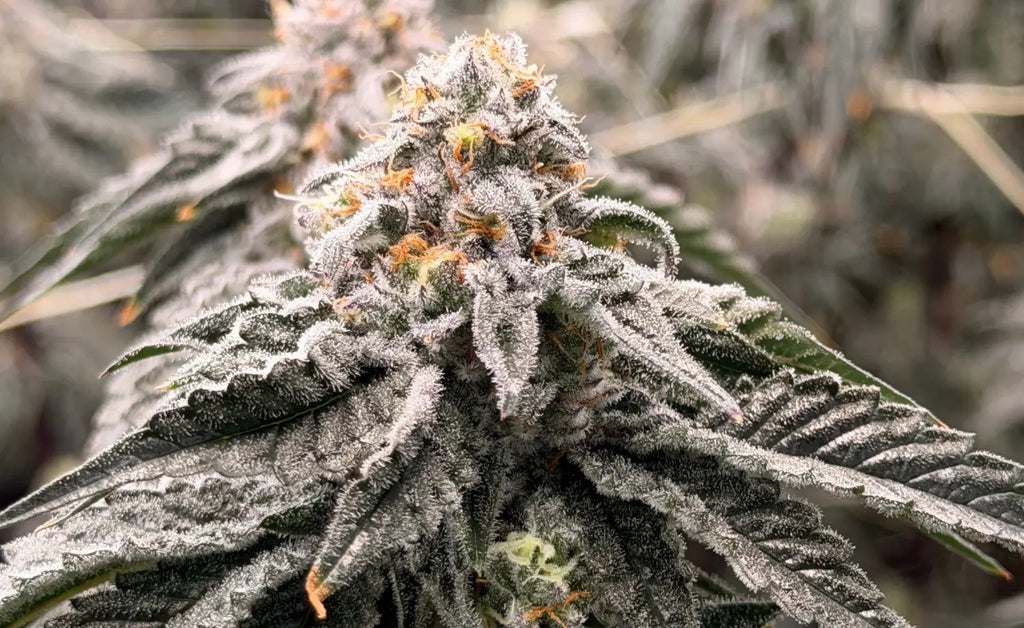
The short answer is that THCA hemp flower is hemp-derived cannabis that contains high concentrations of tetrahydrocannabinolic acid — the raw, unheated precursor to delta-9 THC. It looks like traditional cannabis. It smells like traditional cannabis. It comes in all the same strains you'd find at a high-end dispensary. And when you apply heat to it — whether by smoking, vaping, or cooking — it behaves very much like traditional cannabis.
But before that heat is applied, THCA is technically a non-psychoactive cannabinoid, which has created a legal framework under federal hemp law that has made THCA flower one of the fastest-growing product categories in the entire hemp industry.
This guide covers everything you need to know about THCA flower 2026: what it is, how it works, how it differs from other hemp products, what the numbers on the label actually mean, and how to shop for it intelligently. Whether you're brand new to hemp flower or a longtime cannabis consumer exploring the legal market, this is the foundation you need.
What Is THCA? Understanding the Cannabinoid First
Before we can talk about the flower, we need to understand the molecule.
THCA stands for tetrahydrocannabinolic acid. It is the raw, acidic form of THC that exists naturally inside the cannabis plant before any heat is applied. This is a critical point that surprises a lot of people: THC doesn't actually grow in the plant. Not exactly. What the plant produces — through a natural biosynthesis process involving enzymes, light, and time — is THCA. The psychoactive delta-9 THC that most people associate with cannabis is only formed once THCA is exposed to heat.
What does THCA mean in practical terms? Think of THCA as THC in its dormant state. The acidic molecular structure — the "A" in THCA — means that it doesn't fit the same way into the CB1 receptors in the human brain and central nervous system that THC does. Those CB1 receptors are what produce the intoxicating effects of cannabis. Because THCA can't bind to them effectively in its raw form, consuming raw, unheated THCA — say, eating raw cannabis leaves or flower — does not get you high.
The conversion from THCA to THC happens through THCA decarboxylation. Decarboxylation is a chemical reaction in which the acidic carboxyl group (COOH) is removed from the THCA molecule via exposure to heat. When you light a bowl, take a pull from a vaporizer, or bake cannabis into an edible, you're triggering decarboxylation. The THCA sheds its acidic structure and becomes delta-9 THC. The conversion is rapid, efficient, and nearly complete.
Researchers have been studying the THCA cannabinoid in its raw, unheated form for potential therapeutic properties. Preliminary research and anecdotal reports suggest possible anti-inflammatory, neuroprotective, and antiemetic (anti-nausea) effects from raw THCA consumption, though large-scale clinical research is still in early stages. What is clear is that THCA in its natural state is distinct from THC both chemically and pharmacologically — and that distinction has major legal implications.
What Is THCA Flower, Exactly?
Now that we understand the molecule, defining the product is much more straightforward.
THCA flower explained simply: it is hemp-derived cannabis flower that has been cultivated and bred to contain high concentrations of THCA while keeping delta-9 THC levels at or below the federal legal threshold of 0.3% by dry weight. Under the 2018 Farm Bill — and the hemp regulations that have followed from it — cannabis containing no more than 0.3% delta-9 THC is classified as hemp, not marijuana. THCA flower complies with that definition based on how the flower tests in its raw state.
Here's where things get interesting and why THCA flower has become such a dominant market category: while the delta-9 THC content of THCA hemp flower is legally compliant at 0.3% or below, the THCA percentage in these flowers can be extremely high. Premium THCA flower products routinely show THCA concentrations of 18%, 22%, 25%, even 28% or higher on their lab reports.
When that flower is smoked or vaporized, the THCA converts into delta-9 THC through decarboxylation. The consumer's experience is essentially indistinguishable from smoking traditional high-THC marijuana flower. The legal distinction exists in the chemistry of the raw product — not in the experience of using it.
This is why is THCA flower real weed is one of the most commonly searched questions in this product category. The answer depends on how you define "real weed." Botanically and experientially, yes — THCA flower is cannabis flower in every meaningful sense. Legally and technically under federal hemp law, it is classified as hemp based on its raw delta-9 THC content.
THCA Flower vs. THC Flower: Breaking Down the Difference
The comparison between THCA vs THC flower is one of the most important things to understand if you're new to this market.
Chemistry: The plant material is chemically similar. Both contain a broad profile of cannabinoids, terpenes, and other plant compounds. The primary difference is the ratio of THCA to delta-9 THC in the raw flower. Traditional marijuana is tested for total THC — including both delta-9 THC and the THC that would be produced by decarboxylating the THCA. THCA hemp flower is tested only for raw delta-9 THC content, which must stay at 0.3% or below.
Legal Classification: Traditional marijuana is a Schedule I controlled substance under federal law and is only legal in states that have adopted recreational or medical cannabis programs. THCA flower, by contrast, is classified as legal hemp under federal law when it meets the 0.3% delta-9 THC threshold — which means it can be sold online, shipped across state lines to most states, and purchased without a dispensary visit or medical card.
Experience: When heated, high-THCA hemp flower produces a cannabis experience that most consumers describe as equivalent to smoking traditional marijuana flower of a similar THCA/THC potency. Terpene profiles vary by strain and cultivation method, but the functional experience of smoking a 24% THCA hemp flower and smoking a 24% THC dispensary flower is remarkably similar.
Price: Because THCA hemp flower operates in the legal hemp market rather than the heavily taxed and regulated state cannabis market, prices are often significantly lower — particularly for bulk or wholesale buyers.
THCA Flower vs. CBD Flower: A Very Different Product
One of the most common points of confusion for first-time buyers is the relationship between hemp flower THCA products and CBD flower. It's important to understand these are not the same thing and do not produce the same experience.
CBD flower is hemp-derived cannabis flower that has been cultivated to contain high concentrations of cannabidiol (CBD) and very low levels of both THCA and delta-9 THC. CBD does not convert to a psychoactive compound when heated. It is genuinely non-intoxicating regardless of consumption method. CBD flower is used primarily by consumers seeking potential relaxation, stress relief, or the sensory ritual of smoking without any intoxicating effect. It is an excellent option for consumers who want the experience of smoking flower without getting high.
THCA flower, by contrast, will produce a psychoactive effect when smoked or vaporized because the THCA converts to delta-9 THC. If you consume it by smoking or vaping, you should expect a full cannabis experience including potential euphoria, altered perception, and other effects associated with delta-9 THC.
If you're seeking a non-intoxicating hemp experience: CBD flower is your product.
If you're seeking a full-spectrum cannabis experience from a federally compliant hemp product that you can order online and have shipped to your door: legal hemp flower with high THCA is what you're looking for.
How Is THCA Hemp Flower Grown?
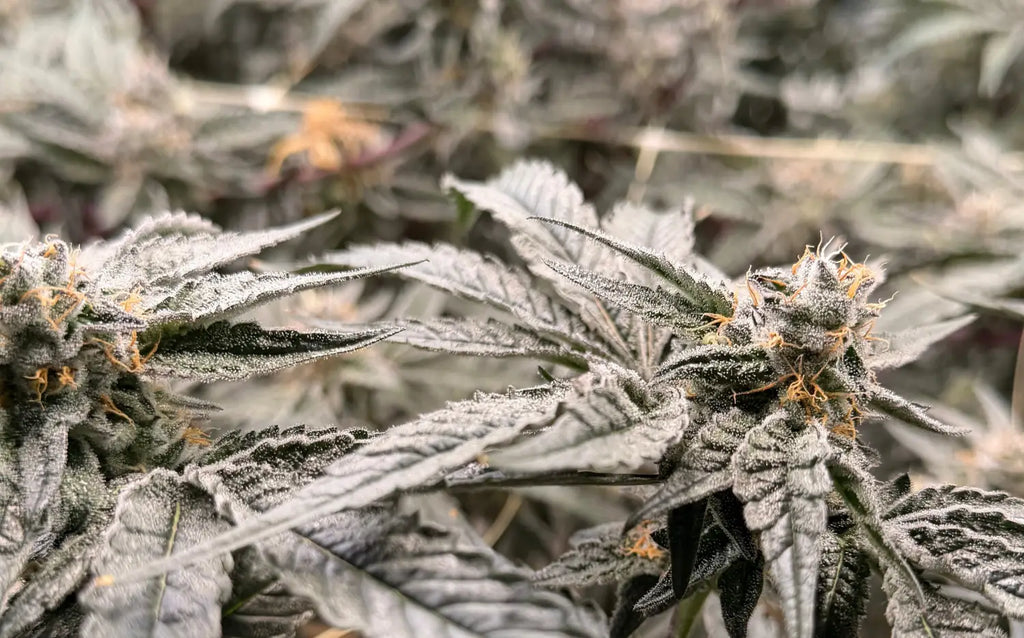
Raw cannabis THCA at commercially meaningful concentrations doesn't happen by accident. Cultivating premium THCA hemp flower requires the same level of expertise, genetics, and environmental control that goes into growing top-shelf marijuana.
Genetics and Strain Selection: The foundation of high-THCA hemp flower is genetic selection. Cultivators work with seed breeders and genetic libraries to identify cannabis cultivars that naturally produce high THCA expression while keeping delta-9 THC levels within the federally compliant 0.3% threshold. This is a more precise target than traditional marijuana cultivation, because growers must maximize one cannabinoid while keeping another in a tight range.
Growing Environment: THCA flower is grown both indoors and outdoors, with greenhouse cultivation also common. Indoor grows offer the most control over temperature, humidity, light cycles, and CO₂ levels, which typically results in denser buds, more vibrant trichome coverage, and more consistent cannabinoid and terpene profiles. Outdoor and greenhouse cultivation can produce impressive results at lower cost, particularly in climates that naturally support cannabis cultivation, such as parts of Oregon, California, Colorado, and the Southeast.
Harvest Timing: Timing is critical for THCA hemp flower. Harvesting too early means lower cannabinoid concentrations. Harvesting too late risks the natural degradation of THCA into delta-9 THC — which could push the delta-9 content above the 0.3% federal threshold and turn a legal hemp crop into a regulated marijuana crop. Experienced cultivators test their crops regularly in the weeks before harvest to land the crop in the compliance sweet spot.
Post-Harvest Processing: After harvest, THCA flower is dried and cured — a process that preserves terpene integrity and develops the flavor and aroma profile of the final product. Proper curing can take anywhere from two to eight weeks depending on the cultivar and desired outcome.
Third-Party Lab Testing: Every reputable THCA hemp flower batch should come with a current Certificate of Analysis (COA) from an accredited, independent third-party laboratory. The COA confirms delta-9 THC compliance and provides a full cannabinoid panel. It should also include testing for contaminants: pesticides, heavy metals, residual solvents, and microbials.
Reading the Label: What Does THCA Percentage Mean?
Understanding THCA percentage flower labeling is one of the most important practical skills for any hemp buyer.
When you look at a product label or COA for THCA flower, you'll typically see two critical figures:
Delta-9 THC %: This is the number that determines legal classification. For the product to qualify as hemp, this figure must be 0.3% or below on a dry weight basis. Look for this figure on every COA before purchasing.
THCA %: This is the figure that tells you about potency. A product with 22% THCA is considerably more potent when smoked than a product with 14% THCA, because more of that THCA will convert to delta-9 THC during decarboxylation.
To estimate the total THC potency you'll actually experience when smoking, the industry commonly uses the following formula:
Total Active THC ≈ (THCA% × 0.877) + Delta-9 THC%
The 0.877 factor accounts for the molecular weight difference between THCA and THC — decarboxylation removes the carboxyl group, reducing the molecular mass slightly. So a flower with 24% THCA and 0.25% delta-9 THC would yield approximately 21.3% total active THC when smoked — squarely in the range of premium dispensary cannabis.
Here's a quick potency reference guide for beginners:
- 12–16% THCA: Mild to moderate potency. Good starting point for new consumers.
- 17–22% THCA: Moderate to strong. Suitable for regular cannabis consumers.
- 23–28%+ THCA: High potency. Comparable to top-shelf dispensary cannabis. Recommended for experienced consumers.
Why Is THCA Flower So Popular in 2026?
The explosive growth of THCA flower benefits and the product category overall comes down to several overlapping factors that have converged in the current market.
Access Without Geographic Restriction: State-licensed cannabis dispensaries are still unavailable to tens of millions of Americans living in states without legal recreational or medical programs. THCA hemp flower can be purchased online and shipped directly to consumers in most states, opening a legal pathway to a full cannabis experience that simply didn't exist before the hemp industry matured to this point.
Quality That Rivals the Dispensary: The hemp industry has come a long way since the early days of industrial CBD production. THCA hemp flower today is grown by skilled cultivators using premium genetics, advanced growing techniques, and rigorous quality control. The gap between THCA hemp flower and dispensary cannabis has narrowed to the point where even experienced cannabis consumers often can't tell the difference by sight, smell, or effect.
Variety and Strain Selection: The THCA flower market has expanded to include a wide range of popular strains — Gelato, Biscotti, Runtz, Zkittlez, Wedding Cake, Sour Diesel, Blue Dream, and dozens more. Consumers can find indica-dominant strains for evening relaxation, sativa-dominant strains for daytime energy, and hybrids across the full spectrum of effects.
Pricing Advantages: Because THCA hemp flower is sold in the federally regulated hemp market rather than the state cannabis market — which carries excise taxes, licensing fees, and compliance costs — prices are often significantly lower than comparable dispensary products. This is particularly significant for heavy consumers and wholesale buyers.
Transparency and Lab Verification: Reputable THCA hemp flower brands provide detailed third-party COAs, comprehensive strain information, and clear labeling. In many cases, this level of documented transparency exceeds what's required or practiced in state cannabis markets.
What to Look For When Buying THCA Flower
Whether you're buying THCA flower explained products for the first time or you're a returning buyer refining your standards, these are the key quality indicators to evaluate.
Current, Full-Panel COA: The most important document in THCA hemp flower purchasing. Confirm the delta-9 THC level is 0.3% or below. Check that the COA includes contaminant testing for pesticides, heavy metals, and microbials — not just a cannabinoid panel.
THCA Percentage Matching Your Experience Level: Beginners should start in the 14–18% range. Experienced consumers can explore higher-potency options in the 20–28%+ range. Don't assume higher percentage always means a better experience — strain type, terpene profile, and cultivation quality all matter.
Terpene Profile: Terpenes are the aromatic compounds responsible for the distinctive smell and flavor of each cannabis strain. They also play a functional role in shaping the effects of each strain through what's known as the entourage effect — the synergistic interaction between cannabinoids and terpenes. Look for COAs or product listings that include terpene testing. Rich, complex terpene profiles are a hallmark of quality cultivation.
Appearance and Freshness: High-quality THCA flower should be well-cured, with dense bud structure, visible trichome coverage, and a vibrant color. Avoid flower that appears dry, brown, or crumbled, which can indicate poor curing or old inventory.
Strain Classification: Know whether you're buying indica-dominant, sativa-dominant, or hybrid. Indica-leaning strains typically produce more body-focused, relaxing effects. Sativa-leaning strains tend to be more energizing and cerebral. Hybrids offer a balance depending on their genetic lineage.
Brand Reputation: Purchase from established brands with a track record of quality, transparent COAs, and responsive customer service. Look for brands that update their lab reports regularly, provide sourcing information, and stand behind their products.
FAQ: Common Questions About THCA Flower
Is THCA flower legal? Under federal law, cannabis products containing no more than 0.3% delta-9 THC on a dry weight basis are classified as hemp and are legal under the 2018 Farm Bill. THCA hemp flower that meets this threshold is federally legal as of 2026. However, some individual states have enacted laws that specifically restrict THCA products or calculate total THC differently, so it's important to understand the laws in your specific state before purchasing.
Will THCA flower get me high? Yes, when smoked or vaporized. The heat from smoking or vaping triggers decarboxylation, which converts THCA to delta-9 THC. The resulting experience is comparable to smoking traditional marijuana flower of a similar potency. If you consume raw, unheated THCA flower — say, by juicing it or eating it — it will not produce a significant psychoactive effect because the THCA does not convert without heat.
How is THCA flower different from delta-8 flower? Delta-8 THC is a different cannabinoid altogether — a hemp-derived analog of delta-9 THC that occurs in very small concentrations naturally and is typically produced through chemical conversion of CBD. Delta-8 flower is usually CBD flower that has been sprayed or infused with a delta-8 distillate. THCA flower, by contrast, is naturally grown cannabis that contains THCA as a native plant compound — no infusion or spraying required. THCA flower is generally considered a more natural and authentic product.
What strains are available in THCA flower? The THCA hemp flower market now includes a wide range of popular cultivars. Common options include Biscotti, Gelato, Runtz, Wedding Cake, Sour Diesel, OG Kush, Blue Dream, Zkittlez, Gorilla Glue, and many others. Availability varies by brand and season.
How should I store THCA flower? Store THCA flower in an airtight container, away from direct light, heat, and humidity. A glass jar with a tight-fitting lid stored in a cool, dark location is ideal. Proper storage preserves terpene integrity, prevents mold, and maintains potency.
What is a good starting dose for THCA flower? If you're new to cannabis or THCA flower, start low and go slow. Take one or two puffs, then wait at least fifteen to twenty minutes before consuming more. The effects of smoked cannabis typically onset within minutes but can build over time, especially in new consumers.
Can I fail a drug test from THCA flower? Yes. When THCA is metabolized after smoking, the body processes it similarly to delta-9 THC. Standard urine drug tests screen for THC metabolites — not THCA specifically. If you smoke THCA flower and then undergo a drug test, you are likely to test positive for THC. Do not use THCA flower if you are subject to drug testing.
What does the COA tell me about THCA flower quality? A full-panel COA from a third-party lab tells you the cannabinoid profile (including THCA percentage and delta-9 THC percentage), terpene concentrations if tested, and contaminant status (pesticides, heavy metals, residual solvents, microbials). It is the most reliable quality verification document available in the hemp market. Always review a current COA before purchasing any THCA hemp flower.
Final Thoughts: THCA Flower Is Defining the Hemp Market in 2026
THCA flower represents the most significant development in the hemp industry since the passage of the 2018 Farm Bill opened the door to legal hemp cultivation nationwide. It bridges the gap between the federally regulated hemp market and the full-spectrum cannabis experience that millions of consumers are actively seeking — offering premium quality, broad access, strong strain variety, and competitive pricing within a legal framework.
For consumers who have been buying cannabis from illicit markets or who live in states without legal dispensaries, THCA hemp flower is genuinely transformative. For experienced cannabis consumers who are curious about the hemp market, it represents a high-quality, accessible alternative that competes directly with what's available at the dispensary.
Understanding what is THCA flower, how it works, and how to evaluate it is the foundation of being a smart hemp consumer in 2026. Read the COA. Understand the THCA percentage. Know your strain type. Buy from brands that prioritize transparency and quality.
The hemp flower market is growing fast, and THCA is at the center of it. If you're ready to explore what's available, browse current THCA hemp flower selections and find strains, potencies, and price points that fit your needs.


