


How THCA Pre Rolls Are Made: From Flower to Finished Product
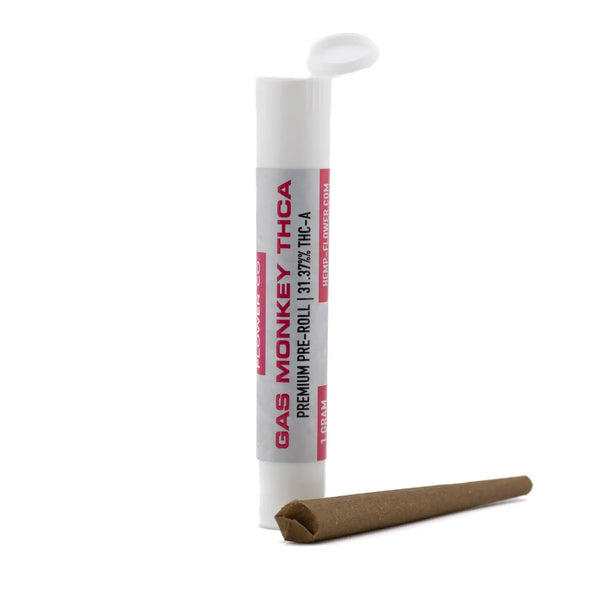
Today's cannabis consumers are more informed than ever before, and they want to know exactly what they're purchasing. When you pick up a THCA pre-roll, you're holding the culmination of a complex production journey that involves careful cultivation, precise processing, and rigorous quality control. Understanding how THCA pre rolls are made not only satisfies natural curiosity—it also helps you make better purchasing decisions and appreciate the craftsmanship behind premium products.
Quality doesn't happen by accident. Every stage of the THCA pre roll production process directly impacts the final product's potency, flavor, smoothness, and overall experience. From the moment a seed germinates to the second you light up, each decision matters. Transparency in manufacturing has become a hallmark of reputable hemp flower brands, and for good reason: consumers deserve to know what goes into the products they're consuming.
This comprehensive guide walks you through every stage of the journey from seed to smoke, revealing the expertise, equipment, and attention to detail required to produce premium THCA pre-rolls. Whether you're a curious consumer, a potential retailer, or someone interested in the hemp industry, this inside look at THCA pre roll manufacturing process will give you a new appreciation for what's involved in creating these popular products.
Cultivating High-THCA Hemp: Where Quality Begins
The foundation of any exceptional THCA pre-roll is the flower itself, and that starts with cultivation. Not all hemp is created equal, and producing flower with high THCA concentrations requires careful genetic selection and expert growing practices.
Genetics and Strain Selection
Cultivators begin by selecting genetics specifically bred for elevated THCA content. These specialized hemp strains are the result of careful breeding programs that identify and propagate plants with naturally high THCA production. The genetic foundation determines the maximum potential THCA percentage, though growing conditions will ultimately determine whether that potential is realized.
Cultivation Environment
Growers have three primary cultivation environment options, each with distinct advantages:
Indoor cultivation offers maximum control over environmental conditions. Temperature, humidity, light spectrum, and photoperiod can all be precisely regulated, allowing cultivators to create ideal conditions for THCA development. While more expensive to operate, indoor facilities typically produce the most consistent, high-quality flower with impressive cannabinoid profiles.
Outdoor cultivation leverages natural sunlight and can produce large harvests at lower costs. However, outdoor grows face challenges from weather variability, pests, and seasonal limitations. The best outdoor THCA flower comes from regions with optimal climate conditions and experienced growers who understand how to work with natural cycles.
Greenhouse cultivation strikes a balance between the two approaches. Greenhouses provide protection from severe weather while still utilizing natural sunlight, supplemented with artificial lighting when needed. This method offers good environmental control at a more reasonable cost than fully indoor operations.
Growing Conditions and Cannabinoid Development
During the vegetative stage, hemp plants focus on structural growth, developing strong stems and abundant foliage. Growers maintain 18-24 hours of light during this phase, keeping temperatures between 70-85°F and humidity around 60-70%. Proper nutrition during vegetative growth establishes the foundation for heavy flower production later.
The flowering stage is where THCA concentrations truly develop. Triggered by reducing light to 12 hours per day (or occurring naturally as days shorten outdoors), the flowering phase is when trichome production accelerates dramatically. These tiny, mushroom-shaped glands covering the flower produce and store THCA and terpenes. Temperature during flowering typically drops slightly to 65-80°F, while humidity is reduced to 40-50% to prevent mold and encourage resin production.
As flowering progresses, THCA concentrations steadily increase. The final two to three weeks before harvest are critical—this is when THCA levels can surge from moderate to exceptional. Experienced cultivators understand that patience during this crucial window separates premium flower from average product.
Harvest Timing: The Potency Decision Point
Determining optimal harvest timing requires expertise and careful observation. Harvest too early, and you sacrifice potency and yield. Wait too long, and THCA begins converting to CBN, resulting in a less desirable cannabinoid profile with more sedative effects.
Cultivators monitor trichomes using magnification, looking for specific visual cues. Trichomes transition from clear to cloudy to amber as they mature. The ideal harvest window for maximum THCA is typically when most trichomes appear milky white with just a few beginning to turn amber—usually around 10-20% amber depending on strain characteristics and desired effects.
Cultivation Approach: Organic vs. Conventional
Whether a cultivation operation follows organic practices or uses conventional methods significantly impacts final product quality. Organic cultivation avoids synthetic pesticides, herbicides, and fertilizers, relying instead on natural pest management strategies, compost, and beneficial insects. While more labor-intensive, organic methods typically produce cleaner flower with more complex terpene profiles.
Conventional cultivation may use approved synthetic inputs when necessary, though responsible producers still prioritize integrated pest management and minimize chemical use. Regardless of approach, the best THCA pre roll production starts with flower grown using methods that prioritize plant health and consumer safety over maximum yield.
Harvesting and Initial Processing: Handling with Care
When trichomes indicate peak maturity, it's time to harvest. This marks the transition from cultivation to processing, and how the flower is handled during this critical transition dramatically affects final quality.
The Harvest Process
Cultivators carefully cut plants at the base or remove individual branches, handling them gently to avoid trichome damage. Even at this early stage, rough handling can knock off precious trichomes, reducing both potency and the overall quality of the final product. Plants are immediately moved to a controlled environment to begin drying, as delays can lead to degradation or mold development.
Trimming Approaches
Two main trimming methods exist, each with advocates in the industry:
Wet trimming involves removing excess leaves immediately after harvest while the plant is still fresh and pliable. This method makes trimming easier and faster but can be more aggressive on trichomes. Wet-trimmed flower typically dries faster due to reduced plant material.
Dry trimming waits until after the initial drying phase to remove leaves. While more time-consuming, this gentler approach better preserves trichome integrity and allows for a slower, more controlled drying process. Many premium producers prefer dry trimming for high-THCA flower destined for pre-rolls.
Regardless of method, skilled trimmers remove fan leaves and sugar leaves while preserving the dense, trichome-covered flower. This is labor-intensive work requiring both efficiency and attention to detail.
Initial Quality Control
Before moving to the curing phase, flower undergoes initial quality control checks. Processors inspect for mold, mildew, pest damage, hermaphroditic seeds, or other defects. Material is sorted by quality grade, with only the finest flower selected for premium THCA pre rolls.
The Curing Process: Transforming Good Flower Into Great Flower
Many newcomers to hemp production underestimate the importance of curing, but experienced manufacturers know this stage is absolutely critical. Proper curing transforms freshly harvested flower into a smooth, flavorful, potent product worthy of premium pre-rolls.
Why Curing Matters
Curing serves multiple essential functions. It allows chlorophyll and other compounds to break down naturally, eliminating the harsh, "green" taste of uncured flower. It stabilizes cannabinoids, preventing degradation. Perhaps most importantly, it allows terpene profiles to develop fully, creating the complex aromas and flavors that distinguish exceptional flower from mediocre product.
The Drying Phase
Proper curing begins with controlled drying. Flower is hung or placed on drying racks in rooms maintained at 60-70°F with 50-60% relative humidity. These specific conditions slow the drying process to 7-14 days, allowing internal moisture to gradually move outward rather than creating a situation where the outside feels dry while the inside remains moist.
Air circulation is important but should be gentle—strong fans can dry flower too quickly or blow away trichomes. Darkness is essential, as light degrades cannabinoids and terpenes. Throughout drying, processors regularly check moisture levels, looking for that perfect point where the flower is dry enough to cure but not so dry that stems snap easily.
The Curing Phase
Once initial drying is complete, flower is transferred to curing containers—typically large jars, bins, or specialized curing vessels. These containers are sealed, but not permanently. The curing process involves a "burping" schedule where containers are opened periodically to release excess moisture and exchange air.
Initially, containers might be burped several times daily. As curing progresses, burping frequency decreases. This process typically continues for a minimum of two weeks, though many premium producers cure for 4-8 weeks or longer. During this time, moisture redistributes evenly throughout the flower, and beneficial chemical changes occur that improve every aspect of quality.
The Transformation
Properly cured flower exhibits distinct characteristics:
- Smooth smoke: Harsh chlorophyll has broken down, resulting in a pleasant smoking experience
- Enhanced aroma: Terpenes have developed fully, creating complex, strain-specific scents
- Improved flavor: The taste reflects the true terpene profile without green or hay-like notes
- Better burn: Moisture content is optimal for even, consistent burning
- Stable cannabinoids: THCA and other compounds are preserved in their most stable form
Rushing or skipping the curing process is one of the most common mistakes in hemp flower production. When you purchase what's in THCA pre rolls from reputable manufacturers, you're getting flower that has been properly cured to maximize quality.
Quality Testing and Compliance: Ensuring Safety and Potency
Before any flower can be used in pre-roll production, it must undergo comprehensive laboratory testing. This isn't just a formality—it's a critical quality control measure and legal requirement that protects both manufacturers and consumers.
Cannabinoid Profile Testing
Every batch of flower is tested to determine its exact cannabinoid content. For THCA pre-rolls, the most important measurements are:
THCA percentage: This is the primary active compound that consumers are seeking. Testing reveals the exact THCA concentration, typically ranging from 15% to over 30% in premium hemp flower.
Delta-9 THC levels: By law, hemp must contain less than 0.3% Delta-9 THC on a dry weight basis. This distinction between THCA (legal in hemp) and Delta-9 THC (restricted) is crucial for compliance. Testing confirms the product falls within legal limits.
Other cannabinoids: Labs also measure CBD, CBG, CBC, CBN, and other minor cannabinoids, providing a complete cannabinoid profile that helps consumers understand the full spectrum of compounds in their pre-rolls.
Terpene Analysis
Advanced testing also identifies and quantifies terpenes—the aromatic compounds that give each strain its distinctive smell and contribute to effects through the entourage effect. Common terpenes in high-THCA flower include myrcene, limonene, caryophyllene, pinene, and linalool. Terpene profiles help distinguish strains and indicate quality.
Contaminant Testing
Safety testing screens for potentially harmful substances:
- Heavy metals (lead, arsenic, mercury, cadmium)
- Pesticides (hundreds of compounds checked)
- Microbials (mold, mildew, bacteria, E. coli, Salmonella)
- Residual solvents (if any extraction or processing involved)
- Mycotoxins (toxic compounds produced by certain molds)
Any detection of dangerous contaminants results in batch failure, and the material cannot be used for consumer products.
Moisture Content
Labs test moisture content to ensure flower is neither too dry (which makes it harsh and causes trichome loss) nor too moist (which risks mold development). Optimal moisture content for pre-rolls typically falls between 8-12%.
Certificate of Analysis (COA)
All testing results are compiled into a Certificate of Analysis, a comprehensive document that serves as the product's quality report card. Reputable manufacturers make COAs readily accessible to consumers through QR codes on packaging or websites. This transparency allows consumers to verify exactly what they're purchasing.
Batch Tracking and Failed Batches
Every batch receives a unique identifier for tracking purposes, ensuring accountability throughout the supply chain. If any batch fails testing, it cannot be used for production. Failed material may be remediated if possible, retested, or destroyed depending on the nature and severity of the issue. This rigorous approach to quality control ensures that only safe, compliant, properly tested flower makes it into making THCA pre rolls.
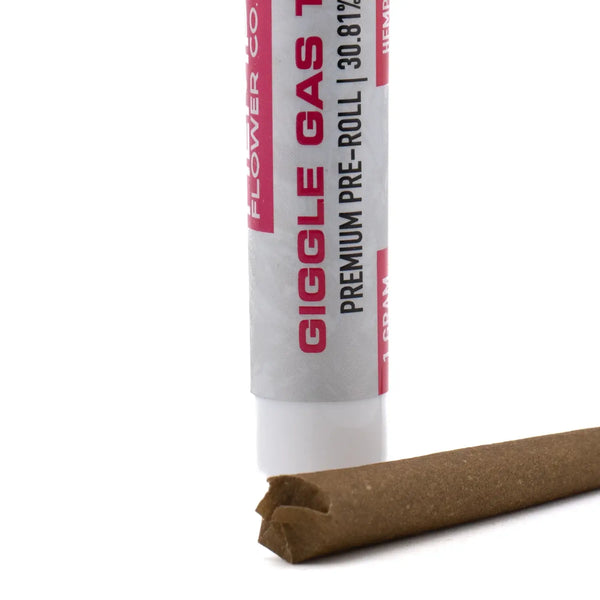
Milling and Preparation: Breaking Down Flower for Rolling
Once flower has passed all testing and quality checks, it's ready for milling—the process of breaking down whole buds into the consistency needed for pre-roll production.
The Grinding Process
Flower is fed into industrial milling equipment or processed by hand depending on production scale. The goal is achieving consistent particle size that will burn evenly without being so fine that it creates airflow restriction or so coarse that it burns unevenly.
Quality milling equipment is designed to preserve trichomes rather than shearing them off. The best grinders use sharp blades and controlled processing speeds to cut rather than pulverize the flower. This careful approach maintains the trichome coating that contains THCA and terpenes.
Removing Unwanted Material
During milling, remaining stems and any seeds (though rare in properly grown female plants) are separated out. Stems don't burn well and can create harshness, so their removal improves the smoking experience. Larger stems are caught by screens or grates, while smaller material passes through to the milling chamber.
Blending Considerations
Some manufacturers produce single-strain pre-rolls using flower from one specific cultivar. Others create proprietary blends combining multiple strains to achieve unique effects or flavor profiles. When blending, consistency is critical—each pre-roll in a production run should contain the same ratio of strains with equivalent potency.
Moisture Adjustment
Milled flower may need slight moisture adjustments before rolling. If testing reveals moisture content below optimal levels, manufacturers may carefully reintroduce a small amount of moisture using humidity control packs or conditioning chambers. This prevents overly dry pre-rolls that burn too quickly and harshly.
Quality Control at Milling
Throughout milling, quality control continues. Processors monitor for foreign material, check particle consistency, verify that the milled flower matches expected color and aroma, and ensure proper moisture levels. This attention to detail during the how to make THCA pre rolls process separates premium products from mass-market alternatives.
The Rolling Process: Crafting the Final Product
With properly prepared flower, manufacturers can now create the actual pre-rolls. This stage combines precision engineering with quality craftsmanship to produce consistent, well-constructed products.
Automated vs. Hand-Rolling
Automated production uses specialized machines that can produce hundreds or thousands of pre-rolls per day. These machines dispense precise amounts of ground flower, fill cone-shaped papers, compact the material to optimal density, and seal the end. Modern pre-roll machines are remarkably sophisticated, using vibration, controlled packing pressure, and consistent filling weights to create uniform products.
Hand-rolling is more time-consuming but allows for maximum quality control. Skilled artisans can feel when material is packed correctly and adjust for variations in flower consistency. Hand-rolled pre-rolls are typically reserved for premium products or small-batch productions where quality is prioritized over volume.
Many manufacturers use a hybrid approach, employing machines for efficiency while maintaining hand-finishing and quality inspection for each pre-roll.
Paper Selection
The paper used for pre-rolls significantly affects burn characteristics, taste, and overall experience:
Hemp papers are popular in the hemp flower market because they align with the natural, plant-based ethos. They burn slowly and evenly with minimal flavor impact.
Rice papers are ultra-thin and burn very slowly, creating a nearly flavorless smoking experience that lets the flower's terpene profile shine through.
Wood pulp papers are traditional rolling papers that burn slightly faster than hemp or rice. While perfectly functional, they're less common in premium THCA pre-rolls.
Paper color, thickness, and any flavoring or treatment all factor into the manufacturer's selection. The best papers complement rather than overwhelm the flower's natural characteristics.
Filter and Packing Density
Each pre-roll includes a filter or crutch at the mouthpiece end. These are typically made from rolled cardboard or specialty filter materials. The filter provides structural support, prevents flower from entering the mouth, and creates a comfortable mouthpiece.
Packing density is one of the most critical factors in pre-roll quality. Too loose, and the pre-roll burns too quickly with potential for uneven burning or "canoeing" where one side burns faster. Too tight, and airflow becomes restricted, making the pre-roll difficult to smoke. Optimal density allows smooth airflow while ensuring even, consistent burning from start to finish.
Cone vs. Straight Styles
Pre-rolls come in different shapes:
Cone-shaped pre-rolls are wider at the lit end and narrower at the mouthpiece. This shape is popular because it allows for easier lighting and often provides a better smoking experience as the ember gets larger.
Straight pre-rolls maintain consistent diameter throughout. These are simpler to produce and some consumers prefer their uniform appearance and burn characteristics.
Quality Control During Rolling
As pre-rolls come off the production line, quality control staff perform multiple checks:
- Weight verification: Each pre-roll is weighed to ensure consistent filling (typically 0.5g, 1g, or other standard weights)
- Visual inspection: Checking for gaps, loose spots, or improperly formed ends
- Structural integrity: Ensuring the roll is firm but not overly compressed
- Filter placement: Verifying proper filter insertion and security
Pre-rolls that don't meet standards are rejected and the flower is reclaimed for remilling and re-rolling. This commitment to quality control is what distinguishes professional THCA pre roll manufacturing process from amateur efforts.
Specialty Pre-Rolls
Some manufacturers produce infused or enhanced pre-rolls. These might include:
- Kief-coated pre-rolls rolled in concentrated trichomes for extra potency
- Oil-infused pre-rolls with hemp extract or distillate added
- Terpene-enhanced pre-rolls with additional terpenes introduced for flavor
These specialty products require additional processing steps and careful attention to consistency, potency, and compliance with regulations.
Packaging and Preservation: Protecting Quality Until Consumption
Even the highest-quality pre-roll will degrade if not properly packaged. Modern packaging serves multiple purposes: preservation, compliance, safety, and consumer information.
Packaging Formats
Individual tubes are the most common packaging for single pre-rolls. These cylindrical containers protect the pre-roll from damage and provide space for labeling. High-quality tubes are:
- Airtight to prevent moisture and oxygen exposure
- Lightproof to block UV rays that degrade cannabinoids
- Rigid enough to prevent crushing during transport
Multi-packs contain multiple pre-rolls in a larger container, often with individual slots or dividers to prevent contact. These are popular for consumers who purchase larger quantities and value the convenience of unified packaging.
Humidity Control
Many manufacturers include humidity control packets (typically small packets maintaining 58-62% relative humidity) inside packaging. These packets prevent the pre-rolls from drying out during storage while avoiding excess moisture that could promote mold growth.
Child-Resistant Requirements
Most jurisdictions require child-resistant packaging for cannabis and hemp products. This means packaging must pass standardized tests proving that young children cannot easily open it, while still being accessible to adults. Common child-resistant mechanisms include push-and-turn caps, squeeze-and-pull systems, or special opening sequences.
Labeling Requirements
Comprehensive labeling is both a legal requirement and a consumer service:
Cannabinoid content: Listing THCA percentage, Delta-9 THC level, and often other cannabinoids Strain information: The specific cultivar or blend name Batch/lot numbers: For tracking and quality control purposes Net weight: Exact flower content QR codes: Linking to full Certificates of Analysis Harvest and packaging dates: Indicating freshness Warning labels: Required statements about intoxicating effects, age restrictions, pregnancy warnings, etc. Manufacturer information: Company name, license numbers, contact information
Packaging Materials
The choice of packaging materials balances functionality, cost, and environmental impact:
Plastic tubes are affordable, lightweight, and protective, though some consumers prefer alternatives due to environmental concerns
Glass containers are premium options that provide excellent protection and are fully recyclable, though they're heavier and more fragile
Biodegradable options including plant-based plastics or compostable materials are increasingly available as manufacturers respond to sustainability concerns
Storage Until Sale
After packaging, pre-rolls are stored in controlled environments, typically cool, dark, and dry conditions that preserve freshness. Inventory management systems track batch numbers, ensuring proper rotation so older inventory moves first and products are sold within optimal freshness windows.
Quality Assurance and Final Checks: Ensuring Consistency
Before THCA pre rolls leave the facility, they undergo final quality assurance protocols designed to catch any issues and ensure every product meets established standards.
Weight and Measurement Verification
Random samples from each production batch are weighed to verify consistency. This catches any drift in machine settings or variations in hand-rolling that could result in under-filled or over-filled pre-rolls.
Burn Testing
Quality control staff actually smoke-test pre-rolls from each batch. They evaluate:
- Lighting ease: Does the pre-roll light quickly and easily?
- Burn evenness: Does it burn straight down or does it canoe?
- Draw resistance: Is airflow smooth or restricted?
- Burn rate: Does it burn too fast or too slow?
- Ash color: White or light gray ash indicates clean burning
- Flavor: Does it taste fresh and true to the strain profile?
- Aroma: Is the smell pleasant and strain-appropriate?
These subjective but important evaluations ensure the product delivers the intended experience.
Visual Appearance Standards
Appearance matters to consumers. Final QA checks verify that pre-rolls are:
- Uniformly shaped without visible gaps or bulges
- Properly twisted or folded at the end
- Clean with no flower residue on the exterior
- Filter properly positioned and secure
- Overall professional and appealing in appearance
Continuous Improvement
Quality manufacturers don't just check for problems—they continuously analyze data to improve their processes. Consumer feedback, return rates, burn test results, and other metrics inform adjustments to cultivation, processing, rolling, or packaging procedures. This commitment to ongoing improvement separates leaders in THCA pre roll production from competitors satisfied with "good enough."
From Manufacturer to Consumer: The Distribution Journey
Once manufacturing and QA are complete, pre-rolls begin their journey to consumers through carefully managed distribution channels.
Distribution Models
Wholesale distribution moves products from manufacturers to retailers. Distributors handle logistics, maintain proper storage conditions during transport, and manage relationships with retail locations. Temperature-controlled transport is important, particularly in extreme climates, to prevent degradation during shipping.
Direct-to-consumer sales through online platforms allow manufacturers to maintain quality control throughout the entire process and build direct relationships with customers. This model requires robust e-commerce systems, compliance with shipping regulations, and careful packaging to ensure products arrive in perfect condition.
Retail partnerships place products in dispensaries, hemp shops, and other licensed retail locations where consumers can see, smell, and purchase pre-rolls in person.
Maintaining Quality During Distribution
Throughout distribution, maintaining product integrity requires:
- Temperature-controlled transport for long-distance shipping
- Protection from physical damage
- Proper inventory rotation (FIFO - first in, first out)
- Storage away from direct sunlight and heat sources
- Compliance with all transportation regulations
- Tracking systems that maintain chain of custody documentation
Retail Display Best Practices
At the retail level, proper product display preserves quality while attracting customers:
- Storage in cool areas away from windows and heat sources
- Organized presentation that makes selection easy
- Staff training on product knowledge and proper handling
- Freshness dating to ensure older products are sold first
- Adequate inventory turnover to prevent products sitting too long
FAQ: Your THCA Pre-Roll Questions Answered
How long does it take to make THCA pre rolls?
The complete timeline from seed to finished pre-roll spans several months. Cultivation takes 3-4 months from germination through harvest. Curing requires an additional 2-8 weeks minimum. Once flower is ready, the actual how to make THCA pre rolls process—including testing, milling, rolling, and packaging—can be completed in a few days. However, the total investment from start to finish is typically 4-6 months for premium products.
Are THCA pre rolls made by hand or machine?
Both methods are common, and each has advantages. Automated machines can produce hundreds or thousands of pre-rolls daily with excellent consistency. These are used for mass-market production where efficiency matters. Hand-rolling allows for greater quality control and attention to detail, often used for premium or small-batch products. Many manufacturers use a hybrid approach: machines handle the bulk of rolling while staff hand-finish and inspect each pre-roll. The best THCA pre roll production prioritizes consistency and quality regardless of method.
What makes a high-quality THCA pre roll?
Multiple factors determine quality: The flower should be properly cultivated, cured, and tested. THCA content should be high (typically 20%+), with robust terpene profiles and no contaminants. The pre-roll itself should be evenly packed—firm enough for structural integrity but not so tight that airflow is restricted. Quality papers that burn cleanly and slowly are important. Proper packaging preserves freshness until consumption. Finally, the complete manufacturing process should be transparent, with accessible lab results proving potency and purity.
How are infused pre rolls made?
Infused pre-rolls start with the same quality flower used in standard pre-rolls but include additional cannabinoids or terpenes. One method involves coating the ground flower or exterior of pre-rolls in kief—pure trichomes separated from plant material. Another approach adds hemp extract or distillate to the ground flower before rolling, increasing potency. Some manufacturers inject or paint distillate onto the paper or flower. Terpene-enhanced versions introduce additional strain-specific or complementary terpenes during milling. Each addition must be measured precisely to ensure consistent potency and compliance with regulations.
Can I make my own THCA pre rolls at home?
Technically yes, if you have access to legal THCA hemp flower in your jurisdiction. You would need to purchase quality flower, grind it to appropriate consistency, obtain rolling papers and filters, and learn proper rolling techniques to achieve even packing density. However, home production won't match professional making THCA pre rolls in terms of consistency, testing, or quality control. You won't have access to laboratory testing to verify potency or purity, and achieving professional-level quality takes considerable practice. For most consumers, purchasing professionally manufactured pre-rolls provides better value, consistency, and safety assurance.
Conclusion: The Craft Behind Every THCA Pre-Roll
Understanding how THCA pre rolls are made reveals the impressive expertise and attention to detail required at every production stage. From selecting genetics and cultivating under optimal conditions, through careful harvesting and patient curing, to comprehensive testing and precise manufacturing, quality pre-rolls are the result of skilled professionals who understand the science and art of hemp flower production.
This knowledge empowers you as a consumer. When you understand what goes into production, you can make informed decisions about which brands to trust and which products to purchase. Look for manufacturers who are transparent about their processes, provide accessible laboratory testing results, use proper curing techniques, and demonstrate commitment to quality over cutting corners.
The THCA pre roll manufacturing process continues to evolve as the industry matures. Innovations in cultivation technology, processing equipment, testing methodologies, and packaging solutions all contribute to steadily improving product quality. As consumer education increases and quality expectations rise, manufacturers who invest in every stage of production will stand out in an increasingly competitive market.
Whether you're trying THCA pre-rolls for the first time or you're a regular consumer, understanding the journey from flower to finished product helps you appreciate the craft involved. The next time you light up a premium pre-roll, you'll know the months of careful work and the dozens of quality control checkpoints that went into creating that smooth, potent, flavorful experience.
Ready to experience the difference that proper manufacturing makes? Shop our collection of premium THCA pre rolls crafted using the exact processes described in this guide. Every pre-roll is lab-tested, properly cured, and manufactured with attention to detail at every stage—because quality matters from cultivation to consumption.


