


Delta 8 for Sleep: Can It Help to Get a Better Night's Rest?
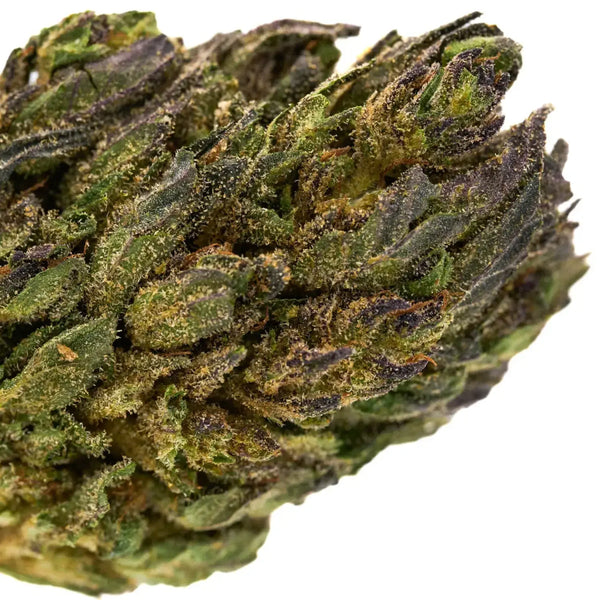
Sleep is one of the most searched topics in the cannabinoid space, and for good reason. Millions of Americans lie awake each night battling insomnia, racing thoughts, chronic pain, or the kind of restless, fragmented sleep that leaves them exhausted by morning. CBD has long been the go-to hemp-derived option for sleep support — but a growing wave of sleep-seekers is now turning to delta 8 for sleep as a potentially more effective alternative.
Is the buzz warranted? Does delta 8 actually deliver meaningful sleep benefits, or is it just clever marketing dressed up in wellness language? In this guide, we'll break down the science, the user data, and the practical guidance you need to make an informed decision about incorporating delta 8 THC into your nighttime routine.
What Is Delta 8 THC and Why Are People Using It for Sleep?
Delta 8 THC is a naturally occurring cannabinoid found in hemp plants, closely related in chemical structure to delta 9 THC — the compound most people associate with the intoxicating effects of cannabis. The key differences come down to potency and character. Delta 8 produces a milder, cleaner psychoactive effect than delta 9, with users frequently describing it as calming, body-focused, and clear-headed rather than intense or anxiety-inducing.
Those characteristics — calm, body relaxation, mental ease — happen to map almost perfectly onto what most poor sleepers are actually looking for.
Delta 8 is federally legal under the 2018 Farm Bill when derived from hemp and containing less than 0.3% delta 9 THC, which has made it widely accessible across the United States. And as the market has matured, more users are reporting that does delta 8 help sleep is one of the first questions they type into a search bar after hearing about it from a friend or seeing it recommended online.
The short answer is: yes, for many people it does. But the longer answer requires understanding the mechanisms at play.
How Delta 8 THC Supports Sleep: The Science Behind It
The relationship between THC and sleep has been studied for decades. The general scientific consensus is that THC compounds can reduce sleep onset latency (the time it takes to fall asleep), increase slow-wave or deep sleep, and at higher doses, reduce REM sleep — the dream stage associated with memory consolidation and emotional processing.
Delta 8 THC sleep effects operate through several interconnected mechanisms:
CB1 Receptor Activation in Sleep-Regulating Brain Regions
The endocannabinoid system (ECS) plays a direct role in regulating the sleep-wake cycle. CB1 receptors — the primary target for THC compounds — are concentrated throughout brain regions involved in sleep regulation, including the hypothalamus, which controls circadian rhythms, and the brainstem, which governs transitions between sleep stages. When delta 8 activates these receptors, it can encourage the shift from wakefulness toward sleep onset and promote deeper, slower brain wave activity during sleep.
Anxiety and Rumination Reduction
Here's an underappreciated truth about insomnia: for a large percentage of sufferers, the real problem isn't a physiological inability to sleep — it's an inability to stop thinking. Racing thoughts, replaying the day's conversations, worrying about tomorrow's to-do list, anticipatory anxiety about not sleeping. This mental chatter is one of the most common drivers of delta 8 insomnia searches, because people are looking for something that can break the cycle.
Delta 8's anxiolytic (anti-anxiety) properties at appropriate doses are one of its most clinically relevant characteristics for sleep. Unlike delta 9, which can paradoxically increase anxiety at higher doses, delta 8 tends to produce a calming, grounding effect that makes it easier to mentally "let go" — one of the core challenges for anxious insomniacs.
Muscle Relaxation and Physical Tension Release
Physical tension is another major barrier to sleep onset. Stress accumulates in the body — tight shoulders, a clenched jaw, back stiffness — and that physical activation keeps the nervous system in a state incompatible with deep sleep. Delta 8's body-relaxing properties, which are more pronounced than CBD's, can help release that stored tension and allow the body to settle into a genuinely restful state.
Pain Management
For a significant subset of poor sleepers, the underlying problem isn't primarily psychological — it's pain. Whether chronic back pain, joint inflammation, neuropathy, or injury-related discomfort, pain disrupts sleep at both the onset and maintenance stages. Delta 8's potential analgesic properties, working through both CB1 and CB2 receptor pathways, may help manage the pain signals that would otherwise pull someone out of sleep throughout the night.
Together, these mechanisms make hemp delta 8 for insomnia a genuinely multi-dimensional tool rather than a simple sedative.
Delta 8 vs. CBD for Sleep: Which Is More Effective?
This is one of the most common comparisons people make, and it's worth addressing directly because the answer isn't "one is always better" — it's "they work differently and suit different sleepers."
CBD for sleep operates primarily through anxiety reduction, regulation of cortisol, anti-inflammatory pathways, and modulation of serotonin receptors. It's non-psychoactive, gentle, and has an excellent safety profile for daily use. Many users find CBD highly effective for pre-sleep relaxation and reducing the anxiety that makes it difficult to wind down. However, CBD's effects are relatively subtle, and for people with more significant or long-standing insomnia, CBD alone often isn't potent enough to meaningfully move the needle on sleep quality.
Delta 8 and sleep quality go together in a more direct, noticeable way. The mild psychoactive component of delta 8 — that gentle shift in mental state — actively helps many users cross the threshold from wakeful alertness into sleep readiness. It's not just about being less anxious; it's about the mind genuinely downshifting in a way that pure CBD doesn't always produce. For users who have tried CBD and found it helpful but insufficient, delta 8 is often the next logical step.
The combination approach: Many experienced hemp users find that pairing CBD and delta 8 offers the best of both worlds. CBD contributes broader endocannabinoid system support, anti-inflammatory effects, and daytime anxiety reduction, while delta 8 provides the more direct sedative and psychoactive sleep support in the evening. Some products on the market are beginning to formulate with both cannabinoids for precisely this reason.
The bottom line: if you're a light sleeper with mild pre-sleep anxiety, CBD may be sufficient. If you have chronic insomnia, significant anxiety, pain-related sleep disruption, or you've already tried CBD without satisfactory results, best delta 8 for sleep products are worth exploring.
Delta 8 vs. Melatonin for Sleep
Melatonin is the most widely used over-the-counter sleep aid in the United States, and for good reason — it's inexpensive, widely available, and genuinely effective for a specific category of sleep problem: circadian rhythm disruption. Jet lag, shift work, irregular sleep schedules — melatonin excels here because it directly supplements the body's natural sleep hormone, helping signal the brain that night has arrived.
But melatonin has real limitations. It doesn't address anxiety-driven insomnia. It doesn't touch pain-related sleep disruption. It does nothing for the person who can physically feel sleepy but mentally cannot stop thinking. For these sleepers, melatonin often produces underwhelming results or needs to be stacked with other interventions.
Delta 8 before bed addresses the sleep problems melatonin simply doesn't reach. Its anxiolytic and sedative properties work on the mental and physical activation states that keep many insomniacs awake regardless of what time it is or how much melatonin they've taken.
Interestingly, many users find that combining both works well — melatonin handles the biological circadian signal while delta 8 handles the anxiety and mental overactivation. This dual approach covers more of the mechanisms behind poor sleep simultaneously, and many users report it's more effective than either alone.
Best Delta 8 Products for Sleep
Not all delta 8 products are equally well-suited for sleep purposes. Product type matters significantly because it determines onset time, duration, and intensity — all of which affect how useful it is as a delta 8 sleep aid.
Indica-Dominant Delta 8 Flower
For users who prefer smoking or vaping, delta 8 flower is one of the most popular sleep-support formats because it offers the fastest onset (effects typically begin within minutes) and allows for easy dose control in the moment. The key for sleep is choosing the right strain.
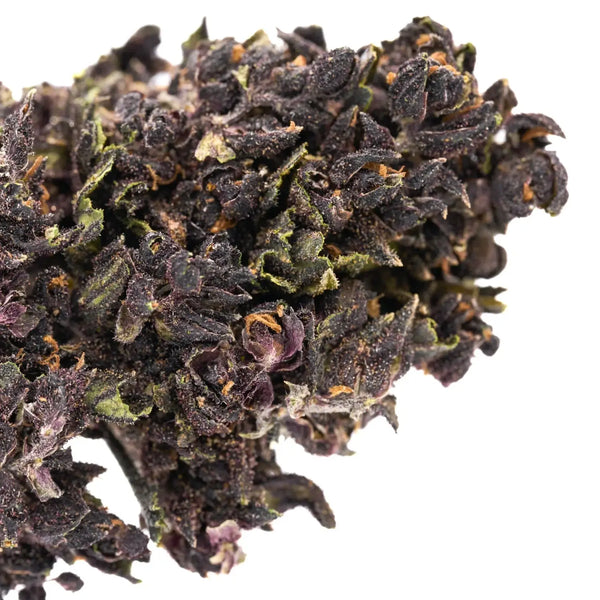
Indica-dominant strains produce notably stronger body relaxation and sedation than sativa or hybrid strains, making them the clear choice for nighttime use. Strains with Kush, Purple, or OG genetics tend to deliver the heaviest body effects and most sleep-promoting terpene profiles. Two to four puffs of a quality indica delta 8 strain 20 to 30 minutes before bed is a widely reported approach for sleep support.
Delta 8 Edibles and Gummies
For sleep specifically, edibles offer a compelling advantage over other formats: duration. The slower onset of edibles (typically 30–90 minutes) means they take longer to kick in, but their extended effect window of 4–8 hours can carry you through significantly more of the night compared to inhaled flower, which may wear off after 2–3 hours.
A 10–25mg delta 8 gummy taken 60–90 minutes before your target sleep time is one of the most popular approaches reported by regular users. The extended duration makes edibles particularly well-suited for people who fall asleep relatively easily but wake up in the middle of the night and struggle to fall back to sleep.
Delta 8 Tinctures
Tinctures occupy a useful middle ground between flower and edibles. Taken sublingually (held under the tongue for 60–90 seconds before swallowing), tinctures absorb directly through the mucous membrane and typically produce onset within 15–45 minutes — faster than edibles, slower than inhalation. Duration is moderate, generally 3–5 hours.
For users who don't want to smoke and find edibles too unpredictable in timing, tinctures offer a reliable and dose-controllable alternative. A 15–25mg dose taken 30–60 minutes before bed is a reasonable starting point.
Best Terpenes in Delta 8 Strains for Sleep
One of the most important — and frequently overlooked — factors in selecting a delta 8 sleep product is terpene profile. Terpenes are the aromatic compounds responsible for the distinct scents and flavors of different cannabis strains, and they also play a significant role in shaping the effects of any given cultivar.
For sleep specifically, these are the terpenes to prioritize:
Myrcene is the most common terpene in cannabis and the most directly associated with sedative effects. It's the primary reason indica strains are considered more sleep-inducing than sativas. Myrcene-rich strains often produce the classic "couch lock" body heaviness that makes it easy to stay still and drift off. Earthy, herbal, slightly musky aromas are a good indicator of high myrcene content.
Linalool is a floral terpene also found in lavender — which explains why lavender has been used as a sleep aid across cultures for centuries. Linalool has demonstrated anxiolytic and sedative properties in multiple research models, making strains rich in this terpene particularly well-suited for anxiety-driven insomnia.
Terpinolene is a complex terpene with fresh, piney, slightly floral notes. Found in strains with OG and Kush lineage, terpinolene has calming, slightly sedative properties that round out a sleep-focused effect profile without being as overtly heavy as high-myrcene strains.
Beta-caryophyllene is unique among terpenes because it's also a dietary cannabinoid — it directly activates CB2 receptors in addition to functioning as a terpene. It has been studied for anti-anxiety and analgesic properties, making it valuable for the sleep-disruption caused by both mental stress and physical pain. Its spicy, peppery aroma is distinctive and easy to identify.
When shopping for delta 8 sleep effects, ask about terpene testing or look for COAs (certificates of analysis) that include terpene breakdowns. The strain name alone is less meaningful than the actual terpene content.
Dosage Guide: How Much Delta 8 to Take for Sleep
Getting the dose right for sleep is genuinely important — this isn't a situation where more is always better. Too little delta 8 may not produce meaningful sedative effects, while too much can cause next-morning grogginess, disorientation, or paradoxically fragmented sleep.
Starting Dose Recommendations by Format
Edibles: 10–20mg, taken 60–90 minutes before target sleep time. If you have no experience with delta 8 or are sensitive to cannabinoids generally, start at 10mg. Users with some cannabinoid experience can start at 15–20mg.
Flower (smoked or vaped): 2–4 puffs of an indica strain, 20–30 minutes before bed. Wait a full 10–15 minutes between sessions to assess where you are before taking more.
Tincture: 15–25mg sublingually, 30–60 minutes before bed. Hold under the tongue for at least 60 seconds before swallowing for optimal absorption.
Dialing In Your Dose
Increase gradually over several nights — no more than 5mg at a time with edibles or tinctures — until you find the dose that produces noticeably improved sleep without next-morning fogginess. The goal is the minimum effective dose, not the maximum comfortable dose. Lower doses that still work preserve tolerance better over time and minimize side effect risk.
Body weight, individual metabolism, liver enzyme activity, and prior cannabinoid experience all affect how any given dose of delta 8 will hit. There's genuine individual variability here, which is why starting low and adjusting gradually is the only reliable approach.
Potential Downsides and Considerations
Responsible use of delta 8 for sleep means understanding not just the benefits but the legitimate limitations and risks.
REM Sleep Suppression
This is the most scientifically substantiated concern with regular THC use for sleep. Both delta 8 and delta 9 THC can reduce time spent in REM sleep — the dream stage that's critical for emotional processing, memory consolidation, and cognitive restoration. This effect is dose-dependent and may be more pronounced with nightly use over extended periods. Many users report reduced dreaming when using delta 8 regularly, which is a direct reflection of this REM suppression effect.
Occasional use is unlikely to cause significant cumulative disruption. Nightly use over months, however, may have more meaningful effects on sleep architecture. Periodic tolerance breaks — taking a week off every 4–6 weeks — can help reset both tolerance and sleep stage balance.
Tolerance Buildup
Like all THC compounds, delta 8 produces tolerance with regular use. The dose that produces excellent sleep in week one may feel less effective by week six. This is a practical reason to use delta 8 for sleep situationally rather than as a mandatory nightly supplement, and to incorporate regular breaks.
Morning Grogginess
Too large a dose — particularly with edibles, whose extended duration can push into the next morning — can leave users feeling foggy, slow, or cognitively impaired for hours after waking. This is a dose management issue and is generally avoidable by starting low and not overestimating the dose needed.
Psychological Dependency
Delta 8 is not physically addictive in the clinical sense, but psychological dependency is a real possibility with any sleep aid used consistently. If you find yourself unable to sleep without it or experiencing significant anxiety about sleeping without delta 8, that's a sign to step back, reassess, and consider working with a sleep specialist on underlying causes.
Practical Tips for Using Delta 8 for Sleep
A few evidence-informed practices to maximize the effectiveness of delta 8 as a sleep support tool:
Combine with good sleep hygiene. Delta 8 is most effective as a complement to good sleep practices, not a replacement for them. Consistent sleep and wake times, a dark and cool sleep environment, limiting screen exposure in the hour before bed, and avoiding caffeine after early afternoon all improve baseline sleep quality and make delta 8 work better.
Choose indica strains deliberately. If you're using delta 8 flower, strain selection genuinely matters for sleep. A sativa-dominant strain taken before bed may increase mental activity rather than reduce it. Stick to indica-dominant varieties with the terpene profiles described above.
Time your dose carefully. Edibles taken too close to bedtime may not kick in until after you've already been lying awake for an hour. Build in the appropriate lead time for the format you're using.
Keep a sleep log. Tracking dose, format, timing, and next-morning subjective sleep quality over two to four weeks lets you identify patterns and optimize your approach based on actual data rather than memory.
Don't stack with alcohol. Combining delta 8 with alcohol can amplify sedation unpredictably and tends to produce lower-quality, more fragmented sleep than either alone. For sleep purposes, alcohol is counterproductive even when it seems to help you fall asleep — it disrupts sleep architecture in the second half of the night.
Frequently Asked Questions: Delta 8 and Sleep
How long before bed should I take delta 8? It depends on the format. For edibles: 60–90 minutes. For tinctures: 30–60 minutes. For smoked or vaped flower: 20–30 minutes. Building in adequate lead time is one of the most common areas where new users go wrong.
Will delta 8 make me drowsy the next morning? At appropriate doses, most users don't experience significant next-day drowsiness. Very high doses — particularly with edibles — can cause morning grogginess. Starting low and finding your minimum effective dose is the best way to avoid this.
Is it safe to use delta 8 for sleep every night? Regular nightly use can build tolerance and may affect sleep architecture, particularly REM sleep, over time. Occasional use is preferable for most people. If nightly use feels necessary, incorporating periodic tolerance breaks (5–7 days every month or two) helps manage both tolerance and any cumulative sleep architecture effects.
Can I combine delta 8 with melatonin? Many users do combine the two, and the combination makes intuitive sense — melatonin handles circadian timing signals while delta 8 addresses anxiety and physical tension. There are no known serious interactions between the two, though as with any new supplement combination, starting with lower doses of each and observing your response is wise.
What is the best delta 8 strain for sleep? Indica-dominant strains rich in myrcene and linalool are the most consistently reported as sleep-supportive. Look for strains with Kush, Purple, or OG lineage and verify terpene content through COA testing when possible.
Does delta 8 cause vivid dreams? Most regular delta 8 users actually report the opposite — reduced dreaming — which reflects THC's known REM-suppressing properties. Some users notice a rebound effect when they stop using delta 8 after a period of regular use, experiencing more vivid or intense dreams as REM rebounds. This is a normal and temporary neurological adjustment.
Is delta 8 for sleep legal? Delta 8 derived from hemp (under 0.3% delta 9 THC) is federally legal under the 2018 Farm Bill. State laws vary, and a small number of states have moved to restrict or ban delta 8. Always verify your state's current regulations before purchasing.
How does delta 8 compare to prescription sleep aids? Delta 8 is not a pharmaceutical and isn't regulated or approved as a medical treatment for insomnia. Prescription sleep medications are more potent and carry their own significant side effect profiles, including dependency risks in many cases. Delta 8 represents a milder, more natural option that many people prefer as a first line of self-directed sleep support before considering pharmaceutical options. Anyone dealing with serious, chronic insomnia should also consult a healthcare provider.
Final Thoughts: Is Delta 8 Worth Trying for Sleep?
For a large segment of poor sleepers — particularly those struggling with anxiety-driven insomnia, physical tension, mild to moderate pain, or an overactive mind at bedtime — delta 8 sleep aid options represent a genuinely compelling tool. The science supports the mechanisms. The user experience data, while largely anecdotal at this point, is broadly consistent. And compared to pharmaceutical sleep aids, delta 8's side effect and dependency profile is considerably more favorable.
That said, it's not a cure-all. Used carelessly — at too-high doses, too frequently, without attention to strain selection or timing — it can produce underwhelming results or introduce its own problems. Used thoughtfully, as part of a broader approach to sleep that includes good sleep hygiene, stress management, and appropriate lifestyle factors, delta 8 and sleep quality improvements are something many users genuinely experience.
Start low, choose the right format for your needs, prioritize indica strains with the right terpene profile, and give it a few consistent nights before drawing conclusions. Quality hemp delta 8 for insomnia products from reputable sources — fully tested with transparent COAs — are the foundation for any experience worth having.
Explore Hemp Flower Co.'s full selection of delta 8 flower, including indica-dominant strains curated for relaxation and evening use, to find the right starting point for your sleep routine.


