


Does a THCa Blunt Get You High? What Actually Happens When You Light Up
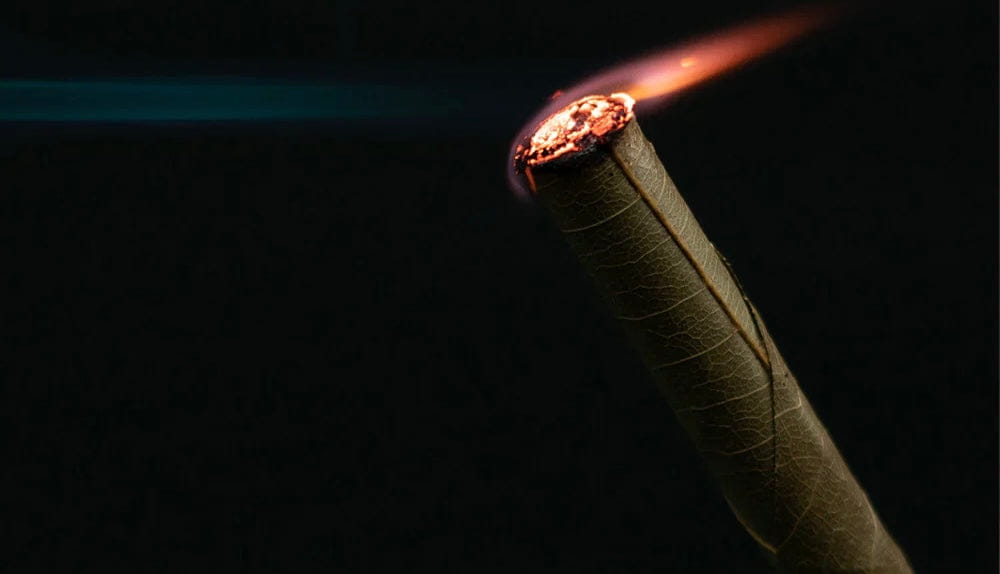
If you've been scrolling through hemp product pages and landed on something called a THCa blunt, you've probably asked yourself the exact same question thousands of other curious shoppers are typing into Google every day: does this actually get you high?
It's a fair question, and it deserves a straight answer — not marketing fluff, not legal disclaimers dressed up as science, but a genuine explanation of what's happening chemically the moment you put flame to paper. Because here's the thing: the answer isn't as simple as yes or no. It depends on chemistry, biology, heat, and a process called decarboxylation that fundamentally transforms what you're actually consuming when you light up a THCa hemp blunt.
This post is going to break all of it down — from the molecular difference between THCa and THC, to what you can realistically expect from a 32–35% THCa blunt like the Bahama Bussdown or DEA-4, to how to calculate the approximate amount of active THC you're actually getting per gram. By the time you finish reading, you'll know more about what's in your blunt than most people working in dispensaries.
First Things First: What Even Is a THCa Blunt?
Before we dive into effects and chemistry, let's establish the foundation. A THCa blunt is a pre-rolled or hand-rolled cigar-style smoke filled with high-THCa hemp flower — typically wrapped in a tobacco leaf, hemp wrap, or blunt wrap — that contains tetrahydrocannabinolic acid as its primary cannabinoid.
THCa is the raw, unheated, acidic precursor to THC. It's the compound that lives inside fresh, unprocessed cannabis and hemp flower before any heat is applied. In its natural state, sitting inside that green, aromatic bud, THCa is technically non-intoxicating. It doesn't bind effectively to the CB1 receptors in your brain the same way THC does, which means eating a raw THCa blunt wouldn't get you high in any meaningful way.
But here's where the chemistry gets interesting — and where the answer to your original question starts to take shape.
Understanding what a THCa blunt is means understanding the legal landscape that made it possible. Under the 2018 Farm Bill, hemp is defined as cannabis containing less than 0.3% delta-9 THC by dry weight. THCa is a separate compound — and while the DEA has made noise about how it should be calculated, hemp flower products with high THCa levels currently occupy a legal gray zone that makes them widely available across the country. That's why you're seeing them everywhere: because high-THCa hemp flower can be sold legally in many states while containing cannabinoid profiles nearly identical to traditional cannabis flower sold in licensed dispensaries.
The Science of Decarboxylation: How THCa Becomes THC
The word "decarboxylation" sounds intimidating, but the concept is elegantly simple. In chemistry, a carboxyl group is a molecular cluster attached to a compound — in this case, THCa has one attached to its molecular structure that THC doesn't. Decarboxylation is just the process of removing that carboxyl group, and it happens automatically when you apply heat.
When you light a THCa blunt, the burning ember at the tip reaches temperatures between 400–900°F (200–480°C). At those temperatures, the carboxyl group attached to THCa molecules is instantly volatilized and released as carbon dioxide (CO2). What remains is pure delta-9 THC — the compound your CB1 receptors have been waiting for.
This is not a slow process. It doesn't require an oven set to 240°F for 40 minutes like cannabis-infused butter requires. It happens instantaneously in the combustion zone of your blunt, which means that by the time smoke reaches your lungs, the majority of the THCa it contained has already converted into active, bioavailable THC.
Here's the conversion reaction in plain English:
THCa (non-intoxicating) + Heat → THC (intoxicating) + CO2
The efficiency of this conversion when smoking is generally estimated to be somewhere between 70–87%, depending on variables like how hot your cherry burns, how tightly the blunt is packed, how long you hold your draw, and the moisture content of the flower. Some studies on combustion efficiency in cannabis smoking suggest that around 30% of potential THC is lost to sidestream smoke, incomplete combustion, and pyrolysis — but even with those losses, you're still converting and absorbing a substantial portion of the THCa content in your blunt.
This is why THCa decarboxylation explained is such an important concept for anyone consuming these products. The flower in the package might technically say "THCa" — but what you're actually consuming when you smoke it is THC. The fire does the chemistry for you.
So Does a THCa Blunt Actually Get You High? The Direct Answer
Yes. Absolutely, unambiguously yes.
When you smoke a THCa blunt, you are smoking THC. The decarboxylation that occurs during combustion converts the THCa in the flower into delta-9 THC before it ever reaches your lungs. The experience of smoking THCa flower is, from a psychoactive standpoint, essentially identical to smoking traditional cannabis flower with a comparable THC percentage.
If someone tells you that a THCa blunt won't get you high because it's "technically hemp" or "technically THCa," they're either confused about the chemistry or deliberately misleading you. The legal distinction exists on paper. The chemistry that happens in your blunt does not care about legal classifications.
The effects you can expect from THCa blunt effects include everything you'd associate with high-potency cannabis: euphoria, relaxation, altered time perception, heightened sensory awareness, increased appetite, potential anxiety or paranoia at high doses, and depending on the strain, either a more energetic, cerebral headspace or a heavier, body-dominant sedation.
The onset is rapid — typically within minutes of your first few draws — because inhaled THC enters the bloodstream directly through the lungs, bypassing first-pass metabolism in the liver and hitting your brain faster than any edible or tincture ever could.
THCa vs THC: Understanding the Difference in Context
The THCa vs THC conversation comes up constantly in the hemp industry, and it's worth spending some time on it because the distinction matters differently depending on how you're consuming.
In raw form: THCa is non-intoxicating. If you were to juice raw hemp leaves or eat raw THCa flower, you'd get potential anti-inflammatory benefits (THCa has been studied for its role as a CB1 allosteric modulator and for potential neuroprotective properties), but you wouldn't feel high. This is why some wellness-oriented cannabis users juice raw flower — they want the therapeutic phytocannabinoids without psychoactivity.
In vaporized form: When you vaporize THCa flower at temperatures above roughly 220°F (105°C), decarboxylation begins. Most desktop vaporizers and quality portable vapes operate between 350–430°F, which is well within the decarboxylation range. You'll get significant conversion, though arguably slightly less than combustion in some setups.
In combusted form (your blunt): As described above, the extreme heat of combustion drives near-complete decarboxylation in the active burning zone. By the time you're inhaling, you're inhaling THC-rich smoke.
In edible form: THCa in edibles is where it gets complicated. If a product contains raw THCa extract and has never been heated, it won't be intoxicating when eaten. But if that extract or flower has been decarboxylated during production, you're consuming THC edibles in everything but name.
This context matters because it explains why THCa vs THC is fundamentally a question of delivery method when it comes to psychoactivity. The molecule starts as THCa. The experience it produces depends on whether it's been converted to THC before it reaches your receptors.
Breaking Down the Numbers: Potency of a 32–35% THCa Blunt
Now let's get into the math that most companies conveniently leave out of their product descriptions. If you're looking at a THCa blunt potency claim of 32–35% THCa — like what you'll find in strains like the Bahama Bussdown or the DEA-4 — what does that actually mean in real-world terms?
Step 1: Converting THCa percentage to equivalent THC
THCa doesn't convert 1:1 to THC by weight because when the carboxyl group is removed as CO2, the molecule loses mass. The molecular weight of THCa is 358.49 g/mol, while THC is 314.46 g/mol. The conversion factor most commonly used in lab testing and industry is 0.877.
So: THCa percentage × 0.877 = Equivalent THC percentage (sometimes called "Total THC" or "Total Potential THC")
For a 32% THCa flower: 32 × 0.877 = 28.06% equivalent THC For a 35% THCa flower: 35 × 0.877 = 30.70% equivalent THC
These are genuinely high potency numbers — on par with or exceeding many top-shelf dispensary products.
Step 2: Calculating milligrams per gram
There are 1,000 milligrams in a gram. If your THCa 1 gram blunt contains flower testing at 32% THCa:
1,000 mg × 0.32 = 320 mg of THCa per gram of flower 320 mg × 0.877 = 280.6 mg equivalent THC before accounting for combustion losses
Step 3: Accounting for bioavailability and combustion efficiency
Not all of that THC makes it into your lungs, and not all of what reaches your lungs makes it into your bloodstream. Research on cannabis smoking bioavailability generally estimates that between 25–50% of the total THC in smoked flower is actually absorbed by the user, with the rest lost to sidestream smoke, pyrolysis, and incomplete combustion.
Using a middle estimate of 35% bioavailability on our 280.6 mg:
280.6 mg × 0.35 = approximately 98 mg of bioavailable THC from a full 1-gram blunt at 32% THCa
At 35% THCa: 307 mg equivalent THC × 0.35 = approximately 107 mg of bioavailable THC
To put that in context, a typical cannabis edible containing 10 mg THC is considered a "standard dose" in most regulated markets. A full gram blunt from a high-THCa strain could theoretically deliver the equivalent of nearly 10 standard doses — though of course no one smokes a full gram blunt in a single, rapid session in the same way you'd swallow an edible, and the rapid onset of inhaled THC allows for natural titration in a way edibles don't.
The point isn't to alarm you. The point is that a THCa 1 gram blunt at 32–35% THCa is genuinely potent. If you're new to cannabis or have a low tolerance, these are products that deserve the same respect you'd give any high-potency smoke.

The Bahama Bussdown and DEA-4: What to Expect Strain by Strain
Two of the standout high-THCa strains in the THCa blunt category deserve individual attention because they offer meaningfully different experiences despite sharing similarly impressive THCa percentages.
Bahama Bussdown
The Bahama Bussdown is a tropical-leaning, sativa-dominant cultivar that's turned heads for its fruit-forward terpene profile and the kind of cerebral, euphoric effects that pair well with daytime use. Expect notes of mango, citrus, and tropical fruit on the inhale, with a smooth finish that doesn't hit the back of the throat harshly. The terpene profile typically leads with myrcene, limonene, and sometimes caryophyllene — a combination that tends to produce an uplifting, creative headspace before settling into a comfortable, body-present relaxation.
At 32–35% THCa, the Bahama Bussdown isn't for beginners who haven't established their tolerance. But for experienced smokers looking for a genuinely premium experience, it offers the kind of full-spectrum elevation that makes it immediately clear why high-THCa hemp flower has disrupted the cannabis market so significantly.
DEA-4
The name DEA-4 is a bit of a wink at the regulatory landscape surrounding these products — and the strain backs it up with substance. This cultivar tends to run more indica-leaning in its effects, with a heavier, more body-dominant stone that makes it an excellent evening or nighttime option. The terpene profile often features prominent myrcene alongside linalool or bisabolol, contributing to its relaxing, sedative character. Flavor-wise, expect earthier, denser smoke with hints of grape, berry, or fuel depending on the phenotype.
For someone dealing with end-of-day tension, muscle discomfort, or difficulty winding down, the DEA-4's effect profile — combined with its high THCa content — makes it one of the more substantively effective options in the pre-roll and blunt market.
Both strains illustrate an important point about THCa blunt effects: potency percentage tells you how strong the experience could be, but terpenes largely determine what kind of high you're going to have. Don't overlook the terpene profile when choosing your strain.
Will a THCa Blunt Show Up on a Drug Test?
This is the question that tends to follow the "does it get you high" question pretty quickly, and the answer deserves the same directness.
Yes. Smoking a THCa hemp blunt will almost certainly cause you to fail a standard drug test. The reason is exactly the same as why it gets you high: you're consuming THC. When your body metabolizes THC, it produces THC-COOH and other metabolites that standard urine drug tests are designed to detect. The fact that the compound started its life as THCa in a hemp plant does not change what it becomes in your body or what testing panels will find.
If you work in a field that requires drug testing or have any legal obligations around cannabis use, treat THCa products with the same caution you'd apply to traditional cannabis flower — because pharmacologically and toxicologically, they're essentially the same thing once you've lit them up.
How THCa Blunts Compare to Other Consumption Methods
Understanding what is a THCa blunt means understanding how it stacks up against other ways to consume the same flower.
Compared to a standard hemp flower joint or pipe bowl, a blunt delivers a longer session due to the larger amount of flower involved and the slower-burning wrap. Tobacco leaf wraps in particular burn at a slower rate than thin rolling papers, which some users find produces a more relaxed, measured experience versus the rapid hits you'd take from a glass piece.
Compared to vaping THCa flower, a blunt typically produces a more intense, full-combustion smoke experience with a broader range of combustion byproducts — including some that vaping avoids. Vaping at controlled temperatures can actually preserve more terpenes and produce a more nuanced flavor profile, though many users prefer the ritual and social experience of a well-rolled blunt.
Compared to THCa concentrates (diamonds, wax, crumble), a blunt at 32–35% THCa is genuinely potent but still a lower concentration product than the 80–99% THCa concentrates on the market. This makes high-THCa blunts an excellent middle ground for experienced flower smokers who want premium potency without crossing into the territory of concentrates.
Tips for Getting the Best Experience from a THCa Blunt
Whether you're picking up a Bahama Bussdown, a DEA-4, or any other high-potency THCa blunt, a few practical considerations will help you get the most out of your experience:
Start with your tolerance in mind. If you haven't smoked high-THCa flower before, don't try to match the pace of someone who smokes daily. Two or three solid draws and then a pause to gauge where you're at is a much better strategy than smoking a third of the blunt before the effects have had a chance to catch up to you.
Storage matters before you even light up. THCa flower degrades more rapidly when exposed to heat, light, oxygen, and improper humidity. Store your blunts or flower in airtight containers at 58–62% relative humidity to preserve both potency and terpene integrity.
The first few draws set the temperature of the burn. A slow, even light that gets the entire tip burning uniformly will burn more efficiently and produce better conversion than a lopsided cherry that's hotter on one side. Take your time lighting up.
Hydration and setting matter. This is true of cannabis in general but worth repeating: high-THCa products at 32–35% are genuinely potent. Being well-hydrated, having eaten something, and being in a comfortable environment significantly reduces the likelihood of anxiety or discomfort, particularly for newer users or those revisiting cannabis after a tolerance break.
Don't judge the experience by the first minute. Inhaled THC onset is fast, but peak effects from a combusted blunt typically arrive 10–20 minutes into the session. Give yourself time to settle before deciding you need more.
The Legal Landscape: Why THCa Blunts Are Legal (for Now)
It would be incomplete to talk about THCa hemp blunts without acknowledging the regulatory context that makes them possible and the uncertainty that surrounds them.
Under current federal interpretation of the 2018 Farm Bill, hemp flower is legal if it contains less than 0.3% delta-9 THC by dry weight. THCa is technically a separate compound from delta-9 THC, which has allowed high-THCa hemp flower to exist in a legal space that closely mimics traditional cannabis in every practical sense.
The DEA has signaled interest in clarifying how THCa should be counted toward total THC for compliance purposes, and some states have moved to regulate or restrict high-THCa hemp products independently of federal law. The regulatory landscape is evolving. What's available today in your state may look different in 12 or 24 months as both federal and state regulators continue to address the gray area these products occupy.
This is worth knowing not to discourage you from these products, but to encourage you to stay informed about the regulations in your specific state and to buy from reputable, transparent vendors who can provide current Certificates of Analysis from accredited labs.
What to Look for When Buying a THCa Blunt
Not all THCa blunts are created equal, and with a market that's expanded rapidly, knowing how to evaluate quality before you buy is genuinely valuable.
Third-party lab testing is non-negotiable. Any product you're considering should have a current Certificate of Analysis from an accredited, independent laboratory. This COA should confirm both the THCa percentage and — critically — that the product complies with the 0.3% delta-9 THC threshold. It should also test for pesticides, heavy metals, and residual solvents.
The freshness of the COA matters. A lab test from 18 months ago tells you very little about the product you're buying today. Cannabinoid content degrades over time. Look for COAs that are current — ideally from within the last 6 months of the harvest or product batch.
Terpene testing adds value. A COA that includes a full terpene panel gives you real insight into what the experience of smoking THCa flower from that specific batch will actually feel like, not just how potent it is.
The wrap matters. High-quality blunts use wraps that complement the flower rather than competing with it. Natural tobacco leaf wraps, hemp wraps, and high-quality blunt papers each burn differently and contribute differently to the overall flavor profile. Know what you're getting.
Smell and appearance upon opening. Premium THCa flower at 32–35% should be aromatic, well-cured, not bone-dry or overly moist, and visibly covered in trichomes. If a pre-roll or blunt doesn't smell like anything interesting when you open the packaging, the terpenes have likely degraded and the experience will reflect that.
Final Verdict: What Actually Happens When You Light Up a THCa Blunt
Let's bring this full circle.
When you light a THCa blunt, here's the chain of events in plain language:
The heat from your lighter or match initiates combustion in the wrap and flower. The burning zone reaches several hundred degrees Fahrenheit, instantly driving THCa decarboxylation — removing the carboxyl group from THCa molecules and converting them into active delta-9 THC. That THC-rich smoke travels through the blunt and into your lungs. Your lung tissue absorbs the THC directly into the bloodstream. It crosses the blood-brain barrier and binds to CB1 receptors in the brain, triggering the cascade of neurological effects we recognize as being high.
With a strain like the Bahama Bussdown or DEA-4 at 32–35% THCa, you're working with a genuinely potent product — the equivalent of 28–31% traditional cannabis flower by total potential THC, delivering somewhere in the range of 90–110 mg of bioavailable THC across a full gram blunt (accounting for typical combustion and absorption losses).
THCa blunt effects are real, substantive, and comparable to traditional high-potency cannabis flower in every meaningful way. The compound starts as THCa. The fire finishes the job. What you experience is THC.
If you're looking for premium THCa pre-rolls and blunts with transparent lab testing, high-potency strains, and the kind of quality that justifies the investment, explore the full collection and find the strain profile that matches what you're looking for — whether that's the tropical euphoria of the Bahama Bussdown, the grounded evening calm of the DEA-4, or something else entirely.
The science is clear. The experience speaks for itself.


