


What Are THCA Concentrates? A Beginner's Guide to Potency, Types, and Effects
If you've been curious about THCA concentrates but aren't sure where to start, you're not alone. Concentrates are one of the fastest-growing segments of the hemp market, and for good reason — they deliver an intensity of experience that flower simply can't match. But with so many product types, extraction methods, and potency levels on the market, it can feel overwhelming to figure out what you're actually looking at when you browse a concentrate menu.
This THCA concentrate guide is designed to cut through the noise. Whether you've never dabbed in your life or you're a flower smoker looking to level up, this breakdown will walk you through exactly what THCA concentrates are, how they're made, what the major product types look like, and what kind of experience you can expect. By the time you finish reading, you'll have a solid foundation for making smarter, more confident purchasing decisions — and you'll understand why so many experienced cannabis consumers consider concentrates the pinnacle of the hemp experience.
Let's start at the beginning.
What Is THCA? Understanding the Foundation
Before you can understand what THCA concentrates are, you need to understand THCA itself. THCA — tetrahydrocannabinolic acid — is the raw, acidic precursor to THC found naturally in living and freshly harvested cannabis and hemp plants. In its natural state, THCA is non-intoxicating. It doesn't bind to the CB1 receptors in your brain the way that THC does, which means consuming raw THCA — say, by eating a raw cannabis leaf — won't produce any psychoactive effect.
What changes that? Heat. The moment you apply heat to THCA through a process called decarboxylation, it sheds a carboxyl group from its molecular structure and converts into delta-9 THC, the compound responsible for the classic cannabis high. This is the science behind why smoking, vaping, and dabbing all produce intoxicating effects from THCA-dominant products, while raw consumption generally does not.
This distinction matters enormously in the legal landscape. Because THCA is technically not THC in its raw form, hemp-derived THCA products exist in a legal gray area under the 2018 Farm Bill framework, provided total delta-9 THC content stays below 0.3% on a dry weight basis. This has opened the door for a robust market of high-potency, hemp-derived THCA concentrates that are available online and in specialty retailers across much of the United States.
Understanding this chemistry is foundational to understanding why concentrates behave the way they do — and why the product type you choose, the temperature you use, and the amount you consume all matter significantly.
What Makes a Concentrate a Concentrate?
The term "concentrate" refers to any cannabis or hemp product that has been processed to remove plant material and isolate or amplify the active compounds — primarily cannabinoids and terpenes. The result is a product that is dramatically more potent by weight than raw flower.
Where high-quality THCA flower might test at 20–25% total THCA by weight, THCA concentrate potency routinely measures between 70% and 99%+ THCA. That extreme potency is what defines the category and what makes concentrates both exciting and something that demands a degree of respect and intentionality — especially for newer users.
THCA Concentrate vs. Flower: Key Differences
When you're weighing a THCA concentrate vs flower, there are a few practical distinctions worth understanding:
- Potency: Concentrates are anywhere from 3x to 5x more potent per gram than high-quality flower. A 0.1g dab can deliver the same cannabinoid load as a full gram of flower or more.
- Flavor: Because concentrates isolate and preserve terpenes more efficiently than combustion, many concentrate products offer a cleaner, more pronounced terpene expression — though this depends heavily on the extraction method.
- Efficiency: You use far less product per session, which often offsets the higher per-gram price point.
- Learning curve: Concentrates require more specialized equipment and technique than simply packing a bowl, which can make them feel less approachable at first.
- Effects: Due to the rapid delivery and higher cannabinoid load, the onset and intensity of effects from concentrates is faster and stronger than flower.
Concentrates also tend to preserve terpene profiles more effectively than combustion, depending on the extraction method used — meaning that in addition to higher potency, many concentrates also offer a more nuanced, complex flavor experience than smoking flower.
THCA vs. THC Concentrates: What's the Actual Difference?
One of the most common points of confusion for new users involves THCA vs THC concentrates. Here's the short version: before you apply heat, they're chemically distinct compounds. After you apply heat, they're functionally identical in terms of effect.
THC concentrates are typically made from marijuana — a cannabis plant that already contains significant levels of delta-9 THC. THCA concentrates are made from hemp or high-THCA cannabis plants where the dominant cannabinoid is THCA rather than delta-9 THC. Because THCA is classified differently under federal law than delta-9 THC, hemp-derived THCA concentrates occupy a legal space that marijuana-derived THC concentrates do not in states where marijuana remains prohibited.
In practical use, once you dab a THCA concentrate and it decarboxylates in the heat of your banger, the resulting compound — delta-9 THC — is the same molecule that marijuana-derived concentrates produce. The distinction is primarily about source material, legal status, and how the product is classified prior to consumption.
This is why legal THCA concentrates are now widely available online and through licensed hemp retailers, while traditional marijuana concentrates remain confined to states with recreational or medical marijuana programs.
The Most Common Types of THCA Concentrates
The concentrate market encompasses a wide range of product types, each distinguished by its extraction method, texture, consistency, and terpene content. Understanding the types of THCA concentrates available is one of the most important steps to finding the product that fits your preferences and experience level.
THCA Diamonds
THCA diamonds are crystalline structures — sometimes called "rocks" or "gems" — that form when THCA is isolated and allowed to crystallize out of a supersaturated solution. They are among the purest THCA products available, often testing at 95–99% THCA. The crystallization process separates cannabinoids from terpenes, which is why diamonds are typically consumed alongside "sauce" — a terpene-rich liquid that surrounds the crystals and adds flavor complexity.
Diamonds are ideal for experienced users who want maximum potency with precise control over their experience. Because they're so concentrated, they require the smallest amounts of any product type to achieve a significant effect. They're almost always consumed by dabbing and are considered by many to represent the upper ceiling of THCA concentrate potency.
THCA Live Resin
THCA live resin is made from cannabis or hemp that is flash-frozen immediately after harvest, preserving the full terpene and cannabinoid profile of the living plant. Because the plant material was never dried or cured, live resin captures a fresher, more vibrant expression of the strain's chemistry. It tends to have a more complex, aromatic flavor than concentrates made from cured material.
Live resin is widely considered one of the premium product categories in the concentrate world for exactly this reason. The terpene retention is exceptional, and the resulting experience reflects a fuller picture of the original strain's character. If flavor and full-spectrum effect are priorities for you, live resin is worth exploring early.
THCA Wax
THCA wax is a broad category that covers any concentrate with a soft, opaque, wax-like consistency. The exact texture can vary from sticky and taffy-like to drier and more crumbly, depending on the specific processing technique. Wax is popular because it's relatively easy to handle compared to liquid or glass-like concentrates, making it a good entry point for newer concentrate users.
Wax is typically made via butane hash oil (BHO) extraction and then agitated or whipped during the purging process to produce its characteristic consistency. It's versatile, widely available, and generally more affordable than premium live resin or diamonds, making it a practical option for daily use.
THCA Shatter
THCA shatter is named for its glassy, brittle consistency — it literally shatters when dropped or broken. It's made through a solvent-based extraction process followed by a careful, undisturbed purging of residual solvents. The lack of agitation during purging is what produces its characteristic translucent, glass-like appearance.
Shatter tends to be very stable at room temperature, which makes it easy to store and handle, though it can become sticky and lose its rigidity in warm environments. It's one of the most shelf-stable concentrate forms, which makes it particularly practical for users who don't consume concentrates every day.
THCA Rosin
THCA rosin stands apart from most other concentrates because it is entirely solventless. It's made by applying heat and pressure to cannabis or hemp material using a rosin press, which squeezes out a resinous extract without any chemical solvents. The result is a clean, full-spectrum product that retains an excellent terpene profile.
Many concentrate enthusiasts consider rosin the gold standard for exactly this reason — there are no residual solvents to worry about, and the full-spectrum nature of the extract means you're getting cannabinoids and terpenes in proportions that closely reflect the original plant. Rosin tends to command a higher price point because of the manual labor involved and the lower yields compared to solvent-based methods, but for users who prioritize a clean, naturally derived product, it's often worth it.
THCA Budder and Badder
Budder and badder are whipped or agitated concentrates with a creamy, frosting-like consistency. The difference between the two is primarily one of moisture content and final texture — budder tends to be a bit firmer, while badder is softer and more cake-batter-like. Both are easy to work with and tend to have a smooth, consistent texture that makes dosing relatively intuitive.
These are often recommended for users who find shatter too brittle and diamonds too intense, as they hit a practical middle ground in terms of both texture and potency.
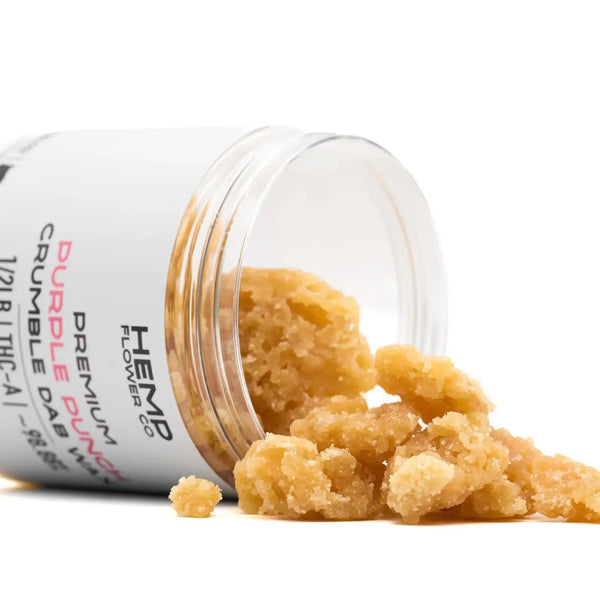
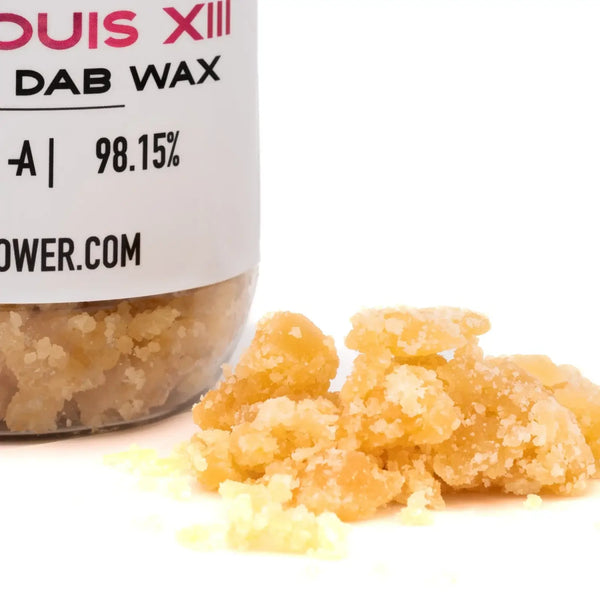
THCA Crumble
Crumble is similar to wax but drier and more porous, with a texture that breaks apart into small, irregular pieces. It's one of the easiest concentrates to handle without specialized tools, and it can also be sprinkled onto flower in a bowl or joint for a significant potency boost — a technique sometimes called "topping" that many users find to be a natural bridge between flower and full concentrate use.
How Are THCA Concentrates Made? A Look at Extraction Methods
Understanding how concentrates are made helps you interpret product labels, evaluate quality claims, and make more informed decisions about what you're buying. There are two primary extraction pathways: solvent-based and solventless.
Solvent-Based Extraction
This method uses chemical solvents — most commonly butane, propane, or CO2 — to strip cannabinoids and terpenes from the plant material. The resulting crude extract is then refined and purged to remove residual solvents. Products made via this process include BHO wax, shatter, live resin, and diamonds.
When done properly by professional extractors using closed-loop systems in licensed facilities, solvent-based extracts are safe, highly pure, and consistently potent. The key phrase there is "done properly" — which is one reason third-party COA testing matters so much when you're evaluating any concentrate product. A quality COA will include residual solvent testing to confirm the extract meets safety thresholds.
Solventless Extraction
This method uses only physical processes — heat, pressure, ice water, or mechanical agitation — to separate trichomes and resin from plant material. Rosin, bubble hash, and dry sift are all solventless products. These methods tend to preserve terpenes exceptionally well and are favored by consumers who prefer a more natural product with no risk of residual solvents.
Solventless extraction is generally more labor-intensive and lower-yield than solvent-based methods, which is reflected in price. But for users who want the cleanest possible product, the premium is usually considered worthwhile.
How Strong Are THCA Concentrates? What to Expect From Potency and Effects
Because THCA concentrates convert to delta-9 THC upon heating, the THCA concentrate effects are fundamentally similar to what you'd expect from high-potency THC — euphoria, relaxation, sensory enhancement, heightened creativity or introspection, and in higher doses, significant sedation or disorientation for those with lower tolerance.
The difference between concentrates and flower isn't just a question of how strong THCA concentrates are in theory — it's about how quickly that intensity arrives and how long it lasts. A single dab of high-THCA concentrate can deliver an experience that feels dramatically more powerful than an entire flower bowl. Onset is rapid, typically within seconds to a minute of inhalation, and the peak effect tends to be more pronounced and longer-lasting than what most flower users are accustomed to.
Terpenes also play a significant role in shaping the experience. The same way terpenes contribute to the distinctive character of individual flower strains, they influence the effects and flavor profile of concentrates. Full-spectrum and live resin products tend to deliver a more well-rounded, nuanced effect compared to isolated THCA diamonds, in part because of the entourage effect — the synergistic interaction between cannabinoids and terpenes that most researchers and experienced users consider meaningful.
Tips for Managing Potency as a Beginner
- Start with a rice-grain-sized dab or smaller. Seriously — this is the most common piece of advice given to new concentrate users, and it's given for good reason.
- Low-temp dabbing. Dabbing at lower temperatures (around 400–500°F rather than 600°F+) produces smoother, more flavorful vapor and a more manageable effect.
- Wait before re-dosing. The onset from concentrates is fast, but the full effect can take a few minutes to settle in. Wait and assess before taking a second dab.
- Have water nearby. Concentrates can be hard on the throat and lungs, especially at higher temperatures.
- Choose a lower-potency product to start. Wax or budder from a reputable brand is a more forgiving introduction than 99% THCA diamonds.
Are THCA Concentrates Legal?
Legal THCA concentrates exist in a specific regulatory framework worth understanding. Under current federal guidelines, hemp-derived THCA products — including concentrates — are legal as long as the plant material they were derived from tested under 0.3% delta-9 THC on a dry weight basis at the time of harvest. This is the standard established by the 2018 Farm Bill, and it's the legal framework that most hemp-derived THCA concentrate sellers operate under.
However, state laws vary significantly. Some states have moved to restrict or ban hemp-derived THCA products, treating them with the same regulations as marijuana. Others have embraced the hemp-derived market enthusiastically. Before purchasing, it's always a good idea to verify the current regulations in your specific state.
What you should always look for, regardless of legal status, is a valid certificate of analysis (COA) from an accredited, independent third-party laboratory. A quality COA will confirm THCA potency, verify delta-9 THC compliance, and include results for contaminant testing covering pesticides, heavy metals, residual solvents, and microbials. Buying from brands that consistently publish up-to-date COAs for their products is the single best indicator of quality and trustworthiness.
How to Use THCA Concentrates: A Beginner's Overview
Understanding how to use THCA concentrates is critical before you make your first purchase. The most common and efficient consumption method is dabbing — but it's not the only one.
Dabbing
Dabbing uses a dab rig (a specialized water pipe), a quartz banger or nail, and a torch (or an electronic nail/e-nail) to vaporize the concentrate at high temperatures. The vapor is inhaled through the rig, the THCA immediately decarboxylates on contact with the heat, and the resulting delta-9 THC enters the bloodstream rapidly through the lungs.
An e-nail or electronic dab rig eliminates the need for a torch entirely and allows for precise temperature control, which makes it a popular option for users who want consistency and a smoother learning curve.
Vape Pens and Cartridges
Some THCA concentrates are formulated for use in vaporizer devices, offering a more portable and discreet option than a full dab rig setup. Vape pens are a good middle ground for users who want the potency of a concentrate without the setup and equipment investment that dabbing requires.
Topping Flower
Concentrates like wax, crumble, or THCA diamonds can be added to bowls, bongs, or joints to significantly increase potency. This is one of the most accessible ways to incorporate concentrates into an existing flower-based routine without purchasing new equipment.
Twaxing
A technique where concentrate is rolled, pressed, or wrapped around the outside of a joint. This increases potency significantly and also slows the burn of the joint, extending the session.
Nectar Collectors
A handheld dabbing device that allows users to touch a heated tip directly to the concentrate rather than placing the concentrate in a banger. Nectar collectors are portable, easy to use, and require less equipment than a full rig, making them a practical option for new concentrate users.
How to Choose the Best THCA Concentrates for Your Needs
Finding the best THCA concentrates for your specific situation comes down to a handful of key criteria:
Experience level: If you're new to concentrates, start with wax, budder, or crumble — they're forgiving in terms of texture, widely available, and generally more manageable in terms of potency than diamonds. Live resin and rosin are excellent next steps once you've developed a baseline understanding of your tolerance.
Consumption method: Your equipment matters. If you're starting with a basic dab rig, most concentrate types will work. If you want something more portable, look for products specifically formulated for vape devices.
Flavor priorities: If terpene expression and flavor complexity matter to you, live resin and rosin are generally your best options. Both methods prioritize terpene retention in ways that other extraction methods don't.
Clean product preference: If you want to avoid any possibility of residual solvents, choose solventless products like rosin or bubble hash.
Budget: Wax and crumble tend to be the most accessible price points. Live resin and rosin typically command a premium. Diamonds occupy a range depending on purity and whether they're sold with sauce.
Always verify that any product you're considering comes with a current, third-party COA before purchasing. This is non-negotiable for any responsible concentrate purchase.
FAQ: Real Questions About THCA Concentrates
Will THCA concentrates get me high?
Yes — when heated through dabbing, vaping, or smoking, THCA converts to delta-9 THC and produces intoxicating effects. The intensity is significantly higher than flower due to the elevated potency of concentrate products.
How much should a beginner use?
Start with a dab no larger than a grain of rice. This is a fraction of what experienced users consume but is more than enough to gauge your personal response to a concentrate before committing to more.
Are THCA concentrates safe?
When purchased from reputable brands with verified third-party lab testing, hemp-derived THCA concentrates are generally considered safe for adult use. The primary risks are overconsumption (too much, too fast) and purchasing products without proper COA verification, which could mean exposure to contaminants.
What's the difference between THCA diamonds and regular wax?
THCA diamonds are crystallized, near-pure THCA structures that can test at 95–99% THCA. Wax is a broader category with a softer, more opaque consistency and a lower but still high potency, typically 70–90%. Diamonds are among the most potent products available; wax is more forgiving for newer users.
Can I buy THCA concentrates online?
Yes — hemp-derived THCA concentrates are available from online hemp retailers in states where hemp-derived THCA products are legal. Always verify your state's current regulations before ordering.
What's the best temperature to dab THCA concentrates?
Low-temp dabs in the 400–500°F range produce the best flavor and a smoother, more manageable vapor. Higher temperatures (600°F+) produce larger clouds and more intense effects but can degrade terpenes and may be harsh on the lungs.
How should I store THCA concentrates?
Most concentrates should be stored in a cool, dark environment, ideally in an airtight silicone or glass container. Heat and light can degrade terpenes and alter consistency. Avoid storing concentrates in direct sunlight or near heat sources.
Conclusion
THCA concentrates represent the most potent and diverse category of hemp-derived products on the market today. Whether you're drawn to the crystalline purity of THCA diamonds, the full-spectrum complexity of THCA live resin, or the clean simplicity of solventless THCA rosin, there is a concentrate product that fits your preferences and experience level.
The key takeaways: know your product type, start with small amounts, always look for verified COAs from reputable sellers, and understand that what you're consuming will convert to THC when heat is applied. That's the foundation you need to explore THCA dabs and concentrates responsibly and with confidence — whether you're a first-time dabber or a seasoned flower smoker ready to take the next step.


