


What Are THCA Diamonds? The Most Potent Hemp Concentrate Explained
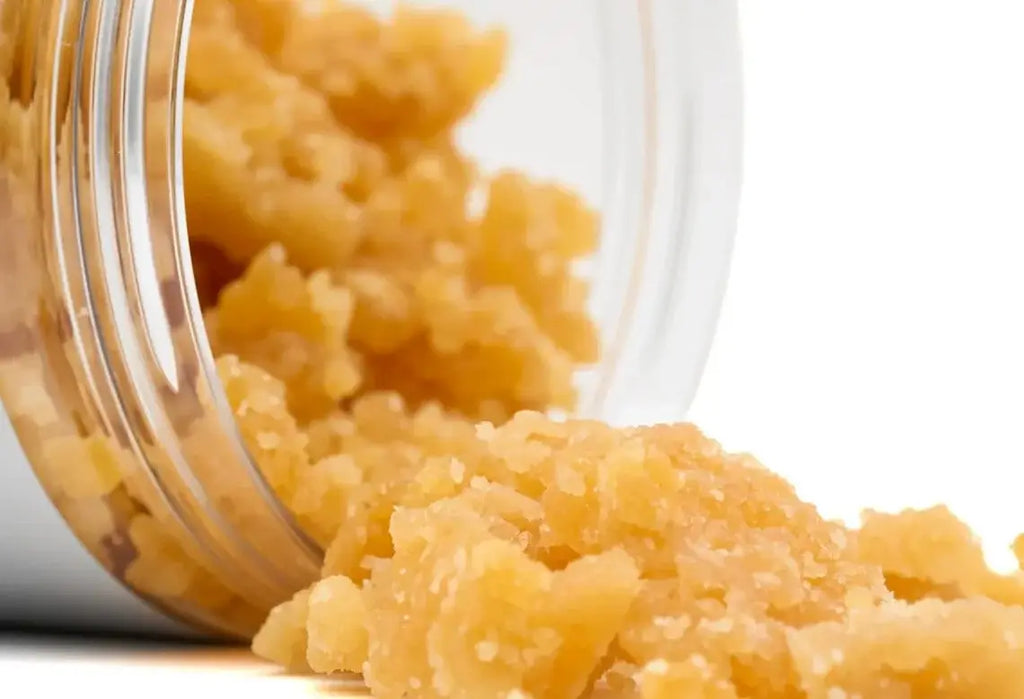
Walk into any serious concentrate conversation in 2026 and one product keeps coming up. Sitting inside tightly sealed jars, catching the light like something pulled from a jewelry case, THCA diamonds have a way of stopping people mid-sentence. They look different from anything else on the concentrate shelf. They behave differently. And if you've ever wondered why experienced dabbers talk about them with a reverence usually reserved for top-shelf single-origin flower — this guide is where you find out why.
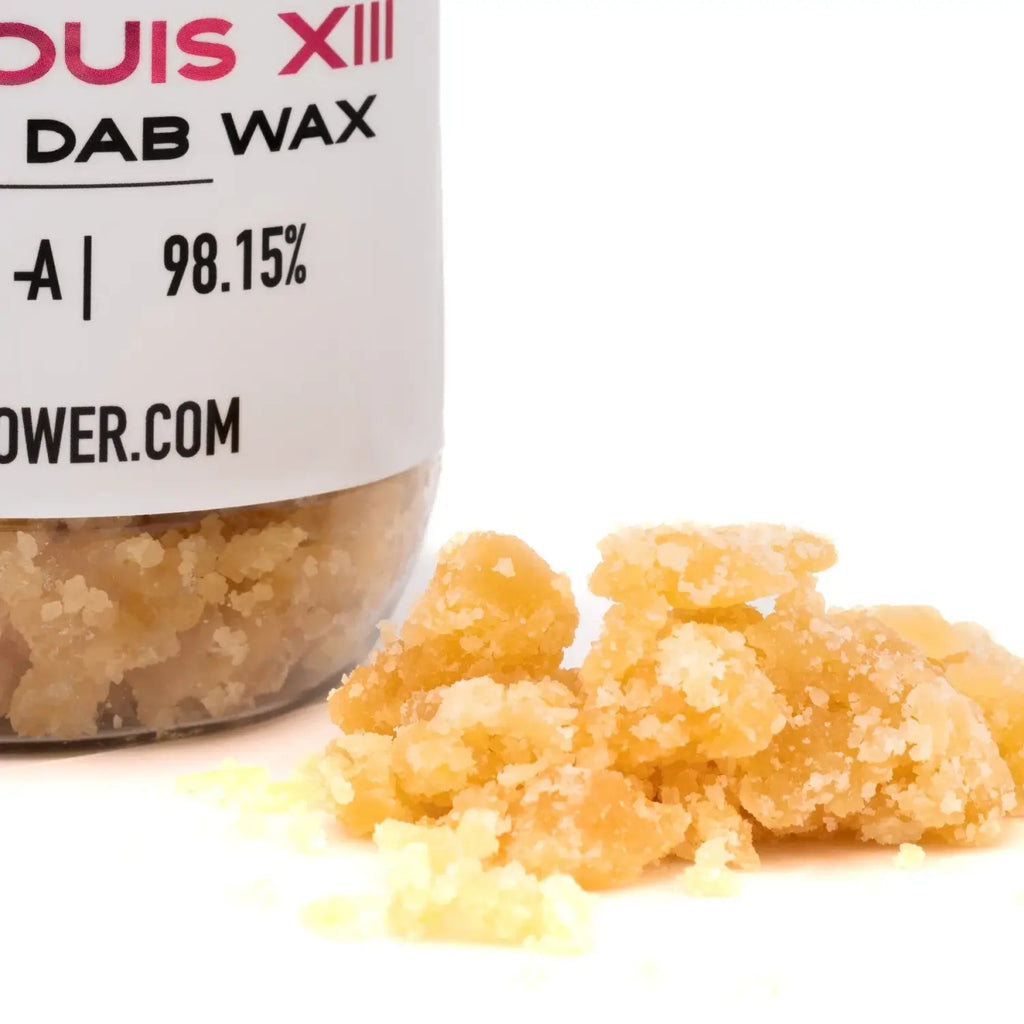
THCA diamond concentrate is exactly what it sounds like: crystalline, faceted, glittering structures of nearly pure tetrahydrocannabinolic acid extracted from hemp and refined to a level of purity that no other format can match. Testing at 95–99% THCA, they represent the furthest edge of what modern extraction science can produce. There is no other commonly available hemp-derived product that comes close to that number.
But potency alone doesn't explain the cult following. To really understand what are THCA diamonds and why they matter, you need to understand what they are chemically, how they're produced, how they compare to every other concentrate on the market, and how to actually use them without turning a premium product into an overwhelming experience.
This guide covers all of it — from the molecular chemistry of crystallization to practical first-session tips, from the legal landscape to the honest breakdown of who these concentrates are built for and who should probably start somewhere else first. By the time you're done reading, you'll know exactly what hemp diamonds are, what they do, and whether they belong in your rotation.
What Are THCA Diamonds? A Complete Definition
What are THCA diamonds? At the most literal level, they are crystallized tetrahydrocannabinolic acid — THCA — in its isolated, solid form. THCA is the raw acidic precursor to Delta-9 THC found naturally in hemp and cannabis plants. In live or freshly dried plant material, THC exists primarily as THCA. It only converts to the active Delta-9 form through heat, a process called decarboxylation.
When THCA is extracted from hemp flower, concentrated, and given the right conditions to crystallize, the molecules self-organize into dense geometric structures — faceted, translucent, and unmistakably crystalline. Some THCA isolate crystals are fine and powdery, resembling confectioner's sugar. Others grow into chunky, gemstone-like formations large enough to hold between two fingers. Both represent the same compound at the same purity level — the difference is simply a matter of how long and how carefully the crystallization was allowed to proceed.
What makes diamonds categorically different from every other concentrate on the market is what they don't contain. Most concentrates — wax, shatter, live resin, rosin, budder — are full-spectrum or broad-spectrum products. They retain a complex mixture of cannabinoids, terpenes, flavonoids, and other plant compounds from the source material. That complexity is part of their appeal. Diamonds strip all of that away. At 95–99% THCA, there is essentially nothing in a properly produced diamond except THCA. No terpenes. No minor cannabinoids. No waxes or lipids. Just the cannabinoid itself, crystallized into its purest possible form.
This is why THCA crystalline occupies its own category. It isn't a more refined version of wax or shatter — it's a fundamentally different type of product built around a single goal: delivering the maximum possible concentration of THCA in a stable, testable, reproducible form.
The Chemistry of Crystallization: Why THCA Forms Diamonds
The crystallization of THCA isn't a manufacturing trick — it's a natural consequence of the molecule's chemistry under the right conditions. Understanding why it happens helps explain both what makes diamonds unique and why producing them well requires real expertise.
THCA is a relatively large, polar organic molecule. Like many polar molecules — sucrose, sodium chloride, citric acid — THCA has a natural tendency to self-organize into a repeating geometric lattice when present in sufficient concentration in a solution that is allowed to cool slowly. This is the fundamental chemistry of crystallization, and it's the same process that produces rock candy, snowflakes, and mineral formations in the natural world.
In concentrate production, the solution in question is a purified THCA-rich extract suspended in residual hydrocarbon solvent. As the solvent is slowly purged and the temperature drops, the dissolved THCA reaches a saturation point — there's more THCA present than the remaining solution can hold in liquid form. At that point, the excess THCA has two choices: precipitate out of solution randomly (producing an amorphous solid) or organize into a crystal lattice (producing diamonds). With careful temperature control and the presence of nucleation sites — tiny imperfections or particles where crystal growth can anchor and begin — the organized path wins. Crystals form, grow, and eventually dominate.
The size, shape, and purity of the resulting THCA isolate crystals depend on how precisely the process is managed. Fast crystallization under uncontrolled conditions produces small, irregular crystals with lower purity. Slow, carefully controlled crystallization — maintained at consistent low temperatures over days or weeks — produces large, faceted, ultra-pure formations. This is why the producer's skill and process discipline matter enormously in diamond quality. The chemistry is reliable, but execution separates average product from exceptional product.
How Are THCA Diamonds Made? Step-by-Step Production
How are THCA diamonds made? The production process begins long before a crystal forms — it begins with sourcing.
Starting Material Selection
The quality of finished diamonds is directly determined by the quality of the hemp flower used in extraction. High-THCA cultivars with dense trichome coverage and robust cannabinoid profiles produce extracts rich enough to crystallize reliably and at high purity. Lower-quality starting material — older flower, poorly cured hemp, shake and trim heavy in plant matter — produces lower-purity crude that is harder to crystallize and more likely to carry impurities into the finished product.
Hydrocarbon Extraction
The most common extraction method for diamond production uses hydrocarbons — typically butane, propane, or a blend of both. Hydrocarbon solvents are exceptionally efficient at extracting THCA and terpenes while leaving behind most plant waxes, chlorophyll, and other undesirable compounds. The extraction is typically performed at low temperatures (often sub-zero) to maximize THCA yield while minimizing the co-extraction of lipids and fats.
The result is a crude extract — a viscous, aromatic oil rich in THCA, terpenes, and minor cannabinoids.
Winterization and Refinement
The crude extract undergoes winterization: it is dissolved in ethanol and chilled to very low temperatures, causing lipids and waxes to precipitate out and be filtered away. This produces a cleaner, more refined oil better suited for crystallization.
Crystallization
Here's where the process diverges into the two primary commercial methods used for THCA diamond concentrate production:
Closed-Loop Crystallization: The refined extract is introduced into a sealed, pressure-controlled vessel and maintained at a carefully calibrated temperature. Over a period of days to several weeks, THCA precipitates out of solution and accumulates as crystals at the bottom of the vessel, while the terpene-rich liquid — the "sauce" — separates and rises to the top. This method offers excellent control over conditions and is favored by high-volume commercial producers.
Jar Tech (Open Crystallization): A widely used small-batch technique in which the purified extract is sealed in a glass jar and maintained at a controlled temperature in a dark environment. The same separation occurs over time — crystals form below, sauce accumulates above. Jar tech is accessible to smaller producers and can yield beautiful diamonds, though it requires more hands-on monitoring than closed-loop systems.
Separation and Washing
Once crystallization is complete, the diamonds are separated from the sauce. Isolated diamonds destined to be sold on their own are then subjected to a light solvent wash — a brief rinse with fresh hydrocarbon solvent to dissolve any residual sauce or surface impurities from the crystal faces without dissolving the crystals themselves. This final wash step is what brings isolated diamonds to their maximum purity.
Solvent Purging and Testing
The washed diamonds are placed in a vacuum oven and subjected to a gentle purge cycle to remove all residual solvents. Finished product is then tested by a certified third-party laboratory for THCA content, Delta-9 THC compliance, residual solvents, heavy metals, and pesticides before being packaged and released for sale.
THCA Diamonds Potency: How Strong Are They Really?
THCA diamonds potency is the number that gets most people's attention — and rightfully so. To put it in context, here's how diamonds compare to other commonly available hemp products:
| Product | Typical THCA Content |
|---|---|
| Premium THCA hemp flower | 20–30% |
| THCA kief | 40–60% |
| THCA wax / budder | 70–85% |
| THCA shatter | 80–90% |
| THCA live resin | 75–90% |
| THCA diamonds | 95–99% |
The numbers alone don't fully capture the difference. A single rice-grain-sized dab of diamonds delivers THCA in a quantity that might require several times that volume of wax, and many times more flower, to match. The potency jump from high-end shatter to diamonds isn't a marginal refinement — it's a significant step change that requires experienced consumers to genuinely recalibrate their dosing approach.
This is not a product that punishes inattention gently. An experienced wax user who dabs their usual-sized amount of diamonds on their first session is going to have a very different experience than they anticipated. This isn't a scare tactic — it's a practical reality that every honest guide about THCA diamond concentrate should communicate clearly. Start small. Start with half a rice grain or less. Work up gradually. Diamonds are forgiving of patience and unforgiving of overconfidence.
THCA Diamonds Effects: What to Expect
THCA diamonds effects are the product of two things happening simultaneously: instantaneous decarboxylation and extremely high THCA delivery.
When hemp diamonds are placed on a heated banger or vaporizer surface, the THCA converts to Delta-9 THC in real time. The vapor produced from isolated diamonds is exceptionally clean and smooth — nearly flavorless and free of the harshness that can come from plant matter or residual impurities in lower-grade concentrates. What you're inhaling is essentially pure converted THC vapor with very little else present.
The onset is rapid. Effects typically arrive within seconds to a minute of inhalation — significantly faster than flower and broadly comparable to other concentrate methods. What distinguishes the diamond experience from other concentrates is the intensity ceiling. Because the THCA load per dab is so high, the effects can reach a depth and duration that surprises even users with significant concentrate experience.
Commonly reported characteristics of a well-dosed diamond session include a pronounced and fast-arriving effect, a clear quality to the experience (particularly with isolated diamonds, where there are no terpenes contributing their own profile to the session), and a longer-than-expected duration relative to the volume consumed.
When diamonds-and-sauce is used instead of isolated crystals, the terpene sauce contributes significantly to the overall character of the experience. Different terpene profiles will shift the session in different directions — limonene-heavy sauce lands differently than myrcene-forward or caryophyllene-dominant profiles. This is one of the primary reasons experienced users often prefer diamonds-and-sauce for recreational sessions and reserve isolated THCA crystalline for potency-boosting applications.
THCA Diamonds vs Other Concentrates: How Do They Stack Up?
THCA diamonds vs other concentrates is one of the most common questions new diamond users bring to the conversation. Here's a practical breakdown:
Diamonds vs. Wax/Budder Wax and budder are full-spectrum concentrates with a soft, opaque consistency caused by the agitation or whipping of the extract during processing. They sit in the 70–85% THCA range and retain a broader mix of cannabinoids and terpenes. They're more forgiving to dose than diamonds and produce a more flavorful dab. Diamonds offer substantially higher potency but less flavor complexity on their own.
Diamonds vs. Shatter Shatter is a stable, glass-like concentrate prized for its cleanliness and high potency (80–90% THCA). It shares diamonds' reputation for purity but doesn't approach diamond-level THCA concentration. Shatter is often easier to work with in terms of handling and dosing. Diamonds require more careful measurement but deliver more concentrated potency.
Diamonds vs. Live Resin Live resin is produced from flash-frozen fresh hemp, preserving a terpene profile that can be extraordinarily rich and true-to-plant. It typically tests in the 75–90% THCA range with a complex, full-spectrum character that diamonds lack on their own. For flavor-first users, live resin is often the preferred choice. For potency-first users, diamonds win decisively.
Diamonds vs. Rosin Rosin is solventless, produced through heat and pressure rather than chemical extraction. It appeals strongly to users who prioritize clean, chemical-free processing. Rosin rarely exceeds 80–85% THCA and carries a robust terpene profile. Diamonds require solvent-based production but achieve purity levels rosin cannot match.
Diamonds + Sauce vs. Diamonds Alone Within the diamond category itself, the diamonds-and-sauce format is generally considered the most well-rounded experience — delivering diamond-level THCA alongside a live-resin-quality terpene profile. Isolated THCA isolate crystals are the better choice for users who want to mix diamonds into other products or who prefer neutral-flavor dabbing.
How to Use THCA Diamonds: Methods and Best Practices
Dabbing
Dabbing is the most efficient and widely used method for consuming THCA diamond concentrate. A standard dab rig fitted with a quartz banger works well. Key considerations for diamonds:
- Temperature: Isolated diamonds require slightly higher banger temperatures than terpene-rich concentrates like live resin, as there are no terpenes to begin evaporating at lower temps. A banger temperature between 500–600°F (260–315°C) is a common starting range for diamonds. Low-temp dabs in the 400–450°F range work better for diamonds-and-sauce, preserving terpenes in the sauce while still fully vaporizing the crystals.
- Dosing: Start with a piece no larger than half a rice grain for your first diamond session regardless of your existing concentrate experience. Adjust upward only after gauging your response.
- Carb cap: Use a directional or bubble carb cap to ensure complete vaporization and airflow control.
Concentrate Vaporizers
Portable concentrate vaporizers with ceramic or quartz heating chambers can handle diamonds effectively. Fine diamond powder can be difficult to load and may require a dab tool to position accurately. Coarser diamonds generally load more cleanly.
Enhancing Flower
One of the most popular uses for diamond powder is as a potency booster for THCA hemp flower. A pinch of fine diamond crystals sprinkled into a bowl or onto a joint adds a significant THCA load without dramatically altering the flavor profile of the flower. This is an accessible entry point for concentrate newcomers who want to explore diamond effects within a more familiar consumption format.
Nectar Collectors
Nectar collectors — handheld concentrate pipes with a heated tip that you dip directly into the product — can be used with diamonds, though precise dosing is more challenging. Better suited for diamonds-and-sauce than isolated crystals.
THCA Diamonds and the Law: What You Need to Know
THCA diamond concentrate derived from compliant hemp is federally legal under the 2018 Farm Bill, which defines legal hemp as cannabis containing no more than 0.3% Delta-9 THC by dry weight. Because THCA in crystalline form has not yet been decarboxylated and is therefore not Delta-9 THC, it meets this definition and is legal to produce, sell, and purchase at the federal level from compliant hemp sources.
That said, state-level regulations vary considerably. Several states have enacted restrictions specifically targeting THCA products or high-potency hemp extracts. Before purchasing buy THCA diamonds or any THCA concentrate, verify your local laws — particularly if you live in a state with known hemp regulatory activity.
Any reputable seller of hemp diamonds will provide a current Certificate of Analysis (COA) from an accredited third-party laboratory. A valid COA confirms THCA content, Delta-9 THC compliance, residual solvent levels, heavy metal content, and pesticide absence. Do not purchase diamonds from any retailer that cannot provide this documentation readily and transparently.
Who Should Buy THCA Diamonds?
Buy THCA diamonds if you fall into one of these categories:
This product is well-matched for:
- Experienced concentrate users with an established tolerance and familiarity with dabbing
- Consumers who prioritize maximum THCA delivery above flavor or full-spectrum complexity
- Users who want to boost the potency of flower, joints, or other concentrates without switching formats entirely
- Those who prefer a clean, near-neutral-flavor dab and plan to add their own terpene sauce or pair with flavored products
- Extract enthusiasts who want to explore the highest tier of hemp concentrate technology
This product is not well-matched for:
- Concentrate newcomers who haven't yet established a baseline with wax, shatter, or live resin
- Consumers who prioritize terpene complexity and flavor-forward experiences (consider diamonds-and-sauce as a middle ground, or live resin as an alternative)
- Users without reliable access to a small-scale measuring tool — dosing precision is genuinely important at this potency level
- Anyone who isn't comfortable with the idea of adjusting their normal consumption amount significantly downward
Frequently Asked Questions About THCA Diamonds
Do THCA diamonds get you high? Yes — when vaporized or dabbed, the heat converts THCA to Delta-9 THC instantaneously. The resulting experience is potent, fast-onset, and significantly more intense than equivalent dabs of lower-THCA concentrates.
What's the difference between THCA diamonds and THC diamonds? The terms are sometimes used interchangeably in market contexts, but technically, THCA diamonds are the unactivated crystalline form of the cannabinoid. THC (Delta-9) is what they convert to upon heating. Properly labeled hemp products will specify THCA rather than THC.
Can I eat THCA diamonds? Consuming diamonds raw (without heat) would deliver THCA in its unactivated form, which does not produce the same effects as decarboxylated THC. For full effects, heat is required. Diamonds are not typically used in edible preparation without a separate decarboxylation step.
How should I store THCA diamonds? Store in an airtight, light-resistant container at room temperature or cooler. Avoid heat and direct sunlight, which can degrade THCA and begin premature decarboxylation. Refrigeration is acceptable for long-term storage if the container is sealed well enough to prevent moisture exposure.
Are there residual solvents in THCA diamonds? A properly produced and fully purged THCA diamond concentrate should contain no detectable residual solvents. This is confirmed by a valid COA — always request and review the residual solvent panel before purchasing.
What's the best temperature to dab THCA diamonds? For isolated diamonds, 500–600°F (260–315°C) is a common working range. For diamonds-and-sauce, lower temperatures in the 400–450°F range better preserve terpenes while still fully vaporizing the crystals.
How much should I use on my first dab? Regardless of your concentrate experience level, start with no more than half a grain of rice in size. THCA diamond potency at 95–99% is materially different from wax or shatter, and the difference will be apparent quickly.
Final Thoughts: Are THCA Diamonds Worth It?
THCA diamonds are not for everyone — and that's actually what makes them worth understanding. The concentrate market is full of products that claim to be the most potent or the most refined. Diamonds back up that claim with chemistry. At 95–99% THCA, with a production process that involves genuine scientific precision and weeks of careful crystallization, THCA crystalline represents a category of hemp extract that didn't exist commercially a decade ago and still sits at the absolute frontier of what's achievable.
For experienced concentrate users, they offer something no other hemp product can match: purity, precision, and potency in a stable, lab-verified, reproducible form. For users who want to explore them without diving into a full dab setup, mixing THCA isolate crystals into flower is a legitimate and controllable entry point. And for anyone who wants the full diamond experience without sacrificing terpene complexity, the diamonds-and-sauce format bridges both worlds beautifully.
The bottom line: hemp diamonds are the pinnacle of hemp concentrate refinement. Whether you're a veteran dabber ready to explore the top shelf or a curious consumer who wants to understand what all the hype is about, knowing what they are — how they're made, what they do, and how to use them responsibly — puts you well ahead of the conversation.
Ready to explore the highest tier of hemp extract? Shop our current selection of premium THCA diamond concentrate and experience why these crystalline extracts have become the gold standard of the hemp extract market.


