


Terpene Showdown: Gassa Purple vs Blue Sugar THCA Trim Flavor Profiles Explained
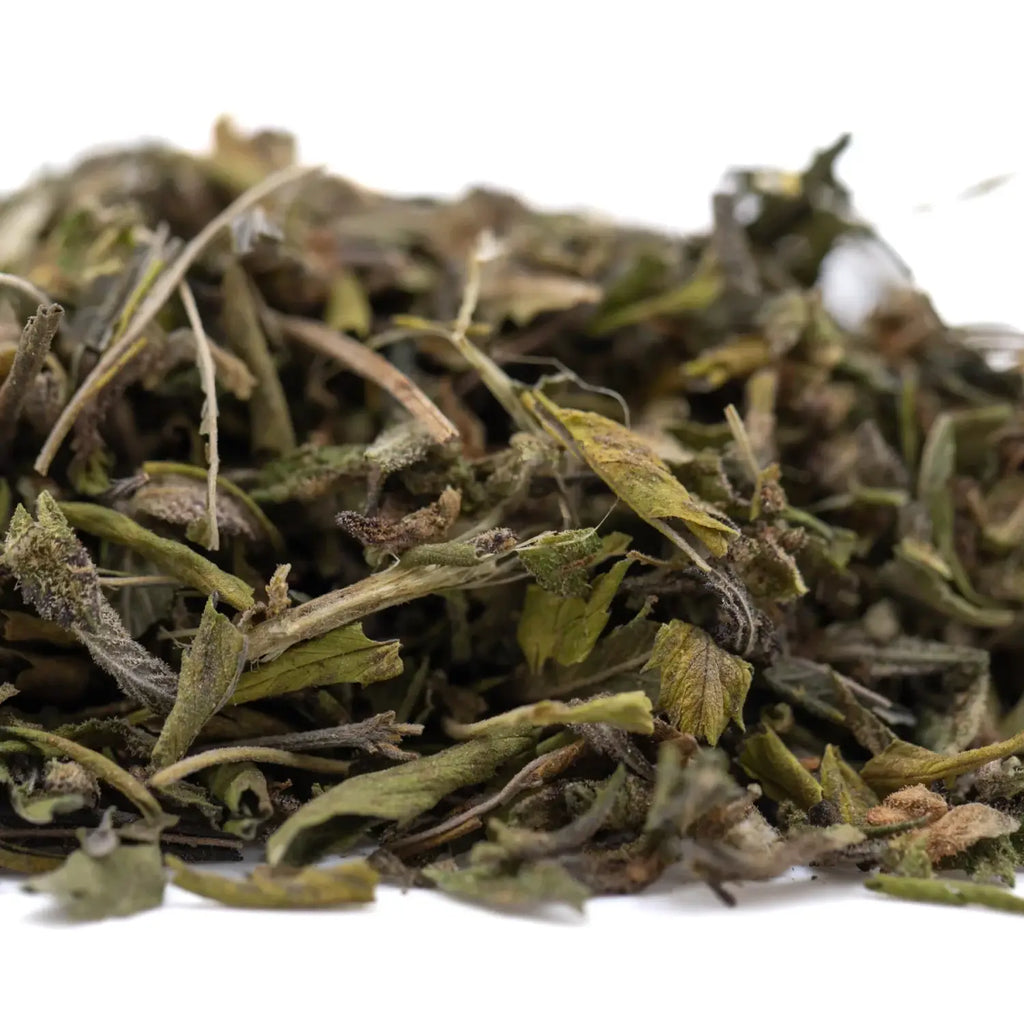
When experienced hemp consumers talk about THCA trim terpenes, the conversation goes well beyond cannabinoid percentages. Terpenes — the aromatic compounds responsible for each cultivar's distinct smell, flavor, and experiential character — are what separate a brooding, grape-and-earth Gassa Purple from a candy-bright Blue Sugar. They're what make one trim feel like an evening unwind and another feel tailor-made for a daytime creative session.
This breakdown dives deep into the terpene profile hemp trim of both cultivars — what compounds dominate each, how those compounds shape aroma and flavor, and what they contribute to the overall experience beyond raw THCA content. Whether you're sourcing trim for extraction, infusions, or smoking, understanding the terpene chemistry behind these two strains will help you choose the right one for your needs.
Why Terpenes Matter in THCA Trim
Most consumers buying THCA trim come in focused on potency — and rightfully so. THCA percentage directly impacts concentrate yield, edible potency, and overall effect strength. But terpenes are the part of the equation that determines how that potency actually feels and tastes.
Terpenes interact with cannabinoids through what researchers commonly call the entourage effect — the well-supported theory that cannabinoids and terpenes work synergistically to produce effects more nuanced than any single compound could deliver in isolation. Two trim products with identical THCA percentages can feel and smoke completely differently depending on their terpene composition. A myrcene-heavy profile tends to push the experience toward body relaxation, while a limonene-forward profile leans uplifting and bright.
In greenhouse-grown trim specifically, terpene preservation is one of the biggest advantages over outdoor cultivation. Controlled environments reduce the UV stress, temperature swings, and weather exposure that degrade fragile terpene compounds in field-grown plants. The result is trim that retains more of the original cultivar's aromatic signature — which is why greenhouse trim flavor from strains like Gassa Purple and Blue Sugar tends to smell and taste noticeably better than outdoor alternatives at the same price point.
For extract artists, this matters even more. The terpenes that survive the cultivation and drying process are the ones that end up in your rosin, your bubble hash, and your infused products. Starting with terpene-rich greenhouse trim gives your finished extract a flavor foundation that outdoor shake simply can't match.
Gassa Purple Terpene Profile: Earth, Grape, and Layered Depth
Gassa Purple terpenes are exactly what you'd expect from a dark, pigmented indica-leaning cultivar — layered, complex, and anchored by earthy and fruity notes that build on each other from first inhale to finish. This isn't a one-dimensional profile. It's a cultivar that rewards slow attention.
Myrcene: The Foundation
Myrcene THCA trim is the most common terpene found across cannabis and hemp genetics, and it reliably serves as the dominant compound in indica-leaning cultivars like Gassa Purple. Myrcene contributes the earthy, musky base note that sits underneath the fruitier top notes — think damp earth, ripe mango, and a faint herbal warmth. More importantly for consumers, myrcene is directly associated with the sedating, physically relaxing quality that indica-leaning strains are known for. High myrcene content is one of the clearest chemical indicators that a strain will lean toward body ease rather than mental stimulation.
In the context of Gassa Purple trim, myrcene sets the stage for everything else. It gives the profile its weight and grounding — the quality that makes the smoke feel satisfying and complete rather than fleeting.
Linalool: The Floral Lift
Linalool hemp flower is the terpene most closely associated with lavender, and it appears in purple-pigmented hemp and cannabis strains more frequently than in other genetic lineages — likely tied to the same pigmentation pathways that produce anthocyanins. In Gassa Purple, linalool adds a subtle floral sweetness that keeps the heavy myrcene base from becoming too dank or overwhelming. It's the note that softens the earthiness and gives the strain its grape-adjacent character.
Beyond aroma, linalool carries well-documented calming properties. It's been studied for its potential role in reducing anxiety and supporting sleep, which complements the physical relaxation that myrcene promotes. Together, these two terpenes give Gassa Purple its reputation as an evening cultivar — one that invites you to slow down.
Caryophyllene: The Spice
Caryophyllene hemp is a spicy, peppery terpene that adds backbone and complexity to Gassa Purple's flavor profile. What makes caryophyllene unique among terpenes is that it also functions as a cannabinoid — it's the only terpene known to interact directly with CB2 receptors in the endocannabinoid system. This gives it anti-inflammatory properties that complement the physical ease associated with myrcene-forward strains.
In Gassa Purple, caryophyllene is what you taste on the back of the exhale — a slight warmth and pepper note that grounds the fruitier top notes and keeps the profile from feeling sweet or flat. It's a terpene that experienced consumers often cite as a quality indicator, because it adds sophistication to what might otherwise be a straightforward earthy profile.
Ocimene: The Grape and Berry Signature
Ocimene is a lighter, sweeter terpene with herbal and floral undertones that shows up meaningfully in certain purple-lineage genetics. In Gassa Purple, ocimene is responsible for much of the grape and dark berry aroma that makes this cultivar's smell profile so distinctive and immediately recognizable. It softens the heavier myrcene base and adds the aromatic brightness that draws consumers in before they ever taste the trim.
Ocimene is also associated with uplifting and energizing effects in some contexts, which adds a subtle complexity to Gassa Purple's otherwise indica-dominant character. The result is a cultivar that leans relaxing in effect but never smells tired or heavy.
Blue Sugar Terpene Profile: Candy-Sweet, Light, and Crowd-Pleasing
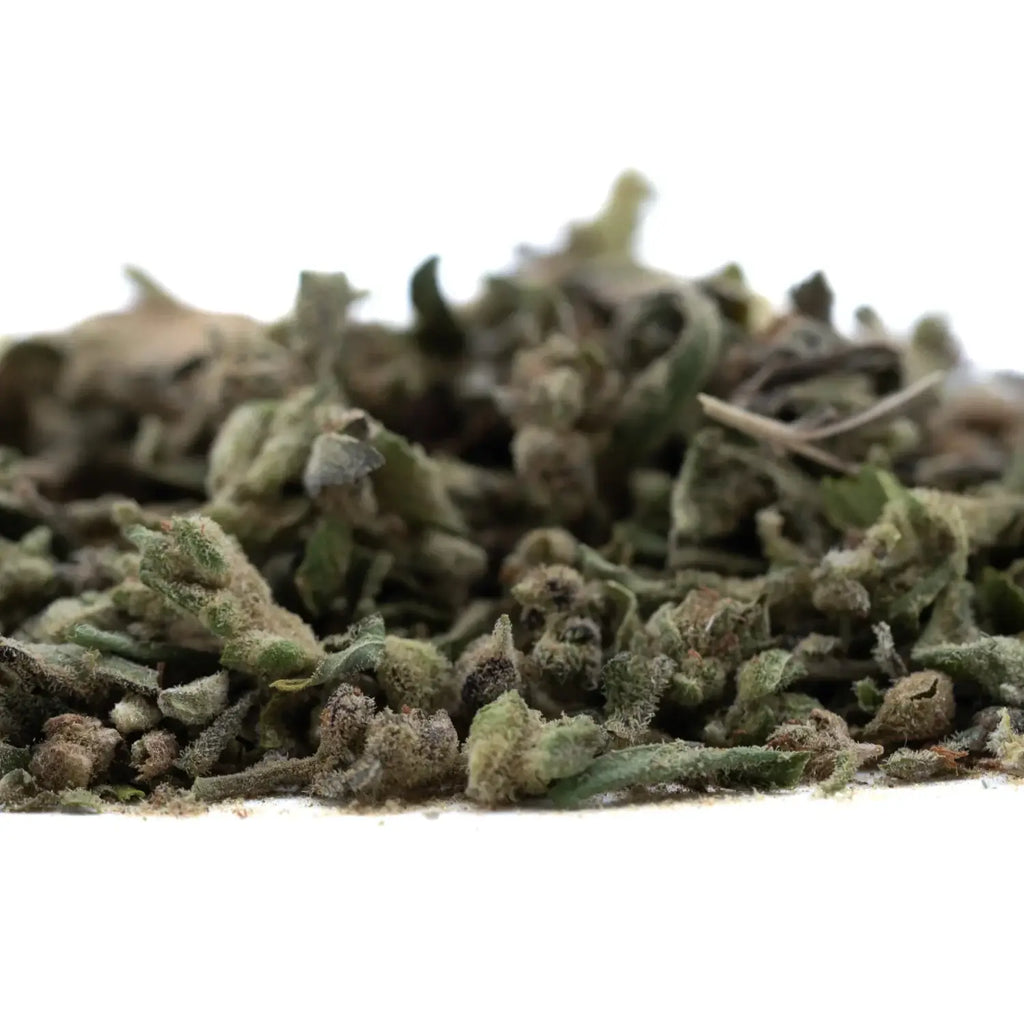
Blue Sugar terpenes are built for approachability. Where Gassa Purple rewards connoisseur attention, Blue Sugar leads with immediate, unmistakable sweetness that's genuinely crowd-pleasing without sacrificing aromatic depth. This is a hybrid-lineage cultivar with a profile that skews bright and fresh — the kind of trim that makes new consumers comfortable and keeps experienced consumers coming back.
Terpinolene: The Hybrid Identity
Terpinolene is less common than myrcene or limonene, but it's a defining feature of hybrid cultivars with uplifting, energetic reputations. It's a multifaceted terpene with floral, herbal, and slightly piney characteristics that shift depending on concentration and the other compounds surrounding it. In Blue Sugar, terpinolene is what gives the trim its fresh, almost citrus-herbal quality beneath the candy sweetness — the note that signals its hybrid genetics immediately to anyone familiar with the terpene.
Terpinolene is associated with alertness and focus rather than sedation. Strains dominated by this compound tend to feel more stimulating, making them better suited to daytime use, creative sessions, and social settings. In Blue Sugar, terpinolene is the backbone that keeps the experience from feeling too sweet or one-dimensional.
Limonene: The Citrus Uplift
Limonene is the bright, citrus-forward terpene effects THCA consumers most associate with mood elevation, stress relief, and an uplifting sensory experience. In Blue Sugar, limonene is what amplifies the candy-like sweetness and gives the trim a light, fresh quality on the exhale. It's the compound responsible for the lemon-sugar character that defines this cultivar's first impression.
Limonene-dominant strains consistently perform well with consumers who want a functional, daytime-friendly experience. The terpene has been studied for anxiolytic and antidepressant-adjacent properties, which aligns with Blue Sugar's reputation as a mood-lifting, approachable cultivar. It also contributes to the clean finish that makes the trim easy to smoke repeatedly without palate fatigue.
Caryophyllene: The Depth Anchor
Just as in Gassa Purple, caryophyllene shows up in Blue Sugar — but it plays a different role in this context. Surrounded by the brightness of limonene and the freshness of terpinolene, caryophyllene adds subtle spice and warmth that prevents the sweetness from becoming cloying. It's the compound that gives Blue Sugar staying power on the exhale — the back note that makes you notice the trim's complexity after the initial candy impression fades.
For extract production, caryophyllene's presence in both cultivars means that concentrates from either strain will carry some of that characteristic spice alongside their dominant terpene signatures.
Bisabolol: The Smooth Finish
Bisabolol is a floral, gently sweet terpene that contributes to Blue Sugar's best tasting THCA trim reputation by softening the overall smoke and adding smoothness to each inhale. It enhances the candy-forward quality without pushing it over into artificial sweetness, functioning almost as an aromatic moderator that rounds out the rougher edges of more assertive terpenes.
Bisabolol is also associated with anti-inflammatory and soothing properties in topical applications, though in the context of hemp trim, its primary function is aromatic. It's a terpene that experienced consumers may not consciously identify but would definitely notice if it were absent.
Side-by-Side Terpene Comparison
| Terpene | Gassa Purple | Blue Sugar | Primary Contribution |
|---|---|---|---|
| Myrcene | Dominant | Low | Relaxation, body ease, musky earth |
| Linalool | Present | Trace | Calm, floral sweetness, lavender |
| Caryophyllene | Present | Present | Spice, warmth, anti-inflammatory |
| Ocimene | Present | Trace | Grape, berry aroma, brightness |
| Terpinolene | Trace | Dominant | Focus, freshness, hybrid energy |
| Limonene | Low | Dominant | Citrus uplift, candy sweetness |
| Bisabolol | Trace | Present | Smooth finish, floral softness |
How These Terpene Profiles Shape the Smoking and Vaping Experience
When you smoke or vaporize THCA trim terpenes, the terpenes are what you taste first. The cannabinoids produce the primary effect, but the terpenes shape the sensory experience from first inhale to finish — and they interact with cannabinoids to influence the character of the effect itself.
Gassa Purple in practice: The first inhale carries grape and earth — heavy, layered, and unmistakably purple-strain in character. The linalool lifts the base note just enough to keep it from feeling dank, and the exhale deepens into a slightly spicy, floral finish that lingers on the palate. It's a deliberate, immersive smoke that rewards slowing down. In a vaporizer, the terpene expression opens up significantly — you'll get cleaner access to the individual layers, particularly the linalool floral notes and the ocimene berry character that can get compressed in combustion.
Blue Sugar in practice: The first inhale is lighter and obviously sweeter — candy fruit with a fresh herbal note that registers immediately as hybrid-genetics. The limonene drives the experience forward, keeping each inhale bright and clean. The caryophyllene spice shows up at the back of the exhale, giving the session more complexity than the initial sweetness suggests. It's a shareable, social smoke that's easy to return to across a longer session without the palate fatigue that heavier, earthier profiles can cause.
For concentrate production: Terpene profiles matter even more when you're working with rosin, bubble hash, or other solventless methods. Gassa Purple trim will produce a darker, more aromatic extract — expect that myrcene-and-linalool combination to come through clearly in the final product, giving rosin a fragrant, heavy quality that indica-leaning concentrate consumers actively seek. Blue Sugar concentrate will be lighter in appearance and flavor — the limonene and terpinolene combination produces extracts that are bright and approachable, ideal for consumers who want something less intense or for use in infused edibles where you want the terpene character to complement rather than dominate.
Terpene Effects: What the Research Actually Says
Understanding terpene effects THCA means separating what's well-supported from what's speculative. Here's what the current body of research suggests about the primary terpenes in these two cultivars:
Myrcene has been studied extensively for sedative and muscle-relaxant properties in animal models. While human clinical trials are limited, the correlation between high-myrcene strains and physical relaxation is strong enough that most cannabis researchers treat it as a reliable predictor of indica-style effects.
Linalool has documented anxiolytic properties in multiple studies, with some research suggesting serotonergic pathways may be involved. It's one of the better-studied terpenes outside of the cannabis context, given its prevalence in aromatherapy applications.
Caryophyllene is unique because its CB2 receptor activity gives it a cannabinoid-like mechanism that most terpenes lack. Its anti-inflammatory properties have been studied in multiple models, and it's generally considered one of the more pharmacologically active terpenes in the hemp plant.
Limonene has been studied for mood-elevating, stress-reducing effects, with some research suggesting it may modulate serotonin and dopamine activity — consistent with its reputation for promoting uplifting, energizing experiences.
Terpinolene is less studied than myrcene or limonene, but its association with hybrid-genetic energetic effects is consistent across consumer reporting.
Choosing Based on Your Terpene Preference
If you're trying to decide between Gassa Purple terpenes and Blue Sugar terpenes, the choice comes down to what you want your session to feel and taste like — not just potency.
Choose Gassa Purple if you:
- Prefer earthy, grape-forward, complex aroma profiles
- Want an evening or wind-down cultivar with body-relaxation character
- Are producing extract for consumers who favor dark, fragrant, indica-leaning rosin or hash
- Appreciate terpene layering — strains that reveal different notes over the course of a session
- Are drawn to the linalool-myrcene combination that purple-lineage genetics are known for
Choose Blue Sugar if you:
- Prefer sweet, candy-forward, approachable flavor profiles
- Want a daytime or hybrid cultivar that supports focus and social use
- Are producing extract for consumers who favor bright, lighter-colored concentrates
- Are sourcing trim for a mixed audience where approachability matters
- Want something that's easy to recommend to consumers who are newer to hemp trim
Both are greenhouse trim flavor products with genuine terpene preservation across the cultivation and processing cycle. The quality foundation is the same. The experience diverges entirely based on terpene chemistry.
Frequently Asked Questions
What are terpenes and why do they matter in THCA trim? Terpenes are aromatic compounds naturally produced in hemp and cannabis plants that influence smell, flavor, and the experiential character of each cultivar. In THCA trim, terpenes interact with cannabinoids through the entourage effect — meaning two products with identical THCA content can feel and taste completely different based on their terpene composition. Understanding a strain's terpene profile helps you choose trim that matches the experience you're looking for.
Which terpene makes Gassa Purple smell like grapes? The grape and dark berry character in Gassa Purple comes primarily from ocimene and linalool working together over a myrcene base. Ocimene contributes the fruity, herbal sweetness that registers as grape, while linalool adds a floral quality that softens and lifts the earthiness. Together they give Gassa Purple its distinctive purple-strain aroma.
Why does Blue Sugar taste like candy? Blue Sugar's candy-forward character is driven primarily by limonene, which contributes the sweet citrus brightness most consumers associate with the strain. Bisabolol adds a floral smoothness that rounds out the sweetness, and terpinolene provides a fresh, herbal undertone that prevents the profile from becoming artificially sweet. The combination reads as candy without crossing into synthetic territory.
Is Gassa Purple better for evening use and Blue Sugar better for daytime use? In general, yes — though individual response varies. Gassa Purple's dominant myrcene and linalool content points toward a more relaxing, body-ease-oriented experience, which aligns with evening or rest use. Blue Sugar's limonene and terpinolene dominance points toward a more uplifting, focus-friendly experience more consistent with daytime use. These aren't absolute guarantees, but they're meaningful predictors.
Do terpenes survive the extraction process? Terpenes are volatile compounds — they begin to degrade at temperatures above roughly 70°F, and high-heat extraction methods can destroy them significantly. For solventless methods like rosin pressing and bubble hash, terpene retention depends heavily on input quality and temperature control. Starting with high-terpene greenhouse trim gives your extract a better terpene foundation. Cold-cure rosin and live rosin techniques are specifically designed to maximize terpene retention in the final product.
Which trim is better for beginners? Blue Sugar's lighter, sweeter, more approachable profile generally performs better with consumers newer to hemp trim. Its limonene and terpinolene-forward character is less intense than Gassa Purple's deep earthy profile, and the candy-sweet flavor is immediately accessible. Gassa Purple is better suited to consumers who already know they enjoy indica-leaning, terpene-rich cultivars.
Does myrcene really cause couch-lock? Myrcene is consistently associated with physical relaxation and sedation in high concentrations, and the correlation between myrcene-dominant strains and couch-lock effects is well-documented in consumer reporting and supported by some preliminary research. It's not a guaranteed outcome for every consumer, but myrcene THCA trim products like Gassa Purple do statistically trend toward heavier physical effects than limonene or terpinolene-dominant alternatives.
What is the entourage effect and does it apply to THCA trim? The entourage effect refers to the synergistic interaction between cannabinoids and terpenes in the hemp plant — the idea that the whole-plant profile produces more nuanced effects than isolated compounds alone. It absolutely applies to THCA trim. Terpenes don't just affect flavor; they modulate how cannabinoids bind to receptors and interact with neurological systems. This is why whole-plant trim with a preserved terpene profile generally delivers a richer, more complex experience than distillate or isolate-based products.
Final Thoughts
The best tasting THCA trim isn't determined by a single number — it's determined by the full picture of what's in the plant. For Gassa Purple, that picture is dark, layered, and earthy: a myrcene-and-linalool foundation that indica enthusiasts and extract artists consistently gravitate toward. For Blue Sugar, that picture is bright, sweet, and accessible: a limonene-and-terpinolene-driven profile that delivers the kind of experience you can share across a wide range of consumers.
Both cultivars represent what greenhouse cultivation does at its best — protecting and preserving the terpene chemistry that makes each strain worth growing in the first place. Knowing what's in your trim, and why it matters, is the difference between buying a commodity and choosing a cultivar.


