


What Is a CBD Vape and How Does It Work?
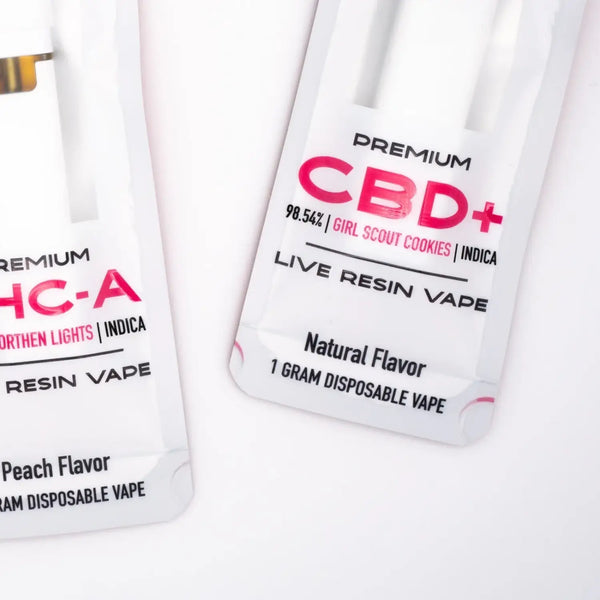
If you've spent any time in a wellness shop, scrolled through hemp brand social media, or talked to a friend who swears by their daily routine, you've probably heard about CBD vapes. They've become one of the most popular ways to consume cannabidiol, and for good reason — they're fast, portable, and remarkably straightforward to use once you understand the basics. But if you're new to the world of hemp inhalation, the jargon alone can feel like a barrier. Disposables, cartridges, 510-threads, bioavailability, terpene profiles — where do you even start?
This guide is built to answer every foundational question you might have. We're covering exactly what a CBD vape is, how CBD inhalation works inside your body, the different types of devices on the market, what ingredients go into quality CBD vape oil, what effects to realistically expect, and how to take your first draw with confidence. Whether you're a complete newcomer or someone who's used CBD in other forms but wants to understand the vaping side of things, this is your comprehensive starting point.
What Is a CBD Vape?
Let's start with the definition. A CBD vape is a device that heats a hemp-derived, cannabidiol-infused liquid or oil to a specific temperature — below the point of combustion — to produce an inhalable vapor. That vapor carries CBD into your lungs, where it's absorbed rapidly into your bloodstream. The process is fundamentally different from smoking because there's no actual burning involved. No combustion means no smoke, no tar, and no carbon monoxide — the byproducts that make traditional smoking harmful to lung tissue.
The term "vape" is short for vaporizer, and while the word sometimes gets conflated with nicotine e-cigarettes in public conversation, a CBD vaporizer is an entirely different product with a different active ingredient, different intended effects, and — when purchased from a reputable hemp brand — a very different safety profile.
At its most basic, a CBD vape setup consists of four components:
A battery or power source — this is the electrical engine of the device. It supplies current to a heating element when you press the button or draw through the mouthpiece. Battery size determines how long the device lasts before needing a charge, and in advanced setups, it also controls the wattage delivered to the coil.
A heating element (coil or atomizer) — the coil is a small wire wrapped around or near an absorbent wick. When the battery sends power through it, the coil heats rapidly. The wick draws CBD oil from the reservoir and the heat turns that oil into vapor. Coil material matters: food-grade stainless steel, kanthal, and ceramic coils are preferred, while cheaply made coils may contain metals that can leach into vapor.
A CBD oil or vape liquid — this is the substance being vaporized. It contains CBD extract (usually from hemp), a carrier liquid to achieve proper viscosity, and often terpenes for flavor and complementary effects. The quality of this oil is the single most important factor in your vaping experience.
A mouthpiece — where you inhale the produced vapor. In most devices it's made from food-grade plastic, glass, or silicone.
In some products — particularly disposables — all four components come assembled in a single sealed unit. In others, like 510-thread systems, you mix and match battery and cartridge independently. We'll break down all the device types shortly.
How Does CBD Vaping Work in the Body?
This is where how CBD vaping works gets genuinely interesting from a pharmacological standpoint. The key concept is bioavailability — a term that refers to what percentage of a consumed substance actually reaches systemic circulation and produces an active effect. Not all of what you consume makes it into your bloodstream, and the delivery method determines how much does.
The Problem with Oral CBD
When you eat a CBD gummy or hold a tincture under your tongue and swallow it, the cannabidiol goes through your gastrointestinal tract before entering your bloodstream. This means it has to survive stomach acid, get processed by intestinal enzymes, and pass through the liver — a process called first-pass metabolism. The liver is extraordinarily efficient at processing compounds it identifies as foreign, and CBD is no exception. A large portion of the CBD you ingest orally gets metabolized before it ever has a chance to reach your endocannabinoid system. Bioavailability estimates for oral CBD range from a low of around 6% to a high of roughly 20%, depending on factors like whether you took it with food, your individual metabolism, and the formulation.
That means if you take a 25mg CBD gummy, somewhere between 1.5mg and 5mg of actual cannabidiol may reach your bloodstream. The rest is processed out.
Why CBD Inhalation Is Different
CBD inhalation bypasses the digestive system entirely. When you draw vapor into your lungs, it reaches the alveoli — tiny, highly porous air sacs in the lungs that are specifically designed for gas and molecule exchange between your respiratory system and your bloodstream. The alveoli have an enormous collective surface area (roughly the size of a tennis court), and they're surrounded by dense capillary networks. CBD molecules absorbed through the alveolar walls enter your blood directly, with no hepatic first-pass processing.
The result is dramatically higher bioavailability. Research estimates for inhaled CBD range from approximately 34% to 56%, with some studies suggesting even higher rates under optimal conditions. Effects can onset within 5 to 15 minutes of inhalation — sometimes faster — compared to the 30-to-90-minute delay common with edibles and oral tinctures.
This isn't just a matter of getting more CBD for your money (though it is that too). It's about having meaningful control over your dosing and timing. When the effects arrive quickly and you can feel them clearly, you can calibrate your dose with far more precision than when you're waiting over an hour for an edible to kick in.
CBD and the Endocannabinoid System
Once CBD reaches your bloodstream via the lungs, it interacts with the endocannabinoid system (ECS) — a widespread signaling network in the human body composed of endocannabinoid receptors (CB1 and CB2), endogenous cannabinoids your body produces naturally, and enzymes that regulate those cannabinoids. The ECS plays a role in modulating mood, stress response, sleep, pain perception, immune function, and more.
Unlike THC, which directly binds to CB1 receptors in the brain and produces intoxication, CBD works more indirectly. It's thought to modulate CB1 receptor activity, inhibit enzymes that break down the body's own endocannabinoids (like anandamide), and interact with several non-cannabinoid receptor pathways including serotonin receptors (5-HT1A) and TRPV1 channels associated with pain and inflammation signaling. This more nuanced mechanism is why CBD doesn't produce a high but does appear to support a range of wellness functions.
Types of CBD Vape Devices
The CBD vape pen category spans a wide range of device formats. Understanding the differences helps you choose the right setup for your lifestyle and experience level.
CBD Disposable Vapes
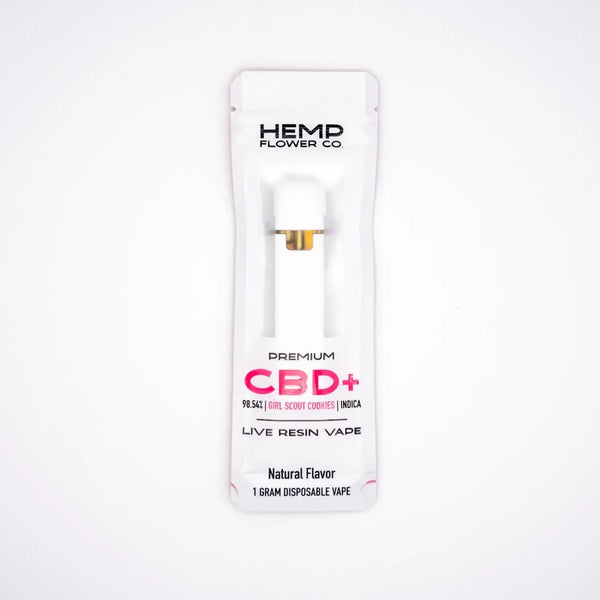
A disposable CBD vape is an all-in-one, sealed device that comes pre-filled with CBD oil and carries a pre-charged internal battery. You draw on it straight out of the packaging. No buttons in many cases, no settings, no maintenance. When the oil is depleted or the battery runs out, you recycle or dispose of the unit.
Disposables are the most accessible entry point for CBD vape for beginners. They eliminate every variable except the oil itself — there's nothing to configure, nothing to mess up. They're also excellent for travel since there's no risk of a tank leaking in your bag and no extra accessories to carry.
The tradeoff is cost per milligram of CBD over time. Because you're also paying for a fresh battery and device body each time, disposables are generally more expensive per draw than refillable systems when used regularly. Environmental impact is also a consideration — disposable electronics add to e-waste.
Best for: First-time users, occasional vapers, travelers, or anyone who values simplicity above all else.
CBD Vape Cartridges (510-Thread)
CBD vape cartridges are pre-filled oil tanks with a threading on the bottom that screws directly onto a compatible battery. The "510" designation refers to the specific threading type — 5mm threading with 10 turns — which has become the near-universal industry standard for vape cartridges. The vast majority of rechargeable vape batteries are 510-compatible.
Cartridges typically come in 0.5g and 1g fill sizes and are swapped out when empty, while the battery is recharged and reused indefinitely. This format offers a significant cost advantage over disposables for regular users since you're only buying the oil-filled cartridge each time rather than a new device.
The cartridge format also gives you flexibility. You can easily switch between different CBD oil formulations, potencies, or terpene profiles by simply swapping cartridges on the same battery. Want a relaxing indica-leaning profile tonight and a more energizing sativa-leaning profile tomorrow morning? Swap the cart.
Best for: Regular users who want cost efficiency and the flexibility to try different oil formulations.
CBD Vape Pods
Pod systems use a proprietary snap-in pod rather than threaded cartridges. The pod clicks into a specific device body, creating a sealed connection. Many pod systems are draw-activated (no button) and designed with a tighter, more restricted airflow — similar to the draw resistance of a cigarette.
Pod devices tend to be sleek, pocketable, and straightforward. The main limitation is ecosystem lock-in: pods from one brand generally only work with that brand's device. If you want to switch brands, you may need a new device too.
Best for: Users who prefer a tight draw, a specific pod device, or the cleanest possible aesthetic in a CBD vaporizer.
Refillable CBD Vape Pens and Mods
At the more advanced end of the spectrum are refillable devices — pens or box mods with tanks you fill yourself using CBD vape juice. These setups offer the highest degree of customization: adjustable wattage, variable airflow, coil swapping, and the ability to use any CBD e-liquid you choose in bulk quantities.
Refillable setups require more maintenance — coils wear out and need replacement every one to four weeks depending on use, tanks need regular cleaning, and you need to be comfortable managing a vape liquid without spilling or contaminating it. But for high-frequency users, the cost savings from buying CBD e-liquid in larger bottles versus individual cartridges can be substantial.
Best for: Experienced vapers comfortable with device maintenance who want maximum customization and the lowest ongoing cost per draw.
What's Inside a Quality CBD Vape Oil?
Understanding what goes into your cannabidiol vape oil is non-negotiable if you care about both safety and efficacy. Here's what to look for — and what to avoid.
CBD Extract Type
The core active ingredient in any CBD vape is, obviously, CBD extract derived from hemp. But the type of extract matters significantly:
Full Spectrum CBD contains the complete range of cannabinoids, terpenes, flavonoids, and other plant compounds found in hemp — including trace amounts of delta-9 THC (legally capped at 0.3% by dry weight under federal law). Full spectrum extracts leverage what's known as the "entourage effect," where cannabinoids and terpenes work synergistically and may produce more complete effects than isolated CBD alone.
Broad Spectrum CBD contains the same range of cannabinoids and terpenes as full spectrum but has undergone additional processing to remove detectable THC. This is a popular middle ground for users who want the entourage effect without any THC exposure.
CBD Isolate is pure cannabidiol — 99%+ CBD with all other plant compounds removed. Isolate-based vapes tend to have a neutral flavor and are the right choice for users who need to be absolutely certain there is zero THC in their product.
Carrier Liquids and Thinning Agents
Hemp-derived CBD oil in its natural state is often too thick to vaporize effectively in standard hardware. Carrier liquids adjust the viscosity. Common options include:
Propylene glycol (PG) — a thin, water-like liquid with excellent cannabinoid solubility and strong throat hit. Used widely in nicotine e-liquids.
Vegetable glycerin (VG) — thicker than PG, produces denser vapor clouds, slightly sweet flavor.
MCT oil (medium-chain triglycerides) — coconut-derived carrier used frequently in CBD vape oils. Considered inhalation-safe in moderate quantities by most researchers, though some experts recommend against inhaling any fatty oils.
Hemp-derived terpenes — some premium brands use cannabis-derived or botanically sourced terpenes to thin the oil naturally while also contributing to flavor and effect profiles.
What to avoid: Vitamin E acetate (tocopheryl acetate) was identified as a primary culprit in the 2019 EVALI (e-cigarette or vaping product use-associated lung injury) outbreak and should never appear in any CBD vape product you purchase. Polyethylene glycol (PEG) is another carrier that breaks down into potentially harmful compounds at high temperatures.
Terpenes
Terpenes are the aromatic compounds that give hemp and cannabis strains their distinctive smell and taste. In CBD vapes, terpenes serve two purposes: they enhance flavor, and they may contribute to the overall effect profile through the entourage effect. Commonly included terpenes in CBD vape oils include:
- Myrcene — earthy, musky; associated with relaxing, sedating effects
- Limonene — citrusy; associated with mood elevation and stress relief
- Linalool — floral, lavender-like; associated with calming and sleep support
- Pinene — piney, sharp; associated with alertness and focus
- Caryophyllene — spicy, peppery; unique in that it also binds directly to CB2 receptors
Quality brands disclose their terpene profiles on product pages and COAs.
What Effects Should You Expect from a CBD Vape?
This is one of the most common questions from anyone exploring CBD vape for beginners. The honest answer is that CBD's effects are subtle rather than dramatic — which is both a feature and a point of confusion for new users who may expect something more pronounced.
Most users report noticing effects within 5 to 15 minutes of their first draw. What those effects feel like varies by individual, dose, and product, but commonly reported experiences include:
A sense of calm without sedation. Many users describe a reduction in baseline anxiety or mental noise — not a heavy, couch-locked feeling, but a quieting of the internal chatter that makes focus or relaxation difficult. Think of it as turning down the background static.
Physical ease. CBD appears to have an affinity for pathways involved in pain and inflammation signaling, and many users report reduced physical tension, muscle discomfort, or general bodily tightness after vaping.
Improved ability to wind down. Particularly with indica-leaning terpene profiles (myrcene-heavy, linalool-heavy), CBD vaping before bed may help ease the transition into sleep.
Mood support. Through its interaction with serotonin receptor pathways, CBD may produce a subtle sense of emotional equilibrium — not euphoria, just a mild improvement in baseline mood.
It's important to understand what CBD vaping is not. It is not intoxicating. A properly formulated, hemp-derived cannabidiol vape will not get you high. CBD does not bind significantly to CB1 receptors — the mechanism responsible for THC's psychoactive effects. Users who try CBD vaping expecting a high are going to be disappointed and, perhaps more importantly, miss what CBD is actually offering.
Effects from CBD vaping generally last between one and three hours, though this varies considerably based on individual metabolism, dose, body weight, and tolerance.
Is CBD Vaping Legal?
The legal framework for hemp-derived CBD products in the United States flows from the Agricultural Improvement Act of 2018 — commonly called the 2018 Farm Bill. Under that legislation, hemp plants containing less than 0.3% delta-9 THC on a dry weight basis were removed from the federal Controlled Substances Act's definition of marijuana and reclassified as an agricultural commodity. Products derived from compliant hemp — including CBD vapes and hemp vape pens — are federally legal to purchase, possess, and use.
That said, state-level regulation of CBD products varies significantly. A handful of states have enacted their own CBD-specific restrictions, and several states have passed broad vaping regulations that affect all vapor products. Before purchasing a CBD vape, it's worth taking a quick look at your state's current status on hemp CBD products. Reputable hemp brands will typically have guidance on their websites about states they cannot ship to.
Always verify that any CBD vape product you purchase includes a current third-party Certificate of Analysis (COA) confirming:
- Total CBD potency
- Delta-9 THC content below 0.3%
- Absence of pesticide residue
- Absence of heavy metals
- Absence of residual solvents
- Absence of microbial contaminants
A brand that can't or won't provide this documentation is a brand you should pass on.
How to Use a CBD Vape: A Beginner's Walkthrough
If you're picking up a hemp vape pen for the first time, following a simple, deliberate process will make your experience both more pleasant and more useful as a data point for future dosing.
Step 1: Choose the right starting product. For first-timers, a disposable CBD vape with a moderate potency — typically 300mg to 500mg total CBD — is the most forgiving option. You don't need to adjust settings, and the all-in-one format means there's nothing to troubleshoot.
Step 2: Read the packaging. Check the total CBD content, the extract type (full spectrum, broad spectrum, isolate), and any disclosed terpene or flavoring information. Confirm there's a QR code or URL linking to a third-party COA.
Step 3: Take a measured first draw. Draw slowly and gently for about two to three seconds. You don't need to inhale deeply or hold the vapor in for a long time — the alveolar absorption process happens rapidly. A short, comfortable inhale is sufficient.
Step 4: Wait. This is the step most beginners skip to their detriment. Give yourself 10 to 15 minutes before deciding whether to take another draw. Because CBD inhalation is fast-acting, you'll have a reasonable sense of your response within that window.
Step 5: Assess and adjust. If you felt something and it was pleasant, note the dose and stick with it for a few sessions to establish a baseline. If you felt very little, try two draws next time and wait the same interval.
The principle that guides all effective CBD dosing — oral or inhaled — is start low, go slow. CBD doesn't work the same way for everyone, and individual optimal doses vary widely based on body chemistry, metabolism, endocannabinoid system baseline tone, and what you're using CBD for.
How to Read a CBD Vape COA
We've mentioned Certificates of Analysis several times, and they deserve a dedicated explanation because they're the primary consumer protection tool in the hemp industry.
A COA is a document generated by an independent, third-party laboratory that tested a specific batch of CBD product. It reports the actual cannabinoid content of the product (often compared to what's listed on the label), screens for contaminants, and confirms regulatory compliance with federal THC limits.
When reviewing a COA for a CBD vape, here's what to check:
Lab identity and accreditation. The testing lab should be ISO/IEC 17025 accredited — a certification that validates their testing methodology and equipment. The lab should be genuinely third-party, meaning it has no business relationship with the brand whose products it's testing.
CBD potency. Look for the reported CBD content in milligrams and compare it to what's on the product label. A reputable product will be within 10–15% of the labeled amount. Products that are significantly under-potent are problematic; products that are dramatically over-potent may indicate mislabeling.
Delta-9 THC content. Should be at or below 0.3% on a dry weight basis for federal compliance. Check both the percentage and the mg/g figure reported.
Pesticide panel. Should show "not detected" or "ND" for all screened pesticides.
Heavy metals panel. Should show ND for lead, arsenic, cadmium, and mercury — the four most commonly screened heavy metals.
Residual solvents. If the extract was processed using solvents (ethanol, butane, CO2), the COA should confirm those solvents have been adequately purged below safe threshold levels.
Batch number. The batch number on the COA should match the batch number on your product. A COA from a different batch tells you nothing meaningful about the product in your hand.
Frequently Asked Questions About CBD Vapes
Q: What is a CBD vape, and how is it different from a nicotine vape? A: A CBD vape is a device that vaporizes hemp-derived cannabidiol for inhalation. While it uses similar hardware to nicotine e-cigarettes, the active ingredient is CBD rather than nicotine — a non-addictive, non-intoxicating cannabinoid. The intended effects are completely different: CBD vapes are used for relaxation, stress support, and general wellness, not for nicotine delivery.
Q: How does CBD vaping work differently than taking CBD oil under my tongue? A: How CBD vaping works comes down to the absorption pathway. Sublingual CBD enters circulation through the mucous membranes in the mouth and to some extent through the digestive system, producing effects in roughly 15 to 45 minutes with moderate bioavailability. Inhaled CBD bypasses digestion entirely and reaches the bloodstream through the alveoli in the lungs within minutes, with significantly higher bioavailability.
Q: Will a CBD vape pen get me high? A: No. A properly formulated hemp vape pen using compliant CBD extract will not produce intoxication. CBD is non-psychoactive — it does not bind meaningfully to the CB1 receptors responsible for THC's euphoric effects. Users may feel calm, relaxed, or at ease, but not high.
Q: What's the difference between a CBD disposable vape and a CBD cartridge? A: A CBD vape disposable is an all-in-one unit — battery, coil, and oil in one sealed device that you use until empty, then replace entirely. A CBD cartridge is a pre-filled oil tank that screws onto a separate, reusable 510-thread battery. Disposables are simpler and more portable; cartridges are more cost-efficient for regular use.
Q: Can I vape regular CBD tincture oil? A: No, and this is an important safety point. CBD tinctures designed for sublingual use almost always contain carrier oils (like MCT, olive, or hemp seed oil) that are not safe to inhale into the lungs. Only products explicitly formulated and labeled for vaping should ever be used in a CBD vaporizer.
Q: How long do effects from a CBD vape last? A: Most users report CBD vape effects lasting between one and three hours. The onset is faster than oral CBD (minutes versus up to 90 minutes), but the duration is somewhat shorter, particularly compared to edibles where slow digestion creates a prolonged release curve.
Q: How many puffs should I take as a beginner? A: Start with one puff, wait 10–15 minutes, and assess. If you feel little to no effect, take a second puff and wait again. Building up gradually from your minimum effective dose is far better than overshooting and feeling uncomfortable, even if CBD's ceiling effects are benign compared to THC.
Q: Is CBD vaping safe? A: Inhaling anything carries some degree of respiratory consideration. That said, quality CBD vapes formulated without Vitamin E acetate, without excessive PEG, without heavy metals from cheap coils, and without pesticide residue represent a substantially lower risk profile than combustion-based smoking. Purchasing from brands that provide comprehensive third-party COAs is the most important safety step a consumer can take.
Q: What should a CBD vape taste like? A: This depends entirely on formulation. Unflavored, terpene-forward CBD vapes often taste earthy, herbal, and faintly of hemp with notes of the dominant terpenes. Flavored CBD vapes using food-grade, inhalation-safe flavorings can taste like fruit, mint, citrus, and more. If a CBD vape tastes harsh, burnt, or chemical on the first draw (not from a depleted coil), that can be a red flag about oil quality.
Final Thoughts: Is a CBD Vape Right for You?
CBD vaping offers something genuinely valuable that other CBD delivery formats can't fully replicate: speed and bioavailability. The ability to feel CBD's effects within minutes, with a higher percentage of the cannabidiol actually reaching your endocannabinoid system, makes inhalation the preferred method for users who need situational support — managing acute stress, winding down after a long day, or addressing discomfort that needs relatively rapid response.
The format is also remarkably accessible. A quality disposable CBD vape requires no prior knowledge of vaping hardware, no settings to configure, and no learning curve. You draw on it, you feel the effects, and you calibrate from there. As your familiarity grows, you can explore cartridges, refillable setups, and different extract types to fine-tune your experience further.
What doesn't change regardless of the device type you choose is the importance of product quality. The hemp industry, while maturing rapidly, still contains products of wildly varying quality. Third-party COAs, transparent labeling, reputable extraction methods, and clean formulations free of harmful cutting agents are non-negotiable standards. A CBD vaporizer is only as good as what's inside it.
Start with a well-reviewed product from a brand that stands behind its sourcing and testing. Take your time with dosing. Give the effects a genuine assessment window before reaching conclusions. And understand that CBD's value is cumulative for many users — regular, consistent use over time tends to produce more noticeable results than any single session.
If you're ready to explore CBD vapes or have questions about finding the right product for your needs, that's what quality hemp brands are here for.


