


Is CBD Legal in All 50 States in 2026? A State-by-State Breakdown
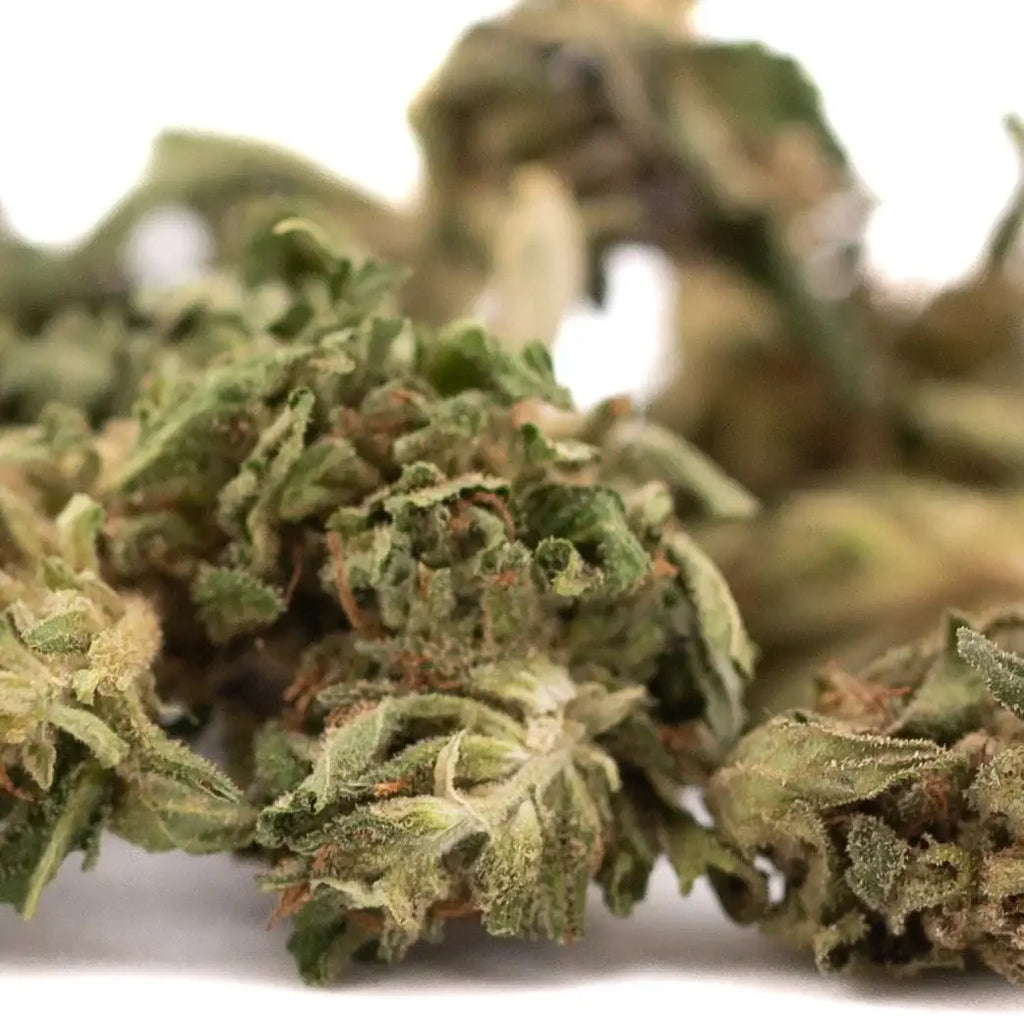
is CBD legal in all 50 states? The short answer is: mostly yes — but the full picture is more layered than that. Hemp-derived CBD is federally legal in the United States, and that federal permission covers the lion's share of what most consumers want to do — buy it, possess it, and have it shipped to their door. But federal legality isn't the end of the conversation. It's the beginning.
Across the country, individual states retain the authority to set their own rules around hemp and cannabinoid products. Some states have moved in the direction of greater access, passing their own hemp frameworks that expand on federal law. Others have maintained stricter standards — particularly around smokable hemp, THC concentration requirements, and CBD in food and beverages. A handful of states continue to enforce zero-THC rules that effectively prohibit the most popular full-spectrum products on the market.
Understanding CBD legality by state 2026 means understanding both the federal floor and the state-level ceiling. Hemp CBD laws govern everything from whether you can order a bag of hemp flower online and have it shipped to your house, to whether your local retailer can legally stock CBD gummies on the shelf. These laws touch farmers, processors, retailers, and end consumers — and they're still evolving.
This guide is your comprehensive 2026 reference for the legal status of hemp-derived CBD across the United States. We'll cover the CBD federal law foundation, how CBD state laws create variation across the country, the specific nuances around smokable hemp and hemp flower, shipping rules, and the growing THCA question that's reshaping how regulators approach the hemp space. Whether you're a first-time buyer or a longtime hemp consumer trying to stay current, here's what you need to know.
The Federal Foundation: The 2018 Farm Bill and What It Actually Did
To understand is CBD legal everywhere today, you have to start in 2018. The 2018 Farm Bill CBD provision — officially the Agriculture Improvement Act of 2018 — was the federal watershed moment that changed everything for the hemp industry. Before it passed, hemp was classified alongside marijuana as a Schedule I controlled substance under the Controlled Substances Act, making essentially all hemp cultivation, processing, and sale illegal under federal law regardless of THC content.
The 2018 Farm Bill changed that fundamentally. It amended the Controlled Substances Act to remove hemp from the definition of marijuana, establishing a new federal legal category for Cannabis sativa plants and their derivatives containing no more than hemp delta-9 THC 0.3% on a dry weight basis. This threshold — 0.3% Delta-9 THC — became the defining legal boundary between federally legal hemp and federally illegal marijuana.
Under this framework, the bill federally legalized:
- The cultivation and processing of hemp by licensed producers under USDA or state-approved programs
- The sale and interstate transport of hemp-derived products meeting the 0.3% Delta-9 THC threshold
- Hemp-derived CBD products, including oils, tinctures, topicals, capsules, and raw hemp flower that meet the federal THC standard
- Online commerce and mail-order shipping of compliant hemp products via USDA, USPS, and private carriers
The USDA was tasked with developing a regulatory framework for hemp cultivation, which it finalized in 2021. States and tribal nations were given the option to develop their own USDA-approved hemp programs or defer to the federal program. This created the patchwork of state-level hemp programs that governs production today.
The FDA Caveat That Complicates Everything
Here's where the federal picture gets more complicated. While the 2018 Farm Bill removed hemp from the Controlled Substances Act, it did not give the FDA a clean path for CBD in food and dietary supplements. The FDA has maintained the position that because CBD (cannabidiol) was previously the subject of an Investigational New Drug (IND) application — specifically for Epidiolex, the FDA-approved CBD pharmaceutical — it cannot be added to food or sold as a dietary supplement under the Federal Food, Drug, and Cosmetic Act.
As of 2026, the FDA's formal regulatory stance on CBD in food and supplements has not been fully resolved. In practice, enforcement has been limited and inconsistent. The FDA has issued warning letters to companies making unsubstantiated health claims about CBD, but has not aggressively pursued action against the broader CBD retail market. Congress has considered — and in some cases passed through committee — legislation that would create an explicit regulatory pathway for CBD in food and supplements, but comprehensive federal FDA reform for CBD has remained elusive.
The practical result: CBD controlled substance status has been removed at the federal level for compliant hemp, but FDA CBD regulation of CBD in consumable formats remains a gray zone. The market moves forward, most states permit CBD edibles and beverages in practice, and federal regulatory clarity continues to lag behind commercial reality.
What "Federally Legal" Means for You as a Consumer
When hemp CBD laws describe a product as "federally legal," that has specific practical implications worth spelling out clearly. Federal hemp legality means:
- The DEA does not regulate compliant hemp as a Schedule I controlled substance
- USDA regulates hemp cultivation and processor licensing through approved state and tribal programs
- Hemp-derived CBD products that meet the 0.3% Delta-9 THC threshold can be legally shipped across state lines via USPS, FedEx, UPS, and other carriers
- Possession of compliant hemp products is not a federal crime
- Hemp-derived CBD can be legally purchased online and delivered to your home in states where state law permits it
Federal hemp legality does NOT mean:
- Every state is required to permit hemp or CBD sales under the same terms as federal law
- CBD can be added to food or beverages without FDA oversight or state authorization
- All hemp products are immune from state enforcement or seizure
- THCA or other cannabinoid products are automatically legal based on the same standards as CBD
This distinction — between what federal law permits and what individual states allow — is why questions about where is CBD legal require a state-by-state analysis, not just a reference to federal statute.
State-by-State CBD Legality in 2026: The Full Picture
The overwhelming majority of U.S. states permit the sale, purchase, and possession of hemp-derived CBD products that meet federal standards. CBD legality by state 2026 can be broadly categorized into states with broad access and states with notable restrictions.
States With Broad Hemp and CBD Access
The following states generally permit the sale, purchase, and possession of hemp-derived CBD products meeting federal standards, including CBD online purchase legal status and online shipping:
Alabama, Alaska, Arizona, Arkansas, California, Colorado, Connecticut, Florida, Georgia, Hawaii, Illinois, Indiana, Iowa, Kansas, Kentucky, Louisiana, Maine, Maryland, Massachusetts, Michigan, Minnesota, Missouri, Montana, Nebraska, Nevada, New Hampshire, New Jersey, New Mexico, New York, North Carolina, North Dakota, Ohio, Oklahoma, Oregon, Pennsylvania, Rhode Island, South Carolina, South Dakota, Tennessee, Texas, Utah, Vermont, Virginia, Washington, West Virginia, Wisconsin, Wyoming
For most consumers in these states, buying CBD flower, oils, tinctures, and other hemp-derived products online and having them shipped is a routine, legally compliant activity. That said, even within states listed here, specific nuances around smokable hemp, CBD in food, and THCA products may apply — so reading your state's specific hemp statutes is always worthwhile.
States With Specific Restrictions Worth Knowing
Idaho
Idaho has historically maintained the most restrictive hemp laws in the country, with state law requiring hemp and CBD products to contain zero detectable THC — far stricter than the federal 0.3% Delta-9 THC threshold. This zero-THC standard means that full-spectrum CBD products, which contain trace amounts of THC within federal limits, have generally not been compliant with Idaho state law. Legislative reform efforts in Idaho have made incremental progress, and it's worth checking the current state of Idaho hemp law before ordering full-spectrum products for shipment there. Broad-spectrum or CBD isolate products may be a safer option for Idaho consumers.
Nebraska
Nebraska has similarly maintained a zero-THC standard for hemp-derived consumer products under certain state regulations, despite permitting hemp cultivation. For consumers purchasing CBD products for personal use, the zero-THC requirement can create compliance uncertainty for full-spectrum formulations. Nebraska has seen ongoing legislative activity in this space, and the regulatory picture may continue to evolve.
Mississippi
Mississippi legalized hemp cultivation and CBD under state law, but has experienced legislative uncertainty around specific product types. Current Mississippi law generally permits federally compliant hemp CBD — but verify active regulations before purchasing certain product formats.
Iowa
Iowa has authorized hemp under a state program but has had specific regulatory questions around smokable hemp products and certain consumer formats. While broad-spectrum and CBD oil products are generally accessible, hemp flower legal states lists should be verified for Iowa specifically before purchasing raw flower.
Smokable Hemp: The State-Level Issue That Catches Buyers Off Guard
One of the most consequential — and frequently misunderstood — aspects of CBD state laws is the treatment of smokable hemp. While CBD oils, capsules, and topicals are widely available across virtually all states, raw hemp flower and hemp pre-rolls have faced specific restrictions in a number of states, even when other CBD product formats are fully legal.
Smokable hemp legality operates independently from CBD legality for other product types. A state can simultaneously permit CBD tinctures and restrict or ban the sale of hemp flower for smoking — and several states have done exactly that. The rationale often cited by legislators is that smokable hemp is difficult to distinguish visually from marijuana, creating complications for law enforcement. Opponents of these restrictions argue that appearance-based logic is insufficient grounds for prohibition when the products are federally legal and chemically distinct.
States that have previously imposed smokable hemp restrictions or where smokable hemp legality has been contested include:
- North Carolina — enacted temporary restrictions on smokable hemp sales, though the regulatory picture has shifted through subsequent legislative sessions
- Louisiana — has had active legislative debate around smokable hemp, with various restrictions proposed and enacted at different points
- Indiana — restricted retail sale of smokable hemp products, though the framework has evolved through legislative and court activity
- Texas — has debated smokable hemp restrictions multiple times in the legislature, though hemp flower has remained accessible as of recent sessions
The critical point for hemp flower consumers: CBD flower legal states lists can change from one legislative session to the next. Smokable hemp laws are among the most volatile in the hemp regulatory landscape. If you're purchasing hemp flower specifically, verify your state's current position before buying.
CBD in Food and Beverages: Where Things Stand in 2026
The FDA CBD regulation question around food and beverages remains one of the most unresolved areas of hemp law heading into 2026. At the federal level, the FDA's formal position — that CBD cannot be added to food or marketed as a dietary supplement under the FDCA — technically remains in place. But at the state level, multiple states have moved forward with their own frameworks, effectively creating regulated markets for CBD edibles and beverages independent of federal action.
Key state-level developments include:
California — has enacted state regulations permitting the sale of hemp-derived CBD in food and beverages under specific labeling and testing conditions, creating one of the more regulated and explicit state frameworks for CBD edibles in the country.
Colorado — permitted CBD in food and beverage products under state regulatory oversight, drawing on its established hemp and cannabis regulatory infrastructure to create workable rules.
New York — updated its regulations to permit hemp extract in food products, opening pathways for CBD-infused edibles and beverages that had previously existed in a gray zone.
Oregon — has permitted CBD food and beverage sales under its hemp program, aligning its approach with its broader cannabis regulatory framework.
Many other states take a permissive-in-practice approach to CBD edibles and beverages, even without explicitly enacted state-level regulations. Retailers in these states sell CBD gummies, beverages, and food products with limited to no state enforcement action, and consumers purchase and possess these products without legal concern.
The bottom line for consumers: if you're buying CBD edibles or beverages, you're likely in a state that permits it — but understanding whether your state has explicit authorization versus de facto tolerance can matter if you're a retailer, manufacturer, or hemp business operating at commercial scale.
Shipping CBD Products Across State Lines: What the Rules Actually Say
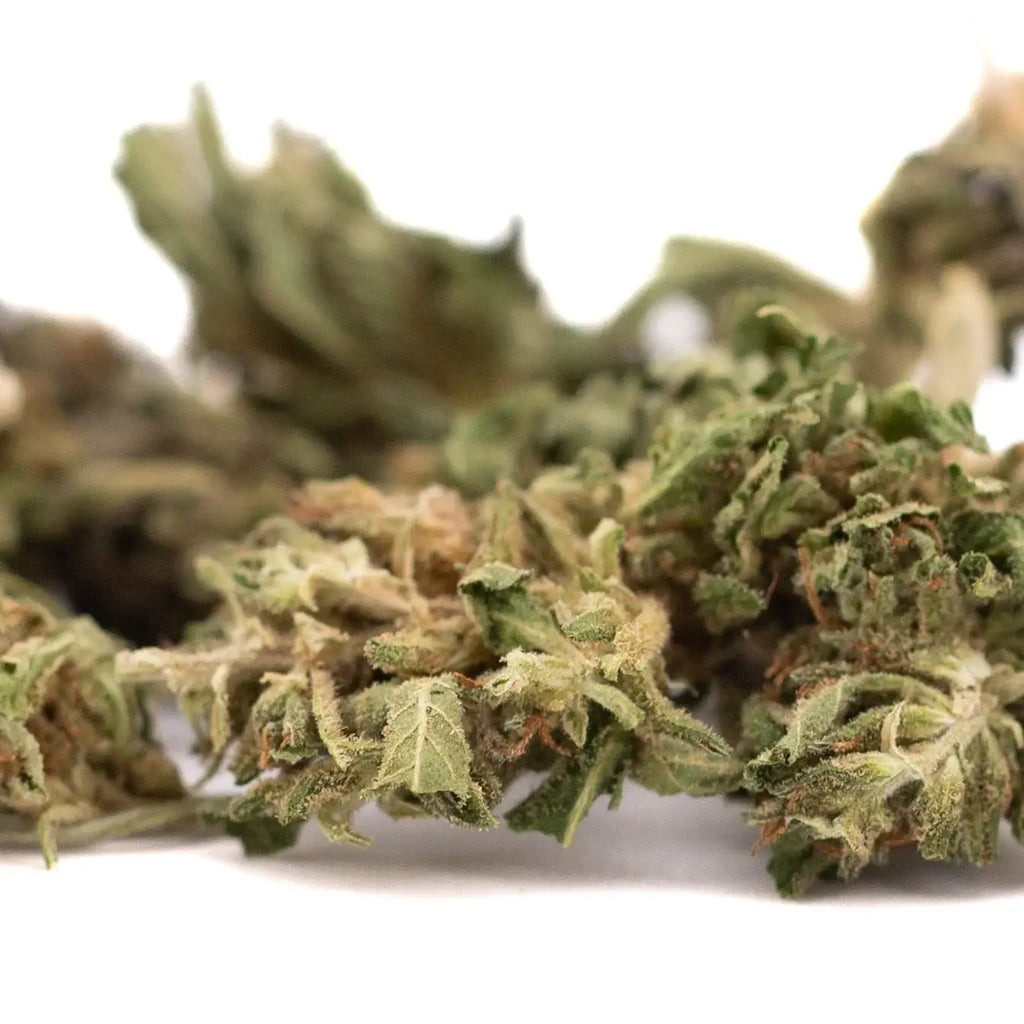
CBD shipping laws are a practical priority for any consumer buying online. Under federal law, compliant hemp-derived CBD products can be shipped across state lines via USPS, FedEx, UPS, and other major carriers. USPS formalized this in 2021 with regulatory updates that explicitly permit hemp shipments meeting USDA program requirements.
For consumers, this means that purchasing CBD flower, oils, and other hemp products from an online retailer and having them shipped to your home is legal in most states. Reputable retailers ship with COA (Certificate of Analysis) documentation included or available, confirming THC compliance — which is both a quality assurance step and a practical protection if shipments are inspected.
Key practical points for online CBD purchases:
- CBD online purchase legal status applies in the vast majority of states for compliant hemp products
- Idaho and Nebraska are the states most commonly excluded by retailers due to their stricter THC standards
- Some retailers also restrict shipments to specific states for hemp flower due to evolving smokable hemp laws
- COA documentation should always accompany shipments, both for your protection and as carrier compliance documentation
- Carrier policies may have changed — confirm current carrier guidelines if shipping large volumes commercially
THCA Flower: A Critical Legal Distinction From CBD
No hemp CBD laws discussion in 2026 is complete without addressing THCA hemp flower — a product category that is legally distinct from CBD flower and has reshaped the hemp market over the past several years.
THCA (tetrahydrocannabinolic acid) is the non-psychoactive acid precursor to Delta-9 THC. In raw, unheated hemp flower, THCA does not produce psychoactive effects. Under the current federal testing framework — which measures Delta-9 THC content at the time of laboratory testing, before any decarboxylation — high-THCA hemp flower can test compliant with the federal 0.3% Delta-9 THC threshold. When that same flower is smoked or heated, the THCA converts to Delta-9 THC through decarboxylation, producing the full psychoactive effects associated with cannabis.
This creates a significant and ongoing legal question. Several states have enacted laws — or have proposed legislation — that calculate THC compliance on a "total potential THC" or "post-decarboxylation" basis, which would factor in THCA content when determining whether a product is legal hemp or illegal marijuana. States that apply this kind of total-THC calculation effectively prohibit high-THCA hemp flower regardless of its pre-decarboxylation Delta-9 THC content.
If you're a consumer interested specifically in THCA products, the CBD legality by state 2026 framework doesn't fully apply. THCA flower requires its own state-by-state verification, as the legal landscape for this product category is distinct from — and in many states more restrictive than — standard CBD flower.
Interstate Travel With CBD: Practical Guidance
For consumers who travel, a natural question arises: can you carry hemp CBD products across state lines in your car or through airports? The answer for federally compliant hemp-derived CBD is generally yes — but with caveats.
Is CBD legal everywhere for travelers? For standard CBD products meeting federal standards, interstate travel is generally permitted. Federal law does not prohibit transporting compliant hemp products across state lines, and TSA has updated its guidance to reflect that hemp-derived CBD is not a prohibited substance. TSA officers are not looking specifically for hemp CBD, and compliant products can be transported in carry-on or checked luggage.
Practical travel guidance:
- Carry your COA documentation when traveling with hemp products, particularly hemp flower — this allows you to demonstrate THC compliance if questioned
- Be aware when traveling through Idaho or Nebraska with full-spectrum products; the zero-THC standards in these states could create issues
- For international travel, hemp-derived CBD is regulated very differently across countries — do not assume U.S. federal legality translates abroad
- If traveling by car through multiple states, maintain COA documentation in the vehicle with your products
The 2026 Farm Bill Landscape and What's Coming Next
The 2018 Farm Bill operated on a five-year cycle, placing hemp law in the middle of ongoing congressional reauthorization conversations. As of 2026, the hemp industry is operating under extended provisions while Congress has worked through reauthorization. The question of is CBD legal under a new Farm Bill is closely tied to several contested areas: THCA products, intoxicating hemp-derived cannabinoids like Delta-8 and Delta-10, and the broader question of how the federal government wants to regulate cannabinoids that exist in a gray zone between hemp and marijuana.
Industry stakeholders, including the Hemp Roundtable and other hemp trade organizations, have advocated for clear and favorable language that preserves hemp CBD access while addressing the regulatory ambiguities that have allowed high-potency intoxicating products to proliferate under the hemp umbrella. The outcome of Farm Bill reauthorization will likely reshape hemp CBD laws in ways that affect both the CBD and THCA markets.
The key regulatory signals to watch:
- Any Farm Bill language that changes the THC compliance standard or introduces total THC testing
- FDA action — or congressional action directing FDA — to establish an explicit regulatory pathway for CBD in food and supplements
- State-level legislative activity, particularly in states that have historically taken a permissive approach but are now beginning to introduce regulatory frameworks
FAQ: Hemp CBD Legality Questions Answered
Q: Is CBD legal to buy online and have shipped to my state?
In most U.S. states, yes. CBD online purchase legal status applies to the overwhelming majority of states for federally compliant hemp-derived CBD. The most common exceptions are Idaho and Nebraska, which maintain stricter THC standards that exclude many full-spectrum products. Some retailers also restrict hemp flower shipments to states with smokable hemp restrictions. Check your retailer's shipping policy and confirm your state's current hemp law if you're unsure.
Q: Can I travel between states with CBD products in my car or on a plane?
For federally compliant hemp-derived CBD, interstate travel is generally permitted. TSA does not prohibit hemp-derived CBD, and traveling between states with compliant products is not a federal crime. Carry COA documentation with your products, and be mindful when traveling through states with stricter THC standards if you're carrying full-spectrum items.
Q: Is hemp flower legal to buy and ship?
Hemp flower legal states include the majority of the U.S. under federal standards. However, a small number of states have enacted smokable hemp restrictions that specifically target raw hemp flower and pre-rolls. Smokable hemp laws are among the most volatile in the hemp space, changing frequently through state legislative sessions. Verify your specific state's current position on hemp flower before purchasing.
Q: What's the difference between CBD flower legality and THCA flower legality?
They're related but distinct. CBD flower legal states are determined by federal hemp standards — primarily the 0.3% Delta-9 THC threshold — and most states follow this standard for CBD flower. THCA flower is a separate product category where legality depends on whether a state uses pre-decarboxylation Delta-9 THC testing (which allows most THCA flower) or total potential THC calculations (which may prohibit it). If you're purchasing THCA flower, verify your state's specific THCA regulations independently.
Q: Why do some states still restrict CBD if it's federally legal?
Because federal legality sets a floor, not a ceiling. States retain authority to enact their own laws governing hemp and cannabinoid products, and federal legality doesn't override state-level restrictions. The 2018 Farm Bill CBD provisions removed hemp from federal controlled substance schedules, but individual states can still choose to regulate hemp more strictly than federal law requires.
Q: Does CBD show up on a drug test?
This is a consumer safety question that intersects with legality. CBD itself is not typically screened for on standard drug tests. However, full-spectrum CBD products containing trace amounts of THC can, in some cases, lead to detectable THC levels in urine tests — particularly with heavy or prolonged use. If drug testing is a concern, broad-spectrum or CBD isolate products that contain no detectable THC are generally a safer option.
Q: Has anything changed for CBD legality in 2026 specifically?
The fundamental framework — CBD federal law derived from the 2018 Farm Bill — remains in place. The most significant regulatory developments to watch involve THCA product classification, FDA's evolving stance on CBD in food and supplements, and the ongoing Farm Bill reauthorization process. State-level changes continue to occur through legislative sessions, with smokable hemp and THCA being the most active areas of regulatory change. For the most current picture, check your state's hemp program website and follow hemp trade organization updates.
Conclusion: Hemp CBD Is Legal — But Know Your State
Hemp-derived CBD is federally legal under the 2018 Farm Bill CBD framework, and where is CBD legal covers the vast majority of the United States for standard hemp-derived CBD products. The framework is clear, the market is established, and for most American consumers, buying and receiving CBD products is a routine and legally protected activity.
The nuances — zero-THC states like Idaho and Nebraska, smokable hemp restrictions in certain states, the FDA's unresolved position on CBD in food and supplements, and the rapidly evolving THCA landscape — are real and worth understanding before you buy. They're also navigable. CBD state laws continue to move largely in the direction of greater consumer access, and the states with meaningful restrictions represent a small minority of the country.
As you shop for hemp CBD laws-compliant products, the fundamentals remain the same regardless of which state you're in: choose brands that provide third-party COA documentation confirming hemp delta-9 THC 0.3% compliance, understand the specific product type you're buying (CBD flower, THCA flower, broad-spectrum oil, and full-spectrum oil each have their own legal considerations), and stay current as the regulatory landscape continues to evolve under Farm Bill reauthorization and ongoing state legislative activity.
Is CBD legal where you are? In 2026, the odds are strongly in your favor — and with the right information, you can shop with confidence.


