


What is Full Term THCA Flower: Complete Guide to Harvest Timing & Peak Potency
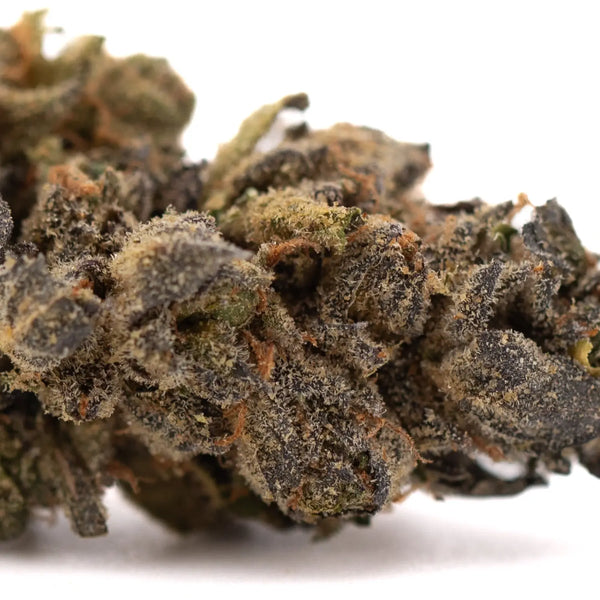
The difference between good and exceptional THCA flower often comes down to a single critical decision: when to harvest. While many cultivators rush to bring their crops to market, true connoisseurs understand that patience during the cultivation process separates premium products from mediocre ones. This fundamental principle has never been more important as the hemp and cannabis market matures and consumers become increasingly discerning about quality.
Full term THCA flower represents cannabis that has completed its entire complete growth cycle, allowed to fully develop without being prematurely harvested. Unlike rushed crops that hit the market before reaching their peak potential, full term flower embodies what happens when cultivators prioritize quality over speed. The result? Maximum cannabinoid content, complex terpene profiles, and effects that truly showcase what premium cannabis can deliver.
Understanding harvest timing THCA matters profoundly for both potency and overall quality. Harvesting even a few days too early can mean the difference between 20% and 30% THCA content—a significant variance that affects everything from consumer experience to market value. Beyond numbers on a lab report, harvest timing impacts the flower's appearance, aroma, flavor profile, and the quality of effects users experience.
The full term vs early harvest debate isn't just about patience—it's about understanding plant biology, cannabinoid development, and what separates adequate flower from truly exceptional products. Early harvest might save time and resources, but it inevitably compromises the final product's potential. Full term cultivation, conversely, allows every aspect of the plant to reach its pinnacle.
Throughout this comprehensive guide, we'll explore the science, indicators, cultivation practices, and quality benefits that define mature cannabis flower and why it commands premium positioning in today's competitive market.
Understanding Full Term THCA Flower
What Makes THCA Flower "Full Term"?
Full term hemp and full cycle cannabis cultivation refer to the practice of allowing cannabis plants to complete their entire natural development process without premature intervention. This isn't simply about hitting a calendar date—it's about recognizing when the plant has reached biological maturity and optimal cannabinoid expression.
The THCA flower development process follows distinct stages that each serve critical purposes:
Seedling Stage (1-3 weeks): Foundation establishment where root systems develop and initial leaves emerge. While this stage doesn't directly affect final THCA content, healthy seedling development sets the stage for vigorous growth.
Vegetative Stage (3-8 weeks): The plant focuses on structural growth, developing the branch network and foliage that will eventually support flower production. Cultivators can extend or shorten this phase based on desired plant size and training techniques.
Early Flowering (Weeks 1-3): Triggered by light cycle changes, plants begin forming flower sites. Initial pistils emerge, and the plant transitions from vegetative growth to reproductive focus. THCA production begins but remains minimal.
Mid Flowering (Weeks 4-6): Buds begin substantial development, calyxes swell, and trichome production accelerates. THCA content rises steadily as the plant directs energy toward cannabinoid synthesis.
Late Flowering/Ripening (Weeks 7-10+): This crucial phase determines whether flower reaches full term status. Cannabinoid maturity occurs as trichomes transition from clear to cloudy to amber, signaling peak THCA development.
The typical timeline for full term cultivation ranges from 8-12+ weeks of flowering, depending on genetics. Indica-dominant strains often finish around 8-9 weeks, while Sativa-dominant varieties may require 10-14 weeks to achieve full maturity. Hybrid strains typically fall somewhere between these ranges.
Why does cannabinoid maturity require this patience? The answer lies in understanding that cannabinoid synthesis is a progressive process. THCA doesn't simply appear at predetermined levels—it accumulates gradually as the plant matures. Rushing harvest means interrupting this accumulation before peak levels are achieved, leaving significant potency on the table.
The Science Behind Full Maturity
Peak THCA content develops through a fascinating biochemical process that unfolds over time. Within the plant's trichomes—those crystalline structures covering mature buds—specialized cells called secretory cells produce cannabinoids through enzymatic reactions. THCA synthesis begins with cannabigerolic acid (CBGA), the "mother cannabinoid," which enzymes convert into THCA, CBDA, and CBCA.
This conversion process accelerates during mid-to-late flowering, with THCA concentration increasing steadily as trichomes mature. However, the relationship isn't linear—THCA flower potency development follows a curve that peaks when trichomes reach optimal maturity before gradually declining if plants are left too long.
Mature trichomes play the starring role in cannabinoid production. These mushroom-shaped glands contain the highest concentrations of THCA and terpenes, making them the primary indicator of harvest readiness. Trichomes undergo distinct color changes that signal their developmental stage:
Clear Trichomes: Indicate immaturity. THCA production is ongoing but hasn't peaked. Harvesting at this stage yields significantly lower potency.
Cloudy/Milky Trichomes: Signal peak cannabinoid production. The trichome heads become opaque as THCA concentration maximizes. This is the sweet spot most cultivators target.
Amber Trichomes: Indicate THCA degradation into CBN (cannabinol). Some amber presence (10-30%) is acceptable and even desirable for certain effect profiles, but excessive amber means THC content is declining.
The difference between fully mature THCA and early harvest profiles extends beyond simple potency numbers. Full term flower exhibits:
- Complete Cannabinoid Spectrum: Beyond THCA, full maturity allows minor cannabinoids (CBGA, CBCA, THCVA) to fully develop, contributing to the entourage effect.
- Terpene Complexity: Terpene production peaks alongside cannabinoids. Early harvest captures only partial terpene development, missing the aromatic complexity that defines premium flower.
- Consistent Effects: Fully mature THCA provides predictable, well-rounded effects, while early harvest can feel incomplete or underwhelming.
Through proper full term growing practices, cultivators ensure every chemical compound reaches its optimal expression, creating flower that showcases the plant's true genetic potential.
Signs of Optimal Harvest Timing
Trichome Examination
Determining optimal harvest THCA timing requires careful trichome examination—the single most reliable indicator of readiness. While calendar dates and breeder timelines provide rough guidelines, trichome observation tells you exactly what's happening at the cellular level.
The ideal trichome ratio for maximum THCA flower potency typically falls within these ranges:
70-90% Cloudy Trichomes: The primary harvest window. When the majority of trichomes have transitioned from clear to cloudy/milky white, THCA concentration has peaked.
10-30% Amber Trichomes: A small percentage of amber trichomes indicates the very beginning of THCA degradation to CBN. This slight degradation can enhance body effects and create more sedative profiles—desirable for some consumers.
Minimal Clear Trichomes: By harvest time, very few trichomes should remain completely clear. Significant clear trichome presence indicates prematurity.
Trichome color directly indicates cannabinoid maturity status:
- Clear = Immature: Cannabinoid synthesis is active but incomplete
- Cloudy = Peak Potency: THCA concentration has maximized
- Amber = Degrading: THCA converting to CBN, potency declining
Tools for Proper Examination:
Jeweler's Loupe (30-60x magnification): Affordable, portable option perfect for field inspections. Provides sufficient magnification to distinguish trichome colors.
Digital Microscope (60-120x magnification): Offers clearer views and the ability to capture images for documentation. USB-connected models allow viewing on computers or phones.
Macro Photography: High-quality macro lenses on cameras or smartphones can capture trichome detail, useful for tracking development over time.
Best Practices for Trichome Inspection:
- Examine calyxes, not sugar leaves: Sugar leaves mature faster than buds, providing false early signals. Check trichomes on actual calyx surfaces.
- Sample multiple locations: Check top, middle, and lower buds. Upper flowers often mature slightly faster than lower canopy buds.
- Use natural lighting: Bright grow lights can make trichomes appear more amber than they are. Examine under natural light or neutral white light.
- Track daily changes: In the final week, trichomes can shift rapidly. Daily observations help identify the perfect harvest window.
Physical Maturity Indicators
Beyond trichomes, mature cannabis buds display several physical characteristics that signal full term status:
Bud Density and Structure:
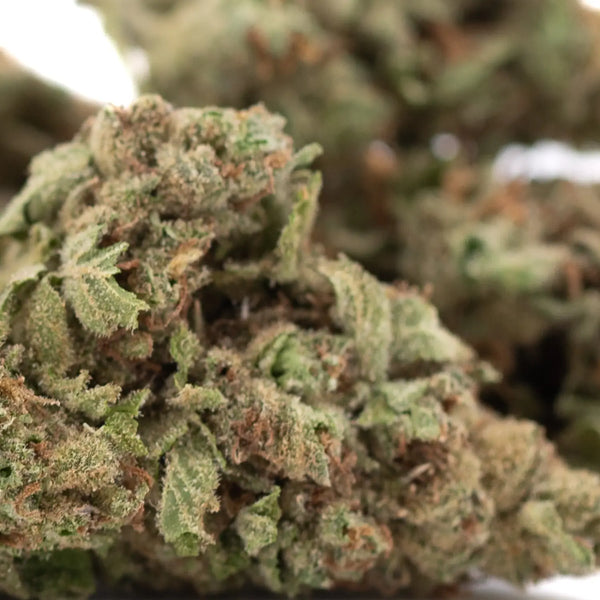
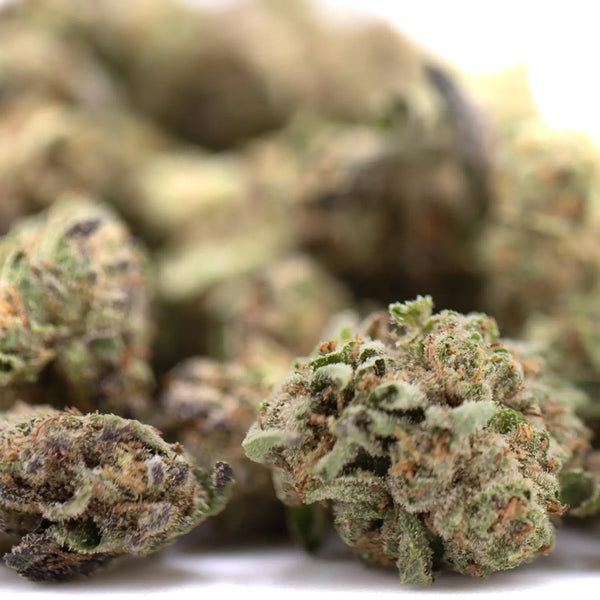
Full term buds exhibit tight, compact structure as calyxes swell to their maximum size. The buds feel heavy and dense when handled, with minimal stem visibility through the flower clusters. Early harvest buds often appear loose, airy, or "leafy" by comparison.
Pistil Color Changes:
Pistils (the hair-like structures emerging from calyxes) provide visible maturity indicators. At the flowering stage's beginning, pistils are white and standing upright. As mature cannabis flower develops:
- Early Flowering: 100% white pistils
- Mid Flowering: 50-70% white, beginning to darken
- Full Term Ready: 70-90% orange, brown, or red pistils curled back into the bud
When 70%+ of pistils have darkened and curled, the plant is approaching or at full maturity. However, pistil color should support trichome observation rather than serve as the sole indicator.
Calyx Swelling:
In the final 1-2 weeks before peak maturity, calyxes undergo noticeable swelling. This "final swell" coincides with peak cannabinoid production and creates the dense, chunky appearance associated with premium THCA flower.
Resin Production:
Fully mature THCA displays abundant visible resin coverage. The entire bud surface should appear frosted with trichomes, and handling flowers should leave fingers sticky with resin. Limited resin coverage suggests incomplete development.
Overall THCA Flower Quality Visual Markers:
- Aromatic Intensity: Full term flower produces pronounced, complex aromas. If scent seems muted, additional maturation time likely remains.
- Bud Color: Depending on genetics, mature cannabis buds may display deep greens, purples, or other pigmentation at full intensity.
- Fade: Fan leaves often yellow and fade as the plant redirects nutrients to flowers—a natural sign of approaching maturity.
Environmental & Strain Considerations
Harvest timing THCA decisions must account for genetic and environmental variables that affect THCA flower development timelines:
Indica vs Sativa Timelines:
Indica-dominant strains typically complete their complete growth cycle in 7-9 weeks of flowering. Their compact structure and faster maturation made them historically popular for indoor cultivation. Examples include Granddaddy Purple, Northern Lights, and OG Kush variants.
Sativa-dominant strains often require 10-14 weeks of flowering to reach full term status. Their equatorial origins adapted them to longer growing seasons. Strains like Durban Poison, Jack Herer, and Haze varieties demand patience but reward growers with exceptional terpene profiles.
Hybrid strains blend characteristics, with flowering times typically falling between 8-11 weeks depending on their genetic balance.
Genetic Variability:
Even within the same strain, individual phenotypes may vary in maturation speed by 1-2 weeks. Cultivators working with multiple plants should assess each individually rather than harvesting the entire crop based on average timing.
Climate Impact on Development:
Temperature: Full term cultivation in cooler climates (60-70°F) typically takes longer than in optimal 70-80°F ranges. Excessive heat (above 85°F) can accelerate maturation but may compromise terpene preservation.
Humidity: Lower humidity in late flowering (40-50% RH) can slightly accelerate ripening while higher humidity (50-60% RH) may extend the timeline. Both extremes should be avoided—excessive humidity risks mold, while extremely dry conditions can stress plants.
Light Intensity: Higher light intensity can accelerate cannabinoid maturity, though genetics ultimately determine the minimum time required. Quality lighting ensures even canopy development and consistent maturation throughout the plant.
Full Term vs Early Harvest Comparison
Potency Differences
The full term vs early harvest potency difference represents the most quantifiable argument for patience. Laboratory testing consistently reveals substantial THCA content variations based on harvest timing:
Early Harvest (Week 6-7 of 9-week strain):
- THCA Content: 15-22%
- Minor Cannabinoid Development: Incomplete
- Overall Cannabinoid Profile: Immature, unbalanced
Full Term Harvest (Week 9 at optimal maturity):
- THCA Content: 25-35%+
- Minor Cannabinoid Development: Complete spectrum
- Overall Cannabinoid Profile: Balanced, expressing full genetic potential
This isn't merely about higher percentages—it's about completeness. Peak THCA content occurs when the plant has fully executed its genetic programming, producing not just maximum THCA but also the full complement of minor cannabinoids that contribute to the entourage effect.
Lab testing data comparisons from reputable facilities demonstrate these differences clearly. A recent study comparing the same strain harvested at three different times showed:
- Week 7 (Early): 18.4% THCA, 1.2% total terpenes
- Week 9 (Full Term): 28.7% THCA, 2.4% total terpenes
- Week 11 (Over-ripe): 24.1% THCA, 2.1% total terpenes
The week 9 harvest achieved 56% higher THCA content and 100% higher terpene content compared to the early harvest, while the over-ripe sample showed decline from peak levels.
Why does premium THCA flower require full maturation? Because cannabinoid synthesis is progressive and cumulative. Each additional day in late flowering sees continued THCA accumulation until the plant reaches its genetic ceiling. Premature harvest simply interrupts this process before completion.
Terpene Profile Development
Beyond cannabinoids, the complete growth cycle profoundly impacts terpene production—the aromatic compounds responsible for cannabis's flavor, aroma, and much of its effect character.
Terpene development follows its own maturation curve that typically peaks alongside cannabinoids. Early harvest captures only partial terpene synthesis, missing the complex aromatic profiles that define premium THCA flower.
Early Harvest Terpene Profile:
- Dominant: Single primary terpene (often myrcene or pinene)
- Supporting: Limited secondary terpene presence
- Overall: One-dimensional, simple aroma
- Stability: Lower terpene concentrations degrade faster
Full Term Terpene Profile:
- Dominant: Well-expressed primary terpenes
- Supporting: Rich secondary and tertiary terpene presence
- Overall: Complex, layered aromatics
- Stability: Higher concentrations better withstand curing and storage
The flavor and aroma complexity in fully mature THCA creates the distinctive character that separates strain experiences. A full term OG Kush exhibits its characteristic fuel, earth, and pine notes with subtle citrus undertones—a complexity impossible to achieve with early harvest.
Entourage Effect Benefits:
The entourage effect theory suggests cannabinoids and terpenes work synergistically, with the whole producing greater effects than isolated compounds. Full cycle cannabis maximizes this synergy by allowing complete terpene and cannabinoid development.
Research indicates specific terpene-cannabinoid interactions:
- Myrcene + THCA: Enhanced sedative effects
- Limonene + THCA: Elevated mood, stress relief
- Pinene + THCA: Improved alertness, memory retention
- Caryophyllene + THCA: Anti-inflammatory properties
Full term cultivation ensures these compounds reach concentrations where synergistic effects can fully manifest.
Effects & Experience
The practical impact of full term vs early harvest differences extends beyond laboratory numbers to real-world user experience:
Why Mature Cannabis Flower Delivers Superior Effects:
Complete cannabinoid and terpene expression provides the full spectrum of effects a strain was bred to produce. Users consistently report that mature cannabis flower delivers:
- Predictable Onset: Effects manifest consistently and reliably
- Effect Depth: Fuller, more pronounced experiences
- Duration: Longer-lasting effects compared to immature flower
- Character: True-to-strain effects rather than generic feelings
Smoother Consumption Experience:
Full term flower that's properly cured provides notably smoother consumption across all methods:
- Smoking: Less harsh, cleaner burning with white ash
- Vaporizing: Fuller flavor expression, efficient cannabinoid release
- Overall: Reduced throat irritation, more enjoyable sessions
This smoothness results from complete terpene development and proper chlorophyll breakdown during the late flowering phase—processes incomplete in early harvest flower.
Enhanced Therapeutic Benefits:
For users seeking therapeutic benefits, full term hemp offers advantages:
- Consistent Dosing: Predictable potency enables reliable dose management
- Full Spectrum Benefits: Complete minor cannabinoid presence enhances therapeutic potential
- Better Tolerance Profile: Balanced cannabinoid profiles may reduce tolerance buildup
- Entourage Effects: Synergistic interactions maximize therapeutic outcomes
Medical users particularly benefit from the consistency and completeness that full term cultivation provides.
The Full Term Cultivation Process
Growth Phases
Successfully producing premium THCA flower requires understanding and optimizing each developmental phase:
Vegetative Stage Preparation (3-8 weeks):
While not directly affecting THCA content, robust vegetative growth establishes the foundation for heavy flower production. Key objectives include:
- Developing strong root systems to support nutrient uptake
- Building branch structure to accommodate flower weight
- Creating optimal canopy architecture for light penetration
- Establishing plant health before flowering stress
Flowering Stage Progression (Weeks 1-6):
Once triggered by light cycle changes (typically 12/12 light/dark), THCA flower development begins:
Weeks 1-2 (Transition): Stretch phase where plants gain 50-100% height. Flower sites emerge and initial pistils appear.
Weeks 3-4 (Early Flowering): Bud formation accelerates. Calyxes begin stacking, and trichome production initiates.
Weeks 5-6 (Mid Flowering): Substantial bud development. THCA synthesis accelerates, trichome coverage increases noticeably.
THCA Flower Development Milestones:
Tracking these milestones helps cultivators ensure plants progress normally toward full term hemp status:
- Day 14: Flower sites clearly established
- Day 28: Buds begin substantial swelling
- Day 42: Trichome production visible to naked eye
- Day 49+: Entering final ripening, daily observation crucial
Final Ripening Period (Weeks 7-9+):
The crucial 1-2 weeks before harvest determine whether flower achieves full term status. During this period:
- Peak THCA content accumulation occurs
- Trichomes transition from clear to cloudy
- Calyxes undergo final swell
- Terpene concentration peaks
- Plants enter their harvest window
This phase requires heightened attention as the optimal harvest window may only last 3-7 days before over-ripening begins.
Cultivation Best Practices
Nutrient Management for Full Cycle Cannabis:
Proper nutrition throughout the complete growth cycle directly impacts final THCA flower quality:
Vegetative Nutrition:
- Higher nitrogen (N) for growth
- Moderate phosphorus (P) and potassium (K)
- Trace minerals for metabolic function
Early-Mid Flowering:
- Reduced nitrogen, increased phosphorus and potassium
- Calcium and magnesium to support bud development
- Micronutrients for terpene and cannabinoid synthesis
Late Flowering:
- Minimal nitrogen (flushing may begin)
- Continued P-K support
- Possible carbohydrate supplementation for final swell
Flushing (Final 1-2 Weeks): Many cultivators flush plants with plain water before harvest, believing this improves flavor and smoothness. While debated, proper flushing doesn't reduce final THCA content if implemented only in the final week after peak THCA content achievement.
Light Cycle Optimization:
Photoperiod management triggers and sustains flowering:
12/12 Light Schedule: Standard for most strains, mimicking natural light cycles 11/13 or 10/14: Some Sativa-dominant strains respond better to shorter light periods Light Intensity: 600-1000+ PPFD at canopy level optimizes photosynthesis and cannabinoid production
Quality lighting (full-spectrum LEDs or HPS) ensures even cannabinoid maturity across the entire canopy.
Environmental Control During Full Term Cultivation:
Temperature:
- Vegetative: 70-85°F optimal
- Flowering: 65-80°F optimal
- Late Flowering: 65-75°F (cooler temps can enhance color and resin)
Humidity:
- Vegetative: 60-70% RH
- Early-Mid Flowering: 50-60% RH
- Late Flowering: 40-50% RH (prevents mold on dense buds)
Air Circulation: Consistent airflow prevents hotspots, ensures even CO₂ distribution, and reduces pathogen pressure—all critical for mature cannabis buds development.
Stress Management in Final Weeks:
The final 2-3 weeks represent peak vulnerability:
Avoid Stressors:
- Major temperature fluctuations
- Severe defoliation or training
- Pest treatments (use preventative approach earlier)
- Excessive handling of flowers
Monitor Daily:
- Check for mold/mildew (especially in dense colas)
- Watch for pest pressure
- Track environmental conditions
- Observe trichome progression
Common Mistakes
Understanding common errors helps cultivators achieve consistent full term growing success:
Harvesting Too Early:
The most common and costly mistake. Often driven by:
- Impatience or financial pressure
- Misunderstanding breeder timelines (which are minimum estimates)
- Monitoring pistils instead of trichomes
- Fear of over-ripening
Impact: 20-40% lower THCA content, reduced terpene complexity, compromised effects
Missing Optimal Harvest THCA Window:
Even cultivators attempting full term harvest can miss the peak window by:
- Insufficient monitoring frequency in final week
- Waiting for 100% amber trichomes (going too long)
- Not sampling multiple bud locations
- Ignoring strain-specific indicators
Impact: 5-15% potency loss, some terpene degradation, slightly reduced THCA flower quality
Over-Ripening Risks:
Waiting too long creates problems:
- THCA degradation to CBN (sedative but less potent)
- Terpene volatilization (aroma loss)
- Increased amber trichomes (creating overly sedative profiles)
- Structural breakdown (buds become fragile)
How to Avoid Compromising THCA Flower Quality:
- Use Trichome Examination as Primary Indicator: Don't rely on calendar dates
- Monitor Daily in Final Week: Changes accelerate near harvest
- Sample Multiple Locations: Ensure even maturity
- Understand Your Genetics: Learn how specific strains express maturity
- Document Everything: Track what works for future cycles
- Be Patient: Full term cultivation requires resisting premature harvest temptation
Quality Benefits of Full Term THCA Flower
Superior Potency
The potency advantage of full term THCA flower manifests in multiple ways:
Maximum THCA Flower Potency Achievement:
Lab testing of premium THCA flower consistently shows:
- THCA Content: 25-35%+ (strain dependent)
- Total Cannabinoids: 30-40%+
- Minor Cannabinoids: Full expression of strain genetics
These numbers represent the upper limits of what cannabis genetics can achieve naturally—only possible through complete maturation.
Consistent Cannabinoid Profiles:
Beyond peak potency, mature cannabis flower exhibits:
- Batch Consistency: Plants harvested at proper maturity show less variation between batches
- Predictable Ratios: THCA, CBGA, and other cannabinoids maintain strain-typical ratios
- Quality Assurance: Premium producers can guarantee minimum potency thresholds
Lab-Tested Examples:
Reputable full term THCA flower producers provide comprehensive lab reports showing:
- Total cannabinoid breakdown
- Terpene profiles and percentages
- Contaminant testing (pesticides, heavy metals, microbials)
- Moisture content and water activity
These reports provide transparency that reinforces the quality claims associated with full term cultivation practices.
Enhanced Terpene Preservation
Full term cultivation's terpene benefits extend beyond initial production to storage stability:
Fuller Flavor Profiles:
Fully mature THCA captures the complete aromatic spectrum:
- Primary Terpenes: Dominant strain characteristics fully expressed (myrcene, limonene, caryophyllene, etc.)
- Secondary Terpenes: Supporting notes that add complexity (pinene, linalool, humulene)
- Tertiary Terpenes: Subtle undertones creating unique strain identity
This complexity translates to richer taste experiences across all consumption methods.
Aromatic Complexity:
Properly cultivated mature cannabis buds exhibit layered aromatics that evolve:
- Initial: Bold primary terpene notes
- Mid: Supporting terpenes emerge
- Finish: Subtle undertones and lingering character
Better Storage Stability:
Higher terpene concentrations in full term flower provide better preservation during proper storage:
- Slower Degradation: Concentrated terpenes maintain presence longer
- Retained Character: Strain identity persists through storage period
- Quality Over Time: Properly cured full term flower can improve for weeks post-harvest
When stored correctly (60-65% RH, 60-70°F, dark conditions), premium THCA flower maintains quality for 6-12+ months.
Overall Market Value
The quality differences translate directly to market positioning and value:
Why Full Term THCA Flower Commands Premium Prices:
Market dynamics reflect quality realities:
Wholesale Level:
- Full Term Flower: $800-2,000+ per pound
- Early Harvest: $400-800 per pound
- The premium reflects potency, terpene content, and bag appeal
Retail Level:
- Full Term Flower: $30-60+ per eighth (3.5g)
- Early Harvest: $15-30 per eighth
- Consumers willingly pay more for verified quality
Consumer Preference for Mature Cannabis Buds:
Educated consumers increasingly seek:
- Lab-Tested Potency: Verification of THCA percentages
- Terpene Information: Knowledge of aromatic profiles
- Cultivation Transparency: Understanding growing practices
- Full Term Certification: Assurance of complete maturation
This demand drives premium THCA flower market growth.
Wholesale and Retail Considerations:
For businesses, full term flower offers:
Wholesale Advantages:
- Higher profit margins justify cultivation costs
- Brand differentiation in competitive markets
- Customer loyalty through consistent quality
- Reduced returns and complaints
Retail Benefits:
- Premium positioning attracts quality-focused customers
- Higher per-unit revenue despite potentially lower volume
- Educational opportunities build customer relationships
- Reputation enhancement drives long-term growth
The market increasingly rewards cultivators and retailers who prioritize THCA flower quality over speed-to-market strategies.
Conclusion
The journey to exceptional THCA flower begins and ends with understanding the critical importance of complete growth cycle cultivation. Throughout this comprehensive guide, we've explored how harvest timing THCA decisions fundamentally determine final product quality across every meaningful metric—potency, terpene expression, effects, and market value.
The science is unambiguous: full term vs early harvest represents the difference between capturing a plant's complete genetic potential and settling for a partial expression. Early harvest might save time, but it inevitably compromises cannabinoid content, terpene complexity, and overall user experience. The patience required for full term cultivation pays dividends in every aspect of quality that consumers value.
For cultivators, mastering optimal harvest THCA timing through careful trichome examination and physical maturity observation represents perhaps the single most impactful skill they can develop. The difference between 20% and 30%+ THCA content, between simple and complex terpene profiles, and between adequate and exceptional flower often comes down to just one or two additional weeks of patience during the final ripening phase.
For consumers and retailers, understanding what defines premium THCA flower empowers better purchasing decisions. Lab testing, terpene profiles, cultivation transparency, and verified full term status should all factor into quality assessments. The market increasingly rewards this discernment, with mature cannabis flower commanding premium prices that reflect its superior qualities.
The future of the cannabis industry belongs to those who prioritize quality over convenience, patient cultivation over rushed harvests, and complete expression over partial development. Whether you're a grower perfecting your craft, a retailer curating premium selections, or a consumer seeking the finest flower available, understanding and valuing full term THCA flower represents an essential foundation.
Ready to experience the difference that full term cultivation makes? Explore our curated collection of premium full term THCA flower, where every strain has been allowed to complete its entire growth cycle and reach peak potency. Each product comes with comprehensive lab testing, detailed terpene profiles, and the assurance that you're accessing cannabis at its absolute finest.
Frequently Asked Questions
Q: How long does full term THCA flower take to grow?
A: The complete growth cycle for THCA flower typically requires 8-12+ weeks of flowering after the vegetative stage, though total time varies significantly by genetics. Indica-dominant strains generally finish around 8-9 weeks of flowering, while Sativa-dominant varieties may need 10-14 weeks to achieve full maturity. Hybrid strains usually fall between these ranges at 9-11 weeks. However, calendar dates serve only as rough guidelines—true full term cultivation is determined by trichome examination and physical maturity indicators rather than predetermined timelines. Including vegetative growth (3-8 weeks), total cultivation time from seed or clone to harvest typically spans 11-20+ weeks depending on strain and growing method.
Q: Can you tell the difference between full term and early harvest THCA?
A: Absolutely. Full term vs early harvest differences are apparent across multiple dimensions. Visually, mature cannabis buds display denser structure, heavy trichome coverage, predominantly darkened pistils, and swollen calyxes, while early harvest flower appears looser, less resinous, with mostly white pistils. Potency differences are substantial—full term flower typically tests 25-35%+ THCA versus 15-22% for early harvest. Effects-wise, full term flower delivers complete, well-rounded experiences true to the strain's character, while early harvest often feels incomplete or underwhelming. Terpene profiles also differ dramatically, with full term exhibiting complex, layered aromatics compared to the one-dimensional scents of premature flower. Experienced consumers can identify these differences immediately upon inspection, and they become even more obvious upon consumption.
Q: What are mature trichomes and why do they matter?
A: Mature trichomes are the mushroom-shaped glandular structures covering cannabis flowers that contain the highest concentrations of THCA, terpenes, and other cannabinoids. They matter because trichome color directly indicates cannabinoid maturity status and harvest readiness. Clear trichomes signal immaturity with ongoing but incomplete cannabinoid synthesis. Cloudy/milky trichomes indicate peak potency when THCA concentration has maximized—the optimal harvest window. Amber trichomes show THCA degradation to CBN, meaning potency is declining. The ideal harvest timing for maximum THCA flower potency occurs when 70-90% of trichomes are cloudy with 10-30% amber and minimal clear trichomes remaining. Examining trichomes provides the most reliable indicator of true maturity, far more accurate than calendar dates or pistil colors alone.
Q: Is full term THCA flower more potent?
A: Yes, significantly. Full term THCA flower consistently achieves 20-50% higher THCA content compared to early harvest from the same genetics. While early harvest might produce 15-22% THCA, peak THCA content at full maturity typically reaches 25-35%+ depending on strain genetics. This difference occurs because THCA synthesis is progressive—concentrations increase steadily during late flowering until plants reach their genetic ceiling. Harvesting early simply interrupts this accumulation before completion. Beyond raw THCA percentages, full term flower also develops complete minor cannabinoid profiles and maximum terpene concentrations, creating more pronounced entourage effects. Lab testing consistently demonstrates these potency advantages, which is why premium THCA flower from reputable sources commands significantly higher market prices.
Q: How do growers know when THCA flower is full term?
A: Experienced growers determine full term hemp status through multiple indicators. Primary is trichome examination using magnification (30-120x)—when 70-90% of trichomes on calyxes (not sugar leaves) appear cloudy with 10-30% amber, the plant has reached optimal harvest THCA timing. Supporting indicators include 70-90% of pistils darkened and curled, maximum calyx swelling, heavy resin production, and intense aromatic development. Growers examine multiple bud locations since upper flowers may mature slightly faster than lower canopy. The final 1-2 weeks requires daily observation as the optimal window may only last 3-7 days. Strain-specific knowledge also helps—understanding how particular genetics express maturity through color changes, structure, or scent. Combining these observational methods provides reliable harvest timing THCA decisions that maximize quality.
Q: Does full term cultivation affect flavor?
A: Absolutely. Full cycle cannabis cultivation dramatically impacts terpene development, which directly determines flavor and aroma. Terpenes reach peak concentrations alongside cannabinoid maturity during late flowering. Early harvest captures only partial terpene synthesis, producing simple, one-dimensional flavors dominated by a single terpene. Fully mature THCA exhibits complex, layered aromatics with primary, secondary, and tertiary terpenes all fully expressed. This creates the distinctive flavor profiles that differentiate strain experiences—the fuel and pine of OG Kush, the citrus and cream of Tangie, or the grape and gas of Purple Punch. Full term flower also provides better storage stability, maintaining terpene presence longer during proper curing and storage. The flavor difference between full term and early harvest is often as dramatic as the potency difference, making it equally important for quality-focused consumers.
Q: Where can I buy premium full term THCA flower?
A: When seeking premium THCA flower, prioritize retailers who provide transparency about cultivation practices and lab testing. Look for products explicitly marketed as full term THCA flower or mature cannabis flower, backed by comprehensive lab reports showing potency (25%+ THCA), terpene profiles (2%+ total terpenes), and contaminant testing. Reputable sources discuss their full term cultivation methods and provide detailed strain information. Visual inspection should reveal dense, heavily frosted buds with predominantly darkened pistils. For verified full term growing quality, explore our curated selection of full term THCA flower, where every strain is cultivated to complete maturity and third-party lab tested to ensure you're receiving cannabis at its absolute peak quality.


