


What is THCA Trim: Guide to Cannabis Benefits
Looking to explore cannabis on a budget without sacrificing quality? THCA trim might be your answer. While it doesn't get the same attention as premium flower, this often-overlooked cannabis material offers impressive versatility and value for consumers and processors alike.
In the cannabis industry, not every part of the harvest makes it into those beautiful jars of pristine buds lining dispensary shelves. The trimming process produces significant quantities of plant material that, while not visually stunning, contains valuable cannabinoids and terpenes. This material—known as trim—has become an essential component of the cannabis economy, particularly for extraction artists, edible manufacturers, and budget-conscious consumers who understand that potency doesn't always require picture-perfect aesthetics.
What is THCA trim, exactly? It's the collective term for the sugar leaves, small buds, and plant material removed during the manicuring process. Despite its humble appearance, trim plays a crucial role in the production of concentrates, edibles, topicals, and other cannabis products. Understanding how to evaluate, purchase, and process trim can unlock significant cost savings while maintaining product quality—whether you're a home enthusiast or a commercial processor.
Good start. I've introduced the topic and naturally integrated two keyword links. Now I need to expand on what THCA trim actually is, covering the scientific and practical aspects.
What is THCA Trim? Breaking Down Cannabis By-Products
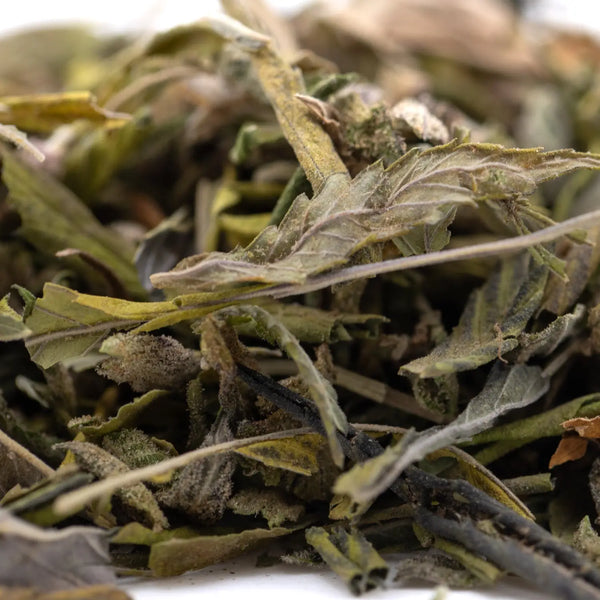
THCA trim consists of the sugar leaves and small plant material trimmed away from cannabis flowers during the harvesting and curing process. These THCA sugar leaves grow close to the buds and are covered in trichomes containing cannabinoids and terpenes—just in lower concentrations than the flower itself.
To understand trim, it helps to understand cannabis plant structure. Cannabis flowers grow surrounded by protective leaves at various distances from the bud. The large fan leaves, which contain minimal cannabinoids, are typically removed first and discarded or composted. The sugar leaves—so named because they appear frosted with trichomes—grow much closer to the flower and contain significant cannabinoid content. These sugar leaves, along with smaller "popcorn" buds and material from the lower branches, comprise what we call trim.
Hemp trim and cannabis trim uses vary widely, but all trim comes from the same manicuring process that gives premium buds their clean, aesthetic appearance. Cultivators remove this material to create the tight, visually appealing flower structure consumers expect, but this trimmed material retains much of the value of the plant.
The term "trim" can actually refer to several grades of material:
Premium Trim (Small Buds): Sometimes called "smalls" or "popcorn buds," this consists primarily of small but fully formed flowers from lower branches that didn't receive as much light. This material can be quite potent, often approaching the cannabinoid levels of larger buds.
Sugar Leaf Trim: The resinous leaves that grow directly adjacent to flowers. These leaves are heavily coated in trichomes and represent the majority of what processors consider quality trim material.
Mixed Trim: A combination of sugar leaves, small buds, and some stem material. Quality varies significantly depending on how carefully the trim was separated during processing.
Fan Leaf Trim: Lower-grade material containing larger fan leaves with minimal trichome coverage. This grade is typically less desirable for most applications.
When discussing hemp flower trim, the same principles apply whether dealing with marijuana or hemp varieties. The primary difference lies in THC content—hemp-derived trim must contain less than 0.3% delta-9 THC by dry weight to remain federally legal, though it can contain substantial amounts of THCA, which converts to THC upon heating.
Trim vs Flower: Understanding the Difference
The key distinction between trim vs flower comes down to potency, appearance, and intended use. While premium THCA flower might test at 20-30% THCA, trim potency typically ranges from 5-15% THCA depending on the strain and how close to the bud the material grew.
Appearance and Structure
Flower presents as dense, trichome-covered buds with clearly defined calyxes and a tight structure. The visual appeal of flower is part of what justifies its premium pricing—consumers expect beautiful, photogenic cannabis. Trim, by contrast, appears leafier, looser, and less uniform. It may include stems, varied leaf sizes, and an overall less refined appearance.
However, appearance tells only part of the story. While trim may not win beauty contests, the trichomes coating sugar leaves contain the same cannabinoids and terpenes found in flower. The concentration is lower, but the chemical profile remains similar to the flower from which it came.
Potency Considerations
Trim potency varies significantly based on several factors:
- Proximity to flower: Sugar leaves directly adjacent to buds contain far more trichomes than leaves further away
- Strain genetics: Some strains produce more resinous trim than others
- Growing conditions: Well-grown plants produce more potent trim
- Trimming technique: Hand-trimmed operations often preserve more trichome-rich material
A batch of premium trim from a high-testing strain might contain 12-15% THCA, while mixed trim from the same strain could test at 6-8%. This variability means lab testing becomes crucial when purchasing trim for specific applications.
Use Case Distinctions
Flower excels when visual appeal, aroma, and immediate potency matter—smoking, vaping, and display purposes. Trim shines in applications where starting material will be transformed: extractions, edibles, topicals, and tinctures. The final product from these processes can be standardized regardless of whether the input was flower or trim.
THCA Content and Potency in Trim
Understanding cannabinoid content in trim requires recognizing how THCA distributes across the cannabis plant. THCA (tetrahydrocannabinolic acid) is the non-intoxicating precursor to THC found in raw cannabis. When heated through smoking, vaping, or cooking (decarboxylation), THCA converts to THC.
Trichomes—the tiny, mushroom-shaped glands covering cannabis plants—produce and store cannabinoids. While flower buds have the highest concentration of trichomes, sugar leaves contain substantial trichome coverage. Under magnification, quality trim reveals the same crystalline structures found on premium flower.
Trim potency testing should include:
- Total THCA content: The primary cannabinoid in most trim
- CBD/CBDA levels: Relevant for hemp varieties
- Minor cannabinoids: CBG, CBC, and others
- Terpene profile: Influences flavor and effects
- Moisture content: Affects weight and storage stability
Commercial processors calculate yield expectations based on trim potency. For example, if starting with trim testing at 10% THCA and extracting with 80% efficiency, processors can expect approximately 80mg of THCA per gram of input material. This calculation becomes the foundation for determining whether THCA trim price points make economic sense for a given operation.
Popular Uses for THCA Trim
Cannabis trim uses extend far beyond what many consumers realize. While trim may not be ideal for smoking, its versatility in processing applications makes it invaluable to the cannabis industry.
Extraction and Concentrates
THCA trim extraction is one of the most popular applications in commercial cannabis processing. Processors use trim to create concentrates, oils, and distillates at a fraction of the cost of using whole flower. The lower input cost makes THCA trim concentrate production highly profitable.
Common extraction methods for trim include:
Hydrocarbon Extraction: Using butane or propane to strip cannabinoids and terpenes from plant material. This process produces live resin, sauce, diamonds, and other popular concentrates. Trim works exceptionally well for hydrocarbon extraction because the process efficiently extracts cannabinoids regardless of starting material density.
Ethanol Extraction: A versatile method producing crude oil that can be further refined into distillate. Ethanol extraction scales well and efficiently processes large quantities of trim. Many commercial edible manufacturers prefer ethanol-extracted trim oil as their base ingredient.
CO2 Extraction: A clean, solvent-free method producing high-purity extracts. While CO2 equipment represents a significant investment, it processes trim effectively and produces food-grade oils perfect for edibles and tinctures.
Rosin Pressing: While traditionally used with flower, trim can be pressed for rosin, though yields will be lower. Some processors press fresh-frozen trim to create cold-cure rosin, a process that maximizes terpene preservation.
The economics of extraction favor trim. If flower costs $800 per pound and trim costs $200 per pound, an extractor needs significantly higher yields from flower to justify the 4x price premium. For many products—especially those where final potency will be standardized—trim provides the same utility at a quarter of the cost.

Cooking with THCA Trim
Trim for edibles is another major use case in both home and commercial kitchens. When properly decarboxylated, THCA trim becomes an affordable ingredient for cannabutter, oils, and tinctures. Cooking with THCA trim allows home processors and commercial kitchens to create potent products without premium flower prices.
Making Cannabutter: The classic edible base, cannabutter infuses butter with cannabinoids through slow, gentle heating. Trim works perfectly for this application:
- Decarboxylate trim in an oven at 240°F for 40-45 minutes to convert THCA to THC
- Simmer decarbed trim in butter and water for 2-4 hours on low heat
- Strain out plant material and refrigerate to separate butter from water
- Use infused butter in any recipe calling for regular butter
Cannabis Oils: Similar to butter, cooking oils (coconut oil, olive oil, MCT oil) can be infused with trim. Coconut oil's high fat content makes it particularly effective at absorbing cannabinoids. Many people prefer oils for their versatility and longer shelf life compared to butter.
Tinctures: Alcohol-based tinctures use ethanol to extract cannabinoids from trim. After decarboxylation, trim soaks in high-proof alcohol (typically Everclear) for several weeks, with periodic shaking. The resulting tincture provides precise dosing and fast-acting effects when taken sublingually.
Water Hash: Agitating trim in ice water causes trichomes to break free and sink. After filtering through screens of varying micron sizes, processors collect these trichomes and dry them to create "bubble hash." Quality trim produces surprisingly good bubble hash, especially when fresh-frozen immediately after harvest.
For home cooks, trim offers an economical way to regularly incorporate cannabis into their cooking. A pound of quality trim might produce dozens of batches of edibles, making the per-dose cost remarkably low. Commercial kitchens appreciate trim for standardization—they can calculate exact cannabinoid content and adjust recipes accordingly, ensuring consistent dosing across large production runs.
Other Processing Applications
Processing THCA trim can also yield topicals, tinctures, and other infused products where visual appeal isn't the primary concern.
Topicals and Salves: Cannabis-infused lotions, balms, and salves use cannabinoid-rich oils as their base. Since topicals don't produce intoxicating effects (cannabinoids don't readily cross the skin barrier into the bloodstream), trim provides all the benefits of flower at a lower cost. Many topical manufacturers exclusively use trim as their source material.
Terpene Extraction: Some processors focus on extracting terpenes from trim for later reintroduction into concentrates or other products. While flower contains higher terpene concentrations, trim from aromatic strains still yields valuable terpenes.
Biomass for Research: Scientific research facilities and cannabinoid isolation operations purchase trim as source material for specific cannabinoid extraction. When isolating CBD, CBG, or other minor cannabinoids, trim often provides sufficient concentrations at a more accessible price point.
Pre-Roll Infill: Some manufacturers combine small amounts of trim with flower to fill pre-rolls, allowing them to offer lower-priced options while maintaining acceptable potency and burn characteristics.
Good progress. I'm at about 1,800 words now. I need to continue with the remaining sections to reach 3,500 words. Let me continue with quality factors, cost benefits, where to buy, storage, and then the FAQ section.
Quality Factors to Consider When Evaluating Trim
Not all trim cannabis is created equal. Understanding quality indicators helps buyers make informed decisions and avoid disappointment.
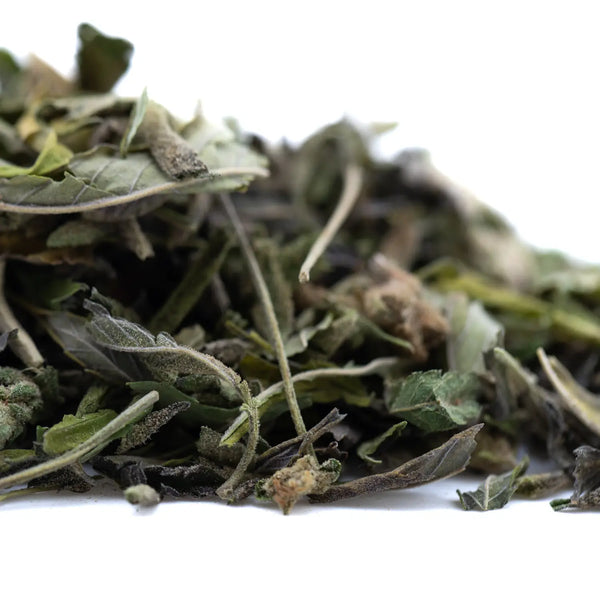
Trichome Coverage: The most important quality indicator. Quality trim should show visible crystalline structures, even if not as densely packed as flower. Under magnification or bright light, trichomes should appear intact and milky or amber, not dark or absent.
Color: Fresh, properly stored trim maintains the natural green color of the strain, possibly with purple, orange, or other hues depending on genetics. Brown, yellow, or excessively dark trim indicates age, improper storage, or exposure to light and heat that degrades cannabinoids.
Moisture Content: Trim should feel dry but not brittle. Overly dry trim has likely lost terpenes and may have degraded cannabinoids. Trim that feels damp or spongy risks mold and mildew development.
Stem Content: While some stem material is unavoidable in trim, excessive stems add weight without contributing cannabinoids. Premium trim contains primarily leaf material and small buds with minimal stem content.
Aroma: Quality trim retains the terpene profile of its strain, producing recognizable cannabis aromas. Trim that smells musty, moldy, or has no aroma has likely lost potency and quality.
Lab Testing: Reputable sellers provide certificates of analysis (COAs) showing cannabinoid content, terpene profiles, and contamination testing (pesticides, heavy metals, microbials). Always verify lab results before purchasing large quantities.
Strain Identification: Single-strain trim allows processors to create strain-specific products. Mixed trim from multiple strains costs less but produces generic products with unpredictable effects and flavors.
Cost Benefits: Why Buy THCA Trim?
The THCA trim price point makes it attractive for budget-conscious consumers and businesses. While cheap THCA trim and bulk trim options cost significantly less per pound than flower, they still deliver cannabinoid content for extraction and processing.
Price Comparisons
Cannabis pricing varies by market, but the general relationship holds across regions:
- Premium flower: $800-2,400 per pound
- Mid-grade flower: $400-1,000 per pound
- Premium trim: $150-400 per pound
- Standard trim: $50-200 per pound
For businesses, THCA trim wholesale and bulk purchases (buy THCA trim bulk) offer the best value, especially for extraction operations where final product potency can be standardized regardless of starting material.
ROI Calculations
Smart processors calculate return on investment by considering:
- Input cost per gram of cannabinoid: If paying $200 for a pound (454g) of 10% THCA trim, you're paying $200 for 45.4g of THCA, or $4.40 per gram of cannabinoid. If flower costs $1,200 per pound at 25% THCA, you're paying $1,200 for 113.5g of THCA, or $10.57 per gram of cannabinoid.
- Extraction efficiency: Different extraction methods yield different percentages of available cannabinoids. Hydrocarbon extraction might recover 85-95% of available cannabinoids, while ethanol extraction typically recovers 70-80%.
- Processing time and labor: Trim may require longer extraction times or additional filtration compared to flower, adding labor costs.
- Final product value: The market pays premium prices for flower-derived products in some categories (like live resin) but shows no preference in others (like distillate or edibles).
Volume Advantages
Buying trim in volume unlocks additional savings. A processor purchasing single pounds might pay $300 per pound, while someone committing to 100-pound orders might secure pricing at $150 per pound. These volume discounts can transform the economics of cannabis processing.
Retail vs. Wholesale Economics
Retail consumers using trim for home processing see dramatic savings. Instead of spending $50 on an eighth of flower to make a batch of brownies, $50 worth of trim produces multiple batches. The same principle applies to tinctures, topicals, and other home preparations.
Wholesale buyers benefit even more. Commercial edible manufacturers, extraction labs, and topical producers can reduce their input costs by 75% or more while maintaining final product quality. This cost savings translates directly to improved profit margins or the ability to offer more competitive pricing.
Where to Find THCA Trim for Sale
THCA trim for sale is available through licensed hemp and cannabis retailers, with the best deals typically found through wholesale suppliers. Those looking to buy bulk trim should verify lab testing, proper storage conditions, and strain information to ensure quality material.
Direct from Cultivators
Many cannabis farms sell trim directly to processors and consumers. This direct relationship often provides the best pricing and transparency about growing practices, harvest dates, and strain genetics. Cultivators typically sell trim by the pound with price breaks at 10, 50, and 100+ pound quantities.
Licensed Distributors
In regulated cannabis markets, licensed distributors aggregate trim from multiple farms, providing variety and consistent supply. While prices may be slightly higher than direct purchases, distributors offer convenience, quality control, and regulatory compliance.
Online Hemp Retailers
For hemp-derived THCA trim (containing <0.3% delta-9 THC), online retailers ship nationwide where legal. These vendors typically offer smaller quantities suitable for home processors, with detailed product descriptions, lab results, and customer reviews to guide purchasing decisions. Quality online retailers provide transparent sourcing information and responsive customer service.
Trade Shows and Industry Events
Cannabis industry trade shows connect buyers with sellers, allowing for relationship building and sampling products before committing to large purchases. Many wholesale deals originate from connections made at industry events.
Buying Considerations
When sourcing trim, prioritize:
- Lab verification: Never buy trim without recent COA showing cannabinoid content and contamination testing
- Sample evaluation: Request samples before committing to large orders
- Proper licensing: Ensure sellers hold appropriate licenses for your jurisdiction
- Storage practices: Verify trim has been stored in climate-controlled conditions
- Return policies: Understand recourse if trim quality doesn't meet expectations
- Strain consistency: Determine whether you need single-strain or accept mixed trim
Storage and Handling Best Practices
Proper storage preserves trim quality and potency over time. THCA trim requires the same care as flower, though its lower moisture content provides some advantages.
Optimal Storage Conditions
- Temperature: Store at 60-70°F. Higher temperatures accelerate cannabinoid degradation
- Humidity: Maintain 55-62% relative humidity using humidity control packs
- Light: Store in complete darkness; UV light rapidly degrades cannabinoids and terpenes
- Airflow: Ensure some air circulation to prevent mold while avoiding excessive exposure to oxygen
Container Selection
Glass jars with airtight seals work well for smaller quantities. For bulk storage, food-grade plastic containers or vacuum-sealed bags protect trim from environmental exposure. Turkey bags—large, heat-sealable bags designed for food storage—are popular in the industry for their durability and moisture barrier properties.
Shelf Life
Properly stored trim maintains quality for 6-12 months. Beyond this timeframe, cannabinoid degradation becomes noticeable, with THCA converting to CBN (producing sedative effects) and terpenes evaporating. While trim beyond its prime remains usable, potency and flavor diminish.
Processing Fresh vs. Aged Trim
Fresh trim produces the most flavorful extracts and edibles thanks to preserved terpenes. Some processors specifically seek "fresh-frozen" trim—material frozen immediately after harvest—for live resin production. Aged trim works fine for distillate and products where terpenes will be reintroduced artificially.
Conclusion
Cannabis trim uses extend far beyond what its humble appearance suggests. Whether you're making edibles at home or running a commercial extraction operation, THCA trim offers an economical path to cannabinoid-rich products. Understanding what trim brings to the table—and what it doesn't—helps consumers and processors make informed decisions about when trim is the right choice.
The cannabis industry has matured beyond a singular focus on pristine flower. Today's sophisticated market recognizes that different materials serve different purposes. Trim excels where utility matters more than appearance, where cannabinoid content determines value, and where processing transforms starting material into refined products.
For home enthusiasts, processing THCA trim opens doors to affordable cannabis experiences. A modest investment in quality trim yields enough cannabutter, tincture, or infused oil to last months. For commercial operations, THCA trim wholesale purchasing strategies can fundamentally improve profit margins while maintaining product quality.
As the cannabis market continues evolving, trim will remain essential to the industry's economics. It reduces waste, makes cannabis more accessible, and enables the production of diverse products. Whether you're curious about making your first batch of edibles or scaling up a commercial extraction operation, understanding trim quality, pricing, and applications positions you for success.
The next time you see those pristine buds in a dispensary jar, remember: the trim from those same plants offers many of the same benefits at a fraction of the price. For those who know how to evaluate and process it, hemp trim and hemp flower trim represent one of cannabis's best-kept value secrets.
Frequently Asked Questions About THCA Trim
What is the typical potency of THCA trim?
THCA trim typically contains between 5-15% THCA depending on quality, strain genetics, and which parts of the plant comprise the trim. Premium sugar leaf trim from high-testing strains can reach 12-15% THCA, while mixed trim with more stem material might test at 5-8%. Always verify potency through lab testing before purchasing, as visual inspection alone cannot determine cannabinoid content accurately.
Can you smoke THCA trim?
While technically possible, smoking trim provides a less enjoyable experience than smoking flower. Trim contains more leaf material and chlorophyll, producing harsher smoke with less pronounced effects. Additionally, stems in trim must be removed before smoking. However, trim can be used to supplement flower in joints or bowls to extend more expensive flower, or pressed into hash for a more refined smokeable product.
How much cheaper is trim compared to flower?
Trim typically costs 50-75% less than equivalent quality flower. In most markets, premium flower ranges from $800-2,400 per pound, while quality trim costs $150-400 per pound. The exact price differential depends on local market conditions, trim quality, and whether purchasing retail or wholesale quantities. Cheap THCA trim offers the best value for extraction and edible production.
What's the best extraction method for THCA trim?
The ideal extraction method depends on your end product goals. For home processors, making cannabutter or coconut oil through simple infusion requires minimal equipment and works excellently with trim. For commercial operations, ethanol extraction offers scalability and efficiency for trim processing. Hydrocarbon extraction (BHO) produces premium concentrates from trim but requires professional equipment and expertise. CO2 extraction creates clean, solvent-free extracts suitable for edibles and tinctures.
How do I know if trim is fresh and high quality?
Quality trim should display visible trichome coverage, maintain natural green coloring (with possible purple or orange hues), feel dry but not brittle, and emit aromatic terpenes characteristic of its strain. Avoid trim that appears brown or yellow, smells musty or like hay, feels excessively dry and crumbles, or contains excessive stem material. Always request lab testing showing cannabinoid content, terpene profiles, and contamination screening before purchasing trim in quantity.
Is THCA trim legal to buy online?
Hemp-derived THCA trim containing less than 0.3% delta-9 THC by dry weight is federally legal under the 2018 Farm Bill and can be shipped across state lines where state law permits. However, high-THC cannabis trim remains federally illegal and can only be purchased through licensed dispensaries in states with legal cannabis programs. Always verify your local laws before purchasing any cannabis products, as regulations vary significantly by jurisdiction.
How long does THCA trim stay fresh?
Properly stored trim maintains quality for 6-12 months. Store trim in airtight containers at 60-70°F with 55-62% humidity, away from light and heat. Use humidity control packs to maintain optimal moisture levels. Beyond one year, trim remains usable but experiences gradual cannabinoid degradation and terpene loss. Fresh or fresh-frozen trim produces superior extracts, while older trim works fine for applications where flavor is less critical, such as distillate production.
Can trim be used to make strong edibles?
Absolutely. Trim for edibles is one of the most economical ways to produce potent cannabis-infused products. The key is knowing your trim's potency through lab testing and calculating decarboxylation correctly. For example, 100 grams of trim testing at 10% THCA contains approximately 10,000mg of THCA. After decarboxylation (converting THCA to THC with about 88% efficiency), you'll have roughly 8,800mg of THC to work with—enough for 88 edibles at 100mg each or 440 edibles at 20mg each.
What's the difference between hemp trim and cannabis trim?
The primary difference is THC content. Hemp trim contains less than 0.3% delta-9 THC by dry weight, making it federally legal, while cannabis trim exceeds this threshold. Both may contain significant THCA, which converts to THC when heated. Hemp trim and cannabis trim serve the same processing purposes and contain similar beneficial cannabinoids and terpenes. From a processing standpoint, they're functionally identical—the distinction is purely legal.
Should I buy single-strain or mixed trim?
Single-strain trim costs more but allows you to create strain-specific products with predictable effects and flavors. This matters most for products where terpene profile affects the experience, such as live resin, rosin, or premium edibles marketed by strain. Mixed trim costs less and works well for products where final cannabinoid content matters more than specific strain characteristics, such as distillate, standardized edibles, or topicals. Many processors use mixed trim for bulk production and single-strain trim for premium products.


