


What's the Difference Between THCA Flower and Trim? A Comprehensive Buyer's Guide
Shopping for THCA products, you'll find two options at very different price points: premium flower and budget-friendly trim. What separates these products, and which should you choose? The answer isn't always straightforward, but understanding the differences can save you money while ensuring you get exactly what you need.
Understanding the THCA Flower Vs Trim Debate
The difference between flower and trim impacts your experience, budget, and results in significant ways. Whether you're seeking the best smoking experience or raw material for extractions, knowing these distinctions ensures you get the right product at the right price. Both products originate from the same cannabis plants, but their composition, quality characteristics, and ideal applications differ considerably.
Many newcomers to the hemp market assume trim is simply inferior flower—a misconception that costs them money or leads to disappointing purchases. The reality is more nuanced. Understanding THCA flower trim comparison factors allows you to make strategic decisions based on your specific needs rather than blanket assumptions about quality.
What You'll Learn
This comprehensive comparison covers THCA flower trim quality differences, potency variations, pricing structures, and ideal applications. You'll understand exactly when to invest in premium flower versus when trim makes perfect sense for your needs. We'll also explore the economics behind pricing differences, help you identify quality indicators for both products, and provide practical guidance for choosing flower or trim based on your intended use.
By the end of this guide, you'll have the knowledge to maximize value in every THCA purchase—whether you're a connoisseur seeking the finest smoking experience or a budget-conscious consumer looking to stretch your dollar without sacrificing effectiveness.
THCA Flower vs Trim: The Basics
What is THCA Flower?
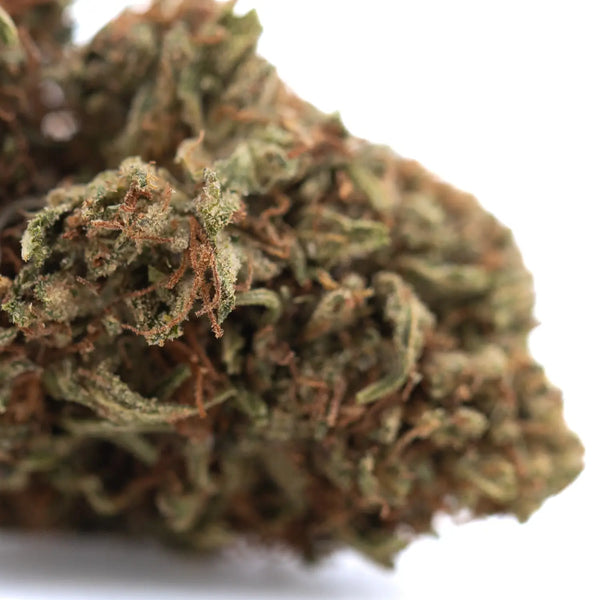
THCA flower refers to the dense, resinous buds harvested from hemp plants' main colas. These fully-developed flowers represent the plant's crowning achievement—the result of months of careful cultivation focused on producing cannabinoid-rich, aromatic buds. Premium THCA flower vs trim comparisons always start here because flower sets the quality benchmark.
These fully-developed flowers feature several distinctive characteristics that justify their premium positioning in the market:
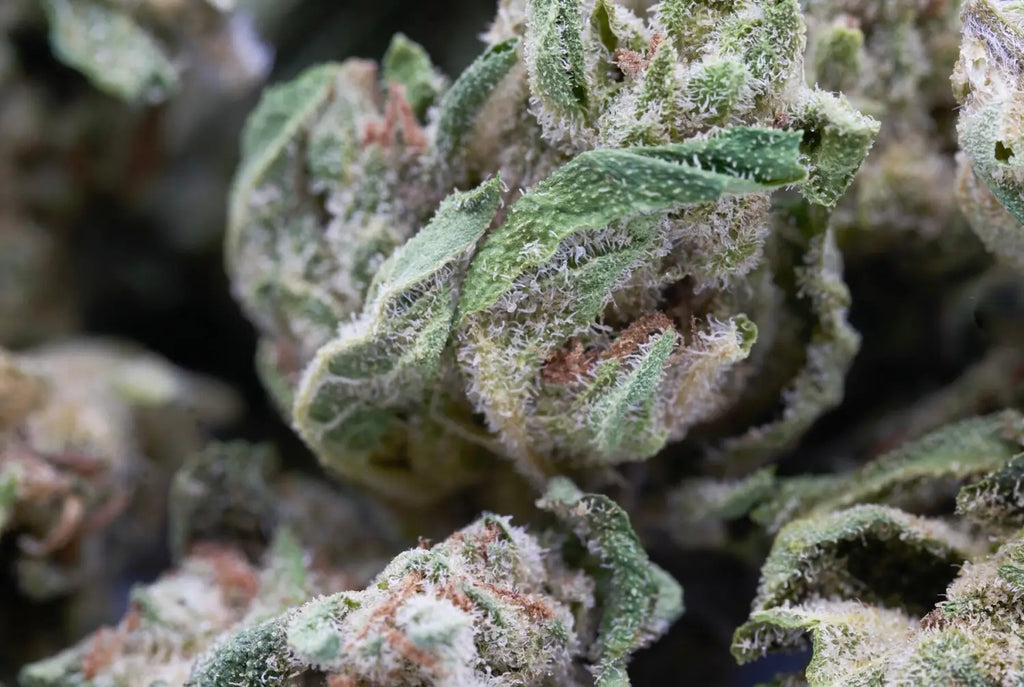
Dense trichome coverage creating frosty appearance: Trichomes are the tiny, crystal-like glands that produce cannabinoids and terpenes. Premium flower displays abundant trichomes coating the surface, creating a sparkling, frosted look that indicates high cannabinoid content. Under magnification, quality flower reveals a forest of mushroom-shaped trichome heads, each packed with valuable compounds.
Well-formed, compact bud structure: True flower maintains the tight, dense structure developed during the flowering phase. This structural integrity indicates proper cultivation, optimal harvest timing, and careful handling throughout processing. Loose or fluffy buds might suggest premature harvest, suboptimal growing conditions, or improper curing.
Intact terpene profiles with full aromatic complexity: Flower preserves the complete terpene profile developed by the plant, delivering complex aromas ranging from citrus and pine to earth and fuel. These terpenes don't just provide flavor—they work synergistically with cannabinoids to enhance overall effects through what's known as the entourage effect.
Minimal stem content: Premium flower consists almost entirely of the actual bud material (calyxes and trichomes) with only the small stem needed to hold the bud together. Excessive stem content adds non-consumable weight, reducing value per gram.
Careful hand-trimming preserving quality: The best flower undergoes meticulous hand-trimming that removes excess leaf material while preserving trichome-rich surfaces and maintaining bud structure. This labor-intensive process contributes to flower's higher price point but ensures optimal quality.
Flower represents the plant's premium product—meticulously cultivated, carefully harvested, and gently handled throughout processing. Growers dedicate months of attention to producing top-quality buds, monitoring everything from nutrient levels and light cycles to humidity and temperature. This results in maximum bag appeal, preserved terpenes, and optimal cannabinoid content that justifies premium pricing for consumers seeking the best possible experience.
What is THCA Trim?
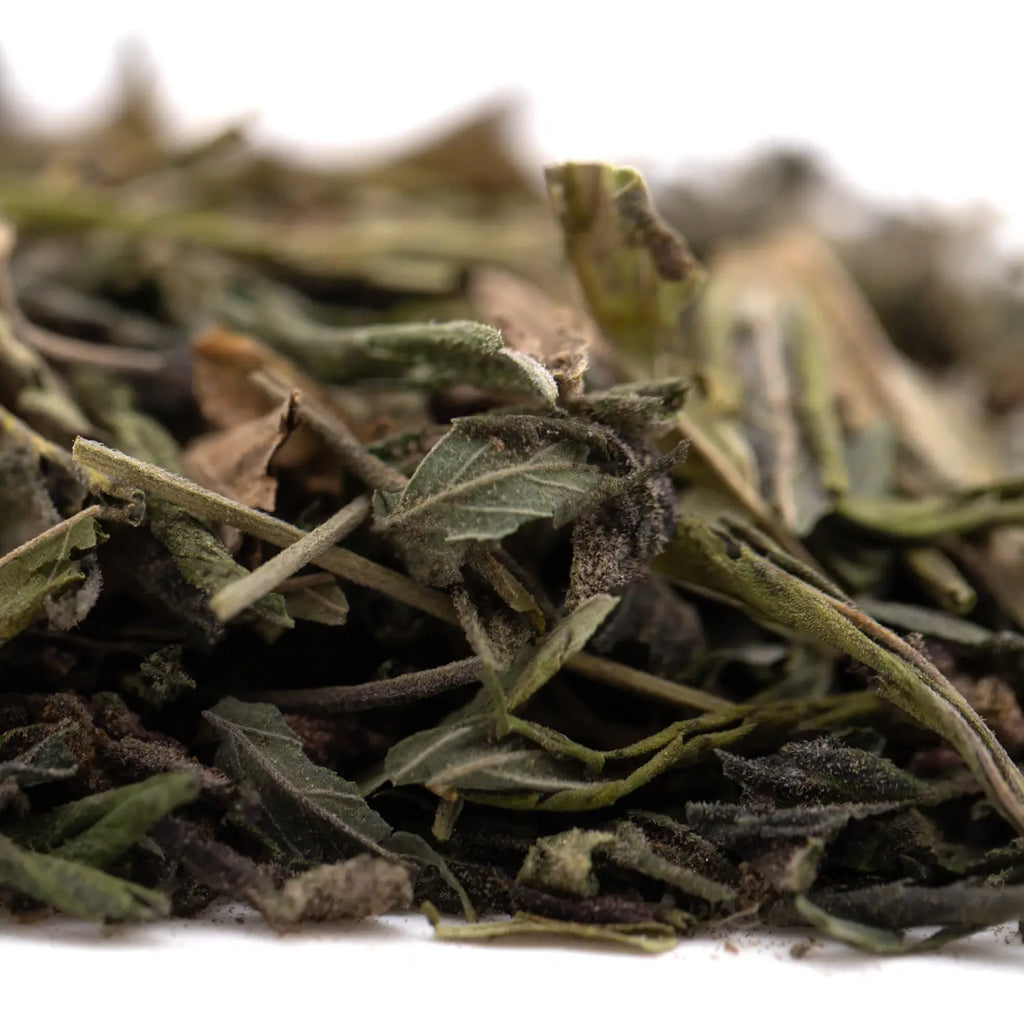
THCA trim consists of leaves, stems, and smaller plant material removed during flower manicuring. When comparing THCA flower and trim, understanding trim's composition becomes essential because not all trim is created equal.
The trim category encompasses several distinct grades with varying quality levels:
Sugar trim: Trichome-coated small leaves closest to buds (highest quality): Sugar trim gets its name from the sugar-like trichome crystals covering these small leaves. Located immediately adjacent to flower during growth, sugar leaves absorb significant cannabinoid and terpene content. Quality sugar trim may contain 12-18% THCA and maintain noticeable aromatic profiles. Many processors specifically seek sugar trim for extraction projects because it offers strong cannabinoid yields at fraction-of-flower pricing.
Fan leaf trim: Larger leaves with minimal cannabinoids (lower quality): Fan leaves serve as solar panels during growth, capturing light energy but producing minimal trichomes since they're positioned away from flowering sites. These larger, flatter leaves contribute bulk but limited cannabinoid content. Material heavy in fan leaves sells at the lowest price points and works best for applications where concentration processes can extract whatever cannabinoids exist.
Mixed trim: Combination of various plant materials: Most commercial trim consists of mixed material including sugar leaves, small stems, some fan leaves, and occasionally small buds that got mixed in during processing. Quality varies significantly based on the ratio of components—trim with higher percentages of sugar leaves and minimal stems delivers better value than stem-heavy fan leaf material.
Trim contains more leaf material, visible stems, less trichome density, and appears less refined than flower. However, quality sugar trim still delivers valuable cannabinoids and terpenes at significantly lower prices—often 50-75% less than comparable flower. The key is understanding exactly what you're purchasing and matching trim quality to your intended application.
The Core Difference
The THCA flower trim price difference fundamentally reflects trichome density, plant matter composition, processing requirements, and market demand. Flower commands premium pricing because it represents the most cannabinoid-dense, terpene-rich, and aesthetically appealing part of the plant. Trim offers economical access to cannabinoids and terpenes with different structural and aesthetic characteristics.
Understanding the THCA flower trim explained basics helps you choose wisely. Both products have legitimate uses and distinct advantages. Success comes from matching product type to your specific needs rather than assuming flower is always better or trim always inferior. A processor creating concentrates might prefer quality trim over flower specifically because of the economic advantages. Conversely, someone seeking a premium smoking experience would find trim a poor substitute for quality flower regardless of price savings.
Quality & Potency: THCA Flower Trim Comparison
Visual & Structural Differences
Premium flower displays frosty, dense buds with abundant visible trichomes creating that coveted "bag appeal" consumers seek. The structure holds together naturally, with minimal handling required to maintain form. Colors range from deep greens to purples depending on genetics, but the consistent presence of trichome coverage creates the distinctive frosted appearance that signals quality.
Trim shows more leaf structure, stems, and less uniform appearance. Rather than cohesive buds, you'll find a mixture of plant materials—some pieces heavily coated with trichomes (the valuable sugar leaves), others consisting of stems or larger leaves with less cannabinoid content. This visual difference directly correlates with cannabinoid content and explains much of the price gap between products.
The structural differences also impact how each product handles. Flower maintains integrity during storage and transportation, with individual buds staying intact. Trim tends to break down more easily, with leaves fragmenting and stems separating. While this matters less for processing applications, it becomes relevant for anyone planning to smoke or vaporize the material directly.
The Flower Trim Potency Difference
The flower trim potency difference represents one of the most important considerations when choosing between products. Premium THCA flower typically tests 20-30% THCA, with exceptional genetics and cultivation reaching even higher levels. Quality trim ranges 10-20% THCA, though this varies dramatically based on trim composition and source genetics.
This gap exists because of fundamental botanical realities:
Trichomes concentrate on flower calyxes: The plant directs cannabinoid and terpene production primarily to the flowering structures designed to attract pollinators and protect seeds. This evolutionary strategy means the buds themselves contain the highest concentration of valuable compounds.
Stems and leaves contain minimal cannabinoids: While sugar leaves near flowers do produce trichomes, larger fan leaves and all stem material contribute negligible cannabinoid content. They add weight without proportional value, effectively diluting overall potency when included in trim material.
Sugar trim maintains higher potency than mixed trim: A batch consisting primarily of trichome-rich sugar leaves might test 15-18% THCA—respectable potency at a fraction of flower pricing. Mixed trim heavy with stems and fan leaves might test just 8-12% THCA despite containing some quality material, making it less economical on a per-cannabinoid basis.
Calculating Real-World Potency
When comparing THCA trim vs flower, consider total composition beyond just lab testing numbers. Lab tests measure cannabinoid concentration in the submitted sample, but they don't account for how much of your actual product consists of non-consumable material.
If trim contains 40% non-cannabinoid material (stems and heavier leaf veins you'll remove before consumption), even 15% tested THCA delivers less effective potency per gram of usable material. Flower's minimal stem content means lab testing closely reflects actual consumption—a 25% test result means nearly all the material you smoke delivers that potency level.
This distinction matters tremendously for cost calculations. A $40 ounce of 15% trim might initially seem like better value than $80 ounce of 25% flower. But if you discard 40% of the trim as non-consumable stems and leaves, you're effectively paying $67 per usable ounce of 15% material—different economics than initially apparent.
Consistency Matters
Flower provides predictable cannabinoid distribution throughout each bud. Break apart any portion of a quality bud and you'll find similar trichome coverage and potency. This consistency enables reliable dosing—important for medical users or anyone seeking specific effects.
Trim potency varies significantly within batches, making the flower or trim THCA choice more complex for dosing purposes. One scoop might contain trichome-rich sugar leaves delivering strong effects, while another includes more stems and fan leaves producing milder results. This variability rarely matters for extraction processes that concentrate and homogenize cannabinoids, but it creates challenges for anyone smoking or vaping trim directly.
For consumers requiring consistent experiences, flower's uniformity justifies premium pricing. For those creating edibles or extracts where final products get thoroughly mixed, trim's variability becomes irrelevant.
Terpene Preservation
The flower versus trim debate extends beyond cannabinoids to include terpenes—the aromatic compounds that provide strain-specific flavors and contribute to overall effects. Flower's intact structure protects delicate terpenes throughout harvesting, curing, and storage. The dense bud structure essentially encapsulates terpenes, preserving volatile compounds that might otherwise evaporate.
Trim's processing involves more handling and exposure, resulting in terpene loss. The smaller, more fragmented pieces offer greater surface area for terpene evaporation. This doesn't mean trim is flavorless—quality sugar trim from aromatic strains still offers noticeable flavors and effects. However, the terpene profile won't match the intensity and complexity of properly cured flower from the same plant.
For consumers who prioritize flavor, aroma, and the full entourage effect, flower's superior terpene preservation justifies higher costs. For those creating concentrates where terpenes can be added back or applications where flavor matters less, trim's reduced terpene content becomes less significant.
THCA Flower Trim Quality Spectrum
Remember that high-quality trim from premium genetics can exceed low-quality flower in cannabinoid content. A sugar trim batch from craft-grown, laboratory-tested genetics might deliver better results than poorly grown, prematurely harvested flower from inferior genetics. Source quality matters tremendously in any flower trim comparison.
This reality means smart consumers evaluate products individually rather than assuming flower always surpasses trim. A $60 ounce of quality sugar trim from reputable genetics might provide better value and experience than $80 ounce of mediocre flower from unknown sources. Always consider the complete quality picture—genetics, cultivation methods, harvest timing, curing process, and lab testing—rather than just product category.
Pricing: Understanding the Cost Difference
Typical Price Ranges
The THCA flower trim price disparity is substantial and represents one of the primary reasons consumers consider trim:
Premium THCA flower: $60-$150+ per ounce depending on genetics, cultivation quality, and market conditions. Exotic strains from craft growers command highest prices, while quality mid-tier flower from established brands offers better value without sacrificing too much quality.
Quality trim: $20-$60 per ounce representing 50-75% savings compared to comparable flower. Sugar trim from premium genetics might reach $60-80/ounce, while mixed outdoor trim sells for $20-30/ounce.
These price differences aren't arbitrary—they reflect real differences in production costs, labor requirements, and market dynamics.
Why Such Different Pricing?
Flower requires careful cultivation with optimized nutrients, lighting, and environmental controls. Growers invest months nurturing plants specifically to produce premium buds, with every decision focused on maximizing flower quality. Selective harvesting ensures peak ripeness, and labor-intensive hand-trimming preserves trichomes while removing excess leaf material. This process requires skilled labor, careful attention, and significant time investment.
Trim represents a processing byproduct with minimal additional labor. The same trimming process that creates premium flower simultaneously produces trim as a secondary product. While there are some labor and sorting costs associated with handling trim, they're minimal compared to the full cultivation and processing investment required for flower.
Market demand drives significant pricing differences. Consumers seeking premium smoking experiences, impressive bag appeal, or maximum terpene profiles pay premium prices for flower. This demand supports higher pricing across the flower market. Trim appeals to budget-conscious consumers and processors, creating different market dynamics with lower price ceilings.
Value Per Cannabinoid
When calculating cost-per-milligram THCA, the gap narrows considerably:
Flower at $100/oz with 25% THCA = approximately 7,000mg THCA = ~$0.014 per mg THCA
Trim at $40/oz with 15% THCA = approximately 4,200mg THCA = ~$0.010 per mg THCA
For processors focused on cannabinoid extraction, trim provides superior economics. Why pay premium flower prices when you're concentrating cannabinoids into extract regardless of starting material appearance? Many commercial extractors specifically prefer quality trim for this exact reason—better cannabinoid value per dollar invested.
However, this calculation ignores several factors that matter for direct consumption: terpene content, smoking smoothness, consistency, and overall experience. A pure cannabinoid-per-dollar analysis works well for extraction projects but overlooks important considerations for anyone smoking or vaping the product directly.
Quality Tier Pricing
Both flower and trim markets include quality tiers with corresponding price variations. Premium sugar trim from top genetics may cost $80-100/ounce—still less than comparable flower but more than low-grade trim. Mixed outdoor trim sells for $20-30/ounce—dramatic savings but with limited applications. Similarly, flower ranges from $60 budget ounces to $200+ exotic strains.
Best value depends entirely on intended use and quality requirements. A processor creating concentrates might find $30 mixed trim perfect for their needs. A connoisseur seeking optimal smoking experience might gladly pay $150 for exceptional flower. Neither choice is wrong—they match products to different applications and priorities.
Best Uses: Choosing Flower or Trim THCA
When to Choose THCA Flower
Premium Consumption Experiences
Flower excels when experience matters and justifies premium pricing:
Smoking joints or blunts where flavor and smoothness matter: The intact terpene profile and minimal stem content create smooth, flavorful smoke. The dense bud structure burns evenly and consistently, providing reliable draws without constant relighting. Premium flower rolled into a joint or blunt offers the quintessential cannabis experience that trim simply cannot match.
Dry herb vaporizing to maximize terpene appreciation: Vaporizers extract terpenes and cannabinoids at lower temperatures than smoking, preserving delicate flavor compounds. Flower's rich terpene profile shines in vaporizers, delivering complex flavor progression as different terpenes vaporize at different temperatures. Trim's reduced terpene content produces significantly less impressive results in vaporizers.
Social consumption where presentation enhances enjoyment: Sharing premium flower at social gatherings carries different appeal than passing around ground trim. The visual appeal, aromatic profile, and smooth smoking experience contribute to social enjoyment beyond just chemical effects.
Precise dosing needs requiring consistent potency: Medical users or those seeking specific effects benefit from flower's uniform potency throughout each bud. This consistency enables reliable dosing impossible with variable-potency trim.
When to Choose THCA Trim
Processing & Extraction
Comparing THCA flower and trim for extractions shows trim's clear advantage in several applications:
Making edibles where aesthetics don't matter: Cannabutter, cannabis coconut oil, and other edible bases extract cannabinoids regardless of starting material appearance. Since you're straining out plant material anyway, trim's lower price makes it ideal for edible production. Why pay $100 for flower when $40 trim delivers similar cannabinoid yields for cooking projects?
Creating tinctures, oils, or concentrates: Alcohol or solvent-based extractions concentrate cannabinoids while removing plant material. The final product's quality depends more on extraction technique and starting cannabinoid content than whether you used flower or trim. Quality sugar trim produces excellent tinctures at fraction-of-flower cost.
Infusing butter or coconut oil for cooking: The decarboxylation and infusion process works equally well with trim as with flower. Smart cooks use trim for regular recipes, reserving flower for when they want to impress with gourmet presentations or need maximum terpene complexity in finished dishes.
Producing rosin or other concentrates: While flower generally yields higher-quality rosin with better terpene profiles, quality sugar trim produces acceptable concentrates for personal use at dramatically lower cost. Commercial processors often prefer trim specifically because of superior economics when producing large batches.
Budget-Conscious Consumption
Quality trim works well for several direct consumption scenarios when budget matters:
Personal pre-roll production using grinders: Grinding trim thoroughly breaks up leaf material and distributes whatever cannabinoid content exists more evenly. While it won't match flower's smoothness, properly ground trim rolled into papers creates functional, economical pre-rolls for personal use.
Mixing with flower to extend premium purchases: Many consumers blend trim with flower in various ratios, stretching expensive flower while maintaining acceptable quality. A 50/50 mix of premium flower and quality trim might provide 80% of flower-only experience at 60% of the cost—smart economics for regular consumers.
High-volume daily users: Consumers using significant quantities daily often find flower costs prohibitive. Quality trim provides necessary cannabinoid content without breaking the budget, making regular use sustainable financially.
Experimentation before investing in full-price flower: New to a particular strain? Trim offers an economical way to experience genetics before committing to premium flower pricing. If you like the effects and terpene profile in trim form, you'll love the flower—if not, you've risked minimal investment.
The Hybrid Approach
Many savvy consumers maintain both—flower for special occasions and optimal experiences, trim for regular use and projects. This strategy in choosing flower or trim maximizes value while ensuring quality when it matters most.
Consider keeping premium flower for evening relaxation sessions where you can truly appreciate quality, while using trim for morning microdoses or making cannabutter for weekly edible production. This balanced approach delivers optimal experiences without overspending on applications where trim serves adequately.
Making DIY Products
Trim provides necessary cannabinoid content without flower's premium pricing for homemade salves, bath products, or infused goods. Creating topicals, lotions, or bath bombs? Trim delivers the cannabinoids you need at prices that make DIY projects economically sensible. Nobody sees or smokes the final product, so trim's aesthetic shortcomings become completely irrelevant.
Flower Trim Pros Cons Quick Reference
THCA Flower Advantages:
✓ Maximum potency (20-30% THCA): Highest cannabinoid concentration means stronger effects per gram and better efficiency for regular users
✓ Superior flavor and smoothness: Intact terpene profiles deliver complex, enjoyable flavors while minimal stem content creates smooth smoking experiences
✓ Consistent quality for reliable dosing: Uniform potency throughout each bud enables predictable effects important for medical applications or anyone seeking specific experiences
✓ Ideal for premium smoking experiences: The complete package of potency, flavor, smoothness, and visual appeal creates optimal enjoyment for direct consumption
THCA Flower Disadvantages:
✗ Significantly higher price: Premium positioning at $60-150+ per ounce can strain budgets, especially for high-volume users
✗ Costly for extraction projects: Using expensive flower for extractions or edibles where aesthetics don't matter represents poor economic efficiency
THCA Trim Advantages:
✓ Dramatic cost savings (50-75% less): Lower prices at $20-60 per ounce make regular use affordable and reduce financial barriers to access
✓ Better cannabinoid value for processing: Superior cost-per-milligram THCA makes trim ideal for any application concentrating cannabinoids
✓ Perfect for edibles and extracts: Delivers necessary cannabinoids without premium pricing for applications where starting material appearance doesn't matter
✓ Economical for high-volume use: Budget-friendly pricing enables daily consumption without financial stress
THCA Trim Disadvantages:
✗ Lower potency per gram: Reduced cannabinoid concentration at 10-20% THCA means consuming more material for equivalent effects
✗ Harsher smoking experience: More leaf material and stems create rougher smoke with less pleasant flavor than flower
✗ Variable quality within batches: Inconsistent cannabinoid distribution makes reliable dosing challenging for direct consumption
✗ Less visually appealing: Lack of bag appeal matters for some consumers even when cannabinoid content remains adequate
The Bottom Line
Neither product is universally "better"—they serve different purposes with distinct advantages. Success comes from matching product type to your specific application and priorities rather than assuming flower always surpasses trim or trim always offers better value.
FAQ: THCA Flower Trim Explained
Q: Can you smoke THCA trim?
A: Yes! Quality sugar trim smokes functionally, though it won't match flower's smoothness or flavor intensity. Many consumers grind trim thoroughly using quality grinders, which breaks up leaf material and creates more consistent particle size. This improves burning characteristics considerably. Popular strategies include mixing ground trim with flower in various ratios—50/50 blends extend premium flower while maintaining acceptable quality, while 25/75 trim-to-flower ratios provide better experiences than pure trim at reasonable cost. For solo consumption where aesthetics don't matter, properly prepared trim serves adequately for regular use.
Q: How much trim equals flower in potency?
A: Generally, 1.5-2 ounces of quality trim (15% THCA) roughly equals one ounce of premium flower (25% THCA) in total cannabinoid content. However, this simple calculation ignores important factors. Flower's superior terpene profile contributes to overall effects through the entourage effect—cannabinoids and terpenes working synergistically produce different experiences than cannabinoids alone. Additionally, trim's higher stem and leaf content means you'll discard more material, affecting real-world value. For extraction purposes where terpenes can be added back and plant material gets removed anyway, the straightforward cannabinoid math works reasonably well. For direct consumption, the experience differential means equivalent cannabinoid content doesn't necessarily create equivalent experiences.
Q: Can I make quality concentrates from trim?
A: Absolutely! Quality trim, especially sugar trim, produces excellent concentrates and extracts suitable for personal use or even commercial production. Many commercial processors prefer trim for extractions due to superior economics—why pay flower prices when you're concentrating cannabinoids regardless of starting material? Extraction processes that use solvents (alcohol, butane, CO2) or mechanical separation (rosin pressing, ice water hash) all work effectively with trim. While flower generally yields slightly higher-quality concentrates with better terpene profiles, quality sugar trim produces results that satisfy most consumers at fraction-of-flower cost. The key is starting with quality trim—trichome-rich sugar leaves rather than stem-heavy fan leaf material. For anyone serious about making concentrates regularly, trim's economics make sense even when flower might produce marginally better results.
Q: How do I identify quality trim?
A: Look for several key indicators when evaluating trim quality. Visible trichome coverage, even on leaf material, signals valuable cannabinoid content—hold trim up to light and look for that characteristic sparkle indicating trichome presence. The composition should consist primarily of small leaves (sugar trim) rather than large fan leaves, and stem content should be minimal, with thin, small stems rather than thick, woody branches adding weight without value. Aromatic terpene presence indicates properly cured material from quality genetics—even trim should smell appealing and strain-appropriate. Proper curing ensures material is dry but not brittle, with fresh (not faded) green colors and absolutely no musty, moldy, or ammonia smells indicating poor handling or storage. Avoid excessively brown material suggesting oxidation or exposure, stemmy trim where thick branches comprise significant weight, or anything musty, which indicates moisture problems during curing or storage. Quality trim should look, smell, and feel like what it is: the small leaves and excess material removed from quality buds rather than random plant waste.
Q: Is "small bud" the same as trim?
A: No—small buds are actual flower, just smaller than premium tops. They maintain proper bud structure with tight, dense formation, high trichome density comparable to larger buds, and complete quality characteristics including full terpene profiles. Small buds often come from lower branches receiving slightly less light during growth or represent genetics producing naturally smaller but equally potent flowers. These "popcorn buds" or "smalls" offer an excellent middle ground between premium tops and trim—they smoke and vaporize like flower because they are flower, but typically cost 20-40% less than top colas due to reduced visual appeal. For consumers who care more about effects than aesthetics, smalls represent perhaps the best value in the THCA market. Don't confuse these legitimate buds with trim just because of their size—they deliver flower-quality experiences at mid-range pricing that often beats both premium tops and trim in overall value calculation.
Conclusion
Understanding the difference between flower and trim empowers smart purchasing decisions that maximize value while meeting your specific needs. Premium flower delivers unmatched experiences with maximum potency, preserved terpenes, and smooth consumption characteristics—justifying higher prices for optimal enjoyment when experience matters. THCA trim serves equally important purposes for budget-conscious consumers and anyone creating extracts, edibles, or concentrates where starting material aesthetics become irrelevant.
The smart approach matches product to application through thoughtful consideration of your priorities. Invest in flower when experience matters—special occasions, social consumption, or savoring premium genetics where you can truly appreciate subtle terpene nuances and smooth smoking characteristics. Choose trim for economical daily use, extraction projects, or any application where you're processing raw material into another form where the final product determines quality rather than starting material appearance.
Neither product deserves automatic preference—both have optimal applications where they provide better value than alternatives. A processor creating concentrates might prefer trim specifically because of the economic advantages and see flower as wasteful overspending. A connoisseur seeking optimal flavor and smoothness might consider trim a poor substitute regardless of cost savings. Both perspectives are valid when aligned with actual needs and priorities.
Consider maintaining both products in your rotation—flower for situations where quality directly impacts enjoyment, trim for regular use and projects where economics matter more than aesthetics. This balanced approach maximizes overall value across different applications while ensuring you always have access to quality experiences when they matter most.
At Oregon Hemp Flower, we offer both premium THCA flower and quality trim options, allowing you to select the perfect product for each need. Our wholesale releases include carefully curated flower selections featuring popular genetics, craft-grown quality, and laboratory testing verification. We also stock quality sugar trim perfect for extraction projects, economical daily use, or experimenting with new genetics before committing to premium flower pricing.
Whether seeking connoisseur-grade flower for special occasions, quality trim for your next extraction project, or exploring the complete THCA flower vs trim uses spectrum to optimize your purchasing strategy, understanding these distinctions maximizes value while delivering the THCA experience you want. Browse our complete selection of THCA flower and trim options to find products matching your specific applications, budget considerations, and quality requirements.
Making informed choices about flower trim pros and cons transforms your THCA purchasing from guesswork into strategic decision-making. You'll know exactly what you're paying for, understand the trade-offs involved in different product choices, and consistently get optimal value whether you're seeking premium experiences or economical everyday options.


