


How Are THCA Gummies Made? A Step-by-Step Production Process
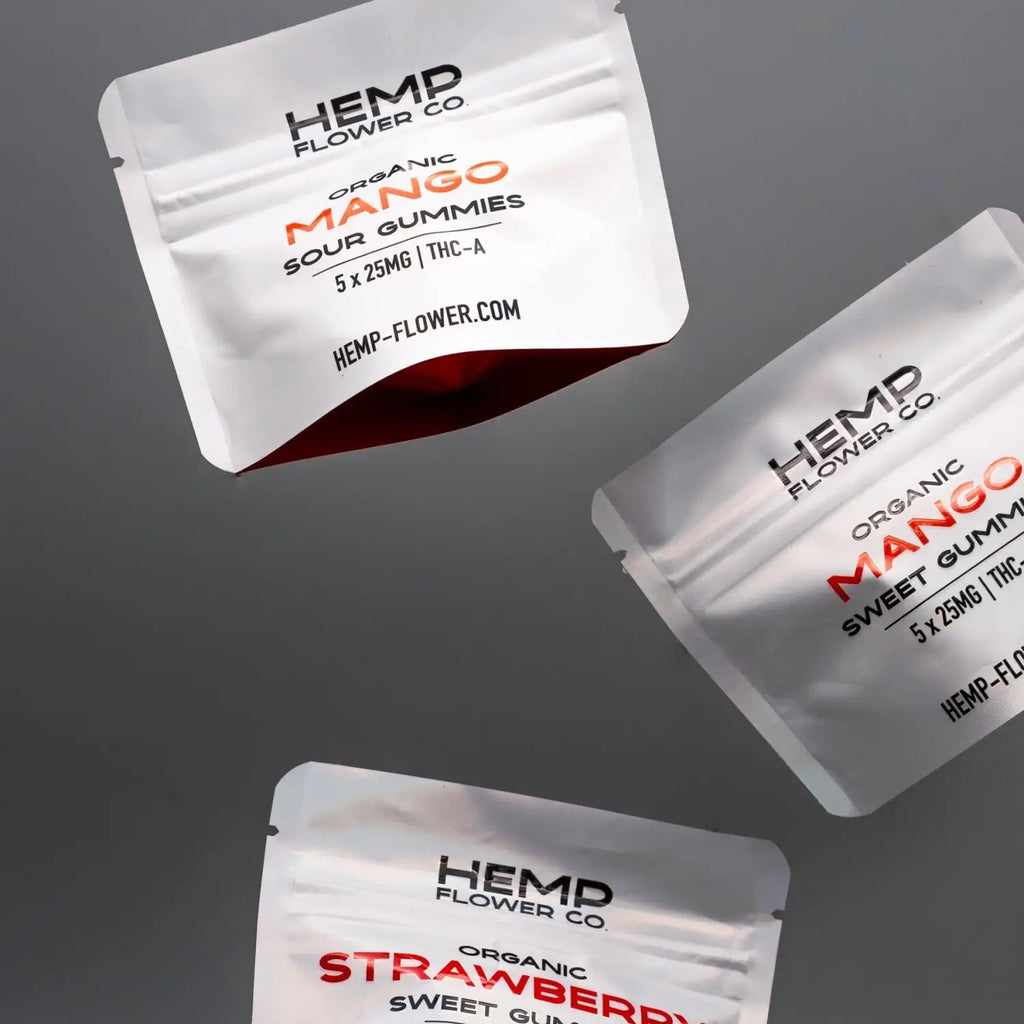
Ever wondered what actually happens between raw hemp plant and the THCA gummy in your hand? Understanding how are THCA gummies made helps explain both the science behind these increasingly popular edibles and why quality control matters so much for the product you ultimately receive. The full THCA gummies production process involves several distinct stages, each playing a role in the final product's potency, consistency, and quality.
Whether you're a curious consumer or a wholesale buyer trying to understand what separates a quality product from a cheap knockoff, this guide breaks down the entire THCA gummy manufacturing journey from seed to shelf. If you're ready to see the finished product, you can browse THCA gummies to find options that reflect the careful production standards outlined below.
What Is THCA and Why It Matters for Gummies
Before diving into how THCA gummies are produced, it helps to understand what THCA actually is. THCA, or tetrahydrocannabinolic acid, is the raw, non-intoxicating precursor to THC found naturally in raw hemp and cannabis plants. In its unheated form, THCA does not produce a psychoactive effect. It's only when THCA is exposed to heat — through a process called decarboxylation — that it converts into THC, the compound responsible for cannabis's intoxicating effects.
This distinction matters enormously for manufacturers. The entire THCA gummies production process is engineered around managing this conversion carefully, since the amount of heat applied during extraction, formulation, and infusion directly affects how much THCA remains intact versus how much converts to THC in the final product.
For consumers, this means the THCA gummy you purchase isn't simply "THCA in candy form" — it's the result of a precise manufacturing chain where temperature, timing, and chemistry all interact. Understanding this groundwork sets the stage for appreciating just how much technical care goes into producing a consistent, safe, and effective gummy.
Stage One: Hemp Cultivation and Harvest
The THCA gummies production process begins long before any extraction equipment is involved — it starts in the field. Hemp plants specifically bred and cultivated for high THCA content are grown under monitored conditions, often with regular testing throughout the growing cycle to track cannabinoid development.
Cultivators track several variables closely:
- Strain genetics — Certain hemp cultivars are selected specifically for their elevated THCA potential.
- Growing environment — Indoor, greenhouse, and outdoor cultivation methods all influence cannabinoid expression, terpene profiles, and overall plant health.
- Nutrient and light management — Both directly affect how much THCA a plant ultimately produces.
As the plant matures, THCA levels rise and typically peak shortly before the plant reaches full maturity. Harvest timing is one of the most critical decisions in the entire production chain. Harvest too early, and THCA content will be lower than optimal. Harvest too late, and natural degradation can begin reducing potency or shifting the cannabinoid profile.
Many cultivators monitor trichome development — the resin-producing structures on the flower — using magnification tools to gauge maturity, alongside periodic lab testing to confirm cannabinoid percentages. Once the plant material reaches peak THCA concentration, it's harvested by hand or machine, depending on the scale of the operation.
This stage essentially determines the ceiling for everything that follows. No amount of careful extraction or formulation downstream can compensate for hemp that was harvested at the wrong time or grown without attention to cannabinoid development. It's the foundation upon which the rest of how THCA gummies are made depends.
Stage Two: Drying and Curing
Once harvested, the hemp plant material moves into drying and curing — a step that's easy to overlook but essential to the quality of the final gummy.
Freshly harvested hemp contains significant moisture content. If processed or stored in this state, the material is highly susceptible to mold, mildew, and microbial growth, all of which can compromise safety and potency. Drying reduces moisture content to a safe, stable level, typically hung in temperature- and humidity-controlled rooms over a period of days to weeks.
Curing follows drying and is a slower, more deliberate process. During curing, the plant material is stored under controlled conditions that allow chlorophyll to break down gradually and cannabinoid and terpene profiles to stabilize. Properly cured hemp tends to produce a smoother, more refined extract later in the process, with fewer harsh plant compounds carried forward.
This stage requires patience. Rushing it can lock in undesirable plant compounds that later show up as off-flavors or impurities in the extract, while skipping it altogether increases the risk of microbial contamination. Reputable manufacturers treat drying and curing as a non-negotiable quality checkpoint within the broader THCA gummy manufacturing chain, since poor handling here creates problems that are difficult — or impossible — to fully correct later.
Stage Three: Extraction Methods
Extraction is where raw plant material is transformed into a usable, concentrated form of THCA. This stage is one of the most technically complex parts of how are THCA gummies made, and the method chosen has real implications for purity, safety, and final product quality.
CO2 Extraction
CO2 extraction uses pressurized carbon dioxide to pull cannabinoids and terpenes away from the plant material. As CO2 is manipulated between gas, liquid, and supercritical states, it acts as a solvent without leaving meaningful residue behind. This method is widely considered one of the cleaner extraction approaches available, since it doesn't rely on flammable solvents and typically results in minimal residual contamination. It does, however, require expensive specialized equipment and tightly controlled pressure and temperature settings.
Solvent-Based Extraction
Ethanol and hydrocarbon-based extraction (using solvents like butane or propane) are also common in the industry. These methods can be highly efficient at pulling cannabinoids from plant material, but they require careful post-extraction purging to remove residual solvent. If purging isn't done correctly, trace solvents can remain in the final extract — which is part of why third-party lab testing later in the process is so important.
Choosing a Method
Manufacturers select extraction methods based on factors like:
- Desired purity level
- Equipment costs and scalability
- Target cannabinoid and terpene retention
- Regulatory requirements in their market
Regardless of method, the goal of this stage is the same: separate THCA (along with other cannabinoids and terpenes) from the bulk plant material, producing a concentrated extract or distillate. This extract still requires further refinement before it's ready for gummy formulation — which leads directly into the next stage of the THCA gummies production process.
Extraction temperature is also worth noting here. While extraction methods are designed to minimize unnecessary heat exposure, even well-controlled processes generate some thermal activity, which is part of the broader reason THCA-to-THC conversion is a factor manufacturers must account for throughout production, not just during infusion.
Stage Four: Purification and Winterization
The raw extract that emerges from extraction is rarely ready for direct use in food products. It typically contains unwanted plant fats, waxes, chlorophyll, and other compounds that affect both taste and appearance. This is where purification — most commonly through a process called winterization — comes in.
Winterization involves dissolving the crude extract in a solvent (typically ethanol), then chilling the mixture to extremely low temperatures. At these temperatures, fats and waxes solidify and separate from the cannabinoid-rich solution, allowing them to be filtered out. The result is a cleaner, lighter-colored extract with fewer impurities.
After winterization, the extract often undergoes additional refinement steps, such as:
- Filtration — Removing any remaining particulate matter.
- Solvent recovery — Evaporating off residual solvent used during winterization.
- Color and clarity refinement — Further processing to achieve a more neutral-tasting, visually clean extract.
This stage directly impacts the sensory qualities of the final gummy. An extract that hasn't been properly purified can carry a bitter, "grassy," or plant-like aftertaste into the finished product — something most consumers find unpleasant in a gummy meant to taste like fruit or candy. A well-purified extract, by contrast, allows flavoring ingredients added later to shine through without competing against residual plant compounds.
For manufacturers focused on how THCA gummies are produced at a quality level worth selling, this step is rarely optional. It's a key differentiator between mass-market products and those built with consumer experience in mind.
Stage Five: Formulation and Dosing
With a purified extract in hand, manufacturers move into formulation — arguably the most precision-dependent stage in the entire THCA gummy manufacturing process.
Formulation involves calculating exactly how much THCA extract needs to be incorporated into the gummy base to achieve the target potency per piece — whether that's 10mg, 25mg, 50mg, or another dosage standard. This requires:
- Potency testing of the extract — Knowing the exact cannabinoid concentration of the input material.
- Batch calculations — Determining the precise ratio of extract to gummy base needed for the full batch size.
- Carrier selection — THCA extract is often blended into a compatible carrier oil or solution to allow for even distribution throughout the gummy mixture.
Consistency is the name of the game here. A formulation error at this stage can result in gummies with wildly inconsistent dosing — some too weak, others too strong — which is both a quality problem and a safety concern. Reputable manufacturers use calibrated equipment and conduct in-process testing to verify that the extract has been evenly distributed before moving to the next step.
This stage is also where manufacturers may decide to include additional cannabinoids or botanical ingredients, depending on the product's intended profile. But for straightforward THCA gummies, the formulation goal remains simple: an evenly dosed, accurately measured blend ready to be combined with the gummy base itself.
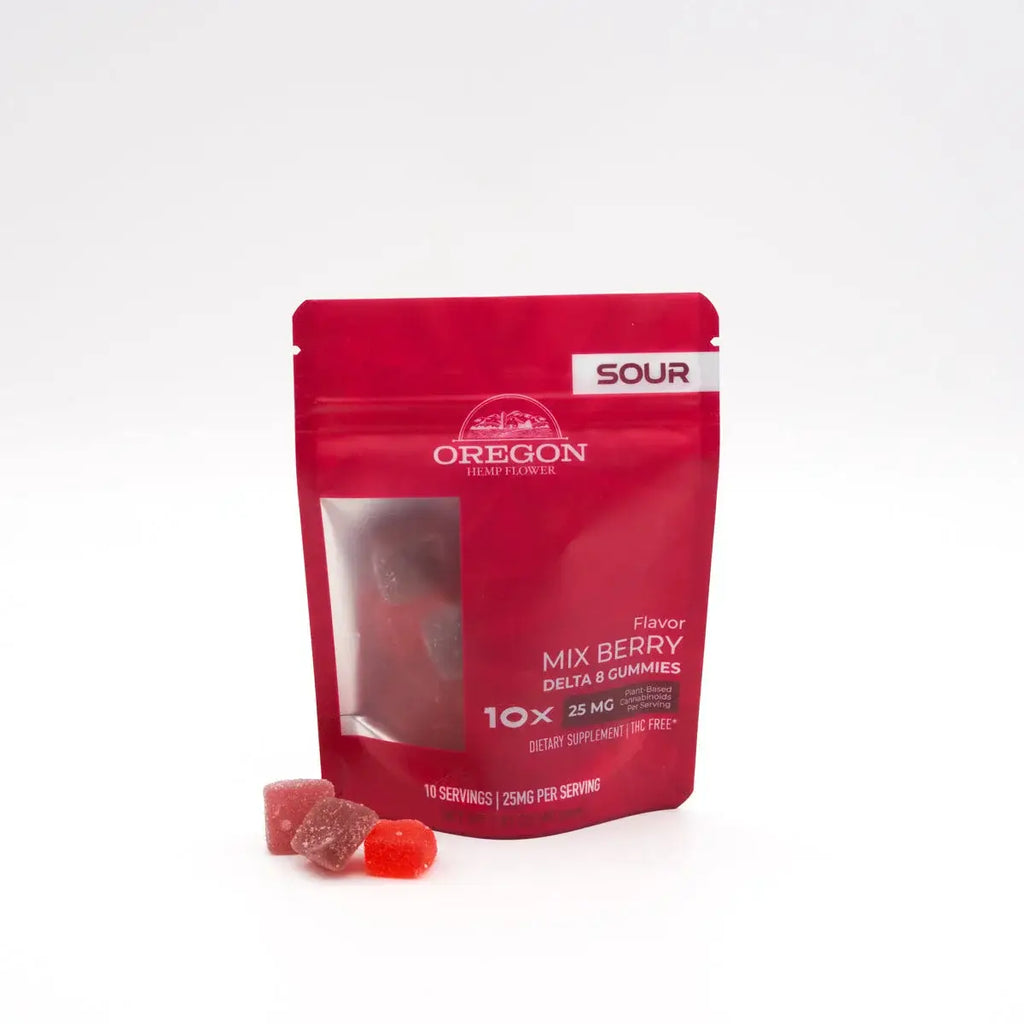
Stage Six: Preparing the Gummy Base
While the THCA extract is being formulated, manufacturers separately prepare the gummy base — the sugary, chewy foundation that gives gummies their familiar texture and taste.
A standard gummy base typically includes:
- Sweeteners — Sugar and corn syrup form the base sweetness and contribute to texture.
- Gelling agent — Gelatin is the traditional choice for that classic chewy gummy texture, while pectin serves as the standard substitute for vegan formulations.
- Citric acid — Adds tartness and helps balance sweetness.
- Flavoring — Natural or artificial flavors that give each gummy its distinct taste, whether that's watermelon, blue raspberry, or mixed fruit.
- Coloring — Food-safe coloring agents that give gummies their visual appeal.
These ingredients are combined and heated to a liquid state, which allows them to mix thoroughly and become moldable. The exact temperature and cook time depend on the gelling agent used — gelatin and pectin each have different heat tolerances and setting behaviors, which manufacturers must account for to achieve the right final texture.
This stage runs largely in parallel with extract formulation, since both components need to reach the right state — a properly cooked gummy base and an accurately measured THCA extract — before they can be combined in the next stage. Getting the base right matters just as much as getting the cannabinoid dosing right; a gummy with poor texture, odd flavor, or inconsistent set won't deliver the consumer experience people expect, regardless of how well-dosed it is.
Stage Seven: Infusion
Infusion is the step where the purified, formulated THCA extract is introduced into the warm gummy base — and it's one of the more chemically significant stages in the entire THCA gummies production process.
At this point, the gummy base is still in liquid form, having been heated during preparation. The THCA extract is carefully mixed in, typically using equipment designed to ensure even dispersion throughout the batch. Thorough mixing is essential — any unevenness here can lead directly to inconsistent dosing in individual gummies once the mixture is portioned out.
It's worth noting that this heat exposure during infusion is part of why a portion of THCA naturally begins converting to THC even at this stage of manufacturing. THCA is inherently sensitive to heat, and even brief exposure to elevated temperatures during the infusion process can trigger some decarboxylation. This is a known and expected part of gummy production — not a manufacturing error — and reputable producers account for this natural conversion when calculating target potency, often adjusting formulation amounts to compensate for the small percentage that will convert during this stage.
This is also why lab testing later in the process (discussed below) is so important: it confirms the actual cannabinoid profile of the finished product, accounting for whatever conversion occurred during infusion, rather than relying solely on pre-infusion calculations.
Once the THCA extract is fully and evenly incorporated into the gummy base, the mixture is ready for the next step: portioning and molding.
Stage Eight: Molding and Setting
With the infused gummy mixture prepared, it's poured into individual gummy molds — often silicone trays designed in the brand's signature shapes, whether that's classic bears, rings, or custom designs.
Precision pouring equipment is commonly used at scale to ensure each mold cavity receives a consistent volume of mixture, which directly supports dosing accuracy across the batch. Manual pouring is still used by smaller operations, though it introduces more room for variation.
Once poured, the molds are left to cool and set. This typically takes several hours, with the exact time depending on:
- Mold size and gummy thickness
- Ambient room temperature
- Humidity levels in the production facility
- The specific gelling agent used (gelatin vs. pectin)
Manufacturers often use temperature- and humidity-controlled rooms during this setting period to ensure consistent results across every batch, rather than leaving the outcome to whatever the ambient conditions happen to be that day.
Once fully set, gummies are removed from their molds — a process called "depanning" in commercial production. At this point, many manufacturers apply a light dusting of sugar or a citric acid coating to the exterior of each gummy. This coating serves a few purposes: it adds textural contrast, contributes tartness that balances the sweetness, and helps prevent the gummies from sticking together during packaging.
Stage Nine: Lab Testing and COAs
Before any THCA gummy reaches a retail shelf, it should pass through third-party lab testing — arguably the single most important quality checkpoint in the entire THCA gummy manufacturing process from a consumer trust standpoint.
Independent, accredited labs test finished gummy batches for two main categories:
Cannabinoid Potency
Labs verify the actual THCA, THC, and total cannabinoid content of the finished gummies, confirming whether the product matches its labeled dosage. This step accounts for any THCA-to-THC conversion that occurred during infusion, giving an accurate picture of what's actually in the product — not just what was theoretically formulated.
Contaminant Screening
Labs also screen for a range of potential contaminants, including:
- Residual solvents (relevant for solvent-based extraction methods)
- Pesticides
- Heavy metals
- Microbial contamination (mold, bacteria, yeast)
This testing produces a Certificate of Analysis (COA) — a document that lays out the full test results for that specific batch. Responsible brands make COAs available to consumers, often through a QR code on the packaging or a searchable database on their website, allowing buyers to verify exactly what they're purchasing before consuming it.
For consumers researching how THCA gummies are produced, the presence (or absence) of accessible COAs is one of the clearest signals of a brand's commitment to quality and transparency. A brand that hides or doesn't provide this information should raise questions, while one that makes it easy to find demonstrates confidence in its production standards.
This testing stage isn't just a regulatory checkbox — it's the final verification that everything done correctly in the preceding eight stages actually resulted in a safe, accurately dosed product.
Stage Ten: Packaging and Distribution
Once a batch has passed lab testing and received its COA, gummies move into final packaging. Quality packaging serves several functions: it protects product freshness, provides required labeling information (potency, ingredients, batch number, testing date), and often includes child-resistant features in compliance with applicable regulations.
From there, products are distributed to retailers, dispensaries, smoke shops, or shipped directly to consumers, depending on the brand's distribution model. Proper storage conditions during this final stage — avoiding excessive heat or humidity — help preserve the cannabinoid profile and texture established during the earlier stages of production.
This final step closes the loop on the full journey from raw hemp plant to finished gummy, representing the culmination of cultivation, extraction, purification, formulation, infusion, molding, and testing all working together.
Why Each Step Matters for Quality
Understanding the full THCA gummies production process makes it clear why quality control at every stage matters so much. A shortcut anywhere in this chain — rushed curing, sloppy extraction, skipped winterization, imprecise formulation, or skipped lab testing — can compromise the final product, even if other stages were handled perfectly.
This is part of why pricing and quality can vary so significantly between brands. Manufacturers who invest in proper cultivation monitoring, clean extraction methods, thorough purification, precise formulation, and consistent third-party testing are managing a far more complex and costly process than those cutting corners. For consumers, learning to recognize signs of a well-managed production process — accessible COAs, clear potency labeling, transparent sourcing — is one of the best tools for distinguishing quality products from lower-effort alternatives.
You can explore THCA gummies produced with this level of attention to each stage of the process.
Frequently Asked Questions
How are THCA gummies made from start to finish?
THCA gummies are made through a multi-stage process: cultivating and harvesting high-THCA hemp, drying and curing the plant material, extracting cannabinoids via CO2 or solvent-based methods, purifying the extract through winterization, formulating precise dosing, preparing a separate gummy base, infusing the extract into the warm base, molding and setting the gummies, conducting third-party lab testing, and finally packaging for distribution.
Does the THCA in gummies convert to THC during manufacturing?
Yes, to some degree. Heat exposure during extraction and especially during infusion (when the THCA extract is mixed into the warm gummy base) can trigger partial decarboxylation, converting some THCA into THC. Reputable manufacturers account for this expected conversion when formulating dosing targets.
Why is winterization important in THCA gummy manufacturing?
Winterization removes unwanted plant fats, waxes, and chlorophyll from the raw extract. Without it, gummies can carry a bitter or "grassy" aftertaste, and the extract may appear less clean or refined.
What's the difference between CO2 and solvent-based extraction for THCA gummies?
CO2 extraction uses pressurized carbon dioxide and is widely considered a cleaner method with minimal residual solvent. Solvent-based extraction (ethanol or hydrocarbons) can be efficient but requires careful purging to remove residual solvents before the extract is safe for consumption.
How do manufacturers ensure consistent dosing in each gummy?
Consistent dosing depends on accurate potency testing of the extract, precise formulation calculations, thorough mixing during infusion, and controlled, even pouring during the molding stage. Batch-level lab testing afterward confirms whether dosing accuracy was actually achieved.
Why is third-party lab testing important for THCA gummies?
Third-party testing verifies actual cannabinoid potency and screens for contaminants like pesticides, heavy metals, residual solvents, and microbial growth. It produces a Certificate of Analysis (COA), which gives consumers an independent way to verify what's actually in the product they're buying.
What ingredients are typically used in the gummy base?
A standard gummy base includes sugar, corn syrup, a gelling agent (gelatin for traditional gummies, pectin for vegan options), citric acid for tartness, plus flavoring and coloring agents.
How long does it take for THCA gummies to set after molding?
Setting time typically takes several hours, depending on mold size, the gelling agent used, and ambient temperature and humidity in the production facility.
Final Thoughts
Understanding how THCA gummies are produced reveals just how much technical precision goes into a product that might seem simple at first glance. From hemp cultivation and harvest timing to extraction method selection, purification, careful formulation, infusion, molding, and rigorous lab testing, each stage in the THCA gummies production process plays a distinct role in shaping the safety, consistency, and overall quality of the finished gummy.
For consumers, this knowledge is a useful tool — it highlights what to look for (and what to avoid) when choosing a brand. Accessible COAs, transparent sourcing, and clear potency labeling are all signs that a manufacturer is taking the THCA gummy manufacturing process seriously at every step.
To see this level of production care reflected in a finished product, explore the full selection of THCA gummies available now.


