


Indoor vs Outdoor THCA Flower: What's the Real Difference?
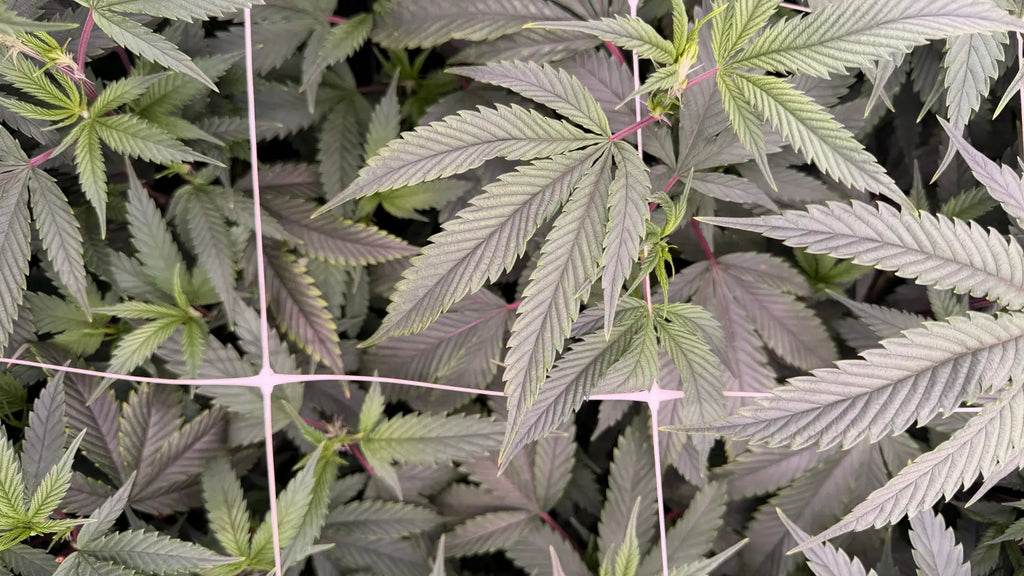
When you start shopping for THCA hemp flower, one of the first decisions you'll run into is the grow environment: indoor or outdoor. At a glance, both are legal hemp products that look like cannabis, smell like cannabis, and smoke like cannabis. But the moment you put them side by side, the differences become undeniable — and understanding those differences can change how you shop, what you pay, and ultimately what you get out of every session.
This guide breaks down everything you need to know about indoor vs outdoor THCA flower: how each is grown, how growing environment shapes the final product, what you should actually expect in terms of potency, terpenes, bag appeal, and price — and which one makes sense for your lifestyle and budget.
What Is THCA Flower, and Why Does It Matter?
Before diving into the grow environment debate, it's worth establishing what THCA flower actually is and why it's taken over the hemp market.
THCA — tetrahydrocannabinolic acid — is the raw, acidic precursor to THC found naturally in the hemp plant. In its native state, THCA is non-psychoactive. It won't get you high just by eating or handling it. But the moment you apply heat — through smoking, vaping, or dabbing — THCA undergoes a chemical transformation called decarboxylation. The carboxyl group is stripped away, converting THCA directly into Delta-9 THC. That's why THCA hemp flower delivers effects that feel virtually identical to traditional cannabis flower.
This distinction matters legally, too. Under federal law, hemp is defined by its Delta-9 THC content at time of harvest — not its THCA content. THCA flower that tests below 0.3% Delta-9 THC is federally legal under the 2018 Farm Bill, even if the THCA percentage is 20%, 25%, or higher. This legal loophole is what makes high-potency THCA flower available through licensed hemp retailers.
The result is a product that looks, smells, and smokes like top-shelf cannabis — because in most respects, it is. And just like traditional cannabis, the quality of THCA flower is shaped enormously by how and where it was grown.
How Growing Environment Shapes THCA Flower Quality
Cannabis and hemp plants are extraordinarily responsive to their environment. Light intensity, temperature ranges, humidity levels, soil composition, pest pressure, and even wind exposure all influence how a plant develops — from root structure to cannabinoid synthesis to terpene production. When growers talk about indoor versus outdoor cultivation, they're really talking about how much control they have over these variables, and what trade-offs they're willing to make.
Indoor cultivation means the plant lives its entire life inside a controlled environment. Growers dial in every variable: the spectrum and intensity of artificial lighting, the daily light cycle, relative humidity at each growth stage, CO₂ levels, temperature, airflow, and nutrient delivery. Nothing is left to chance.
Outdoor cultivation means the plant is grown under the sun, in natural or amended soil, exposed to the rhythms of the seasons — real weather, real temperature swings, natural pest pressure, and rain. The plant grows how plants evolved to grow: in relationship with its environment.
These two philosophies produce genuinely different flowers, and neither is inherently superior. Each approach has strengths and weaknesses that show up directly in the final product you're buying.
Indoor THCA Flower: A Deep Dive
The Case for Indoor
Indoor THCA bud has become the industry benchmark for top-shelf quality, and there are real reasons why it commands premium prices. When a grower controls every environmental variable, they can optimize the plant's development at every stage of its life cycle — and that optimization shows up in the finished flower in several specific ways.
Trichome Development
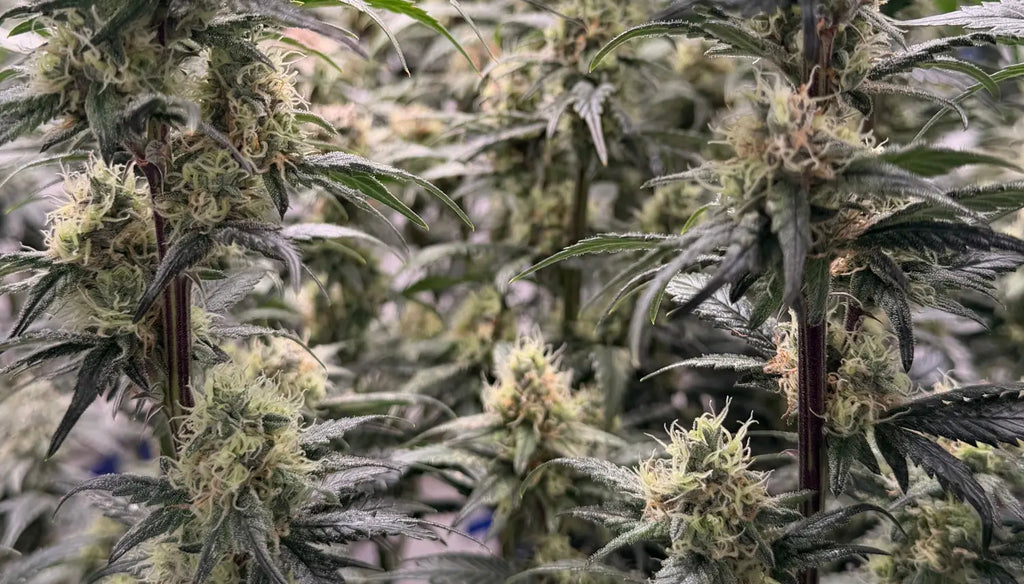
Trichomes are the tiny, crystal-like resin glands that coat the surface of mature cannabis and hemp flowers. They're where THCA, terpenes, flavonoids, and other cannabinoids are produced and stored. In indoor environments, growers can tune lighting spectrums, reduce humidity at the end of the flowering cycle, and manage temperature drops to stress the plant in controlled, beneficial ways — all of which drive trichome production upward. The result is dense, sticky, visually spectacular flower with a thick coating of glistening resin.
THCA Potency
Because indoor growers can optimize every factor that influences cannabinoid synthesis, indoor flower consistently tests higher in THCA percentage. It's common to see indoor THCA flower testing anywhere from 20% to 28% or higher, depending on the strain. For consumers who prioritize potency, indoor is almost always the stronger choice.
Terpene Profile Complexity
Terpenes are the aromatic compounds that give cannabis and hemp their distinctive smells and flavors — and they play a significant role in shaping the effects of the flower through what's known as the entourage effect. Indoor cultivation allows growers to maintain precise temperature and humidity conditions throughout flowering, which helps preserve volatile terpenes that might otherwise degrade under heat, drought, or excessive moisture. The result tends to be a richer, more complex terpene profile with more distinct layering of flavor — the kind of flower where you can detect pine on the inhale, citrus on the exhale, and a lingering earthiness in the aftertaste.
Bag Appeal and Bud Structure
Indoor buds are typically denser, more uniform in structure, and visually impressive. Because the plant grows without wind stress and with perfectly dialed humidity, buds cure tighter and present well. When you crack open a bag of premium indoor THCA bud, you're typically looking at something that would turn heads in any dispensary display case.
Consistency
Perhaps the most underappreciated advantage of indoor cultivation is batch-to-batch consistency. When the environment is controlled, the same strain grown in the same facility two seasons apart should produce remarkably similar results. For consumers who find a strain they love and want to reorder it, this consistency is valuable.
The Tradeoffs of Indoor Flower
None of this comes without a cost. Indoor cultivation is expensive to operate. Commercial-grade grow lights consume enormous amounts of electricity. Climate control systems run around the clock. Skilled labor is required at every stage. Facilities require constant maintenance, pest management (even without outdoor exposure, spider mites and fungus gnats are persistent), and nutrient management.
All of that overhead gets factored into the price of the flower. Premium indoor THCA flower typically retails at a higher price point per gram or per ounce than comparable outdoor product. For occasional smokers or connoisseurs focused on the best possible experience, the price is justified. For daily smokers burning through large quantities, it can strain a budget quickly.
There's also an environmental consideration worth acknowledging. Indoor grows consume significantly more energy than outdoor cultivation, which has a meaningful carbon footprint. For environmentally conscious consumers, this is a real factor in the buying decision.
Outdoor THCA Flower: A Deep Dive
The Case for Outdoor
Outdoor hemp flower doesn't get enough credit — especially in a market that treats "indoor" as a default proxy for quality. The truth is that outdoor-grown cannabis has produced some of the most celebrated flower in the world. Before indoor cultivation became widespread, everything was grown outdoors, and legendary strains built their reputations under the sun.
The Power of Natural Sunlight
The sun produces a full-spectrum light that no artificial lighting system — not HPS, not LED, not CMH — has fully replicated. Sunlight contains wavelengths across the entire visible and near-infrared spectrum, and plants respond to this complete spectrum in ways that shape their development at a biological level. Sun-grown plants tend to produce large, expansive canopies with substantial bud mass. The sheer scale of what's possible outdoors, where a single plant can grow eight to twelve feet tall with multiple pounds of yield, is something indoor cultivation simply cannot match.
Soil and Terroir
Outdoor growers who cultivate in living soil — soil rich with beneficial microorganisms, earthworms, mycorrhizal fungi, and complex mineral profiles — give their plants access to a nutritional complexity that liquid nutrient programs often can't fully replicate. Just as winemakers speak of terroir to describe how geography and soil shape the character of grapes, outdoor hemp growers working with exceptional soil can produce flower with a distinctive, complex flavor profile that reflects the land it was grown on.
Price and Value
Outdoor hemp flower is significantly more affordable than indoor. Without the overhead of electricity, climate control systems, or expensive facility infrastructure, outdoor growers can produce larger quantities at lower costs — and pass those savings to the consumer. For daily smokers, bulk buyers, or anyone who uses hemp flower for rolling, blending into pre-rolls, or general everyday use, outdoor offers exceptional value per dollar.
Terpene Expression
While indoor cultivation often produces more precise terpene profiles, outdoor flower can produce powerful, robust terpene expression — particularly from strains that were bred for outdoor environments. The natural stressors of outdoor growing — sun intensity, wind, temperature variation — can push plants to produce terpenes as a kind of environmental adaptation, resulting in flower with bold, pungent aroma profiles that can rival indoor production.
The Tradeoffs of Outdoor Flower
The primary challenge of outdoor cultivation is consistency. Weather is unpredictable. An early rain during harvest season can introduce mold. Drought stress mid-summer can stunt development. Pest pressure from insects and wildlife requires management without the sealed-environment advantages of an indoor grow. The same strain grown in the same field will produce meaningfully different results from year to year depending on seasonal conditions.
Bag appeal also tends to suffer compared to indoor. Outdoor buds are often airier, less uniform in structure, and may show minor environmental cosmetic imperfections — discoloration from light, slight leafiness, or less-than-perfect trim work. THCA percentages tend to be somewhat lower on average than indoor flower, though there is significant variation depending on strain genetics and cultivation practices.
For consumers who prioritize appearance, tightly structured buds, and maximum potency, outdoor may feel like a step down from indoor. The value proposition is real — but so are the tradeoffs.
Greenhouse and Light-Dep THCA Flower: The Middle Ground
It's worth noting that there's a third category gaining significant traction in the THCA flower market: greenhouse-grown and light-deprivation (light-dep) flower.
Greenhouse cultivation combines elements of both worlds. Plants grow in natural or supplemented sunlight inside a controlled structure that offers protection from weather, pests, and environmental variability. Light-dep techniques involve manually blocking sunlight at precise times to manipulate the plant's photoperiod — triggering flowering on a controlled schedule. The result is flower that benefits from natural light while maintaining significantly more consistency than traditional outdoor growing.
Light-dep flower often approaches the visual quality and potency of indoor production at a price point closer to outdoor. For consumers looking to split the difference between the two categories, greenhouse and light-dep THCA flower deserves serious consideration.
Side-by-Side Comparison: Indoor vs Outdoor THCA Flower
| Feature | Indoor | Outdoor |
|---|---|---|
| THCA Potency | Typically higher (20–28%+) | Moderate to high (15–22%) |
| Trichome Density | Dense, thick coverage | Good, variable by strain |
| Terpene Profile | Complex, precise | Bold, robust, terroir-driven |
| Bud Structure | Dense, uniform, visually striking | Airier, natural variation |
| Batch Consistency | High | Variable season to season |
| Price Point | Premium | Budget-friendly |
| Sustainability | Higher energy footprint | Lower environmental impact |
| Best For | Connoisseurs, occasional smokers | Daily smokers, bulk buyers |
How to Buy THCA Flower: What to Look For
Whether you're shopping indoor or outdoor, not all THCA flower is created equal. Here's what to evaluate before you purchase.
Third-Party Lab Testing (COA)
Any reputable THCA flower retailer should provide a Certificate of Analysis (COA) from an accredited third-party laboratory. This document shows the cannabinoid profile — including THCA percentage, Delta-9 THC content, CBD, and other cannabinoids — as well as testing for pesticides, heavy metals, and microbials. Never buy THCA flower from a source that can't provide a COA.
Freshness and Cure Quality
Fresh, properly cured flower should have a noticeably aromatic scent — terpenes that hit you when you open the bag. Flower that smells like hay, is brittle and dry, or has little to no aroma is old, improperly cured, or both. Good cure equals better flavor and a smoother smoking experience.
Sourcing Transparency
Top-tier retailers will tell you where their flower was grown, how it was cultivated, and which strains they carry. Vague sourcing is a yellow flag. Brands that work with verified, licensed hemp cultivators and can speak to their supply chain are worth trusting.
Strain Genetics
Even within indoor or outdoor categories, strain genetics matter enormously. A well-chosen outdoor strain grown in exceptional soil can outperform a mediocre strain grown indoors. Do your homework on the strains you're interested in — look for genetic lineages with documented terpene profiles and cannabinoid ratios.
Price Relative to Quality Claim
If something is priced like premium indoor flower but sourced outdoors, that's a mismatch worth questioning. Conversely, if you're getting an extremely low price on "indoor" flower, it's worth scrutinizing the COA and sourcing claims more carefully.
Which Should You Choose?
The honest answer is that it depends entirely on who you are as a hemp consumer.
Choose indoor THCA flower if:
- You want the highest potency and THCA percentages available
- Visual quality and bag appeal matter to you
- You're a connoisseur or occasional smoker who values a premium experience
- You're exploring specific strains for their terpene profiles and effects
- Budget is less of a concern than quality
Choose outdoor THCA flower if:
- You're a high-volume daily smoker who goes through flower quickly
- You want to stretch your budget further without sacrificing effects
- You're rolling joints, blending flower, or using it in pre-rolls
- You appreciate natural cultivation methods and lower environmental impact
- You're new to THCA flower and want to explore before spending premium prices
The smart approach for most consumers is to use both — keep premium indoor on hand for special occasions or when the experience really matters, and stock outdoor or greenhouse flower for everyday use. At Hemp Flower Co., we carry a curated selection across all grow categories so you can make that call based on your own priorities.
Frequently Asked Questions
Is indoor THCA flower always better than outdoor?
Not necessarily. "Better" depends on what you value. Indoor flower excels in potency, trichome density, and bag appeal. Outdoor flower can excel in flavor complexity, value, and environmental sustainability. High-quality outdoor from exceptional cultivators can rival indoor in many respects.
Does growing environment affect how THCA flower makes you feel?
Indirectly, yes. Higher THCA concentrations in indoor flower generally mean more potent effects. But the terpene profile — which varies significantly between strains and grow environments — also plays a role in shaping the character of the experience through the entourage effect. A lower-THCA outdoor strain with a rich terpene profile might deliver a more nuanced experience than a high-THCA indoor strain with simpler terpene expression.
Is THCA flower legal to buy online?
Under the 2018 Farm Bill, THCA hemp flower that tests below 0.3% Delta-9 THC at time of harvest is federally legal. However, state laws vary, and some states have enacted specific restrictions on THCA products. Always check your local regulations before purchasing.
How do I know if I'm buying quality THCA flower?
Look for third-party lab testing (COA), transparent sourcing information, clear strain identification, freshness indicators (strong aroma, proper moisture content), and a retailer with a track record of customer reviews. When you buy THCA flower from a reputable brand, those standards should be non-negotiable.
Why is indoor THCA flower more expensive?
Indoor cultivation requires enormous infrastructure investment: commercial lighting systems, HVAC and humidity control, skilled labor, facility costs, and energy — lots of energy. These overhead costs are baked into the price of every gram produced indoors. Outdoor cultivation uses natural sunlight and has far lower operational costs, which is why outdoor flower is consistently more affordable.
What's the best way to store THCA flower after I buy it?
Store your flower in an airtight glass jar in a cool, dark environment. Avoid plastic bags, which can cause static that pulls trichomes off the flower. Keep it away from direct light, heat, and humidity fluctuations. Properly stored THCA flower can maintain its quality for several months. Humidity packs (62% RH) inside your storage jar will help preserve freshness and prevent the flower from drying out.
Can I mix indoor and outdoor THCA flower?
Absolutely. Blending indoor and outdoor flower is a great way to balance potency and value. Many pre-roll manufacturers do exactly this — using indoor flower as a base for its THCA content while incorporating outdoor or trim for volume and additional terpene complexity.
Does outdoor THCA flower get you as high as indoor?
The effects depend primarily on THCA content and terpene profile, not grow environment alone. While indoor flower typically tests at higher THCA percentages, quality outdoor strains can reach respectable potency levels. The subjective experience will also be shaped by your individual tolerance, consumption method, and strain genetics.
Final Thoughts
The indoor vs outdoor THCA flower debate isn't about which category is real cannabis and which is lesser — it's about two distinct cultivation philosophies that produce genuinely different results. Indoor delivers control, consistency, and peak potency. Outdoor delivers value, scale, natural flavor, and environmental accessibility. Both have a place in a well-rounded hemp lifestyle.
What matters most is buying smart. Know what you're paying for. Read the COA. Trust brands that are transparent about their sourcing and cultivation practices. And don't let industry marketing convince you that one approach is always superior — the best flower for you is the one that fits your budget, your preferences, and the kind of experience you're after.
Ready to explore both sides? Browse our full selection of indoor vs outdoor THCA flower at Hemp Flower Co. and find exactly what you're looking for.


